Matox News

Truth Over Trends, always!

Trump hits high notes over White House renovation: “Music to my ears” amid rising criticism

In a move that has ignited both political debate and historical concern, President Donald Trump has pushed forward with plans to demolish a portion of the White House East Wing to create a sprawling, 90,000 sq ft luxury ballroom. Valued at approximately $250 million, this ambitious project aims to facilitate grand parties, state visits, and social events, transforming the iconic residence into a hub of both history and modern extravagance. As a seasoned property developer, Trump’s vision for the White House reflects his lifelong penchant for bold, transformative projects—yet it raises crucial questions about respect for national heritage and public oversight.

Despite the White House’s deep roots as a symbol of enduring American leadership, critics—including historic preservationists and even political rivals—have voiced serious concerns. The National Trust for Historic Preservation issued a pointed letter warning that the new construction could “overwhelm the White House itself” and risk “permanently disrupt[ing] the carefully balanced classical design.” This historic landmark, dating back to the late 1700s, has undergone numerous renovations—Harry Truman’s 1948 overhaul, for example, preserved its structural integrity but did not alter its exterior footprint to the extent Trump’s plan proposes. Critics argue that the new ballroom, in its scale and placement, could irreversibly damage the White House’s architectural harmony, which has been carefully maintained over the centuries.

This controversy is further amplified by the political undertones surrounding the project. Often painted as a symbol of restoration and reform by conservatives, the White House historically functions as a national monument as well as a residence. The critics’ cries for a public review process reflect a broader call for transparency and accountability, embodying a movement that seeks to ensure that preservation and progress go hand in hand. Interestingly, Trump officials insist that the renovation will be privately funded and will not burden taxpayers, framing the project as a reflection of personal initiative rather than government excess. This echoes a broader narrative championed by free-marketers and lifestyle advocates, emphasizing individual enterprise and private innovation in shaping American iconography.

In the broader context of lifestyle evolution, these debates about the White House resonate with shifting priorities around public heritage and personal impact. As cultural icons evolve with each generation, so too does the conversation about what it means to preserve history while embracing modernity. Visionaries like Gordon Ramsay or Parker Guide emphasize that our environments—whether homes, public spaces, or national landmarks—should reflect both history and welcome innovation. While critics worry about historic erosion, proponents argue that thoughtful renovation can breathe new life into aging structures, allowing them to serve future generations.

  • Respect the historical significance of national landmarks and advocate for transparent review processes.
  • Balance innovative pursuits with cultural preservation to ensure legacy is maintained for future impact.
  • Embrace lifestyle shifts that prioritize private funding and personal enterprise as drivers of progress.

As this story unfolds, it reminds us that lifestyle is a journey—an ongoing dialogue between the past and the future. Individuals and communities alike are challenged to find that delicate harmony where tradition informs progress, inspiring us to see every challenge as an opportunity for renewal. The White House’s story reflects a broader truth: that our most cherished symbols are alive, evolving with our collective choices, and our capacity to embrace visionary decisions with reverence and responsibility.
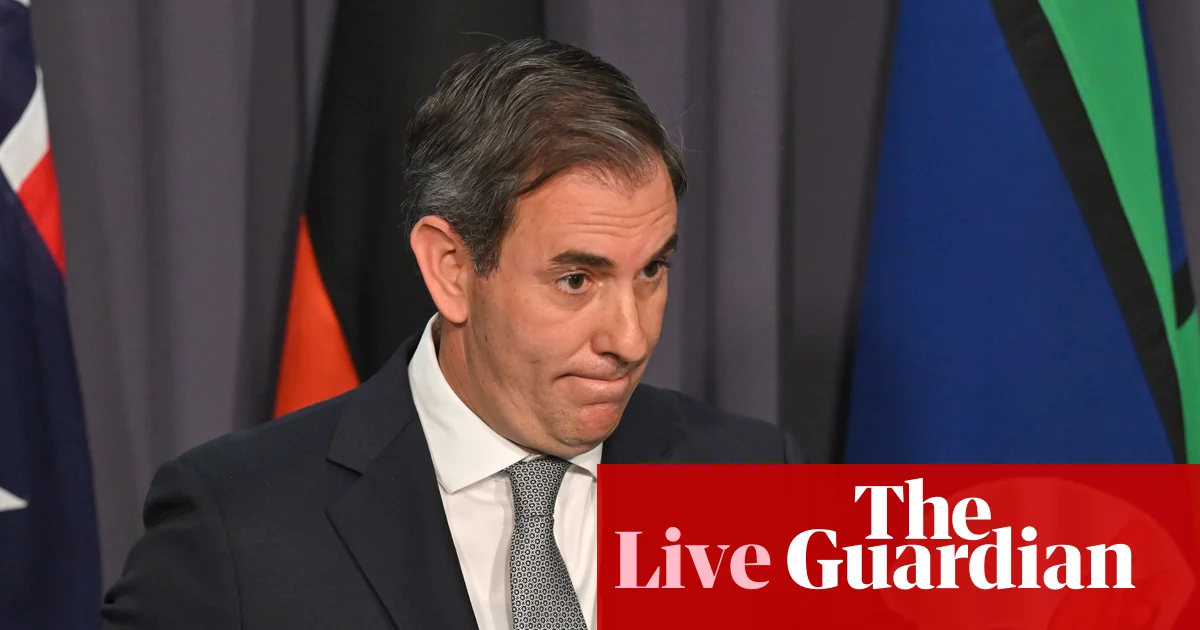
Australia News Live: Chalmers credits Keating as super tax climbdown hits; cybercrime costs skyrocket

In a rapidly evolving geopolitical landscape, recent developments have underscored the profound influence of individual leaders and international blocs in shaping global stability. Australia, often considered a peripheral player, has stepped into the spotlight, revealing new insights into how internal political debates and policy recalibrations resonate beyond the southern hemisphere. The Australian government’s recent decision to back down on a controversial superannuation tax proposal, reportedly influenced by veteran politician Paul Keating, exemplifies the complexities faced by national leadership when balancing domestic interests with broader economic stability. According to analysts from international think tanks, such moves reflect a cautious approach aimed at maintaining fiscal sustainability while navigating critic’s criticisms—a theme echoing across nations where pragmatic adjustments are viewed as essential in facing economic uncertainties.

Meanwhile, the Middle East remains a volatile theater, with recent breakthroughs highlighting the importance of diplomatic finesse and the unpredictable role of influential figures. Penny Wong, Australia’s foreign minister, praised the Gaza ceasefire as a “singular achievement” attributed to Donald Trump‘s talks, which facilitated the release of Israeli hostages—an act described by critics as a potential turning point in regional diplomacy. The engagement of influential personalities like Trump plays into a larger narrative where leadership decisions—whether in the form of external pressure or negotiated compromise—alter the course of history. Insightful commentary from analysts at major international institutions suggests that such moments serve as testaments to the importance of strategic diplomacy, even when many nations remain cautious about deep involvement, preferring to contribute quietly but decisively.

Meanwhile, the rise of cyber threats signals a new battleground where national security and economic stability are increasingly intertwined. The Australian Signals Directorate’s recent report warns of the soaring costs inflicted upon businesses—surging more than 200%—indicating a shift in cybercrime tactics toward stolen credentials and network breaches rather than traditional hacking. Such strategies allow criminal entities to operate under the guise of legitimate users, creating a new type of threat that national security agencies struggle to contain. Experts warning from NATO and other alliances collectively emphasize that cyber warfare now constitutes a core element of geopolitical conflicts, with small and large nations alike facing the challenge of safeguarding critical infrastructure amid an evolving digital battleground.

These interconnected shifts—domestic policy recalibration, regional diplomacy, and cyber security—highlight a definitive era where leadership at all levels faces turbulent challenges that could either fragment or unify global order. As leaders engage in policy shifts influenced by veteran advisors and historical figures, and regional conflicts teeter on the edge of resolution or escalation, history remains in flux. With each decision, each diplomatic breakthrough, and each cyber breach, the fabric of international stability is woven anew—leaving us to ponder: how will history judge these pivotal moments, and which future will emerge from the chaos of today’s decisions?

Campus jobs vanish as financial crisis hits youth future

Society at a Crossroads: The Human Cost of Higher Education Budget Cuts

Across the landscape of British higher education, recent years have revealed a troubling trend: an unprecedented wave of financial austerity measures that threaten the very fabric of our educational communities. The University and College Union (UCU) reports that more than 12,000 jobs have been slashed in the last year alone, with an additional 3,000 positions at risk due to ongoing cost-saving initiatives. These reductions go beyond mere numbers— they echo deeply within the lives of students and staff, altering the core of our societal structure where families, education, and community tie together. As universities grapple with the need to tighten budgets, the moral and social consequences ripple outward: what does it mean for a student aiming for a future, or a lecturer whose livelihood hinges on decisions made in boardrooms?

Disturbingly, this climate of cutbacks fuels a demoralized workforce— university staff report being “exhausted, furious, and undervalued,” as Jo Grady, UCU general secretary, starkly describes. The sustenance of >4 million students in England alone is now shadowed by uncertainty, with many witnessing the disconsolidation of vital support services such as disability resources and cleaning staff. Such austerity measures are not just financial; they strike at the ethical heart of what it means to serve the public good. Sociologists like Michael Apple warn that these policies prioritize economic “efficiencies” at the expense of societal well-being, leading to a long-term decline in social mobility and access to higher education for the most vulnerable.

Among those facing the harshest consequences are academic staff like Dr. Zak Hughes, a chemistry lecturer at the University of Bradford, who describes the stark reality: he risked losing his job and, if that happens, will have to move back with his mother into her home, a stark symbol of societal insecurity. Meanwhile, in Edinburgh, a similar story unfolds where a planned £140 million in cuts looms over nearly 1,800 jobs, casting a shadow of doubt over students’ futures. Young people like Caspar Cubitt, a theology student, admit that the uncertainty has caused them to question their very decision to pursue higher education, stirring a cultural shift where aspirations are replaced with apprehensions. The historian David Brooks underscores that these trends threaten the foundations of our civic identity, as universities have long been pillars of societal progress and moral debate.

In response, some institutions call for “swift and decisive action” from the government, emphasizing that financial stability must be balanced against the moral obligation to support future generations. Yet, the crisis illuminates a deeper societal tension: how do we preserve the integrity of education in a system increasingly driven by economic imperatives? For families, this means reconsidering their investments in their children’s futures; for communities, it signals a fracturing of the social fabric that binds generations together. As the philosopher Francis Schaeffer once noted, society is only as strong as its moral commitment to human dignity and shared purpose. The challenge now is to envision a way forward—one that not only mitigates these cuts but also redefines the role of higher education as a true societal good, rooted in the promise of opportunity, hope, and resilience. In this moment of crisis, society is called to reflect: can it transform hardship into a catalyst for moral renewal, ensuring that the pursuit of knowledge remains a pursuit of justice?

Philippines shaken by powerful 7.6-magnitude quake—damage hits home

Philippines rocked by 7.6-magnitude quake amid regional instability

The southern Philippines faced a ferocious natural disaster on Friday as a 7.6-magnitude earthquake struck in the region of Mindanao. The seismic event, occurring in waters near the town of Manay, caused immediate panic and infrastructural damage across affected areas. Initial warnings of a potential tsunami prompted authorities to issue alerts within a 300 km radius, though these were eventually lifted as the Pacific Tsunami Warning Center confirmed the immediate threat had subsided. However, the physical and psychological toll on local communities remains significant, raising questions about the nation’s preparedness for such recurring crises tied to its geographic and geopolitical realities.

Regional and national responses highlight ongoing vulnerabilities and geopolitical stakes

  • The province of Davao Oriental reported widespread panic among residents, with buildings suffering damage, including cracks on vital infrastructure like the Magsaysay Bridge in Butuan City. Philippine President Ferdinand Marcos Jr. assured the public that urgent search and rescue operations were underway, emphasizing the importance of coordinated government response. Alongside local authorities, Philippine energy officials are monitoring power outages triggered by the quake, underscoring the potential destabilization of critical infrastructure amid natural disasters.
  • The disaster occurred only ten days after a devastating 6.9-magnitude quake hit Bogo City in Cebu, leaving 71 fatalities. This sequence of tremors underscores a volatile seismic profile characteristic of the (Pacific “Ring of Fire”), a zone that contributes to over 800 earthquakes annually, as per Philippine seismologists. Experts from the European-Mediterranean Seismological Centre estimate a slightly larger magnitude at 7.4 and a depth of 58 km, illustrating the complexity of accurately assessing such events amidst a history of regional vulnerability.

How international and regional factors complicate the geopolitical landscape

The uprising of regional tensions and geopolitical interests in Southeast Asia are intertwined with natural disasters in ways that shape the broader security calculus. The neighboring Indonesia issued an early tsunami warning for parts of North Sulawesi and Papua, highlighting regional fragility and interconnectedness that can escalate conflicts of aid and responsibility. Western nations, global institutions, and international aid groups are watching closely as Manila navigates both the immediate crisis and its larger strategic role in the Indo-Pacific. The Philippines’ geographical position as a US ally within the U.S.-China rivalry amplifies the geopolitical impact, with local events taking on significance well beyond the Pacific archipelago.

International analysts, including those from the Council on Foreign Relations and regional think tanks, warn that such propitious moments of natural disaster can serve as catalysts for larger geopolitical shifts. As the Philippines faces an increasing frequency of quakes, it must also contend with rising military and economic pressures from regional powers. The government’s ability to respond effectively will not only determine the survival of infrastructure and lives but will also influence regional stability and the perception of the Philippines as a resilient partner in Asia’s future.

As the dust settles over Mindanao, the true test begins—not only in rebuilding damaged homes and facilities but in forging a path that recognizes both the enduring power of nature and the imperatives of geopolitical strategy. For history’s pages yet unwritten, this quake may prove a mere chapter—or the prelude to a broader transformation in Southeast Asia’s fragile geopolitics. The weight of what lies ahead rests heavily on the shoulders of leaders, communities, and nations as they face the relentless march of the Earth’s restless crust, reminding all that sometimes, the most profound impacts are felt long after the tremors cease.

Russian missile hits railway station; over 30 injured, Zelensky reports

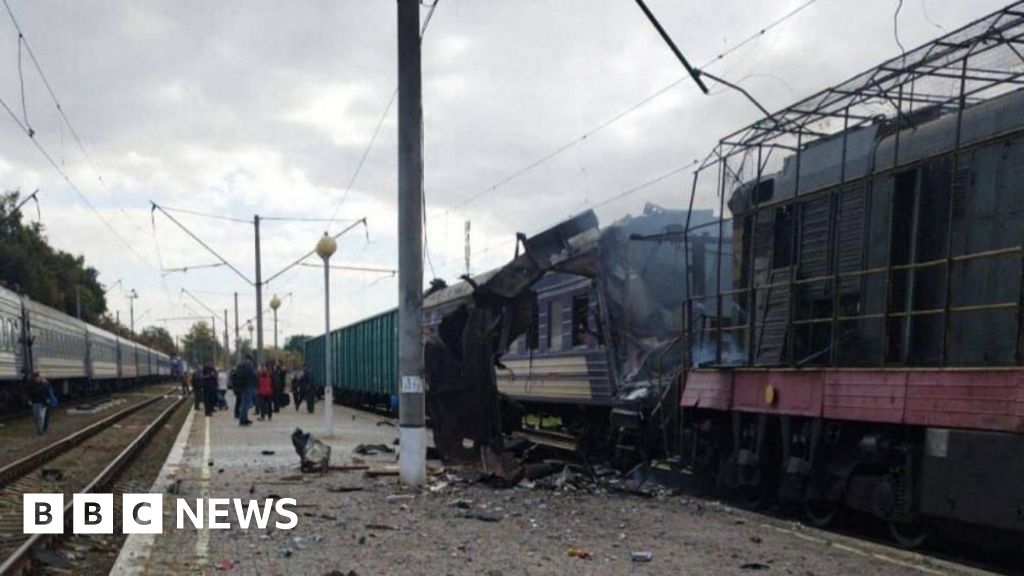
The escalating conflict in Ukraine has once again shifted into anirit of violence and desperation, as recent reports confirm a Russian drone strike that severely damaged railway infrastructure in the city of Shostka, located in the northeastern Sumy region. Ukrainian President Volodymyr Zelensky publicly condemned the attack, describing it as a blatant act of terrorism. With at least 30 injured—including children aged 8, 11, and 14—the strike underscores the brutal reality faced daily by the Ukrainian population amidst ongoing hostilities. The attack targeted civilians and vital transportation links, which Kyiv contends Moscow is deliberately sabotaging to destabilize the country’s fragile security fabric.

  • Two passenger trains were hit simultaneously during the strike, a calculated assault not aimed at military targets but designed to sow panic among civilians. Ukrainian authorities claim the attacks have increased in frequency and intensity, targeting key railway infrastructure critical for evacuation and logistics.
  • President Zelensky issued a stark warning, emphasizing that such acts clearly demonstrate Russia’s disregard for civilian life and international norms. He called on Western allies to translate their war-stated commitments into tangible support, specifically urging for increased provision of advanced air-defense systems to protect their frontline communities.
  • Meanwhile, recent weeks have seen an unprecedented surge in Russian aerial assaults, with hundreds of drones and dozens of missiles launched weekly, creating chaos and overburdening Ukraine’s defense capabilities. The devastating 12-hour drone and missile attack last Sunday, which resulted in fatalities and injuries in Kyiv, exemplifies Moscow’s escalating efforts to weaken Ukraine’s resilience.

The geopolitical impact of these developments extends beyond Ukraine’s borders, highlighting a shift in the global balance of power and exposing the limits of Western military support amid an astoundingly complex conflict. Washington and European capitals remain divided over how assertive they should be in arming Ukraine; some analysts suggest that a failure to provide sufficient defensive weaponry could embolden Moscow, potentially leading to further destabilization across Eastern Europe. The Biden administration, under pressure from allies, has agreed to a mechanism for European nations to purchase U.S.-made weapons for Ukraine, signaling a shift towards more direct support. Nonetheless, Russian President Vladimir Putin remains steadfast in his refusal to consider a ceasefire, characterizing Kyiv’s calls for peace as a tactic to buy time while his forces slowly advance on the battlefield.

International organizations and historians warn that this ongoing conflict, if unresolved, risks broader regional destabilization and possibly a wider confrontation involving NATO members. The international community faces a stark choice: escalate support in the hope of deterring further aggression or risk conceding ground and allowing Vladimir Putin to reshape the security architecture of Eastern Europe according to his own strategic interests. The increased Russian drone activity, which now threatens European airspace, has prompted debates among military experts about the need for more sophisticated defensive systems and the potential for the conflict to spill over into neighboring countries. As analysts like Dr. Maria Ivanova warn, “The longer this war persists, the more it erodes the very fabric of international peace, pushing the world toward a dangerously fragile future.”

As the smoke of conflict continues to rise and the drums of war swell louder, the world stands on a precipice—a history still being written through relentless violence and diplomatic failure. Each drone strike, each volley of missiles, is a grim reminder that the fight for sovereignty, security, and justice is far from over. And as the shadows of history deepen over the battlefield, the eyes of the world remain painfully aware: the choices made today will echo through the annals of history, shaping the future far beyond the borders of Ukraine. The question remains: how many more lives must be shattered before the weight of diplomacy finally turns the tide, or will this ongoing chaos forever redefine the fabric of international order?

Storm Amy hits UK: London’s royal parks shut, Scotland faces blackouts and travel chaos

Storm Amy’s Global Impact: A Shattering Force of Nature and Its Geopolitical Consequences

As Storm Amy sweeps across northern Scotland, Ireland, and Scandinavia, its destructive power has transcended mere weather phenomena, revealing the vulnerabilities and resilience of modern societies. With wind speeds reaching record-breaking levels—such as the slip of Baltasound into the lowest pressure ever recorded in the UK—this tempest underscores a new chapter in climate variability. According to the Met Office, the storm broke overnight pressure records, signaling a menacing escalation in storm strength that meteorologists and climate scholars are closely monitoring. The storm’s ferocity has led to widespread flooding, power outages, and transportation chaos, emphasizing how nature’s fury is reshaping the geopolitical landscape and how nations respond to environmental crises.

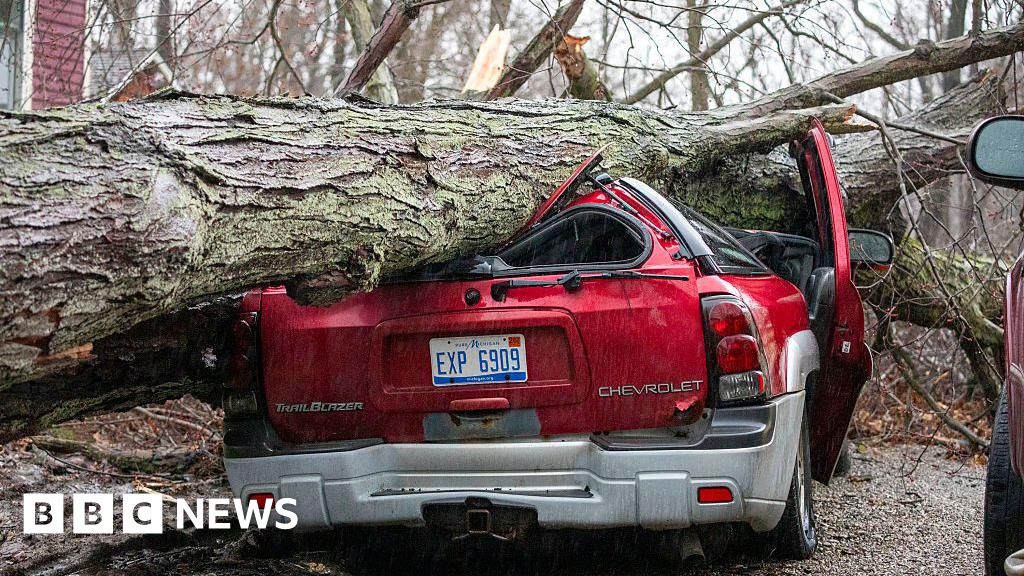
Across Ireland, the storm’s wrath has caused the loss of power for hundreds of thousands, with officials warning that recovery could take days—particularly in counties like Donegal and Galway. Irish police reported the tragic death of a man in County Donegal as a direct result of this weather event, intensifying the human toll amidst the chaos. The Irish Meteorological Service’s yellow and amber warnings highlight the dangerous scale of Wind gusts exceeding 90 mph, which have already toppled trees, torn down power lines, and triggered floods in coastal regions. Similar scenes of devastation have been reported in Scotland, where more than 170 incidents have been logged by Network Rail, including fallen trees obstructing railways, leading to transport bans and economic disruptions. Once seen as unpredictable yet localized, such environmental catastrophes are now evidence of an increasingly volatile climate—a development that is inexorably linked to geopolitical strategies in the 21st century.

Beyond the British Isles, Storm Amy’s reach extends into Scandinavia, striking Sweden, Denmark, and Norway. Heavy gusts have caused power outages in tens of thousands, alongside flooding and damage to infrastructure. The European response reveals a continent on edge, with authorities in Norway issuing flood warnings and warnings for large waves threatening coastal areas. International traffic and maritime routes are severely impacted, showcasing how extreme weather patterns are stirring an urgent reevaluation of geographic vulnerabilities. Historians and climate analysts warn that these storms are consistent with the patterns forecasted by climate change models, heralding a new era where geopolitics will increasingly contend with the instability introduced by increasingly frequent and intense environmental disasters.

Geopolitical Impact: A Testing Ground for Resilience and Cooperation

The widespread devastation from Storm Amy exposes the fragile fabric of modern society’s infrastructures—transport, power, and communication networks—yet also tests the mettle of international cooperation. Governments scrambled to respond, with disruptions affecting everything from regional train services in Scotland to ferry routes in Ireland. The frequent suspension of critical transportation—such as the postponement of rugby matches in Galway and the halting of Scotland’s rail networks—illustrates how environmental shifts threaten economic stability and social cohesion. Analysts at the United Nations warn that failure to adapt to these climate pressures will deepen geopolitical tensions, especially in regions where resources are already stretched thin.

In particular, the storm’s ferocity serves as a sobering wake-up call to Western nations, prompting discussions on infrastructure resilience, emergency preparedness, and climate diplomacy. Governments are now forced to confront the reality: climate change is no longer a distant threat but an immediate challenge with profound geopolitical ramifications. Countries are increasingly entering alliances focused on climate adaptation, energy security, and shared responses to natural Calamities. According to climate scientists, delays in investing in adaptive infrastructure threaten to exacerbate social divides, fueling migration pressures and resource conflicts in vulnerable regions. Even international institutions like the European Environment Agency have voiced concern, emphasizing that the storm’s impacts are a stark illustration of a changing climate demanding immediate international action.

The Unfolding Canvas of History: An Era Marked by Nature’s Wrath

As the storms continue to batter Europe and the British Isles, history reminds us that such events are not isolated but interconnected with the larger currents of environmental and geopolitical change. The images of fallen trees, flooded roads, and power outages are the visuals of a new reality forged by climate shifts—reality in which nations must reshape their policies, their economies, and their very understanding of security. Indeed, as analysts warn, the escalating frequency and intensity of storms like Amy threaten the stability of societies and international order itself. The chaos wrought by this storm is a stark reminder that in an age of rapid environmental change, the lines between nature and geopolitics are irrevocably blurred, and history itself is being rewritten by the power of the elements.

Lake Powell’s shrinking capacity hits critical levels, new report reveals

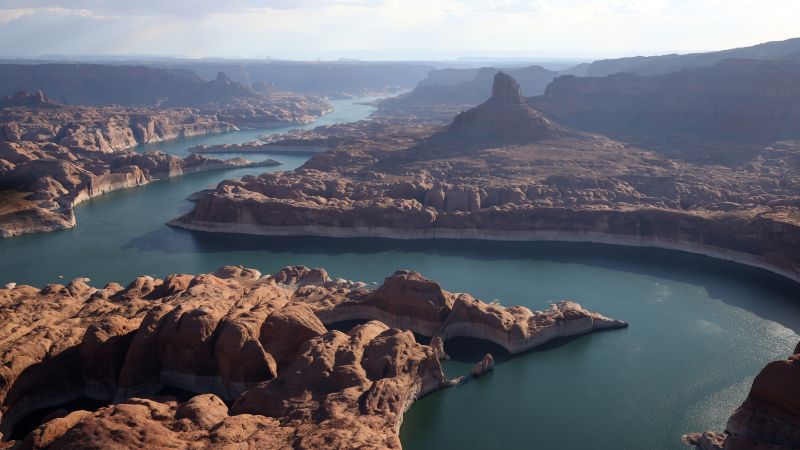
Lake Powell, the second-largest human-made reservoir in the United States, exemplifies the mounting hydrological crisis threatening the American Southwest and beyond. Since the construction of Glen Canyon Dam in 1963, this vital water resource has seen an alarming decline, losing nearly 7% of its storage capacity. New reports from the US Geological Survey and the Bureau of Reclamation reveal an ongoing, relentless reduction primarily driven by an intense multiyear drought. This decline isn’t just a matter of water levels but a seismic shift that exposes the fragile relation between natural resource management and national security in a climate-stressed era. As Lake Powell’s capacity diminishes, falling to just about 25% full, the consequences ripple across the geopolitical landscape, affecting millions, economic stability, and regional power dynamics.

Historian Harald Malmgren and analysts at international organizations warn that such environmental distress is more than just a regional concern. Lake Powell’s shrinking is a stark warning about the growing stress on transboundary water systems. The reservoir’s waters—crucial for over 40 million people across seven American states and northern Mexico—serve as the lifeblood for drinking, agriculture, and hydroelectric power. The report highlights sediment accumulation from rivers like the Colorado and San Juan, further diminishing capacity—an internal degradation echoing a broader systemic failure in managing natural resources amid changing climate patterns. This crisis escalates as Lake Powell and nearby Lake Mead — the nation’s largest reservoir — continue to drain at an alarming rate. Lake Mead even triggered the historic declaration of a water shortage in August, the first in history, with mandatory water cuts beginning in January, directly impacting urban centers, industry, and agriculture.

The geopolitical stakes extend beyond mere water rights. The implications threaten regional stability, especially as water scarcity fosters tensions among states and native communities. Analysts argue that, unless federal or international interventions occur, conflicts over access and sustainable management will intensify. Countries like Mexico rely heavily on the Colorado River’s water, introducing diplomatic pressure and potential border tensions. According to United Nations reports, such transboundary resource conflicts could destabilize diplomatic relations and threaten cooperation under international treaties like the 1944 Water Treaty between the U.S. and Mexico. The scenario forewarns a future where scarcity becomes a catalyst for instability, with nations vying for control over dwindling resources. Echoing statements from climate experts, if present trends persist, the Southwest may soon face severe social upheaval, rural depopulation, and environmental degradation that could span generations.

As the crisis deepens, climate change and mismanagement are often cited as primary culprits; however, many critics emphasize that policy failures and insufficient infrastructure investments compound the crisis. With experts warning that drought conditions could worsen in the coming months, the future of this vital water system remains uncertain. The unfolding story of Lake Powell mirrors a broader historical lesson: that ignoring environmental realities in favor of short-term gains can leave societies vulnerable to devastating consequences. The narrative of water scarcity in the American West is nothing less than a dramatic chapter in global geopolitics — a stark reminder that, as the pages of history turn, humanity’s ability to adapt will determine whether societal resilience endures or succumbs to the relentless forces of nature.

Top chargers dropping early — get ready before Prime Day hits!

Harnessing Portable Power: The Future of Mobile Energy Solutions Dominates Tech Discourse

In an era where technological disruption is reshaping how we connect, work, and play, portable power innovations are taking center stage. Industry leaders like Anker and Jackery continue to push the boundaries of mobility, positioning themselves not just as accessory providers but as pivotal players in the burgeoning portable energy market. These advancements could redefine the interface between consumers and technology, emphasizing innovation, convenience, and resilience.

The recent launch of Anker’s 633 Magnetic Battery exemplifies how companies are integrating disruptive features into compact form factors. This MagSafe-compatible charger combines high efficiency with user-centric features such as an integrated kickstand and multiple charging modes—wireless at 7.5W or through its USB-C port at 20W. Its support for passthrough charging and dual-port options profoundly impacts on-the-go energy management. While gadget users have long perhaps accepted the constraints of power limitations, innovations like this shift the paradigm, enabling a seamless, always-connected experience. With a capacity of 10,000mAh, enough to power most smartphones, it underscores a market trend toward more energy delivery in smaller packages.

On the industrial front, the emergence of dedicated portable power stations such as Jackery’s Explorer 1000 V2 signals a shift toward *off-grid sustainability*. Its design—notably three AC outlets, multiple USB ports, and an impressive 1,070Wh capacity—positions it as an essential device for outdoor adventurers, emergency preparedness, and remote work settings. Early October Prime Day deals, which cut its price to under $430, reflect strategic pricing aimed at capturing a segment eager for reliable, high-capacity power on demand. Given that Jackery claims its batteries retain about 70% of their capacity after 4,000 cycles, the platform’s longevity makes it a disruptive force in traditional power storage industries. Companies that pivot quickly to incorporate these mobile solutions could capture unprecedented market share, especially as remote work and outdoor activities accelerate globally.

The business implications are equally dynamic, with innovations driving a new competitive landscape. Analysts such as Gartner forecast that portable power devices will grow at a compound annual rate exceeding 20% in the coming years, driven by shifting consumer expectations and the relentless rise of mobile lifestyles. Tech giants and startups alike are investing heavily in R&D—integrating AI for smarter power management, developing lighter yet more durable battery chemistries, and exploring hybrid systems that combine solar with conventional energy sources. This wave of disruption not only threatens established utilities but also paves the way for new ecosystems of integrated, sustainable energy solutions. Firms that prioritize interoperability, durability, and rapid charging will dominate emerging markets, fundamentally altering how we think about energy independence.

Looking ahead, the pace of innovation suggests a tech landscape increasingly defined by lightweight, high-capacity, and eco-friendly portability. The convergence of AI, IoT, and battery technology heralds a future where **portable energy devices** are not just tools but strategic assets—enabling everything from autonomous remote operations to emergency disaster response. As industry pioneers like Elon Musk and Peter Thiel emphasize, maintaining a sense of urgency and anticipating breakthrough shifts will be crucial for stakeholders aiming to lead this dynamic sector. In the coming decade, the race to dominate portable power markets will likely determine the next wave of technological sovereignty, with those embracing innovation at its core poised to define the future of mobility and resilience.

Disney’s Price Hike Hits Hard at the Wrong Moment

Disney Faces Backlash Amid Controversies and Price Hikes

In an era where innovation and disruption are paramount, Disney appears to be stumbling. The entertainment titan has recently found itself in a predicament that has drawn ire from both sides of the political spectrum. In a swift sequence of events, Disney not only angered a segment of its viewer base but also responded to pressure by raising the prices of its streaming services. This decision has compounded the chaos, resulting in widespread backlash and potentially significant business implications.

The troubles began when Jimmy Kimmel Live! was suspended following comments made by the host regarding Charlie Kirk’s death. Kimmel’s remarks, seen as politically charged, sparked outrage from conservative circles, including notable figures like Elon Musk, who labeled Kimmel’s comments as “disgusting.” The fallout quickly escalated when Brendan Carr, Chair of the Federal Communications Commission (FCC), threatened intervention unless broadcasters took action against Kimmel. This led to what some critics have called a form of government censorship, as Disney made the controversial decision to pull the show from its schedule “indefinitely.”

The aftermath of this move was immediate and polarized. Although it seemed to placate some conservatives, it alarmed left-leaning supporters of free speech and drew the ire of many within the entertainment industry. Notably, members of the Writers Guild of America protested outside Disney’s headquarters in condemnation of its decision. Critics pointed to this incident as a worrying shift towards corporate capitulation, endangering the principles of free speech. Celebrities like Tatiana Maslany leveraged their platforms to urge audiences to cancel subscriptions to Disney Plus, Hulu, and ESPN, creating a ripple effect in viewer sentiment.

As the dust began to settle, Kimmel returned to the airwaves, where he labeled Carr’s threats a violation of the First Amendment. Concurrently, Disney announced a considerable price increase set to take effect on October 21st, elevating the cost of its ad-supported plan from $9.99 to $11.99 and its ad-free offering from $15.99 to $18.99 per month. This dual strike of controversy and price hikes casts a looming shadow over Disney’s future, raising questions about consumer loyalty and the overall viability of its strategy in a fiercely competitive media landscape.

Looking ahead, the convergence of political dynamics and corporate strategy will likely necessitate a profound transformation in how entertainment giants operate. Analysts from institutions like Gartner have long advised companies to anticipate shifts in market sentiment, particularly among younger demographics. With media consumption habits evolving in real-time, companies like Disney may find themselves at a crossroads, challenged to innovate not just content, but also how they engage with their audience. The stakes are high; in a world where viewer preferences can pivot on social media cues, the luxury of time may no longer be a viable option. Disney’s current trajectory emphasizes the urgency to redefine its business model, or risk losing relevance in an industry rife with alternatives.

Social Media Auto Publish Powered By : XYZScripts.com