Matox News

Truth Over Trends, always!

Crypto bill’s Congressional push hits a wall—Youth tech still waiting for breakthroughs

Crypto Industry Faces Disruption as U.S. Policy Gridlock Intensifies

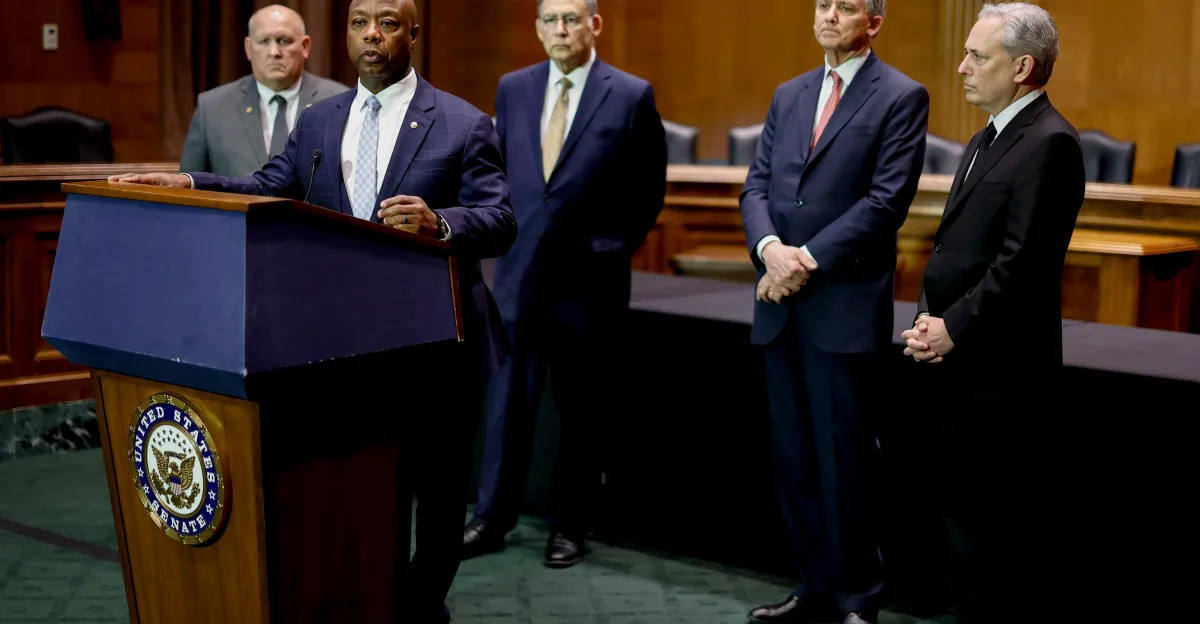
Innovation and disruption are constants in the fast-evolving landscape of blockchain technology and cryptocurrencies, but recent developments in Washington threaten to stall vital progress. Major players like Coinbase are closely watching legislative maneuvers that could redefine the regulatory framework for digital assets. As the U.S. Congress nears a pivotal juncture, the industry stands at a crossroads where political partisanship and industry priorities collide, potentially shaping the future of finance for years to come.

At the center of this turbulent scene is the contentious Clarity Act, which aims to establish clear regulatory guidelines for the burgeoning stablecoin sector. Innovation in stablecoins—cryptocurrencies pegged to traditional mediums like the US dollar—has been a turbocharged driver of adoption, with Coinbase offering 3.5% rewards on USDC holdings—a rate vastly eclipsing traditional bank interest. Such rewards act as powerful incentives for retail and institutional holders, hinting at a future where stablecoins could be central to mainstream financial daily routines. However, the banking lobby perceives these rewards as loopholes that could undermine traditional deposit-based models, lobbying hard to limit or prohibit such yields, which delays crucial market structure legislation. If the bill passes, Coinbase anticipates a significant business impact, with stablecoin rewards potentially curtailed, thereby limiting their competitive edge and the transformative potential of DeFi solutions.

The business implications extend beyond Coinbase alone. Industry analysts from institutions like Gartner and think tanks like MIT warn that the ongoing legislative gridlock could disrupt innovation pipelines and slow the adoption of crypto-based financial products. The political battleground is heated, especially with upcoming midterm elections which threaten to bring partisan polarization into even sharper focus. Democrats and Republicans are at loggerheads over the broader market regulation, with Democrats generally more skeptical of crypto’s risks, while Republicans tend to favor the industry’s potential to disrupt traditional financial institutions. The political calculus becomes increasingly complex as key figures—such as Sen. Elizabeth Warren or Maxine Waters—oppose industry-friendly policies, driven by fears of destabilization and concerns over banking incumbents’ dominance. Meanwhile, industry lobbyists are emphasizing crypto’s voter base; crypto holders are seen as highly motivated, single-issue voters whose wallets significantly influence election outcomes.

The industry’s future hinges on strategic legislative momentum. The Senate Agriculture Committee is scheduled for a crucial markup, but hope dims as bipartisan unity frays. As Cody Carbone, CEO of The Digital Chamber, notes, “The longer the partisan battle persists, the more likely crypto will be sidelined in favor of entrenched bank interests. If Democrats control both chambers, legislative prospects dim further, with prominent committee chairs signaling a focus on enforcement over adoption for crypto.” Such a scenario could result in a policy deadlock that stifles innovation and allows entrenched interests to maintain control. However, industry insiders remain cautiously optimistic if bipartisan support can be rekindled swiftly, as crypto advocates argue their voter base is more influential than assumptions suggest. The upcoming weeks are critical—stakeholders must navigate an urgent landscape where policy, business, and politics intertwine to decide whether the next wave of financial disruption will be unleashed or stymied by congressional gridlock.

With the trajectory of crypto regulation hanging in the balance, the industry faces a stark reality: delay breeds risk. As Peter Thiel and Elon Musk warn about the necessity of proactive innovation, the urgency to push forward legislation that fosters disruptive technologies becomes undeniable. The next legislative cycle could either accelerate America’s leadership in digital finance or cede that ground to emerging global competitors. For entrepreneurs, investors, and consumers alike, understanding this high-stakes game isn’t just advisable—it’s essential. The clock is ticking, and the future of financial innovation depends on decisive action now.

Winter storm hits America: millions left in the cold amid outages and chaos

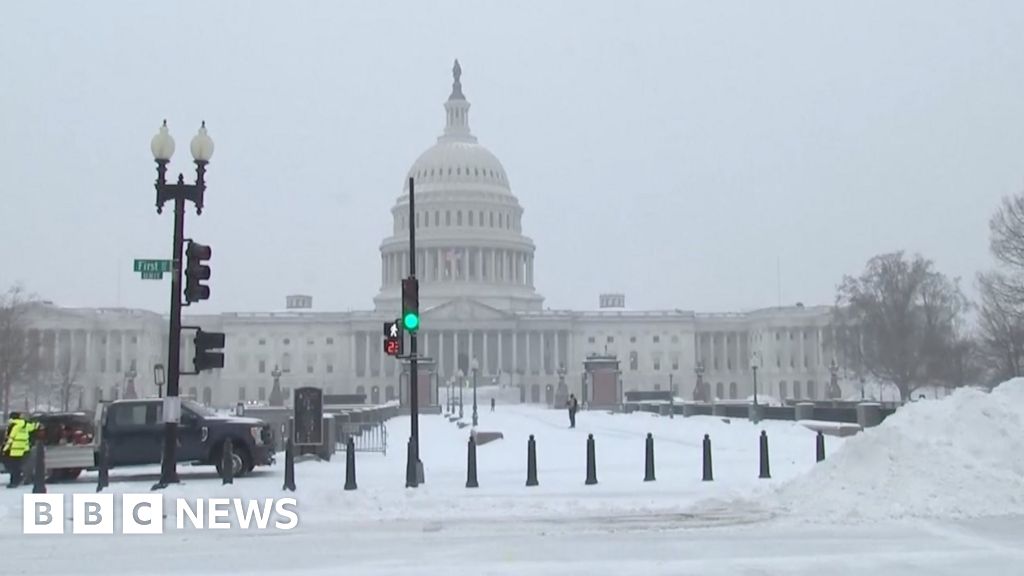
In recent days, The United States has experienced an unprecedented winter storm, characterized by severe snowfalls and dangerously low temperatures that have crippled large swaths of the country. The National Weather Service issued urgent warnings about wind chills plunging below -20°C in numerous urban centers, turning once bustling metropolises into frosty battlegrounds of survival. President Donald Trump responded decisively by declaring a series of federal emergency disaster declarations spanning nearly a dozen states, including South Carolina, Virginia, and Kentucky.

This meteorological crisis is notable not just for its immediate humanitarian toll but also for its broader geopolitical ramifications. As extreme weather events like this winter storm become increasingly frequent and severe, they underscore the pressing need for nations to re-evaluate their preparedness and resilience strategies. Major international organizations, such as the World Meteorological Organization, have repeatedly warned that climate variability poses a formidable threat to security, economies, and societal stability worldwide. While the U.S. swiftly mobilizes internal resources, the incident exemplifies a reality where climate change acts as a force multiplier for geopolitical instability, influencing diplomacy and international relations.

Furthermore, the decision by U.S. authorities to declare emergencies in multiple states highlights a broader pattern of how nations respond to internal crises with implications that extend beyond borders. These measures serve as a reminder for allies and adversaries alike of the importance of resilience in the face of natural disasters—yet they also raise questions about the long-term impact of environmental disruptions. Historically, analysts have pointed out that countries unable to adapt swiftly to climate-induced catastrophes risk becoming more vulnerable to geopolitical shocks. In a world where chaos often begets opportunism, the challenge remains: how do nations secure their sovereignty amid a rapidly changing climate?

The international community, including major powers and emerging nations, is watching with keen interest as the United States navigates this crisis. While the immediate concern lies in rescuing stranded communities and restoring basic services, the larger geopolitical dialogue shifts towards resilience—a debate that intertwines environmental policy, economic stability, and national security. Historical analysts warn that failure to address these environmental threats could result in a new chapter of instability—one where climate change acts as a catalyst for conflict, displacement, and resource wars. As the cold grips the nation, the world must reflect on the lessons etched into the icy face of adversity: the decisions made today set the stage for the future balance of power.

As history watches silently from the pages yet to be written, the cold truth remains: in an era of unpredictable and escalating natural disasters, the line between environmental catastrophe and geopolitical crisis has grown dangerously thin. The icy winds sweeping across the United States serve as a stark reminder—nature’s fury respects no borders, and the decisions taken in one nation ripple across the fabric of international stability. The question remains—not if, but when—and how, will the world unite to confront the unyielding forces of change that threaten to reshape the geopolitical landscape forever.

UK Jobless Rate Hits Four-Year Peak of 5.1% Ahead of Budget—Youth Feel the Impact

Across the United Kingdom, recent labor market statistics reveal a troubling trend: unemployment has surged to a four-year high of 5.1% in the quarter ending October. This escalation signals a significant economic weakening, with the Office for National Statistics (ONS) reporting a decline of 38,000 payroll employees in November alone. Such figures echo a broader instability that threatens to destabilize the country’s fiscal and social stability. The rise in unemployment benefits and the reduction in hiring activity collectively underscore a labor market under duress, indicting ongoing economic vulnerabilities that have profound impacts on societal cohesion and national confidence.

Notably, the most affected demographic appears to be younger workers, a trend highlighted by analysts and supported by studies from organizations like the Resolution Foundation. These experts emphasize that, since 2020, an additional 415,000 individuals under 26 have joined unemployment rolls, posing serious questions about the future of youth employment and social mobility in the UK. The persistent rise in joblessness, despite the official unemployment rising from 3.9% in late 2023 to 5.1% by September 2025, signifies *a systemic crisis*. It reveals how the interconnectedness of global markets and domestic policy failures can magnify economic hardship for emerging generations, with potentially long-lasting geopolitical consequences.

Global analysts suggest that these economic difficulties are unlikely to be isolated incidents. The growing unemployment trend, combined with stagnant wage growth—currently hovering at 4.6%, only marginally above inflation—further compounds the challenge. Inflation has eased somewhat but remains elevated at approximately 3.6%, creating pressure on household budgets. The impending decision by the Bank of England to potentially cut interest rates from 4% to 3.75% indicates an attempt to mitigate economic strain. Yet, such measures could have broader ramifications for international financial markets and influence economic alliances, especially as the UK navigates an era of geopolitical uncertainty powered by shifting alliances and economic competition.

Historically, economic downturns of this magnitude not only weaken a nation’s internal stability but also recalibrate its global standing. As analysts warn of potential divisions within international powerhouse blocs, the UK’s economic trajectory may serve as a signal to other nations facing similar challenges in the wake of global upheaval. European and American allies watch closely—highlighting how economic resilience or fragility in one nation can alter the course of international relations. There is an increasing recognition—both among policymakers and global strategists—that economic stability is now intertwined with geopolitical influence, with the current UK crisis illustrating a broader pattern of *nation-states grappling with the consequences of global dislocation*.

As history continues to unfurl, the fragile fabric of a nation’s economy becomes a mirror of its geopolitical destiny. The decisions made today—whether to stimulate growth, reform labor markets, or fortify social safety nets—will resonate through the corridors of history. The shadow of unemployment and economic uncertainty looms large, a stark reminder that in an interconnected world, the fate of a nation is writ not solely in its borders but across the intricate web of global power dynamics. As leaders grapple with meeting the crisis, the weight of history presses ever harder, hinting that the coming months could redefine the course of the United Kingdom and, perhaps, the balance of global influence itself.

Israel hits top Hamas leader in major Gaza strike

The recent precision strike by Israel targeting a senior Hamas commander in Gaza underscores the ongoing volatility and deeply entrenched conflict in the region. The elimination of Raed Saad, the head of weapons production for Hamas’s military wing, the Qassam Brigades, signifies a calculated escalation by Israeli forces amid heightened tensions following the October 7 attacks, which resulted in over 1,200 deaths and more than 250 hostages taken. The extent of this operation reveals the precise nature of Israel’s military approach, aimed at dismantling Hamas’s leadership structure, yet it also amplifies international concerns regarding the broader humanitarian crisis unfolding in Gaza.

  • In the aftermath, reports from Gaza suggest that multiple casualties resulted from the strike, including Saad’s aide and another lower-ranking official, raising questions about the collateral damage inflicted on civilians.
  • The strike took place within a sensitive border area controlled by Israel, near the so-called Yellow Line, since 10 October, when a shaky US-led ceasefire was established. This fragile peace continues to be tested as violence persists on both sides, with analysts warning of how such targeted killings risk unleashing further cycles of retaliation.
  • Israel’s ongoing efforts to eliminate key Hamas figures, including Saad who had survived multiple prior attempts, illustrates its unwavering resolve to weaken the militant organization’s capabilities. However, critics argue that such tactical moves could undermine the broader geopolitical stability of the region, potentially emboldening hardline factions and complicating diplomatic prospects.

Meanwhile, international organizations and security analysts are closely monitoring how these events shape the ongoing saga of the Palestinian-Israeli conflict. The Biden administration’s support for Israel’s right to defend itself remains firm, even as the humanitarian toll in Gaza mounts to catastrophic levels. The UN and human rights groups continue to voice concerns about the sheer scale of Palestinian casualties—more than 70,000 fatalities reported by Hamas-run health authorities—highlighting the devastating impact on civilians caught amidst military operations. These developments have so far stalled any meaningful progress towards lasting peace, leaving millions in limbo as the specter of war looms large.

Driven by this escalating cycle of violence, the geopolitical landscape shifts once again with the implementation of President Trump’s 20-point peace plan. Its core premise involves disarmament of Hamas, regional de-radicalization, and the establishment of a transitional Palestinian governance under an international “Board of Peace,” overseen by a reconfigured U.S. administration. While many in Israel oppose a Palestinian state, viewing it as a security threat, others see this framework as a potential pathway to stability—if all parties commit to the arduous process of reconciliation. The plan’s future hinges on complex negotiations, with Benjamin Netanyahu set to meet President Trump on 29 December to discuss its prospects, a meeting that could determine whether the region steps toward a long-awaited resolution or descends further into chaos.

As history continues to unfold, analysts warn that the decisions made in these perilous moments will resonate for generations. The fate of Gaza, the resilience of its people, and the security of Israel are all intertwined in a web of geopolitical ambitions and regional loyalties. In this crucible of history, where peace remains elusive, the weight of unresolved conflicts demands not only strategic resolve but visionary leadership—lest the promise of peace be forever overshadowed by the shadows of war.

Big earthquake hits Japan’s northeast—youth feel the shake

In a stark reminder of Japan’s geological volatility, a powerful magnitude 7.6 earthquake struck the country’s northeastern coast, igniting fears of a potential tsunami and reigniting debates over the nation’s resilience in the face of natural disasters. The quake, which occurred at a depth of 50km approximately 80km off the coast of Amori, happened at 23:15 local time, and was felt across the region, prompting widespread evacuations and a flurry of emergency measures. Despite the immediate downgrade of tsunami warnings to advisories, the impact on local communities has been profound, with reports of injuries and disruptions to transportation infrastructure, underscoring the enduring threat that Japan’s complex geology poses to its society and economy.

International and national authorities responded swiftly to the crisis. The Japanese government activated emergency response offices within the Prime Minister’s crisis management center, mobilizing rescue and relief operations amidst the chaos. Minoru Kihara, Japan’s chief cabinet secretary, emphasized the relentless efforts to contain the damage and safeguard citizens. Meanwhile, the **Japan Meteorological Agency** underscored that no irregularities were reported at critical nuclear facilities like the Higashidori and Onagawa plants, nor at the **Fukushima** site, where the 2011 catastrophe remains a haunting precedent. Yet, the possibility of secondary disasters, including aftershocks or nuclear complications, continues to loom, echoing the historical trauma of the 2011 catastrophe that claimed over 18,000 lives, a devastating legacy that still influences Japan’s disaster preparedness strategy.

The geopolitical impact of such seismic events cannot be understated. As Japan navigates its path through an increasingly volatile Pacific Ring of Fire, skeptics argue that technological safeguards and disaster readiness must be constantly reevaluated. Analysts from global institutions, including the International Atomic Energy Agency, assess that such earthquakes have broader implications for regional stability, especially as tensions escalate in the Asia-Pacific region on multiple fronts. How Japan responds to these natural crises shapes not only national resilience but also influences regional security architectures, especially in an era where climate change may intensify geological activity. Moreover, the event underscores the importance of global cooperation, disaster response networks, and the need for international organizations to prepare for potential worst-case scenarios that could ripple beyond Japan’s shores, destabilizing neighboring countries and altering geopolitical balances.

As the echoes of the earthquake continue to reverberate across Japan and beyond, history remains a watchful sentinel. The lessons learned from 2011 still resonate—lessons of humility before nature’s immense forces, and the vital importance of preparedness in shielding societies from the fury of earth’s restless crust. With each tremor, the story of Japan’s endurance — and the world’s collective responsibility — is written anew, hanging in the balance of factors beyond human control, yet within the realm of human resolve. The unfolding chapters of this seismic saga serve as a stark reminder: in the theater of global geopolitics, natural catastrophes are both a test and a prophecy—an enduring testament to how fragile yet resilient our shared world truly is.

Amazon’s sleek new Kindle Scribe hits shelves December 10th—ditch the old, embrace the future.

Amazon Sets New Standard in Digital Notebooks with Innovative Kindle Scribe Update

In a bold move that underscores its commitment to disrupting the evolving landscape of digital note-taking and e-ink devices, Amazon has announced the upcoming release of its highly anticipated Kindle Scribe updates, scheduled for December 10th. This product refresh signifies a strategic pivot from traditional e-readers toward sophisticated, versatile digital notepads that could reshape how millions of consumers engage with content, creativity, and productivity. Priced at $629.99 for the new Colorsoft model and $499.99 for the standard Scribe, these devices aim to challenge entrenched players like Apple and Microsoft, leveraging Amazon’s unparalleled logistics and ecosystem integration.

The new Kindle Scribe models feature impressive technological innovations that highlight Amazon’s dedication to delivering a seamless, intuitive user experience. With larger 11-inch screens and a profile that stuns at just 5.4mm thick—thinner than many smartphones—the updates redefine portability and usability. The screens utilize texture-molded glass to enhance the friction when writing, mimicking the natural feel of paper and elevating the digital note-taking paradigm. Moreover, the devices integrate a novel LED lighting system, employing miniaturized LEDs that promise enhanced brightness and uniformity—crucial features for maximizing usability across various lighting conditions. Pairing this technological rigor with a new magnetized pen allows users to snap the stylus securely, reflecting Amazon’s focus on the business implications of integrated hardware design and user loyalty.

This launch underscores Amazon’s aggressive strategy to disrupt traditional digital publishing and note-taking sectors. By combining hardware innovation with its vast cloud infrastructure, Amazon positions the Kindle Scribe as more than just an e-ink device—it’s a tool for digital transformation in education, business, and creative industries. The appearance of the Colorsoft variant with a full-color display demonstrates Amazon’s ambition to challenge the significance of existing e-ink tablets, which have historically been constrained by monochrome screens. Analysts from Gartner suggest that Amazon’s investments into these advanced features could accelerate the wider adoption of digital notebooks, pushing competitors to innovate or concede market share.

However, the company’s strategy reveals a calculated approach to phased market entry. The $429.99 Scribe model without frontlighting is still expected in 2026, allowing Amazon to refine its technology and pricing power over time. Industry experts, including MIT researchers, warn that this incremental rollout could set a new industry standard, compelling competitors to elevate their R&D investments dramatically. Notably, leading tech thinkers like Elon Musk have emphasized the importance of disruption through innovation, which Amazon is actively pursuing. As Amazon consolidates its position, the interplay of hardware design, user experience, and ecosystem integration will determine who leads the next wave of digital content disruption.

Looking ahead, this move signals a new chapter in the digital revolution—where the convergence of advanced display technology, AI, and seamless hardware-software integration could redefine productivity, creativity, and how knowledge is consumed globally. For stakeholders across the tech landscape, there is a palpable sense of urgency: to innovate, disrupt, and dominate in a market where the winners will shape not just their industries but the future of digital interaction itself. As the December launch approaches, industry watchers will be scrutinizing Amazon’s ability to turn this strategic gamble into a lasting legacy of technological leadership and market disruption.

Death toll hits 146; thousands line up to honor victims

Tragedy Unfolds in Hong Kong: Deadliest Fire in Over 70 Years Claims 146 Lives

On what has become a nightmarish day for the Hong Kong-administrated territory, a catastrophic fire swept through multiple high-rise buildings in the Tai Po district, resulting in the loss of at least 146 lives. As authorities grapple with the devastating toll, the incident is sending shockwaves across the international community, exposing critical vulnerabilities in building safety protocols and igniting debates over regulatory oversight. The blaze, which began on Wednesday, rapidly engulfed seven of the eight tower blocks, forcing a massive firefighting operation that involved over 2,000 personnel and lasted until early Friday morning.

Initial investigations suggest that flammable materials, including plastic netting and bamboo scaffolding—standard in Hong Kong’s construction and renovation scene—may have substantially contributed to the fire’s ferocity. Fire officials reported temperatures soaring to 500°C (932°F), with flames spreading vertically and horizontally across interconnected towers, hampering efforts to contain the inferno. Shockingly, residents have raised concerns that fire alarms throughout the affected blocks were either malfunctioning or unheeded during the early stages of the blaze, exacerbating the tragedy. Arrests have been made—eight individuals detained on suspicion of corruption related to the renovation works, and three on manslaughter charges—highlighting potential negligence that may have played a pivotal role in the disaster’s escalation.

International Fallout and the Global Power Dynamics

  • The Chinese government, which maintains tight control over Hong Kong, has now faced intense scrutiny. Societies all over the world are watching with wary eyes as questions emerge about the effectiveness of Hong Kong’s regulatory agencies and the influence of corruption within the city’s development sector.
  • Foreign nations, including Indonesian and Philippine consulates, have reported multiple victims, underscoring the fire’s international human toll. The presence of foreign nationals among the dead complicates diplomatic relations and raises fears over safety standards for expatriates living in the region.
  • Global institutions like the United Nations, which frequently advocate for improved urban safety and disaster preparedness, are likely to face increased pressure to push for reforms, especially in densely populated urban centers vulnerable to similar calamities. This incident illuminates the ongoing challenges that advanced economies face in managing urban infrastructure, and some analysts warn that neglect and corruption are undermining decades of progress towards safer living environments.

How Decisions Shape Societies—A Critical Reflection

The fire at Wang Fuk Court is not merely an isolated tragedy but a reflection of broader issues endemic to modern urban development—namely, the prioritization of cost-cutting over safety, and the apparent apathy towards structural integrity, especially in government-subsidized housing. Historians note that Hong Kong has experienced devastating fires before, with the 1948 disaster claiming 176 lives and the 1918 Happy Valley Racecourse fire surpassing 600 casualties. Yet, each catastrophe has historically prompted fleeting reforms rather than systemic change, a pattern the current crisis risks repeating if urgent action is not taken.

International experts and organizations, including the World Health Organization and urban safety watchdogs, emphasize that these tragedies serve as harsh lessons in urban resilience. The atmosphere of corruption, coupled with lax enforcement and infrastructural shortcuts, directly endangers the very fabric of society. As protests and public mourning continue, the question remains: how many more lives will have to be lost before the collective will is galvanized into meaningful reform? The high-rise flames might have been extinguished, but the flames of accountability and vigilant civic oversight are yet to be kindled in earnest. This is a chapter that history will either condemn for negligence or commend for its resolve—either way, the story is still being written.

Four Dead at California Child’s Birthday Bash—Tragedy Hits Community

The tragic events in Stockton, California, where at least four individuals, including children, lost their lives during a mass shooting at a child’s birthday party, serve as a stark reminder of the persistent crisis gripping the United States. With ten others injured, the incident underscores how firearm violence continues to disrupt American communities, often in the most innocent of settings. Local authorities report that the shooter remains at large, and early indications suggest this may have been a targeted attack. The response of law enforcement and the community reflects a nation grappling with the devastating toll of gun violence, which has become an uncomfortably familiar aspect of American life.

Despite California’s reputation for some of the strictest firearm laws in the nation, recent legal developments reveal a significant decline in the effectiveness of those regulations. The 2021 federal court ruling overturning the state’s ban on assault weapons, including the AR-15, represents a critical turning point in the debate over gun rights versus gun control. Furthermore, the US Supreme Court’s decision in 2022 to strike down New York’s restrictions on concealed carry—deeming them unconstitutional—carried reverberations far beyond its initial jurisdiction. These legal shifts, analysts warn, threaten to weaken the relatively tight firearm regulations that California still upholds and undermine efforts aimed at reducing gun-related violence nationwide. Investigations into the Stockton shooting are ongoing, but the broader implications highlight how recent judicial decisions have emboldened advocates of expanded gun rights across the country.

The geopolitical impact of America’s internal crisis extends well beyond its borders. The ongoing debate over firearm regulations, and the controversial rulings that favor individual gun rights, resonate with other nations experiencing similar social upheaval. International organizations and security analysts note that such shifts embolden far-right movements and influence policies seen across parliamentary democracies, leading to a more volatile global landscape. As societies worldwide face radicalization, terrorism, and internal destabilization, the United States’ internal legal battles are viewed as a warning for fragile democracies. The role of international institutions, like the United Nations, increasingly emphasizes the need for laws that balance individual freedoms and collective safety—yet the U.S. example illustrates how political divisions can erode this effort.

Historically, a wave of crises—whether conflicts, inflation, or internal unrest—continues to shape the global balance. The Stockton tragedy, while localized, symbolizes a broader societal failure to address the root causes of violence and the importance of resilient governance. As some analysts argue that America’s internal divisions threaten to undermine its standing on the world stage, the specter of unchecked violence serves as a stark warning: the decisions made within its borders now have profound implications far beyond its shores. The story of Stockton is not merely about a single act of violence but a chapter in an unfolding global narrative where the weight of history presses down, and the future remains uncertain, yet undoubtedly pivotal in shaping the course of international stability.

Supabase Hits $5B Valuation, Shutting Down Big Deals — Here’s the Real Playbook

Supabase’s Bold Rise Signals a New Era in Developer-Centric Infrastructure

The tech industry is witnessing a seismic shift driven by vibe coding—a rising trend where startups and developers prioritize flexibility, innovation, and autonomy over traditional monolithic platforms. At the forefront of this movement is Supabase, an open-source database platform that has captivated the developer community by positioning itself as the backend of choice for modern app development. Having recently secured a staggering $100 million in funding at a $5 billion valuation, shortly after a $200 million round at a $2 billion mark, Supabase exemplifies how *disruption* and *technological innovation* are redefining the landscape for infrastructure providers. This rapid valuation growth underscores the threat posed to legacy giants such as AWS, Google Cloud, and Azure.

What makes Supabase particularly noteworthy is its strategic stance, exemplified by CEO Paul Copplestone‘s decision to decline substantial enterprise contracts that could require compromising its vision or rushing feature development. Instead, he bets on adhering to a *product-led growth* approach—trusting that a dedicated community of developers will drive *market adoption*. As highlighted by industry analysts from Gartner and MIT, such a model signifies a broader **industry shift towards open-source, decentralized platforms** that empower individual developers and startups, challenging the historical dominance of the database giants and cloud infrastructure oligopolies.

Implications for Business and Market Dynamics

The rise of Supabase and similar platforms signals a foundational transformation in how backend infrastructure will evolve, with disruptive potential for incumbent tech giants. Traditional enterprise-grade database providers have long enjoyed a near-monopoly status, often locked into complex, costly contracts. However, this new movement towards open-source, developer-friendly solutions urges established corporations to rethink their strategies, potentially leading to increased competition, innovation, and price pressures across the cloud ecosystem. According to Peter Thiel’s insights on technology entrepreneurship, *”monopoly is a consequence of technological advantage,”* and platforms like Supabase are embodying this by democratizing access to reliable backend infrastructure.

  • Increased democratization of development tools, lowering barriers for startups and individual developers
  • Potential erosion of market share for traditional database providers and cloud services
  • Shift toward *product-led growth* and *community-driven innovation*
  • Greater competition may accelerate innovation cycles and reduce costs for end-users

Moreover, disruptive innovations like Supabase align with trends observed by MIT’s Digital Economics Lab, emphasizing that *software infrastructure is becoming increasingly decentralized*. As the developer ecosystem becomes more autonomous, established tech corporations face the urgent challenge of innovating faster and listening more intently to the community’s needs. The success of such platforms may also redefine the *business models* of existing giants, pushing them to adopt more open, flexible, and developer-first approaches to remain relevant.

Looking Ahead: The Future of Developer-Centric Tech

As the industry accelerates toward an open, decentralized future, the role of innovation is sharper than ever. Investors and entrepreneurs recognize that platforms like Supabase aren’t merely *another startup*; they are *the harbingers of a new paradigm*—where the power resides not with centralized giants, but with agile, community-driven ecosystems. The key question remains: how will dominant corporations adapt to this *force of disruption*? With the pace of technological change intensifying, those who fail to innovate risk obsolescence.

Ultimately, the trajectory of vibe coding and infrastructure platforms like Supabase signals a compelling call to action: embrace rapid innovation, foster community engagement, and rethink traditional business models. In the words of Elon Musk, *”The future belongs to those who build it.”* As startup ecosystems evolve at breakneck speed, the imperative for established players is clear—**disruption is happening now, and the winners will be those daring enough to lead it**. The next decade promises to be a defining era where technological agility and strategic foresight will decide the true pioneers of the digital age.

Hong Kong apartment blaze nearly contained as death toll hits 94—rescue efforts ongoing

The devastating fire that swept through the Hong Kong housing complex in Tai Po has once again brought into focus the perilous state of urban safety standards amidst rapid development. With a death toll rising to 94 and over 250 still missing, this tragedy marks one of the deadliest fires in Hong Kong’s history in over 70 years. Rescue operations, which are now nearing their end, have uncovered harrowing details about the flames’ ferocity and the vulnerabilities inherent in densely populated, poorly regulated apartment complexes. This disaster underscores a broader dilemma facing many urban centers in the Asian-Pacific region, where modernization disproportionately outpaces safety enforcement.

Experts and international organizations have expressed concern that this tragedy reflects systemic issues rooted in the region’s construction and safety regulations. Analysts from the International Safety Council warn that without stricter enforcement, such accidents will remain commonplace. Investigators have focused capsule-like on the bamboo scaffolding, green mesh coverings, and the highly flammable styrofoam used in elevator window coverings—elements that significantly contributed to the fire’s rapid spread. The controversy over the construction materials highlights how cost-cutting and lax regulation can turn urban infrastructure into deathtraps. However, the most urgent question remains whether Hong Kong’s authorities will reform safety standards or continue to allow shortcuts that risk lives.

Amidst this chaos, Hong Kong’s government and officials from the construction oversight agencies are under intense scrutiny. Arrests have been made involving three employees linked to a company involved in the ongoing renovations. This incident has sparked wider debates about the efficacy of current fire safety laws. Critics point to the absence of mandatory flame-retardant regulations, emphasizing that current codes merely serve as guidelines rather than enforceable mandates. Lee Kwong-sing, chair of the Hong Kong Institute of Safety Practitioners, stated that turning these codes into legal requirements could serve as a crucial deterrent. This event is prompting calls for sweeping reforms within the construction sector—a sector where shortcuts can cost lives in a matter of minutes.

This tragedy dramatically illustrates the geopolitical impact of urban safety neglect, especially for a city like Hong Kong, known for its dense populace and economic prominence. How a society manages its urban environments reflects its respect for human life, and failure to adapt safety standards can lead to international criticism, damage to reputation, and heightened social unrest. Historically, urban fires such as the Great Chicago Fire and London’s Grenfell Tower tragedy serve as stark lessons—reminders that neglecting safety regulations publicly endangers entire communities and influences policy globally. As international observers monitor Hong Kong’s response, the world waits to see if this moment will catalyze a genuine overhaul of safety standards or if it will be yet another statistic in the ongoing tragedy of urban neglect.

In the shadow of flames and loss, history still unfurls—urging societies to heed the warnings of the past. If this disaster proves anything, it is that the spectacle of human tragedy can serve as a catalyst for meaningful reform or become yet another chapter in a pattern of ignored safety laws. As survivors and grieving families seek justice and accountability, the international community’s concern deepens—reminding us that in the race toward progress, neglect is an enemy that must be held at bay, lest history repeat itself at an even greater cost.

Social Media Auto Publish Powered By : XYZScripts.com