Matox News

Truth Over Trends, always!

US Banks Scramble to Secure Data After Hack Hits Financial Tech Firm

Cyber Breach at SitusAMC Sparks Industry-Wide Concerns Over Data Security and Disruption

In a rapid display of the evolving cybersecurity landscape, SitusAMC, a prominent provider of financial technology solutions to over a thousand commercial and real estate lenders, confirmed a significant data breach earlier this month. This incident underscores the escalating sophistication and audacity of cybercriminals targeting vital infrastructure within the financial sector. The breach, identified on November 12, involves the exfiltration of sensitive corporate data, including banking client information, legal agreements, and accounting records, which could have far-reaching implications for the stability and privacy of major financial institutions. The breach’s discovery has triggered a swift response from industry giants, including JPMorgan Chase, Citigroup, and Morgan Stanley, emphasizing how vulnerabilities in third-party technology providers can cascade across the financial ecosystem.

This incident illustrates a broader trend where disruption comes not only from emerging fintech innovations but also from the vulnerabilities they introduce. As SitusAMC processes billions of documents annually, its role as a critical intermediary in real estate and commercial financing has positioned it as a high-value target for hackers. The attack’s modus operandi indicates an intent focused on data exfiltration rather than destruction, as no encrypting malware was reported—highlighting a strategic shift towards covert data theft that could facilitate future financial fraud or blackmail scenarios. Industry analysts, including those from Gartner, warn of a “strategic gap” in cybersecurity defenses, especially among firms relying heavily on third-party vendors for core operations.

The strategic implications for financial institutions are profound. This breach exposes critical vulnerabilities that threaten the integrity of customer data and challenge the notion that current blockchain and encryption technologies alone can guarantee safety. Fintech disruptors and traditional banks alike are under rising pressure to implement comprehensive, proactive security measures. The incident serves as a stark warning: the future of fintech innovation depends heavily on disrupting accepted cybersecurity paradigms and investing in next-generation solutions. Institutions involved in this ecosystem must re-examine their risk models, as well as their reliance on external vendors, to prevent catastrophic breaches that could diminish consumer trust and regulatory approval—elements crucial for future growth.

Looking ahead, experts including Elon Musk and Peter Thiel emphasize that rapid technological advancements demand equally rapid innovation in security infrastructure. As AI-driven threat detection matures, the businesses that focus on disrupting traditional cybersecurity models now will be tomorrow’s leaders. The interconnectedness of financial technology, legal compliance, and data privacy dictates an urgent race to outpace hackers. The FBI’s ongoing investigation underscores the seriousness of these threats, and the industry must respond with greater urgency given the increasing frequency and sophistication of cyberattacks. It is clear that an era of robust, resilient, and disruptive cybersecurity measures is imminent—those who lead this charge will shape the future of financial innovation and maintain global market stability amidst an increasingly hostile digital battleground.

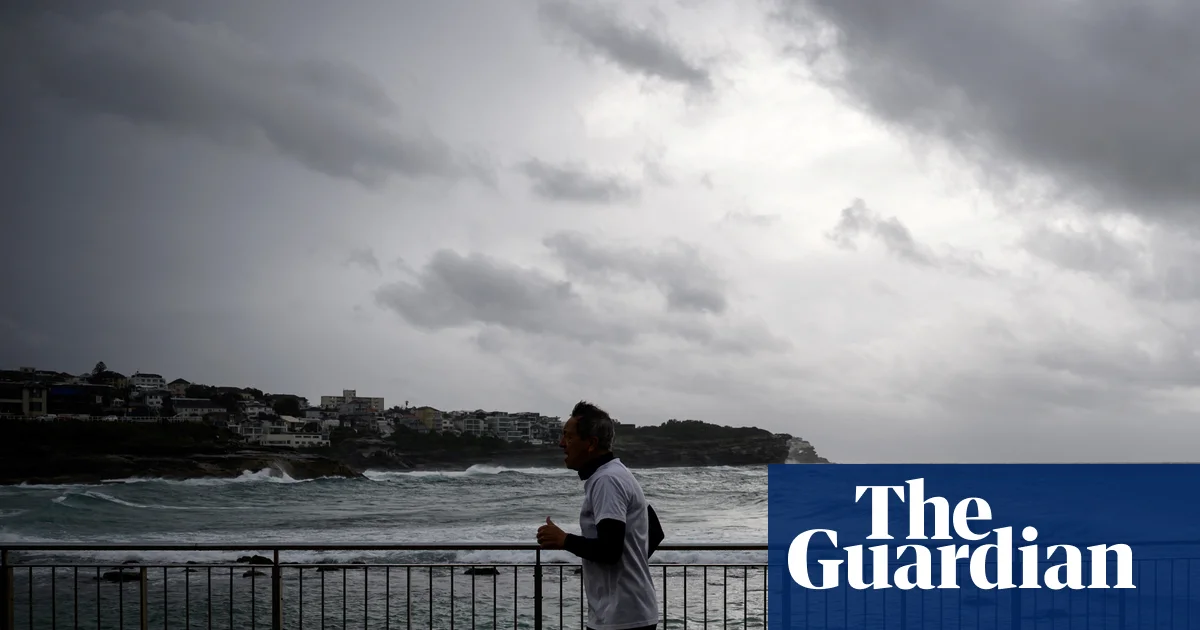
Severe Storm Threat Hits Sydney, Brisbane & Canberra — Stay Alert, Australia

As climate patterns continue to underscore the increasing volatility of our planet’s weather systems, Australia finds itself on the frontline of extreme atmospheric phenomena that threaten both its society and its economy. Unfolding in real-time, a series of severe thunderstorms are sweeping across northern and eastern Australia, an event that illustrates the broader geopolitical and environmental implications of climate independence and resource management. According to senior meteorologist Angus Hines of the Bureau of Meteorology, the storm activity presents a significant risk, with high moisture levels drawn from the tropics fuelling these dangerous weather outbreaks. Regions from the tropical north stretching into the populous eastern seaboard—including major cities like Sydney, Brisbane, and Canberra—are under threat of heavy rainfall, destructive winds, and potentially devastating power outages, exemplifying how climate anomalies affect everyday life at a national level.

Historically, Australia’s climate has been characterized by intense weather patterns, but recent years have seen a marked increase in both frequency and severity. Recognized by global analysts and climate scientists, these storm systems are not isolated incidents—they reflect a broader pattern of climate volatility exacerbated by anthropogenic factors. The ongoing storms follow a period of devastating weather events in Queensland, where over 11,000 homes experienced power loss—an episode that elicited concern over infrastructure resilience. Such disruptions highlight how the nation’s critical infrastructure—namely power and communication networks—remains vulnerable under the weight of climate-induced extremities. This scenario underscores a pressing reality: without decisive policy measures prioritizing climate resilience, Australia’s societal stability risks further erosion, with vulnerable populations bearing the brunt of environmental neglect.

Adding to the complexity is the untimely threat of bushfires, with the NSW Rural Fire Service issuing total fire bans in parts of the western slopes and plains. These bans echo historical warnings from environmental experts and serve as a stark reminder of the delicate balance between natural catastrophe and human activity. With the fire risk heavily compounded by high temperatures, strong winds, and lightning strikes, authorities face the daunting task of managing these overlapping crises. Meanwhile, a low-pressure system moving from the Timor Sea towards the Kimberley region raises concerns over a potential tropical cyclone early next week—an ominous turning point that could reshape regional geopolitics and influence the flow of resources in Western Australia. For international investors and diplomatic strategists, the intensification of natural disasters in such a resource-rich country signals a broader geopolitical concern: how climate destabilization may disrupt global supply chains, particularly in minerals and energy.

The geopolitical impact of these events extends beyond environmental damage. Countries worldwide are observing Australia’s predicament as a barometer of future global climate risks, with organizations like the United Nations warning that climate change is no longer a distant threat but an immediate crisis. As experts analyze the situation, they caution that neglecting climate adaptation at the national level could foster regional instability, fueling migrations, and heightening tensions over dwindling resources. The unfolding storm crisis serves as a sharp reminder that decisions made today—in policy, infrastructure investment, and environmental stewardship—will shape the course of history. The escalating severity of weather disasters in Australia acts as a clarion call to the international community: unless urgent action is taken, history’s ink will be written with the names of nations unprepared for the storm to come.

Russia hits Kyiv with deadly strikes in new wave, officials warn

In a devastating escalation of the ongoing conflict in Ukraine, Kyiv has been battered by a wave of Russian drone and missile strikes, resulting in the deaths of three civilians and the injury of over 26 others. Kyiv’s mayor, Vitaliy Klitschko, described the attacks as “massive,” highlighting how residential neighborhoods, hospitals, and critical infrastructure have come under relentless assault. As explosions shook the city’s core, Kyiv’s energy infrastructure suffered severe damage, leaving parts of the city without heat—a bleak reminder of how war inflicts suffering beyond the battlefield. Emergency responders rescued dozens, including victims trapped beneath rubble, emphasizing the human toll of what Moscow claims are targeted military operations, but which Ukrainians see as deliberate acts of terror aimed at civilian populations.

While Russia asserts that its attacks aim to cripple Ukrainian military capabilities, Western analysts remain skeptical. The international community widely views this surge in airstrikes as a deliberate effort to destabilize Ukraine’s resilience—particularly by targeting energy networks that sustain civilian life and undermine morale. Ukrainian President Volodymyr Zelensky responded by demanding “no exceptions” to Western sanctions on Russian energy exports—an urgent call to weaken Russia’s economic backbone. This comes amidst a broader pattern of Moscow’s strategy: deploying drones and guided bombs to weaken Ukraine’s infrastructure, disrupt daily life, and garner pressure for negotiations on Moscow’s terms. Such tactics are reminiscent of a war of attrition where civilian suffering potentially serves as leverage, raising alarms about the broader geopolitical impact on regional stability.

The North Atlantic Treaty Organization (NATO), along with the United States, continues to monitor developments closely. NATO officials have condemned the recent strikes, emphasizing their support for Ukraine’s sovereignty and condemning Russia’s apparent escalation. The turning point came when the U.S., under President Donald Trump’s administration, initially imposed sanctions targeting Russian energy—yet, recent exemptions granted to Hungary reveal a nuanced and evolving geopolitical calculus. Analysts warn that Russia’s repeated targeting of energy infrastructure signifies an attempt to exhaust Ukraine’s civilian resilience and complicate Western efforts to sustain robust support. Additionally, Russia’s claims that these strikes are aimed at “military” targets are increasingly viewed as disingenuous, especially as civilians suffer the consequences.

Historically, conflicts of this nature have underscored a broader strategic contest—one where energy politics, alliances, and military might intersect with societal resilience. As the United Nations and international watchdogs issue warnings about escalating violence, the narrative is shifting toward a larger, more ominous story: a geopolitical chessboard where each strike and diplomatic move could have far-reaching consequences. The future of Ukraine, and indeed the stability of Europe, hangs in the balance, with each side trying to shape the narrative—while the echoes of destruction reverberate through history’s unfolding pages. As Kyiv’s skies burn and civilans endure, the world watches a relentless drama of power, endurance, and the high stakes of a war that threatens to redefine the global order—if not for today, then for generations to come.

Nike x Hyperice Hyperboot Hits $200 Off — Gear Up and Save big!

Disruption in Wellness Tech: Nike Collaborates with Hyperice on Game-Changing Recovery Wearables

The wellness industry is witnessing a significant leap forward with Nike’s latest partnership with Hyperice, resulting in the debut of the revolutionary Hyperboot. Unlike traditional recovery boots such as Hyperice’s Normatec series, the Hyperboot introduces a high-top, portable design that promises to disrupt post-exercise recovery routines and redefine athlete recovery paradigms. This innovation not only exemplifies the ongoing convergence of sports, health, and wearable technology but signals a broader market shift toward accessible, at-home recovery solutions that are both effective and convenient. As disruption accelerates in the digital health sector, industry analysts suggest that such devices could fundamentally alter how consumers approach mental and physical wellness.

The Hyperboot’s features underscore its disruptive potential. It offers three levels of adjustable compression and heat up to 125°F, adaptively syncing both boots to optimize treatment. Battery life extends to approximately 90 minutes per charge, making it well-suited for busy schedules—whether post-snowboarding or pre-workout warmups. Its IP54 rating ensures durability against dust and splashes—an essential feature for active users seeking rugged, on-the-go recovery gear. With affordability now down from $899 to just $699 during Hyperice’s Black Friday sales, the market is witnessing a clear push towards democratizing elite recovery tech, breaking free from expensive, clinical-grade devices. This opens doors for young athletes and everyday fitness enthusiasts to adopt professional-grade wellness solutions, positioning Nike and Hyperice as disruptors in the high-growth wearable health market.

The business implications of this collaboration are compelling. Nike’s global brand influence, combined with Hyperice’s innovative compression technology, signals a strategic move to mainstream recovery accessories that were previously confined to sports medicine clinics. The significant price reduction and inclusion of HSA/FSA eligibility indicates a deliberate effort to reach a broader market segment—potentially rapidly expanding the consumer base and challenging traditional recovery device manufacturers. Such disruption is reminiscent of Elon Musk’s approach with Tesla, where market shifts were driven by affordable, high-performance tech accessible to a mass audience. Industry giant Gartner predicts that wearable health devices will reach a market size of over $60 billion by 2025, and Nike’s entry with Hyperice’s hyper-advanced Hyperboot exemplifies how industry giants are positioning themselves at the forefront of this growth sector.

Looking forward, the fitness and health tech sphere is more primed than ever for transformation. The Hyperboot’s success may catalyze a wave of innovative, disruptive wellness devices that blend portability, affordability, and sophistication. As industry pioneers like MIT’s media lab and Peter Thiel-backed startups continue to push boundaries, competitors will be forced to innovate rapidly or risk obsolescence. The market is increasingly favoring products that empower users to take control of their recovery journey—anytime, anywhere—without sacrificing performance or functionality. As these trends accelerate, young consumers and ambitious athletes must stay alert; the future belongs to those who leverage cutting-edge technology for competitive and personal gains. To ignore this disruption is to fall behind in the rapidly evolving landscape of next-generation wellness innovation.

UK Jobless Rate Hits Four-Year High at 5%—What Young Brits Need to Know

As Britain faces a notable deterioration in its economic landscape, official figures reveal an unsettling rise in unemployment to 5.0%, the highest in four years. These statistics, published by the Office for National Statistics (ONS), demonstrate a shift from 4.8% in the previous quarter, with the actual number of unemployed reaching approximately 1.8 million. This surge echoes a broader pattern of economic stagnation and signals a crucial turning point in the UK’s post-pandemic recovery. Economists warn that these figures suggest a fragile jobs market, possibly exacerbated by recent tax hikes and inflationary pressures, which could ripple across international markets if not swiftly addressed.

The geopolitical impact of this economic slowdown extends beyond Britain’s borders. Analysts and historians emphasize that a weakened UK economy—struggling under burdens such as the £25bn increase in employer national insurance contributions—could undermine Britain’s influence on the global stage. With the Bank of England contemplating potential interest rate cuts, the situation signals a testing of Britain’s economic resilience and a possible recalibration of its monetary policy in response to domestic instability. Such developments could embolden competitors, especially in the European Union and United States, to assert greater influence, potentially shifting the balance of economic power in the Atlantic and beyond.

International institutions and financial analysts caution that Britain’s choices now could serve as a cautionary tale for emerging and developed nations alike. The collapse in employment figures—including a drop of 180,000 workers on company payrolls—underscores the peril of overreliance on policies that may stifle growth at a critical juncture. Comments from renowned economists suggest that if the UK government proceeds with raising taxes, as planned in the upcoming budget, the risk of further job losses could mount, especially within the vital retail, hospitality, and leisure sectors. This scenario may produce a domino effect, constraining consumer spending and destabilizing international markets that are already under pressure from inflation and geopolitical tensions.

In the broader spectrum of global geopolitics, Britain’s economic struggles highlight a recurring theme: that internal policy decisions, such as tax increases and monetary tightening, can have profound backlashes beyond borders. The political class faces mounting pressure to balance fiscal responsibility against economic vitality. As Britain grapples with its internal challenges, the global community watches keenly, mindful that such domestic vulnerabilities could weaken alliances, alter trade routes, and influence diplomatic relations. Historians warn that neglecting these signs of economic distress risks ushering in a chapter of instability, where national fortunes are dictated not merely by strategic prowess, but also by the resilience of societies to withstand the weight of their own decisions.

With the echoes of history reverberating through the corridors of power, the unfolding story of Britain’s economic decline remains a powerful symbol of how fragile prosperity can be—easily undone when leadership falters in the face of complex challenges. The coming months may determine whether Britain can navigate these turbulent waters or join a broader trend of decline, as history’s relentless tide of change continues to surge forward, leaving behind a record of choices made and futures shaped in a fleeting moment of time.

Lovable hits 8M users, aims to ramp up corporate adoption with its AI coding revolution

Lovable Emerges as a Disruptive Force in AI-Driven Software Development

The tech industry is witnessing a notable wave of innovation, with Lovable swiftly positioning itself as a pioneering force in the burgeoning vibe coding sector. Having secured a total funding of $228 million, including a recent $200 million Series A that valued the company at $1.8 billion, Lovable exemplifies how startup agility and disruptive technology are reshaping software creation. Industry analysts, such as Gartner and MIT, highlight a clear paradigm shift where AI-powered platforms are democratizing code—enabling even the untrained to innovate.

Despite some market fatigue—Barclays and Google Trends noted a **40% decline** in traffic to prominent vibe coding services—Lovable reports robust user retention, boasting over 100% net dollar retention, which underscores its ability to generate increasing revenue from its user base. Its expanding team, now over 100 employees, including top-tier leadership imported from San Francisco, signals a strategic focus on scaling innovation and securing further market dominance. The company’s vision aligns with the broader industry goal to integrate AI seamlessly into daily business workflows, challenging traditional development norms.

Innovation and Industry Impact

Built from the open-source project GPT Engineer, Lovable aims to revolutionize how software is built—focusing on the 99% of users who lack formal coding skills. As Osika, Lovable’s founder, succinctly states, the platform’s mission is to “reimagine how you build software,” a goal that resonates with broader aspirations to foster creative democratization within tech. Companies like Fortune 500 giants are already integrating Lovable’s tools to “supercharge creativity,” signaling a significant shift in enterprise innovation strategies.

  • Features include intuitive interfaces designed to foster rapid prototyping
  • Attractive to diverse users — from corporate teams to individual entrepreneurs and students
  • Achieves significant customer loyalty with strong retention metrics

This wave of innovation dovetails with the ambitions of tech giants like OpenAI and Anthropic, whose models power platforms like Lovable while also launching competing coding agents. Industry experts warn, however, that security concerns remain paramount; recent incidents involving data leaks—such as 72,000 images containing GPS data—highlight vulnerabilities typical of rapid evolution in emergent sectors.

Business Disruption and Future Outlook

The industry’s disruption is fueled not only by technological advances but by strategic positioning. Lovable’s stance of embracing multiple players and promoting an open, collaborative ecosystem indicates an understanding that market segmentation—rather than monopolization—is the future. Disruption lies in carving out new user segments and business models, as traditional software firms scramble to adapt to AI-driven prototyping tools that enable a new level of productivity and innovation.

Looking ahead, the key question for industry stakeholders is how quickly traditional development workflows will be replaced or augmented by vibe coding platforms like Lovable. With expert forecasts from institutions such as MIT predicting sustained growth in AI-assisted software development, timeliness and security will be decisive factors for sustained success. As European and North American markets converge, early adopters stand to gain a significant competitive edge—an opportunity that demands swift action. The race for AI-enabled software innovation is accelerating, and those who leverage it now will define the technological landscape of tomorrow.

Tragedy on the Streets: Street Racer Hits Crowd at Tampa Bar, 4 Dead, 13 Injured

The High Cost of Reckless Driving: A Tragedy on Tampa’s Streets

In a stark reminder of how wellness and safety can be shattered in an instant, Tampa, Florida recently faced a devastating incident resulting from reckless driving. Early Saturday morning, a police chase that initially aimed to curb street racing spiraled into tragedy when the suspect’s vehicle, after several attempts to evade authorities, lost control and collided with a beloved local bar, Bradley’s. The aftermath: four lives lost and over a dozen injured—an event that leaves the city grappling with grief and questions about justice and safety.

The Tampa Police Department described the scene as “senseless,” underscoring the destructive path that impatience and recklessness can carve through a community. After being spotted by aerial surveillance around 1 a.m., the suspect — a 22-year-old man — was relentlessly pursued across city streets. Despite attempts at a PIT manoeuvre, a police tactic often scrutinized for its danger to bystanders, the driver continued to accelerate, ultimately losing control and crashing into the outdoor patio of a popular LGBTQ+ venue, Bradley’s. The incident highlights a critical tension in law enforcement: how to balance pursuit tactics with the imperative to protect innocent lives, as outlined in recent federal safety reports advocating for less dangerous chase techniques.

While the immediate tragedy unfolded at a venue frequented for its community, the broader narrative extends beyond the specifics of this incident. It raises essential conversations about <a href=”https://portal.cops.usdoj.gov/resourcecenter/content.ashx/cops-r1134-pub.pdf” target=”_blank”>personal responsibilityurban safety, and the importance of cultivating responsible driving habits that preserve free movements$> and prevent catastrophic outcomes. Wellness experts like Dr. Michael Gervais advocate for cultivating focus and mindfulness, especially in high-stakes situations, asserting that a shift in societal mindset—from reckless thrill-seeking to conscious respect for safety—can alter outcomes and foster healthier communities.

  • Prioritize wellness initiatives that encourage responsible driving and community safety awareness.
  • Support policies and technology aimed at reducing street racing and dangerous pursuits.
  • Promote mental health resources for young adults, addressing the underlying causes of impulsive behaviors.

In reflecting on this event, one recognizes that the journey toward well-being and community integrity is ongoing, demanding both accountability and compassion. The narrative of Tampa’s tragedy is a reminder that lifestyle choices extend beyond the individual—they ripple across the fabric of society, shaping environments where resilience and responsibility can flourish. As the city mourns and seeks justice, it also reaffirms a collective commitment to embracing the values that champion life, safety, and personal growth.

In this quest for a better future, it is through hard truths and shared resolve that communities find their way back toward hope. The story of Tampa challenges each of us to be vigilant and committed to fostering environments where life and leisure can coexist safely, inspiring a new chapter where every journey is one of purpose and personal impact.

Apple’s sleek M4 MacBook Air hits new lows just in time for Black Friday

Apple’s M4-Powered MacBook Air Sets New Benchmark for Portable Computing

The recent rollout of the 13-inch and 15-inch MacBook Air models featuring Apple’s cutting-edge M4 chip signifies a seismic shift in the portable computing landscape. As the industry witnesses a swell of disruption and innovation, Apple’s latest offerings—available at unprecedented discounts ahead of Black Friday—highlight its strategic focus on delivering maximum performance in ultra-slim form factors. With the base 13-inch model now retailing for just $749.99—$250 off at Amazon—Apple is not only increasing accessibility but also challenging entrenched notions of premium hardware pricing.

At the core of this tech renaissance is the Apple M4 chip, which has quickly become a critical enabler of faster performance, enhanced battery life, and seamless integration with macOS 26. Gartner analysts note that the M4’s architecture signifies a paradigm shift, promising to disrupt traditional PC segments and accelerate Apple’s market dominance. The MacBook Air now features

  • Double the RAM at 16GB
  • Expanded webcam capabilities with a 12-megapixel Center Stage camera
  • Thunderbolt 4 ports upgrade

. These enhancements reinforce Apple’s strategic move to deliver higher-value experiences, placing the new MacBook Air well ahead of competitors in the ultralight category.

The implications extend beyond Apple’s product line. Industry watchers forecast a ripple effect, with other OEMs racing to adopt advanced ARM-based architectures inspired by Apple’s disruptive approach. MIT’s computer science faculty emphasize that such shifts point towards a future where integrated, efficient, and AI-optimized chips define the standard for next-generation laptops. This aligns with broader trends where software and hardware integration become pivotal for business agility, mobility, and innovation.

For businesses and consumers alike, this evolution signals a decisive move towards ultra-portable devices that do not compromise on performance. The 15-inch variant, with a superior six-speaker system and larger display, underscores Apple’s ambitions to tap into the professional segment without sacrificing portability. Meanwhile, the industry as a whole faces a decisive question: who will lead the next wave of disruption? As Elon Musk and Peter Thiel warn of a tech arms race driven by AI and hardware innovation, such advancements could reshape entire markets within the next few years—a race that tech pioneers must engage in decisively.

In conclusion, Apple’s latest MacBook Air models exemplify how innovation and disruption drive business strategies in the technology sector. With the combined power of the M4 chip and strategic pricing falls, Apple is reaffirming its leadership in shaping the future of portable computing. For industry stakeholders, the message is clear: timing is critical to stay ahead of the curve. The coming months will be pivotal as competitors scramble to respond, and early adopters profit from the cutting-edge capabilities that define tomorrow’s standards in portable hardware. The race to dominate the AI-integrated, ultra-light device market is intensifying—making now the critical moment for strategic investment and innovation-led growth.

Massive roadside Cheeto draws in crowds—snack culture’s newest icon hits the scene

Embracing the Quirks: How Unusual Landmarks Shape Our Lifestyle Perspectives

In a world increasingly characterized by a quest for authenticity and *memories worth sharing*, roadside attractions like the towering, brightly colored Giant Cheeto sculpture serve more than just as photo ops—they become symbols of local culture and lifestyle shifts. This larger-than-life snack, with its vibrant orange dust and exaggerated fingers, draws crowds eager to engage with the unexpected. Such landmarks resonate particularly with the young, adventure-seeking demographic that appreciates the blending of humor, nostalgia, and a touch of absurdity to enhance their personal experience.

Many wellness and lifestyle experts highlight the importance of embracing *quirky environments* as a pathway to **mental rejuvenation** and **community connection**. According to author and mindfulness advocate Dr. David B. Krantz, engaging with playful, unconventional settings can encourage a break from the monotony and foster a sense of shared joy. As travelers and locals alike flock to these eye-catching landmarks, they participate in a broader **cultural narrative**—one that champions **individuality** and **creativity** over conformity**. The Giant Cheeto, for instance, isn’t just a funny spectacle; it’s a reflection of local identity, illustrating how communities are seizing opportunities to infuse their everyday spaces with humor and vibrancy.

Beyond their entertainment value, these attractions subtly influence personal and collective *wellness* by promoting leisure pursuits that celebrate uniqueness and foster **positive social interactions**. When young explorers document their visits and share these moments online, they often report a sense of *rejuvenation*, inspiration, and a renewed appreciation for **the simple joys of life**. Practical tips for integrating such experiences into a lifestyle include:

  • Seek out quirky landmarks during road trips for spontaneous fun and photo opportunities.
  • Share your adventures on social media to inspire others and strengthen personal community bonds.
  • Balance adventure with wellness by pairing visits to playful sites with outdoor activities like hiking or picnicking.

Ultimately, the journey toward a well-rounded lifestyle involves embracing these moments of lightheartedness, which serve as reminders that **life is as much about discovery as it is about purpose**. Whether it’s a giant snack sculpture or an obscure roadside mural, these landmarks invite us to see the world not just through a lens of productivity but through a prism of **curiosity and fun**. As cultural historian Robert Hughes once mused, *“Every city has its landmarks, and they serve as *metaphors for the human condition*—sometimes amusing, often absurd, but ultimately essential in shaping how we see ourselves and the world around us.”* So, embrace the quirks, chase the roadside curiosities, and let each discovery encourage a fresh perspective—because in the pursuit of life, *it’s the unexpected that often leaves the most lasting impression*.

Multiple injured as driver recklessly hits 10 on Ile d’Oléron—authorities crack down on rising dangers

The quiet beauty of Ile d’Oléron, a renowned holiday haven off the west coast of France, was shattered by a shocking act of violence that has sent ripples through the international community. In an incident that authorities suspect may have terrorist undertones, a local man in his mid-30s deliberately drove into pedestrians and cyclists, critically injuring four individuals, including a young girl. The attacker, identified as a resident of the island, was eventually subdued and arrested following a dramatic confrontation, highlighting concerns about emerging threats not only in France but across Europe.

According to reports, the suspect drove through the villages of Dolus d’Oléron and Saint-Pierre-d’Oléron, deliberately targeting civilians in a disturbing display of violence. After the assault, he abandoned his vehicle and set it ablaze, an act that prompted an immediate response from local authorities. The suspect reportedly shouted “Allahu Akbar” during his arrest, raising alarms over potential connections to extremist ideologies, although France’s anti-terror agencies have thus far declined to take charge of the investigation. Still, the fact that the man was known to police raises pressing questions about the efficacy of security systems and early warning procedures in borderless Europe. This incident underscores an ominous trend: how individual grievances or ideological radicalization can manifest in unprecedented acts of terror, threatening societal stability and international security.

Globally, this event resonates within a broader context of rising geopolitical tension. European nations, grappling with complex issues of integration, cultural identity, and security, are increasingly vulnerable to lone-wolf attacks that exploit societal fractures. Analysts from EU security agencies warn that such incidents are not isolated but symptomatic of a global push by extremist groups to destabilize Western democracies. Their impact extends far beyond the immediate victims, fostering a climate of fear that can be manipulated to justify authoritarian measures—an unsettling evolution in the war against terror. Furthermore, the incident on Ile d’Oléron places under question the resilience of small, popular tourist destinations—which, due to their economic dependence on flow of visitors, are now potential targets, shifting the geopolitical landscape of security.

Prominent historians and international security experts emphasize that the ongoing threat in Europe is a critical turning point in the struggle to defend shared values. Many argue that without strengthened intelligence cooperation and community engagement, such tragedies could become more frequent and more devastating, affecting nations and societies at their very core. As France faces this new reality, the incident leaves an indelible mark—reminding us that history is still writing itself, and that the battle for the soul of the West is far from over. With each new act of violence, the world witnesses how fragile the veneer of safety truly is, prompting a sobering reflection: in the ongoing contest of ideas, will civilization prevail against those who seek to sow chaos?

Social Media Auto Publish Powered By : XYZScripts.com