Matox News

Truth Over Trends, always!

Am I Just Making a Statement? Why I’m Hitting the London Marathon in a Bold Badger Look

In the pursuit of pushing personal boundaries, a new wave of marathon runners is redefining what it means to participate in one of the world’s most grueling sporting events. These athletes aren’t just running for the finish line—they’re transforming the experience into a platform for self-expression, charity, and personal **impact**. Whether clad in a suit of armour, a giant polar bear, or a pair of symbolic testicles, these participants exemplify a lifestyle that champions **resilience**, **creativity**, and a commitment to causes larger than themselves. It’s a reminder that, for many, a marathon isn’t just about physical endurance but also about embracing the *boldness* needed to challenge societal norms and personal limitations.

The trend toward **fancy dress marathons** is gaining momentum, fueled by the desire to combine fitness with **lifestyle** shifts that emphasize *wellness*, *leisure*, and *meaning*. Legendary figures like Jonathan Acott, a resilient cancer survivor, plans to run the London Marathon dressed in a suit of armour, symbolizing his battle against cancer and his desire to inspire others navigating health challenges. Acott’s story demonstrates how personal health journeys often become catalysts for embracing a *lifestyle* rooted in hope and perseverance. On the other hand, Fiona Betts chose to run as a helicopter, raising funds for Air Ambulances UK. Her victory wasn’t merely crossing the finish line but also elevating awareness and community participation—a vital element of a **well-lived** life. These athletes show how creativity in fitness can foster a *sense of purpose*, turning physical challenges into opportunities for personal growth and societal contribution.

Alongside these charismatic runners, many are driven by deeply personal stories that underscore the power of **lifestyle change**. Jo Robinson, running as a lobster and later planning to be an inflatable elephant, exemplifies how **fun** and *meaningful* initiatives can bridge social gaps and foster community spirit. Her journey is about more than fitness; it’s about raising awareness for type 1 diabetes through her charity, Breakthrough T1D. Similarly, Toby Freeman, running as a giant pair of testicles, blends humor with purpose—raising awareness about testicular cancer inspired by personal loss. These stories highlight how **personal impact**—whether emotional, physical, or social—becomes intertwined with the **lifestyle shifts** that fuel their passions. They reflect a growing recognition that pushing physical limits can also nurture mental toughness, community, and a sense of *well-being*.

Living with Purpose and Facing Challenges Head-On

Beyond the spectacle, these runners teach a valuable lesson: embracing the *unexpected* and accepting discomfort are crucial to **personal growth**. Acott, despite his health battles, runs marathons as a symbol of surviving—not just living—beyond illness. His foundation, The Gift of Go, reminds us that **joy** and **hope** are **necessities** in life—values that are reinforced through *challenging* ourselves in meaningful ways. Likewise, Morris’s polar bear costume in 2025 taught him that **limitation is often self-imposed**, especially when external factors like weather turn arduous. It’s about redefining what’s possible, face adversity with a smile, and find joy in the journey.

Their stories echo the importance of setting **intentional goals** that push boundaries without sacrificing **wellness**. The lesson from these trailblazers is clear: *Discipline*, *creativity*, and a *sense of purpose* transform physical activity into a **lifestyle** pursuit that fosters resilience and inner strength. As the world’s challenges grow increasingly complex, these bold adventurers demonstrate that embracing our passions in unconventional ways is not only empowering but also vital for *personal fulfillment*. Life, like a marathon, is ultimately a journey of continuous discovery—an invitation to *dare greatly*, and in doing so, find a lasting *sense of self* that transcends the finish line.

Time to face the facts: Overpopulation is hitting our society hard

As society grapples with accelerating ecological collapse, the entrenched social and economic behaviors that once seemed normal now reveal their destructive underpinnings. Growth economics, wealth inequality, patriarchy, colonialism, military supremacy, nationalism, and pronatalism—these are not just abstract concepts but patterns of thought and action deeply embedded within our social fabric. Sociologists and social commentators have long argued that these patterns function as a “fluency” response, bypassing rational deliberation and fueling a cycle of harm that only exacerbates our planetary crisis. They are reflexive responses rooted in our limbic system, driven by emotion rather than critical awareness, making it exceedingly difficult for societies to transition toward more sustainable and equitable paradigms.

This prevailing mindset has profound consequences for families, education, and community cohesion. Children grow up in environments where economic and social disparities are normalized, often inheriting the same unwise behaviors that threaten their future. Schools may inadvertently reinforce these paradigms, emphasizing consumerism and competition over sustainability and cooperation. Communities divided by race, class, and ideology find it harder to unite around solutions that prioritize ecological balance and social justice. Experts like sociologists and environmentalists are warning that until societies confront these deeply ingrained narratives, efforts to promote wiser social paradigms—such as eco-aware family planning and economic degrowth—may remain stagnant or be dismissed as radical.

Emerging ideas suggest that overhauling these outdated norms requires honest conversations about population overshoot and our collective responsibility. The conversation cannot be hijacked by racist or xenophobic discourses that often surface when fear of immigration is used to distract from systemic issues. Instead, advocates like Barbara Williams from Yarnton, Oxfordshire, emphasize that refined dialogue around eco-aware reproduction and resource stewardship is vital. Such paradigms challenge societal taboos, urging families and communities to embrace choices aligned with sustainability rather than short-term gains or societal pressures. These shifts, while promising, demand a reimagining of what it means to build healthy social and family units capable of withstanding the relentless strains of ecological decline.

Historically, societies that failed to recognize the link between social equity and ecological health suffered eventual collapse or profound transformation. Today, the stakes are even higher. As we confront these entrenched social issues, the path forward may seem daunting; yet, hope resides in collective action rooted in ethical reflection and community resilience. The challenge lies in fostering a society where these social issues are no longer tolerated as cogs in a destructive machine but are instead addressed with honesty and compassion. Society’s true strength will be demonstrated in its capacity to evolve from old patterns toward a future where families, communities, and institutions work in harmony with ecological boundaries—restoring the balance that human civilization so desperately needs. Only then can we look beyond the horizon of despair and envision a society that embraces both humanity and nature in a mutually sustaining dance of renewal.

Kids hitting the gym: empowering the next generation to stay strong and healthy

The New Wave of Youth Strength Training: Reshaping Society’s Views on Childhood Fitness

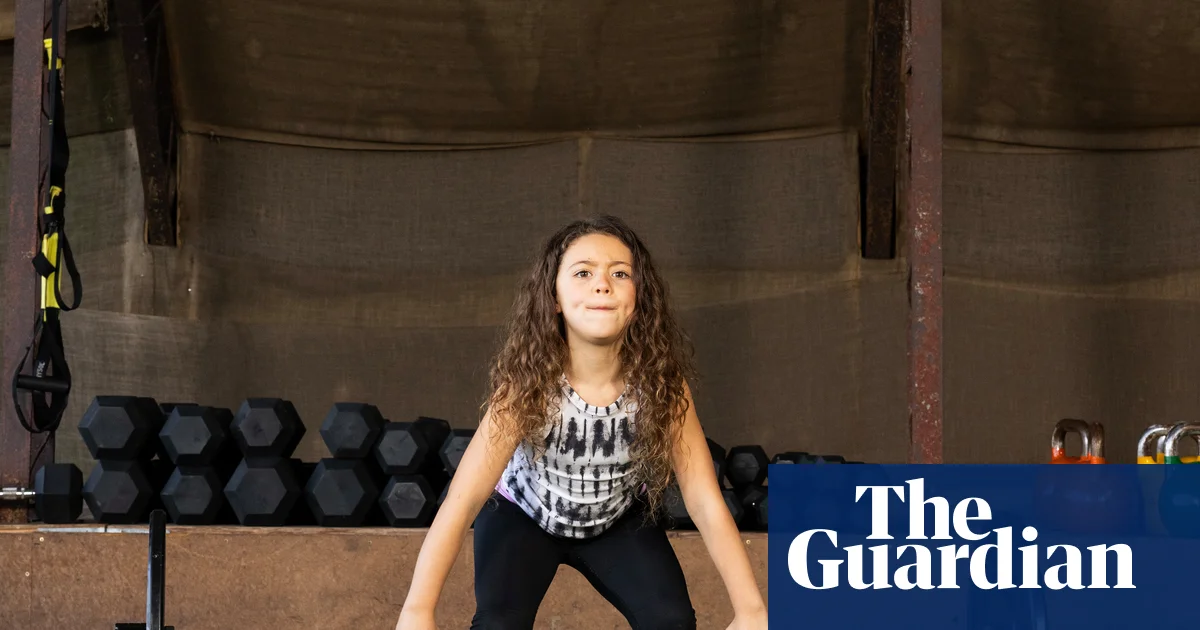
In recent years, a cultural shift has emerged around childhood physical activity, driven by a growing recognition of the benefits of strength training for children and adolescents. Historically, societal wisdom warned against young children engaging in resistance exercises, fearing it could stunt growth or cause injury. However, contemporary research, endorsed by sociologists and medical professionals, challenges these outdated notions, emphasizing that appropriately supervised strength training can foster long-term health, resilience, and even improved social-emotional development within families and communities. This development isn’t just about physical fitness; it reflects a broader transformation in how society perceives youth, strength, and wellbeing.

Families across the socio-economic spectrum are now integrating strength training into their routines. Parents like Eve Stevenson, a former weightlifting champion and personal trainer, are demonstrating that early engagement in resistance exercises cultivates a sense of empowerment and resilience. Despite opposition from some critics who argue that such activities may be unsafe or unnatural for young children, experts like Jon Oliver of Cardiff Metropolitan University clarify that these practices, when supervised by qualified professionals, align closely with national guidelines and scientific consensus. The social impact of these shifts extends beyond individual families, challenging communities to rethink early childhood physical development and the values embedded within youth sports and recreation.

This movement is also fueled by media, with popular shows like Gladiators reborn on screens and captivating young audiences. Such cultural icons reinforce the idea that strength is a virtue accessible to all ages, not just elite athletes. It fosters a narrative where strength training becomes normalized as a wholesome activity, creating social spaces where families bond through shared activity, challenge stereotypes, and build community resilience. Sociologists note that this evolution is shaping a generation that values physical robustness not for aesthetic perfection but as a cornerstone of mental grit and societal contribution.

Despite the positive prospects, challenges remain. Critics voice concerns over early specialization, injuries, and the pressure to excel prematurely, echoing advice to promote broad motor skill development and fun over performance. Nonetheless, the emphasis on safety, proper technique, and fun—endorsed by experts like Morris—aims to ensure these activities bolster families’ social fabric. As larger societal issues such as youth mental health, body image, and social cohesion continue to loom, the focus on inclusive, supervised strength training offers a hopeful pathway. It is an invitation for communities to nurture strength—both physical and moral—and to reimagine childhood as a time of building resilience rather than compliance.

In the end, society stands at a crossroads, balancing tradition with innovation, fear with hope. When families like Stevenson’s or Hawkins’ foster environments where children see fitness as a normal part of life—an outlet for stress, a source of pride—they are sowing seeds of a society that values strength not just for appearance, but for character. As their stories unfold, they remind us that the most profound strength lies in the courage to redefine what childhood and community can be—built on the unshakable foundation of resilience, hope, and the relentless pursuit of a healthier society.

Breaking: Worry over H5 bird flu hitting elephant seals on remote Australian island

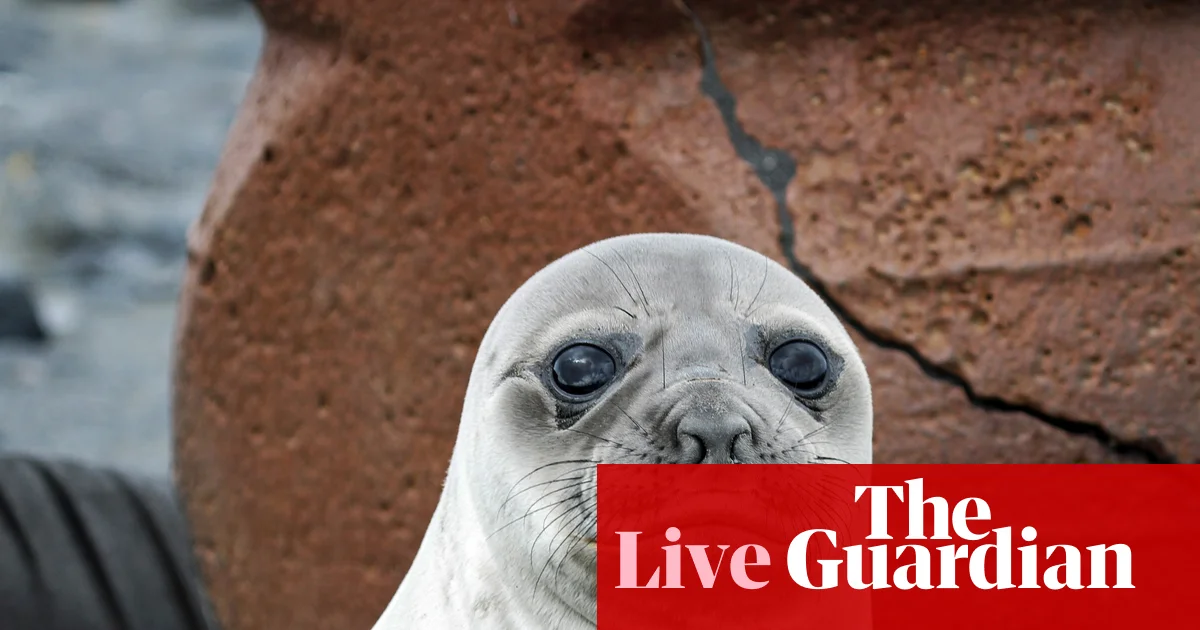
In a week marked by unprecedented scientific observations and intense geopolitical debates, the international community finds itself at a critical inflection point. Australian scientists have recently detected signs consistent with H5 avian influenza—commonly known as bird flu—in elephant seals on Heard Island, located more than 4,000 kilometers southwest of Perth. While officials from the Department of Agriculture, Fisheries and Forestry clarify that a definitive detection has yet to be confirmed, this finding underscores the persistent threat of zoonotic diseases crossing species and boundaries, especially in isolated regions. Of particular concern is the fact that Australia remains the only continent without the highly contagious H5 strain, a fact that both scientists and strategists highlight as a potential weakness in regional biosecurity.

Experts warn that such wildlife cases, while seemingly isolated, heighten the urgency for international cooperation in surveillance and preparedness. The detection on Heard Island, a sub-Antarctic enclave, signals that viruses may be quietly circulating in the most remote corners of the planet—yet the potential for spread to mainland populations still triggers alarm. The World Health Organization and regional bodies are closely monitoring developments, emphasizing that the potential spillover of H5 into human populations could alter the global landscape dramatically. Historian and analyst Dr. Samuel Rothenberg notes that “the interconnectedness of ecosystems and nations today amplifies the impact of such biological threats,” warning that in an age of rapid travel and climate change, what begins in isolated wildlife could soon become a global crisis.

Simultaneously, while health officials grapple with preventing a pandemic, political leaders face escalating challenges on the domestic front—particularly concerning law and order, where recent cases have shaken public confidence. In New South Wales, authorities are resuming their investigation into the decades-old cold case of Colleen Walker-Craig, a 16-year-old Indigenous girl last seen in 1990. The renewed effort to locate her remains, involving water searches along the Nambucca River, is emblematic of a broader societal struggle to address unresolved atrocities and ensure justice. As detectives reopen old wounds, the political implications resonate across the Pacific, fueling calls for reform and transparency. Analysts suggest that this is a testament not only to the persistence of local issues but also to the broader importance of justice in shaping national identity and sovereignty.

Adding to the complexity, the Australian government is considering large-scale reforms—lifting caps on major events at the historic Royal Randwick Racecourse and easing restrictions on concerts in Sydney—aimed at revitalizing the economy and boosting city vibrancy. However, critics from the opposition argue that such measures could be overshadowed by internal crises, including a surge of unfair dismissal claims that threaten to overwhelm the nation’s tribunal system. Opponents contend that these legal backlogs, which have increased by 27% over the past five years, symbolize deeper systemic issues—exposing an economy struggling under burdens of red tape and regulatory duplication. Opponent and Shadow Minister Andrew Bragg warns that these legislative changes, while well-intentioned, threaten to make it even more difficult for local businesses to thrive, thus impacting Australia’s geopolitical standing as a competitive hub in the Indo-Pacific region.

As the tide of crises and opportunities continue to unfold, from virus detection to justice and economic reform, history remains an unforgiving judge. The decisions taken in these critical moments will echo through generations, shaping the destiny of nations in an era defined by transnational challenges and resilience. The world watches with bated breath, knowing that history’s next chapter is still being written—its ink penned by policymakers, scientists, and societies daring to face the turbulent future with resolve or despair.

German mayor stabbed in attack, badly injured—police report sharp violence hitting the town

The recent assault on Iris Stalzer, the newly elected mayor of Herdecke in North-Rhine Westphalia, has sent shockwaves through the international community. The incident, which left the 57-year-old politician critically injured just near her home, underscores the fragile state of local political stability in parts of Germany. As police launch a sweeping investigation, the ramifications of this violent act resonate beyond the immediate community, raising alarms about the security faced by public officials in Europe amid rising polarization.

German Chancellor Friedrich Merz condemned what he called a “heinous act”, emphasizing the threat violence poses to democratic processes. His statement reflects a broader concern among international leaders and analysts, who warn that escalating domestic unrest could threaten the stability of democratic institutions. The attack has been linked to familial issues, with police considering a potential family connection in the crime, given the presence of Stalzer’s two adopted children at the scene and reports of domestic violence earlier this summer. Such revelations remind observers of the complex and often tragic intertwining of personal and political lives in today’s shaken social fabric.

The Social Democratic party (SPD), to which Stalzer belongs, expressed profound shock, emphasizing the dangers faced by political representatives who often find themselves vulnerable beyond the political arena. Officials disclosed that her children—a 17-year-old daughter and a 15-year-old son—made an emergency call, prompting a forensic investigation and police questioning. This incident spotlights the rising concerns about domestic issues within political families, which can sometimes become unpredictable flashpoints with national implications. As historians and cold-eyed analysts warn, such violent episodes threaten to undermine citizens’ faith in their leaders and the security of local governance, particularly in a Europe grappling with economic and social upheavals.

The international geopolitical impact of rising violence against politicians echoes far beyond Germany. With many nations confronting similar threats—whether driven by internal discord, ideological extremism, or other destabilizing forces—the attack on Mayor Stalzer might serve as a warning of a broader trend: the potential decline of civil discourse and an increase in political violence. These developments challenge the core principles of democracy and bring into focus how decisions made within political and security frameworks have profound effects on societal stability. The global community watches cautiously, aware that today’s local event could foreshadow larger crises with the power to reshape international order itself.

As the investigation unfolds and the world debates the implications, history offers a sobering perspective: acts of violence against political figures often mark turning points. They serve as stark reminders that while progress and stability may be built through cooperation and law, they are fragile and require constant defense. The shadows of history loom large, warning us that the ongoing struggle to preserve democratic ideals amid chaos remains a defining challenge of our era. With each chapter written in this unfolding saga, it becomes clear: the weight of history is not merely in the past, but in every decision that determines whether a society moves toward unity or descends into chaos.

Social Media Auto Publish Powered By : XYZScripts.com