Matox News

Truth Over Trends, always!

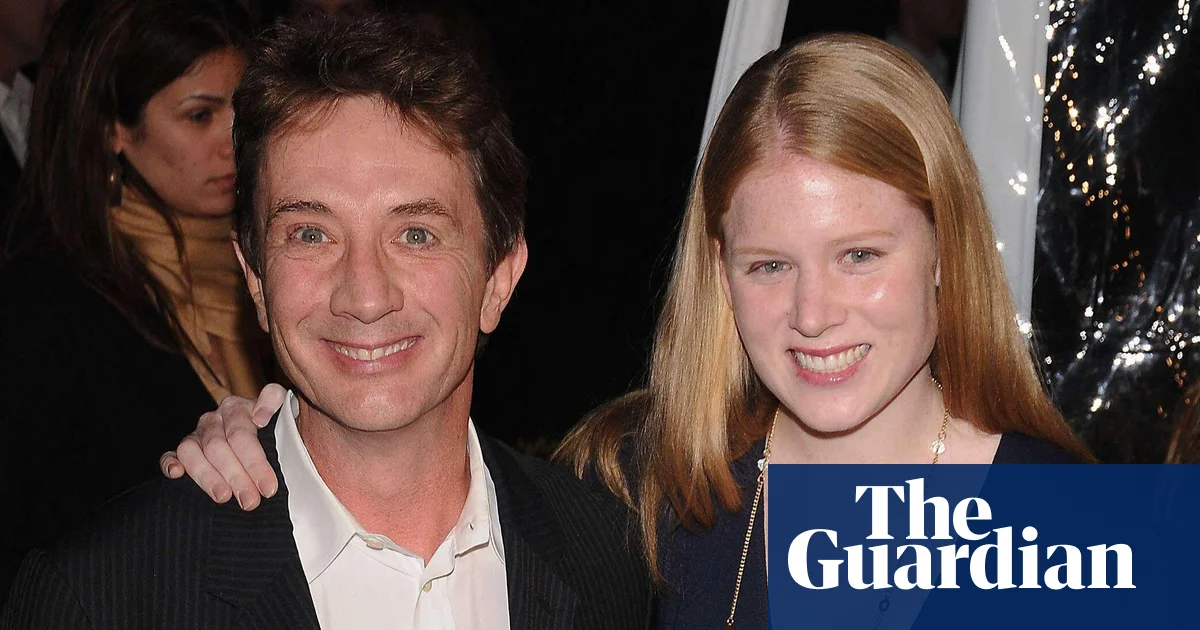
Katherine Short, descendant of Hollywood legend Martin Short, passes away at 42–A loss for American television and culture

In recent weeks, the solemn news of Katherine Short’s passing has cast a poignant shadow over the world of culture and society. At just 42, Katherine—daughter of the illustrious actor and comedian Martin Short—embodied a life marked by quiet resilience and compassionate service. Her journey—rooted in the sanctity of tradition and the pursuit of genuine human connection—serves as a reminder that culture is more than fleeting entertainment; it is the sacred vessel of our collective identity. Her dedication to social work and mental health advocacy underscores the vital role that individuals rooted in cultural and moral values play in weaving the moral fabric of society.

While Katherine maintained a modest profile, her work exemplified a reverence for human dignity, echoing the wisdom of thinkers like G.K. Chesterton, who championed the importance of moral imagination and the reaffirmation of age-old virtues in a society increasingly consumed by superficiality. Katherine earned her degrees in psychology and social work, yet her true legacy resides in her efforts to foster empathy and understanding—values that seem ever more vital in a modern age beset by alienation. Her involvement with organizations like Bring Change 2 Mind reveals an unwavering belief that society flourishes only when rooted in genuine community and the acknowledgment of shared struggles—a truth that resonates with the classical thought that culture stems from a collective memory which guides societal morality.

Her story also brings into focus a broader cultural question: how do we confront our vulnerabilities before they become tragedies? The loss of Katherine to an apparent act of self-harm highlights the urgent need for society to nurture mental health not merely as a clinical concern but as a moral and cultural imperative. As T.S. Eliot suggested, culture is a kind of continuous purification—an ongoing effort to elevate our collective consciousness. We are reminded that beneath the glitter of Hollywood’s bright lights lies a fragile human reality—an echo of the perennial tension between individual suffering and societal understanding. The importance of recognizing and preserving this moral dimension in our collective life was well articulated by thinkers like Alexis de Tocqueville, who warned that democracy—while promising equality—demands the cultivation of civic virtue and shared values. Katherine’s life, though short, was a testament to such virtues: empathy, service, and hope.

As the cultural currents continue to shift, it is vital to remember that culture is both memory and prophecy; it is the mosaic of our past that guides us towards future generations. In honoring Katherine Short’s legacy, we acknowledge that true culture—deeply rooted in tradition and moral purpose—is the foundation upon which societies not only survive but flourish. Let us see her life not merely as an endpoint but as a call to preserve the moral imagination that breathes life into our collective story, and to remain ever vigilant in our commitment to uphold the timeless virtues that shape the human spirit—virtues that, like poetry, transcend mere words and become the very essence of what it means to be truly human.

Lily Collins Channels Hollywood Legend as She Lands Role as Audrey Hepburn in ‘Breakfast at Tiffany’s’ Biopic

Hollywood Revisits the Iconic Audrey Hepburn with Modern Hollywood Talent

The allure of Hollywood legends never fades, yet it continually morphs to reflect the culture’s shifting tastes. The latest buzz involves Lily Collins, a rising star known for her role in Netflix’s Emily in Paris, taking on the mantle of Audrey Hepburn in an upcoming film about the iconic actress’s early career—specifically, her involvement in the 1961 classic Breakfast at Tiffany’s. This project, based on Sam Wasson’s nonfiction book Fifth Avenue, 5 AM, aims to peel back the curtain on Hollywood’s golden age and explore the social dynamics of the early 1960s. It’s not just a biopic but a cultural reflection—an attempt to recenter Hepburn’s legacy within contemporary conversations about gender, fame, and societal expectations.

The Cultural Response: Revisiting Classic Icons in a New Light

The decision to cast Collins as Hepburn signals more than just a starlet’s career move; it embodies a broader shift in how Hollywood treats its legendary figures. Amidst debates over representation and historical narratives, this film seeks to contextualize Hepburn’s early filmography, including her role in the glamorized yet complex Breakfast at Tiffany’s. The film’s focus on her early career will likely explore her transformation from a rising star into a cultural icon—a narrative resonant with the populist desire to humanize idols. Sociologists and film analysts see this as a reflection of society’s ongoing quest to redefine classic icons, making them relevant to a new generation that is eager to find authenticity in their role models.

From Hollywood Myth to Social Media Reality

In a context where viral reputation often eclipses traditional fame, this project underscores the way cultural icons are continually reinterpreted. Influencers and social commentators praise the trend of rebooting classics, noting that it’s about reclaiming narrative agency—presenting a fuller picture of Hepburn beyond her image as a ‘perfect’ starlet. The film’s production also stirs questions about authenticity in storytelling; how do Hollywood’s reimaginings impact public perception of historic figures? Critics like cultural theorist Dr. Jane McMillan argue that these projects serve as both homage and revision, shaping the future social relevance of timeless icons.

The Future of Classic Icons in a Youth-Oriented Culture

  • Influencers increasingly blend historicals with modern sensibilities, creating a hybrid nostalgia that appeals to youth audiences
  • Social platforms amplify discussions on iconography, often critiquing or celebrating the reinterpretation of historic figures
  • Upcoming films like Collins’ Hepburn project hint at a trend towards complex, layered portrayals that seek to humanize larger-than-life personalities

As Hollywood’s attention turns back to its legendary figures, one question lingers: Are these revisitations about honoring true legacy or reshaping it for today’s sensibilities? With the cultural landscape rapidly evolving, the real story might not be just about Hepburn or Collins, but about the next stage of icon-making itself: an era where social storytelling shapes history—and perhaps, even defines who we consider heroes in the future.

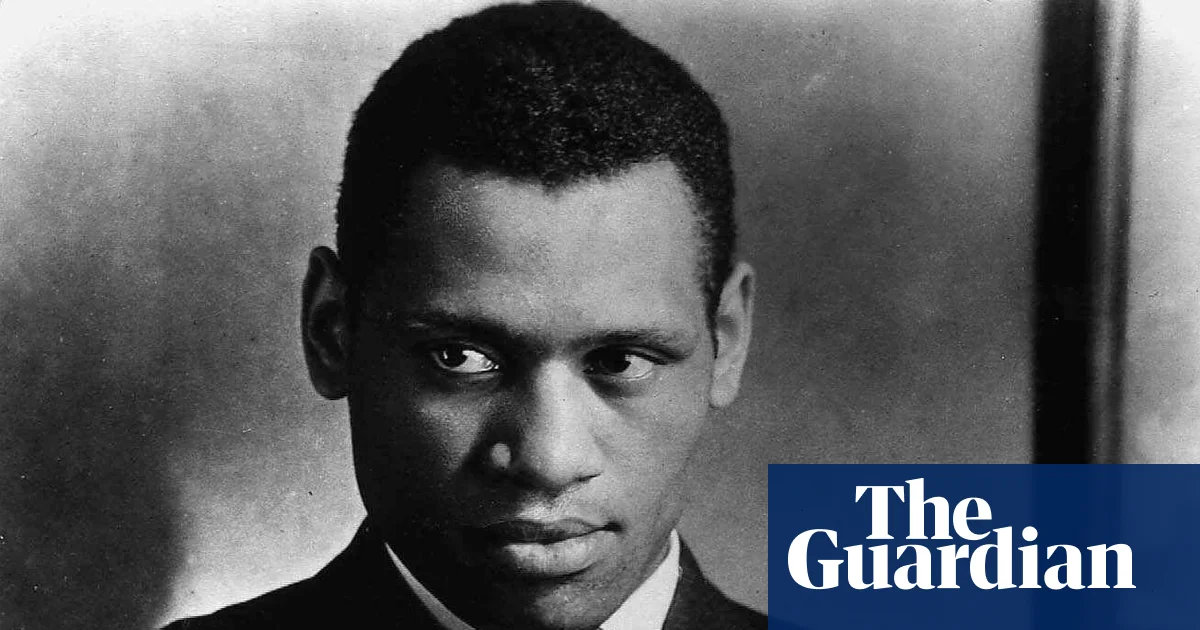
‘The Man Who Challenged the Status Quo: How Paul Robeson Transitioned from Hollywood Icon to Target of the Blacklist’

In an era where cultural memory is often manipulated for political expediency, the story of Paul Robeson stands as a testament to the profound link between culture, identity, and societal values. Robeson, a prodigious talent whose talents spanned opera, film, sports, and law, was once the most celebrated Black American in the world. His towering voice, compelling performances on Broadway—most notably as Othello—and achievements as an athlete and lawyer made him a symbol of excellence and integrity. Yet, for all his accomplishments, his legacy was systematically erased during the Cold War era, obliterated by a combination of political blackmail, ideological purges, and the self-serving silences of societal elites—an echo of historical parallels where state power sought to silence dissenters and redefine cultural memory.

Robeson’s experience reveals the dangerous potential of culture as a battleground for societal control. His refusal to denounce the Soviet Union during the Cold War, coupled with his outspoken advocacy for human rights, led to his marginalized status and the denial of his passport for nearly a decade—a stark reminder of how political conformity can threaten the very fabric of individual expression. The Great Forerunner, as he was called, was subjected to a brutal campaign of erasure that sought to diminish his influence, even removing him from textbooks and public esteem. This systematic suppression reflects a profound truth: culture functions as the embodiment of collective identity and societal memory, and whoever controls it wields immense power over the narrative of a nation’s soul.

Today’s cultural landscape echoes these struggles in ways both subtle and overt. The ongoing efforts to downplay or ban Black history in public schools, the assault on traditional narratives, and the hostility toward figures like Malcolm X—reclaimed and revered by a new generation—are reminiscent of Robeson’s own marginalization. Just as Jack Robinson and Robeson once confronted the double-edged sword of societal expectations and political loyalty, modern voices confront the distortion of history and the suppression of cultural identities that threaten to homogenize the national story. Cultural critics like G.K. Chesterton and T.S. Eliot have long argued that culture sustains the moral fabric of society; its erosion is an erosion of the very essence of community and tradition. As Tocqueville warned, democracy’s greatest danger lies not in tyranny but in the tyranny of forgetfulness, where history and culture are so manipulated that the collective memory becomes a mere echo of power.”

  • Reclaiming American history entails recognizing figures like Robeson as the true architects of cultural resilience and national authenticity.
  • The ongoing debate over the teaching of Black history—its suppression and revival—underscores a broader struggle for the soul of the nation.
  • The ideals Robeson embodied—excellence, integrity, and republican virtue—remain vital in fostering a society rooted in shared memory and collective purpose.

In the end, culture is both the memory of humanity and its prophecy. It echoes the voices of ancestors and echoes the hopes of future generations, shaping a society that honors its roots while daring to envision a just tomorrow. As the poet T.S. Eliot reminded us, “For last year’s words belong to last year’s language, and next year’s words await another voice.” Robeson’s voice, silenced too long, beckons us to remember that true culture—like true liberty—is composed of the unyielding symphony of tradition and the brave promise of renewal, forever standing as a testament to the enduring spirit of a people who refuse to be silenced. Culture, therefore, remains humanity’s celestial compass—guiding us through darkness, illuminating our collective memory, and whispering whispers of what yet might be.

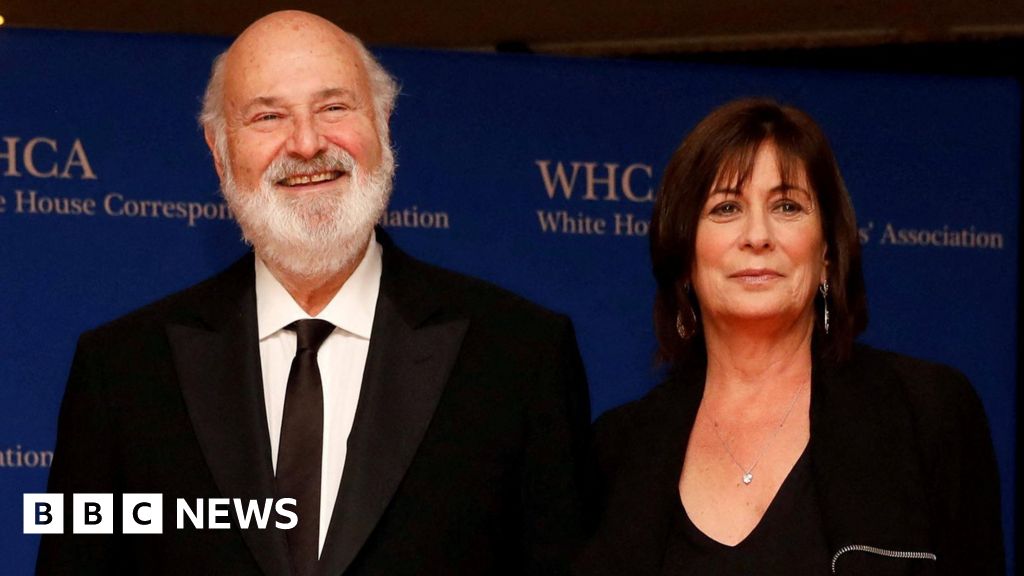
Hollywood director and wife Michele tragically found dead at LA home

Hollywood Legend Rob Reiner and Wife Michele Found Dead in LA: A Tragic Turning Point with Global Resonance

The sudden death of Rob Reiner, a revered filmmaker and actor whose career spanned over five decades, has sent shockwaves through the entertainment industry and the broader cultural landscape. Found lifeless alongside his wife Michele in their upscale Los Angeles Brentwood home, authorities are investigating the incident as an apparent homicide, marking a disturbing turning point in American cultural history. The implications extend far beyond individual grief, igniting conversations about societal safety, political activism, and the enduring influence of Hollywood on global narratives.

Reiner’s legacy is deeply intertwined with eras of social change, both in cinema and in activism. Known for directing enduring classics like The Princess Bride, When Harry Met Sally, and A Few Good Men, he was celebrated not only as a Hollywood icon but also as a passionate advocate for social justice. California Governor Gavin Newsom called him a “big-hearted genius”, emphasizing how his works contributed to shaping American values. As an influential figure, Reiner’s life reflected a powerful connection between cultural influence and societal responsibility, inspiring millions worldwide to pursue justice, civility, and purpose. The discovery of his death in his homeprised the nation but also ignited broader concerns about rising violence and societal instability.

  • The Los Angeles Police Department responded swiftly, opening a homicide investigation into the circumstances surrounding Reiner’s and his wife Michele’s deaths.
  • The authorities revealed that both bodies were found hours after emergency services received a call for aid, but no immediate details about injuries or weapon use were disclosed.
  • The incident underscores a widening cultural fissure, where the glittering veneer of Hollywood often masks darker trends of societal decay.

Global institutions and cultural voices have highlighted the incident as symptomatic of a troubled era. United Nations-aligned analysts have warned that such tragedies underscore the importance of strengthening community safety and resilience. Meanwhile, international leaders point to the incident as a haunting reminder of the delicate balance between public figures’ private lives and the societal obligation to safeguard all citizens. Prominent voices like Barack Obama underscored Reiner’s contributions, noting his dedication to humanitarian causes and his capacity to inspire generations with stories that reflect the enduring human spirit. This tragedy is not merely a personal loss but a stark symbol of how societal upheavals influence even the most iconic figures.

Historians and critics are already framing this event within a wider context of cultural reckoning. Some suggest it serves as a poignant call to action—a reminder of the persistent need to address violence, mental health, and social inequality that threaten to fracture societies worldwide. The impact of Reiner’s films transcends entertainment; they serve as mirrors reflecting societal hopes, fears, and lessons. As countries grapple with similar issues—ranging from rising crime to political extremism—the death of Reiner and his wife could catalyze renewed calls for social reform and civic activism. The world now watches with bated breath, as the figures behind the camera—whose voices once sought to challenge injustice—become silent witnesses to the ongoing struggle. In this moment of profound loss, the question remains: how will history remember the stories they leave behind, and what legacy will endure from this tragic chapter?

Paramount Skydance throws down a bold new bid to outshine Warner Bros Discovery—are the studios gearing up for a new Hollywood showdown?

In the ever-evolving landscape of entertainment, the power dynamics among industry giants continue to shape our cultural lives and influence our personal well-being. Recently, we witness an intense showdown as Paramount Skydance makes a bold move to acquire Warner Bros Discovery. Their intentions? To outflank a rival plan from Netflix, the titan of streaming, in what could be a seismic shift for media ownership. As these corporate maneuvers unfold, they remind us that the pathways we choose—whether for leisure, career inspiration, or family entertainment—are profoundly tied to the media landscape’s future.

This ongoing saga is more than a corporate chess match; it reflects broader trends of personal impact in our daily lives. Netflix, with over 300 million subscribers worldwide, has revolutionized how audiences consume content. Meanwhile, traditional studios like Warner Bros, with its iconic HBO and beloved franchises such as Harry Potter and Looney Tunes, showcase a legacy of creative excellence that keeps millions inspired and engaged. The proposed acquisitions spotlight the significance of maintaining a diverse media ecosystem—one that fosters wellness through varied storytelling, cultural representation, and the freedom to craft authentic voices. These corporate moves trigger questions about who gets to tell what stories, how they influence our worldview, and ultimately, how they impact our mental and emotional health.

Industry experts and cultural commentators have expressed mixed views about the ramifications. According to financial analysts, the escalating merger bids reflect a strategic push towards scale—a necessity to compete in a saturated market dominated by companies like Disney and Amazon. Yet, as Ben Barringer of Quilter Cheviot notes, “Paramount needs this deal more than Netflix,” implying that smaller players recognize the value of consolidating their assets to build competitive strength. For young viewers seeking meaningful entertainment, this race for dominance underscores the importance of supporting diverse content and channels, which in turn supports a vibrant culture of creative independence. The challenge lies in ensuring that these power shifts don’t diminish the quality and authenticity of the stories we cherish, but rather, enhance their capacity to inspire and educate.

In a broader reflection, the moves by giants like Paramount, Warner Bros, and Netflix are emblematic of a deeper cultural evolution. As the media landscape consolidates, the responsibility falls on both creators and consumers to foster an environment where well-being and truthful storytelling remain at the forefront. These corporate battles can be viewed as a metaphor for our own personal journeys—navigating the complex web of influences to find our authentic voice and purpose. Ultimately, just as industry leaders seek to shape the future of entertainment, each individual has the opportunity to craft a lifestyle rooted in inspiration, resilience, and a commitment to truth. In embracing this journey, we are reminded that the most compelling stories are those that uplift, challenge, and ultimately, help us become the best versions of ourselves.

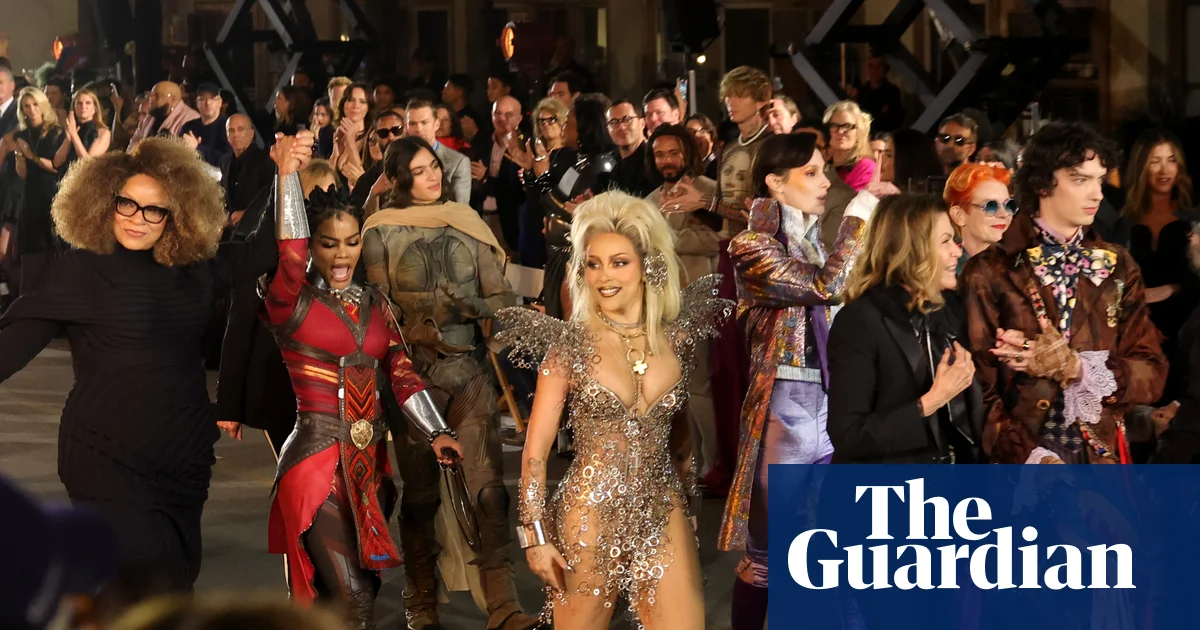
Vogue World 2025: Hollywood A-Listers Rally for LA Wildfire Relief – Must-See Photos of the Night

The Vogue World 2025 event, now in its fourth edition, reaffirms the fashion industry’s evolving role as both a cultural catalyst and a social advocate. Held once again at the iconic Paramount Studios, this star-studded gathering under the direction of Anna Wintour was far more than a showcase of trends. It was a statement of purpose, raising an impressive $4.5 million to support costume designers impacted by the recent LA wildfires. This philanthropic angle underscores an increasingly common trend: fashion’s active engagement with social issues, turning style into a vehicle for meaningful change.

In recent years, the boundaries between fashion, activism, and social impact have blurred significantly. Influencers and celebrities recognized this shift early, using their platforms to spotlight pressing issues, and the industry’s elite now pivot from merely setting trends to shaping societal dialogue. Vogue World, in particular, epitomizes this transformation. Its focus extends beyond garments—it’s about fostering community, defending cultural craftsmanship, and advocating for resilience in the face of adversity. The event’s capacity to raise such a substantial charity sum demonstrates how fashion can serve as both a mirror and a motor of societal progress.

Now more than ever, this event and its social messaging resonate with a generation that views style not just as self-expression but as a statement of values. Youth influencers like Emma Chamberlain and Noen Eigee have championed sustainable fashion and social justice, further propelling the notion that embracing activism fuels authenticity. Sociologists note that this shift reflects a broader cultural demand for accountability and purpose from institutions. The fashion industry’s embrace of philanthropy and social responsibility is not just a trend but a reflection of a new era—one where style equates to standing for something meaningful.

Looking ahead, the question remains: how sustainable is this wave of socially conscious fashion love? Will brands and designers maintain their commitment as the spotlight shifts or as economic pressures mount? As the next generation of consumers becomes more intentional about their engagement with brands, the industry’s ability to integrate authentic activism and cultural advocacy will be the true test. The future of fashion might not just be about what looks good but about what *does* good—and whether this trend will elevate fashion from a lucrative industry to a true agent of societal transformation.

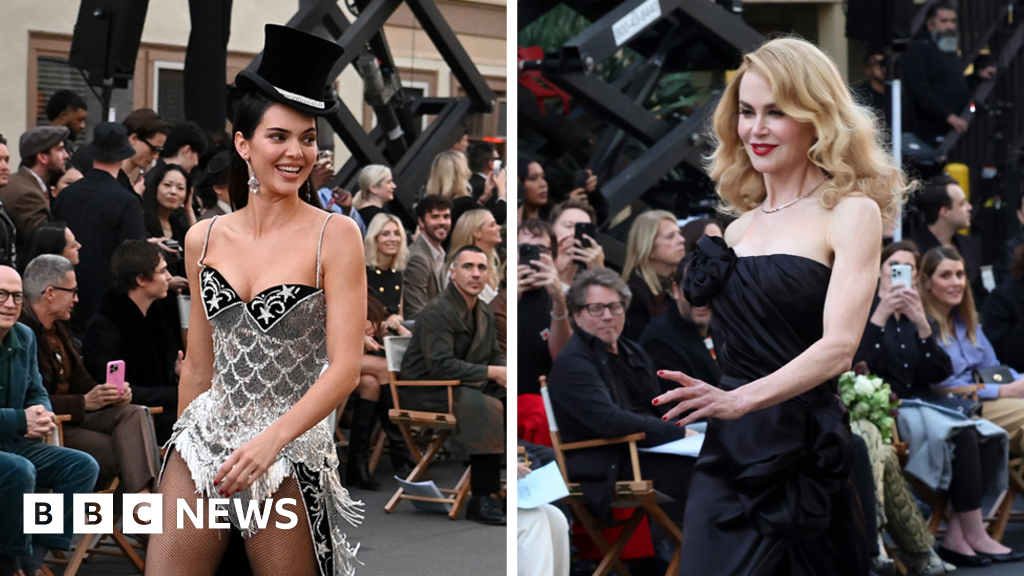
Hollywood icons and trendsetters champion bold cinematic fashion

Global Power Shifts as Nations Navigate an Era of Uncertainty

In a world grappling with unprecedented geopolitical shifts, recent developments underscore the fragile state of international stability and the profound consequences of diplomatic decisions. Central to this evolving landscape is the complex interplay of major powers vying for influence, while international organizations grapple with maintaining order amid mounting challenges. As analysts warn of an impending recalibration of global alliances, nations are forced to confront the realities of a multipolar world where decision-making bears the weight of history.

The United States remains a dominant actor, yet its diplomatic posture appears increasingly cautious as tensions with China and Russia intensify. According to historians such as Dr. Elizabeth Carter, recent policies signal a retreat from unilateral engagement towards a more strategic balance of power, emphasizing resilience rather than dominance. Meanwhile, European Union nations face their own dilemmas, balancing economic recovery with the rising tide of internal and external dissent. Crucially, the G7 summit’s resolutions reveal a commitment to shoring up defenses and fostering alliances, yet critics argue this may be insufficient against the backdrop of a resurgent Russia’s assertiveness.

Simultaneously, a wave of cultural and social upheaval continues to shape domestic policies. Events such as Vogue World: Hollywood exemplify how nations project soft power and influence through spectacle and celebrity. The recent gathering in Los Angeles, showcasing luminaries from Nicole Kidman to Miley Cyrus, exemplifies the strategic use of media and culture to bolster national prestige. Beyond glitz and glamour, these moments reflect a deeper narrative: how nations choose to present themselves to the world influences not only perception but also diplomatic leverage. International organizations such as the United Nations caution that these cultural displays are no substitute for substantive policy, yet the spectacle continues to serve as a reflection of a world obsessed with image and influence.

As geopolitical tensions deepen, the choices made today will echo through history’s corridors. Analysts warn that a failure to address core conflicts risks ushering in an era of instability where societal divisions widen and the fabric of international order unravels. In the shadow of these monumental decisions, societies are left to ponder the future—whether unity can be restored or if history’s relentless tide of change will forge a new world order in flames of conflict or in the quiet whispers of diplomacy. It is here, at this crossroads of history, that the true weight of our era is being written, a story yet unfinished, destined to shape the generations to come.

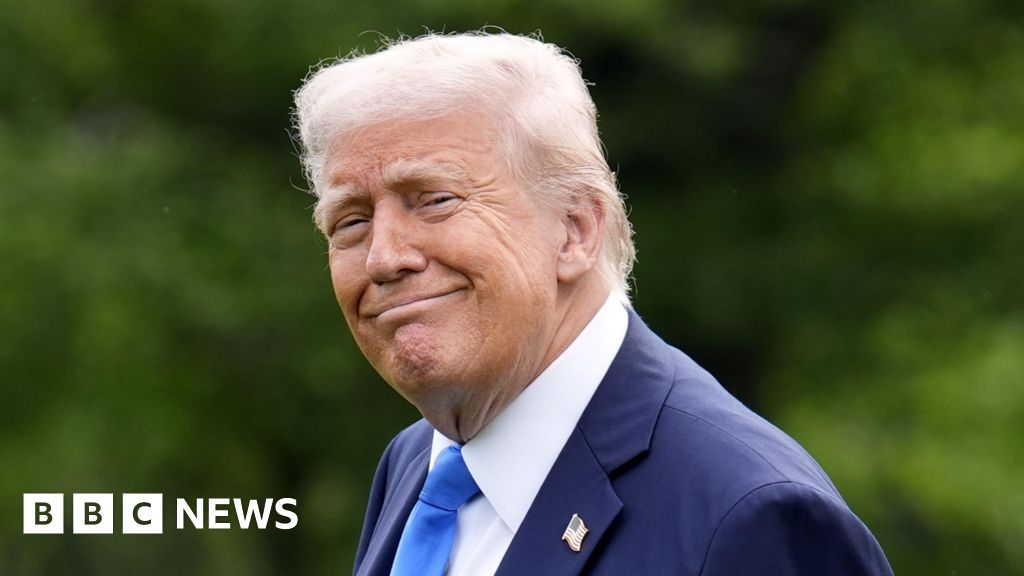
Trump warns of 100% tariffs on foreign films, challenging international Hollywood influence

In an increasingly protectionist global landscape, President Donald Trump has once again raised eyebrows with his vocal threat to impose a 100% tariff on all films not produced within the United States. Citing what he claims to be a long-standing loss of national cultural dominance, Trump asserts that the American film industry has been “stolen” by foreign nations, particularly criticizing California’s leadership as inefficient in protecting this industry. His plan, announced amid a broader wave of tariffs on pharmaceuticals and household goods, exemplifies an aggressive posture aimed at revitalizing American cultural exports but raises complex questions about the international repercussions of such protectionism.

Analysts and industry insiders doubt the feasibility and effectiveness of Trump’s proposal. Dan Coatsworth, an investment analyst at AJ Bell, pointed out that tariffs traditionally target tangible goods, complicating their application to creative content such as movies and streaming shows. Furthermore, many filmmakers already opt to shoot abroad for economic reasons, taking advantage of attractive tax incentives in countries like Canada, Australia, and New Zealand. According to industry research firm ProdPro, although the U.S. remains a major global production hub with a last year’s spending of approximately $14.54 billion, this figure has declined by 26% since 2022, signaling a shift in the center of film production power.

This looming threat of tariffs has significant geopolitical consequences. If implemented, it could trigger retaliatory measures from other nations eager to protect their own burgeoning film industries, turning the global entertainment landscape into a contested arena akin to classic trade wars. China, India, and European countries, which are investing heavily in domestic creators, could leverage cultural policies to safeguard their markets. The World Trade Organization (WTO) might become a forum for diplomatic clashes if the U.S. attempts to enforce such tariffs, forcing a reevaluation of international trade agreements that have traditionally prioritized free exchange of cultural and economic goods.

The decision also raises serious questions about how such measures would impact societal perceptions and the spread of cultural values. Many fear that a purely American-made film industry might foster insularity, limiting global narratives to a Western-centric perspective. Yet, *some officials and analysts* argue that this move could energize the U.S. cultural sector by prioritizing domestic content and fostering a renewed sense of national identity. Historically, this debate echoes past trade disputes and cultural policies where the balance between protectionism and open market exchange significantly shaped international relations. As history reminds us, revolutionary shifts often come with unintended consequences—whether economic, cultural, or geopolitical.

As the world watches, the weight of history hangs heavy in the balance. Will the United States pivot toward cultural nationalism with tariffs that threaten to reshape Hollywood and global entertainment, or will economic pragmatism prevail? The answers lie beyond trade figures and industry reports—embedded in the unfolding narrative of a nation seeking to redefine its cultural sovereignty amidst the turbulence of international diplomacy. In this saga, the ultimate outcome remains uncertain, a reminder that decisions taken now will echo through the corridors of history, impacting societies, economies, and the cultural fabric of nations for generations to come.

Social Media Auto Publish Powered By : XYZScripts.com