Matox News

Truth Over Trends, always!

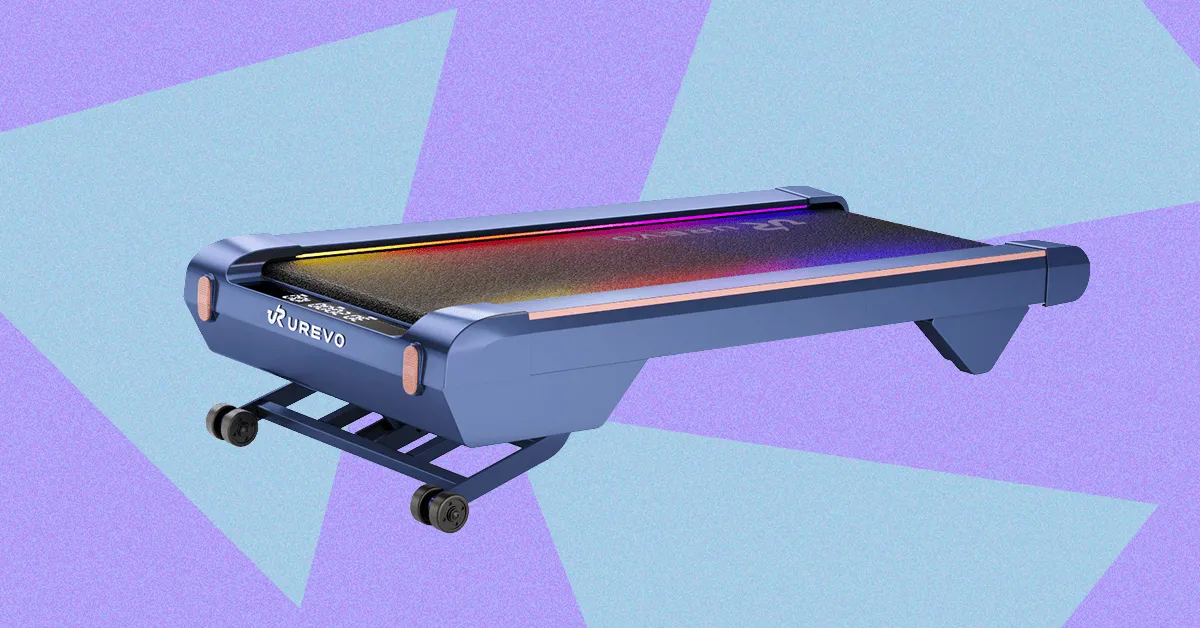
Top Walking Pads for WFH in 2026: Stay Productive on Your Feet

Disruption in Personal Fitness: The Rise of Intelligent Walking Pads Transforming the Active Lifestyle Market

In a landscape where work-from-home culture continues to dominate, personal fitness technology is experiencing unprecedented innovation. Leading the charge are brands like Urevo and Sperax, which are disrupting traditional gym equipment with compact, multifunctional walking pads that seamlessly integrate into daily routines. The market shift towards lightweight, space-saving fitness solutions is driven by consumer demand for convenience and multifunctionality. Industry analysts from Gartner and MIT underscore how these devices are not merely exercise tools but are becoming essential components of modern productivity and wellness ecosystems, threatening to overhaul the entire health tech sector.

The Urevo CyberPad, for example, exemplifies this innovation with some impressive features: a 14 percent incline capability, Bluetooth control, and the ability to log workout data via a dedicated app. Kristin Canning of WIRED praises its durability, ease of setup, and the inclusion of a control interface compatible with a smartphone app. These features allow users to get a vigorous workout while maintaining productivity—an essential trait in today’s sedentary workplace environment. Moreover, the incorporation of smart technology paves the way for disruption in health data management, transforming these pads from simple mechanical devices to data-driven health companions. The business implications are significant, with companies positioning themselves at the forefront of healthier, more active lifestyles tailored for remote workers.

Meanwhile, the Sperax Walking Pad enters the market as a compelling budget option. Weighing just 27 pounds, it captures the attention of budget-conscious consumers and those with limited space, offering features such as a built-in vibration mode and straightforward assembly. While some critics highlight its noise levels and modest app functionality, its overall affordability—priced around $280—makes it a game-changer for mass market adoption. As noted by industry insiders and Reddit enthusiasts, its portability and ability to be stored under furniture exemplify the industry’s push for ultra-compact, multi-use fitness devices.

The significance of these innovations extends beyond individual fitness. Industry leaders and market analysts anticipate a wave of disruption in health, wellness, and workspace design, as these devices integrate with emerging IoT ecosystems. Tech magnates like Elon Musk and Peter Thiel are increasingly investing in AI-powered health and wellness startups, which signal a broader industry movement towards wearable and embedded health solutions. As businesses recognize the potential for health data-driven insights and personalized wellness plans, the market will see further investment in smart, adaptive fitness hardware—setting a new standard in personalized health technology.

This wave of innovation demands urgent attention. As the boundaries between work, fitness, and health technology blur, the next two to five years could redefine how society approaches physical activity. Companies that fail to adapt risk obsolescence in favor of more disruptive market entrants who harness AI, IoT, and user-centered design. For investors and consumers alike, the emerging landscape presents a binary choice: embrace the disruption or be left behind. The future favors those who understand the need for rapid adaptation, viewing these devices as leverage points in the broader mission of augmenting human productivity and health in an increasingly digital world.
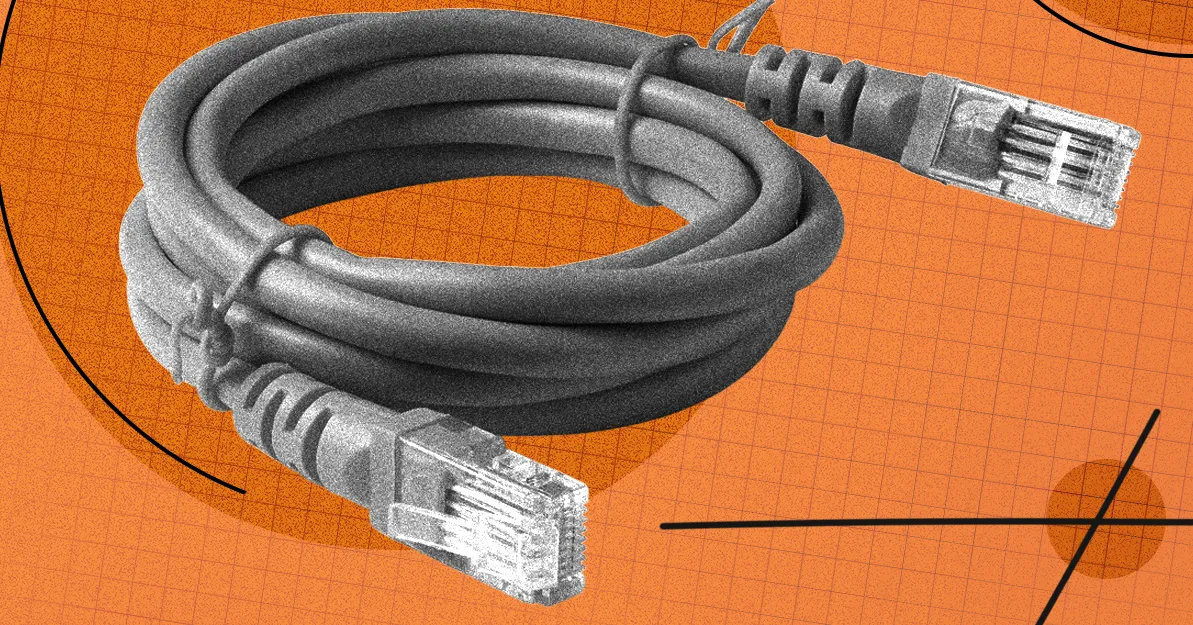

Plug In & Power Up: Smart Tips to Run Ethernet Cables Like a Pro and Keep Your Setup Clean

Revolutionizing Home and Tech Installations: The Disruption in Cable Management Solutions

In an era marked by rapid technological advancement and a relentless pursuit of sleek, efficient environments, the traditional art of cable management is undergoing a profound transformation. Leading companies like Alex Tech and D-Line are spearheading innovation with modular solutions such as reusable cable ties, mesh sleeves, and customizable trunking systems. These new offerings are not only democratizing access with affordability—evident in budget-friendly bundles of 60 reusable ties for just $7—but are also redefining what disruption in infrastructure hardware looks like, especially for the young, tech-savvy demographics eager to optimize their spaces for a clutter-free aesthetic.

This wave of innovation is set to redefine industry standards, as manufacturers introduce adaptable products aimed at simplifying complex technical setups. For example, cable sleeves that double as mesh covers enable users to easily add or remove cables, streamlining iterative upgrades. Such features challenge the once-inevitable chaos of wiring, promising more than superficial convenience—they herald a paradigm shift in how data and power delivery infrastructure is integrated into modern lifestyles. Meanwhile, experts from Gartner emphasize that these modular systems allow for scalable, future-proofing installations, making them essential in both consumer and enterprise contexts. This disruption echoes the vision Elon Musk advocates—where technology seamlessly integrates into daily life, eliminating obsolescence and maximizing utility.

  • Utility and Affordability: Budget options like a 60-pack of reusable ties for $7 revolutionize cost structures in DIY projects.
  • Modular Design: Sleeves and trunking systems facilitate quick installation, easy access, and adaptability, posing a direct challenge to traditional, permanent wiring methods.
  • Design Aesthetics: Trunking and crown molding innovations allow aesthetic concealment, turning functional wiring into a design feature, thus aligning technology with modern interior trends.

Implications for Business and Industry Disruption

The implications extend beyond consumer convenience; established industries face a critical inflection point. By integrating these innovative solutions, service providers and contractors could drastically reduce installation times and costs, paving the way for faster deployment of smart homes and commercial infrastructure. The disruption is compounded by the emergence of DIY-focused product lines, positioning startups like Alex Tech as formidable competitors against legacy electrical and telecommunication firms.

Analysts from MIT’s Media Lab suggest that such modular systems catalyze a new era of “distributed infrastructure”, where individuals are empowered to maintain and upgrade their own environments without relying on costly professional interventions. This democratization of technological upgradeability is comparable to the disruptive impact of open-source software, where community innovation outpaces traditional corporate R&D. As industry giants scramble to adapt, the urgency for established players to innovate or risk obsolescence has never been more pressing. The clock is ticking for legacy providers to embrace these disruptive technologies or become relics as the industry pivots towards smarter, more adaptable, and aesthetically pleasing wiring solutions.

The Road Ahead: Embracing Disruption

Looking forward, the trajectory of cable management innovation indicates a future where intricate wiring is no longer hidden but becomes an integral part of interior design, facilitated by high-tech solutions that are robust, scalable, and affordable. The adoption of flexible fiberglass rods, paint-matching trunking, and concealed wiring techniques points towards a landscape that favors sustainability, ease of upgrade, and sleek aesthetics. Industry leaders who recognize these shifts and proactively incorporate these innovations will gain competitive advantage in a marketplace that demands agility and sophistication.

In summation, disruption in cable management isn’t merely about tidiness; it reflects a broader paradigm shift where technology’s integration into daily life becomes more intuitive and design-conscious. As venture capital flows into startups pioneering these solutions and industry giants begin to pivot, the urgency for innovation intensifies. Stakeholders who act swiftly can capitalize on this revolution by aligning business models with the bold future of infrastructure—one that is flexible, affordable, and disruptive by design. The future belongs to those who recognize the signs of this transformation now, transforming cluttered chaos into seamless efficiency and aesthetic excellence.

Social Media Auto Publish Powered By : XYZScripts.com


