Matox News

Truth Over Trends, always!

Police raid linked homes of Peter Mandelson in Epstein scandal probe

Surging Political Unrest in the United Kingdom: An International Perspective

The recent police searches linked to Peter Mandelson, a prominent former UK politician, mark a destabilizing moment in Britain’s political landscape. As the Metropolitan police target properties connected to allegations of passing market-sensitive information to crime figure Jeffrey Epstein, the incident underscores not only domestic scandal but also the enduring shadow of international machinations that threaten to reshape alliances and power structures. The investigation revolves around accusations against Mandelson, a man who held significant influence during his time as a government minister, raising serious questions about misconduct in public office and national security concerns.

Analysts such as Dr. Emily Carter from the International Institute of Political Stability warn that such internal scandals reverberate well beyond London. The timing coincides with a broader European backdrop of political volatility, where scandals involving dealings with hidden financiers and global power brokers have destabilized governments and fractured public trust. The UK, once regarded as a bastion of stability in international affairs, now finds itself embroiled in a narrative of covert operations and clandestine networks that threaten to undermine its diplomatic credibility on the world stage. Furthermore, the revelations of Mandelson’s potential financial ties to Epstein between 2003 and 2004, and allegations of leaking market-sensitive information in 2009, point to vulnerabilities in the UK’s regulatory and political systems that many international observers argue have been exploited by covert actors.

How Decisions Shape Nations and Societies

This political crisis, intensified by the controversy surrounding Labor leader Keir Starmer and his controversial appointment of Mandelson, highlights how internal decisions about personnel and alliances carry profound geopolitical consequences. The public outcry and calls for leadership change reflect growing societal unrest and mistrust towards elite policymaking. Tensions within Britain’s political hierarchy serve as a microcosm for broader upheavals across the West, where transparency and accountability are increasingly questioned amidst the shadows cast by global elites. The involvement of international organizations, such as the United Nations and interpol, in scrutinizing these events underscores the interconnectedness of local scandals and global stability.

The situation exemplifies a critical turning point, where domestic political integrity is intertwined with international reputation. Historians like Prof. David Hamilton warn that these moments are “once-in-a-generation opportunities for either reform or further decline.” As Europe watches, and allies recalibrate their diplomacy, the fallout may accelerate shifts in power, diplomatic alignments, and even economic sanctions. The question remains: will the revelations serve as a catalyst for meaningful reform, or will they deepen divisions and embolden rival powers seeking to exploit Britain’s fragility?

The Unfolding History

As the world observes the unfolding scandal with growing concern, the weight of history presses down on London. The ongoing investigation and the potential for high-profile arrests signal a moment of reckoning—one that could redefine the country’s political landscape and its role in the international arena. The fate of Britain’s institutions and the adherence to rule of law may hinge on how this crisis is navigated in the coming weeks. With each revelation, the boundaries of power, truth, and justice are tested, and the global community must ask itself: are we witnessing the unraveling of a once-esteemed nation’s moral fabric, or the dawn of a new era of accountability and transparency?
One Million Ukrainian Homes Left in Darkness After Russian Attacks

Ukraine Under Siege: Russia’s Escalating Assaults and the Shifting Diplomatic Landscape

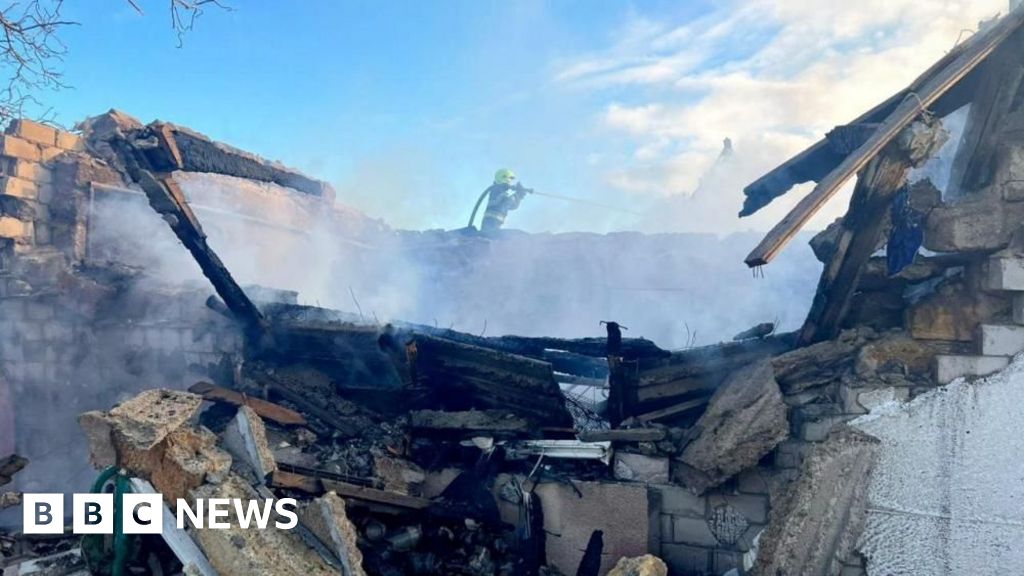
Amidst a relentless barrage of Russian missile and drone strikes, Ukraine faces an increasingly severe crisis that threatens to plunge the nation into further chaos and hardship. The Kyiv government reports that over more than a million households are now plunged into darkness as Moscow’s forces intensify attacks on critical energy and industrial infrastructure. This surge of aggression occurs just as winter sets in—a period historically linked with heightened suffering for civilians caught in the crossfire of this protracted conflict. The strikes, which Kyiv attributes to Russia, involved over 450 drones and 30 missiles in a single night, demonstrating Moscow’s intent to dismantle Ukraine’s ability to sustain itself. The regional damage is widespread, with Dnipropetrovsk, Kirovohrad, Mykolaiv, Odesa, and Chernihiv bearing the brunt of the assault.

While Russia has long targeted Ukraine’s energy grid, recent months have seen an unmistakable escalation as Moscow employs hypersonic Kinzhal missiles capable of changing course mid-flight, complicating Ukrainian defenses. The International Atomic Energy Agency (IAEA) reported that Ukraine’s Zaporizhzhia nuclear power plant, located within Russian-occupied territory, temporarily lost all offsite power—highlighting the war’s destabilizing impact on nuclear safety. The specter of nuclear catastrophe lurks behind these military operations, underscoring the high stakes for global security. Meanwhile, Russia reports casualties of its own, with regional governor Roman Busargin confirming two deaths from a drone strike on a residential building in Saratov, a reminder that the conflict continues to spill into Russian territory itself, igniting fears of an expanded front.

Diplomatic Efforts and the Fragile Road to Peace

Despite ongoing violence, diplomatic activity is intensifying in Europe and the United States. Steve Witkoff, Washington’s envoy leading efforts to mediate peace, plans to meet with Ukrainian President Volodymyr Zelensky and European officials in Berlin. The goal is to forge a new peace accord before Christmas—a deadline that reflects both the urgency and the impatience of Western capitals eager to bring an end to this destructive war. The upcoming Berlin talks are expected to include senior European leaders such as French President Emmanuel Macron and German Chancellor Friedrich Merz, signaling a united front within the Euroworld despite recent stirrings of discord.

However, persistent obstacles loom large. Kyiv remains resolute on refusing to surrender territory in the Donbas, asserting that Moscow’s ambitions to fully occupy eastern Ukraine must be halted. The U.S. proposes a contentious plan—an eventual withdrawal of Ukrainian forces from contested regions, which Kyiv’s leadership cautiously questions, fearing it could open pathways for Russian expansion. President Zelensky has publicly expressed skepticism, warning, “What will restrain [Russia] from advancing? Or from infiltrating disguised as civilians?” Such doubts highlight the deep divide on how to secure enduring peace without sacrificing Ukraine’s sovereignty.

Financial and Geopolitical Repercussions on a Global Stage

Economic warfare continues to ramp up alongside military and political struggles. The European Union has frozen approximately £185 billion in Russian assets, aiming to channel these funds into Ukraine’s reconstruction and military efforts—an act condemned by Moscow as theft, with Russia threatening legal retaliation. As Kyiv faces a financial shortfall of nearly €135.7 billion over the next two years, the EU’s financial support becomes vital. Yet, the question persists whether these measures will be enough to deter Russia’s strategic aims or merely serve as symbolic gestures in a conflict where victory remains elusive.

Meanwhile, the debate over Ukraine’s membership in the EU has gained momentum. The latest peace plan underscores Ukraine’s desire to accelerate accession, possibly as soon as January 2027, a move supported by Brussels but fraught with challenges. Despite Ukraine’s application to join the EU in 2022, the path remains years long, with geopolitical analysts warning that swift integration could heighten tensions with Russia and provoke further escalation. The ongoing diplomatic dance reflects an international landscape in flux—one where history’s pen is poised to write the next chapter, with nations waiting and watching as the fragile hopes for peace hang in the balance. The struggle continues, and the world stands on the brink of a new era—one that history will judge through the lens of resilience, strategy, and unresolved conflicts still echoing across the continent.

Australia Wildfire Devours Homes, Urging Action from Authorities

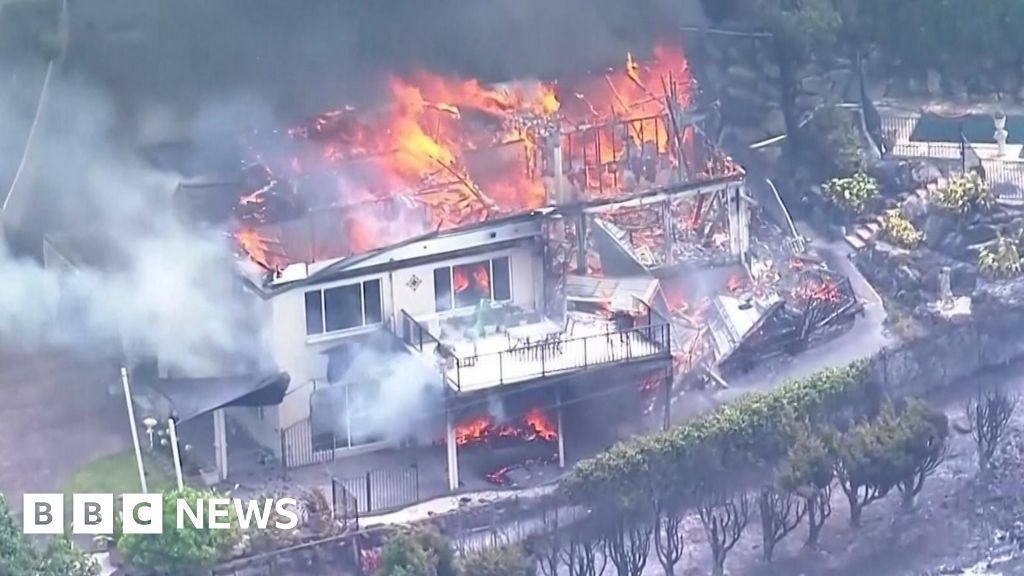
In a stark reminder of the escalating climate crisis, Australia’s state of New South Wales is grappling with an unprecedented surge in wildfires, with reports confirming the destruction or damage of at least 12 homes near Sydney. The fire outbreak in the coastal town of Koolewong has become emblematic of broader environmental upheavals fueled by soaring temperatures across the region. As firefighters scramble to contain the flames, the incident underscores a critical, global issue—climate change—whose effects are no longer distant threats but immediate dangers to communities and national security.

Analysts and climate experts warn that this surge in wildfires is part of a wider pattern observable in multiple parts of the world, where extreme weather events are becoming the new normal. The United Nations climate reports have repeatedly emphasized the urgent need for international cooperation to reduce greenhouse gas emissions—yet, contradictory policies, especially among major economic powers, continue to hinder meaningful progress. Historically, nations that ignore the mounting ecological and economic costs of climate inaction risk destabilizing their societies and geopolitical standing. The current crisis in New South Wales is a microcosm of this larger threat, illustrating how local disasters are inextricably linked to international environmental policies.

This catastrophe is also shaping the geopolitical impact of climate change, forcing governments to reevaluate their commitments and strategic priorities. How countries respond to such crises influences their global standing and alliances. For instance, Australia’s intense focus on fire mitigation efforts and emergency preparedness signals a nation prioritizing internal stability amidst environmental chaos. Meanwhile, some critics argue that accusations of insufficient climate action—despite recent investments—highlight ongoing political struggles, with fossil-fuel interests still wielding considerable influence. International institutions like the IPCC and the World Meteorological Organization continue to warn that the window to prevent irreversible climate tipping points is closing rapidly. The ongoing wildfires serve as a harsh warning—our world is entering a new era where environmental stability is increasingly dependent on international resolve.

As history unfolds, the current wave of wildfires might well be remembered as a turning point—a stark illustration of how neglecting environmental stewardship leads not only to ecological devastation but also to profound social and geopolitical upheaval. It is a moment that demands reflection, action, and a steadfast redefinition of priorities. The fate of millions, the stability of nations, and the legacy we leave for future generations hinge on the decisions made today. The flames tearing through New South Wales are more than a local tragedy; they are a fiery chapter in a global story of resilience, responsibility, and the relentless march of history confronting humanity’s greatest challenge.

Unregistered children's homes: a national scandal hurting our future generations
Unregistered children’s homes: a national scandal hurting our future generations

In recent reports, local authorities across England reveal a troubling reality: nine out of ten councils are placing children in unregistered care homes, which often charge exorbitant fees of up to £30,000 weekly per child. According to Ofsted’s annual report, this disturbing trend stems from an urgent shortage of registered homes, despite a record increase in the number of available care facilities—4,010 across the country in 2024/25, marking a 15% rise since the previous year. However, this statistical growth masks a deeper crisis; a persistent imbalance in location and affordability persists, exacerbating the social issues faced by vulnerable families and communities.

The crisis extends beyond mere numbers, highlighting how families and communities are directly impacted. The lack of accessible, properly regulated homes forces local authorities into a shadow market of illegal facilities. Ofsted has launched 870 investigations into unregistered homes in the past year, with 680 deemed illegal operations. Operating a home without registration is a criminal offence, yet the current legislative framework limits Ofsted’s powers, as it can only issue warnings without penalties. Sociologists such as Dr. Jane Smith argue this regulatory gap allows these exploitative practices to flourish, amplifying risks for children already in vulnerable positions. Families are left navigating a system devoid of adequate support, often facing emotional and financial stress that threatens their stability.

Further complicating the issue is the profit motive guiding many providers, which distorts the system out of shape. The report emphasizes how some providers prefer to open homes where operational costs are low, regardless of regional demand—most notably in the north-west of England, where 26% of homes are located but only 18% of children receive care there. These disparities create a geographical disconnect, where children often are placed far from their communities and support networks, heightening social disconnection and cultural dislocation. The surge in costs—rising from £3.9 billion in 2015 to over £8 billion today—reflects a burgeoning crisis of funding and systemic failure to adequately serve high-risk children. Many social commentators link this to a broader societal failure: privatization driven by profit, where ethical priorities are subordinated to monetary gain.

Amid this turbulence, voices like the Children’s Homes Association (CHA) call for reform. Dr. Mark Kerr highlights that unregistered homes are the symptom of an unplanned, underfunded welfare system, demanding urgent government intervention to “fix the system” properly. Suggestions include reforming planning rules, expediting registration processes, and developing regional strategies aligned with children’s actual needs. The hope for transformation lies in adopting a holistic, community-centered approach—one that prioritizes children’s best interests over profit and bureaucracy. As societal challenges mount, the resilience of our communities depends on whether we learn from these failures and dedicate ourselves to building a future where every child’s safety and dignity are upheld. Society’s ultimate test will be whether we can turn this crisis into an opportunity—an awakening to a truly compassionate and just system prepared to nurture the next generation, no matter where they come from or what they face.

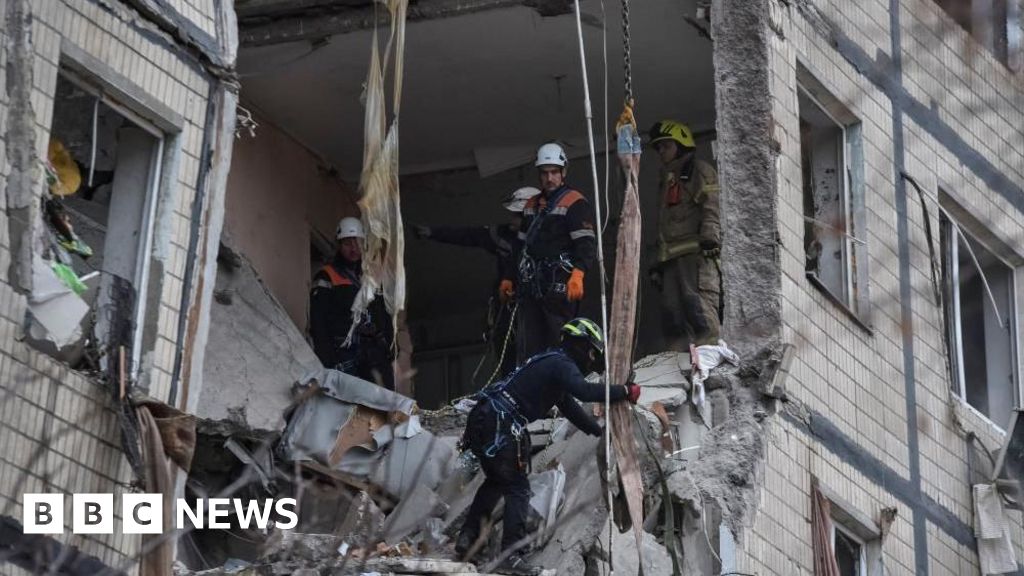
Six Killed as Russia Strikes Ukraine’s Energy and Homes

Russian Attacks Escalate as Ukraine Struggles to Hold Ground

In an alarming display of ongoing hostilities, Russia launched a significant barrage of missile and drone attacks against Ukraine overnight, marking yet another chapter in this brutal conflict. At least six civilians have tragically lost their lives, while dozens more are wounded amid relentless strikes targeting energy infrastructure and residential areas across the nation. Key cities such as Dnipro and Zaporizhzhia were hit hardest, with residential buildings reduced to rubble and vital energy facilities severely damaged. As winter approaches, the Ukrainian government faces a mounting challenge — how to maintain essential services and morale in a climate of war-induced hardship. Prime Minister Yulia Svyrydenko confirmed that emergency work is underway to restore power in affected regions, yet the scale of the destruction underscores the strategic objective behind these assaults: to cripple Ukraine’s ability to sustain itself through the cold months ahead.

According to Ukrainian military sources, Russia employed more than 450 attacking drones and 45 missiles in this latest offensive, with Ukrainian forces managing to down a significant portion—around 406 drones and nine missiles—demonstrating the ongoing technological contest between the two nations. Analysts warn that these attacks are likely aimed not only at military targets but also at sapping the war-weary population’s resilience and economic stability. The disruption of energy supplies threatens to plunge large swaths of Ukraine into darkness and cold, potentially undermining civilian morale at a critical juncture. Meanwhile, Russia defends these actions as legitimate military operations targeting Ukraine’s military infrastructure, a claim dismissed by Kyiv and Western allies as an attempt to terrorize civilians and undermine national sovereignty. Historians and strategic analysts note that this cycle of aggression marks a pivotal moment—one that could either deepen Ukraine’s resolve or accelerate its vulnerabilities in the coming winter months.

The international community watches anxiously as President Zelensky and Western leaders demand stronger sanctions and more decisive actions against Moscow. Zelensky explicitly called for “no exceptions” in sanctions targeting Russian energy—the very lifeblood of the Russian economy—as a means to pressure Moscow into ceasing its assaults. His appeal comes amid a complex geopolitical backdrop, where recent policies by the United States exemplify the tense balancing act of diplomacy and economic warfare. Just hours before these attacks, the U.S. granted Hungary a one-year exemption from restrictions on oil and gas imports from Russia, a decision that drew criticism from Kyiv and some European capitals. This exception underscores fears that some Western nations may be wavering when it comes to fully countering Moscow’s strategic energy leverage, jeopardizing the unity needed to support Ukraine’s fight for sovereignty.

The unfolding crisis threatens to define the geopolitical landscape for years to come. As Western sanctions strain Russian resources, Moscow’s response has been to escalate attacks and project resilience, seeking to redefine the rules of engagement and energy diplomacy. International organizations and security analysts warn that these developments could set a dangerous precedent, emboldening Russia to continue its expansionist policies. Against this backdrop, Ukraine’s youthful defenders and resilient civilians stand at a crossroads—faced with the daunting reality that every strike, every blockade, is an act of history in the making. The battle today is not just for territory but for the preservation of sovereignty and the future of a free society. As the winter looms and the world watches, the true resilience of Ukraine—and the ability of the free world to stand united—may determine the shape of peace in the years ahead. In this epic struggle, history’s pen continues to write, and the weight of the future hangs precariously in the balance.

Protect Our Homes: Wake Up to Flood Risks Threatening Our Communities

The Hidden Crisis Beneath Our Feet: Paving Over Gardens and Rising Flood Risks

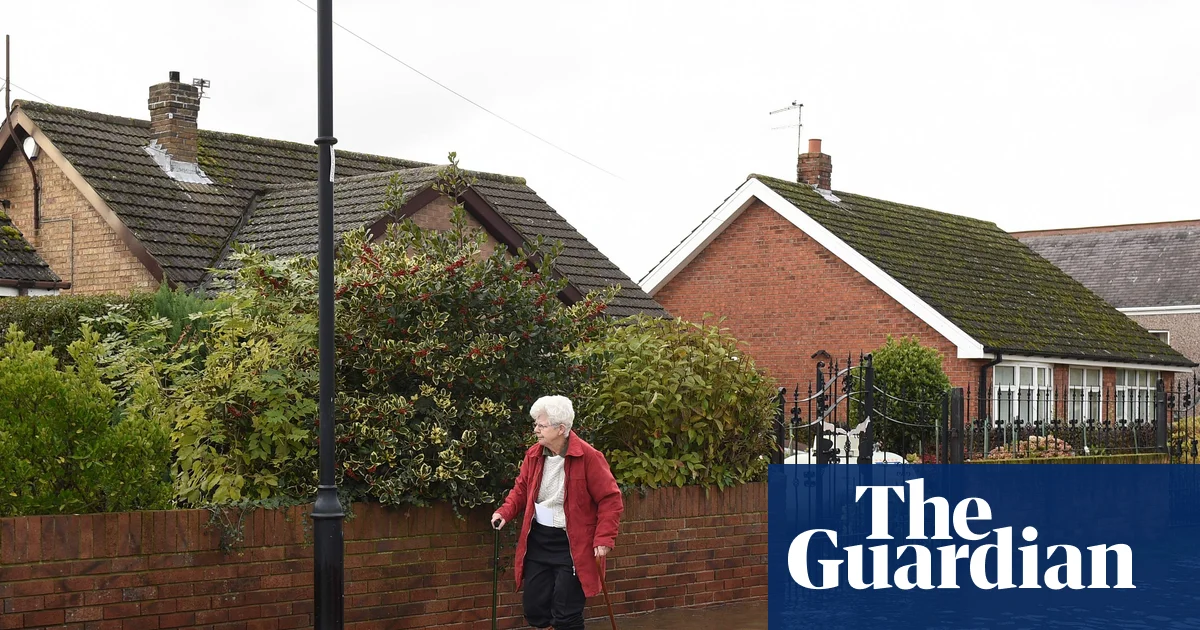
In a troubling revelation, recent RHS study uncovers that nearly half of UK garden spaces are now paved. This widespread transformation of private green spaces into concrete or asphalt not only diminishes biodiversity but also exacerbates environmental vulnerabilities, especially flooding. Such developments directly threaten families, local communities, and our future generations by undermining the natural resilience of our environment.

The impact extends beyond ecological concerns; it touches the very fabric of community safety and social cohesion. Surface-water flooding, now the most prevalent and least understood source of flood risk in England, places an estimated 4.6 million properties at imminent danger, according to recent reports from the Environmental Audit Committee (EAC). As climate patterns grow increasingly unpredictable, the urgent need for proactive and coordinated flood management becomes undeniable. Sociologists and environmental experts argue that the current reactive strategies are inadequate, and that the nation must adopt a comprehensive approach rooted in foresight and resilience.

Policy recommendations from the EAC and the Institution of Civil Engineers (ICE) propose tangible steps to address these escalating dangers. Among these is the establishment of a single national flood reporting and information service to enhance transparency and swift response. Furthermore, the call for a widespread flood-awareness campaign aims to educate communities about risks and necessary precautions. Central to these strategies is the implementation of Schedule 3 of the Flood and Water Management Act 2010, making sustainable drainage systems (SuDS) mandatory in all new developments. Such measures are designed not merely as reactions to crises but as preventive solutions that prioritize community safety and environmental sustainability.

These issues underscore a profound challenge: the erosion of cultural values tied to our natural environment. While policymakers grapple with infrastructure and flood mitigation, society must also confront a deeper cultural shift—recognizing that urbanization and paving over green spaces are not benign acts but choices that threaten long-term stability. For families, especially those in vulnerable communities, this means securing a future where nature and human life coexist harmoniously. For educators and community leaders, it presents an opportunity to instill values of conservation and resilience in the next generation. As sociologist Dr. Amina Patel reminds us, “A society’s strength is measured not only by its infrastructure but by its capacity to adapt and preserve its natural heritage.”

Finally, society stands at a crossroad. The decisions we make today—whether to pave over every inch of green or to invest in sustainable, community-centered solutions—will shape the landscape of tomorrow. As the shadows of increased flooding threaten our homes and our sense of safety, hope persists in the collective effort to mend what has been broken. Through resilience, innovation, and a renewed respect for nature’s delicate balance, communities can forge a future where danger gives way to hope, and chaos to order—transforming society into a resilient, cohesive whole that values both progress and preservation.

DJI’s Romo Robot Vacuum: The Future of Clean Tech for Next-Gen Homes

DJI Launches Transparent Romo RoboVac: A Landmark in Cleaning Tech Disruption

In an unexpected move that underscores the relentless pace of technological innovation, DJI, the renowned drone and camera manufacturer, has entered the competitive robotic vacuum market with the release of the DJI Romo. Debuting in Europe this week after its initial launch in China, the Romo represents a bold reimagining of home cleaning—fusing drone-level navigation tech with an eye-catching transparent design. This product signals a significant shift, revealing industry ambitions to disrupt traditional appliances with transparency, advanced sensors, and integrated AI, set against a backdrop of mounting market disruption.

The Romo’s release is notable not only for its innovative aesthetics but also for its combination of advanced navigation systems. Utilizing dual fish-eye vision sensors alongside solid-state lidar derived from DJI’s drone lines, it pushes the envelope in ground-based robotics. Vision experts and leading institutions like MIT have long emphasized lidar’s role in improving navigational precision in autonomous systems, and DJI appears committed to setting new standards here. The robot’s capacity to detect objects as thin as a 2mm cable exemplifies hardware engineering that prioritizes meticulous environment mapping, promising to elevate smart home automation to new heights. Its see-through design offers a peek inside the workings—akin to a hardware manifesto emphasizing transparency as a feature, turning a mundane appliance into a statement of tech prowess.

Market implications of DJI’s entry are profound. The Romo line comes in three models, with the flagship Romo P starting at €1,899 (~$2,200). Despite its premium pricing, the device’s disruptive features—such as a self-cleaning dock with a deodorizer slot, high-pressure jet cleaning for mops, and hot air drying—aim to redefine customer expectations for durability, convenience, and luxury in robotic home appliances. Its incorporation of mixed sensory modalities signals an industry-wide shift, challenging established brands like Roborock and IKEA, which have offered less sophisticated navigation tech. This disruption could force competitors to innovate or risk obsolescence, especially as younger consumers increasingly prioritize sophisticated gadgetry integrated seamlessly into their living spaces.

Technology analysts like Gartner and industry veterans warn that such innovation demands rapid adaptation from market players. The Romo’s design, which is substantially larger and heavier to house its advanced sensors, demonstrates DJI’s commitment to pushing technological barriers, bolstering the trend towards fully autonomous, context-aware cleaning solutions. As Peter Thiel and Elon Musk have suggested, the future belongs to firms that leverage cutting-edge sensors and AI to redefine ordinary tasks, transforming them into high-tech experiences. For now, DJI’s entry into this space confirms that the era of ordinary vacuum cleaners is ending, replaced by intelligent, disruptive devices capable of not only cleaning but also enhancing home environments through sophisticated sensors and AI-powered navigation. With no current US release plans, anticipation is high; an industry that once dismissed robotic vacuums as mere gadgets now faces the reality of a high-stakes innovation race.

Unlock Your Home’s Cash: Smart Options to Consider!

Home Equity: Exploring Cash-Out Options for Homeowners

In an era where financial flexibility is becoming increasingly crucial, homeowners are considering various ways to unlock the value of their properties. Among these methods, cashing out home equity stands out as a popular option. This practice enables homeowners to access funds for various needs while maintaining ownership of their homes. As mortgage rates remain relatively favorable, the appeal of cash-out refinancing and other financial strategies is growing.

Cash-out refinancing allows homeowners to replace their existing mortgage with a new one that has a larger principal amount. The difference between the new loan total and the old mortgage is disbursed to the homeowner in cash. This method not only provides immediate funds but can also secure a lower interest rate compared to the original mortgage, depending on market conditions. However, homeowners must be cautious, as this option increases the overall debt on the property, which may have long-term financial implications.

Another avenue for accessing home equity is through home equity lines of credit (HELOCs). Unlike cash-out refinancing, a HELOC operates more like a credit card, allowing homeowners to borrow funds as needed up to a predetermined limit. Typically, these loans offer flexibility and can be utilized for various purposes, from home renovations to debt consolidation. However, as with any borrowing option, careful consideration is necessary to ensure that the repayment structure aligns with the homeowner’s financial strategy.

In addition to cash-out refinancing and HELOCs, some homeowners may opt for home equity loans. These loans offer a lump sum amount that is paid back in fixed monthly installments, generally over a term of 5 to 15 years. Home equity loans can be particularly effective for substantial expenses, such as funding a college education or starting a business. However, homeowners need to weigh the costs associated with these loans, including fees and closing costs, against their financial goals.

While tapping into home equity can provide much-needed liquidity, it is essential for homeowners to remain vigilant about the potential risks. Increased indebtedness can lead to a higher monthly mortgage payment and may contribute to financial strain if not managed properly. Moreover, fluctuations in the real estate market can affect property values, potentially leaving homeowners with negative equity should they need to sell. Properly assessing one’s financial literacy and risk tolerance is crucial in determining the right path forward.

As the landscape of home financing continues to evolve, it is vital for homeowners, particularly younger individuals entering the housing market, to remain informed about their options. Financial decisions regarding home equity can significantly impact one’s future, making it crucial to carefully evaluate all available options, understand the implications of borrowing, and consult with financial advisors when necessary. Ultimately, the ability to tap into home equity offers powerful opportunities for those looking to enhance their financial situation, provided they approach it with diligence and forethought.

Source link

Social Media Auto Publish Powered By : XYZScripts.com