Matox News

Truth Over Trends, always!

Green Party backs former mayoral hopeful for Gorton and Denton byelections, shifting focus to future leadership

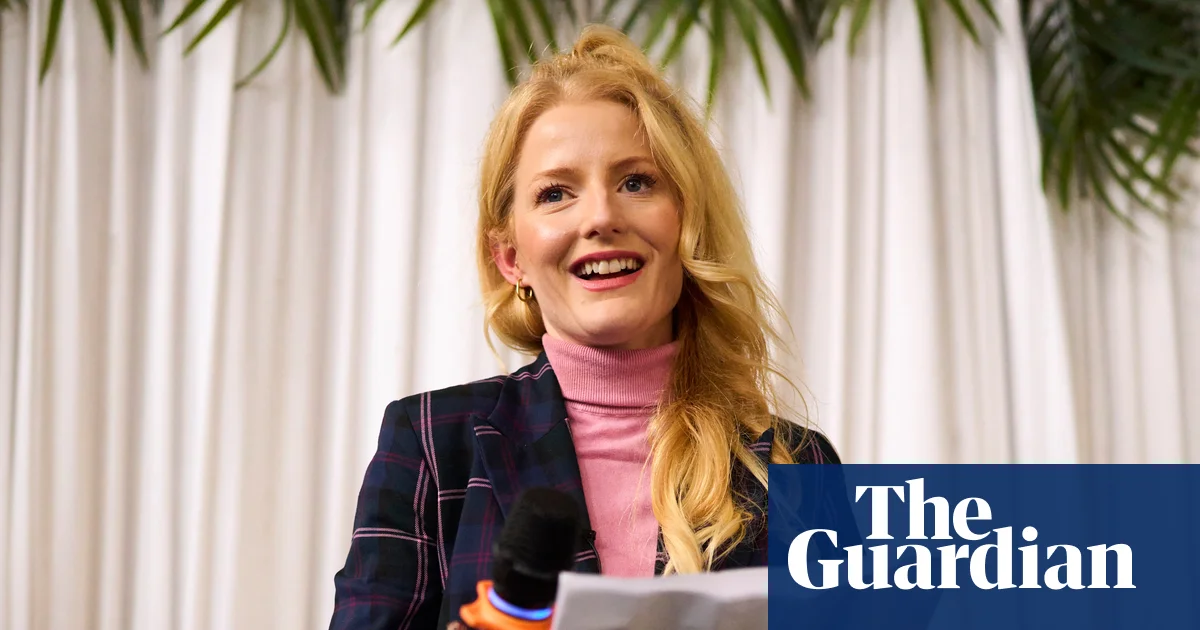
The upcoming byelection in Gorton and Denton has become more than a simple electoral contest; it symbolizes deeper social and cultural shifts within the communities of Greater Manchester. With the Green party selecting Hannah Spencer, a councillor and former mayoral candidate, as their candidate, this race highlights the growing influence of youth-oriented, environmentally-focused politics that challenge traditional party dominance. Spencer’s background as both a community member and trade professional exemplifies a shift towards candidates who embody local roots and diverse experiences, resonating with a population increasingly disillusioned with the status quo.

This race is unfolding amidst a fractured political landscape where social issues—from economic inequality to cultural identity—are shaping voter sentiment. The Labour Party, traditionally dominant in the area, is facing stiff competition from Reform UK and the Greens, each representing contrasting visions for the future of society. Labour’s campaign’s emphasis on experience, rooted in their local and national networks, seeks to appeal to voters who value stability and tradition. In contrast, the Greens, led by Zack Polanski, are framing the contest as a “battle for the soul of the nation”, underscoring a desire among younger voters to push for progressive change and environmental justice. This political clash is not merely about policies but about the cultural identity and moral direction of the community, which is sharply divided along generational and ideological lines.

Social tensions are further exemplified by the Green party’s recent endorsements and their outreach efforts. Backed by groups like the Muslim Vote, their support in a constituency with roughly 30% Muslim constituents signals a conscious effort to address **cultural representation and inclusivity**. Such moves reflect a broader challenge minorities and marginalized groups face worldwide: balancing tradition with the push for social acceptance and political influence. As sociologists like Arjun Appadurai have noted, societies are increasingly fractured along lines of ethnicity and faith, yet also eager for a sense of belonging and agency. The Greens’ emphasis on engaging these communities indicates a recognition that future societal cohesion depends on constructive dialogue and representation, even as it stirs debate about social cohesion versus cultural integration.

The families and communities impacted by this electoral contest face very tangible issues: economic opportunities, social inclusion, and cultural identity. The decline of traditional industries and the threats to local jobs create a backdrop where young families seek new pathways to stability, while cultural tensions can either divide or unite depending on how issues are approached. As historian Eric Hobsbawm warned, societal change often occurs through what he termed “the long 19th century of social upheaval,” reminding us that the societal clarity sought in elections is often the result of ongoing, complex struggles. The choices made in Gorton and Denton will resonate beyond these walls, reflecting the society’s capacity to embrace change and tradition alike.

Ultimately, this byelection underscores a society at a crossroads—facing the call for renewal amidst division. Its outcome will signal not just political shifts but reveal how communities choose to navigate the delicate balance of progress and preservation. As society stands on this precipice, one is left pondering—a society’s greatest hope is not in the absence of conflict but in its willingness to transform conflict into conversation, fear into understanding, and division into unity. Only then can the promise of a society that truly reflects its people be realized, shining a hopeful light on the horizon of future generations.
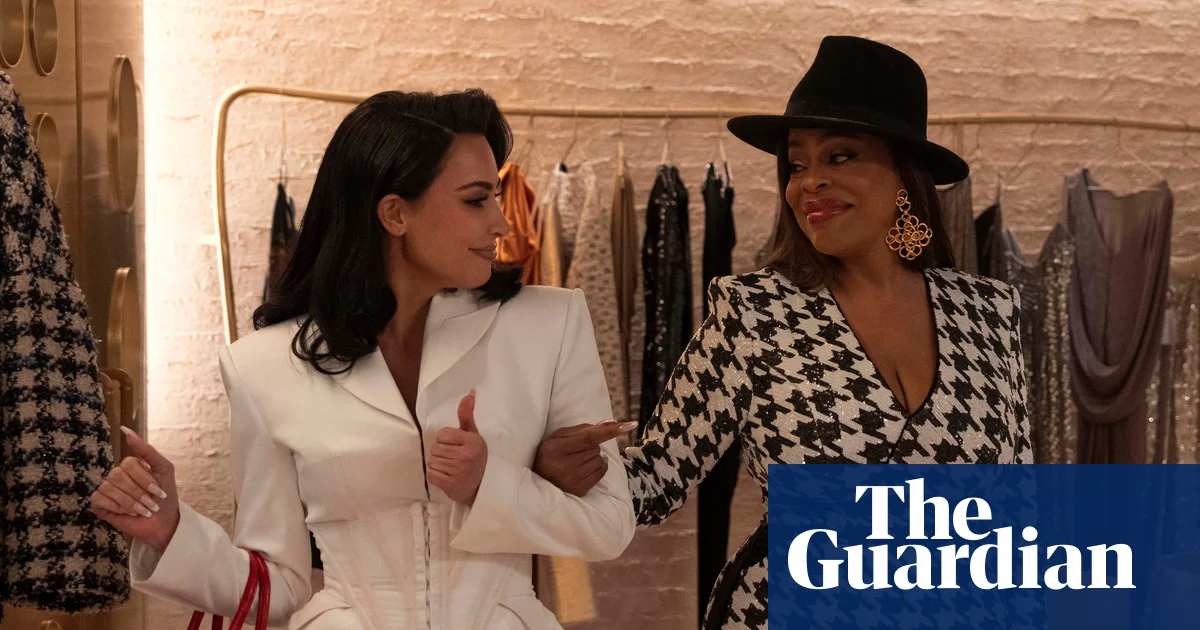
Director of Kim Kardashian’s All’s Fair addresses critics: ‘We’re hopeful opinions will shift’ | U.S. Television

In an era where cultural expression often mirrors societal shifts, the recent reception of the series “All’s Fair” highlights a crucial lesson: not everything curated for mass consumption will resonate universally, and that divergence is itself a reflection of society’s complex fabric. Directed by Anthony Hemingway, a veteran of acclaimed productions such as The Wire and True Blood, the show purports to explore themes of law, femininity, and human frailty through the lens of a female-led law firm specializing in divorce. Yet, despite its ambitious storytelling and the star power of Oscar nominees like Glenn Close and Naomi Watts, it has faced scathing criticism and has been labeled as “fascinatingly, incomprehensibly, existentially terrible” by critics. Such disparagement raises the question: in a culture increasingly obsessed with instant validation, how do we discern genuine artistry from superficiality?

The critics’ aversion to “All’s Fair” exemplifies a broader cultural tendency towards dismissiveness of ventures that challenge the conventional. Hemingway’s response—that “not everything is for everybody”—echoes the insights of thinkers like Ortega y Gasset, who lamented the commodification of culture and underscored the importance of individual aesthetic judgment. In a time preoccupied with the superficial, authentic artistry must often grapple with indifference before claiming its rightful place in the cultural dialogue. Hemingway draws a pertinent parallel between the show’s initial reception and the initial indifference that characterized revolutionary works such as Shakespeare’s or Beethoven’s. Like them, “All’s Fair” seeks to strike a chord that may not resonate immediately but holds the potential for cultural relevance over time, emphasizing that true art often requires patience and openness to new paradigms.

Furthermore, Hemingway’s defense of the show as “wish fulfillment” and a reflection of the human condition highlights an essential argument: culture’s role in shaping identity and societal understanding. In an age where cynicism often dominates, the attempt to grapple with how humans process loss, hope, and justice through storytelling remains vital. This echoes Chesterton’s assertion that “art is the signature of man,” an indelible mark of human aspiration and frailty. As history and philosophy remind us, culture is both memory and prophecy—a record of our collective past that guides and informs our future. Hemingway’s emphasis on the show’s evolving nature and his call for patience encapsulate this notion, suggesting that true cultural works are less about immediate applause and more about planting seeds for future reflection.

In the end, the enduring power of culture lies in its ability to connect us to ourselves and to the times yet to come. Like a song that echo’s through the ages or a monument carved in stone, it embodies our hopes, fears, and memories. As T.S. Eliot noted, “Our civilization is in a state of flux, but culture—true culture—is what sustains and elevates us through change.” Thus, whether “All’s Fair” finds its audience or not, it reminds us of the vital truth: culture is both our collective memory and our prophetic voice—an enduring testament to the nobility and complexity of human life, inspiring us still to dream, reflect, and forge a future rooted in our deepest human essence.

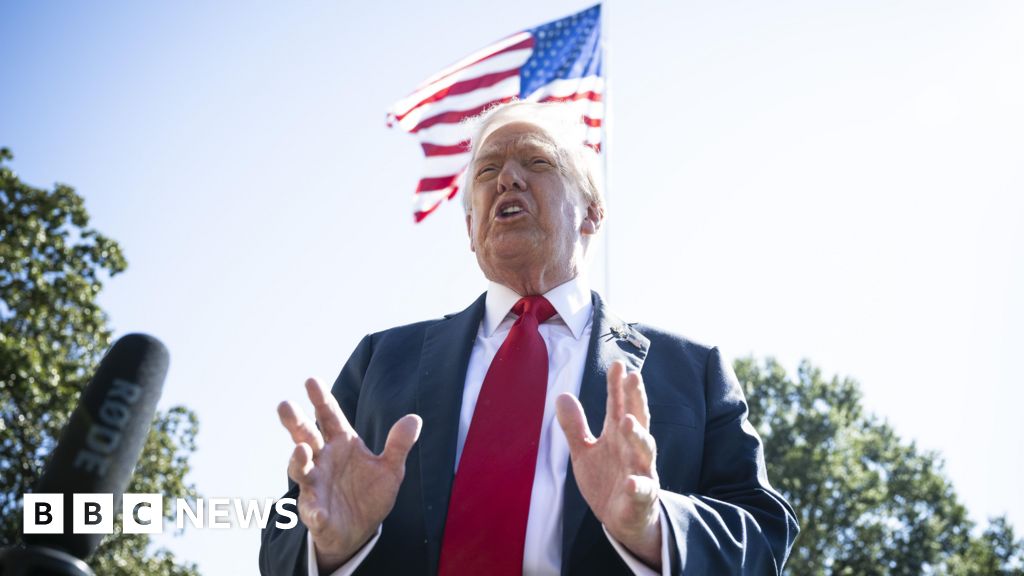
Trump hints Gaza hostages could be freed "very soon"—a hopeful sign for families and allies
Trump hints Gaza hostages could be freed “very soon”—a hopeful sign for families and allies

The ongoing conflict in Gaza continues to threaten regional stability, as international mediators prepare for a crucial round of indirect peace talks in Egypt. President Donald Trump has expressed optimism about the potential release of hostages, suggesting that they will be freed “very soon” following some progress made through mediated negotiations with Hamas. This development marks a rare glimmer of hope in a cycle of violence that has devastated Gaza and stoked fears of a broader regional escalation. The talks, set to occur on Monday, come against the backdrop of a complex diplomatic landscape, where the Trump administration’s 20-point US peace plan is both a blueprint for peace and a reflection of shifting geopolitical alliances.

Much of the recent diplomacy has been driven by Egyptian, Qatari, and Turkish mediators, who have successfully convinced Hamas to temper its previously intransigent stance and to leave contentious issues like disarmament and Gaza’s long-term governance off the table for now. Instead, the group appears willing to accept limited concessions, such as the release of some hostages and temporary governance arrangements. Many analysts interpret this tactical flexibility as a recognition by Hamas of its limited leverage after over two years of relentless conflict, with some cautioning that it also exposes the group’s precarious political position. Historically, conflicts rooted in such tactical moves often carry unforeseen consequences—either paving the way for peace or unleashing a new chapter of chaos.

Nevertheless, Israeli military operations persist, with airstrikes in Gaza continuing into the weekend despite international calls for a ceasefire. Israel asserts that these strikes are defensive, justified by the ongoing threat posed by Hamas. Israeli authorities, led by Prime Minister Benjamin Netanyahu, maintain that their military response is carefully calibrated to avoid a full-scale invasion, but reports from Gaza detail ongoing destruction, including the loss of civilian lives and residential buildings. According to Gaza’s Hamas-run health ministry, over 65 individuals were killed in the past 24 hours alone, highlighting the mounting toll in a conflict where the line between military necessity and humanitarian catastrophe has blurred. The international community, including the US Secretary of State Marco Rubio, continues to emphasize that an immediate cessation of bombardments is essential to facilitate hostage negotiations, underscoring the intertwined nature of military actions and diplomatic progress.

In this delicate dance of diplomacy and violence, the implications extend far beyond Gaza’s borders. American and Middle Eastern officials are keenly aware that the decisions made in Cairo will have lasting geopolitical impact, potentially reshaping alliances and regional power dynamics. Many experts caution that if diplomacy falters, the conflict could escalate into broader regional instability, complicating the global fight against extremism. As negotiators, including US envoy Steve Witkoff and Qatari Foreign Minister Sheikh Mohammed bin Abdulrahman Al Thani, prepare for these critical talks, history hangs in the balance. The shadows of previous failed peace efforts and the recent surge in violence cast a heavy pall, reminding the world that the road to peace remains fraught with peril and uncertainty.

As the region holds its breath, the unfolding story of Gaza continues to write itself into history—an ongoing saga of conflict, diplomacy, and human resilience. With every diplomatic handshake and each devastating strike, the weight of generations converges on a fragile moment, where the future is yet to be written. The outcome of this week’s negotiations may determine whether the echoes of war will fade or whether they will reverberate through history as another chapter of unresolved tragedy—an indelible mark on a region already scarred by decades of strife.

Social Media Auto Publish Powered By : XYZScripts.com