Matox News

Truth Over Trends, always!

US Navy halts Iran-flagged vessel attempting Strait of Hormuz breach

Turning Point in Middle Eastern Tensions: US Seizes Iranian-Flagged Ship Near Hormuz

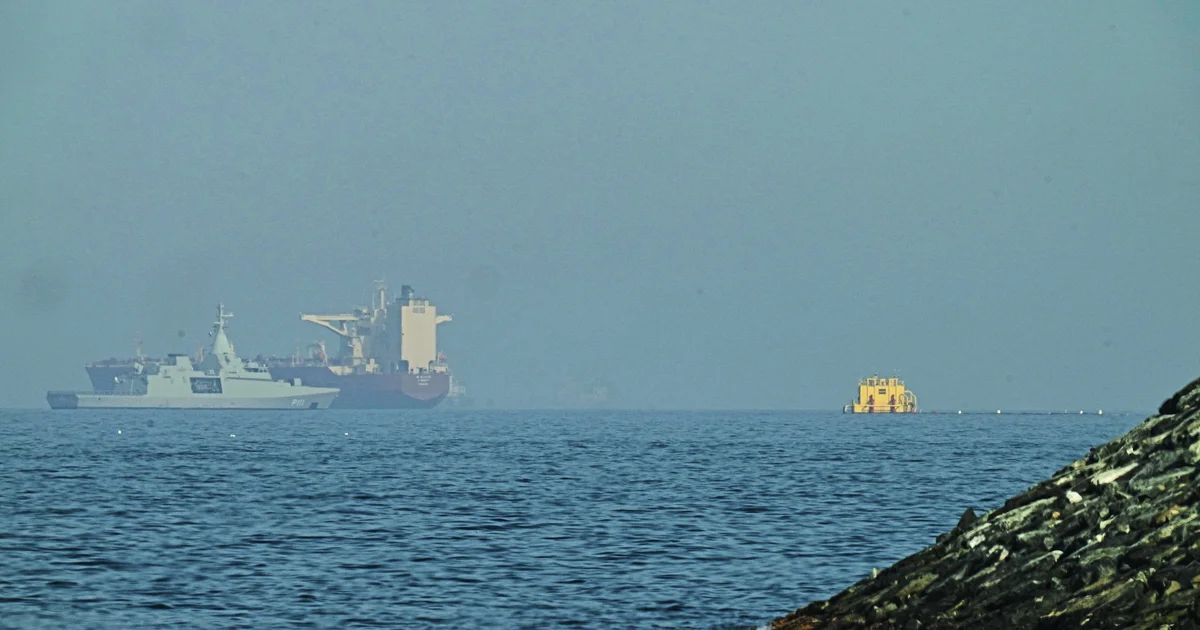
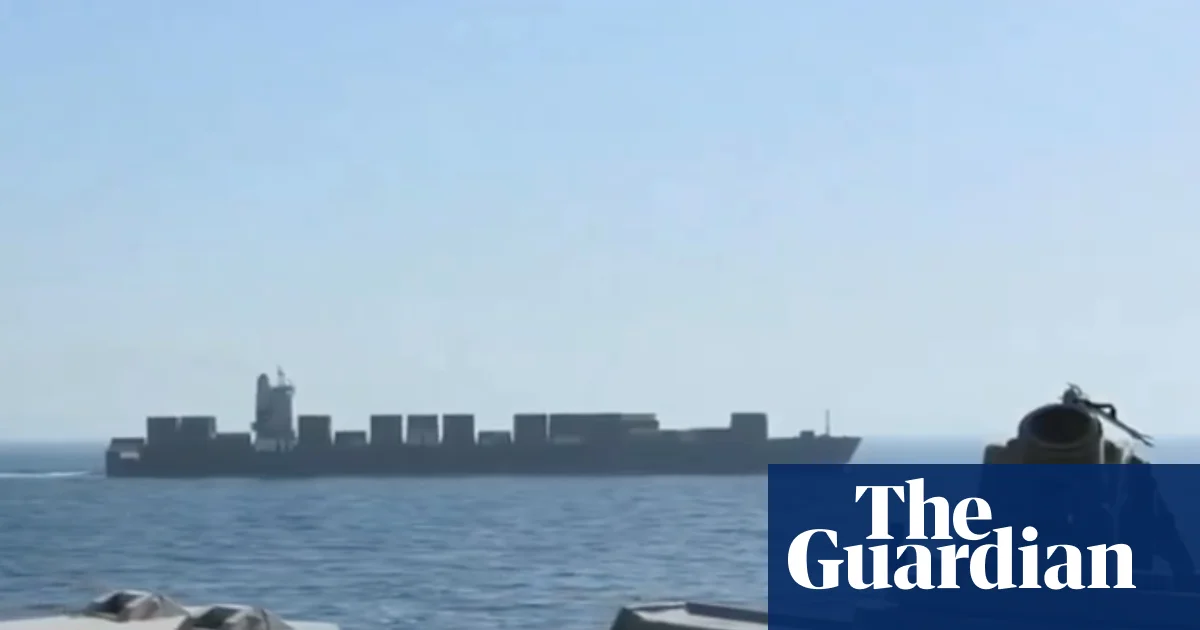
In a move that signals a significant escalation in the ongoing trade and military confrontation within the Gulf region, the United States military has intercepted and seized an Iranian-flagged container ship attempting to breach a newly enforced blockade near the Strait of Hormuz. This incident is the first such maritime conflict following the implementation of the US-led blockade designed to tighten economic pressures on Iran. The seizure occurred after US naval forces, aboard the USS Spruance, warned the vessel, identified as Touska, to cease its movement, warning of lethal force if they refused. Subsequently, US forces fired upon the vessel, claiming custody of the ship, which was under US Treasury sanctions for prior illegal activities. This military action underscores a deliberate tilt toward increased confrontation, with Washington asserting it was necessary to prevent violating international sanctions and pressure Iran economically.

Iran’s official military command, represented by Khatam al-Anbiya, swiftly condemned the seizure as an act of piracy and warned of imminent retaliation. For Tehran, this act breaches the fragile ceasefire that has largely held since early April, and it has cast doubt on the upcoming diplomatic parleys. Despite President Donald Trump‘s earlier announcements about redeploying negotiators to Pakistan for renewed talks with Iran, Tehran remains skeptical, citing the blockade, aggressive rhetoric, and what it describes as Washington’s “excessive demands”. Iranian state media reports suggest Tehran has now rejected any new peace talks, emphasizing that the escalating confrontation makes diplomatic resolution increasingly unlikely at this juncture. These developments threaten to unravel the limited progress made in recent months and bring the region closer to the brink of renewed violence.

The incident has profound effects on the geopolitical stability of the Middle East, as global leaders and analysts warn of the ramifications. The escalation risks igniting a broader conflict involving multiple nations with interests spanning from regional dominance to global energy security. Historians like Michael O’Hanlon and analysts from organizations such as the International Crisis Group have emphasized that the Gulf’s strategic choke points hold the power to disrupt global oil supplies, potentially triggering chaos in markets worldwide. The incident also amplifies the risk of a domino effect, with neighboring Arab states, Israel, and even NATO allies understandably concerned about Iran’s recent aggressive posturing and the US’s uncompromising stance. This crisis starkly demonstrates how decisions made at the highest level resonate down to ordinary societies, affecting everything from energy prices to national security.

As the world watches the unfolding drama in the Gulf, the haunting question remains: Will this confrontation mark a turning point, or will diplomacy still find a way to de-escalate? With history’s shadow looming large, the ongoing clash between superpowers has escalated beyond mere politics, transforming into a pivotal chapter in the unfolding narrative of post-war Middle Eastern geopolitics. Humanity stands at a crossroads—either the weight of decisions made now will forge a path toward peace, or the upcoming days will write a darker chapter, one where the sands of the Gulf are stained with the echoes of war yet to come.

Iran: ‘Fundamental’ Issues Still Unsettled with US as Strait of Hormuz Tensions Escalate

Global Tensions Surge as Iran and the US Approach the Brink amid Strait of Hormuz Crisis

The Middle East has become a flashpoint once again, with escalating tensions revolving around the strategic Strait of Hormuz, a vital artery for global energy supplies. Recent developments reveal a complex web of diplomatic and military maneuvers as Iran and the United States inch closer to a potential eruption of conflict. Iranian negotiator Mohammad Bagher Ghalibaf acknowledged progress in talks with Washington but underscored the persistent gaps on nuclear issues and control of the Strait, a critical chokepoint through which roughly 20% of the world’s oil passes daily. He expressed cautious optimism, yet the underlying discord suggests a volatile standoff that could threaten stability across the globe.

President Donald Trump publicly declared that the US was engaged in “very good conversations” with Tehran, but he also issued stark warnings against potential blackmail tactics over maritime routes. The US’s blockade of Iranian ports and its naval presence have fueled Iran’s reversal of the reopening of the Strait of Hormuz, reimposing restrictions that threaten to choke off global oil flows. On Saturday, Iran’s Khatam al-Anbiya military command announced it had reasserted control over the waterway, restoring the Strait to its “previous status” under strict military management. This move follows reports that Iranian Revolutionary Guard ships had fired upon a tanker attempting passage, with Indian-flagged vessels also targeted—a clear provocation with potentially far-reaching consequences.

Geopolitical Impact: A Powder Keg Ready to Ignite

Analysts and international security scholars warn that the escalation around the Strait of Hormuz is a turning point that could plunge the region into full-scale war absent a diplomatic breakthrough. The US convened a White House Situation Room meeting to evaluate the crisis, with senior officials warning that unless peace talks produce a significant agreement, a new conflict could erupt within days. The potential reopening of hostilities raises profound geopolitical questions about the future of global energy markets, regional stability, and the balance of power in the Middle East.

Meanwhile, regional actors such as Hezbollah have publicly denied involvement in recent deadly attacks against UN peacekeepers in southern Lebanon, efforts seemingly aimed at steering the broader conflict away from open regional war—yet the violence and military posturing suggest otherwise. Israeli forces have begun demolishing structures in border towns like Bint Jbeil, signaling a readiness to escalate border conflicts. Israeli military actions also extend into the Gaza Strip, where two UN-contracted drivers were killed, prompting a suspension of humanitarian aid operations. This sequence of provocations underscores how the crisis extends beyond Iran and the US, threatening to engulf Lebanon, Israel, and Palestinian territories in a broader regional upheaval.

How Decisions Shape Societies and Future History

The international landscape remains fragile, with diplomatic efforts hampered by mutual distrust and conflicting interests. Experts like geopolitical analyst John Bolton and organizations such as the United Nations warn of a possible “shadow war” burgeoning beneath the surface of diplomacy, with small military clashes potentially escalating into wider conflicts. The decision of President Trump to play golf amid this heightened crisis exemplifies a dissonance between leadership and the geopolitical urgency at hand—banner signals that the stability of oil markets and peace in the region hang in the balance.

As history continues to unfold, the way this crisis is resolved—or not—will determine the fate of millions caught in the crossfire. Will diplomatic patience prevail, or are we witnessing the initial moves toward yet another devastating regional war? The weight of history rests on current decisions, echoing lessons from conflicts past while forging pathways into an uncertain future. Global stability teeters on a knife’s edge, awaiting the next critical move that could reshape the geopolitical map for decades to come.

Iran reopens Strait of Hormuz after US blockade, but warns it’s only temporary

In a dramatic turn of events, Iran has reversed its decision to reopen the Strait of Hormuz, a move that has sent shockwaves through global markets and geopolitical strategic calculations. The strait, a crucial artery for international oil shipments, becomes a symbolic battleground in the ongoing proxy conflict between Iran and the United States, with regional allies and global powers weighing the future of this vital shipping corridor. Iranian officials explicitly stated that the restrictions would persist unless Washington ensured full freedom of navigation—a clear warning that the balance of power and diplomatic engagement remains fragile and volatile.

Over the weekend, maritime tensions spiked sharply when reports emerged that IRGC (Islamic Revolutionary Guard Corps) vessels fired on a tanker attempting passage, with the UK’s Maritime Trade Operations confirming similar attacks on an Indian-flagged oil vessel. These aggressive moves underscore how Iran seeks to project strength and resistance against what it describes as Western encroachment. Meanwhile, Iran’s military command announced the re-establishment of a “previous status” of control over the strait, directly linking the restriction to ongoing frozen negotiations over Iran’s nuclear program and broader regional stability. The message is clear: Tehran is prepared to escalate its defensive posture if its demands aren’t met, effectively holding the world’s energy supplies hostage amidst the ongoing conflict.

President Donald Trump declared that the U.S. would maintain its blockade until a permanent peace was achieved, emphasizing Washington’s resolve to sanction Iran’s economy and deny it strategic victories. Notably, Trump’s comments came as the U.S.-brokered ceasefire, fragile and temporary, looms on the horizon’s edge. With no substantive progress in negotiations after several rounds of talks, the risk of escalation remains high. As noted by international analysts and historians like Professor Michael J. Mazarr of the RAND Corporation, these developments are emblematic of a larger strategic contest over influence in the Middle East—a region where control of energy routes can tip the scales of global power.

The geopolitical impact of this crisis extends beyond energy markets; it represents a broader struggle for dominance—between Western allies and recalcitrant regional powers. The potential shutdown of the strait, which facilitates approximately 20% of the world’s oil and LNG shipments, threatens to trigger spikes in energy prices that could destabilize economies worldwide. The crisis’s ripple effects threaten to undermine stability in Europe, Asia, and beyond, with analysts warning that prolonged confrontation in the region could usher in a new, unpredictable era of conflict. As Turkey’s diplomatic forum in Antalya reflects regional hopes for de-escalation, the shadow of conflict persists, and history’s pen continues to write a chapter of uncertainty and tension.

In the unfolding saga of Middle Eastern geopolitics, the decision by Iran to escalate its control of the Strait of Hormuz underscores a profound lesson: in these waters, every move is a statement, every attack a symbol of defiance, and every negotiation a fragile hope. The world watches as the last threads of diplomacy are woven into this complex tapestry of power, with the future remaining uncertain. On the horizon, history awaits its next chapter—poised to record whether cooler diplomacy will prevail or whether the currents of conflict will surge anew, consigning the world to an unpredictable future.

Understanding the Strait of Hormuz Blockade: A Bold Move to Protect Our Interests

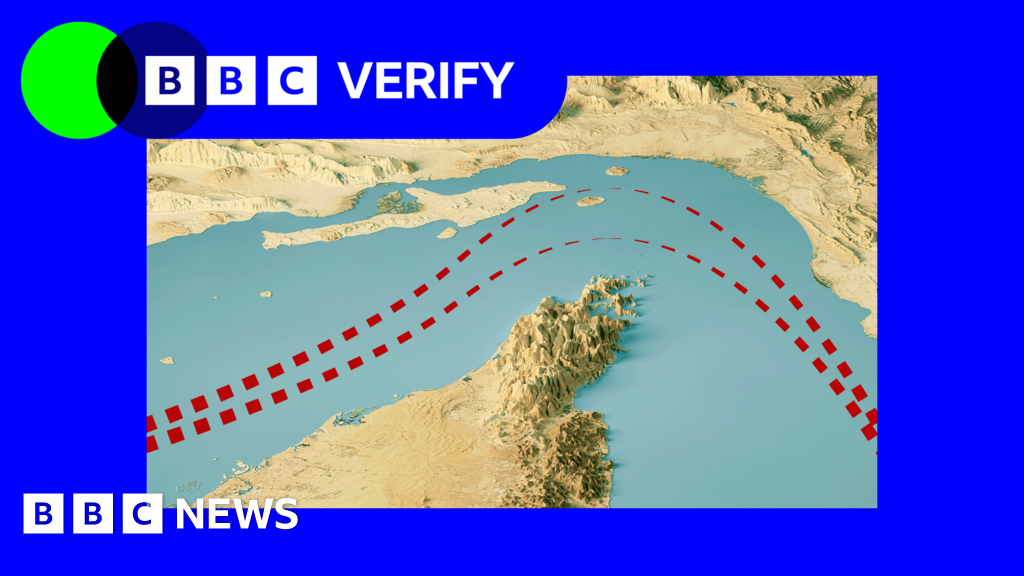
In recent years, the concept of a naval blockade has transcended traditional warfare to become a pivotal instrument in the broader geopolitical chess game. According to the US Navy Commander’s handbook on naval operations law from 2022, a blockade is defined as a “belligerent operation to prevent vessels and/or aircraft of all states, enemy and neutral, from entering or exiting specified ports, airfields, or coastal areas belonging to, occupied by, or under the control of an enemy state.” This precise definition underscores the strategic significance of maritime control, which can serve as a powerful tool for nations seeking to impose economic and military pressure without direct conflict.

Global powers increasingly leverage naval blockades to assert influence and shape international outcomes. The rise of such measures reflects a shifting landscape where traditional warfare is supplemented by economic strangulation and territorial control. Recent examples demonstrate their impact on regional stability and international trade. As analysts warn, the use of naval blockades not only cripples enemy economies but also jeopardizes neutral nations, often drawing global attention and provoking responses from multinational alliances such as NATO and the United Nations. These organizations are now tasked with navigating the complexities of maritime law, balancing the sovereignty of nations with the need to uphold international order.

Historians and geopolitical strategists highlight that modern naval blockades can act as catalysts for larger conflicts or diplomatic crises. Experts warn of escalation risks, especially when blockades are imposed in contested regions rich in strategic resources like the South China Sea or near the Middle East’s vital shipping lanes. The consequences are profound: economies strained, alliances tested, and a potential slide into broader warfare. Countries that once relied on open sea lanes for trade now face the stark reality that maritime dominance is key to their sovereignty and security.

  • In 2022, rising tensions in the Black Sea prompted Russia to impose maritime restrictions, raising alarms across Eastern Europe.
  • The US has, at times, deemed blockade measures necessary to counter perceived threats, emphasizing the importance of maritime law and national security.
  • International organizations repeatedly call for restrained use of such tactics, yet the allure of maritime control remains a potent element of modern imperial strategy.

As China’s expanding naval presence aims to challenge U.S. dominance in the Indo-Pacific, and with Iran increasingly resorting to maritime tactics amidst economic sanctions, history suggests that the future of global stability may very well hinge on the outcomes of these hard-fought sea lanes. Each blockade, each strategic chokehold, holds the potential to ignite conflicts that ripple across continents, redefining alliances and shaping the new world order. The course of history remains uncertain, and the weight of decisions made on the high seas will echo for generations to come—an ongoing saga where power is measured not only in land but in the control of the vital arteries of international commerce and security.

Iran’s Warning in Strait of Hormuz Sparks Fresh Shipping Concerns

The recent upheaval in the Strait of Hormuz has triggered a seismic shift in international markets, illustrating the fragile interdependence of the global economy. Over the past five weeks, disruptions—caused by tensions between Iran and regional allies—have sent shockwaves across financial systems worldwide. The narrow waterway, only about 33 kilometers (21 miles) across at its tightest point, has become a critical choke point for nearly one-fifth of all global oil trade, making its stability a matter of international concern. As energy prices spike and supply chains strain under the pressure, analysts warn that this crisis underscores how geopolitics directly influences daily life, from fuel costs to consumer goods.

The situation has intensified fears of broader conflict, with Western nations and Middle Eastern powers seemingly entangled in a dangerous game of brinkmanship. Many experts, including respected geopolitical analysts and historians, point out that the escalating tensions are not isolated but part of a larger struggle for regional dominance, driven by fears over Iran’s nuclear ambitions and the strategic importance of maritime control. The International Maritime Organization, while calling for de-escalation, recognizes that the narrow strait acts as a vital artery for global energy flows, rendering any blockage a potential economic catastrophe. While some nations attempt diplomatic efforts, the risk of miscalculation remains high, with the threat of conflict casting a shadow over international stability.

Beyond immediate economic impacts, international institutions and alliances are recalibrating their strategic calculations. The United Nations has expressed concern, urging restraint, but many analysts suggest that the crisis reveals lessons long buried in history—how small flashpoints can ignite larger conflicts with far-reaching consequences. Countries such as Saudi Arabia and Israel are closely monitoring developments, aware that regional instability could undermine their security and economic interests. The crisis also reveals the undercurrents of a new world order emerging, where the control of vital shipping lanes becomes as crucial as conventional military strength, pushing nations into a zero-sum game of influence and power.

As the world holds its breath, the unfolding events on this narrow waterway serve as a stark reminder: in an interconnected global system, even the smallest geographic chokepoint can shape history. With each tense diplomatic exchange and military maneuver, the fabric of peace frays further, weaving in new threads of uncertainty. The decisions made today—whether to escalate, negotiate, or retreat—will echo through generations to come. History whispers of conflicts sparked over strategic waterways, and as the world watches this delicate balance teeter on the brink, it becomes clear that the true weight of these moments will be measured by how nations manage the perilous path ahead—because in the chess game of geopolitics, the stakes could not be higher.

Middle East Tensions: Tehran Warns Trump on Hormuz, Israel’s Role in US Crew Rescue Unveiled

Turning Points Amidst Escalation in the Middle East

The Middle East is once again becoming the epicenter of international tension, with recent events signaling a dangerous escalation that holds profound geopolitical implications for nations worldwide. From Iran’s vengeful strikes to US and Israeli military actions, the entire landscape of regional security is shifting dramatically. The decisions and actions of global powers continue to ripple across societies and economies, making this an epochal moment in modern history.

Iran’s parliamentary speaker Mohammad Baqer Qalibaf sharply condemned Donald Trump’s threats targeting regional energy and transport infrastructure, asserting that the US is being misled by Benjamin Netanyahu. As tensions mount, Iran’s defense posture has become increasingly aggressive, warning of “much more devastating” retaliation if the US proceeds to attack civilian targets. These warnings underscore the delicate balance of power in the Gulf, where any miscalculation could escalate into broader conflict. International analysts argue that Iran’s recent missile attacks on petrochemical facilities across Kuwait, Bahrain, and the United Arab Emirates are a stark signal that their capacity for damage remains potent, complicating diplomatic efforts.

The United States, under the provocations of President Trump’s incendiary comments, has doubled down on threats to intervene directly in Iran’s waterway, especially the strategic Strait of Hormuz. Trump’s coarse language on social media, calling for the Strait to be opened or risking “living in Hell,” reveals a reckless posture that global leaders and institutions have condemned. The International Maritime Organization has warned of the potential for catastrophe if the Strait remains closed, endangering global oil supplies and economic stability. Meanwhile, Iran’s response has been escalatory, with drone and missile strikes extending to key Gulf nations and an Iranian vessel at Dubai’s Jebel Ali port targeted by revolutionary guards. Such actions threaten to disrupt global energy markets, with crude oil prices opening higher in response, signaling investor fears about an impending conflict that could destabilize global markets for years to come.

Regional Conflagration: Israel’s Military Operations and Political Ramifications

Israel’s military has reported intercepting missiles launched from Iran, with alerts prompting civilians across southern regions to seek shelter. The recent strike on a residential building in Haifa resulted in fatalities and injuries, a stark reminder that the confrontation is painfully personal for Israeli citizens. Israeli Prime Minister Benjamin Netanyahu has publicly boasted of his country’s cooperation in rescuing American personnel, highlighting the covert alliances that are shaping this crisis. Israeli forces have also carried out extensive strikes against “regime targets” in Tehran, aiming to weaken Iran’s military infrastructure. This tit-for-tat escalation risks unleashing unpredictable consequences, with specialists warning that a broader regional war may now be unavoidable.

The involvement of Lebanon’s Hezbollah and Iran’s support for militant activities continue to deepen the crisis. Israeli strikes in southern Lebanon have killed at least 15 civilians, intensifying regional hostilities. Meanwhile, Iran’s threats of “devastating and widespread” offensive actions serve as a grim warning that the conflict could spiral into a full-scale regional war with devastating humanitarian consequences. As histories have demonstrated, such escalations threaten not only regional stability but also the global geopolitical order. The voices of cautious diplomacy seem drowned out amidst the smoke and chaos of war, leaving the world watching as history’s next chapter is written.

The Future Unfolding on the Tomb of Uncertainty

As international organizations and independent analysts weigh in, the question remains: will cooler heads prevail, or are we witnessing the first sparks of a new Middle Eastern epoch that could reshape the 21st century? The choices made in the coming days will determine whether this crisis will subside into open conflict or accelerate into a domino effect of violence that could threaten to engulf multiple nations. The echoes of history remind us: the ink of diplomacy must not be overshadowed by the flames of war, yet the current path seems increasingly lined with the smoke of destruction. In this unfolding saga, the world stands at a crossroads—where the weight of history reminds us that each decision holds the power to forge a new chapter or ignite irreversible chaos.

BBC warns of rising tensions near Strait of Hormuz

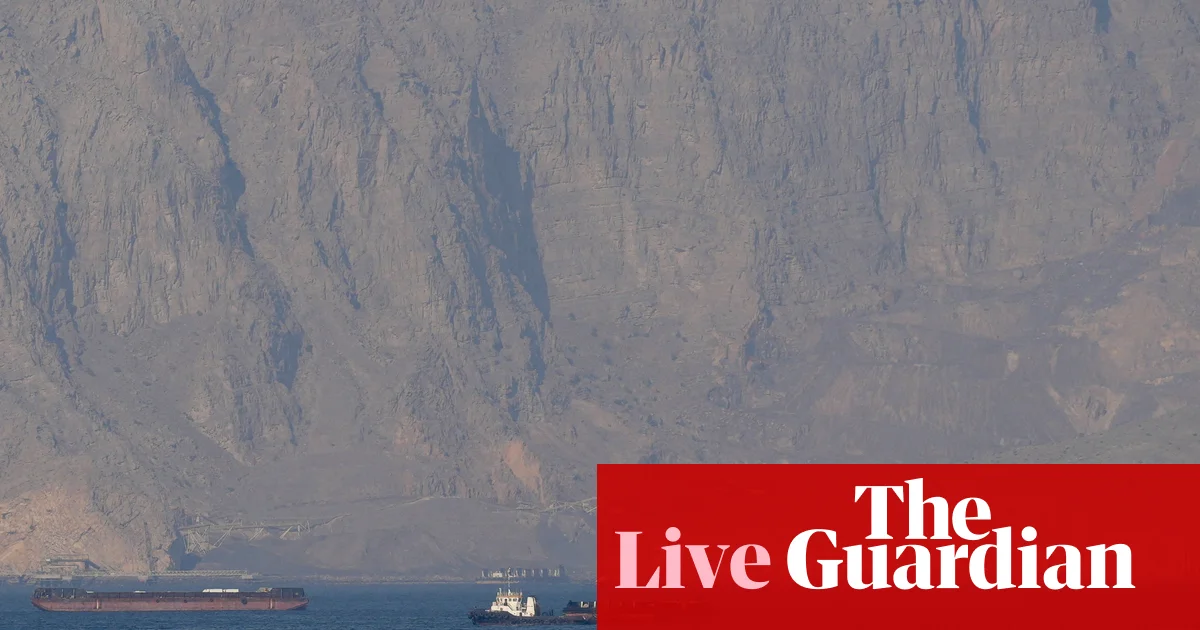
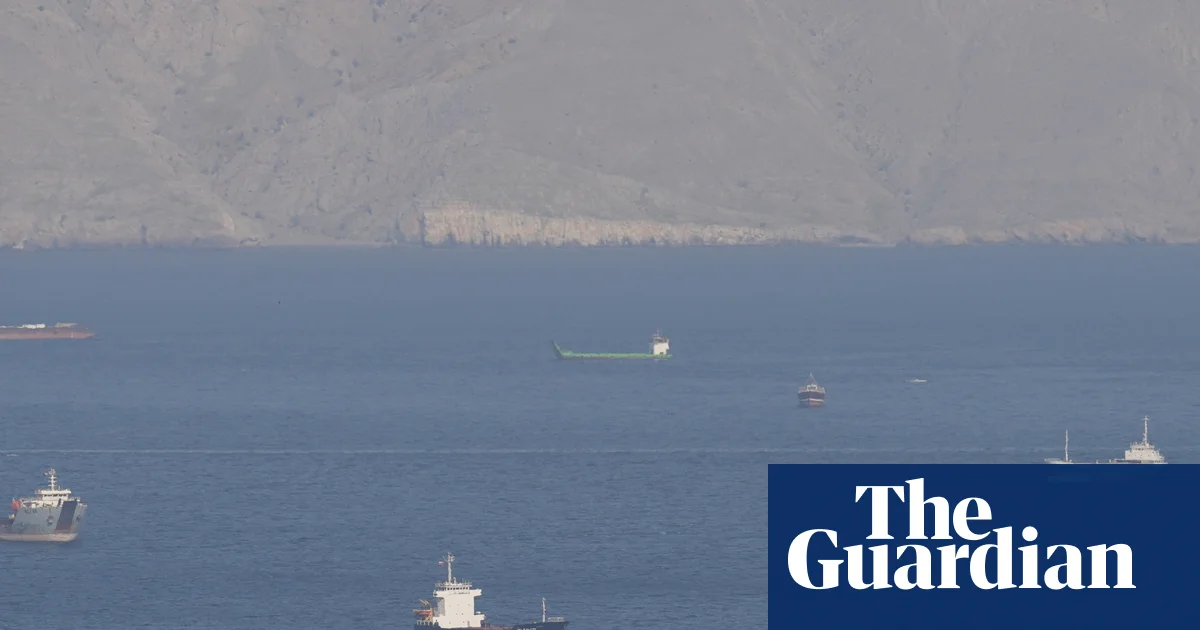
In an alarming development that underscores the fragile state of international energy security, Iran has extended its maritime restrictions at the Strait of Hormuz, a vital global conduit for nearly 20% of the world’s oil and liquefied natural gas. Senior correspondents, including Orla Guerin of the BBC, have reported from the strategic waters near Oman that Iran’s actions have effectively placed a stranglehold on maritime traffic—stranding ships and choking off a critical artery of the global economy. This move is not merely a show of regional power but a calculated step with seismic geopolitical implications.

By deploying tactics such as leaving commercial ships halted in these narrow waters, Iran’s leadership is intentionally constricting an essential supply chain, triggering a ripple effect across international markets. Energy analysts warn that such disruptions are unlikely to be temporary, with prices already seeing upward pressure and uncertainties mounting for energy consumers worldwide. Historians and geopolitical experts note that the escalation at the Strait of Hormuz represents a shift that could destabilize the global energy balance for years to come, forcing nations into difficult choices regarding alliances, military presence, and diplomatic strategies.

  • International institutions like the United Nations have expressed concern over the escalation, urging restraint and dialogue to prevent further conflict.
  • Countries heavily dependent on Persian Gulf energy supplies—such as China, India, and Japan—are watching anxiously, pondering the risks of supply interruptions that could cripple economies.
  • Meanwhile, United States and allied nations have increased naval patrols in the region, signaling a readiness to defend maritime freedoms while attempting to de-escalate tensions through diplomatic channels.

International analysts warn that persistent disruptions at the Strait of Hormuz could catalyze a broader confrontation—whether through economic sanctions, military posturing, or renewed regional conflicts. As the world’s largest oil producers and global leaders navigate this perilous crisis, the lessons of history weigh heavily. The Cold War, the Gulf conflicts, and decades of diplomatic pressure serve as stark reminders that in such geopolitically sensitive zones, the stakes extend far beyond the immediate to shape the global order itself. The outcome remains uncertain, but the leadership decisions made today will echo through history, determining who wields influence and who bears the consequences.

As the sun sets over the Strait, shadows of uncertainty lengthen over the international stage. The geopolitical impact of Iran’s strategic moves at the Strait of Hormuz is a stark reminder that in a world increasingly driven by energy dependencies and regional rivalries, the fabric of peace is thin and fragile. History is watching, and the coming days may well write new chapters of conflict, diplomacy, or both—drawing us closer to a pivotal moment in global affairs where one decision can alter the course of nations and societies for generations to come.

Trump delays Iran’s Hormuz closure by 10 days amid US-Israel push on Iran

US-Iran Tensions Reach Critical Point: A New Phase in the Middle East Crisis

The recent developments in the Middle East signal a pivotal turn in international geopolitics, with United States President Donald Trump extending his deadline for Iran to reopen the strategic Strait of Hormuz. This vital waterway, through which approximately 20% of global oil passes, has become a battleground in a conflict that threatens to destabilize the world’s economic center of gravity. Trump’s decision to pause the destruction of Iran’s energy infrastructure, citing ongoing negotiations, underscores the precarious balance of power and the high-stakes diplomacy at play. Yet, analysts warn that behind this diplomatic veneer lies an escalation of military posturing, with thousands of U.S. troops poised to seize strategic nodes such as Kharg Island, Iran’s principal oil export hub, signaling a possible shift toward open conflict.

Significant strikes by Israel and the U.S. against Iranian military and naval targets—most notably the elimination of the Revolutionary Guards’ naval commander, Alireza Tangsiri—highlight an aggressive effort to dismantle Iran’s maritime capabilities. Administrators such as Adm Brad Cooper have claimed that these actions are barometers of irreversible decline for Iran’s naval strength, yet Iran continues its retaliatory assaults by missile and mine attacks, demonstrating its resilience and capacity for asymmetrical warfare. Meanwhile, Israel contends with missile interceptions in Jerusalem and Tel Aviv, illustrating how regional conflicts are entangling a host of nations beyond the primary adversaries. This broadening of hostilities raises urgent questions about how decisions made today will shape the geopolitical architecture of the Middle East for generations to come.

Diplomacy and Deterrence in a Widening Conflict

Despite the ongoing military escalation, diplomatic efforts persist—albeit amidst deep skepticism. Trump’s administration has proposed a 15-point framework through Pakistan, purportedly offering Iran a pathway to end its nuclear aspirations and regional provocations. However, Iran’s officials dismiss these overtures as “one-sided and unfair,” demanding not only an end to US and Israeli attacks but also reparations and recognition of their sovereignty over the Strait of Hormuz. Such demands, coupled with Iran’s insistence that its defense is justified, reflect the profound divergence in perceptions and intentions that hinder meaningful resolution. According to historians and foreign policy analysts, this discord underscores a reality where dialogue remains fragile, and the risk of miscalculation is dangerously high at a moment when the world watches with bated breath.

Adding to the volatility, the U.S. has bolstered its military presence, risking a broader confrontation that could ignite regional proxy wars. The potential for a ground invasion, particularly targeting Iran’s strategic ports, looms as a dark cloud over the Gulf, with Ali Bahreini, Iran’s envoy to the UN, warning of grave consequences. Meanwhile, Yemen’s Houthis, allied with Iran, have signaled their willingness to retaliate by attacking Red Sea shipping—an economic artery vital to global commerce. These intertwined conflicts threaten to draw more nations into a regional maelstrom, transforming localized skirmishes into a global crisis with far-reaching consequences.

Unfolding History and the Weight of Decisions

As the world teeters on the brink of a broader war, international organizations like the United Nations attempt to serve as mediators, but their influence is waning in the face of aggressive posturing and national self-interest. The death toll, now surpassing 1,900 in Iran and causing mass displacement in Lebanon, signals the human cost of this burgeoning conflict. Leaders in both Washington and Tehran trade warnings with veiled threats, each side prepared to escalate further if the other’s red lines are crossed. In this volatile chess game, every move reverberates across continents, altering geopolitical balances and societal structures. The weight of history, with all its lessons and tragedies, hangs heavy in the balance—yet the story remains open, unwritten, with every day bringing new moves that could either restore peace or plunge the world into chaos.

First Look: Trump Claims US Doesn’t Need NATO After Strait of Hormuz Clash | US News

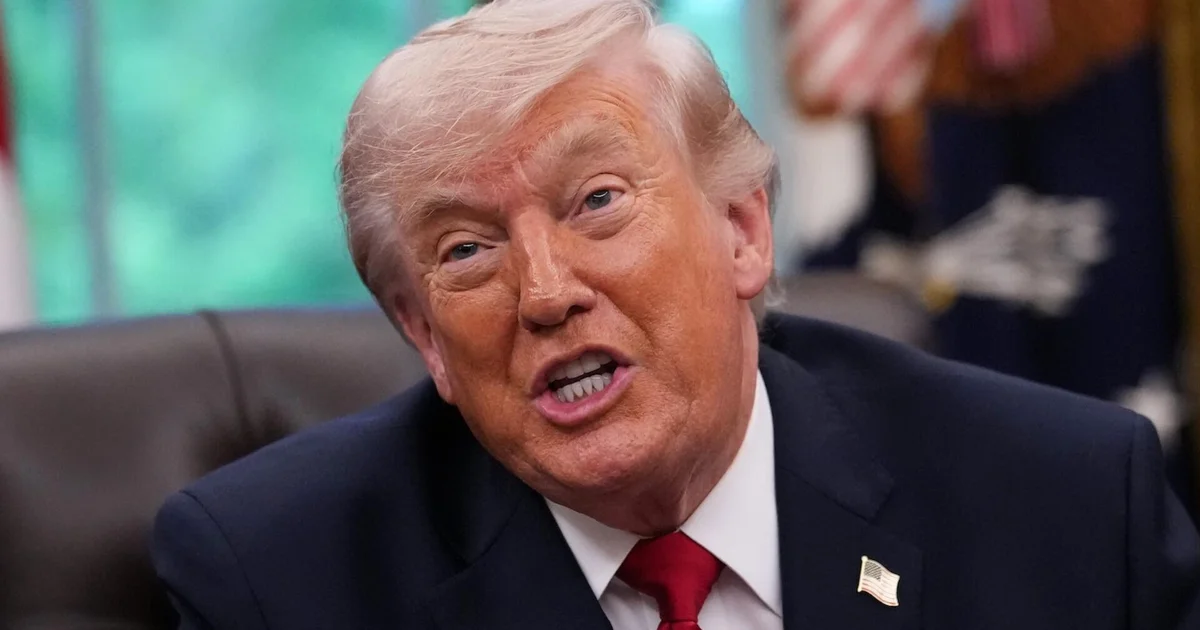
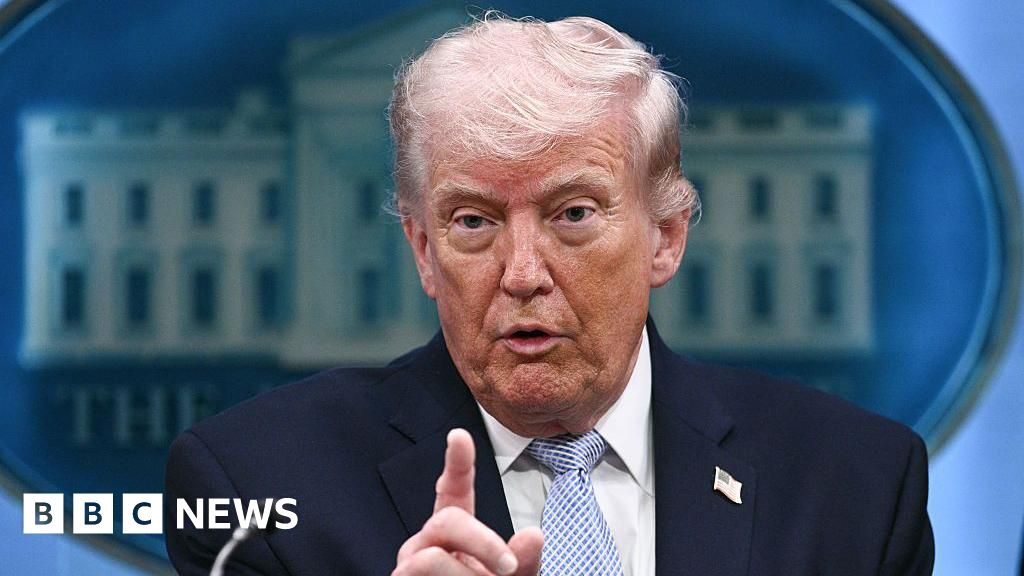
In a surprising turn of diplomatic discourse, President Donald Trump has publicly declared that the United States does not require the assistance of NATO amidst mounting tensions with Iran. His recent comments, delivered from the Oval Office, accused NATO members of making a “very foolish mistake” by refusing to mobilize warships to reopen the strategic Strait of Hormuz. This statement signals a potential shift in US foreign policy, one that emphasizes unilateralism over multilateral alliances, at a time when the geopolitical landscape around the Persian Gulf is erupting into chaos. Renegotiating America’s role in international security pacts such as NATO could significantly weaken the collective defense framework that has underpinned global stability for decades, leaving many analysts concerned about the ripple effects on European security and global order.

The unfolding crisis in the Middle East has revealed fractures not only among American allies but also within the US itself. Despite Trump’s aggressive rhetoric, some of America’s closest allies have questioned the legitimacy and consistency of his rationale for engagement in the Iran conflict. Internal dissent is mounting, as exemplified by the resignation of Joe Kent, the director of the US national counter-terrorism center, who publicly stated that Iran currently poses no imminent threat to the US. Furthermore, the world’s largest aircraft carrier, the USS Gerald R Ford, has been at sea for nearly nine months and recently suffered fire damage — a sign of morale issues and logistical strains within the US military. Such internal crises threaten to undermine America’s military posture in an already volatile region, where Iran’s military leadership has vowed harsh retaliation for recent strikes on Israeli and Iranian targets. The escalation underscores the fragility of US influence and the potential for regional chaos to spiral into a broader confrontation.

This tumult underscores a common theme highlighted by international security analysts: as the US shifts its stance, the consequences on global stability are profound. Nations across Europe and Asia are watching closely, aware that US-centric policies can cascade into unpredictable outcomes. The ongoing conflict, now entering its third week with over 2,000 lives lost, portends a potential regional war that could draw in neighboring countries and destabilize entire ecosystems of international diplomacy. Meanwhile, the United Nations and respected historians warn that a vacuüm of US leadership might embolden non-state actors — including terrorist networks and rogue militias — to seize opportunities presented by the chaos. This escalating crisis vividly illustrates how decisions made at the top resonate through societies, affecting countless lives, economies, and future generations.

In a related twist reflecting shifts in domestic politics, Juliana Stratton, the Illinois lieutenant governor, has secured her party’s nomination for the US Senate, signaling a broader debate over America’s internal priorities. Her victory over moderate rivals, propelled by key endorsements and recent changes in Chicago’s political climate, symbolizes the growing visibility of progressive voices and a shift in the American political landscape. Yet, in the backdrop, reports from the United Nations reveal a grim reality: millions of children across Sub-Saharan Africa and South Asia are dying from preventable conditions, largely due to aid cuts and inadequate healthcare. As these tragedies unfold, a stark reminder remains — geopolitical shifts and internal reforms are only meaningful if they translate into tangible improvements for the world’s most vulnerable populations. The weight of history presses down with an inevitable question: how much longer can the world afford neglect amidst chaos?

History is watching, and history is still being written. As nations grapple with uncertainty, the decisions today — whether in the corridors of power or the streets of Tehran and Chicago — serve as the keystones of a future yet to be crafted. Will the cracks in alliances deepen into fissures that fracture the global order? Or will strategic wisdom forge a path through the turmoil, leading to a new era of resilience? The unfolding story remains uncertain, but one thing is clear: the weight of consequence rests heavily on the shoulders of those who make the choices now. Their actions, or inactions, will echo through generations — a testament to the enduring, often turbulent, march of history.

Pete Hegseth dismisses Straits of Hormuz risks: ‘No need to worry’ – US Politics Live | Trump

Global Tensions Soar as U.S. Military Challenges Iran’s Naval Offensive in the Strait of Hormuz

In a dramatic escalation of Middle Eastern conflict, the United States has openly declared its military efforts to secure the vital Strait of Hormuz, a critical choke point for global oil supplies. With over 1,000 cargo ships held hostage after Iran’s self-initiated blockade, the U.S. has responded with a decisive military campaign targeting Iran’s navy—claiming to have destroyed 28 Iranian mine-laying vessels in recent days. Defense Secretary Pete Hegseth has asserted that the U.S. is “decimating” Iran’s military capacity “in a way the world has never seen before”, emphasizing that the U.S. has strategically planned for every possible action to ensure the flow of commerce through this crucial waterway remains uninterrupted.

Historian and international security analysts recognize this as a turning point with profound geopolitical impact. The U.S. has long sought to dominate control over Middle Eastern waterways, but Iran’s recent attempt to blockade the Strait has ignited open conflict. American officials, citing intelligence reports, affirm that Iran’s strategy includes laying more underwater mines, complicating efforts to re-establish free navigation. While Donald Trump has boasted about the heavy-handed destruction of Iranian naval capabilities, many experts warn that this aggressive stance could intensify the ongoing regional chaos, setting the stage for wider confrontation.

Within Iran, questions are mounting regarding the competency and legitimacy of the country’s new supreme leader, Mojtaba Khamenei. U.S. officials, including Hegseth, cast doubt on whether he effectively commands the fractured Iranian regime, describing him as “scared” and “injured” following the U.S.-Israeli covert operations that targeted his family. Such internal instability potentially stimulates unpredictable Iranian responses, analysts say, which could include renewed missile and drone attacks against Gulf Arab states. The repeated warnings from Iran’s leadership about American presence in the region signal a dangerously volatile phase, with the possibility of regional war spiraling beyond control.

Amid this turmoil, the geopolitical landscape is shifting dramatically. U.S. President Donald Trump has threatened “major retaliation” against Iran following Friday’s attacks on Gulf Arab states, including widespread drone assaults at Saudi Arabia. His rhetoric underscores a narrative of decisive U.S. dominance; however, critics from both sides of the political spectrum warn that such provocations threaten to destabilize an already fragile Middle East. Meanwhile, economic repercussions are rapidly emerging—gas prices have surged by more than 60 cents per gallon in key areas like Michigan, with prices at some stations already exceeding $4.30 per gallon. This inflationary shock not only affects consumers but has strategic consequences in swing states like Michigan, where economic stability often influences U.S. national elections. Political analysts warn that the rising energy costs coupled with ongoing military conflicts could significantly impact the forthcoming U.S. midterm elections.

As history unfolds in real time, the eyes of the world remain fixed on the Persian Gulf, where the mighty currents of geopolitics threaten to drown nations in chaos. With each military strike and diplomatic warning, the weight of history’s decisive chapter bears down, forcing nations to grapple with the legacy they forge in a region teetering on the edge of full-scale war. The question remains: will this be a calculated move towards stability or the spark that ignites a broader, multidimensional conflict that reshapes the world order?

Social Media Auto Publish Powered By : XYZScripts.com