
Matox News

Truth Over Trends, always!

Scotland Investigates: Two More Patient Deaths at Glasgow Hospital Raise Concerns

Scandal Unfolds at Glasgow’s Queen Elizabeth University Hospital: A Nation’s Trust in Healthcare Shattered

The United Kingdom is currently embroiled in an alarming healthcare scandal that has stunned the international community, exposing reckless decisions and potential political interference that may have cost lives at Glasgow’s Queen Elizabeth University Hospital (QEUH). The deaths of seven patients, many of whom were children battling cancer, are now being scrutinized amidst revelations that contaminated water and ventilation systems could have contributed to infections linked to the hospital’s infrastructure. This crisis has marked a significant turning point in public confidence towards the Scottish healthcare system, raising questions about accountability, transparency, and the influence of political agendas on critical health infrastructure.

Investigations spearheaded by Scotland’s Crown Office and Procurator Fiscal Service (COPFS) have identified the deaths of individuals such as Molly Cuddihy, a young woman who fought a rare bone cancer, and Andrew Slorance, a former Scottish civil servant. These tragic cases are part of a broader six-year inquiry into the hospital’s safety standards, which recently reached its final stages. The inquiry uncovered heartbreaking evidence: serious infections diagnosed in 84 child cancer patients, leading to the deaths of at least two, were almost certainly linked to contaminated water supplies. Such revelations have struck a chord globally, casting a dark shadow over the political decision-making that accelerated hospital opening preparations amidst unresolved health and safety concerns.

Political Shadows Over Hospital Opening: A Cautionary Tale of Power and Neglect

  • The Scottish Labour Party has publicly accused the Scottish government of political pressure to open QEUH prematurely in April 2015, just before the general election, a claim previously denied by prominent leaders like First Minister John Swinney and Nicola Sturgeon.
  • Throughout the investigation, whistleblowers, including three senior microbiologists, have voiced ongoing concerns over inadequate infection control measures and a perceived reluctance by senior management to enact necessary safety reforms.
  • Premier political figures faced accusations of manipulating hospital timelines to serve electoral interests, a move that some analysts argue exemplifies how political interests can threaten public safety and erode trust in government institutions.

This controversy echoes across the international stage, where accountability in public health has become a defining measure of a government’s moral integrity. The WHO and other global health watchdogs regularly emphasize that politicization of healthcare infrastructure compromises patient safety, undermining decades of progress in hospital standards worldwide. Experts warn that this scandal may serve as a stark warning for nations worldwide, illustrating how political expediency and neglect can turn vital healthcare institutions into death traps, especially in times of increasing medical complexity and public skepticism.

Global Lessons and the Brink of History

As the UK grapples with this internal crisis, the broader geopolitical impact remains unmistakable. It underscores the importance of international oversight and transparency in healthcare management, especially in an era where public trust is fragile, and misinformation can easily flourish. The hospital scandal reveals how decisions driven by short-term political gains can have lifelong repercussions, eroding societal trust and provoking a crisis of confidence that no amount of reparations or apologies can swiftly mend. Historians and analysts warn that, if left unaddressed, such failures threaten to regress public health advancements and may influence political stability in the UK and beyond, as whistleblowers and concerned citizens demand accountability.

In the final chapter of this unfolding tragedy, the weight of history presses heavily on the shoulders of policy-makers, healthcare professionals, and society at large. The manner in which justice is eventually delivered—whether through reforms, prosecutions, or societal reckoning—will shape the narrative of accountability in the 21st century. As families mourn and trust is broken, the echoes of this scandal will remind future generations that in the arena of life-and-death governance, the true cost of political games can be measured in lives lost, and a society forced to confront its darkest truths amid the shadows of history still unfolding.
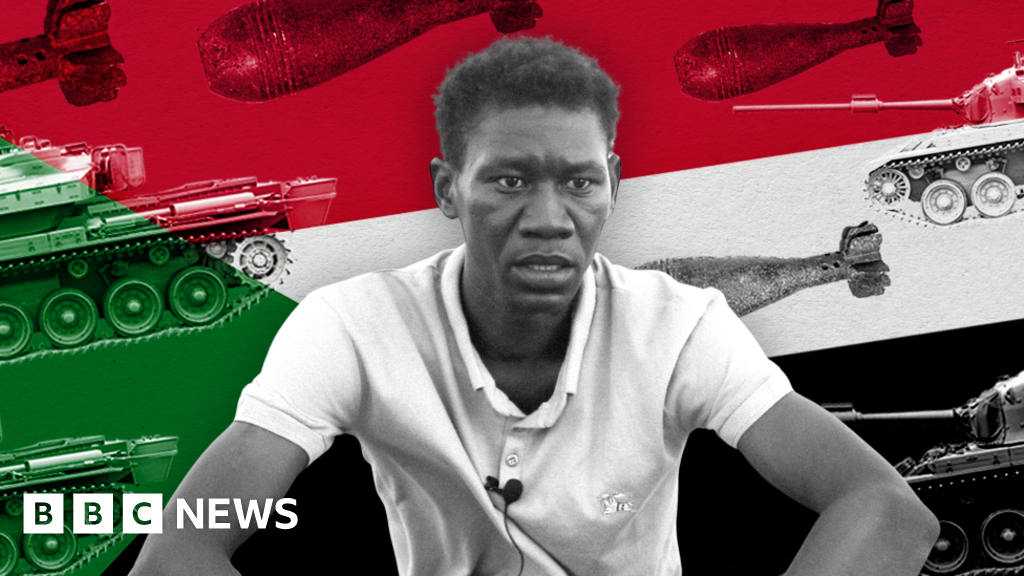
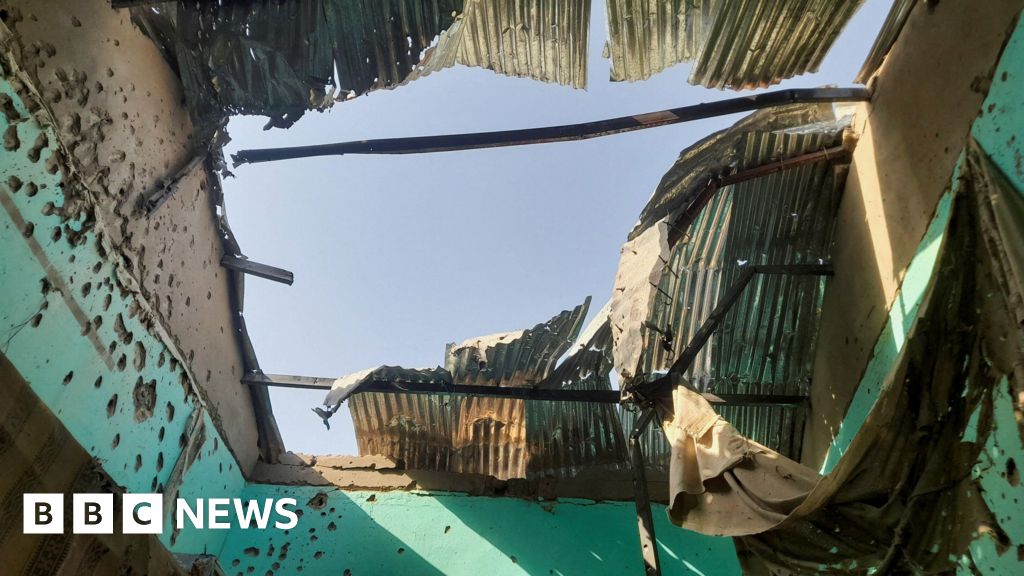
El-Fasher hospital worker warns of chilling terror ahead of suspected massacre exit

The ongoing Sudanese civil conflict has reached a catastrophic turning point with reports of mass atrocities in the city of el-Fasher. Since April 2023, a brutal power struggle between the Sudanese army and the Rapid Support Forces (RSF) has torn a nation apart, plunging countless lives into chaos, suffering, and despair. The recent escalation, especially in the western region, exposes a heartbreaking decline of humanity amid an already fragile geopolitical landscape. An eyewitness account from Abdu-Rabbu Ahmed, a doctor who survived the massacre at the Saudi Hospital, describes scenes of terror — bodies burned and buried in makeshift graves, hospitals devastated, and families shattered by violence. As analysts from international organizations highlight, this conflict is more than a domestic power struggle; it threatens regional stability and underscores the dangerous consequences when geopolitical interests collide with human rights.

Growing evidence indicates that the fighting has resulted in widespread atrocities, with satellite imagery suggesting the possibility of mass graves in el-Fasher’s hospitals and surrounding areas. Humanitarian agencies, such as the World Health Organization, condemn these acts as atrocities, while the RSF dismisses such allegations as propaganda, claiming all hospitals are abandoned. However, firsthand reports tell a starkly different story: witnesses describe bodies being dumped and set ablaze, medical staff kidnapped, and innocent civilians killed indiscriminately. These narratives, corroborated by satellite data and investigative footage, paint a grim picture of a city under siege. Historians and military analysts warn that such patterns of violence could establish a dangerous precedent for future conflicts in Africa and beyond, potentially destabilizing fragile states and encouraging similar tactics in regional insurgencies.

The geopolitical impact of this crisis extends far beyond Sudan’s borders. As neighboring nations grapple with the influx of refugees and displaced persons, global powers are divided in their responses, with some calling for intervention and others urging caution. The United Nations and regional bodies face mounting pressure to broker ceasefires, but institutional paralysis often hampers decisive action. Meanwhile, broader geopolitical interests — including strategic alliances, resource control, and influence over the Horn of Africa — complicate efforts to stabilize the country. Critics argue that foreign governments, by engaging in selective diplomacy, inadvertently embolden factions such as the RSF, worsening the humanitarian catastrophe. The loss of hope among Sudanese civilians, like Abdu-Rabbu Ahmed, serves as a stark warning of how international indifference can accelerate societal collapse. As the world’s gaze remains fixed on the unfolding chaos, many ask: how much longer can this cycle of violence continue before it tears the region apart?

The appalling images and testimonies emerge amid warnings from historians and political analysts that Sudan’s disintegration could ignite regional conflicts, drawing in rival states and creating a breeding ground for terrorism. The escalation demonstrates how international decisions—whether through embargos, peacekeeping missions, or diplomatic intervention—directly affect societal stability and the safety of millions. The conflict’s recent atrocities serve as a brutal reminder that the weight of history continues to unfurl, with each passing day shaping the future of a nation and the broader geopolitical universe. As Sudan’s cities burn and families flee, the silent question lingers: will the international community step up, or will Sudan be consigned to the pages of history as another victim of failed diplomacy and moral neglect?

13 Dead as Hospital in Blockaded Sudan City Comes Under Shelling, Reports Say

In the heart of Sudan, the city of el-Fasher, once a symbol of stability in the turbulent Darfur region, has become a battleground that exemplifies the devastating toll of what many analysts are calling a war of attrition. The ongoing conflict between the government-controlled army and the paramilitary Rapid Support Forces (RSF) has plunged the region into chaos, risking a humanitarian catastrophe that threatens to eclipse previous crises. The recent brutal attack on one of the last functioning hospitals in el-Fasher has claimed at least 13 lives and injured dozens more. This assault, carried out by RSF forces, is being condemned worldwide as a flagrant breach of international law, echoing broader questions about the conscience of modern warfare.

UN officials and humanitarian organizations have warned that el-Fasher is now teetering on the edge of collapse. Satellite images analyzed by Yale University’s Humanitarian Research Lab reveal that the RSF has constructed an extensive earthen wall—stretching over 57 kilometers—to tighten their siege on the city. This barricade effectively seals off all major exit routes, trapping thousands of civilians inside with dwindling resources. The siege has caused a complete breakdown of medical infrastructure, with most healthcare facilities shuttered and aid supplies blocked or rerouted by belligerents. The attack on the Saudi hospital is just the latest example of the escalating brutality—implying that no safe haven remains for the vulnerable amidst this relentless struggle for control.

The geopolitical impact of this crisis extends beyond Sudan’s borders, with experts warning that regional stability could be profoundly affected. The conflict’s roots lie in a complex web of ethnic tensions, political power struggles, and international neglect. Western powers, including the United States and European Union, have called for urgent ceasefires and humanitarian access but have struggled to exert meaningful influence over the conflict’s deep-seated martial currents. Meanwhile, neighboring countries such as Chad and Libya have expressed concern over spillover violence and refugee flows, which threaten regional security. International organizations like the United Nations have issued stark warnings about the potential for widespread famine, disease, and death, urging global actors to intervene before it’s too late. Yet, history demonstrates that such conflicts often become protracted, with peace remaining elusive—not unless decisive international action is undertaken.

  • Continued RSF advances threaten to seize el-Fasher entirely, risking a repeat of past Darfur crises marked by immense human suffering.
  • The construction of the berm and ongoing siege tactics exemplify a strategic effort to undo any prospects of negotiated peace, instead opting for total domination.
  • Global reaction remains divided amid geopolitical interests, with many fearing that the international community’s hesitance could turn this humanitarian emergency into a new chapter of irreversible tragedy.

As the world watches, the narrative of el-Fasher looms as a stark reminder of the fragile morality of international intervention and the devastating consequences of unchecked violence. Marshaled by analysts, historians, and international bodies alike, the question remains: how long can the world’s inaction sustain a humanitarian disaster of such tragic dimensions? Each passing day writes a new chapter of suffering that, unless halted swiftly, risks becoming a stain on the conscience of humanity itself. The battle for Darfur is more than a local skirmish; it is a mirror held up to the global community—a sobering testament that, in the age of interconnected nations, the failure to act bears the weight of history’s darkest moments yet to come.

Social Media Auto Publish Powered By : XYZScripts.com



