Matox News

Truth Over Trends, always!

Telegram Still Hosts $21B Sanctioned Crypto Scam Black Market

Telegram Faces Growing Scrutiny Over Hosting of Illicit Market Xinbi Guarantee

In a stark demonstration of the challenges posed by unregulated digital platforms, Telegram continues to grapple with its failure to contain the notorious black market, Xinbi Guarantee, despite international sanctions. Since late March, when the UK government designated Xinbi as a facilitator of human trafficking, the messaging giant has yet to remove the accounts associated with the operation, allowing illicit transactions to flourish. According to analytics from cryptocurrency tracing firm Elliptic, Xinbi processed over $505 million within just 19 days following the sanctions, further expanding its network of buyers and sellers to nearly 500,000. This persistent presence exemplifies the profound disruptions that unregulated tech platforms can facilitate in global illicit economies, positioning Telegram at the center of a burgeoning—or perhaps reckless—digital black market industry.

The business implications of Telegram’s neglect are significant, signaling a potential shift in how enforcement agencies and market participants perceive platform accountability. As disruptive blockchain-based marketplaces continue to undermine conventional controls on illegal activities, there’s mounting evidence that Telegram’s stance on hosting these markets—originally justified as protecting user privacy and circumventing authoritarian controls—may inadvertently embolden organized crime syndicates. This approach raises critical questions about the long-term viability of digital privacy claims when the platform increasingly serves as a conduit for human trafficking, money laundering, and other illicit actions. Industry analysts, including Gartner and cybersecurity experts like Gary Warner, argue that such open hosting of criminal activity demonstrates a dangerous erosion of accountability, threatening to undermine trust in digital communication tools widely adopted by youth and professionals alike.

Moreover, the industry’s response to these developments may drive a market shift towards more vigilant oversight. The disruption caused by illicit marketplaces on platforms like Telegram underscores the need for new paradigms in platform regulation—balancing digital privacy with the responsibility to curb criminal activity. Despite Telegram’s claims that their services facilitate financial autonomy and protect against oppressive regimes, recent intelligence reports, including those from MIT and Ellicott, reveal that Xinbi serves primarily as a money laundering hub, with links to human trafficking operations across Southeast Asia. The UK sanctions, which condemn Xinbi’s operation of scam centers that enslave victims and perpetuate forced labor, highlight the increasing international momentum to impose stricter controls on digital black markets. This emerging paradigm setter challenges existing tech regulation frameworks, demanding innovation in law enforcement and platform accountability.

The future trajectory of this ongoing saga hinges on whether platform providers like Telegram will evolve their policies or continue to enable the dark side of digital innovation. With major institutions and governments growing increasingly alarmed, the need for a tech industry revolution that enforces transparency without compromising privacy has never been more urgent. As organized crime harnesses cutting-edge technologies and decentralized networks to outpace authorities, only those companies prepared to disrupt their own paradigms—by integrating advanced AI moderation, blockchain analytics, and accountable governance—will be positioned to lead the next wave of digital transformation. The window for decisive action is closing fast; the choices made now will shape the battleground for digital freedom and security for years to come.

Trump Hosts Leaders from DR Congo and Rwanda to Seal Key Peace Agreement

Emerging Peace Deal in Central Africa: A Turning Point or Illusion?

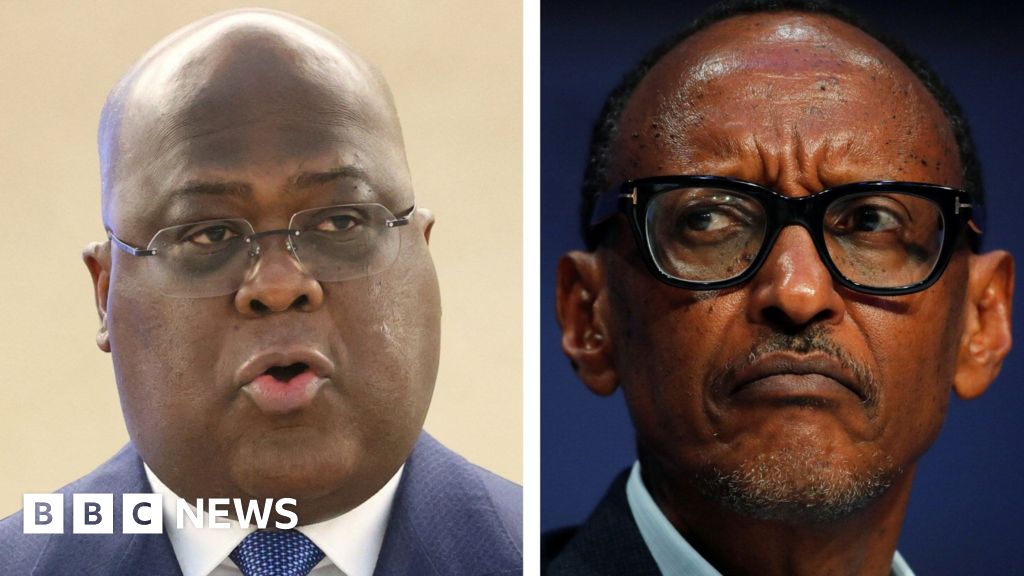
In an era defined by shifting allegiances and resource-driven conflicts, the recent summit in Washington marks a pivotal moment for the tumultuous region of Central Africa. The presidents of DR Congo and Rwanda are poised to sign a landmark peace agreement aimed at quelling a decade-long insurgency that has destabilized eastern DR Congo. Hosted by then-U.S. President Donald Trump, the diplomatic gathering drew several international figures, including representatives from Qatar, Burundi, and Arab nations, signaling the global stakes intertwined with regional peace.

Despite the symbolic nature of the summit, beneath the diplomatic veneer lies a complex web of conflicting interests, historical grievances, and geopolitical calculations. The signing comes amid escalating violence, with the M23 rebel group recently seizing critical cities such as Goma and Bukavu, and ongoing accusations of Rwandan backing—an assertion Kigali continues to deny. The conflict’s roots trace back to the 1994 Rwandan genocide, with groups like the FDLR militias remaining a persistent threat, prompting Rwanda’s claims of needing to adopt defensive measures. Herein lies the core dilemma: Rwanda insists disarmament of FDLR is vital, but how to disarm a fearsome militia with a history of atrocities remains unresolved—especially when previous efforts have failed.

The Geopolitical Chessboard: Mineral Wealth, Regional Power, and International Influence

Analysts and international organizations emphasizing the region’s economic potential warn of a future shaped less by peace and more by resource extraction. The US State Department cites an estimated $25 trillion worth of mineral reserves within DR Congo, including cobalt, copper, lithium, and tantalum—key ingredients for modern electronics and defense industries. The United States has aggressively promoted economic accords, aiming to turn the region into a corridor of collaboration on hydroelectric and infrastructure projects. Political scientist Prof. Jason Stearns remarks that the true aim of the United States is to secure mineral rights and bolster strategic partnerships, while Rwanda’s role is nuanced—both as a key stakeholder and alleged supporter of rebel factions like M23.

As history illustrates, such resource-driven conflicts are often less about territorial control and more about economic dominance. Rwanda’s claims of disarming the FDLR and the DR Congo’s insistence on the rebels’ surrender expose the fragility of diplomatic promises. Past peace agreements, dating back to the 1990s, have repeatedly unraveled when accusations of inaction and betrayal surface. Critics argue this latest accord, while touted as “historic,” may merely be a strategic pause, allowing regional powers to consolidate economic gains without addressing the underlying nationalist and ethnic tensions.

Uncertain Prospects: A Fragile Glimmer of Hope or a Foreboding Prelude?

Furthermore, the ongoing clashes signal that true peace remains elusive. The DR Congo army reports recent offensives against rebels, who in turn accuse the government of collusion with foreign forces, notably Burundi. The enclave’s strategic importance—bordered by multiple nations and rich in resources—ensures that any resolution is susceptible to regional and external interference. The participation of Qatar and the U.S. in mediation efforts highlights the international stakes; yet, the enduring question remains—will the promise of peace translate into lasting stability, or merely herald another chapter of deferred conflict?

History’s shadow looms large, with experts warning that peace processes in Africa often falter due to entrenched interests, unfulfilled agreements, and the difficulty of disarming well-armed factions. The region teeters on the precipice of a new chapter—one that could either mark the demise of chaos or the birth of a protracted struggle. As the world watches, the unfolding story in DR Congo and Rwanda reminds us that the weight of history is still being written, and the future remains dangerously uncertain.

Social Media Auto Publish Powered By : XYZScripts.com