Matox News

Truth Over Trends, always!

Behind the Scenes with the Mastermind Driving Hong Kong’s Hottest Restaurants

Hong Kong’s Culinary Scene: A Reflection of Resilience and Innovation

In the heart of Hong Kong, a city renowned for its relentless energy and fierce competition, the culinary scene exemplifies a unique blend of resilience, innovation, and a sharp drive for excellence. Operating within a market often branded as “the most cutthroat F&B market in the world,” restaurateurs and publicists alike face constant pressure to innovate and refine amidst a landscape hungry for new experiences. The landscape is punctuated not just by the highest stellar ratings, like those of the two-Michelin-starred TATE Dining Room and Ando, but also by the sheer tenacity required to stay relevant in such an environment. This resilience isn’t purely economic; it’s a lifestyle—a never-ending pursuit rooted in passion and adaptability.

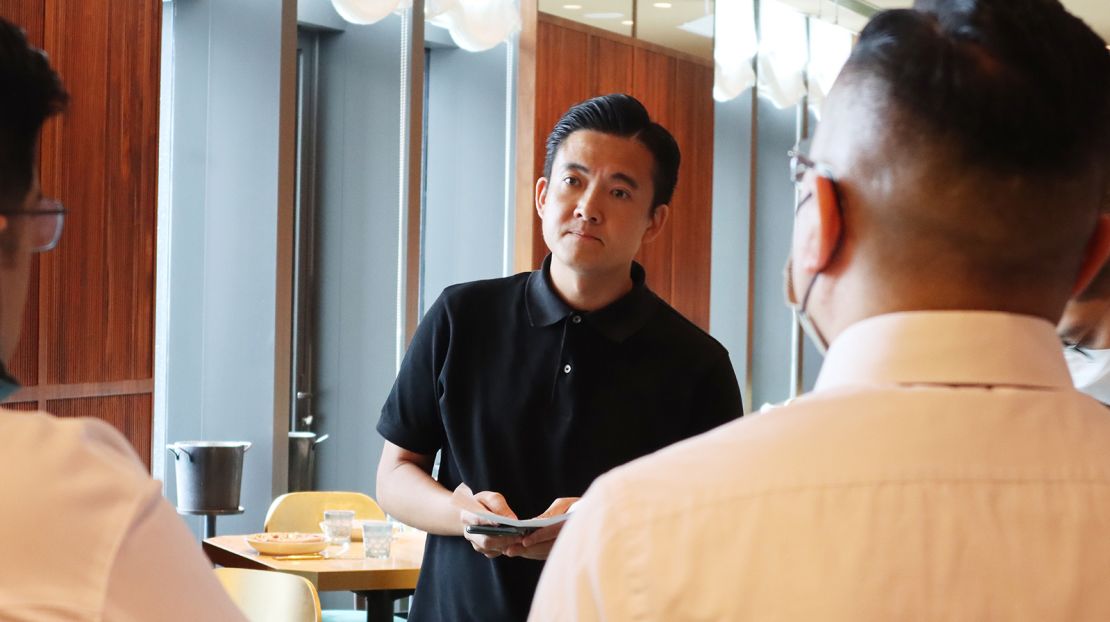
Leading this charge is Geoffrey Wu, a publicist whose impact on Hong Kong’s culinary world is undeniable. With over a decade of experience, Wu specializes in elevating some of the most prestigious restaurants, guiding them through the perilous waters of market expectations and evolving tastes. His role extends beyond traditional marketing; he immerses himself in the actual operation of restaurants—sampling dishes, refining menus, and even engaging directly with chefs and guests. Wu emphasizes that success hinges on a *strong opening*—testament to Hong Kong’s fast-paced, competitive mindset. When a restaurant like Bluhouse launched in June and promptly booked reservations through November, it exemplified how meticulous preparation and relentless energy pave the way for triumph in this unforgiving environment.

The city’s dining evolution over the past decade is nothing short of remarkable. Since the Cannes- and Michelin-influenced surge beginning in 2009, social media and an active food community have propelled local chefs to the forefront of international recognition. Now, chefs are no longer just creators but also figures engaging intimately with their audiences—building relationships and cultivating personal brands. Wu highlights this shift, noting that today’s chefs must actively touch the tables, share their stories, and participate in public moments—reflecting a change from the past when culinary skill alone sufficed. An example of this new era is Manav Tuli of Chaat, who, after moving to Hong Kong, embraced this culture of engagement and quickly earned a Michelin star, exemplifying how relationship-building is critical to establishing a strong foothold.

Embracing Change: The Spirit of Continuous Refinement

For Hong Kong’s chefs and industry insiders, there is an unshakable belief—“keep refining, keep pushing.” This mantra speaks to the core mindset that sustains the city’s culinary vibrancy. Whether it involves adding unique *tableside services*, educating diners about the cultural significance of dishes, or introducing inventive elements like palate cleansers, the industry refuses to stagnate. Wu’s own role at restaurants such as Yong Fu involves editing menus to highlight regional specialties, like authentic Ningbo cuisine, which often confuses diners with its *savory and sticky* flavor profile—yet remains a testament to local culinary heritage. Such continuous adaptation embodies the spirit of lifestyle evolution, demonstrating that excellence and freshness are the currency of survival and success.

Ultimately, the story of Hong Kong’s restaurant industry is a testament to the power of relentless drive and personal impact. It’s about more than just good food; it’s about creating experiences that resonate, connections that endure, and the resilience to reinvent oneself amidst unyielding competition. Wu, who enjoys early morning runs through the quiet city as a form of reflection, exemplifies this ethos—constant motion, continuous improvement, and a steadfast belief that true success lies in never standing still. Catering to discerning, knowledgeable customers who demand innovation, Hong Kong’s culinary entrepreneurs embrace the journey of fine-tuning and evolving, understanding that even the most celebrated restaurants have a finite shelf life. It’s this perpetual pursuit of excellence that makes Hong Kong’s culinary scene not just a market, but a living, breathing lifestyle—a testament to resilience and passion that inspires all who dare to participate.

October’s Hottest Trends: From Healthcare AI Breakthroughs to Delicious Cheese Advent Calendars—Top 100 Must-Knows (TrendHunter.com)

In October 2025, lifestyle trends are taking a definitive turn toward intentionality and technological ingenuity, a shift that’s shaping the cultural landscape for young trendsetters worldwide. At the heart of this movement is a conscious effort among brands to merge innovation with a sense of purpose, redefining what it means to lead a meaningful and balanced life in the digital age.

One of the most striking developments is the rise of personalized, “smart” environments that adapt to individual behavior. Imagine living spaces equipped with AI-driven interfaces that anticipate your needs—whether it’s adjusting lighting for optimal mood, curating playlists that match your current emotions, or even managing your daily routines to maximize productivity and well-being. Influencers like Alex Henderson and Neha Singh are advocating for these environments as a form of self-care and social expression. They argue that such innovation not only elevates daily living but also fosters a new kind of social connectedness rooted in shared aesthetics and values of authenticity.

This push toward mindful innovation extends beyond physical spaces into cultural phenomena that emphasize purpose-driven consumption. Brands are increasingly investing in sustainable materials, ethical production, and designs that promote a sense of community. For example, the launch of EcoGlam, a line of eco-friendly fashion endorsed by social media influencers, symbolizes a shift where appearance no longer sacrifices environmental responsibility. As social relevance inches higher on consumers’ priorities, young people are curating identities that reflect ideological commitments, ultimately blurring the line between lifestyle and activism.

From a sociological perspective, analysts like Dr. Lisa Chen suggest these trends are part of a broader cultural pivot towards intentionality and self-awareness. In a world inundated with information and distractions, the emerging pattern of behavior reveals a desire for intentional choices that promote personal and social growth. This manifests in hobbies like urban gardening, immersive virtual reality experiences, and the rise of “well-being kits” designed for on-the-go mental health support. TrendHunter.com notes that such shifts are elevating the importance of design with a purpose—a trend that’s not just surface-level but deeply embedded in the social fabric of Generation Z and young Millennials.

Yet, amidst this wave of innovation and socially conscious consumption, an intriguing question lingers: what is the next evolution of these lifestyle shifts? Will the focus remain solely on individual well-being and environmental responsibility, or will we see the emergence of a new, collective consciousness that integrates these trends into larger societal frameworks? As technology continues to intertwine with daily life, one thing is clear—these trends are more than fleeting fads; they are shaping a new cultural narrative that challenges us to reconsider our relationship with progress, purpose, and each other.

Social Media Auto Publish Powered By : XYZScripts.com