Matox News

Truth Over Trends, always!

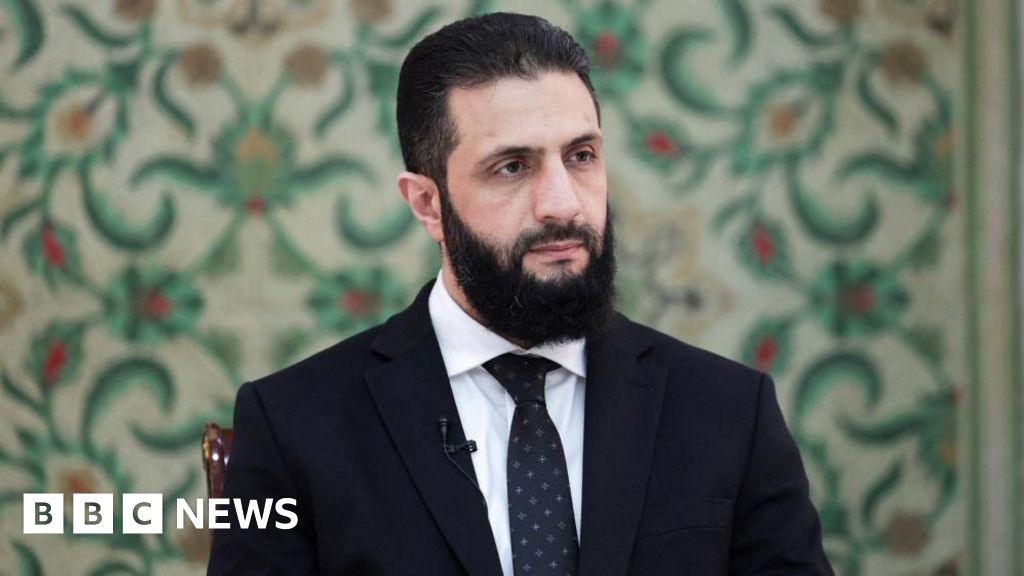
UN lifts sanctions on Syrian leader as White House visit looms

The geopolitical landscape in the Middle East has reached a pivotal juncture, as recent developments signal a significant shift in international recognition and diplomatic engagement with Syria. The United Nations Security Council has voted in favor of a US resolution to lift sanctions on Syrian President Ahmed al-Sharaa, setting the stage for his upcoming White House visit next week. This move marks not only a change in policy but also underscores a broader recalibration among global powers regarding Syria’s future. Once considered a pariah state during its prolonged civil war, Syria now finds itself at the center of a new geopolitical narrative—one that privileges stability and regime consolidation over decades of Western-led isolation.

  • The US has officially recognized the shifting power dynamics by removing Hayat Tahrir al-Sham (HTS) from its list of foreign terrorist organizations, a group that was once linked to al-Qaeda and whose leader, Ahmed al-Sharaa, was previously sanctioned as a terrorist. The decision reflects a strategic pivot in Washington’s approach—viewing Syria through a lens of pragmatic diplomacy rather than exclusively ideological confrontation. Alongside sanctions on Syrian Interior Minister Anas Khattab, the move signals a recognition of the evolving landscape of influence and control within Syria’s borders.
  • The UN’s decision, hailed by Syrian officials as a gesture of appreciation and acknowledgment, underscores a broader shift that has cautious analysts pondering whether the tide of international support has turned decisively in favor of Bashar al-Assad’s regime or, as in the case of Sharaa, an alternative leadership figure emerging from the ashes of conflict.

The symbolism of Sharaa’s upcoming visit to Washington cannot be understated. His first address to the UN General Assembly since the civil war’s peak foreshadows a more concerted effort by Syria to reintegrate into the global community. “Syria is reclaiming its rightful place among the nations of the world,” Sharaa proclaimed, emphasizing his aspirations for legitimacy and influence. Meanwhile, U.S. President Donald Trump has acknowledged the “good progress” made by Sharaa toward peace—a stark departure from past isolationist policies. This shift suggests that the United States and its allies are recalculating their strategic priorities, choosing diplomacy over confrontation in hopes of stabilizing a region long characterized by chaos and conflict.

This latest episode in Syria’s complex narrative raises profound questions about how decisions made in international rooms resonate on the ground. By lifting sanctions and engaging with Syrian figures who have been branded terrorists in the past, the global community’s stance underscores an emerging acknowledgment: alliances are volatile, and today’s enemies can become tomorrow’s partners. Historians and analysts warn that such shifts carry risks—reconciliation may threaten to overshadow justice, and the re-emergence of strongman rule could deepen existing societal divides. Yet, how nations adapt to these fast-evolving geopolitics will indelibly shape the future of the Middle East and beyond.

The story of Syria stands as a testament to the relentless pursuit of power, influence, and stability amidst a landscape of shifting allegiances. As Sharaa steps into the diplomatic arena with Washington, it is clear that the region remains a theater of strategic chess—a place where the weight of history presses heavily upon each move. Future chapters will determine whether these diplomatic gestures herald a new era of peace or mask deeper struggles that threaten to ignite anew. The unfolding drama in Syria reminds the world that history is a relentless witness—watching, recording, and waiting for the moment when an already tense story takes an unforeseen and irreversible turn.

China ready to loosen chip exports in new trade deal, White House confirms

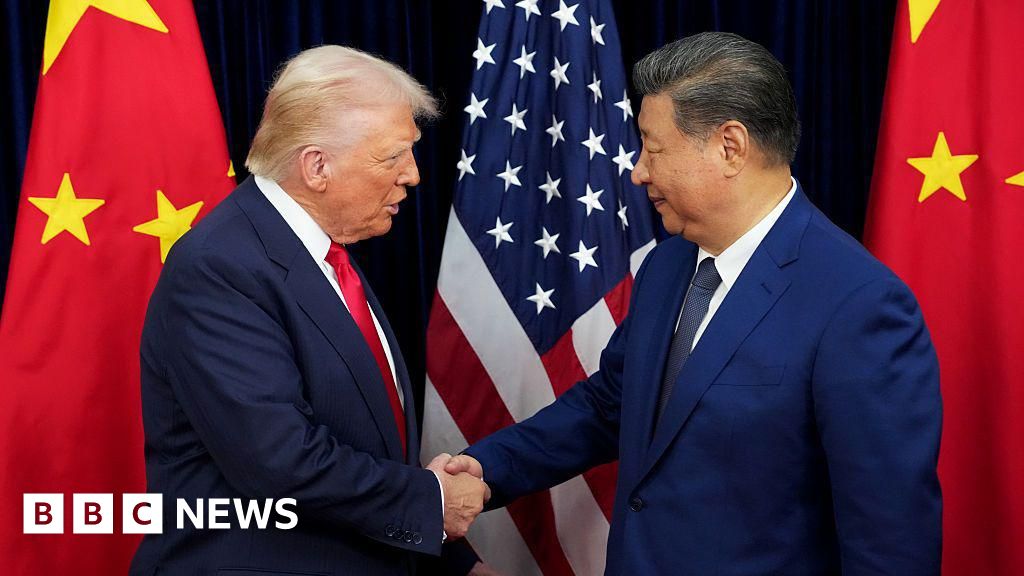
In a significant move that signals a cautious step toward de-escalating the simmering trade tensions between the two global superpowers, China has agreed to begin easing its export ban on critical automotive computer chips. This decision emerges from a landmark deal struck during a summit between Chinese President Xi Jinping and former US President Donald Trump in South Korea, the first major diplomatic breakthrough in the last few years of economic brinkmanship. The White House confirmed that this deal could have profound geopolitical impact, with trade policies once viewed as tools of coercion now potentially shifting toward cooperation.

This agreement is not merely about trade; it carries broader implications, affecting global supply chains, international relations, and the balance of economic power. According to analysts, the deal demonstrates how both nations recognize the cost of instability. The US and China jointly agreed to a series of measures that address bottlenecks and vulnerabilities, especially within high-tech manufacturing and raw material sectors. The reopening of critical chip supplies from China’s Nexperia—a Dutch-based Chinese-owned company—aims to stabilize global automobile markets, which have been thrown into disarray by previous restrictions. Historians cautious about the momentum note that these “breakthroughs” are fragile, warning that the geopolitical chess game remains incomplete, and recent policies could revert if disagreements resurface.

  • Trade war tariffs — Previously, Trump’s tariffs on Chinese goods aimed at boosting American industries but backfired by raising consumer prices worldwide. The new deal proposes a gradual lowering of these tariffs, signaling a possible return to more normalized trade relations.
  • Export controls on rare earth minerals — Beijing has agreed to pause export restrictions for a year, alleviating fears of a technological blockade that could cripple industries like aerospace and defense, underscoring the strategic importance of China’s resource control.
  • Supply of fentanyl-related chemicals — The delicate issue of chemical exports used in fentanyl manufacture is set to be addressed with new measures aimed at limiting the drug’s devastating impact on US society, amidst rising concern about the opioid crisis.
  • US soybean exports — China’s renewed commitment to purchase billions of dollars worth of American soybeans signals a move toward economic normalization, following a year of destructive trade disruptions that hurt American farmers profoundly.

International institutions like the World Trade Organization and economic think tanks have hailed the deal as a potential turning point, but many remain skeptical. This cautious optimism is echoed by analysts warning that the core issues—trust, sovereignty, and influence—remain unresolved, merely postponed for the moment. Historian Henry Kissinger and other diplomatic veterans stress the importance of robust, transparent commitments, cautioning that the path to lasting peace remains fraught with uncertainty and regional rivalries.

As the world watches these developments with bated breath, the ultimate question persists: is this agreement a genuine breakthrough or a strategic pause in a longer, ongoing contest for supremacy? With each handshake and signed document, history appears to hold its breath, perched on the brink of a new chapter—one that could reshape the global order, or plunge the world back into chaos and confrontation. The echoes of this moment will resonate through generations, reminding us that in the realm of geopolitics, peace is often fleeting and fragile—yet always worth striving for amidst the shadows of power.

Unlocking the Power: ‘A House of Dynamite’ — Behind the Scenes of a Defining Moment

In the realm of cinema, the craft of storytelling has often served as a mirror reflecting the core tensions of our society—our fears, our hopes, and the underlying philosophical currents that shape our collective identity. The recent depiction of a nuclear crisis in “A House of Dynamite” exemplifies how contemporary cinema continues to explore the profound stakes of our geopolitical realities. Director Kathryn Bigelow masterfully constructs a seamless narrative that underscores the visceral urgency of national security, where the choreography of locations—from a reconstructed White House Situation Room to the strategic command centers in Omaha—serves as a testament to the cultural obsession with control, technology, and the brinkmanship that defines the modern age.

What emerges from this cinematic tableau is an intricate dance between philosophical paradigms—one hawkish, the other cautious—embodying the perennial debate over the use of power and restraint. On one side, the aggressive posture of military command reflects a view echoed in Ortega y Gasset‘s assertion that “life is a sum of battles fought in the name of civilization.” Conversely, the advocates for measured deliberation evoke the wisdom of T.S. Eliot, who warned against the chaos of unrestrained action. The scene captures a cultural battleground, where the tension between tradition and innovation manifests not only in command decisions but also in the very architecture—standing as silent witnesses to the epochs of history, crafted to resemble colonial-era pillars and porticoes akin to the White House’s original form. Such details evoke a sense of continuity, of culture as a vessel of collective memory.

This rigorous emphasis on authenticity, as seen in the meticulous recreation of military and political venues, demonstrates that culture is no mere backdrop but the foundation of societal identity. The response of military personnel, convinced by the set’s accuracy, exemplifies the power of cultural elements to forge realism and authority. This echoes G.K. Chesterton’s sentiment that “tradition means giving a vote to the most obscure of all classes—our ancestors.” For a society that perceives itself as rooted in historical continuity, culture becomes a safeguard against the chaos of fragmentation.

Ultimately, the depiction of nuclear threat in cinema is more than entertainment; it is a symbolic allegory of humanity’s ongoing struggle to balance power and prudence. Like the works of Chesterton and Eliot, this portrayal reminds us that culture is both memory and prophecy—a luminous bridge linking the sacred inheritance of our traditions with the divine potential of our future. As we contemplate the flickering lights of ICBMs streaking across the sky, we are called to remember that our culture, steeped in history yet alive with prophecy, is the sacred script of human destiny—one that demands we choose wisely the words we inscribe on our collective soul.

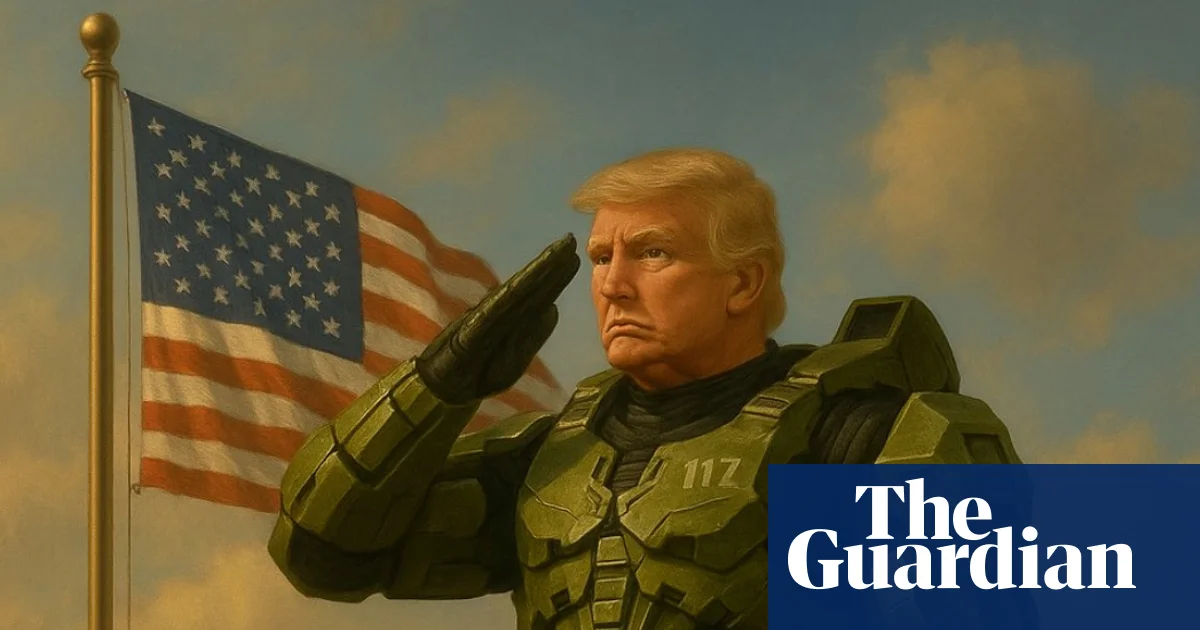
How Trump’s White House Leverages Video Game Memes to Inspire a New Generation of ICE Supporters | Games

In an era where cultural symbols serve as battlegrounds for political identity, the convergence of gaming culture and state symbolism reveals a profound shift in the sociopolitical landscape. Recently, the White House intertwined the realm of video games and political messaging in a manner that underscores the growing significance of culture as both a reflection and an instrument of societal power. An image posted on X — showing President Donald Trump clad in the armor of Master Chief, the iconic hero of Halo — demonstrates how modern political figures are increasingly harnessing pop culture icons to resonate with younger demographics. This strategic cultural syncretism echoes historical parallels, where national identity was often crafted through shared symbols, from Roman standards to the Churchillian war posters, but now manifests through the pixelated and meme-infused language of our digital age.

What makes this development particularly notable is the deliberate deployment of gamer culture as a tool for political mobilization and narrative shaping. The involvement of figures like Steve Bannon, who previously confronted the power dynamics within online gaming communities, demonstrates an understanding that the virtual realm is a potent domain for ideological influence. His recognition that “these rootless white males have monster power” highlights how this demographic, often dismissed as a niche, wields significant cultural and political influence—an influence that Bannon exploited to activate a memetic army supporting Trump’s campaigns. The imagery of Halo and other video game references have not only infiltrated political discourse but also redefined how political warriors rally their base, emphasizing that culture is the bedrock of societal loyalty and collective identity.

This strategic recasting of culture takes on even more significance when viewed through the lens of history’s recurring theme: societies mobilize and reinforce their values through shared myths, heroes, and narratives. As Ortega y Gasset argued, culture sustains a unity of purpose and a sense of continuity, anchoring societal identity amidst chaos. In the contemporary landscape, the White House’s engagement with gaming imagery—be it memes about ICE raids or the humorous use of Pokémon references—serves as a reminder that the cultural battlefield is where the values of sovereignty, tradition, and national pride are contested and reaffirmed. These media tactics, whether innocent or calculated, reinforce the idea that culture is both memory and prophecy, a vital force that shapes where we come from and guides where we are headed.

As we stand on this digital frontier where politics, culture, and identity collide, we are reminded that the deeper significance of this syncretism lies in its ability to forge a collective narrative. It echoes the notion by T.S. Eliot that “the past blows like a wind into the future,” urging us to view these cultural currents not merely as transient memes but as carriers of our enduring identity. In the theatre of history and life, culture becomes a living memory—a prophecy whispered through symbols, stories, and images—reminding us that the human story is told not only through grand edifices or sacred texts but also through the smallest of icons, the shared jokes, the heroic myths of our digital age. To engage with this landscape is to recognize that culture, at its core, remains the living, breathing testimony of humanity—what we remember and what we yet may become.

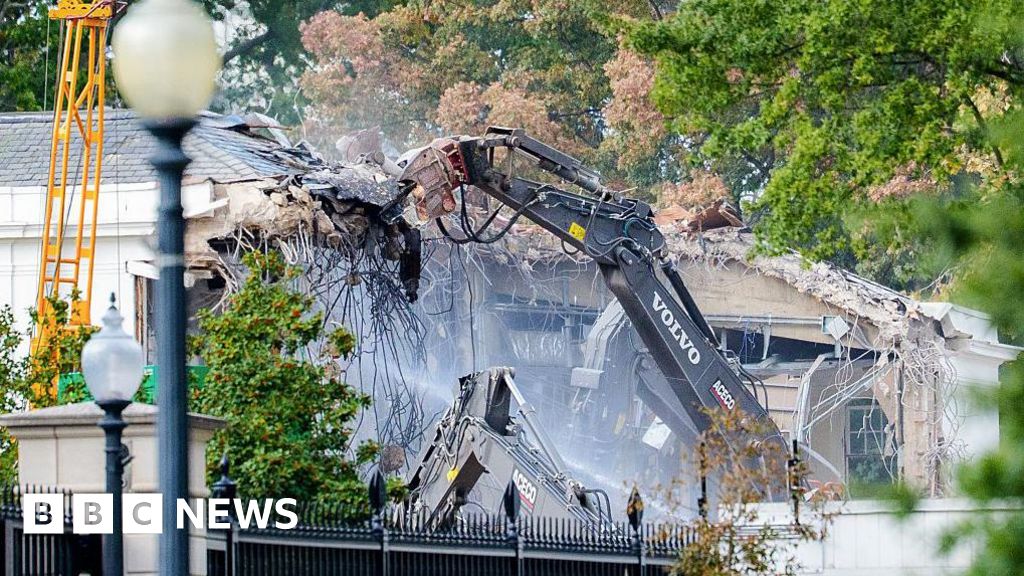
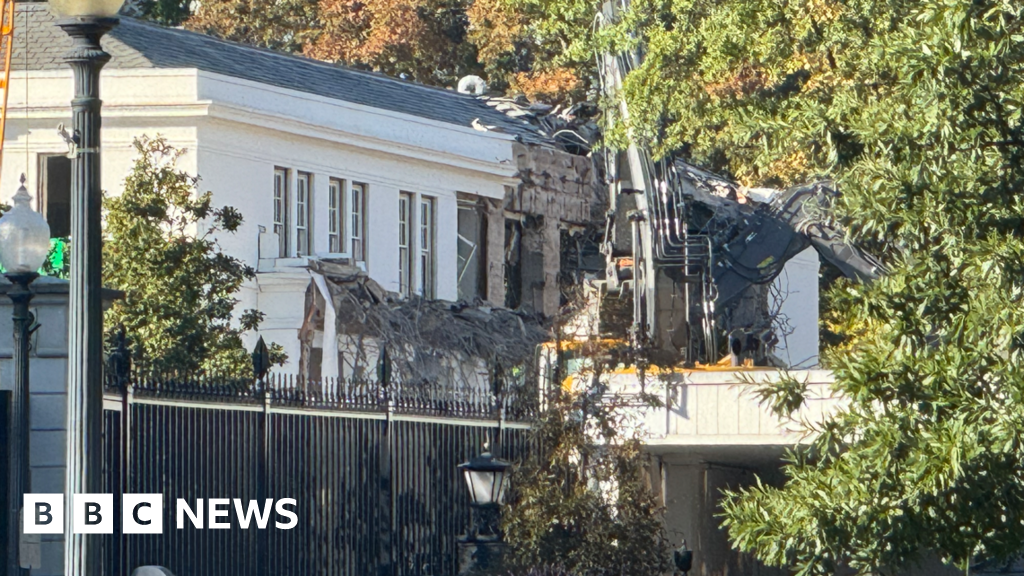
White House East Wing Set for Demolition in Coming Days

White House Renovations and the Implications for Global Power

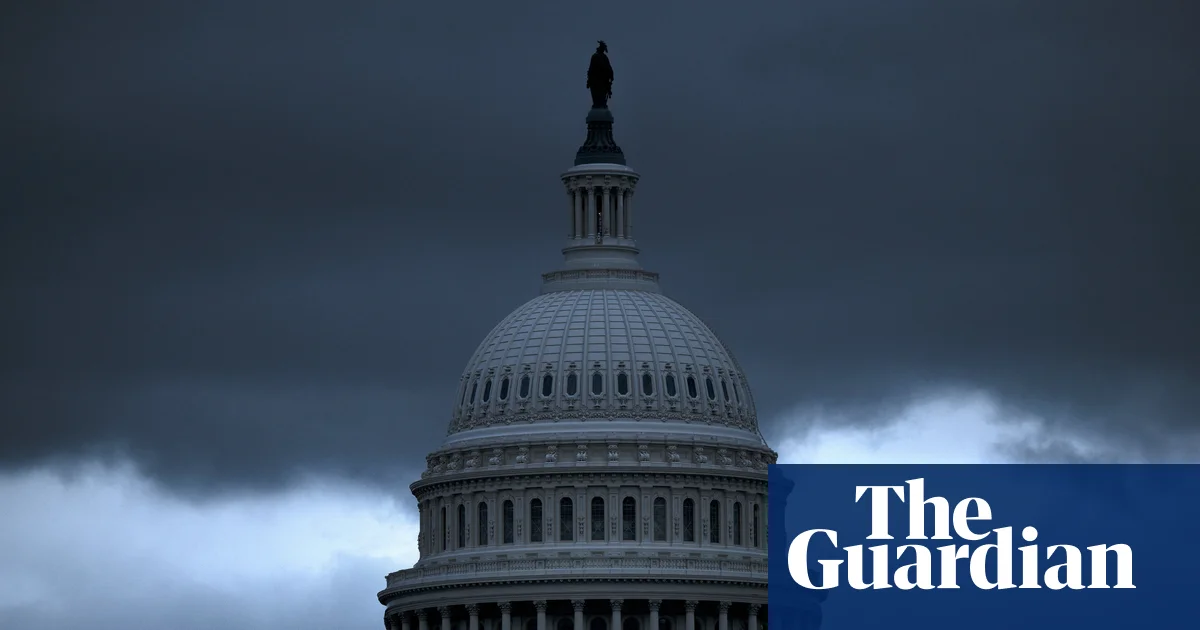
In a move that echoes great power shifts and raises questions about preservation versus progress, the impending demolition of the East Wing of the White House marks more than just architectural change—it signifies a broader transformation in U.S. political symbolism and internal priorities. Construction crews have begun dismantling parts of this historic structure, with full destruction expected by the weekend, confirming that the Trump administration’s ambitious plan is accelerating despite public outcry. This development not only sparks debate around historical preservation but also highlights how national leaders interpret the legacy and future of what some consider the most iconic residence in the world.

From a geopolitical perspective, this project underscores the importance of how leadership decisions at the domestic level echo on the international stage. The White House, recognized globally as a symbol of American sovereignty, is undergoing a modernization that the Trump team argues is essential for security and technological advancement. However, critics, including groups like the National Trust for Historic Preservation, warn that such actions threaten to erode the cultural heritage that authentication the resilience and continuity of the nation. Prominent historians have weighed in, describing this as a potential lose-lose scenario: either sacrifice historic integrity for modern efficiency or risk alienating a global audience attached to the storied past of the U.S. presidency.

Indeed, the broader implications of the White House renovation extend beyond architecture; they reflect a shift in national identity. The Trump administration’s emphasis on a new ballroom—said to symbolize “the American dream” and the power of prosperity—aligns with a narrative of renewed American confidence. Yet, critics argue that such emphasis on spectacle over tradition could signal a turning point—a transformation where superficial grandeur begins to overshadow the foundational values enshrined within historic institutions. As international analysts observe, this can be read as a metaphor for the current American political climate: a nation grappling with its legacy in a rapidly changing world, where symbol and substance often clash amid the geopolitical tensions with rivals like China and Russia.

While the Trump administration champions the project as a necessary step towards modernization, the **world watches** with a mixture of skepticism and intrigue. The move raises questions about how nations prioritize heritage and security amidst global competition. Global institutions—such as UNESCO—traditionally advocate for the preservation of historical landmarks; however, the United States’ decision underscores the tension between erasing history and forging a new image. As analysts warn of potential diplomatic repercussions, the story unfolding at the White House may yet be remembered in history as the moment when the U.S. chose modernization over tradition. The outcome remains uncertain, but one truth endures: history continues to be written in the crucible of choices, with each decision leaving an indelible mark on the future of nations and societies alike.

Trump hits high notes over White House renovation: “Music to my ears” amid rising criticism

In a move that has ignited both political debate and historical concern, President Donald Trump has pushed forward with plans to demolish a portion of the White House East Wing to create a sprawling, 90,000 sq ft luxury ballroom. Valued at approximately $250 million, this ambitious project aims to facilitate grand parties, state visits, and social events, transforming the iconic residence into a hub of both history and modern extravagance. As a seasoned property developer, Trump’s vision for the White House reflects his lifelong penchant for bold, transformative projects—yet it raises crucial questions about respect for national heritage and public oversight.

Despite the White House’s deep roots as a symbol of enduring American leadership, critics—including historic preservationists and even political rivals—have voiced serious concerns. The National Trust for Historic Preservation issued a pointed letter warning that the new construction could “overwhelm the White House itself” and risk “permanently disrupt[ing] the carefully balanced classical design.” This historic landmark, dating back to the late 1700s, has undergone numerous renovations—Harry Truman’s 1948 overhaul, for example, preserved its structural integrity but did not alter its exterior footprint to the extent Trump’s plan proposes. Critics argue that the new ballroom, in its scale and placement, could irreversibly damage the White House’s architectural harmony, which has been carefully maintained over the centuries.

This controversy is further amplified by the political undertones surrounding the project. Often painted as a symbol of restoration and reform by conservatives, the White House historically functions as a national monument as well as a residence. The critics’ cries for a public review process reflect a broader call for transparency and accountability, embodying a movement that seeks to ensure that preservation and progress go hand in hand. Interestingly, Trump officials insist that the renovation will be privately funded and will not burden taxpayers, framing the project as a reflection of personal initiative rather than government excess. This echoes a broader narrative championed by free-marketers and lifestyle advocates, emphasizing individual enterprise and private innovation in shaping American iconography.

In the broader context of lifestyle evolution, these debates about the White House resonate with shifting priorities around public heritage and personal impact. As cultural icons evolve with each generation, so too does the conversation about what it means to preserve history while embracing modernity. Visionaries like Gordon Ramsay or Parker Guide emphasize that our environments—whether homes, public spaces, or national landmarks—should reflect both history and welcome innovation. While critics worry about historic erosion, proponents argue that thoughtful renovation can breathe new life into aging structures, allowing them to serve future generations.

  • Respect the historical significance of national landmarks and advocate for transparent review processes.
  • Balance innovative pursuits with cultural preservation to ensure legacy is maintained for future impact.
  • Embrace lifestyle shifts that prioritize private funding and personal enterprise as drivers of progress.

As this story unfolds, it reminds us that lifestyle is a journey—an ongoing dialogue between the past and the future. Individuals and communities alike are challenged to find that delicate harmony where tradition informs progress, inspiring us to see every challenge as an opportunity for renewal. The White House’s story reflects a broader truth: that our most cherished symbols are alive, evolving with our collective choices, and our capacity to embrace visionary decisions with reverence and responsibility.

Trump plans White House gathering with GOP senators amid shutdown and construction chaos

In a landscape defined by relentless internal strife and mounting geopolitical challenges, the actions of the United States under President Donald Trump continue to reverberate across the global stage. Recent developments reveal a nation embroiled in constitutional crises, military deployments, and economic confrontations, which threaten to reshape the international order.

The internal chaos reached a new peak as the US government extended its longest shutdown in history into its 21st day, with no resolution in sight. As the Senate repeatedly failed to pass a funding resolution, millions of federal workers and critical services remain disrupted. Prominent Republican figures, such as House Speaker Mike Johnson, defend the shutdown as a strategic move against Democratic opposition—particularly over healthcare policy. Meanwhile, grassroots protests erupt nationwide, pressuring lawmakers and fueling political polarization. Many analysts view this as a critical turning point—a test of the resilience of American institutions amid turbulent times.

Amid the domestic turmoil, President Trump has taken decisive steps with undeniable geopolitical impact. Construction crews have begun demolishing parts of the White House East Wing to make way for a $250 million ballroom, stirring widespread controversy. Critics decry the renovation as a blatant indulgence at a time of national crisis, while opponents argue it symbolizes a deeper neglect of national priorities. Trump’s active engagement in this internal renovation underscores a broader trend—the consolidation of power and the spectacle of showmanship, often at odds with the global responsibilities the U.S. bears.

  • In a legal victory that further consolidates his authority, Trump’s administration secured a ruling allowing federal troops to deploy to Portland, Oregon, amidst ongoing protests.
  • Oregon’s governor, Tina Kotek, has called on the courts to review this decision, emphasizing concerns over federal overreach and the erosion of local sovereignty.
  • The tensions escalate as the Ninth Circuit Court of Appeals considers whether to rehear the case, a move that could broaden the legal framework permitting federal intervention in domestic protests—a concerning precedent with long-lasting consequences for civil liberties.
  • Simultaneously, in a disturbing display of partisan divergence, figures like James Comey seek to dismiss serious charges, exemplifying the judiciary’s partisan battleground and stripping away the veneer of legal impartiality.

Amidst these developments, international reactions are shaping the new geopolitical landscape. Trump’s endorsement of the AUKUS pact with Australia and PM Anthony Albanese signals a strategic pivot in alliance politics. The deal, emphasizing nuclear submarine cooperation and critical mineral exports—especially aligned against China’s tightening grip—underscores the shift toward militarized diplomacy and economic brinkmanship. While Trump praises Albanese’s leadership, behind closed doors, American military and diplomatic officials are reportedly seeking to clarify ambiguities in the controversial nuclear deal, reflecting an era of high-stakes stratagems.

Across the Atlantic and Eurasia, the postponement of President Trump’s planned Budapest summit with Vladimir Putin hints at mounting tensions with Russia—an indicator of how internal instability in America cascades outward, destabilizing international diplomacy. As nations watch with a mixture of skepticism and trepidation, the world faces an uncertain future where the decisions made within American borders echo across continents, sparking new alliances, rivalries, and conflicts—destined to influence the course of global history.

In this epoch of uncertainty, historians and international analysts warn that the choices made by U.S. leaders today will either sustain or fracture the fragile global order. As the nation faces unprecedented internal battles, the wheels of history continue to turn—often unnoticed by the masses—yet undeniably shaping the future of nations and societies alike. The unfolding drama remains a stark reminder that beneath the spectacle of power, the course of history is written with the ink of decisive, often tumultuous, action—a story still being authored, with humanity’s future hanging in the balance.

White House Starts Transforming East Wing for Trump Ballroom Upgrade

White House Renovation Sparks International Debate

The United States has embarked on a high-profile renovation project that signals more than just physical changes—it’s a reflection of shifting geopolitical priorities and domestic political narratives. Recently, construction began on a new ballroom within the historic White House, a move championed by President Donald Trump as a long-anticipated modernization effort. This project, estimated to cost around $250 million, has ignited a storm of controversy both domestically and among international observers, highlighting how major architectural decisions in the seat of power can carry profound implications for global perceptions of American leadership and stability.

Experts argue that the decision to refurbish the East Wing, which has stood since 1902, is emblematic of a broader cultural and political signal. While Trump asserts that the new ballroom is a respectful addition that will not interfere with the historic structure, critics see it as a symbol of a more assertive, image-conscious America. As historian Dr. Jane Walker notes, this renovation can be viewed as “a statement of renewed confidence and a desire to shape the narrative on the world stage.” International organizations like the United Nations and European Union monitor such developments closely, aware that physical upgrades to the White House often mirror internal shifts in America’s strategic posture.

Furthermore, the involvement of private donors—labeled by Trump as “many generous Patriots”—raises questions about the evolving relationship between public power and private influence. In an era where such decisions are viewed through a lens of nationalism and sovereignty, it underscores a resurgence of populist narratives emphasizing patriotic patronage as a form of sovereign empowerment. The impact of such projects extends beyond aesthetics; they shape how nations perceive America’s stability and its willingness to invest in its symbols amidst a turbulent geopolitical landscape. As international analysts warn, these moves may foster both admiration and suspicion, depending on how the global community perceives America’s domestic priorities in the context of foreign relations.

Ultimately, as construction crews drill and cranes hover over the historic edifice, the White House’s transformation remains a microcosm of a nation grappling with its identity and ambitions. In the shadows of these physical changes, history continues to unfold—each decision building a narrative that many nations are watching, and which might redefine the future of American influence. One thing remains clear: these renovations do not merely shape a building—they forge the legacy of a nation in the crucible of history’s unyielding march.

White House plans layoffs as federal shutdown drags into third week—America’s government at risk

U.S. Government Shutdown: A Crisis with Far-Reaching Geopolitical Ramifications

The recent announcement by the White House of federal layoffs exemplifies a pivotal moment in America’s internal crisis. As the government persists through a third week of shutdown, the decision to initiate a reduction-in-force (\RIF) process signals not only domestic instability but also a potential shift in international influence and security stability. While officials remain opaque about affected departments, the impact resonates across essential sectors such as cybersecurity, food safety, and public safety — critical pillars that hold the foundation of both economic strength and geopolitical standing.

Analysts herald this situation as more than just a partisan squabble; it underscores a deeper erosion of trust and stability in the U.S. political system. Historically, such gridlock hampers America’s ability to project power and maintain its alliances. The union leaders’ condemnation, claiming these layoffs are “illegal” and “devastating,” encapsulates a wider ripple effect that transcends national borders. Uncertainty regarding the federal workforce’s future directly threatens America’s capacity for rapid response and diplomatic leverage, especially at a time when global rivals like China and Russia continue their strategic pursuits, often exploiting American domestic vulnerabilities.

Domestic Political Standoff: How Decisions within Washington Shape the Future

The core of the crisis stems from a deadlock between Republican and Democratic leaders over funding. The GOP’s insistence on a narrow funding proposal, coupled with Democratic demands for social policy safeguards, exemplifies the legislative impasse. This standoff doesn’t merely threaten the livelihoods of federal workers; it jeopardizes the U.S.’s ability to uphold international commitments and operational readiness. The refusal to reconcile these differences jeopardizes the paycheck of 700,000 federal employees and continues to erode public confidence in government institutions. Historically, protracted shutdowns have spurred unpredictable geopolitical consequences, as internal weakness invites external adversaries to test American resolve and commitment.

With the Senate functioning as a choke point—requiring at least 60 votes to pass legislation—the situation intensifies. The Democratic opposition’s demands for extending health subsidies and safeguarding public media echo broader societal divisions. Experts like Max Stier warn that such internal disarray hampers essential services, from air traffic control to veteran care, strengthening the narrative that America’s internal vulnerabilities are exposing weaknesses to the world. Strategists globally perceive that ongoing chaos at home could significantly diminish America’s leadership during critical moments, hampering future diplomacy and military coordination.

The Unfolding Narrative of Discontent and Power

As the crisis deepens, the public and military faces an uncertain future; many service members and federal workers are on the brink of missing multiple paychecks. This internal strife carries a stark warning: how political decisions ripple outward, threatening societal stability and international standing. The government, historically a symbol of strength and resilience, now appears fractured, as legal battles erupt over the legality of firings and layoffs. According to recent reports by organizations like the Center for American Progress, the timing and extent of these layoffs are constrained by complex legalities, yet the administration’s threats persist, casting a long shadow over the nation’s internal cohesion.

The precise weight of this internal crisis extends far beyond the borders of the United States. With traditional allies watching cautiously and rivals such as China and Russia eager to exploit perceived weaknesses, the global geopolitical chessboard shifts ominously. The parallels with past moments of American internal discord serve as a stark reminder: history often records the passage of internal chaos as a prelude to broader international recalibration. As the final pages of this chapter remain unwritten, the world braces for the next move—aware that the true impact of Washington’s turmoil may well define the global order for generations to come.

Australia Politics: Judges to decide on Opera House Palestine protest; rich claim big tax break | Australia News

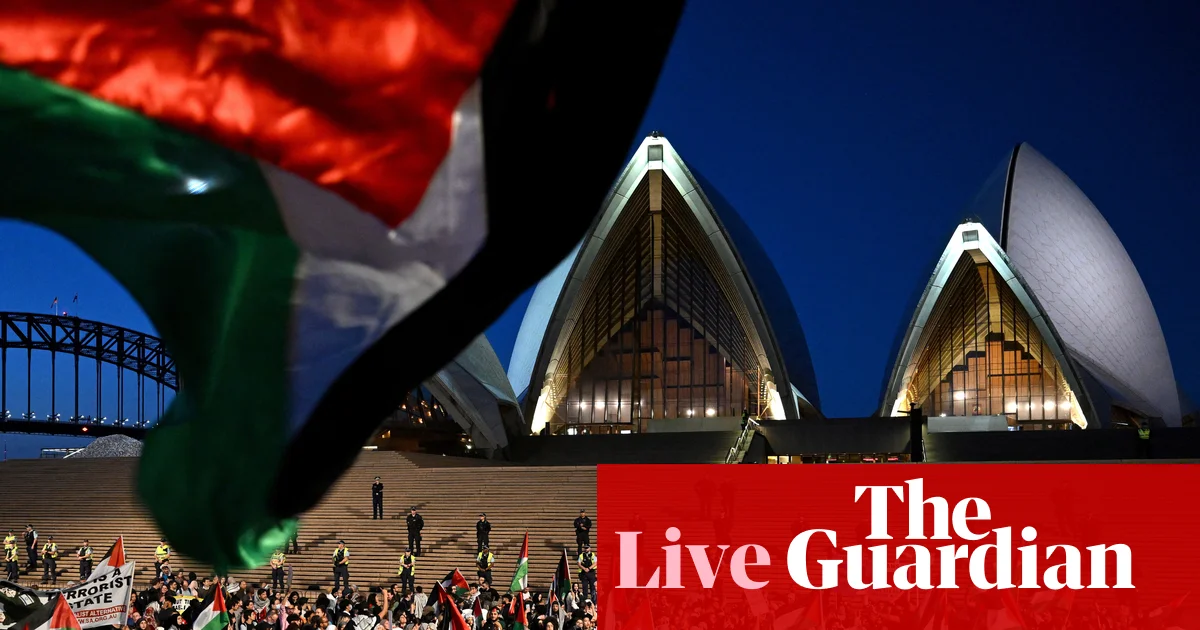
In a pivotal moment for Australia and the broader geopolitical landscape, a rapidly unfolding legal showdown at the NSW Court of Appeal centers around a proposed pro-Palestine demonstration in downtown Sydney. The organizers, the Palestine Action Group, have put forward plans for a massive march, potentially drawing around 40,000 people through the city center to the iconic Sydney Opera House. However, local authorities and police are pushing back, citing serious concerns over public safety and crowd control, and have formally challenged the rally’s legality. The judges are set to deliver their ruling soon, with early indications pointing to a tense debate about free speech versus security—one that may set a precedent for political protests amidst rising international tensions.

Historian and political analysts observe that such demonstrations are emblematic of a shifting geopolitical climate, where domestic protests increasingly mirror global conflicts. The controversy over the Sydney march echoes similar tensions overseas, especially as the Israel-Gaza conflict continues to dominate international headlines. Previous protests of comparable scale, such as the mass rally at Sydney Harbour Bridge with hundreds of thousands, highlight the potential for public demonstrations to serve as flashpoints. Chief Justice Andrew Bell warned that Macquarie Street could turn into a “narrow funnel,” risking chaos and endangering lives. Such comments underscore the delicate balance between upholding civil liberties and maintaining order—a dilemma many Western democracies face today as protests grow more passionate and polarized.

The decision in Sydney’s court has global reverberations, particularly considering the role of international institutions and regional diplomatic policies. While some leaders advocate for free expression and support activism, others emphasize national security, often leading to a crackdown on dissent. The unfolding scenario highlights hownations are increasingly under pressure to navigate the complex interplay of human rights, sovereignty, and international diplomacy. Experts from organizations like Oxfam have pointed out that economic disparities are also fueling unrest; their recent study indicates that unpopular tax policies, such as the capital gains discount, primarily benefit the wealthy elite—a fact that fuels domestic discontent and adds another layer to this complex geopolitical puzzle.

As the courts weigh the legality of the Sydney protest, the broader international scene offers little respite. The ongoing Israel-Gaza conflict and rising tensions in the Middle East continue to influence domestic politics across the globe. Governments are compelled to carefully manage what can often be seen as a delicate act—balancing support for free political expression with the need to control violence or unrest. The Sydney case becomes a microcosm of this larger trend, illustrating how decisions made today can shape the trajectories of societies for generations. As history continues to unfold, what appears to be a local legal debate may well serve as a critical juncture for the future of civil liberties and international diplomacy—reminding us all that the sparks of conflict and resistance often ignite in local courts but burn across the pages of history.

Social Media Auto Publish Powered By : XYZScripts.com