Matox News

Truth Over Trends, always!

Zillow’s AI Revolution — Changing the Game for Real Estate

Revolutionizing Real Estate: Zillow’s AI-Driven Disruption and Future Outlook

In an era where disruption is rewriting the rules of traditional industries, Zillow stands at the forefront of technological innovation transforming the real estate landscape. Despite facing a sluggish market, with the industry bouncing along the bottom and home sales falling short of historic levels, CEO Jeremy Wacksman emphasizes that Zillow’s strategic investments in artificial intelligence (AI) are positioning it as a key player in the next wave of real estate transformation. As analysts scrutinize the company’s evolving approach, it’s clear that the tech giant’s focus on disruptive innovation could redefine how properties are bought, sold, and experienced in the future.

Zillow’s recent push into AI-powered features signals a major shift in market dynamics. The company has integrated generative AI across every facet of its platform, from sophisticated home searches—allowing users to specify highly detailed preferences—to AI-driven virtual staging that renders furniture and interiors with unprecedented realism. The innovative SkyTour feature exemplifies this trend through Gaussian Splatting technology, transforming drone footage into interactive 3D property tours. While the adoption rate remains modest, this technology pushes the boundaries of current visualization standards, creating new avenues for immersive property showcases. Industry experts, including MIT’s AI research teams, highlight that such innovations could challenge traditional marketing models, forcing competitors and brokers to rethink their approach to property presentation.

More than consumer-facing features, Zillow is leveraging AI to improve operational efficiency—cutting costs, shortening development cycles, and maintaining a relatively stable workforce amid an uncertain market. By automating programming, customer support, and design workflows, the company is harnessing AI as an operational force multiplier, which could be a model for tech-driven disruption in other traditional sectors. However, as Wacksman acknowledges, the ethical and regulatory hurdles surrounding virtual staging and AI-generated imagery—especially those that may misrepresent real properties—must be navigated with transparency and clear disclosure standards. Industry insiders, including Elon Musk’s Tesla AI division, warn that widespread reliance on synthetic visuals could lead to consumer trust issues if not carefully regulated.

Despite these groundbreaking developments, consumer adoption remains slow, exemplified by the underwhelming performance of Zillow’s Zillow Immerse on the Apple Vision Pro, which launched with much fanfare but has yet to capture mass market appeal. This highlights a broader industry trend—the technology is ready; market acceptance is the real challenge. Forward-looking analysts, including Gartner and leading venture capitalists like Peter Thiel, agree that the integration of VR and AR will become essential as the industry shifts toward increasingly immersive experiences. The stakes are high: companies that fail to innovate swiftly risk being left behind in a rapidly evolving landscape.

As Zillow doubles down on AI-driven innovation, the question remains: will this new wave of digital disruption solidify the company’s position as a dominant force, or will unforeseen hurdles stall progress? One thing is certain: the future of real estate is inexorably intertwined with cutting-edge technologies that demand agile adaptation. As the industry stands on the cusp of this transformation, the urgency to innovate is clear—those who embrace the technological revolution now will shape the market of tomorrow, cementing their legacy in an era where disruption and innovation are the new normal.
Even the Super-Rich Are Struggling with Britain’s Failing Housing Standards

Britain’s Broken Building Culture: A Reflection of Society’s Neglect of Craftsmanship

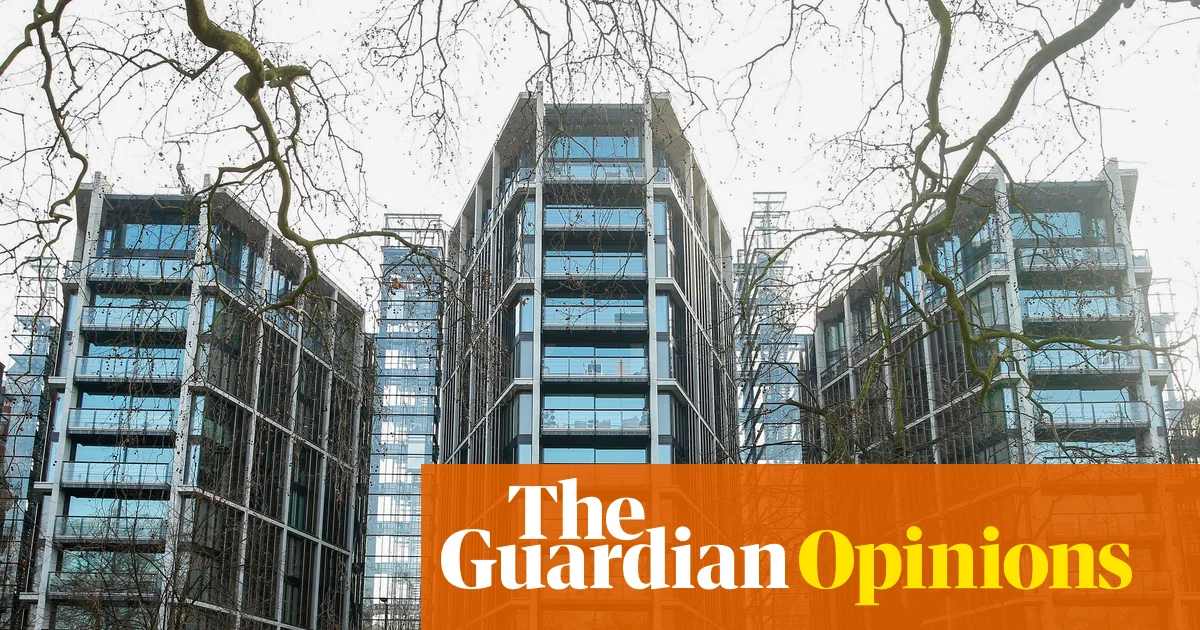
Across British communities, the crumbling quality of construction and housing reflects deeper societal shifts—marked by devaluation of skilled trades, political neglect, and profit-driven shortcuts. From the luxurious flats of One Hyde Park to the modest homes suffering from damp and mould, the disparities highlight a nation struggling under the weight of compromised standards. Even the wealthiest residents, who should enjoy the pinnacle of modern luxury, find themselves battling defective pipework and costly repairs—proof that systemic issues in construction quality are a societal crisis, impacting all levels of families and communities.

Historians and social commentators point to a long-term decline rooted in undermining vocational skills. As sociologist Dr. Anthony Giddens might observe, Britain’s abandonment of robust technical training—an outcome of policies since Margaret Thatcher’s era—has led to a dearth of qualified builders and inspectors. The once-respected role of tradespeople has been replaced by a culture of cost-cutting and deregulation, with contractors often managing their own oversight. The collapse of the Skills Training Agency in the early 1990s set off a ripple effect—causing an erosion of quality in building standards that now manifests in shoddy workmanship and structural defects. This societal neglect disproportionately harms families, forcing them to face spiraling repair costs, mould-related health issues, and safety risks that diminish the fabric of daily life.

The crisis is further compounded by regulatory failures and cultural neglect of trades. While Britain boasts thousands of rules governing architecture, the oversight mechanisms—such as the traditional clerk of works—have almost all but vanished. Instead, contractors now often perform their own inspections, creating a conflict of interest that favors cheap materials and quick turnaround over safety and durability. The rise of “design and build” contracts, which diminish architect oversight, parallels the erosion of craftsmanship. As architect Astrid Smitham explains, this new model incentivizes cutting corners, with dangerous consequences exemplified by the Grenfell Tower disaster. Such systemic issues threaten to undermine families’ safety, the value of education, and the integrity of community life.

Addressing Britain’s construction crisis requires urgent political will and cultural recognition of skilled trades’ dignity, which is currently sidelined in policymaking. Despite more than 10% of the workforce engaged in skilled trades, few MPs come from manual backgrounds—highlighting a disconnect between policy and social reality. As social commentators argue, reversing this trend involves restoring vocational education’s respectability, enforcing strict regulation for qualified professionals, and fostering a societal ethos that values craftsmanship as a moral commitment to human dignity. Without these changes, society risks prioritizing short-term profits over long-term sustainability, leaving future generations to grapple with the scars of generations of neglect.

In the end, society’s true strength lies in its ability to nurture craftsmanship, uphold standards, and prioritize human safety over profit. Society stands at a crossroads—between continued neglect and the awakening to a more resilient, skilled, and just future. As communities reflect on their crumbling homes and safety fears, there emerges an enduring hope—that through restoring dignity to the trades, revaluing vocational education, and demanding accountability, Britain can repair not only its buildings but the moral fabric of its social order. Perhaps, in that effort, society may find the resilience to rebuild itself—one brick, one skilled hand, one community at a time.

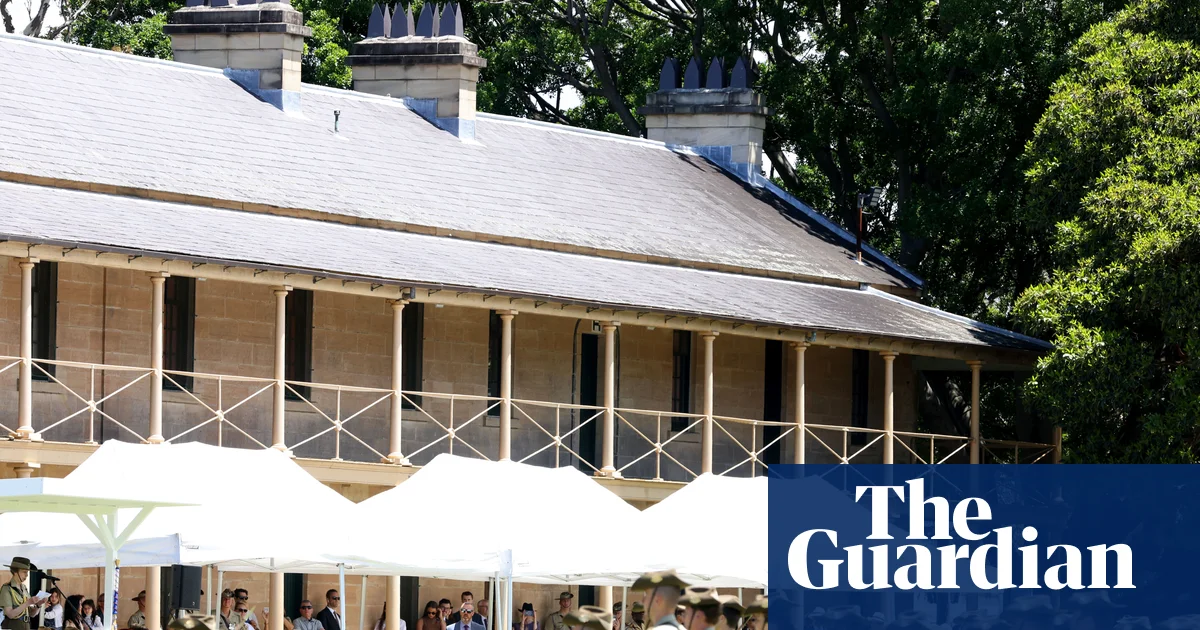
Albanese Government Plans $3 Billion Sale of Historic Defense Sites to Make Room for New Housing, Says Richard Marles

Australia’s Strategic Shift: Defence Land Divestment and Its Geopolitical Impact

In a decisive move signaling a profound reorientation of its defense strategy, Australia has announced plans to liquidate over $3 billion worth of defence properties nationwide. This initiative emerges after a comprehensive, multi-year audit, which revealed that many sites—such as Victoria Barracks in Sydney, Melbourne, and Brisbane—serve little to no strategic purpose in today’s security landscape. The audit, culminating in 2023, underscores a critical headache for policymakers: the burden of legacy infrastructure that has become a drain on resources and an obstacle to modernizing the nation’s military capabilities.

The audit’s findings point to a landscape dotted with redundant military sites—including airbases, warehouses, and even islands like Sydney’s Spectacle Island—costing taxpayers millions in maintenance. Yet, the sale of these assets carries more than financial implications; it signifies a turning point in geopolitical strategy and national identity. As defense analysts note, such divestments open opportunities to repurpose land for housing that could benefit a nation facing ongoing population pressures, while reallocating vital resources toward modern capabilities, including the yet-to-be-developed nuclear submarines under the AUKUS agreement. According to international security experts, this shift is not merely administrative but reflects a broader realignment in Australia’s strategic posture amidst the emerging Indo-Pacific security dynamic.

Reallocating Resources and Reconceptualizing Defense

The sale of more than 60 properties—including high-profile sites like Spectacle Island and Victoria Barracks—aims to raise an estimated $1.8 billion net proceeds after costs, while saving roughly $100 million annually in upkeep. The plan is coupled with a push to relocate public servants to upgraded, modern office spaces, signaling an end to decades of underutilized, decaying infrastructure. Crucially, the government emphasizes that funds will be reinvested into enhancing defense capabilities, laying the groundwork for Australia’s increased involvement in regional security arrangements and strategic deterrence measures.

  • Assets such as Newcastle’s HMAS Penguin, used for diving operations, are to be partially retained for future military endeavors.
  • This redistribution of assets aligns with Australia’s broader vision of strengthening its deterrence posture, especially as regional tensions with rising powers intensify.
  • Heritage sites, including WWII-era cabinet rooms, are poised to be opened to the public, exemplifying how history and modernity can coexist within the national consciousness.

By strategically shedding surplus properties, Australia aims to craft a leaner, more agile defense estate better suited to contemporary threats. As military and security experts from organizations like the International Institute for Strategic Studies warn, this initiative should be viewed as a vital adaptation—one that blunts the risk of legacy infrastructure crumbling into obsolescence while bolstering current and future military readiness. This reallocation is critical, especially as China continues its assertive expansion, and regional allies look to Canberra for leadership and reassurance.

Historical Legacy and Future Uncertainty

The sale of historic sites like Victoria Barracks and Sydney Harbour’s Spectacle Island stirs a complex debate rooted in national identity. Many Australians, as noted by historians, still regard these sites as symbols of resilience and sacrifice, especially given their roles during World War II. While critics argue that divestment risks erasing parts of the country’s military heritage, proponents contend it is a necessary step toward ensuring the defense force is equipped for the challenges of the 21st century.

Authors Jan Mason and Jim Miller have emphasized that, “maintaining the status quo is not an option,” underlining the urgent need for change in defense management. As these historic sites potentially give way to housing and commercial developments, the political backlash is inevitable, echoing broader concerns about the balance between heritage and modern utility. Yet, policymakers insist that such sacrifices are justified to empower Australia’s security future and solidify its strategic independence in a turbulent Indo-Pacific region.

As the dust settles on this bold land sale, the true geopolitical impact remains unclear—yet undeniable. This is a moment when history is being written in real time, and the decisions made today will echo for generations. Will Australia’s rationalization of its defence estate forge a more resilient nation, or mark the loss of irreplaceable symbols of past sacrifices? The unfolding narrative remains a testament to the ongoing struggle between legacy and progress, a reminder that the weight of history still influences the shape of the future.

Australia news live: Bragg urges youth to support housing boom — says every backyard can host a new home or granny flat, tying Liberals’ future to housing growth

In a compelling display of how geopolitical decisions and national policy shifts ripple through societies, recent developments in Australia exemplify a nation grappling with internal challenges while positioning itself on the global stage. As the climate crisis intensifies, leading to devastating bushfires, and as domestic debates over housing affordability and social safety nets dominate political discourse, the international community watches with keen interest. The tragic loss of a firefighter at Bulahdelah underscores the vulnerability of Australian communities and the urgent need for both domestic resilience and international cooperation.

Within the political arena, the Liberal Party faces a generational crossroads. Shadow Minister Andrew Bragg, a leading moderate, openly links the party’s future to adopting a robust housing policy centered on upzoning and density reforms. At a Sydney conference, Bragg emphasized that short-term housing supply solutions—such as increasing density in single-family neighborhoods—could alleviate soaring prices and curb depopulation in traditional strongholds. This stance highlights a critical decision point for Australia’s policymakers: whether to prioritize economic growth and modernization or preserve entrenched community norms. Historians and analysts suggest that such policy shifts could have long-lasting effects on international perceptions of Australian stability, especially as the nation confronts its climate-induced emergencies.

Amid these internal debates, the ongoing bushfire crises reveal the international impact of environmental policies and resource management decisions. The death of a firefighter at Bulahdelah, along with the destruction of homes in Tasmania and NSW, serve as sobering reminders of how climate change exacerbates natural disasters, compelling Australia to reassess its commitments to climate resilience. The response by state leaders like NSW Premier Chris Minns and federal officials underscores the layered challenge of balancing immediate urban safety with long-term ecological strategies. According to climate analysts, Australia’s approach now could influence regional stability, resource allocation, and even migration patterns—effects that extend well beyond its shores.

Similarly, a domestic social crisis unfolds with the report that over 130,000 Australians with psychosocial disabilities remain unsupported—navigating a healthcare landscape fraught with gaps. The Grattan Institute advocates for a new national program to address this support deficit, emphasizing the importance of rebalancing resources both inside and outside existing frameworks. Such social policy choices are closely scrutinized within the broader international dialogue on social safety and human rights. As advocates and critics debate, the true test will be whether Australia can translate these internal reforms into a model for regional stability, showcasing resilience in the face of multifaceted crises and demonstrating leadership in global forums that emphasize social justice.

Finally, these domestic and environmental crises are a chapter in a larger unfolding narrative—one where geopolitical stability, climate adaptation strategies, and social cohesion become intertwined on the global stage. As international authorities advise caution and urge for collaborative solutions, Australia’s choices in policy, safety, and climate resilience will leave an indelible mark on history. The sacrifices of its emergency personnel, the debates over housing reform, and the ongoing battle against nature’s fury are not isolated incidents—they are the threads of a story that will define the resilience or vulnerabilities not just of Australia, but of the modern world itself. The pages of history are still being written, and the weight of this moment reverberates far beyond the shores of the Pacific.

Labour’s Housing Double Standard: Nearly 200 Families Hit with No-Fault Evictions by Councils

International Ramifications of Domestic Housing Policies: The Hidden Geopolitical Impact

In an era marked by deepening geopolitical tensions and shifting alliances, the domestic policies of major nations continue to resonate far beyond their borders. Recently, a revealing investigation uncovered that Labour-run councils in the United Kingdom have exploited legal loopholes to issue nearly 200 no-fault eviction notices since the party’s rise to power, despite pledges to ban such practices. This internal contradiction underscores the complex relationship between political promises and institutional realities, casting a shadow over Labour’s commitment to protecting tenants. Yet, the implications extend well beyond the UK’s borders, demonstrating how confessional loopholes and bureaucratic evasion can weaken societal trust and undermine international credibility, especially when nations are judged on their human rights records.

Since the Labour government gained power, five of its councils have initiated no-fault eviction proceedings against 191 households—an unsettling development highlighting how domestic policy tools are often manipulated for broader political or economic gains. Cases such as Lambeth Council’s use of a publicly created company, Homes for Lambeth, reveal a troubling tactic: sidestepping existing protections by establishing arm’s-length entities to facilitate evictions under the guise of “housing management”. With each eviction, families like Jules Zakolska’s and Charlene Flygring’s are left traumatized and displaced, embodying the social cost of political expediency. Influential figures, including historians and policy analysts, warn that such practices serve to erode the foundational trust in governmental institutions—trust that is essential for maintaining social stability and international moral authority.

Simultaneously, other UK municipalities such as Reading, Blackpool, Nottingham, and Enfield have issued similar notices, revealing a pattern of local authorities prioritizing short-term political calculations over long-term societal stability. These actions are not isolated but form part of a broader narrative that questions the effectiveness of legislation aimed at protecting tenants. According to reports from independent organizations and human rights experts, these governments often justify such measures as “last resorts” or “necessary evils” in the face of economic turmoil and housing shortages. Analysts suggest that these tactics ultimately strengthen the geopolitical influence of authoritarian regimes through their ability to manipulate societal fears and instability—to sow discord domestically while projecting strength internationally.

At the same time, the international community watches closely. As Europe’s housing crisis worsens and global conflicts threaten to destabilize entire regions, decisions made within national borders take on increased significance. The World Bank and United Nations reiterate that respect for property rights and social protections is fundamental to securing economic stability and fostering diplomatic goodwill. The ongoing trend of bypassing or undermining legislation, whether through legal loopholes or bureaucratic maneuvering, sets dangerous precedents. The rising tide of eviction and displacement in the UK, an influential player on the global stage, symbolizes a potential shift toward authoritarian-style governance—where the rule of law becomes a tool for exclusion rather than protection. As history unfolds, the choices made in housing policy today could define the international order of tomorrow, with citizens and nations bearing the cost of neglect and betrayal.

Mamdani, Cuomo, and Sliwa Clash on Housing Sparks, City Noise Battles, and Trump Talk

As urban landscapes continue to evolve, so do the *lifestyle shifts* influencing generations across the globe—particularly the younger demographics craving a blend of health, vitality, and cultural engagement. In the heart of New York City, debates may rage over politics and policy, but beneath the surface lies an unstoppable tide of \_wellness\_ and self-empowerment sweeping through the streets and neighborhoods. This movement is not just about fitness; it’s a holistic approach that encapsulates mental clarity, dynamic community intersections, and innovative ways to integrate personal health with urban living.

Today’s youthful urban explorer isn’t just looking for the *next trendy cafe* or *Instagrammable spot*—they are prioritizing **wellness** as a lifestyle core. From \_mindfulness retreats_ in \_Little Italy_ to \_burnout-busting_ fitness classes in \_Williamsburg_, the focus on *living intentionally* has become a cultural phenomenon. Wellness experts like Dr. Mark Hyman emphasize the importance of **mind-body harmony**, while holistic practices such as meditation, clean eating, and *urban outdoor activities* are now mainstream. These shifts are fundamentally transforming how young people see their environment: not just as a backdrop for socializing, but as an active partner in their quest for vitality and purpose.

Moreover, this _vitality movement_ isn’t limited to personal health—it extends to community resilience and cultural awareness. Youth-driven initiatives frequently aim to bridge social divides through _community gardens_, _local markets_, and _group fitness events_. A compelling aspect is the emphasis on \_accessible self-care\_; making fresh, organic produce available in underserved neighborhoods, advocating for **affordable** fitness programs, and fostering a culture of **empowerment** and _self-actualization_. Influential voices like author and wellness advocate Deepak Chopra underscore that true wellness is rooted in _self-awareness_ and _connection_—a message resonating strongly with younger city dwellers eager to redefine the urban experience as \_more than just hustle and grind\_.

  • Explore local outdoor spaces for **mindful walks** and **journaling sessions**—cities like New York offer lush parks and hidden gardens promising mental clarity.
  • Participate in **community-led health initiatives**—farmers markets, urban farms, or free fitness classes—making wellness an inclusive pursuit.
  • Adopt **holistic routines**—integrate meditation, nutritious eating, and tech-free zones into daily life to combat digital burnout and stress.

Ultimately, this _wellness revolution_ is about more than fleeting trends—it’s about embracing **lifestyle ownership** that fuels _resilience_ and _inspiration_. For young people stepping into the bustling world of **urban life**, the pursuit of **health, vitality, and community** becomes a conscious act of self-empowerment, transforming everyday environments into personal sanctuaries. As they navigate the twists and turns of this modern era, they discover that _lifestyle_ isn’t just a static choice, but a continuous journey—one that reflects the resilience of youth, the depth of cultural narratives, and the enduring human spirit eager to thrive amidst the concrete jungle. In this dance of progress and tradition, every step forward becomes a testament to the belief that a healthier, connected, and purpose-driven life is within reach when we choose to embrace it.

Leaked Memo and Broken Promises: Labour’s Housing Betrayal Sparks Youth Discontent

In the heart of London, a city historically renowned for its resilience and diversity, an ongoing housing crisis exposes the profound social fissures that threaten the fabric of communities and families alike. Sociologists like David Harvey have long argued that urban development reflects underlying social inequalities, yet recent policies seem to deepen this divide. The government’s current approach, heavily influenced by big property developers and skewed priorities, appears to prioritize profits over the welfare of ordinary citizens. As a result, families are displaced, children grow up in overcrowded temporary shelters, and the very notion of community stability is fraying under economic and social strain.

Recent reports reveal a troubling pattern: during a period when London’s homelessness numbers are reaching unprecedented heights—over 13,000 people sleeping rough in 2024-25, quadrupling the figures from a decade ago—efforts to address affordable housing have been sidelined by policies favoring robust profits for developers. A leaked government memo indicates that key negotiations with major construction firms are centered on diluting commitments to social housing, and to relax planning rules that could make building modest, affordable homes financially unviable for those who need them most. This pivot toward prioritizing luxury developments and attractive profit margins over community needs underscores a troubling moral trajectory, one that threatens the social cohesion essential for stable families and thriving neighborhoods.

The social implications of these policies ripple through families and communities in tangible, often devastating ways. Children in London now face the harsh reality of growing up in temporary accommodations, often with little access to stable education or safe environments. For families pushed into overcrowded flats or forced to relocate far from their support networks, the psychological toll compounds existing economic hardships. Housing sociologists like Jane Jacobs emphasize that a strong, interconnected community hinges on accessible, affordable housing—yet current policy makers seem intent on reversing progress made under previous administrations, reminiscent of the housing policies of Boris Johnson that prioritized spectacle over social equity. As W. B. Yeats lamented, society often finds itself caught between the desire for progress and the peril of losing its moral compass—an especially poignant reflection as London’s social fabric faces this crisis.

Facing these UNIGNORABLE challenges, the hope for societal renewal lies in bold reforms that put families and community well-being front and center.

  • Implement legally binding targets to ensure a minimum of 50% affordable housing in new developments, backed by enforceable policies that penalize failures to meet these standards.
  • Reintroduce community levies that finance essential amenities—schools, healthcare, and parks—rather than siphoning off funds for private profit, fostering a sense of shared ownership and neighborhood pride.
  • Prioritize localized, community-led planning initiatives that involve tenants, local councils, and grassroots organizations, emphasizing social cohesion over speculative development.

Experts like social historian Eric Hobsbawm have pointed out that social progress is often crafted through collective resilience and moral clarity. As society grapples with these social issues, it is vital to remember that at its core, social reform is a moral imperative—an effort to preserve the dignity and potential of every family affected by these policies. The narrative of London—and indeed, society at large—cannot be solely written by profits and policies; it must be shaped by a shared sense of responsibility and hope. In the quiet corners of these struggling neighborhoods, amid the shadows cast by unchecked greed, lies the possibility of renewal—an unyielding hope that society can rebuild itself, not through empty promises but through unwavering commitment to its most vulnerable members. Only then can London truly rebuild a city on the foundation of fairness and human dignity.

Social Media Auto Publish Powered By : XYZScripts.com