Matox News

Truth Over Trends, always!

ICC Policeman: Duterte’s Firm Hand at the Core of Philippines’ Drug Crackdown

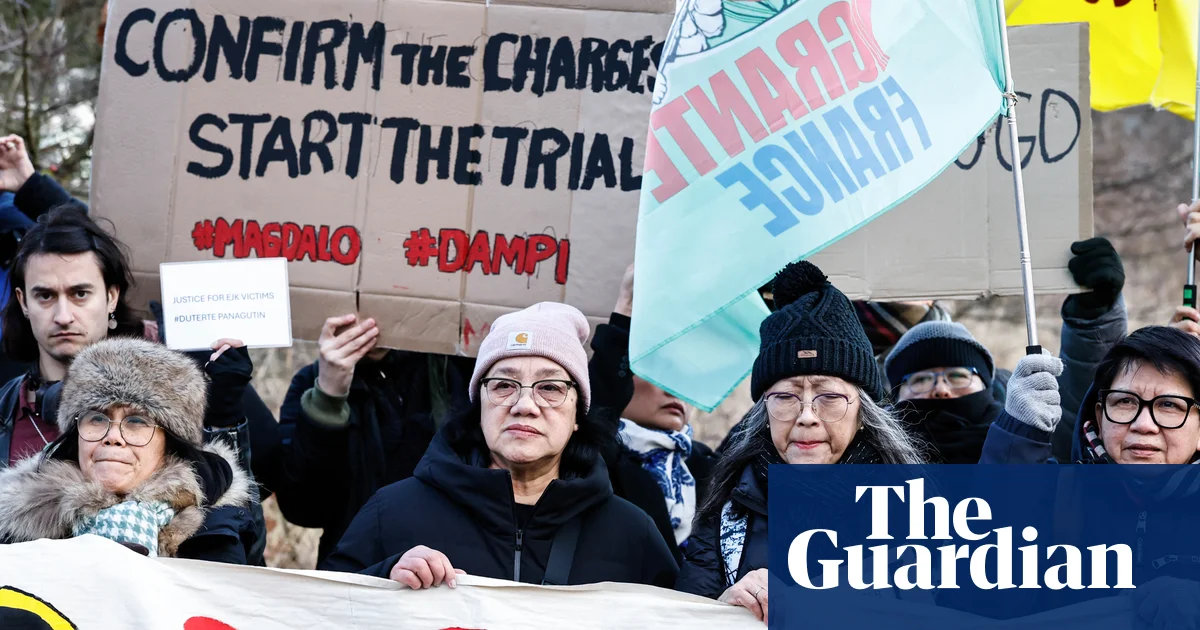
International Court Begins Proceedings Against Former Philippine President Duterte Over ‘War on Drugs’

The International Criminal Court (ICC) has initiated a groundbreaking step in international justice, setting the stage for a historic trial of Rodrigo Duterte, the former leader of the Philippines. Accused of crimes against humanity stemming from his brutal anti-drugs campaign, Duterte’s case underscores a significant international reckoning with a controversial method of law enforcement that claimed tens of thousands of lives. Prosecutors allege that during his presidency from 2016 to 2022, Duterte wielded ultimate authority—orchestrating a policy that turned the nation into a battleground of violence, with a genocide-like campaign targeted at the urban poor.

This high-profile move highlights the escalating role of the ICC in addressing domestic atrocities by powerful leaders. Prosecutors, led by ICC Deputy Prosecutor Mame Mandiaye Niang, have presented a compelling case that Duterte was “at the very heart” of a systematically lethal campaign. The accusations include 49 incidents involving 78 victims of murder and attempted murder, with allegations that these are merely fragments of the broader “war on drugs” that saw between 12,000 and 30,000 civilians killed. These figures, reported by analysts and human rights advocates, reflect what many view as a gross violation of international human rights norms. The case also exposes how state-sponsored violence directly affected societal stability, especially among marginalized populations.

While Duterte continues to deny the charges, asserting his ailing health and frailty as reasons for his absence at the pre-trial hearing, victims’ families and international observers see this as cowardice in the face of justice. The court proceedings serve not only as a legal process but also as a powerful symbol of accountability—challenging the impunity often enjoyed by autocrats. Experts like historian Mark Twain and political analysts warn that international standards are evolving, and leaders wielding authoritarian tactics are increasingly vulnerable to prosecution. The court’s role in this process signifies a broader shift towards upholding justice, even for those at the highest levels of power—an essential development in holding leaders accountable for crimes committed in the name of law.

Amidst the legal battles and fierce courtroom debates, the broader geopolitical impact cannot be overstated. Duterte’s case resonates beyond the Philippines, reinforcing a global message: no ruler is above international law. The international community, divided yet gradually unified, faces a critical choice—permit violence and impunity to flourish or stand for justice and human dignity. The proceedings at The Hague evoke echoes of historic trials, reminding the world that the weight of history depends on whether nations embrace accountability or let its dark chapters remain unaddressed. As the case unfolds, it leaves a haunting question—how many more voices will be silenced before the tide of justice finally turns?
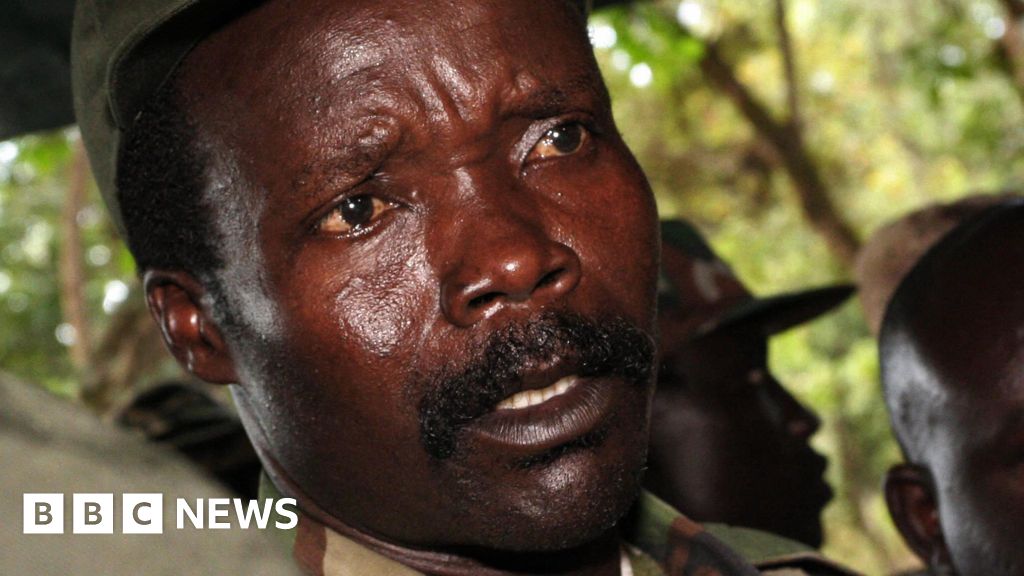
Ugandan youth cheer ICC charges against LRA boss, standing for justice

In a move that echoes decades of international diplomacy and military pursuit, the International Criminal Court (ICC) has officially confirmed charges against Joseph Kony—the notorious leader of the Lord’s Resistance Army (LRA). This militant group, infamous for perpetrating heinous crimes including limb hacking, sexual slavery, and child soldier conscription, has haunted the borders of Uganda, South Sudan, the Democratic Republic of Congo, and the Central African Republic for over thirty years. Despite mounting international pressure and efforts by the US and regional forces, Kony remains at large, hiding in the lawless corridors of Central African Republic, where he continues to symbolize a failure—yet also a warning—of global justice.

The ICC’s recent decision to charge Kony with 39 counts of war crimes and crimes against humanity marks a significant turning point in international accountability. The charges include murder, rape, and the forced use of child soldiers—a brutal blueprint that the international community hoped would finally bring a notorious warlord to justice. Despite an indictment issued in 2005 and a $5 million US reward announced in 2012, Kony’s ability to evade capture exposes the persistent gaps in enforcement among regional and global mechanisms. Analysts warn that unless Kony is physically apprehended and transferred to The Hague, these charges risk remaining symbolic rather than pragmatic, Birthing a moral victory rather than tangible justice.

The geopolitical impact of this prolonged pursuit extends far beyond Uganda’s borders. The LRA’s insurgency led to over 100,000 deaths, displacements of 2.5 million innocents, and leaving hundreds of children traumatized. Former victims like Evelyn Amon and Patrick Ochieng, now advocates for justice and reconciliation, underscore the importance of holding Kony and remnants of his group accountable. As regional conflicts intertwined with local rebellions, the pursuit of Kony became entangled with broader questions of sovereignty, regional stability, and international interventionism. Governments in the region have faced criticism for their inability or reluctance to fully dismantle the rebellion, highlighting the complex web of regional alliances, resource control, and diplomatic priorities that overshadow justice for victims.

International organizations, including the United Nations and humanitarian agencies, emphasize that the conviction and capture of Kony are more than mere symbolisms—they are a definitive step towards deterring future atrocities. Yet, how the international community responds moving forward will determine if justice can truly be served or if history’s darkest chapters risk being forever etched into the margins of a fractured continent. The global effort to bring Kony to trial serves as a chilling reminder: as long as unclaimed atrocities linger, the echoes of war and the cries of victims threaten to rewrite history and challenge the very pillars of justice.

As the weight of global attention converges on this saga, Kony’s expected arrest and subsequent trial in The Hague could serve as a watershed moment—not just for the victims, but for international law. Whether justice prevails remains a question that has haunted the region for decades, but what is undeniable is that the unfolding chapters in this relentless pursuit carry the profound potential to shape regional destinies and herald a new era of accountability. In the shadow of history’s ongoing pages, the pursuit of Kony is no longer just about capture; it becomes a test of the international order’s resolve to confront its most stubborn demons.

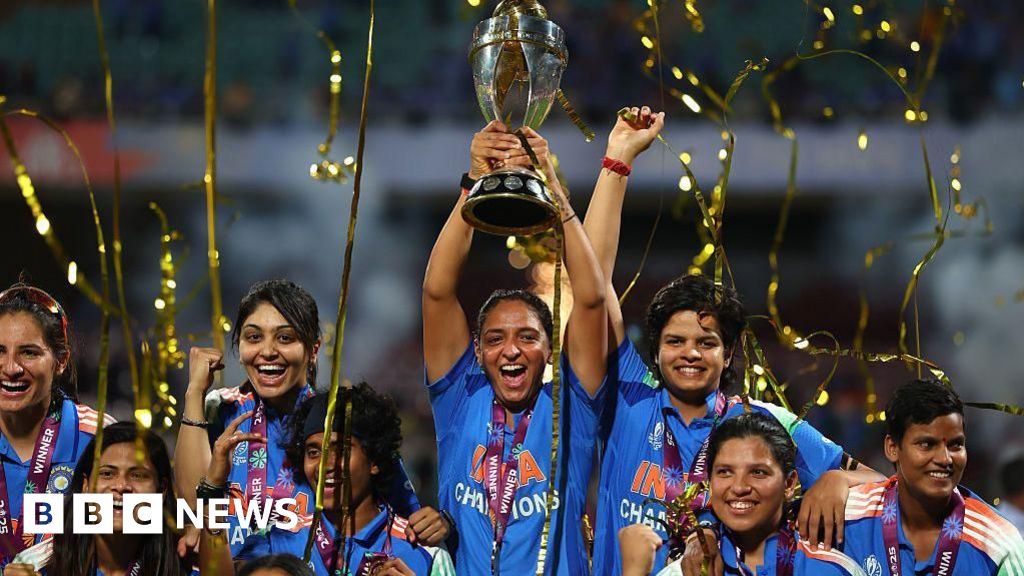
Indian players make history at ICC Women's Cricket World Cup—youth-led triumph!
Indian players make history at ICC Women’s Cricket World Cup—youth-led triumph!

In a historic milestone that resonates far beyond cricket fields, the Indian women’s cricket team secured its first-ever World Cup victory, a triumph that symbolizes the perseverance of humble beginnings against insurmountable odds. Over nearly five decades since their international debut, these women’s stories embody a narrative of grit, resilience, and societal shifts—a testament to rising empowerment amid traditional constraints. Such victories are not just athletic achievements; they are seismic geopolitical impacts, challenging regional stereotypes and inspiring a generation of young women in India and across the globe. These athletes, many from remote villages, have redefined the boundaries of possibility, reshaping societal expectations about gender, ambition, and national pride.

The team’s arduous journey highlights a broader Iinternational shift, where nations observe the rise of women’s sports as a mirror to societal progress. Analysts from the Council on Foreign Relations emphasize that such victories serve as cultural milestones, fostering a sense of national unity and demonstrating that progressive reforms in education and gender equality can be championed through sports diplomacy. Their resilience echoes a legacy carved from sacrifice—fathers working tirelessly, families supporting from humble homes, and mentors who overlooked skeptics. This wave of empowerment, amplified by victories like India’s win, signifies a potential geopolitical realignment. It signifies a shift where traditional powerhouses are challenged not only militarily or economically but through cultural and social domains, as emerging nations demonstrate their capacity to excel on the global stage.

Central figures in this unfolding narrative are women like Harmanpreet Kaur, whose rise from Punjab’s modest surroundings to captaincy underscores how decisions—such as a supportive family and community—affect entire societies. Her father sold milk from buffaloes, yet never discouraged her pursuit of cricket, embodying a cultural paradigm shift: empowering women through unwavering familial support. Similarly, Amanjot Kaur and Radha Yadav exemplify resilience—torn from modest backgrounds, yet rising through dedication and belief. Analysts highlight that these stories serve as critical turning points in gender equality globally, prompting societal reflection on entrenched stereotypes and stereotypes, and the importance of nurturing talent regardless of gender or origin. These athletes’ achievements are more than trophies; they are ripples that threaten old hierarchies, signaling a new sovereignty of female empowerment rooted in perseverance and societal evolution.

As history continues to unfold, the triumph of India’s women’s cricket team leaves the world at a crossroads: will nations recognize and emulate this spirit of resilience? Will the international community embrace these victories as catalysts to redefine gender roles and societal expectations? The stakes extend beyond borders—these stories are chapters in a larger narrative about human potential and societal transformation. The weight of these pivotal moments echoes through corridors of power and into the homes of millions, reminding us all that history is not a static record but a living, breathing story of progress, struggle, and hope. Indeed, as the shadows of the past give way to the dawn of a new era, the game has changed—not just on the pitch, but in the very soul of global society.

Social Media Auto Publish Powered By : XYZScripts.com



