Matox News

Truth Over Trends, always!

Ice Hockey's ‘Lettuce Hair’ Takes Over Hollywood—Youth Are Feeling the Style
Ice Hockey’s ‘Lettuce Hair’ Takes Over Hollywood—Youth Are Feeling the Style

In an era defined by rapid cultural shifts and international power struggles, the influence of seemingly trivial trends can reveal much about geopolitical impact and the underlying societal currents shaping our world. Recently, a quirky fashion phenomenon—”lettuce hair”—has surfaced, extending from youth street styles to the ice hockey rinks and into Hollywood. While at face value it appears as a fleeting aesthetic, analysts suggest it’s emblematic of a broader cultural resurgence fueled by traditional symbols of masculinity and combativeness, especially within north American and European societies.

The trend, rooted in the longstanding ‘flow’ style of hockey players’ hair—long tufts fluttering from under helmets—has now crossed into high-profile entertainment circles, influencing actors and musicians. The international redistribution of this style underscores a powerful reassertion of rugged individuality amidst global cultural upheaval. Historically, sports icons like Swedish NHLers Mika Zibanejad and William Nylander have popularized what some call the “modern hockey look,” which reflects an active, confident ideology emblematic of westward’s bravado and resilience. This is notable as societies observe a rise in vernacular and aesthetics that reject the softening influences of liberal multiculturalism, instead embracing a return to a combative, no-nonsense persona centrale to national identity.

Some international observers, including prominent historians and cultural analysts, interpret these trends as a symbolic resistance to globalist narratives that seek to dilute sovereignty and tradition. They point out that emerging symbols like “lettuce hair” evoke a deeper desire for authenticity, strength, and cultural self-assertion. In this context, hockey’s “flow” is more than mere fashion; it signifies a strategic contour of national pride, a visual manifestation of a society’s readiness to defend its borders and core values in the face of encroaching global influences. Importantly, reports suggest that the style is also gaining traction among Hollywood elites, with actors adopting the look to project confidence and a rebellious spirit—further blurring the lines between masculine bravado and cultural influence.

  • Recent debates surrounding international sovereignty underscore rising tensions, with countries revisiting and reinforcing their cultural identities as a response to external pressures.
  • In Europe, nationalist movements have harnessed imagery reminiscent of hockey’s “flow” to foster societal resilience, while in the U.S., political figures leverage similar symbols to rally populist support.
  • Organizations like NATO and the United Nations face mounting scrutiny as internal divisions threaten cohesion, making cultural symbols more powerful as unifying or divisive agents.

As the cultural landscape shifts, the implications extend beyond mere aesthetics. Experts warn that the deliberate revival of traditional symbols of strength and resilience can influence diplomatic negotiations and international policy. The rise of “lettuce hair”—and the associated narratives of confidence and defiance—highlight how national identities are crafted and projected through seemingly minor choices, which are, in turn, amplified globally through social media and pop culture. The future hinges on whether this trend sparks renewed confidence among populations that see their values under siege, or whether it becomes merely a passing fashion in the wider contest for cultural dominance. In the relentless march of history, the choices nations make—whether to uphold or forsake their traditions—will determine the narrative of the coming decades, leaving us to ponder: will this symbolic style be a fleeting whim, or the badge of a new world order?
California Bill Would Keep ICE Away from Polling Places—Protecting Your Vote

California’s Bold Move to Safeguard Voting Rights in a Divided America

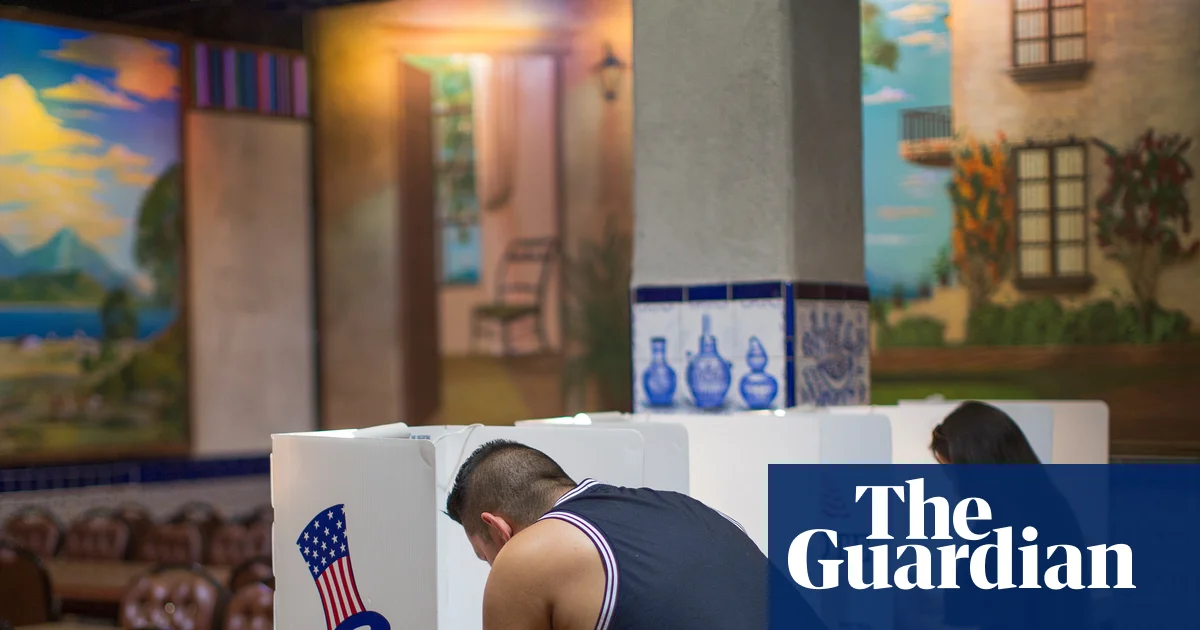
In an era where the United States remains polarized, the recent introduction of a bill in California reflects a decisive stance on safeguarding electoral integrity amidst mounting tensions. Sponsored by state senator Tom Umberg and co-authored by Sabrina Cervantes, this legislation aims to protect voters by barring federal immigration agents, notably ICE, from stationing themselves near polling places during the upcoming midterm elections. The bill explicitly forbids federal agents from conducting enforcement actions within 200 feet of voting locations, citing concerns about potential intimidation and interference. This move underscores how domestic policy decisions are intertwined with international narratives about sovereignty and the preservation of democratic norms.

The legislation arrives in a context where former President Donald Trump and right-wing figures like Steve Bannon have amplified narratives alleging widespread voter fraud—claims that have repeatedly been debunked but continue to fuel political strategies. Trump’s call for voters to “nationalize” and “take over” voting in at least 15 locations reflects an alarming willingness to blur the lines between federal authority and partisan interests. These claims, dismissed by election security experts and international observers, serve as a pretext for advocates like California’s lawmakers to assert state-level protections against what they see as federal overreach. Analysts warn that such rhetoric threatens to undermine confidence in electoral processes, with long-term impacts on the stability of democratic institutions.

Adding geopolitical weight to the debate, international organizations have expressed concern about the potential erosion of electoral legitimacy driven by internal conflicts and misinformation campaigns. Historians note that extreme measures taken to manipulate or influence elections often echo tactics used by authoritarian regimes to consolidate power. The bill’s expansion of buffer zones and voting protections signals a commitment to uphold democratic principles, yet critics argue it also feeds into a narrative of crisis—one that could justify further federal intervention or inspire similar measures across other U.S. states. As the country teeters on the edge of an electoral precipice, the decisions made today could reverberate through generations, shaping how sovereign nations grapple with internal conflicts and external pressures alike.

International observers and political analysts emphasize that the stakes extend beyond California’s borders. The geopolitical impact of these domestic policies is profound: they exemplify a broader trend where internal disputes over sovereignty influence global perceptions of America’s stability. Historically, moments of internal strife, whether through civil war or political crises, have had ripple effects that reach far into international stability. As U.S. leaders prepare for a fiercely contested midterm season, the unfolding story of electoral security and federal-state conflicts remains a dramatic testament to the fragile architecture of democracy itself. The pages of history continue to turn, and with each chapter, the weight of human aspiration and the specter of authoritarian temptation hang in the balance, warning the world that the fight for free elections is a battle for the soul of nations.

FBI and Minnesota cops probe ICE arrest that battered man’s skull

Investigation Unfolds Over Alleged ICE Assault in Minnesota

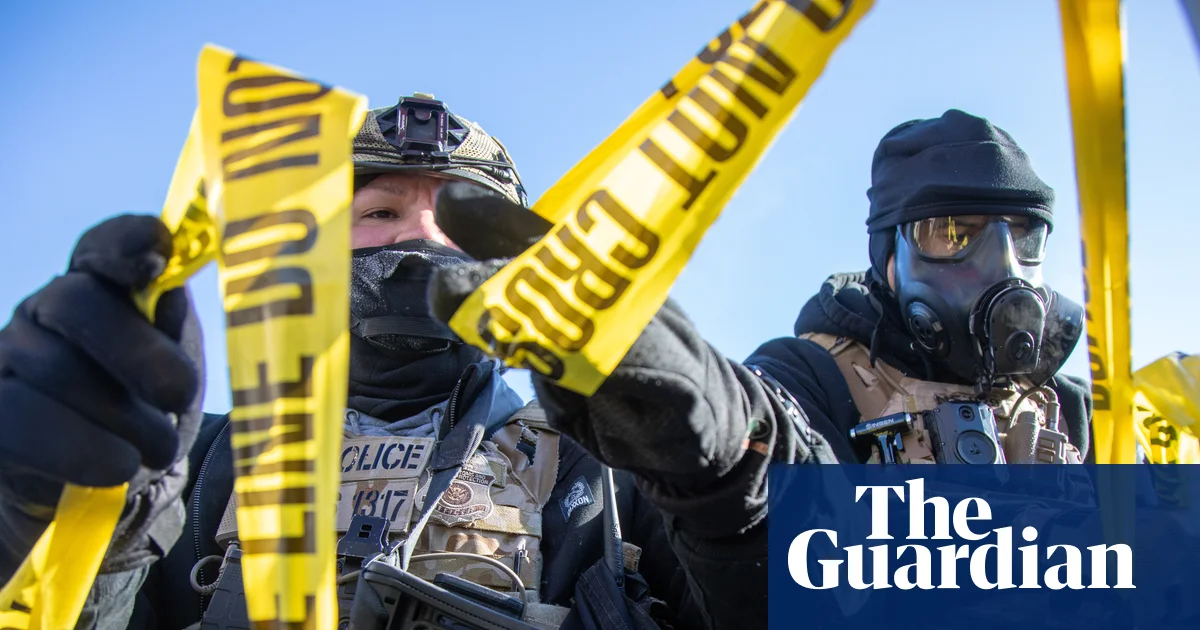
The recent incident involving Alberto Castañeda Mondragón, a Mexican national, has become a flashpoint in the ongoing debate over law enforcement conduct and immigration enforcement in the United States. Authorities in Minneapolis are investigating allegations that immigration officers from ICE brutally assaulted Castañeda Mondragón during a January arrest, resulting in severe skull fractures and life-threatening injuries. This case has ignited a global discussion about the abuses of power, racial profiling, and the lack of transparency surrounding immigration enforcement practices, raising critical questions about the consequences of aggressive policing tactics in a nation founded on the rule of law.

The facts surrounding the incident are under intense scrutiny. Witnesses and hospital reports indicate that Castañeda Mondragón sustained injuries incompatible with ICE’s narrative—claiming he attempted to escape handcuffs and hit his head on a concrete wall. Medical experts have dismissed this version, citing fractures across his skull that suggest levels of trauma inconsistent with a fall. Meanwhile, surveillance footage from nearby businesses, which could shed light on the events, appears to have been overwritten, hampering efforts by investigators. The FBI and St. Paul police are now probing the circumstances—yet a climate of suspicion persists, fueled in part by past abuses and controversies involving ICE officers.

This case is emblematic of broader geopolitical tensions that cross national borders. The United States has long been entangled in a complex and often controversial immigration policy, with critics accusing federal agencies of racial bias, misconduct, and systemic abuse. As analysts warn, these incidents can harden anti-American sentiment in Latin America and erode the legitimacy of U.S. justice, particularly when the global community increasingly views America’s immigration enforcement as a form of soft imperialism. The publicized misconduct not only jeopardizes U.S. diplomatic relations—especially with Mexico, whose citizens are disproportionately affected—but also fuels discontent and mistrust among immigrant communities within the country. The policies that govern immigration enforcement thus directly influence social cohesion, international perceptions, and geopolitical stability.

From the perspective of international institutions and historical critics, the controversy highlights a recurring pattern: yet another example where law enforcement agencies in the West are accused of crossing the boundaries of acceptable conduct, risking the erosion of civil liberties. The United Nations and human rights organizations have expressed concern over the increase in police brutality and controversial immigration raids, framing them as symptomatic of wider systemic failures. Some experts, including prominent historians, note that such incidents echo troubling chapters from the history of authoritarian state tactics—where perceived threats are harshly suppressed, often with minimal accountability. The relentless scrutiny sent through investigations and court proceedings becomes a challenge to the “culture of impunity” that persists in some law enforcement circles.

Crucially, this incident underscores the turning point in public awareness about civil rights versus national security priorities. As lawmakers and civic advocates demand increased transparency and accountability, the timing could not be more pivotal. The U.S. faces mounting pressure to reconcile its commitment to international human rights standards with its enforcement policies—an effort further complicated by internal political divisions and the influence of powerful security agencies. The case of Alberto Castañeda Mondragón might serve as a catalyst for reform or, conversely, deepen the cycle of secrecy and misuse of authority if unchecked. Ultimately, the unfolding drama encapsulates a core question: which principles will define the future of justice in a nation that claims to stand for liberty and equality but is haunted by its own shadows of violence and injustice? As history continues to be written, the world—and the victims of these encounters—wait for answers yet to come.

Homeland Security Forum: ICE Agents Spill the Tea on Internal Drama

The landscape of U.S. law enforcement is undergoing a profound shift, driven by advancements in technology and a reevaluation of strategic priorities. Federal agencies such as the Department of Homeland Security (DHS) and Customs and Border Protection (CBP) are increasingly leveraging innovative tools to expand their operational reach. However, this rapid growth is sparking vigorous debates about resource allocation, mission focus, and public trust. Industry analysts from Gartner and leading security think tanks warn that the aggressive deployment of surveillance and investigative technologies may disrupt traditional law enforcement paradigms, creating a complex web of ethical, operational, and political challenges.

The controversy intensifies as online forums and forums reveal a growing divide within enforcement communities and the broader public. Discussions on these platforms highlight how disruption in enforcement tactics—driven by advanced surveillance, data analytics, and undercover operations—are redefining what it means to ensure national security. Some voices argue that the targeting of political adversaries, including recent high-profile shootings and protests, may undermine operational integrity and citizen trust. Experts such as MIT cybersecurity specialists emphasize that this new era demands a careful balance; unchecked technological overreach could lead to loss of privacy, civil liberties, and legitimate operational effectiveness.

Business implications are equally significant. As the U.S. government increases investment in advanced intelligence platforms, AI-driven investigative tools, and decentralized command structures, private sector innovators are racing to fill the void. Companies specializing in facial recognition, biometric analysis, and encrypted communications are seeing unprecedented growth—highlighting a market shift that threatens to consolidate power within a handful of tech giants. Meanwhile, some critics, including industry watchdogs and civil liberties advocates, warn that this concentration could foster authoritarian tendencies and stifle innovation through over-regulation. It is clear that the industry must navigate a treacherous terrain: fostering disruptive advances while safeguarding constitutional rights and competitive markets.

The future trajectory of this evolutionary cycle depends heavily on how policymakers and industry leaders respond to these challenges. Gamers like Elon Musk and economist Peter Thiel have long advocated for public-private partnerships that promote transparency and responsible innovation. Experts from institutions like MIT argue that emerging technologies—particularly AI and machine learning—offer unprecedented disruption potential, enabling agencies to anticipate threats proactively and dismantle illicit activities with greater precision. Yet, the warning remains: *failure to adapt responsibly* could accelerate *societal divisions*, reduce public confidence, and stymie technological progress itself.

As the government doubles down on integrating these disruptive innovations into the national security fabric, stakeholders must recognize that the pace of change is relentless. The window for proactive regulation, strategic investment, and ethical oversight is closing rapidly. The path forward hinges on a balanced approach—harnessing the disruptive power of emerging tech to safeguard freedom and stability, while avoiding overreach that could lead to unintended consequences. The evolution of law enforcement and security technology is not just a matter of national interest — it is a decisive turning point shaping the future of American innovation and liberty.

Rhode Island ice rink shooting claims two lives, raising serious concerns

Mass Shooting at Pawtucket Ice Rink: A Reflection of America’s Deepening Crisis

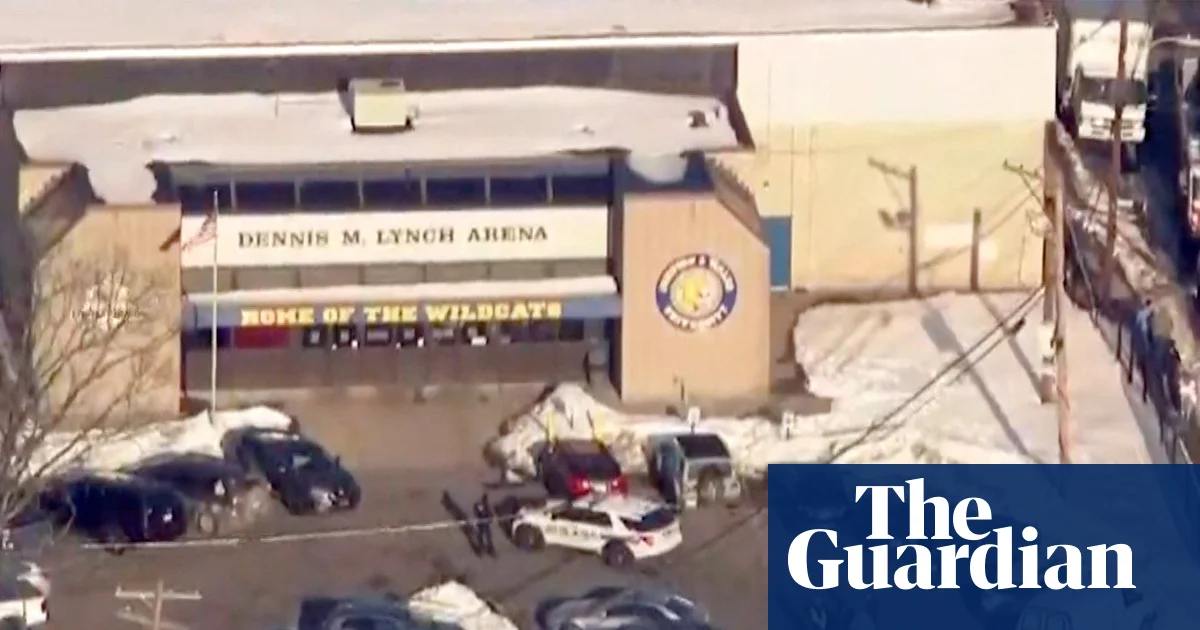
In what marks yet another tragic chapter in the ongoing crisis of domestic gun violence, a mass shooting erupted at an indoor ice rink in Pawtucket, Rhode Island, highlighting the fragility of safety even in community sports environments. According to reports, at least two individuals lost their lives—one confirmed dead at the scene and another victim succumbing to injuries in the hospital. The suspect, who opened fire during a youth hockey game, was ultimately killed by law enforcement, leaving a chilling reminder of how societal tensions continue to spill into communities.

The incident, which unfolded during a boys’ hockey match between local schools, underscores a disturbing trend of violence infiltrating settings traditionally associated with innocence and development. Eyewitness accounts indicate that gunfire erupted from behind the stands, with reports noting that the shooter wielded at least two weapons. In a display of quick-thinking and civic responsibility, a local father is credited with heroism—disarming the attacker, thereby preventing further loss of life, amidst the chaos. Such acts of bravery are notable amid the rising toll of firearm-related violence, which remains a divisive and intractable issue across American society.

The geopolitical impact of this domestic tragedy extends far beyond the borders of Rhode Island. As America grapples with this recurring crisis, international observers and analysts are noting a divergence within American society—particularly among younger generations—on issues of gun rights and safety policies. Prominent political figures and organizations such as the Gun Violence Archive and the Brady Campaign continue to call for stronger gun control measures, yet legislative stagnation persists, fueling concerns of vulnerability and societal decay. The imagery of school and community shootings is becoming a grim symbol of America’s failure to balance individual rights with collective safety, affecting the nation’s global reputation and internal cohesion.

Historians and security analysts warn that such acts of violence are symptomatic of deeper societal and political fissures. Some experts suggest that without comprehensive reform—contrasted starkly against the constitutional protections revered by many—America risks continued internal destabilization. The international community, especially in regions dealing with conflicts or authoritarian regimes, views America’s internal convulsions with a mixture of concern and skepticism. Their latest reports underscore how internal strife at home can erode America’s moral authority on the world stage, weakening the very institutions that undergird international stability and democracy.

As Joe Biden and his administration face mounting calls for intervention, the debate sharpens around the question of how nations adapt to a society increasingly fractured by violence. Will policy shifts come, or will partisan discord deepen? The image of a hero father disarming a shooter amid tragedy exemplifies the unpredictable human toll of this crisis—a reminder that in times of chaos, action and resilience go hand in hand. Still, the specter of gun violence persists as a shadow over the future, challenging policymakers and society alike to confront uncomfortable truths.

In this unfolding narrative of crisis and response, the significance reaches beyond a lone act of violence in Pawtucket. It embodies the broader struggle for nationwide cohesion, security, and identity. The coming months will reveal whether America will choose to address its internal fractures or continue down a path where history’s harrowing lessons are repeated. The world watches as the story of this small town’s tragedy becomes a chapter in an ongoing saga of societal upheaval—a testament to the fact that in the grand chessboard of global power, the stability of its individual nations remains the foundation upon which world order is built. The question remains: how will history judge this moment? And how much longer before similar tragedies echo across borders, rewriting the global narrative once again?

Ireland’s Irish Airport Used for ICE Palestinian Deportation Flights Sparks Concern

Deportation Flights and Ireland’s Role: The Geopolitical Ripple Effect

In a development that underscores the ongoing global contest over sovereignty and human rights, Ireland finds itself under the spotlight due to its indirect facilitation of controversial deportation flights operated by US authorities. Contrary to initial official statements, recent investigations reveal that planes associated with the Donald Trump administration, specifically private jets owned by wealthy donors, refueled at Shannon Airport en route to deport Palestinians from the United States to Israel. This revelation has ignited a fierce debate within Irish political circles and a stark reflection of how international decisions impact national sovereignty and societal morality.

The flights, operated by a Florida-based aviation company, used a private jet owned by Gil Dezer, a prominent supporter of Trump with close ties to the Republican establishment. The aircraft facilitated multiple deportations, with individuals shackled during flight, allegedly transferred to the West Bank after arriving in Tel Aviv. The Irish government initially claimed ignorance, asserting that the flights did not require prior approval due to their non-traffic purpose. However, opposition voices argue that as a nation that maintains a neutral stance, Ireland must scrutinize the international implications of its airports. Politicians such as Roderic O’Gorman and Patricia Stephenson have called for accountability, warning that, “Ireland cannot in any way be complicit in these ICE flights.”

Geopolitical Impact: A Broader Perspective

While Irish officials emphasize procedural neutrality, this incident exposes a broader, more troubling picture of how transnational agencies are leveraging international infrastructure for controversial policies. Experts and international organizations such as Human Rights First have criticized the deportation of individuals to conflict zones, emphasizing the human rights violations implicated. Dezer’s jet, dubbed his “favourite toy,” has been involved in flights that track to unstable and conflict-ridden regions, raising questions about how border control policies are applied across borders and what role private entities play in implementing government mandates. The geopolitical impact intensifies as other nations observe how established frontiers of sovereignty are being undermined by secretive operations, potentially paving the way for a precedent that global power dynamics are increasingly influenced by private wealth and international loopholes.

Internationally, this controversy feeds into an ongoing narrative about the erosion of moral boundaries in pursuit of national security interests, spurring warnings from historians and analysts who consider these actions a catalyst for future conflicts. As Europe grapples with its own migration policies, critics warn of a trickle-down effect where private actors are used to bypass ethical standards. Meanwhile, U.S. policymakers face mounting pressure from both sides of the ideological spectrum, with civil liberties activists decrying what they see as a dangerous extension of executive power into private operations that evade full transparency and accountability.

Conclusion: An Unfolding Chapter in a Global Struggle

Ultimately, what transpired at Shannon Airport and along the route to Israel underscores a pivotal moment that could redefine international norms. As Ireland navigates the delicate line between neutrality and participation, the weight of history continues to build. Will this small nation stand firm against the tide of clandestine operations, or will it become an unnoticed conduit for the machinations of global powerhouses? The answer remains elusive, yet the realization is clear: the future of international justice and sovereignty hangs precariously in the balance, awaiting the next chapter written by those who dare to shape the course of history itself.

Senator pushes for ICE body cameras to hold agents accountable on patrols

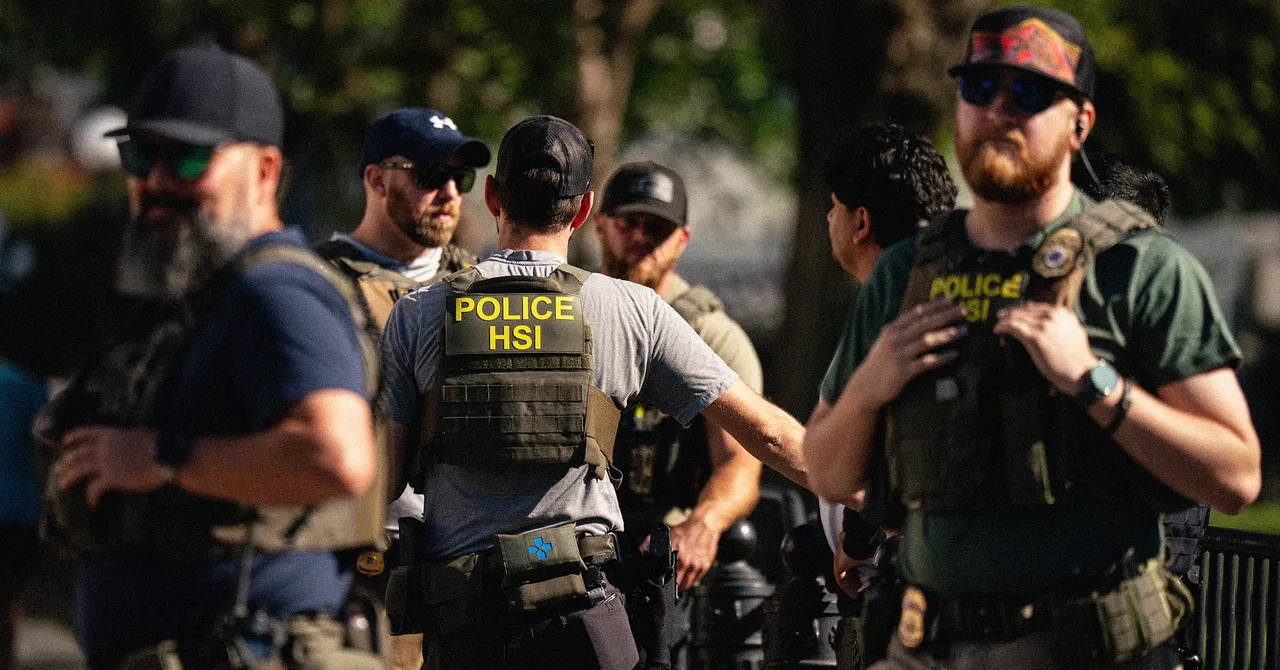
In a landscape marked by relentless shifts in domestic policy and global strategic interests, the ongoing debate over immigration enforcement in the United States underscores a broader contest over sovereignty, civil liberties, and national security. Recently, discussions within Capitol Hill have centered on the future of Immigration and Customs Enforcement (ICE), with Republican and Democratic factions locked in a tension that reflects both internal U.S. political struggles and its implications for international stability. The proposal to equip ICE agents with body cameras, suggested by Senator Ron Johnson of Wisconsin, exemplifies a fragile compromise aimed at appeasing critics while maintaining the continent’s broader immigration objectives.

This debate carries profound geopolitical impact. On one hand, the push for transparency and accountability—such as mandates for body cameras, proper identification, bans on masks, and rules governing use of force—serves as a tactical move to quell domestic unrest and demonstrate a commitment to civil liberties. On the other hand, critics argue that these reforms risk hampering effective border enforcement, potentially emboldening illegal crossings by allowing unchecked activity and exposing agents to targeted violence, as claims of protesters ramming cars and shooting at officers suggest. Historian Dr. David Livingston warns that such internal strife can distort America’s image abroad, complicating relationships with allied nations and destabilizing regional security dynamics, particularly along the US-Mexico border, where migration remains an incendiary topic amidst broader regional crises.

Furthermore, the demands for judicial warrants and restrictions on roving patrols highlight a fundamental ideological clash that goes beyond borders. While Democrats push for reforms designed to limit excessive force and curb abuses, critics like Senator Johnson contend that these procedures threaten the enforcement of migration laws, claiming that they are “sneaky” tactics meant to impede President Trump’s immigration agenda. According to analysts from the International Crisis Group, such internal divisions over law enforcement strategies threaten to weaken the US’s capacity to project control over its borders—an issue that resonates with emerging power struggles globally. As countries like China and Russia seek to fill diplomatic vacuums, Washington’s perceived internal chaos may undermine its influence and credibility, emboldening adversaries eager to challenge the global order.

Meanwhile, the legislative gridlock and the narrow window of continuing funding for homeland security exposes a broader vulnerability. The Senate and upcoming House debates risk turning into symbolic battlegrounds of ideological rivalry, with each side accusing the other of chaos, mismanagement, or unconstitutional overreach. Historians predict that such internal clashes are a precursor to larger shifts in American strategy—either toward a more open, reform-driven approach or a renewed focus on strict border control and military preparedness. The International Monetary Fund and United Nations watchdogs watch closely, aware that the stability of the U.S. is a linchpin of world stability.

As history continues to unfold, the decisions made in Washington will not remain confined within legislative chambers. They will ripple across oceans, influence global alliances, and redefine the balance of power in an era where geopolitical influence is as much about ideologies and borders as it is about military strength and economic might. With each negotiation and protest, the United States stands on a tightrope, its future teetering between chaos and order—a story still being written, with consequences far beyond its shores.

Bad Bunny Takes a Stand: Says 'ICE Out' After Grammy Win
Bad Bunny Takes a Stand: Says ‘ICE Out’ After Grammy Win

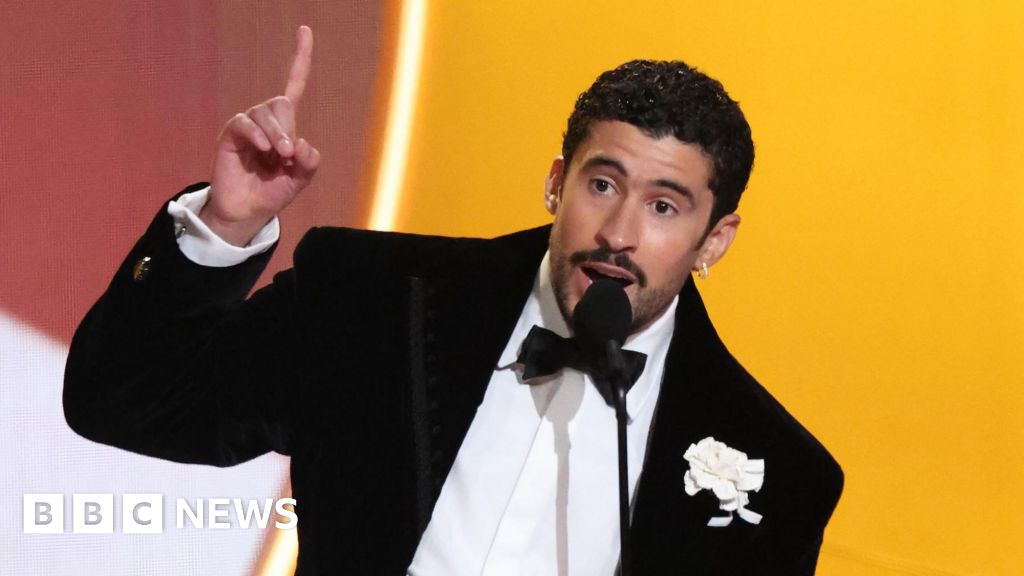
The recent surge of international attention surrounding a prominent Puerto Rican artist, poised to win the Album of the Year award, represents more than just a cultural milestone. In an era where pop stars serve as influential voices on political and social issues, this artist’s involvement signals an important intersection of entertainment and geopolitics. While the music industry often reflects societal trends, the implications of such a public figure adopting a political stance extend well beyond entertainment, impacting diplomatic narratives and national identities across the Caribbean and beyond.

Analysts emphasize that the artist’s palpable political engagement can significantly influence geopolitical perceptions. The Caribbean region, historically a crossroads of colonial powers and emerging independence movements, sees its cultural icons increasingly involved in shaping international discourse. Moreover, with the artist’s anticipated win, global institutions and nations are watching how this influence might translate into tangible diplomatic shifts. Certain international observers, including historians specializing in Latin American affairs, argue that when cultural figures mobilize around political issues, they often serve as catalysts—either amplifying local sentiments or challenging established authority structures. Such moments can redefine regional alliances and prompt foreign policymakers to recalibrate their approaches toward Puerto Rico and its cultural exports.

Despite the celebratory view of the artist’s success, critics warn that this bold political stance heralds complexities. The U.S. federal government’s ongoing debates regarding Puerto Rico’s political status, including issues of sovereignty and statehood, are embedded in this cultural backdrop. The artist’s prominence could galvanize diverse political factions on the island, rekindling conversations about independence and autonomy. International organizations, such as the United Nations, have long considered Puerto Rico’s status a matter of decolonization, and this individual’s influence may add fresh momentum or tension to those discussions. As political theorists note, public figures who align with specific ideologies often shape societal debates, influencing the balance between cultural pride and political allegiances.

Historically, artists have played pivotal roles in shaping international perceptions through their work and activism, but the current context signifies something more profound. As global powers watch how this cultural icon’s stance unfolds—potentially a reflection of shifting allegiances or internal divisions—the ripple effects will likely extend to diplomatic corridors. Industry experts and international analysts warn that this phenomenon exemplifies a broader trend: cultural influence increasingly intertwining with geopolitical strategy. Ultimately, as history continues to be written in the charged atmosphere of cultural diplomacy, the question remains whether Puerto Rico’s latest musical star will serve as a unifying symbol or a catalyst for further division—an enduring reminder that, in today’s international arena, the power of the individual is transforming the landscape of global relations.

Young Boy, 5, and Dad Reunited with Minnesotan Family After ICE Detention

In a recent development that has garnered significant attention across multiple continents, U.S. Congress sources confirmed the release and safe return of Liam Conejo Ramos. The young individual was reportedly found at home with his hat and backpack, sparking a wave of international commentary about security, diplomatic relations, and societal stability. While the details surrounding Ramos’s detention remain opaque, analysts suggest that this event could serve as a catalyst for broader geopolitical shifts, particularly within the context of regional influence and national security policies.

The news arrives amidst a complex landscape of global tensions, where nations are increasingly scrutinizing each other’s internal affairs under the guise of security concerns. The circumstances of Ramos’s detention and subsequent release raise critical questions about the interplay between law enforcement, civil liberties, and international diplomacy. Several prominent international observers, including representatives from The United Nations and European Union, have begun to analyze whether this incident reflects larger patterns of government overreach or a strategic move within global power struggles. Historically, such incidents tend to act as flashpoints that expose underlying vulnerabilities in the consistency and transparency of governments on the world stage.

From a broader geopolitical impact, the incident underscores how regional conflicts and policy decisions are increasingly influenced by interconnected domestic and international factors. Countries are watching closely, assessing how different authorities handle such sensitive situations as evidence of either stability or chaos. While the immediate focus is on Ramos’s welfare, the case also prompts a reevaluation of diplomatic strategies, especially in regions where political tensions are high. Many international analysts contend that these incidents are not isolated but are embedded within more extensive cycles of mistrust, ideological divergence, and shifts in power dynamics—each decision echoing through corridors of influence and society alike.

Historian and geopolitical analyst Dr. Emilia Santos remarked that historically, such events tend to serve as turning points that shape the course of history. “Every incident involving detention or release, especially when it involves young individuals amid broader security concerns, becomes a part of the narrative that nations tell about their identity and integrity,” she explained. Similarly, institutions such as the International Crisis Group warn that these moments, while seemingly localized, could influence future policy frameworks that determine the international order. As the global community reevaluates its priorities and alliances, one thing remains clear: the decisions made today will write the stories of tomorrow, and history’s pen continues to move forward, often in ways that no one can foresee.

With Ramos back at home and the world watching, the question persists: How will this incident redefine the boundaries of diplomacy and security? As the shadows of uncertainty stretch across the international landscape, the unfolding chapters of this story hold the weight of history—all waiting to be written. The choices made in this moment will resonate for generations, shaping the future of nations, societies, and the global order itself—an enduring testament to the perpetual flux of geopolitical power, where today’s actions forge the pages of tomorrow’s history books.

Chicago Mayor demands probe into suspected illegal ICE operations in the city

Chicago’s Bold Stand: A Microcosm of the U.S. Immigration and Federal Power Battle

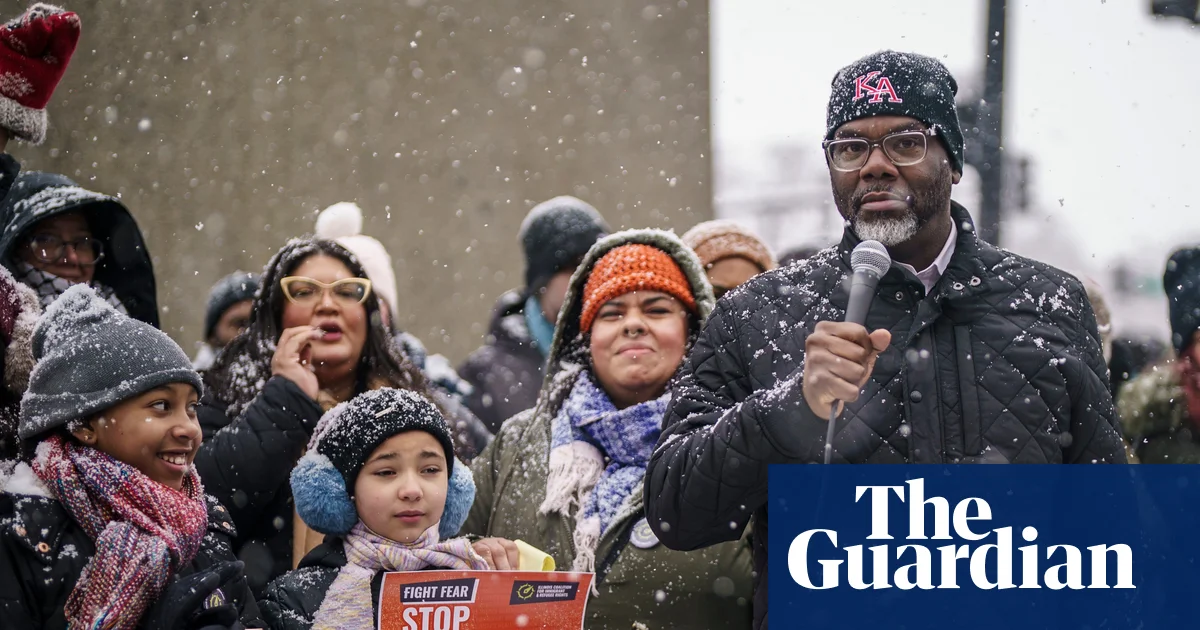
In a move that underscores the escalating tensions between local authority and federal enforcement, Chicago’s mayor Brandon Johnson has launched a direct challenge against the federal government by instructing police to investigate and document alleged illegal activities by ICE agents within the city. This decision, encapsulated in the order titled ICE on Notice, positions Chicago as a leader among American cities resisting what many analysts characterize as overreach by federal immigration authorities. The mayor’s declaration that “nobody is above the law” underscores a broader pushback against federal statutes perceived as infringing on local sovereignty — a confrontation that resonates across the United States and signals a potential realignment of power dynamics within the nation’s federal system.

This local initiative arrives amid profound judicial and political currents. Just days prior, a federal judge rejected Minnesota’s attempt to block continuing immigration crackdowns, dismissing arguments that such initiatives violate the 10th Amendment— a landmark ruling reinforcing federal supremacy over state powers in immigration enforcement. The federal government maintains that immigration is a matter under its exclusive jurisdiction, often citing national security and border integrity. Yet, Chicago’s stance exemplifies a rapidly growing resistance from cities that believe their political and social fabric cannot be compromised by federal incursions. With activists and local officials asserting that federal operations have violated rights and destabilized communities, Chicago’s move is likely to inspire similar measures nationwide, sparking a new chapter in the ongoing debate over sovereignty and law enforcement authority.

Engineering a New Geopolitical Battlefield

  • Chicago’s executive order aims to formalize police procedures for monitoring and potentially challenging federal agents engaging in operations deemed illegal or excessive.
  • It underscores the importance of local oversight in an arena traditionally dominated by federal agencies, such as ICE and CBP.
  • Officials argue that federal immigration operations have infringed on community rights and have been shielded from accountability — unleashing a wave of protests and legal battles that further complicate the fabric of American federalism.

International scholars and think tanks now watch this dynamic with heavy interest, as such local crises threaten to reshape the geopolitical landscape of the United States. Universities like Harvard and analysts from the Council on Foreign Relations have indicated that America’s internal power struggles could weaken the country’s global standing. When local governments challenge federally defined borders of authority, it weakens the perceived stability of the U.S. constitutional order, creating ripples that extend well beyond national borders. With immigration policies at the center of this storm, some international partners and competitors see an opening to question America’s credibility on the world stage, especially as internal divisions deepen and civil unrest simmers.

Implications for Society and Future Governance

At the societal level, Chicago’s move and the broader resistance against federal immigration initiatives symbolize a fierce assertion of local interests and a pushback against perceived federal tyranny. City officials have voiced concerns that increased ICE operations have escalated conflicts, risked constitutional rights, and strained community relations. Their efforts to curb federal overreach by asserting local authority could establish a precedent for other cities, catalyzing a decentralization of immigration enforcement and lawmaking.

Meanwhile, President Biden‘s administration and federal agencies remain committed to asserting federal supremacy, citing the need for uniform national policies. But as politicians on both sides of the aisle debate the constitutional boundaries, the seeds of a constitutional crisis plant themselves deeply within American politics. Historically, such conflicts tend to accelerate societal polarization and threaten the stability of the nation’s constitutional order, especially when key states and cities challenge federal authority. The ongoing power struggle foreshadows a potential transformation of America’s political landscape, where sovereignty is increasingly fragmented, and the global image of a unified nation begins to fracture.

As this narrative unfolds, the underlying questions loom large: Will the tide of decentralization weaken the legal fabric holding the republic together? Or will federal authority tighten its grip, leading to a defining clash for the future of American governance? The echoes of history remind us that moments of profound transition are often marked by chaos and upheaval — a stark reminder that the course of a nation’s destiny is, in many ways, still being written, with each decision leaving an indelible mark on the pages of history.

Social Media Auto Publish Powered By : XYZScripts.com