Matox News

Truth Over Trends, always!

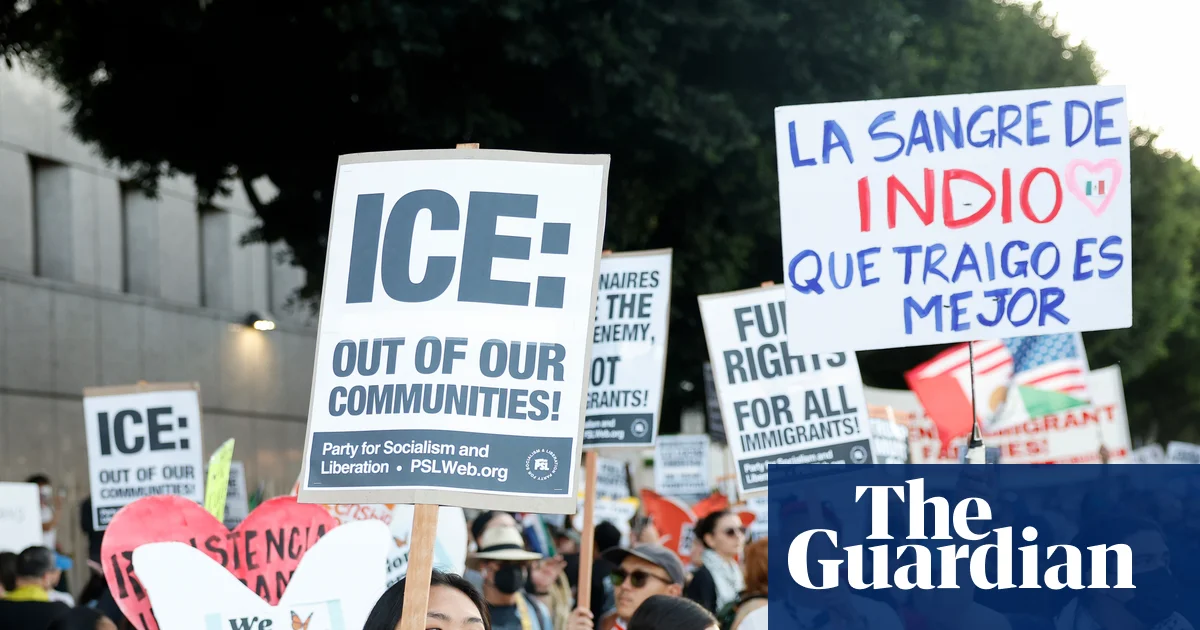
LA Declares Emergency to Shield Families from ICE Raids

The United States continues to demonstrate its willingness to prioritize domestic immigration enforcement over social stability, with the recent declaration of a state of emergency by officials in Los Angeles County. This move underscores a profound shift in how local governments are responding to the federal government’s aggressive crackdown on undocumented immigrants, which has sparked widespread unrest and destabilization across the region. The LA authorities have authorized measures to provide financial relief to residents impacted by the raids, including rent assistance and potential legal aid, framing the local response not only as an act of compassion but also as a stark rebuke to national immigration policies perceived as detrimental to community cohesion.

Since June, the federal government’s intensified enforcement—marked by mass arrests at workplaces, transportation hubs, and public spaces—has turned Los Angeles into a battleground of political and social conflict. Federal agents, operating under the jurisdiction of the U.S. Department of Homeland Security, have detained thousands, including US citizens, prompting a crisis of trust and heightened fear among millions of residents. Analysts note that this escalation is a clear reflection of the federal administration’s prioritization of border security and immigration control over the social fabric of immigrant communities. Such actions have not only triggered protests but also pointed to a broader geopolitical stance where the assertion of sovereignty and law-and-order priorities factored heavily into domestic policy debates.

The decision by Los Angeles County officials to declare an emergency—by a narrow 4-1 vote—signifies a direct response to the perceived failure of the federal government to safeguard community stability. Critics warn that this move could ultimately deepen the divide, with critics like Supervisor Kathryn Barger voicing concerns over legality and fairness, fearing potential lawsuits reminiscent of past eviction moratoria during the COVID-19 pandemic. The situation vividly illustrates how local leaders are increasingly caught between the demands of federal policy and the pressing needs of their constituents, often leading to contentious debates about law, order, and human rights. As the region faces mounting economic and social tensions, the broader question emerges: **how long can communities endure the strain of federal policies that seem detached from the realities on the ground?**

Historically, similar crises have reinvigorated debates about sovereignty, legal rights, and the social contract—topics that resonate globally in an era marked by geopolitical tension and internal destabilization. International organizations, such as the United Nations, have long warned about the destabilizing effects of unchecked immigration enforcement, which often threatens social cohesion and invites international scrutiny. Meanwhile, many geopolitical analysts argue that these domestic policies reflect a broader trend where regional and local governments increasingly assert authority in the face of national directives, creating a fragmented landscape of governance within influential nations like the United States. The unfolding crisis in Los Angeles offers a stark tableau of how internal policies can ripple outward, influencing international perceptions of stability and rule of law.

As this chapter in American history continues to be written, its outcome remains uncertain, yet the underlying narrative is clear: decisions by governments today hold the power to shape societies for generations to come—either forging resilient communities or sowing the seeds of lasting discord. The weight of this moment is felt globally, a reminder that history’s most pivotal moments often begin with local decisions, whose reverberations echo far beyond the borders of any one city. With each passing day, the question persists: will justice and security prevail, or will these turbulent times usher in a new era of instability and division?
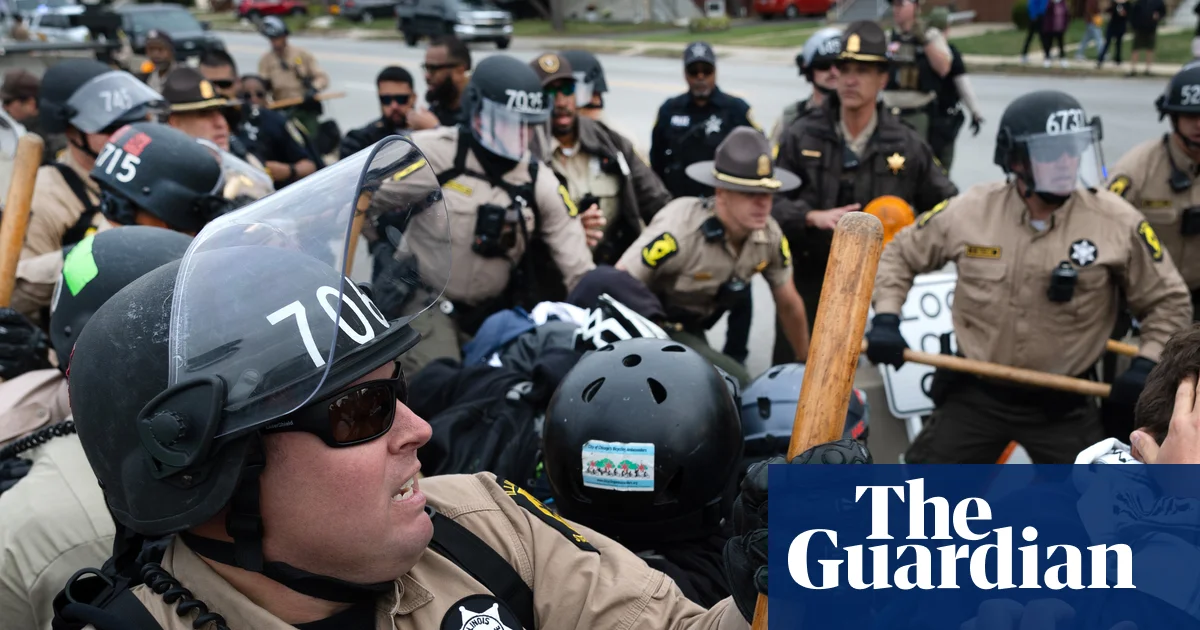
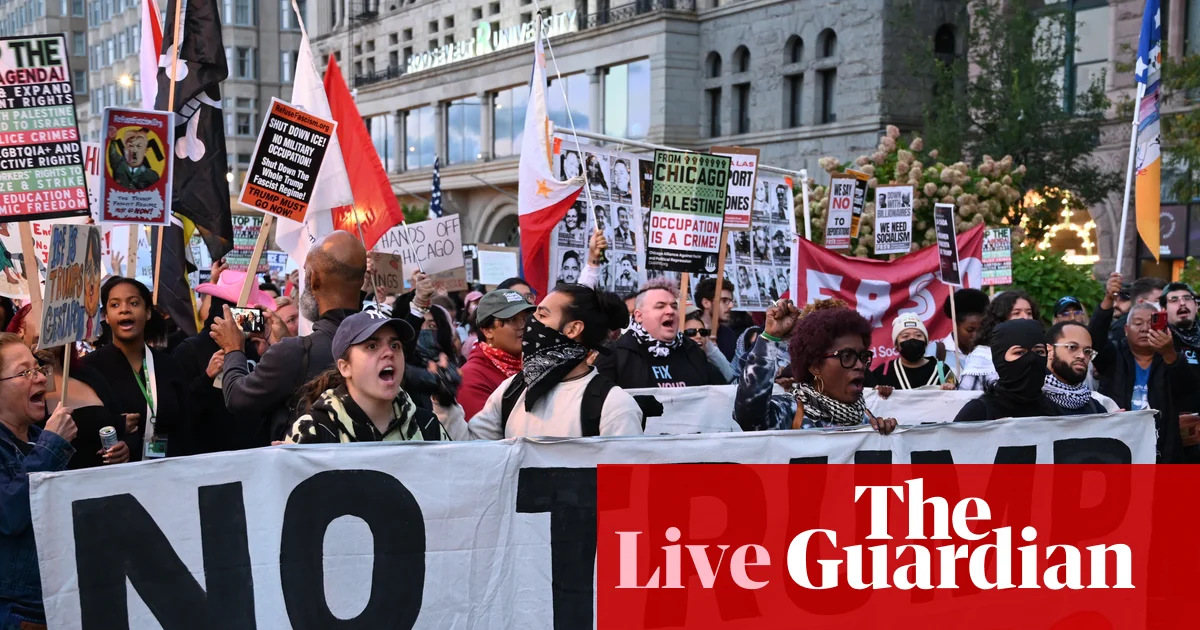
Chicago TV reporter assaulted and detained during ICE raid

Rising Tensions in Chicago: Immigration Enforcement and Civil Unrest

Recent incidents in Chicago have unleashed a wave of public outrage and international concern over the escalation of immigration enforcement tactics within the United States. The violent arrest of Debbie Brockman, an employee of WGN, captured on numerous videos, exemplifies the increasingly aggressive approach deployed by federal agents under the directives of the Biden administration and in coordination with U.S. Homeland Security. Detained amid protests in the city’s Lincoln Square neighborhood, Brockman’s arrest has ignited debates about civil liberties and the geopolitical implications of domestic law enforcement practices in an era of shifting immigration policies.

This incident, where bystanders recorded agents forcibly taking Brockman to a van amidst chants condemning their actions, underscores a broader tension over immigration enforcement—particularly the intensified efforts underway since former President Trump’s administration left a lasting impact on immigration policy. Analysts warn that such aggressive tactics risk fueling social divisions, both domestically and internationally. The operation’s perceived overreach has drawn sharp criticism from civil rights groups and local residents, who described it as “horrifying” and “frightening.” These events are symptomatic of a nation grappling with the consequences of politicized border policies—policies that increasingly resemble the hardline stance of Mexico’s neighbors to the south, or even border conflicts seen elsewhere in the world.

While officials from Homeland Security justify their actions by citing claims that Brockman and others posed threats—accusing her of assaulting officers—the broader geopolitical impact extends beyond mere allegations. The incident occurs amidst a climate of heightened tension over immigration, which oscillates between enforcement and accommodation. International observers, including HR organizations, warn that the unchecked use of force on American citizens jeopardizes the country’s reputation as a beacon of liberty and justice. The unusual timing, shortly after prosecutors dropped charges related to protests outside an immigration detention center, signals a possible shift toward more confrontational tactics reminiscent of authoritarian regimes.

  • The U.S. Federal Government intensifies immigration raids, prompting protests and legal challenges.
  • Local communities in Chicago and across the country express fears of civil liberties violations amid broader anti-immigration sentiment.
  • International institutions like Amnesty International and the United Nations observe and critique these developments, warning of potential human rights concerns.

As historians note, these domestic conflicts are not isolated—rather, they reflect a larger geopolitical realignment that will influence global perceptions of American resolve and values. The decision to prioritize harsh enforcement under the guise of national security reveals a nation at a crossroads, where internal social unrest and external diplomatic stability are intertwined. How the United States navigates this turbulent chapter will leave a lasting mark on the fabric of its democracy—either as a proud defender of freedom or a cautionary tale of descent into division and authoritarianism.

In this high-stakes game of geopolitics and internal sovereignty, history is watching. With each detention, protest, and legal challenge, the narrative of nationhood in the 21st century continues to be written—sometimes by the voices of the oppressed, sometimes by the relentless machinery of state power. The world now stands at the edge of a new chapter, where the choices made in Chicago and across the nation will resonate for generations to come, shaping the legacy of a society torn between security and liberty—and the inexorable march of history.

National Guard Deployed to Shield ICE and Federal Sites in Chicago — US Politics Live

Geopolitical Shifts and Domestic Turmoil: The Rising Tide of U.S. Security Interventions

In an unprecedented move that underscores the intensifying internal divisions within the United States, recent reports reveal the deployment of National Guard troops in Chicago and Memphis, tasked with protecting federal property amid mounting violence and political unrest. The Biden administration’s decision to activate approximately 500 troops—200 from Texas and 300 from Illinois—for a 60-day operation signifies a significant escalation in the direct federal intervention in domestic affairs. This deployment, aimed at securing Immigration and Customs Enforcement (ICE) facilities and other federal assets, has ignited a fierce political debate, with critics viewing it as a troubling overreach by federal authorities, while supporters frame it as necessary for national security.

The domestic destabilization has further polarized the political landscape, with figures like former President Donald Trump calling for the imprisonment of Chicago’s mayor Brandon Johnson and Illinois Governor JB Pritzker, accusing them of outright neglect toward law enforcement officers. Trump’s rhetoric, posted on Truth Social, blamed local officials for alleged failures to safeguard ICE personnel, further politicizing what many see as an erosion of state and local autonomy. The deployment of troops despite protestations from Illinois officials raises serious question marks about federal-state relations, highlighting the widening divide in governance philosophies. Historians warn that such actions echo past moribund episodes of federal overreach, threatening the delicate balance that underpins American federalism.

On the international stage, U.S. President Donald Trump announced a “tentative deal” between Hamas and Israel aimed at halting Gaza hostilities and securing the release of prisoners. While praise poured in from Republican lawmakers celebrating a purported breakthrough in Middle Eastern peace efforts—some suggesting Trump’s candidacy for a Nobel Peace Prize—Palestinian Americans and Middle East analysts expressed deep caution. The agreement includes an Israeli withdrawal from Gaza and involves a complex prisoner exchange, but many experts underscore the fragility of such ceasefires, especially without addressing underlying grievances. The Middle East, a geopolitical cauldron, demonstrates the unpredictable consequences of American diplomatic interventions that oscillate between efforts at peace and the risk of reigniting regional conflicts.

Simultaneously, in the hemisphere, Brazilian President Luiz Inácio Lula da Silva revealed that U.S. Secretary of State Marco Rubio contacted Brazil’s foreign minister concerning tariffs—an example of U.S.-Latin America diplomatic maneuvering. Lula’s surprise at the call reflects ongoing tensions over trade policies, highlighting how U.S. economic diplomacy continues to influence Latin American affairs. As the global order faces mounting challenges—from destabilized regions in the Middle East to internal divisions in the U.S.–the ripple effects threaten to reshape alliances, trade, and stability. Historically, international analysts emphasize that these decisive moments in foreign diplomacy cast long shadows on future prospects for peace and power dynamics.

As Congress and courts across the nation grapple with questions about the legality of deploying military personnel domestically, the weight of history presses heavily on the unfolding events. The deployment in Chicago and Memphis signifies a pivotal point—either a step toward restoring order or a warning sign of descending chaos. The decisions made today will reverberate for generations, determining whether the United States remains a nation rooted in constitutional principles or plunges into a conflict fueled by internal discord and external entanglements. The pages of history are turning, and what emerges on the other side will define the destiny of a nation caught between the weight of its ideals and the harsh realities of a fractured society.

Exploring the lab where scientists unlock Earth's ancient ice secrets
Exploring the lab where scientists unlock Earth’s ancient ice secrets

Unveiling Earth’s Deep Climate History: The Antarctic Ice Cores

In a groundbreaking effort that underscores the relentless pursuit of knowledge, scientists from the British Antarctic Survey have successfully extracted and analyzed ice cores from the depths of the Antarctic ice sheet. These cores, drilled down to a staggering 2.8 kilometers, represent a chronological window extending back over 1.5 million years. With each segment carefully melted and examined, researchers hope to piece together a comprehensive environmental history that spans both glacial and interglacial periods — a veritable timeline of Earth’s climatic evolution. As the oldest ice samples ever retrieved for scientific study, these cores may fundamentally reshape our understanding of natural climate variability and human impact on the environment.

From the Coldest Continents to Global Policy: The Geopolitical Impact

The research into ancient ice cores has profound geopolitical implications. In recent years, nation-states, particularly those involved in polar research such as Australia, the United Kingdom, the United States, and China, have intensified efforts to secure influence over Antarctica’s vast and largely unclaimed territory. According to analysts at the International Institute for Strategic Studies, the continent is becoming a flashpoint—not for conventional conflict, but for strategic dominance rooted in resource access and environmental leadership. Decisions made today about scientific cooperation and territorial claims will shape regional alliances and global power balances. This latest venture into the Antarctic’s oldest ice not only aims to decode climate history but also signals the importance of scientific sovereignty in an era marked by intense geopolitical competition.

How These Findings Influence Societal and Environmental Policies

The knowledge gleaned from this 1.5-million-year-old ice has the potential to trigger policy shifts worldwide. Climate skeptics and alarmists alike watch these discoveries with keen interest, as they provide empirical data crucial for debates on human influence and future climate resilience. Historians like Dr. James Fleming note that understanding the natural cycles that have oscillated over millennia can better inform international efforts like the Paris Agreement. Yet, critics warn that such deep-time data must be integrated cautiously, lest it be exploited to advance economic or political agendas under the guise of environmental stewardship. The melting of these ancient ice cores symbolizes a pivotal juncture: either humanity will confront the long-term patterns of Earth’s climate with clarity or stumble into future crises driven by ignorance and short-term priorities.

The Unfolding Narrative of Earth’s Climate Legacy

As the last fragments of these primeval samples are melted for analysis, a story as old as Earth itself begins to reveal its secrets. Scientists, historians, and policymakers stand at a crossroads—faced with the responsibility to interpret this critical epoch with prudence. The outcomes of this research could dictate the course of environmental policies for decades to come, determining not only how humanity perceives its past but how it safeguards its future. Yet, amid the hum of drills and melting ice, the shadows of uncertainty loom: the climate of tomorrow is still being written in the ancient ice beneath our feet, a silent witness to the ongoing saga that will forever define mankind’s relationship with planet Earth.

Pokémon Company denies involvement in ICE raid video featuring theme song

Power Struggles and Cultural Battles: The Modern Political Arena

In an era where politics has evolved into a fierce battleground of ideologies and media influence, the recent controversy surrounding the Pokémon Company International exemplifies how cultural institutions are increasingly entwined in national conflicts. The company publicly stated it was not involved in the creation of a Department of Homeland Security (DHS) video that alarmingly incorporated imagery from its beloved franchise—a clear indicator of the power struggles that dominate contemporary governance. This incident underscores how decision-makers, often disconnected from culture’s nuances, make policies that impact the very fabric of societal values, often provoking a clash between popular culture and state authority.

At the core of this conflict lies a broader debate over the boundaries of governmental authority and the role of private entities in shaping public perception. The DHS’s decision to utilize a video that features imagery associated with a global franchise like Pokémon reveals a troubling trend: the state’s attempts to leverage culturally resonant symbols for political messaging. Political theorists like Hannah Arendt warned about the dangers of bureaucratic overreach and the potential erosion of cultural sovereignty. The fact that the Pokémon Company felt compelled to distance itself publicly illustrates the delicate tightrope between power and influence, where cultural assets become pawns in a political game. This incident highlights a fundamental question: who really controls our shared cultural symbols—the people or the state?

Such conflicts are not isolated but reflective of a larger power struggle involving various societal forces. The government’s move to incorporate popular imagery in its campaigns resonates with the historical tactics of authoritarian regimes that aimed to manipulate national sentiment by co-opting cultural icons. Here, we see echoes of the totalitarian use of propaganda, where imagery meant to inspire innocence and joy is twisted into instruments of control. Meanwhile, constitutional experts are raising alarms about the *extent* of government’s interference*, warning that such overreach threatens fundamental freedoms and the constitutional order. The clash between cultural sovereignty and state authority underscores a profound tension: does the government serve the people or manipulate them for political gain? It is a question that reaffirms the importance of safeguarding the principles on which democracy was founded.

In this unfolding narrative, the battleground extends beyond mere imagery; it shapes who controls societal narratives and ultimately, the destiny of the nation. As political strategists and ideology clash behind closed doors, the stage remains set for fixtures of the future—where policy reforms are as much about consolidating power as they are about public welfare. The power struggles we witness today—whether over a franchise’s image or over the core tenets of governance—remind us that history’s greatest nations are defined not only by their laws but by their ability to resist being manipulated by those who wield influence from the shadows. Perhaps, as the great political theorist Leo Strauss argued, it is in understanding these conflicts that citizens find their true power—not in passivity, but in active recognition of the forces shaping their destiny, writing new chapters where the pen is truly in their hands instead of in the grip of unseen masters.

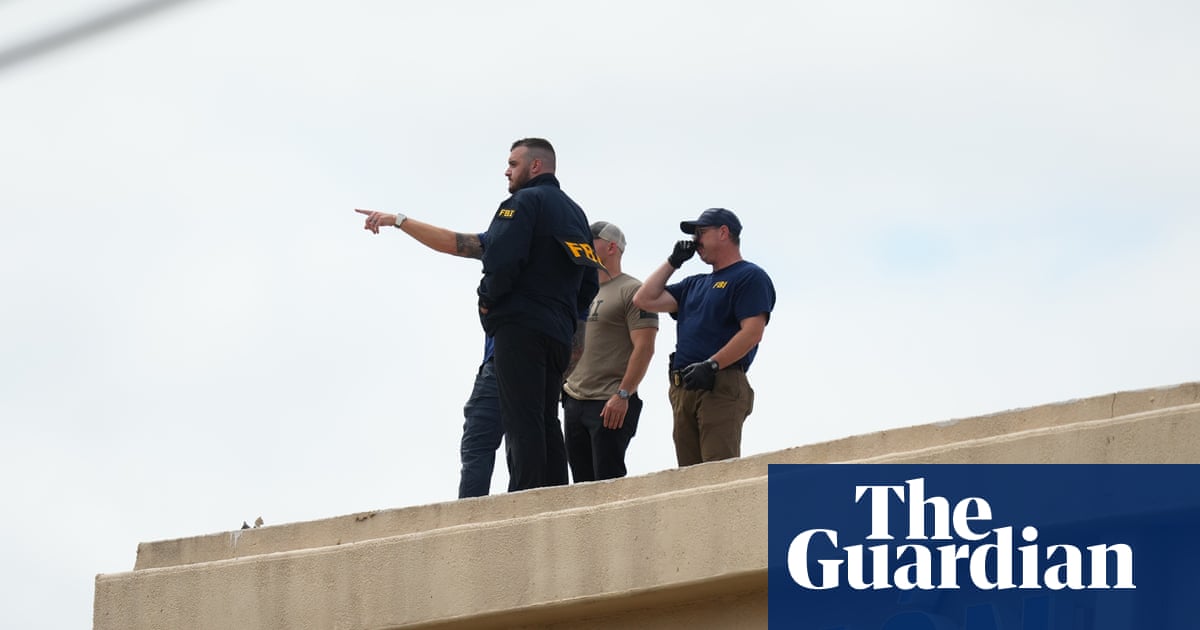
Dallas Ice shooting suspect planned attack, FBI warns—youth warned to stay alert

In recent days, the United States has faced a stark reminder of the rising tide of political violence and internal strife. The shocking attack on an Immigration and Customs Enforcement (ICE) detention facility in Dallas underscores the deepening divisions within American society—a nation torn between lawlessness and the rule of law. The FBI disclosed that the suspect, identified as 29-year-old Joshua Jahn, meticulously planned the assault, even deploying a ladder and a high-powered rifle with sniper capabilities. Such details reveal an alarming degree of premeditation, emphasizing that the incident was not an impulsive act but a calculated strike against the very institutions meant to uphold national sovereignty and law enforcement integrity. As analysts from think tanks warn, these acts threaten to destabilize America’s internal security and fuel further polarization, which, if left unaddressed, could usher in an era of increasing chaos and societal fracture.

The geopolitical impact of this domestic crisis extends far beyond U.S. borders. As the Biden administration struggles to manage a surge in political extremism, international observers from Russia to China, along with global organizations such as the United Nations, are watching with concern. The incident comes amid a backdrop of strained global relations, where weak governance in the USA fuels skepticism about American leadership and stability. The rhetoric surrounding the attack, with former President Donald Trump and right-wing commentators framing it as a consequence of what they label as “radical left” policies, exemplifies how domestic issues are increasingly intertwined with international perceptions of American strength. The potential for such violence to influence foreign policy and global stability remains a key concern, particularly as nations contend with their own internal conflicts and the erosion of traditional security paradigms.

Notably, this attack appears to be a manifestation of rising militant tensions fueled by intense partisan conflicts and an emboldening of radical elements. Historians caution that in times of social upheaval, acts of targeted violence against government institutions are often precursors to broader destabilization. Various analysts from NATO to the European Union have warned that the ongoing polarization within the USA may serve as a blueprint for others who seek to undermine Western cohesion. The suspect’s expressed hatred for the federal government, along with notes indicating an intent to instill terror among ICE agents, reveal troubling ideological undercurrents that could inspire copycat violence internationally. These dynamics threaten to ripple outward, challenging the stability of democracies around the world. As the global community observes the U.S. domestic crisis unfolding, the need for decisive leadership becomes undeniable.

Ultimately, the Dallas shooting encapsulates a pivotal moment—an ongoing chapter of history still being written. With each act of violence, the fragile fabric of societal trust is further frayed, pushing nations to confront uncomfortable truths about internal divisions and external instability. The world watches breathlessly, aware that such acts of terrorism, rooted in hatred and ideological extremism, have consequences far beyond national borders. As leaders debate solutions, the weight of history presses down: will the United States emerge resilient, or will this be a harbinger of a new era of chaos? The answer remains unwritten, but the shadows cast by this violence will surely shape the pages of history for generations to come.

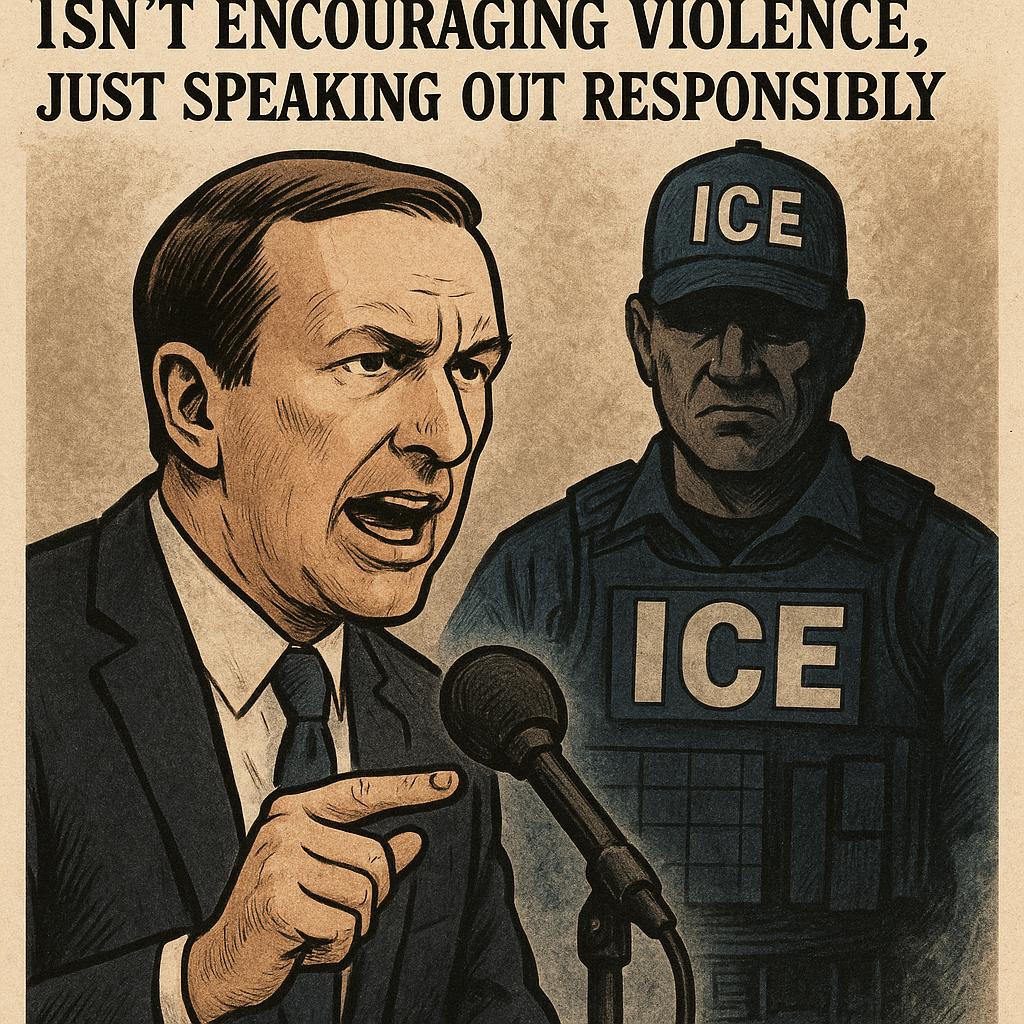
Murphy: Criticizing ICE isn’t encouraging violence, just speaking out responsibly

In recent days, the political landscape has been marred by struggles for influence that underscore the ongoing battle for the soul of American governance. Senator Chris Murphy (D-Conn.) issued a pointed critique of the Trump administration, accusing it of attempting to exploit the rising tide of political violence for partisan gain. His remarks highlight a crucial aspect of modern political conflict: how powerfully each faction seeks to frame narratives and define the parameters of national debate. Murphy’s condemnation of efforts to blame Democrats for violence — including the tragic shooting at an ICE facility — reveals a deeper ideological contest over who bears responsibility for law and order amidst increased civil unrest.

This conflict is emblematic of a broader, power struggle that stretches back through American history. The current clash centers on the question of state authority versus individual rights, a debate famously theorized by constitutional scholars such as Alexander Hamilton and Thomas Jefferson. Today’s Democrats, often rhetorically aligned with protecting social safety nets and civil liberties, are now also under pressure from a rising conservative wing that seeks to reassert traditional law and order. Legislative shifts and policy reforms are fireworks in this ideological standard-bearer duel: Democrats emphasize social justice initiatives, while Republicans push for tougher border controls and law enforcement powers. The outcome of these battles will profoundly shape the political ecosystem and, by extension, the daily lives of ordinary Americans.

The spectacle of political blame-game and the framing of violence as a partisan tool underscore the intertwined nature of policy and perception. The recent focus on the ICE shooting, and the broader uptick in assaults on officials, serve as a stark reminder that decision-making in the corridors of power impacts the safety and freedoms of the citizenry at ground level. It’s here that power struggles become palpably real — where policy becomes a weapon in the fight for cultural dominance. Such moments reflect how the inclination of political actors to assign blame or credit often obfuscates the root causes—be they economic, social, or ideological—that give rise to violence. Historians and constitutional experts warn that, without a careful balance, these conflicts risk unraveling the delicate fabric of American constitutional order, turning democracy into a battleground.

As the nation navigates this turbulence, the overarching question remains: who holds the steel in shaping destiny? The answer hinges on the visible power dynamics—who controls the narrative, the policy, and ultimately, the future. With each legislative push, campaign promise, and ideological stance, the stakes are raised higher. The political arena is no mere stage but a crucible where the legacy of the republic is forged. In this arena, the struggle for power is relentless, and the decisions made today will ripple through generations. The question for citizens and analysts alike is whether this fierce contest will lead toward a more resilient republic or entrench divisions that threaten to redefine the nation’s future. What is at stake is nothing less than America’s destiny, written anew in the ceaseless tide of political conflict.

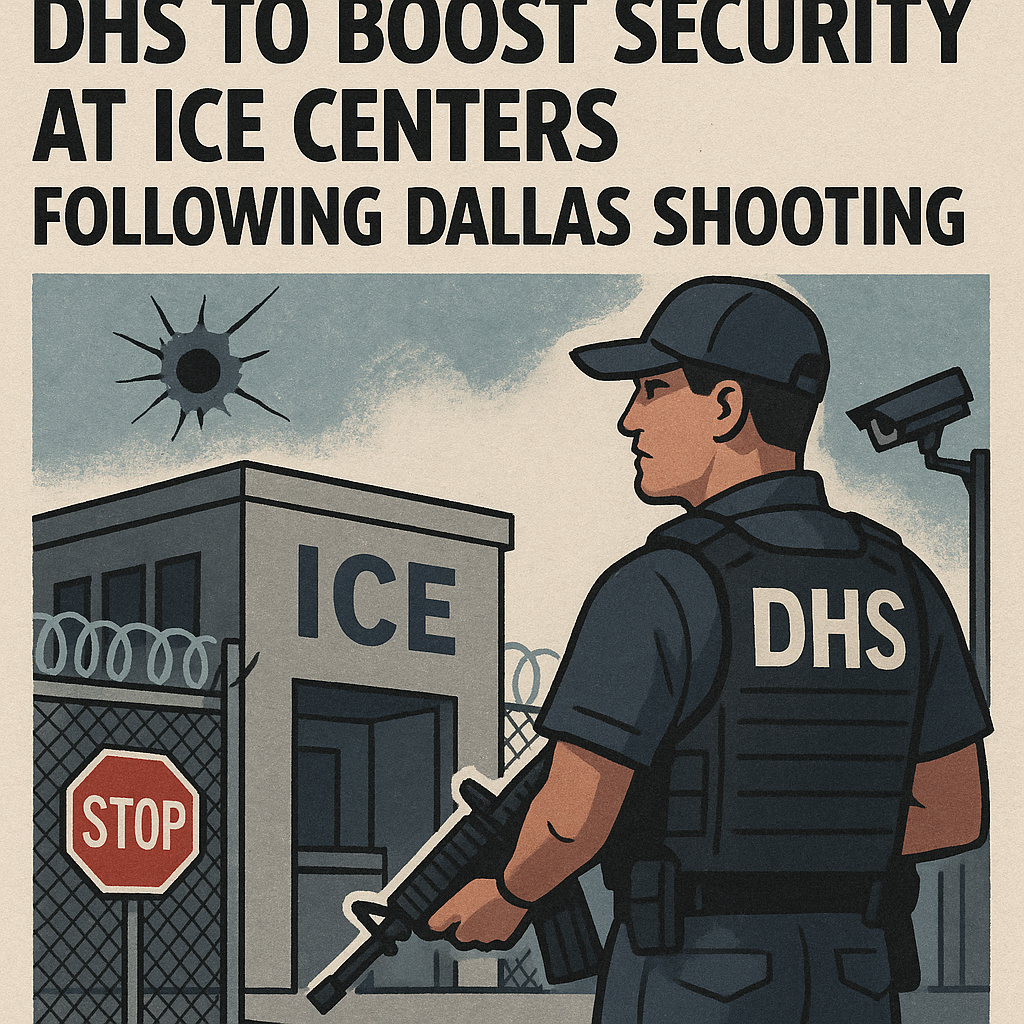
DHS to Boost Security at ICE Centers Following Dallas Shooting

The recent deadly shooting at an ICE facility in Dallas has ignited a surge of responses from the Department of Homeland Security (DHS), signaling a shift in the federal government’s approach to national security and immigration enforcement. In the aftermath of this tragic event, DHS announced it would “immediately increase security” at Immigration and Customs Enforcement (ICE) facilities nationwide, a move that underscores the ongoing power struggles between a government committed to border security and factions advocating for more lenient immigration policies. This escalation reflects a broader political confrontation, where decisions made in the halls of power directly impact law enforcement tactics and the safety of personnel working on the front lines.

The attacker’s motivations, reportedly driven by hatred for ICE, underscore the volatile atmosphere surrounding immigration enforcement agencies. This incident, a rare but alarming act of violence, has been exploited by hawks who argue for tougher security measures and stricter immigration policies, framing the shooting as a consequence of perceived governmental leniency or failure. On the other side, critics question whether this act of violence is being used as a pretext to justify draconian reforms and increased militarization. Constitutional experts and political analysts have long debated the balance of power when it comes to federal agencies like ICE, emphasizing the importance of safeguarding individual rights without compromising national security—a delicate tug-of-war that echoes throughout American history, reminiscent of debates during the early Cold War era.

Within the ideological fissures driving today’s politics, the right-wing factions see the DHS’s new directives as essential to defending the sovereignty of the nation and protecting American citizens from threats that are often marginalized in mainstream discourse. Campaign promises by leadership often included sentiments of restoring law and order and equipping agencies with the tools to combat what they deem an era marked by chaos and lawlessness. Conversely, those on the left caution against an approach that risks turning immigration enforcement into a militarized apparatus that erodes civil liberties. These conflicting visions of security mirror profound power struggles over the soul of American democracy—whether it is a nation of open opportunity or a fortified fortress determined to guard against external and internal threats.

As history’s currents continue to shift, it becomes clear that such moments are recorded as more than isolated incidents—they are defining chapters in the narrative of a nation wrestling with its identity. Decisions made today at DHS and across the political spectrum are not mere policy shifts but mirror the deeper contest of how freedom and security are balanced. In this ongoing saga, politics remains the grandstage where the destiny of the republic is scripted, with each movement and counter-movement setting the course for generations to come. Ultimately, the true power lies in the choices made now—choices that will shape the very fabric of society, for politics is where history’s pen finds its ink.

Social Media Auto Publish Powered By : XYZScripts.com