Matox News

Truth Over Trends, always!

Victims’ Lawyers Warn State Ignoring Lessons After Southport Attack

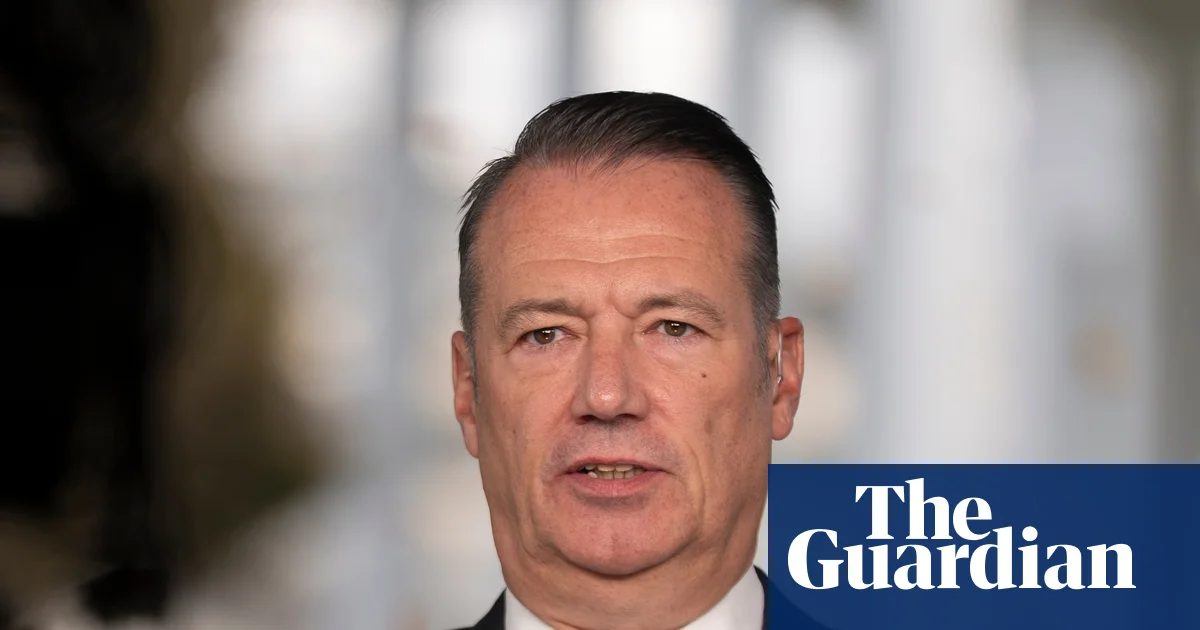
Southport Attack Highlights Flaws in Britain’s Counter-Terror System

The recent Southport attack in Britain has cast a glaring spotlight on the failures within the nation’s counter-terrorism framework, particularly the controversial Prevent program. The attack, carried out by Axel Rudakubana, has already prompted a series of urgent questions from legal experts, international analysts, and policymakers about the effectiveness of current measures aimed at preventing violence among troubled youth. As Britain mourns the innocent lives lost and grapples with the underlying systemic failures, the international community watches closely, understanding that flawed approaches to emerging threats can have ripple effects far beyond the UK’s borders.

Systemic Failings and the Shift in Threat Profiles

A forthcoming report by Judge Sir Adrian Fulford is expected to level harsh criticism at various agencies, highlighting how multiple warnings about Rudakubana—despite being referred three times to Prevent—were dismissed, mainly because he lacked a clear ideological motivation. Historians and security analysts argue that this highlights a critical flaw: the tendency to focus on ideological extremism often leaves those with categorical violence and mental instability unchecked. Data published by The Guardian reveal that less than 11% of the thousands of referrals related to young individuals with unclear motivations lead to targeted intervention, exposing a profound imbalance in resource allocation and risk assessment. This gap indicates a worrying trend: as violent tendencies evolve, so too must the strategies to combat them, especially in a society increasingly exposed to multifaceted threats.

Legitimacy and the Need for a Paradigm Shift

Critics, including the families of the victims, are voicing their frustration with a system they deem inadequate. Lawyer Chris Walker asserts that to deter future catastrophes, fundamental reforms are necessary, pointing out that the current Prevent program disproportionately jealously monitors those with explicit ideological motives—such as jihadism or right-wing extremism—while neglecting those driven by nihilistic violence or mental health issues. The stark disparity underscores a broader dilemma faced by nations across the West: how to effectively address a spectrum of violent threats that are increasingly unclassified and unpredictable. In a world where terror no longer adheres to neat ideological categories, security agencies risk being overwhelmed unless they adapt swiftly.

The International Impact and the Broader Warning

This internal crisis in Britain reverberates globally, resonating with countries grappling with the redefinition of terrorism in the 21st century. The United Nations and other regional bodies are observing these developments, warning that rigid frameworks may be unsuitable in today’s complex security environment. Analysts like Dr. Maria Lopez from the International Institute for Counter-Terrorism warn that Britain’s example highlights a pressing need for a global overhaul: nations must develop agile, nuanced mechanisms that can detect both ideological and non-ideological violence—before the next tragedy strikes. As international boundaries blur and extremist narratives evolve, the weight of history presses heavier on policymakers, demanding immediate and innovative responses to threats that are increasingly shapeless and deadly.

As the world watches a narrative of policy failure unfold, the lesson of Southport is clear: the true danger lies in the complacency that allows dangerous individuals — regardless of their motives — to slip through the cracks. In this unfolding saga of national security and societal resilience, one thing remains certain—time is running out, and history’s pen continues to write in strokes of tragedy and hope, shaping a future where the balance between liberty and security will define the legacy of our age.

Minnesota Judge Calls Out Acting ICE Director, Warns of Consequences for Ignoring Court Orders

Judicial Authorities Push Back Against Federal Immigration Policies in Minnesota

The escalating tensions between federal immigration authorities and the judiciary in Minnesota underscore a rising confrontation that threatens to reshape the landscape of U.S. immigration enforcement. At the heart of this conflict is the recent intervention by the state’s top federal judge, Patrick Schiltz, who summoned the acting head of Immigration and Customs Enforcement (ICE), Todd Lyons, warning of contempt of court charges for defying judicial orders. This dramatic stance highlights an emerging crisis of authority, where individual judges are actively contesting federal directives, raising profound questions about the rule of law versus executive overreach.

The core issue stems from Operation Metro Surge, a sweeping and aggressive immigration crackdown initiated under the previous Trump administration. The operation has responded with a series of controversial and often unlawful detention practices targeting immigrants in Minnesota. Many detention cases have entered the judicial pipeline with emergency lawsuits filed on behalf of individuals claiming wrongful arrest and extended detention, often without proper legal process. Judge Schiltz and other federal judges have voiced concern that the administration’s disregard for court orders is causing “significant hardship,” with detainees being moved far from their homes or held in states like Texas despite clear court directives to keep them in Minnesota.

Legal Resistance Reflects Broader Geopolitical and Societal Shifts

  • Judicial rebukes have set the stage for potential *legal challenges* that could either restrain or halt federal immigration enforcement efforts in Minnesota entirely.
  • These developments symbolize a broader *conflict between state and federal authority*—a phenomenon that resonates beyond the borders of Minnesota and into the heart of U.S. sovereignty.
  • Internationally, critics interpret this clash as a reflection of America’s internal struggles over national identity, immigration policy, and the constitutional separation of powers, echoing debates that many analysts compare to volatile shifts currently unfolding in other global democracies.

Leading international organizations and senior analysts warn that ongoing resistance against federal directives could weaken the fabric of international rule of law, especially as the United States serves as a model for judicial independence and constitutional governance. Historians remind us, through echoes of past conflicts, that such internal disputes often signal profound societal transformations—sometimes for better, sometimes for worse. The ongoing confrontation in Minnesota is unlikely to remain isolated, with the potential to inspire or suppress similar resistance in other states facing federal immigration policies.

Implications for the Global Power Balance

As President Biden’s administration seeks to implement more humane immigration reforms, these legal battles expose a complex interstate power dynamic. The pushback from Minnesota’s judiciary complicates the *administration’s efforts* to craft a cohesive national immigration strategy, especially when faced with states that prioritize local policies like sanctuary jurisdictions. The potential for federal-state conflicts to escalate already hints at a fragmented approach to governance that could weaken U.S. credibility abroad. Many international observers see the situation as emblematic of a broader weakening of American institutional authority, which might undermine the country’s ability to project power and stability in the global arena.

This unfolding chapter in U.S. domestic politics bears resemblance to rising sovereigntism observed in other nations, where regional entities challenge centralized authority. The clash over immigration enforcement reveals a society fractured over the very definition of justice and national sovereignty—a duel that could define the United States’ future as a beacon of rule of law or a divided union struggling with internal discord. The weight of history hangs heavily as courts and federal agencies navigate this uncertainty, their decisions shaping the legacy of a nation facing its most defining test yet.

India’s Pollution Cap at 500: Ignoring the Real Toxicity Issue for Youth’s Health

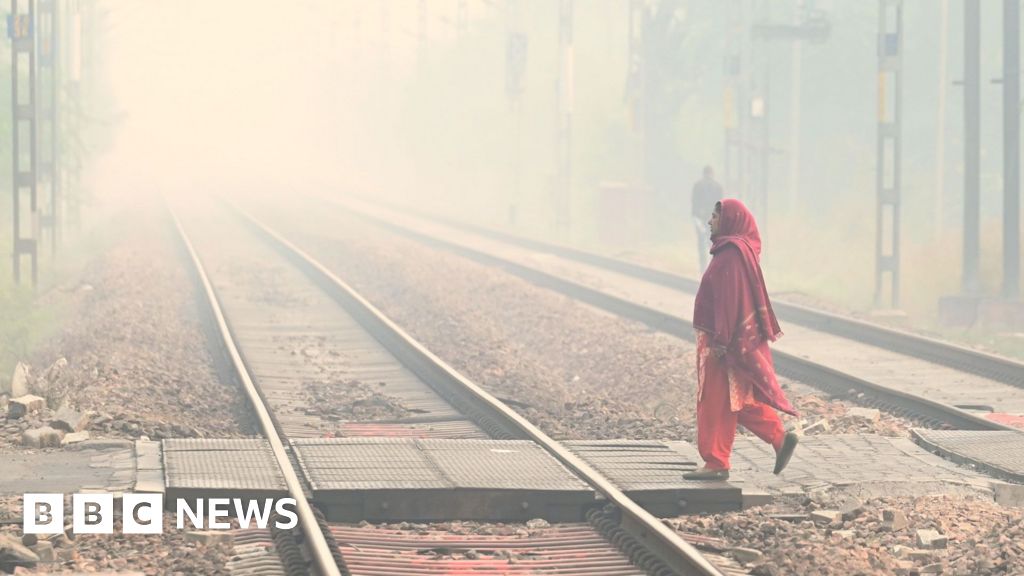
In recent years, India has attracted international scrutiny over its air quality data, revealing a troubling disconnect between official figures and independent monitoring. While private platforms like IQAir and open-source projects frequently report air quality indices surpassing 600 and even 1,000, the official National Air Quality Index (NAQI) remains capped at 500. This artificial ceiling masks the severity of pollution, raising critical questions about government transparency and public health priorities. Such a discrepancy not only undermines public trust but also influences how nations perceive India’s environmental commitments, impacting its geopolitical standing.

  • Official thresholds have been deliberately set to suppress alarming data, with the cap introduced over a decade ago when health risks were assumed to plateau beyond a certain point.
  • Emerging scientific insights and international standards, notably from the World Health Organization, challenge this approach, emphasizing that health impacts worsen with higher pollution levels.
  • Global organizations and technological innovators advocate for revision of India’s AQI framework, arguing that the current model inhibits effective policy responses.

Analysts like Gufran Beig, founder of the System of Air Quality and Weather Forecasting and Research (SAFAR), openly admit that the 500 cap was originally designed to prevent panic rather than reflect reality. “It was assumed that health impacts would be the same above 500, but evidence now shows symptoms intensify with increasing pollution,” he states. This deliberate obfuscation could be a strategic choice to avoid economic disruptions or diplomatic fallout amidst an escalating geopolitical climate. India‘s refusal to update its AQI standards is increasingly viewed as a form of environmental diplomacy—an effort to project control and stability in a situation that, scientifically, demands urgent acknowledgment.

The disparity in international standards complicates this picture further. While WHO guidelines classify PM2.5 levels above 15 micrograms per cubic meter as hazardous, India’s threshold is set at 60 micrograms—a stark contrast that underscores how different nations calibrate their environmental assessments based on local weather, industrial activity, and economic priorities. This disparity impacts not just data interpretation but also diplomatic negotiations—particularly in the context of climate change commitments and cross-border pollution agreements. Critics warn that such data manipulation fosters a dangerous narrative of ‘environmental denial‘, undermining global efforts to combat pollution.

Beyond the data thresholds, the technological debate highlights a broader crisis: India’s aging air monitoring infrastructure. The Indian pollution control board relies on Beta Attenuation Monitors (BAMs), which offer accurate measurements but are costly and less flexible than newer sensor-based technologies capable of providing granular, real-time data. However, these sensor systems face regulatory hurdles, with the government yet to fully endorse their widespread use. As a result, India’s air quality framework remains outdated, stagnant since 2009, and in dire need of a comprehensive overhaul. “Without modernized calibration and broader transparency,” warns environmental scientist Mr. Pathak, “the real picture of India’s pollution crisis will continue to be hidden.”

In the grand arc of history, the question remains: how long can a nation sustain this dichotomy—between public perception and ecological reality? As India’s pollution levels continue to soar and global scrutiny intensifies, the implications extend far beyond its borders. Governments across the world watch closely, recognizing that environmental health is no longer a local issue but a potent instrument of geopolitical influence. The global community must reckon with a stark choice: confront the truth and adapt, or continue to construct a facade amid the gathering storm of environmental catastrophe. The narrative of India’s air quality policy, ultimately, may be a mirror for the future of global environmental governance—where truth, transparency, and accountability determine the legacy of this unfolding epoch.

New Zealand Faces Criticism for Ignoring Climate Change with Methane Cuts

New Zealand’s Climate Policy Shift: A Glaring Reflection of Geopolitical Divergence

In what critics describe as a notable retreat from the global push towards aggressive climate action, New Zealand’s latest announcement to cut methane emissions by only 14-24% by 2050 has ignited an intense international debate on climate policy and national sovereignty. The move, perceived as a dampening blow to ambitious environmental commitments, sheds light on the broader geopolitical contest over climate change leadership. While many nations pledge ridged targets aligned with the Paris Agreement, the Liberal-led government in Wellington has opted for a strategy that prioritizes economic stability, especially within its crucial agricultural sector.

Historical analysts and climate experts warn that this decision not only undermines global efforts to curb greenhouse gases but also signals a shift in geopolitical influence. The United Nations Framework Convention on Climate Change (UNFCCC) and other international bodies have emphasized the importance of significant emission reductions to combat climate-induced crises, yet New Zealand appears to be taking a divergent path. Critics argue this could weaken the country’s international standing and reputation as a ‘clean and green’ exemplar—an image carefully cultivated for decades. Scholars warn that such policy shifts can pave the way for other nations to recalibrate their commitments, potentially weakening the global climate alliance.

Economic Interests versus Environmental Commitments

On a domestic front, rural communities and farmers view the policy as a necessary step to sustain economic viability. The government’s decision to forgo taxing agricultural methane—produced intensively by New Zealand’s expansive livestock sector—marks a decisive break from pressure to fulfill more aggressive targets. Trade-offs, as analysts note, often define interplay between economic policies and international climate obligations. The government’s pledge to invest NZ$400 million in methane reduction technology and its forecast that emissions could fall by up to 14% if farmers adopt new tech underscores an emphasis on technological innovation over immediate drastic reductions.

Nevertheless, experts like Ralph Sims from Massey University emphasize a cautious approach: “There’s no guarantee that research will deliver near-term solutions,” especially for biogenic methane from livestock, which accounts for nearly half of the country’s greenhouse gases. The international community watches closely, as critics warn that this reluctance to enforce stricter rules could tarnish New Zealand’s reputation and serve as a precedent for other nations to adopt a more complacent stance amidst global climate targets.

Global Repercussions and the Unfolding Saga of Climate Diplomacy

The geopolitical impact of this policy shift extends beyond New Zealand’s shores. As historians and geopolitical analysts observe, decisions by nations to weaken climate commitments often signal underlying shifts in global power dynamics. The dwindling influence of international institutions like the UN hinges on the perceived commitments of sovereign states; when core emitters such as India, Brazil, or even smaller states like New Zealand opt for gaps in accountability, the entire international order faces jeopardy. Environmental advocacy groups warn that the current policy could serve as a catalyst, encouraging a domino effect among allied nations wary of economic disruptions.

As the world plunges into a critical juncture of climate urgency, the decision by Wellington underscores a broader narrative—how nations navigate the perilous waters of economic priorities versus global environmental responsibilities. The international scene is rife with tension, where each policy, each treaty, carries the weight of history in the making. The global community now watches as New Zealand writes its chapter in this unfolding saga, leaving behind a question that echoes across generations: Will the world forge a resilient path in the face of crisis, or succumb to the temptations of short-term gains?

Social Media Auto Publish Powered By : XYZScripts.com