Matox News

Truth Over Trends, always!

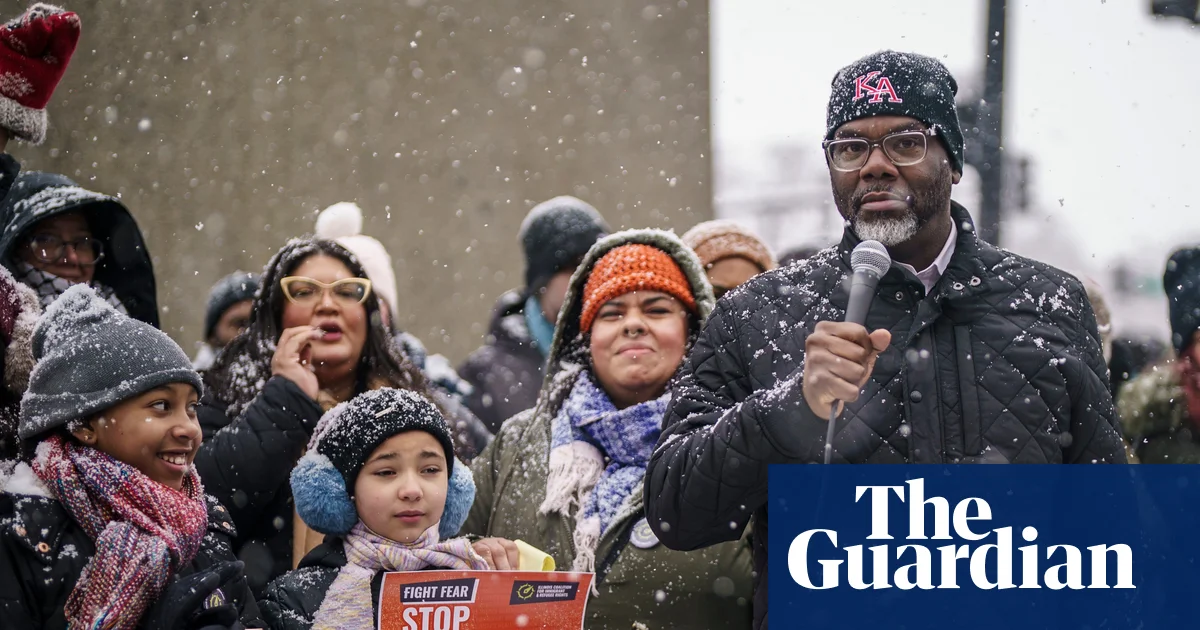
Chicago Mayor demands probe into suspected illegal ICE operations in the city

Chicago’s Bold Stand: A Microcosm of the U.S. Immigration and Federal Power Battle

In a move that underscores the escalating tensions between local authority and federal enforcement, Chicago’s mayor Brandon Johnson has launched a direct challenge against the federal government by instructing police to investigate and document alleged illegal activities by ICE agents within the city. This decision, encapsulated in the order titled ICE on Notice, positions Chicago as a leader among American cities resisting what many analysts characterize as overreach by federal immigration authorities. The mayor’s declaration that “nobody is above the law” underscores a broader pushback against federal statutes perceived as infringing on local sovereignty — a confrontation that resonates across the United States and signals a potential realignment of power dynamics within the nation’s federal system.

This local initiative arrives amid profound judicial and political currents. Just days prior, a federal judge rejected Minnesota’s attempt to block continuing immigration crackdowns, dismissing arguments that such initiatives violate the 10th Amendment— a landmark ruling reinforcing federal supremacy over state powers in immigration enforcement. The federal government maintains that immigration is a matter under its exclusive jurisdiction, often citing national security and border integrity. Yet, Chicago’s stance exemplifies a rapidly growing resistance from cities that believe their political and social fabric cannot be compromised by federal incursions. With activists and local officials asserting that federal operations have violated rights and destabilized communities, Chicago’s move is likely to inspire similar measures nationwide, sparking a new chapter in the ongoing debate over sovereignty and law enforcement authority.

Engineering a New Geopolitical Battlefield

  • Chicago’s executive order aims to formalize police procedures for monitoring and potentially challenging federal agents engaging in operations deemed illegal or excessive.
  • It underscores the importance of local oversight in an arena traditionally dominated by federal agencies, such as ICE and CBP.
  • Officials argue that federal immigration operations have infringed on community rights and have been shielded from accountability — unleashing a wave of protests and legal battles that further complicate the fabric of American federalism.

International scholars and think tanks now watch this dynamic with heavy interest, as such local crises threaten to reshape the geopolitical landscape of the United States. Universities like Harvard and analysts from the Council on Foreign Relations have indicated that America’s internal power struggles could weaken the country’s global standing. When local governments challenge federally defined borders of authority, it weakens the perceived stability of the U.S. constitutional order, creating ripples that extend well beyond national borders. With immigration policies at the center of this storm, some international partners and competitors see an opening to question America’s credibility on the world stage, especially as internal divisions deepen and civil unrest simmers.

Implications for Society and Future Governance

At the societal level, Chicago’s move and the broader resistance against federal immigration initiatives symbolize a fierce assertion of local interests and a pushback against perceived federal tyranny. City officials have voiced concerns that increased ICE operations have escalated conflicts, risked constitutional rights, and strained community relations. Their efforts to curb federal overreach by asserting local authority could establish a precedent for other cities, catalyzing a decentralization of immigration enforcement and lawmaking.

Meanwhile, President Biden‘s administration and federal agencies remain committed to asserting federal supremacy, citing the need for uniform national policies. But as politicians on both sides of the aisle debate the constitutional boundaries, the seeds of a constitutional crisis plant themselves deeply within American politics. Historically, such conflicts tend to accelerate societal polarization and threaten the stability of the nation’s constitutional order, especially when key states and cities challenge federal authority. The ongoing power struggle foreshadows a potential transformation of America’s political landscape, where sovereignty is increasingly fragmented, and the global image of a unified nation begins to fracture.

As this narrative unfolds, the underlying questions loom large: Will the tide of decentralization weaken the legal fabric holding the republic together? Or will federal authority tighten its grip, leading to a defining clash for the future of American governance? The echoes of history remind us that moments of profound transition are often marked by chaos and upheaval — a stark reminder that the course of a nation’s destiny is, in many ways, still being written, with each decision leaving an indelible mark on the pages of history.
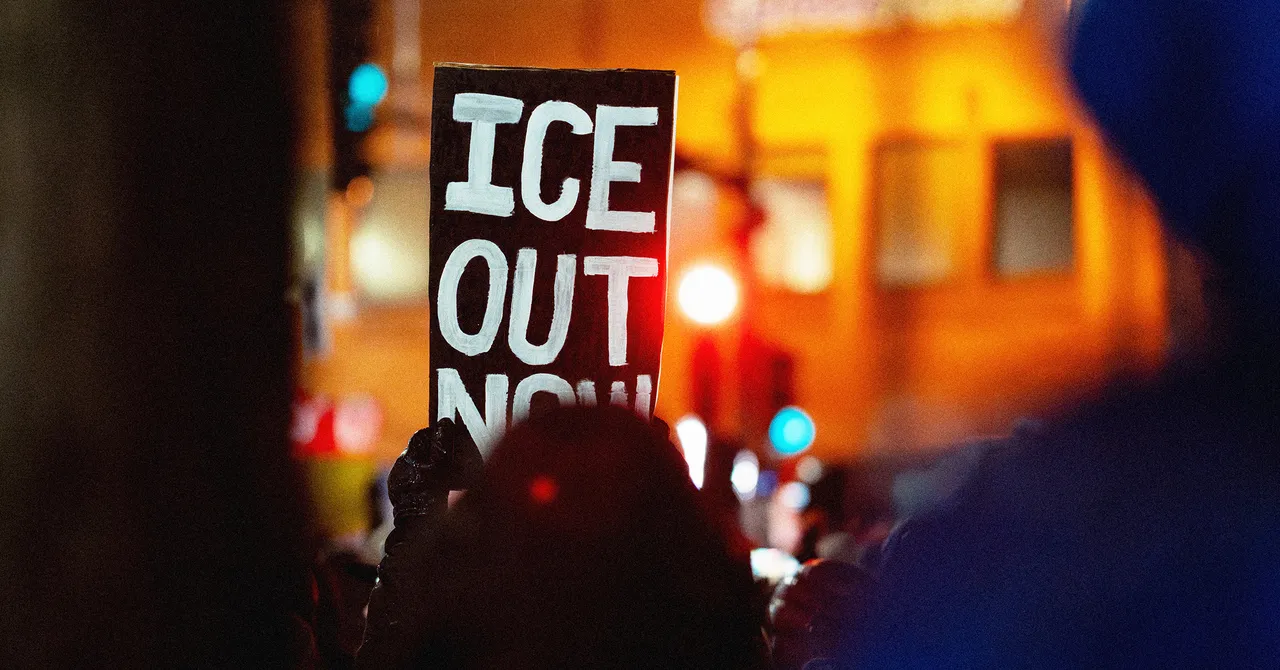
Judge Pauses Minnesota ICE Action Amidst Illegal Punishment Concerns

Federal Enforcement Actions in Minneapolis Fuel Legal Battles and Civil Discontent

In an unprecedented display of federal authority, recent operations in Minneapolis have ignited a fierce debate over the limits of government power, civil liberties, and the future landscape of law enforcement technology. The deployment of thousands of armed agents during federal raids—aimed at curbing crime but marred by tragic incidents—has raised fundamental questions about the disruption of local sovereignty and the potential overreach of federal operations. Experts like those from MIT’s Cybersecurity Institute warn that such interventions might set dangerous precedents, risking a precedent where federal agencies operate with near-impunity within state borders, potentially unleashing an era of unchecked coercive power.

Legal battles currently dominating the headlines highlight the tension between federal authority and local autonomy. Judges such as Judge Menendez have expressed concern over the scale and scope of these operations, questioning whether federal agencies are crossing constitutional lines. The legal claims focus on whether the federal government, in its effort to combat crime, is effectively coercing or even overriding local officials’ ability to manage their jurisdictions. The core worry among legal scholars is how these large-scale operations could erode the constitutional protections of states and municipalities, forcing them into crisis mode—diverting resources, disrupting local law enforcement, and destabilizing entire communities. This scenario has significant business implications for private security, surveillance tech firms, and emergency response industries, which stand to benefit from increased demand driven by federal initiatives.

Adding fuel to the fire are recent tragic incidents in Minneapolis involving federal agents—specifically, the deaths of Renee Nicole Good and Alex Pretti. The killings, both involving armed federal agents and operating in the context of seemingly unrelated raids, have turned public opinion sharply against federal enforcement tactics. Official narratives such as allegations that Pretti posed a “lethal threat” have been challenged by citizen footage and autopsy reports, underscoring a growing gap between government claims and on-the-ground realities. These events serve as stark reminders that disruptive law enforcement technology—including surveillance and armed response tools—must be wielded with precision and accountability, or risk undermining the trust necessary for future innovation.

Looking ahead, the industry’s response to these shifts will be critical. Disruptive technologies like AI-powered surveillance, real-time tracking, and autonomous law enforcement drones are poised to revolutionize public safety. However, the legal and ethical dilemmas highlighted by Minneapolis’s recent turmoil signal that without robust safeguards, such technological advances could accelerate a trajectory toward authoritarianism or civil unrest. Key industry players and policymakers are now racing to develop frameworks that balance innovative disruption with respect for civil liberties—a task that’s becoming ever more urgent.

As the battle lines between federal authority and local sovereignty sharpen, the next wave of tech-driven enforcement will define the limits of American liberty and security. Industry leaders like Elon Musk and Peter Thiel emphasize that the future of safe, accountable law enforcement depends on proactive innovation paired with strict regulatory oversight. The coming months will be pivotal: failure to strike a sustainable balance could see unchecked federal expansion transforming into a technology-enabled surveillance state. In this high-stakes game of innovation versus regulation, those who act swiftly and decisively will shape the future of justice, security, and innovation—setting the course for a nation that must navigate this new frontier with clarity and resolve.

The rise of the ‘scam state’: Southeast Asia’s booming illegal industry and the new wave of cybercrime targeting youth

Unmasking the Monster: How Southeast Asia’s Scam Industry Threatens Power and Prosperity

In recent years, cryptic economic undercurrents have surged beneath the surface of southeast Asia’s vibrant landscape, revealing a dark infrastructure that is reshaping not only regional stability but also defining issues of personal security and economic freedom. The dramatic demolition of KK Park, one of the continent’s notorious “scam centres,” signifies a fragile attempt to open a window into this clandestine world—a world rooted deeply in _conflict zones_ and _lawless borders_, where opulence and impunity walk hand in hand. These hubs, often sprawling and openly visible, symbolize the extent to which corruption and illicit financial networks have become intertwined with state power, painting a narrative of *blatant impunity* that is hard to ignore.

What makes this industry particularly insidious is its *evolution* from simple phishing scams to an *industrial-scale political economy.* Experts like Jacob Sims, a Harvard fellow specializing in cybercrime, describe a shift where online fraud has transformed into a *massive illicit market*, grossing hundreds of billions annually—roughly mirroring the drug trade in scope. The industry relies heavily on _advanced technologies_ such as generative AI, deepfake video calls, mirrored websites, and *sophisticated misinformation tactics* to manipulate victims globally. Recent estimates reveal that, in 2024, cyber scams in the Mekong sub-region generate about $44 billion annually, representing 40% of the formal economy—making it not just a criminal enterprise but an *economy unto itself*. Such figures underscore a stark reality: these illicit networks are *driving regional economic shifts* and exerting *enormous influence* over policy and governance.

This rise has serious personal implications for individuals worldwide—victims entrapped in “pig-butchering” scams, where authentic relationships are cultivated online before victims are pressured into fraudulent investments, often in cryptocurrencies. The regret and financial devastation for victims are profound, with many losing *more than half of their net worth*, sometimes totaling hundreds of thousands of pounds. This *human toll* reveals how *technology* and *greed* have become tools for exploitation, fueled by scammers who harness deepfake videos and AI translation to deceive even the most cautious. From a personal health perspective, such scams foster stress, anxiety, and financial strain, reinforcing a need for better *digital literacy* and *preventive education*. To truly understand and combat this industry, awareness must extend beyond borders, involving clients worldwide and policymakers committed to rooting out these *global illicit networks*.

Despite efforts to dismantle these operations, their **publicly visible** scale and *interwoven political connections* suggest a disturbing compromise of sovereignty and law enforcement. Experts argue that visible scams are often mere *”performative”* acts—aimed at appeasing international pressure without risking the fundamental interests of powerful *criminal-elite networks*. The ongoing existence of enormous compounds, diplomatic cover-ups, and *state co-optation* signals a *systematic failure*—a reflection of a *scam industry* that has become entrenched, profiting off *conflict*, *border chaos*, and *weak governance*. This situation demands a reassessment of our *values* and *priorities*, emphasizing that the fight against such corruption must also be a personal journey—one of resilience, knowledge, and refusal to accept *an economy of exploitation*.

Reflection

As society stands at this crossroads, the path forward invites each of us to consider how our choices—whether in safeguarding our digital lives or advocating for *transparency*—connect to the broader narrative of _power, integrity,_ and _independent prosperity_. The story of Southeast Asia’s scam industry is not just about illicit money—it’s a lesson in vigilance and responsibility, urging us to embrace a lifestyle rooted in _truth_, _empowerment_, and _ethical awareness_. The challenge remains: will we continue to be passive spectators, or will we become active participants in fostering a world where *justice and integrity* hold sway? The journey of lifestyle, after all, is a reflection of our collective willingness to uphold these principles, transforming us from bystanders to builders of a resilient future.

Key Takeaways:

  • Understand the scope: The scam industry is a major economic driver in the region, comparable in size to the illicit drug market.
  • Stay vigilant: Technological advancements make scams more sophisticated—education and awareness are your best defenses.
  • Recognize the systemic issues: Many scam hubs operate with state complicity, highlighting the importance of advocacy and international pressure.
  • Personal impact matters: protection of personal wealth and mental health should be prioritized amid these evolving threats.
Myanmar farmers turn to opium as conflict drives them into illegal trade

Amid the chaos of Myanmar’s ongoing military conflict and political upheaval, a disturbing trend has emerged: the resurgence of opium poppy cultivation, which has surged to its highest level in a decade. The United Nations Office on Drugs and Crime (UNODC) reports a 17% increase in poppy cultivation this year alone, totaling over 53,000 hectares—the largest footprint since the early 2010s. This expansion underscores a grim reality: the illicit drug economy thrives where chaos reigns, fueling not only regional instability but also deeply impacting families, education, and communities across the nation.

This rising tide of illicit cultivation is primarily driven by conflict and economic hardship that continue to plague Myanmar, intensifying poverty and pushing farmers towards the lucrative but dangerous world of opium. As sociologist Dr. Emily Carter notes, “When legitimate livelihoods are destroyed by violence and political upheaval, many farmers turn to illegal crops as a last resort, creating a vicious cycle of dependence and violence.” The expansion of poppy farming in eastern Shan State and Chin State—both regions embroiled in ongoing clashes between military forces and armed groups—reflects the geographic spread and escalation of this social crisis. With the southern Shan State remaining the primary center of cultivation, and new pockets emerging in Sagaing Region, the problem is no longer confined but expanding, threatening to destabilize neighboring countries as well.

However, beyond its economic and political ramifications, the rise of opium cultivation exerts a profound toll on families and communities. Children growing up amidst violence and poverty are often robbed of access to education, their futures dimmed by the specter of addiction and social disintegration. Social commentators warn that the drug economy’s growth undermines human dignity and societal cohesion, making it harder for stable communities to reclaim their sense of normalcy. And while the Myanmar military prepares for an election amid a raging civil war, the UNODC warns that the expansion in cultivation signals a potential for further growth, reinforcing a cycle of despair and violence. Historically, history’s sociologists like Norbert Elias have emphasized how social disintegration feeds on itself in conditions of prolonged conflict—an observation as relevant today as ever.

Addressing this crisis requires more than military or political solutions; it demands a concerted effort to rebuild trust, economic stability, and social cohesion within Myanmar’s fractured landscapes. The challenge remains: to restore hope and opportunity where despair has taken root. As society watches the unfolding tragedy, we are called to reflect on the moral imperative of supporting resilient communities, advocating for just economic reforms, and fostering international cooperation. For these communities, the road to recovery is long, often littered with the shadows of lost innocence and broken dreams. Yet, if society dares to remember the resilience of its youth and the strength of moral resolve, there exists the possibility of turning society’s darkest hour into a dawn of renewal—a testament that even amid chaos, hope endures, waiting quietly for those brave enough to nurture it.

Victoria Police's illegal weapon searches could impact hundreds of young people
Victoria Police’s illegal weapon searches could impact hundreds of young people

Victoria Police Faces Controversy Over Unauthorized Weapon Searches

In a recent revelation that has sent shockwaves through Australia, the Victoria police force acknowledged a series of legal breaches involving its extensive weapon search operations. Over the past eight years, police conducted 23 separate searches under newly expanded powers, with some instances, according to internal audits, lacking proper legal authorization. This comes amidst growing international concern over law enforcement overreach and its implications for civil liberties in democratic societies.

The breaches primarily involve the misclassification of designated areas where searches occurred, failing to follow the strict legal requirements such as proper public notice published in the government gazette. Most of these operations targeted protests and public demonstrations, notably around Melbourne’s CBD. Sixteen of these searches were uncovered through internal audits between March 2017 and March 2025, triggering the police’s obligation to report non-compliance to the state’s anti-corruption watchdog. As analysts point out, these violations highlight the risks of legal loopholes being exploited under the guise of security, undermining public trust and accountability.

International and Domestic Reactions to Police Overreach

Global institutions and human rights advocates have expressed alarm over the implications of this incident. The United Nations Human Rights Office has repeatedly warned that broad police powers, particularly warrantless searches, must be balanced against civil liberties to prevent abuses. Historian and legal analyst Dr. James Thompson has remarked that the breach underscores the danger of “emergency powers becoming normalized, with oversight lagging behind rapid legislative changes.”

Within Australia, critics—led by organizations like the Centre Against Racial Profiling—argue that expanded powers disproportionately affect communities of color, fueling fears of racial profiling and systemic discrimination. Ilo Diaz, spokesperson for the group, argued that “these violations reveal an alarming lack of safeguards, and without rigorous oversight, communities of minority background will bear the brunt of unchecked police authority.” These criticisms come amidst broader debates about law enforcement accountability and the need for stronger legal protections against abuse.

The Broader Geopolitical and Societal Impact

This controversy in Victoria exemplifies a larger, international trend where governments are enacting or expanding powers for security agencies under the pretext of maintaining order. U.S. and European activists have raised similar concerns about warrantless searches and surveillance, emphasizing the potential erosion of civil liberties in the face of national security concerns that often serve as pretexts for broader authoritarian tendencies. The International Criminal Court and other multilateral bodies often cite such incidents as warning signs of democratic backsliding.

For Australia, a country increasingly aligned with Western security policies, this incident underscores the importance of international standards that safeguard personal freedoms even amidst crackdowns on violence and terrorism. Police reforms aimed at preventing future breaches are underway, but critics warn that without substantial oversight, these measures risk becoming mere formalities, allowing law enforcement to operate without accountability. As history warns us, the unchecked expansion of police powers often presages long-term societal divisions and instability, leaving future generations to grapple with a legacy of state overreach.

Standing at a Crossroads of Authority and Liberty

The unfolding events in Victoria serve as a stark chapter in an ongoing global narrative—the delicate balance between national security and civil liberties. As Victoria Police moves to rectify its legal breaches and reinforce its procedures, the broader question remains: how far should governments go in the name of safety? And at what point does the pursuit of order threaten the foundations of free society?

For now, the weight of history hangs heavy. The story of these unauthorized searches is not merely a local scandal but a reflection of a world where the lines between security, liberty, and authoritarianism are constantly redrawn. As societies watch with bated breath, the choices made today will define the future—whether as guardians of freedom or shadows of tyranny in the unfolding annals of history.

Debate heats up as ‘Illegal Orders’ video sparks clash with Democrats over American patriotism

In an era defined by increasingly polarized politics, the dialogue surrounding patriotism has taken on new and contentious dimensions. Last week, a short yet provocative video emerged from six Democratic lawmakers—each with military or national security backgrounds—challenging the very notions of loyalty and obedience within the American military. By emphasizing the right—and perhaps the obligation—to disobey “unlawful orders,” these representatives sparked a firestorm in the political landscape. Their critique, whether seen as a call to uphold constitutional principles or as an act of political provocation, underscores a broader debate about the meaning of service, patriotism, and duty in contemporary America.

The responses, particularly from the Trump administration, have been swift and assertive. With Secretary of Defense Pete Hegseth and other officials scrutinizing whether these lawmakers violated military law, the situation has unfolded into a compelling example of America’s ongoing struggle over loyalty and loyalty’s limits. Legal experts like Rachel VanLandingham dismiss the possibility of a military law violation, describing efforts to recall lawmakers to active duty as “dead on arrival”—highlighting, perhaps, the disconnect between political rhetoric and the realities of military regulation. This controversy demonstrates that, in today’s climate, patriotism isn’t merely a matter of waving flags or attending rallies—it’s now intertwined with questions about the loyalty of those in power and their interpretations of the truth.

Meanwhile, the broader cultural narrative frames patriotism as a core element of American identity, especially within the Republican base. Popular icons like Donald Trump have long championed a vision of the United States as an exceptional nation, emphasizing strong national pride, military strength, and unwavering loyalty to the Constitution. His rallies, often set against the backdrop of patriotic anthems and American flags, serve as a reminder of the cultural importance of tradition and a sense of purpose—concepts that resonate with millions who believe that America’s greatness is rooted in a shared national pride. On the opposite side, polls reveal a stark divergence: only about 36% of Democrats consider themselves “extremely” or “very” proud to be American, compared to over 90% of Republicans. Such statistics underscore the cultural divide—the growing chasm between two visions of American identity.

In response to these shifts, many Democrats are attempting to reframe patriotism through a more inclusive lens—highlighting the importance of fighting for the country’s core ideals rather than a blind loyalty to leadership. Speeches by figures like Vice President Kamala Harris and the recruiting of military veterans into politics suggest that, on their side, patriotism is linked to ideals and the defense of constitutional values. Even as partisan sparks fly, the underlying reality remains: the journey toward understanding what it means to serve, to honor, and to be truly patriotic is increasingly a personal internal voyage, illuminated by the enduring desire to be part of something greater than oneself.

Ultimately, contemporary American lifestyle—shaped by the ongoing tension between tradition and change—invites a reflection: what will it take for the next generation to embrace their role as stewards of their nation’s legacy? It may be in embracing those disputed narratives and complex truths that young Americans can forge a meaningful, resilient identity. In a nation where symbols of unity are sometimes used more as battlegrounds than bonds, the challenge lies in cultivating a sense of purpose rooted not in division but in a shared vision of self-reliance, duty, and hope. As citizens and future leaders step into this ongoing story, they are invited to ask themselves: how will I carry the torch of patriotism without losing sight of my own authenticity and principles? The path forward is less about blind allegiance and more about heartfelt commitment—a journey that begins within us all, grounded in the indomitable spirit of American resilience.

Why India's poorest state is still battling illegal alcohol sales—youth at risk
Why India’s poorest state is still battling illegal alcohol sales—youth at risk

India’s Bihar Upholds Alcohol Ban as Smuggling and Black Markets Persist

In India’s poorest state, Bihar, a decade-long effort to curb alcohol consumption through a statewide prohibition law remains a contentious yet firmly upheld policy, despite rampant illegal trade and enforcement difficulties. Initiated in 2016 by then-Chief Minister Nitish Kumar following persistent demands from women’s groups, the law aimed to address pressing issues such as addiction, domestic violence, and economic instability. However, the real-world efficacy of this measure has come under intense scrutiny from both local officials and global analysts, highlighting a complex interplay of social progress and underground markets.

The geopolitical impact of Bihar’s prohibition extends beyond its borders, capturing the attention of international organizations and researchers who examine policy success and failure in resource-deprived settings. Recent raids by excise officers across the Ganges reveal the persistent resilience of illicit liquor trade, with makeshift distilleries operating in clandestine setups—metal drums fermenting jaggery, the cheapest form of sugar, into dangerous homemade alcohol. Despite multiple crackdowns, including property seizures and arrests, the black market flourishes, fueled by sophisticated smuggling operations, staff shortages, and alleged collusion with local authorities—factors that critics argue render the ban ineffective.

Enforcement Dilemmas and Social Consequences

  • While state officials claim that over 1.1 million cases have been registered and 650,000 convictions reflect a crackdown effort, experts warn that the majority of convictions are for consumption rather than production or sale, illustrating the deep-rooted prevalence of illicit alcohol in Bihar’s fabric.
  • During the six weeks leading to recent elections, law enforcement seized more than 522 million rupees (~$6.26 million) worth of illegal alcohol—a stark indicator that economic incentives continue to outpace legal restrictions.
  • As historians and analysts like Rajeev Kamal Kumar point out, prohibition has often led to unintended consequences in India, from thriving black markets and deaths caused by toxic brews to draining valuable state resources in enforcement efforts. States like Gujarat and Nagaland, which also enacted bans decades ago, still grapple with bootlegging, illustrating the persistent challenge of implementing prohibition policies in diverse social settings.

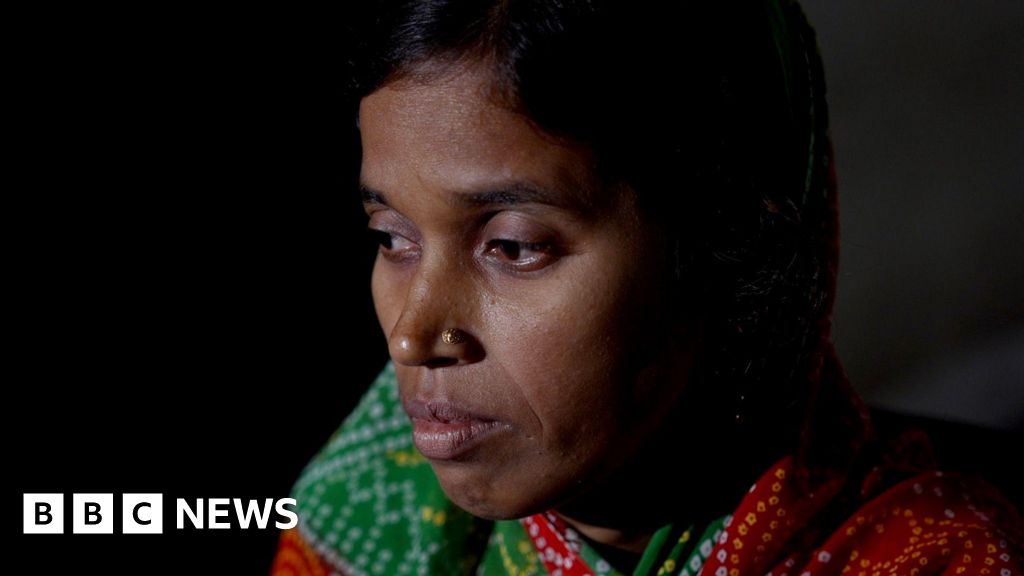
Despite these ongoing challenges, the social impact of Bihar’s alcohol ban remains a mixed picture. Many women, such as Lalmunni Devi, who lost her husband to toxic liquor, support the prohibition as a necessary social reform. “I just hope no one else has to suffer the same fate,” she laments. Conversely, others argue that the ban has merely shifted consumption underground, fueling a dangerous underworld of illicit liquor. Neetu Devi, a widow whose husband succumbed to poisoned alcohol, reflects this bitter truth, emphasizing that without a complete shutdown of illegal liquor factories, the problem persists.

Complexities and Future Outlook

As international organizations and policy analysts observe, the enforcement dilemma in Bihar is emblematic of a broader challenge: how to balance social reforms with economic realities and administrative capacities. The lure of illicit profits and the widespread availability of illegal alcohol underscore the difficulty of eradicating underground markets solely through legislation. Jayalalithaa and other former politicians have faced similar headwinds, with prohibition policies often failing to achieve their intended social objectives, fueling instead a cycle of ongoing illicit trade.

As the state government, led by the outgoing political coalition, signals that the ban remains—despite mounting evidence of its limitations—the weight of history presses heavily on policymakers. Will Bihar’s prohibition finally succeed in stamping out the black market? Or will the persistent underground trade, coupled with societal scars and economic desperation, continue to shape the narrative of a state caught in a long, ongoing struggle? As the river Ganges flows quietly past makeshift distilleries, the story of Bihar’s prohibition policy unfolds—a chapter in a larger saga of law, order, and society’s resilience that remains unwritten, leaving behind a question for the ages: Can true reform emerge from this tangled web of legality and chaos?

Charlotte braces for DHS crackdown on illegal aliens linked to crime

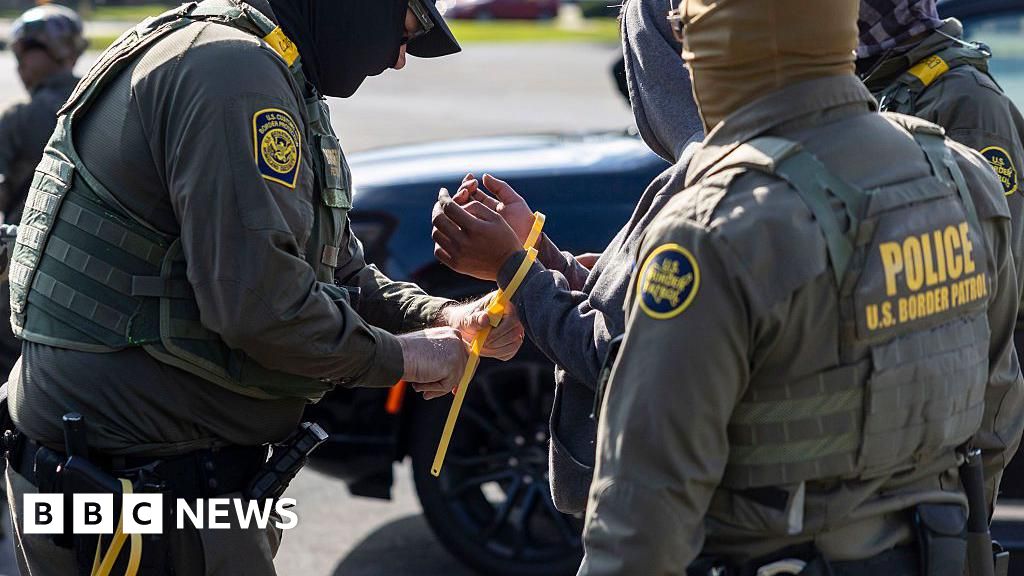
The recent surge of aggressive immigration enforcement by the United States, led by President Donald Trump, has reshaped the landscape of domestic policy and ignited intense debates about national security versus immigrant rights. With the announcement of “Operation Charlotte’s Web”, US homeland security officials have conducted large-scale raids in Charlotte, North Carolina, targeting what they describe as “criminal illegal aliens.” This operation, involving armored vehicles and special operations teams, marks a significant escalation in the Trump administration’s ambitious pledge to deploy the “largest deportation programme” in US history, a move that continues to draw both staunch support and widespread condemnation.

From an international perspective, the geopolitical impact of this crackdown cannot be understated. Critics argue that such aggressive tactics not only intensify domestic social divisions but also influence America’s standing on the global stage, especially among allied nations that emphasize immigration inclusion and human rights. While the DHS defends its actions, claiming they are necessary to uphold law enforcement in cities like Charlotte—which, notably, is a “certified welcoming city”—the repercussions extend beyond internal politics. International organizations, such as the United Nations, have historically voiced concern over mass deportations and the treatment of migrants, warning that such policies risk undermining basic human dignity and international norms.

Furthermore, the geopolitical implications ripple across the Atlantic and beyond as neighbors and allies monitor the United States’ internal policies with wary eyes. How such aggressive measures influence bilateral relations, especially with Mexico and Caribbean nations whose citizens are often targeted or affected, remains a critical concern. Esteemed analysts, including those at the International Crisis Group, have noted that prolonged enforcement actions could deepen existing tensions, destabilize regional migration flows, and complicate cooperation on transnational issues like security and trade. The debate over the balance between national sovereignty and international humanitarian obligations has become more urgent in this era of interconnected crises and shifting alliances.

As the operation unfolds, reports from Charlotte describe a community gripped with fear and uncertainty, illustrating the tangible societal cost of these policies. Youths and families fleeing into the woods and communities grappling with the reality of their neighbors’ detention underscore the internal societal strain caused by this crackdown. Critics, including local officials and civil rights advocates, argue that a policy rooted in harsh enforcement alienates vulnerable populations and threatens the social fabric of multicultural cities like Charlotte, which boasts a considerable foreign-born population.

In the broader historical narrative, these events signify a pivotal moment of transformative change in U.S. immigration policy, echoing debates that have raged since the country’s founding. As historians like Douglas Massey and Julie Siddiqi suggest, policies of this scale can redefine national identity, affecting not only the fabric of society but also positioning the nation on the global stage. With the next targets on President Trump’s list reportedly including New Orleans and possibly Chicago, the global community must prepare for a new chapter—one where the decisions made today will echo for generations.

In this unfolding drama of policy and power, the world watches as America grapples with the question of how far a nation should go to defend its borders and uphold its laws. With the weight of history looming large, this chapter in the story of a divided nation remains far from over, leaving the international community to wonder: what legacy will these turbulent times leave for future generations to learn from?

Netherlands pushes ahead with plan to block imports from illegal Israeli settlements

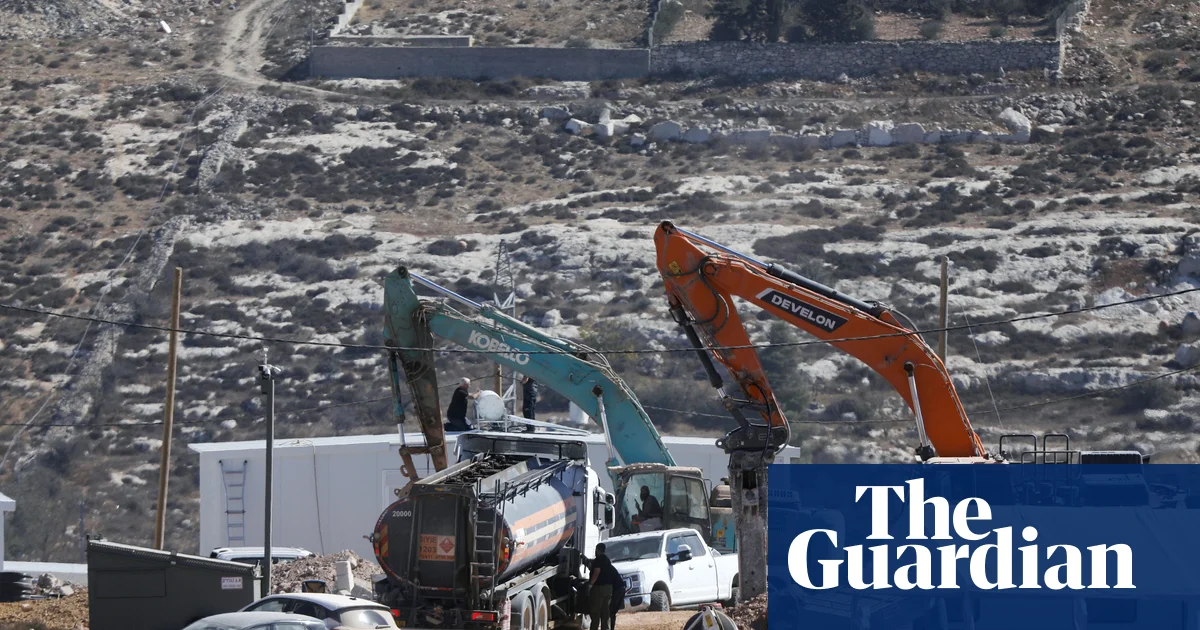
The European Union is witnessing a pivotal moment in its approach to the ongoing tensions in Palestine, as a coalition of European nations takes decisive steps to recalibrate their engagement with Israel. Historically a close ally of Tel Aviv, the EU now faces mounting pressure from its own member states—led by Netherlands—to implement targeted sanctions over the expansion of illegal settlements in the occupied West Bank. This shift signals a broader re-evaluation of European foreign policy, driven by the grim reality of escalating violence and a contentious debate over international law. The recent wave of legislative proposals and diplomatic actions underscores a deeper concern: how to balance economic interests with moral responsibility in a region teetering on the brink of irreversible conflict.

In May, the Netherlands, one of Israel’s most enduring European supporters, made a historic move by launching a comprehensive review of the EU-Israel association agreement. This agreement, which underpins tariff-free trade and Israel’s participation in key research programs like Horizon Europe, is now under threat as evidence mounts of violations of human rights obligations—highlighted by the International Court of Justice and numerous human rights organizations. Analysts from institutions such as the European Council on Foreign Relations warn that the EU’s leverage over Israel—representing approximately one-third of its global trade—has historically been underutilized. Now, with a push for sanctions including trade bans with settlement zones and restrictions on diplomatic functions, Europe may finally leverage its economic influence to deliver a political message: impunity for illegal occupation cannot continue unabated.

The growing internal dissent within Israel is also evident as the Knesset advances legislation that could effectively annex parts of the West Bank, in defiance of international consensus. Recent reports indicate an increase in attacks on Palestinian civilians—averaging eight daily incidents—including assaults on property, agriculture, and lives, with those percussive figures likely understated due to unreported cases. Israeli political factions demanding formal annexation, combined with aggressive settlement expansion, threaten the very viability of a peace process promised by international diplomacy. Such actions are raising fears among analysts that the two-state solution is slipping beyond reach, risking a permanent bifurcation that could destabilize the region for generations.

As global institutions and international lawmakers debate the future of Palestine, the geopolitical landscape is shifting. The European Union stands at a crossroads: sustain its historic commitments to dialogue and human rights, or wield its economic might to confront violations head-on.

  • The suspension of Israel’s access to Horizon Europe and potential sanctions on senior ministers embodies a new stance—one that emphasizes accountability.
  • Calls for total trade bans with settlement zones aim to send a clear, unwavering message—business as usual is over.

As diplomats and analysts grapple with the repercussions of these policies, the weight of history presses heavily upon the horizon. The decisions made today could reshape the geopolitics of the Middle East, determining whether peace can ever be achieved or whether the region plunges further into a cycle of conflict and unaccountable violence. In this fragile moment, the world watches, uncertain if diplomacy will prevail or if the weight of inaction will forge a future scarred by the echoes of unresolved conflict.

Senate to vote on stopping illegal war against Venezuela — US politics update

As the world watches in increasing concern, the geopolitical landscape in the Western Hemisphere is rapidly transforming into a theater of heightened conflict and strategic maneuvering. At the forefront is the United States, embroiled in a complex web of military posturing, congressional power struggles, and economic warfare, all with profound implications for regional stability and global diplomacy.

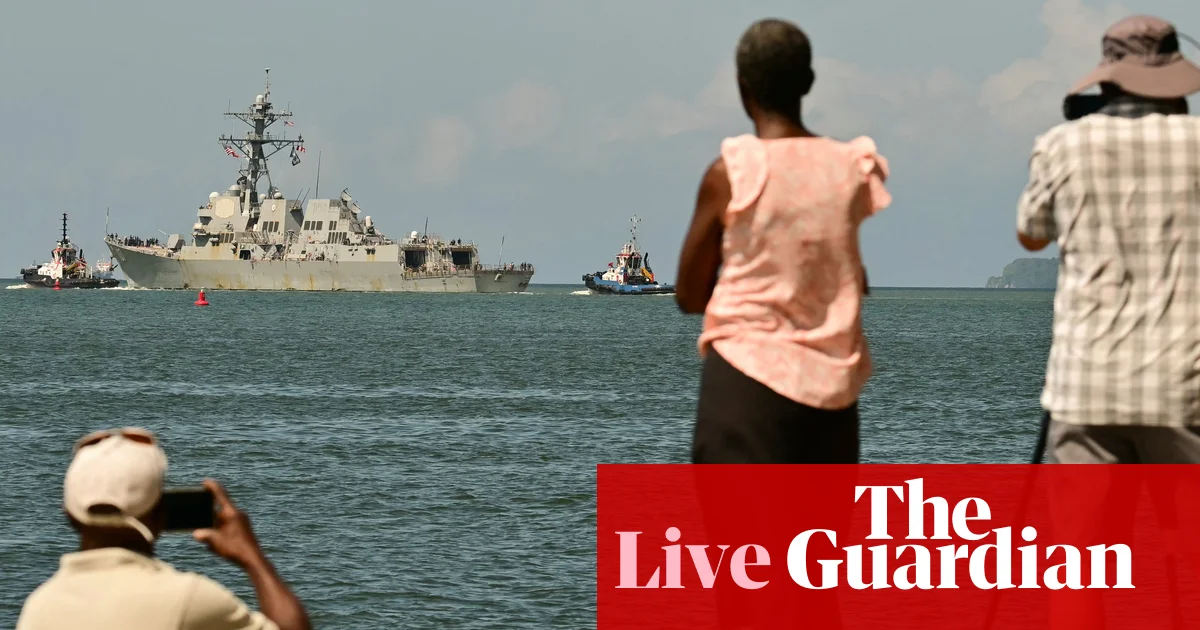
Recent developments reveal a concerted effort by the Trump administration to leverage military force, particularly in Venezuela. Reports indicate that discussions within the US government are gravitating toward authorizing land strikes—a move that would sharply escalate the ongoing covert and overt conflicts in the region. The Senate is now poised to vote on bipartisan legislation aimed at barring President Trump from initiating unauthorized military actions against Venezuela, a clear sign of growing congressional concern over unchecked executive power. Such legislation from Senators like Tim Kaine and Adam Schiff, along with Rand Paul’s support, underscores the deep bipartisan unease about the administration’s push for military intervention. Meanwhile, reports of aggressive US military deployments—including an aircraft carrier heading to South American waters and deadly strikes on alleged drug vessels—point to a hardening US posture that many analysts see as a replay of past interventions like Panama in 1989. The echoes of Operation Just Cause are unmistakable as the US seems determined to destabilize the Maduro regime, a move critics argue is driven more by strategic interests than genuine concern for regional sovereignty.

This militarization coincides with an aggressive economic stance. The US Supreme Court recently questioned the legality of Donald Trump’s tariffs imposed under the International Emergency Economic Powers Act (IEEPA). Even the high court’s conservative supermajority appeared skeptical about the president’s authority to levy duties not explicitly authorized by Congress, raising questions about the legality of economic sanctions that have far-reaching effects. Analysts warn that, regardless of the court’s ultimate ruling, these unilateral measures weaken international economic stability and further erode the balance of powers between branches of government. Simultaneously, the ongoing government shutdown threatens to disrupt vital infrastructure, with potential cuts to flights and public services that directly impact both domestic and international mobility, economic stability, and regional security.

On the diplomatic front, Trump’s engagement with China took a notable turn as he reportedly appealed to Xi Jinping to intervene in the case of jailed Hong Kong media tycoon Jimmy Lai. This move signals a broader strategy to simultaneously project US influence and influence global perceptions of China’s internal governance. Meanwhile, the internal chaos within the US government—marked by protests from furloughed workers and legal challenges over detention conditions—exposes a nation divided against itself, with its institutions strained by persistent partisan battles. Historians and international bodies warn that such internal disarray complicates the US’s ability to project power and uphold international commitments, risking a decline in global influence and credibility.

As the chaos unfolds, so too does history a new chapter—one where America’s future remains uncertain, its choices echoing through the corridors of power and the streets of Venezuela, Panama, and beyond. The decisions made today are not just about policy—they are the shaping of a new geopolitical reality, whose true impact will be measured by the stones we cast into the waters of history. In this unfolding drama, the specter of conflict and the struggle for influence loom large, with each gamble drawing the world closer to a precipice. The weight of history presses heavily upon the present—what legacy will today’s leaders leave in the sands of tomorrow?

Social Media Auto Publish Powered By : XYZScripts.com