Matox News

Truth Over Trends, always!

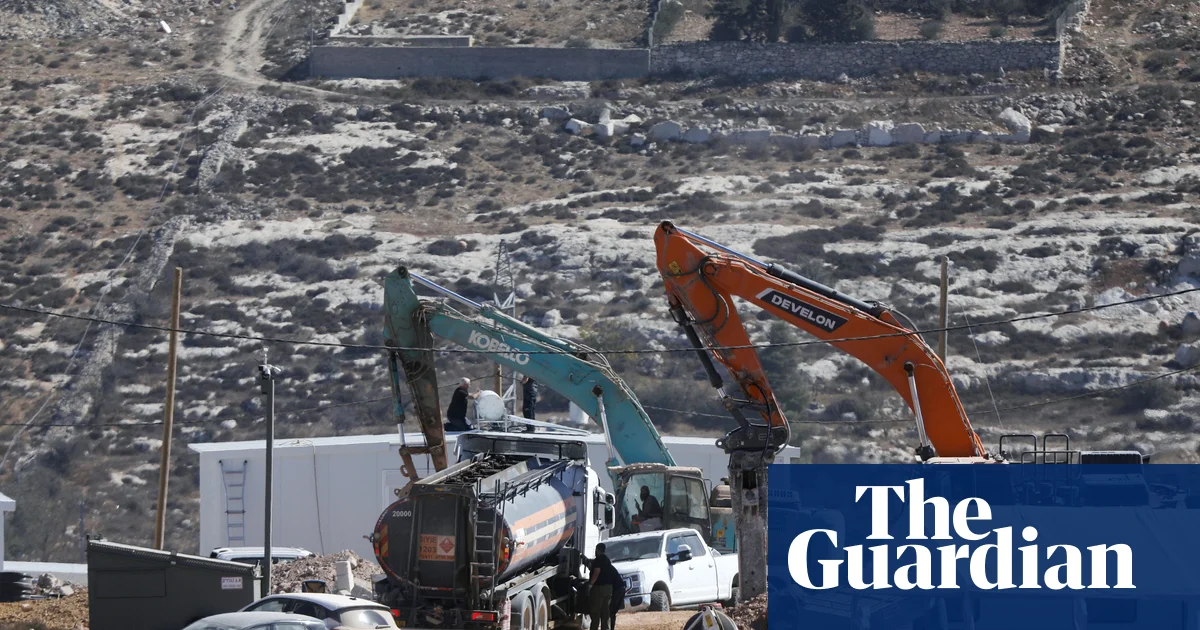
Netherlands pushes ahead with plan to block imports from illegal Israeli settlements

The European Union is witnessing a pivotal moment in its approach to the ongoing tensions in Palestine, as a coalition of European nations takes decisive steps to recalibrate their engagement with Israel. Historically a close ally of Tel Aviv, the EU now faces mounting pressure from its own member states—led by Netherlands—to implement targeted sanctions over the expansion of illegal settlements in the occupied West Bank. This shift signals a broader re-evaluation of European foreign policy, driven by the grim reality of escalating violence and a contentious debate over international law. The recent wave of legislative proposals and diplomatic actions underscores a deeper concern: how to balance economic interests with moral responsibility in a region teetering on the brink of irreversible conflict.

In May, the Netherlands, one of Israel’s most enduring European supporters, made a historic move by launching a comprehensive review of the EU-Israel association agreement. This agreement, which underpins tariff-free trade and Israel’s participation in key research programs like Horizon Europe, is now under threat as evidence mounts of violations of human rights obligations—highlighted by the International Court of Justice and numerous human rights organizations. Analysts from institutions such as the European Council on Foreign Relations warn that the EU’s leverage over Israel—representing approximately one-third of its global trade—has historically been underutilized. Now, with a push for sanctions including trade bans with settlement zones and restrictions on diplomatic functions, Europe may finally leverage its economic influence to deliver a political message: impunity for illegal occupation cannot continue unabated.

The growing internal dissent within Israel is also evident as the Knesset advances legislation that could effectively annex parts of the West Bank, in defiance of international consensus. Recent reports indicate an increase in attacks on Palestinian civilians—averaging eight daily incidents—including assaults on property, agriculture, and lives, with those percussive figures likely understated due to unreported cases. Israeli political factions demanding formal annexation, combined with aggressive settlement expansion, threaten the very viability of a peace process promised by international diplomacy. Such actions are raising fears among analysts that the two-state solution is slipping beyond reach, risking a permanent bifurcation that could destabilize the region for generations.

As global institutions and international lawmakers debate the future of Palestine, the geopolitical landscape is shifting. The European Union stands at a crossroads: sustain its historic commitments to dialogue and human rights, or wield its economic might to confront violations head-on.

  • The suspension of Israel’s access to Horizon Europe and potential sanctions on senior ministers embodies a new stance—one that emphasizes accountability.
  • Calls for total trade bans with settlement zones aim to send a clear, unwavering message—business as usual is over.

As diplomats and analysts grapple with the repercussions of these policies, the weight of history presses heavily upon the horizon. The decisions made today could reshape the geopolitics of the Middle East, determining whether peace can ever be achieved or whether the region plunges further into a cycle of conflict and unaccountable violence. In this fragile moment, the world watches, uncertain if diplomacy will prevail or if the weight of inaction will forge a future scarred by the echoes of unresolved conflict.
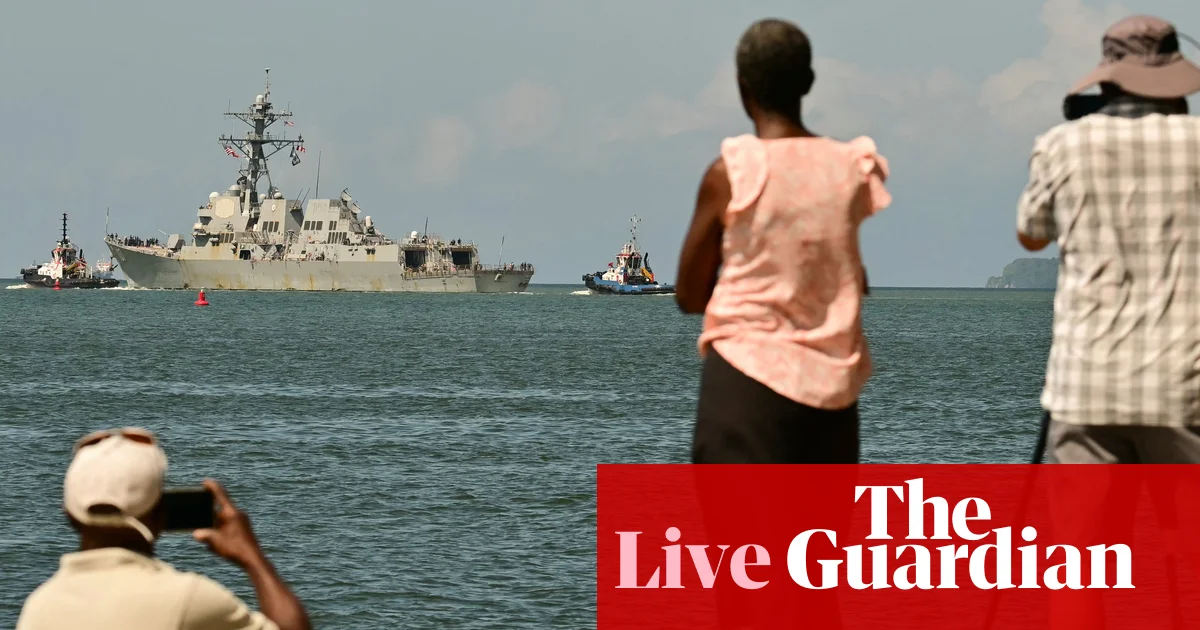

Senate to vote on stopping illegal war against Venezuela — US politics update

As the world watches in increasing concern, the geopolitical landscape in the Western Hemisphere is rapidly transforming into a theater of heightened conflict and strategic maneuvering. At the forefront is the United States, embroiled in a complex web of military posturing, congressional power struggles, and economic warfare, all with profound implications for regional stability and global diplomacy.

Recent developments reveal a concerted effort by the Trump administration to leverage military force, particularly in Venezuela. Reports indicate that discussions within the US government are gravitating toward authorizing land strikes—a move that would sharply escalate the ongoing covert and overt conflicts in the region. The Senate is now poised to vote on bipartisan legislation aimed at barring President Trump from initiating unauthorized military actions against Venezuela, a clear sign of growing congressional concern over unchecked executive power. Such legislation from Senators like Tim Kaine and Adam Schiff, along with Rand Paul’s support, underscores the deep bipartisan unease about the administration’s push for military intervention. Meanwhile, reports of aggressive US military deployments—including an aircraft carrier heading to South American waters and deadly strikes on alleged drug vessels—point to a hardening US posture that many analysts see as a replay of past interventions like Panama in 1989. The echoes of Operation Just Cause are unmistakable as the US seems determined to destabilize the Maduro regime, a move critics argue is driven more by strategic interests than genuine concern for regional sovereignty.

This militarization coincides with an aggressive economic stance. The US Supreme Court recently questioned the legality of Donald Trump’s tariffs imposed under the International Emergency Economic Powers Act (IEEPA). Even the high court’s conservative supermajority appeared skeptical about the president’s authority to levy duties not explicitly authorized by Congress, raising questions about the legality of economic sanctions that have far-reaching effects. Analysts warn that, regardless of the court’s ultimate ruling, these unilateral measures weaken international economic stability and further erode the balance of powers between branches of government. Simultaneously, the ongoing government shutdown threatens to disrupt vital infrastructure, with potential cuts to flights and public services that directly impact both domestic and international mobility, economic stability, and regional security.

On the diplomatic front, Trump’s engagement with China took a notable turn as he reportedly appealed to Xi Jinping to intervene in the case of jailed Hong Kong media tycoon Jimmy Lai. This move signals a broader strategy to simultaneously project US influence and influence global perceptions of China’s internal governance. Meanwhile, the internal chaos within the US government—marked by protests from furloughed workers and legal challenges over detention conditions—exposes a nation divided against itself, with its institutions strained by persistent partisan battles. Historians and international bodies warn that such internal disarray complicates the US’s ability to project power and uphold international commitments, risking a decline in global influence and credibility.

As the chaos unfolds, so too does history a new chapter—one where America’s future remains uncertain, its choices echoing through the corridors of power and the streets of Venezuela, Panama, and beyond. The decisions made today are not just about policy—they are the shaping of a new geopolitical reality, whose true impact will be measured by the stones we cast into the waters of history. In this unfolding drama, the specter of conflict and the struggle for influence loom large, with each gamble drawing the world closer to a precipice. The weight of history presses heavily upon the present—what legacy will today’s leaders leave in the sands of tomorrow?

Exposing the Hidden Dangers of Illegal HMOs in Our Communities

Across communities in Britain today, a disturbing pattern emerges—one that reveals the deep-seated failures of our social and political systems. Within these neighborhoods, demographic shifts and increasing housing insecurity have paved the way for the proliferation of illegal houses in multiple occupation (HMOs), a practice that exposes families and individuals to deplorable living conditions. These properties, often hidden from view, are frequently managed by private landlords and housing associations with little regard for regulation, safety, or human dignity. As detailed in recent reports and firsthand accounts, such as those shared by residents and social commentators, the consequences extend far beyond individual discomfort, striking at the core of community stability and family well-being.

The plight of residents living alongside unchecked overcrowded HMOs underscores a broader societal issue: the failure of local authorities and government agencies to effectively regulate and enforce standards. As sociologist Dr. Mark Granovetter once argued, social networks and trust are vital for the cohesion of communities; yet, when residents face persistent neglect, broken infrastructure, and unhygienic conditions, that trust erodes. For many families, especially those with children, these environmental hazards—cockroaches, broken furniture, and urine-soaked mattresses—are no longer isolated incidents but symbols of neglected social responsibility. The impact on families includes not only physical health risks but also psychological stress, which impairs educational attainment and emotional development for children growing up in these neglected environments. The presence of these poor conditions often breeds a cycle of despair and social marginalization, undermining the very fabric of society.

Addressing this crisis demands strict enforcement of housing standards, a stance supported by experts and social commentators alike. One proposed solution involves the confiscation of properties that fail to meet minimum health and safety requirements, with the proceeds reinvested into community regeneration and affordable housing initiatives. Such measures would not only remove hazardous dwellings but also serve as a deterrent to unscrupulous landlords seeking to profit from neglect. Coupled with properly funded courts capable of expediting legal proceedings, this approach would restore accountability. At the same time, reforms such as allowing tenants to claim rent repayment orders for unlicensed HMOs serve as counterbalances, creating tangible disincentives against unregulated practices. These solutions are grounded in the pressing moral duty to protect the most vulnerable among us—those who find themselves trapped in a system that prioritizes profit over human dignity.

Yet, it is essential to recognize that the social issues surrounding housing are deeply intertwined with broader societal complacency. As historian Dr. David Starkey noted, the decline of our shared moral commitments and a focus on individual gain have led to a deterioration of community bonds. The decline of underfunded local authorities, overwhelmed judicial systems, and a political environment that treats housing as a commodity rather than a human right create a perfect storm—one where neglect becomes normalized. We must consider how, as a society, we uphold the values of equity and fairness, ensuring that every family has access to safe, dignified shelter. When society ignores these injustices, it does so at its peril—losing sight of the moral foundation that holds us together.”

Reflecting on these challenges, society is confronted with a poignant choice: continue to tolerate the squalor that taints our cities or commit to a future where dignity and fairness reclaim their place at society’s center. Like a battered but resilient tree, the hope lies in regeneration—if we dare to nurture and protect the roots of our communities. Out of these darkened streets and broken homes, the seeds of societal renewal may yet blossom—if only we prioritize justice over profit, compassion over indifference. The question remains whether enough of us will heed this call before the last vestiges of community integrity are lost, leaving behind an underclass alienated and forgotten, a silent testament to a society that chose neglect over nurture.

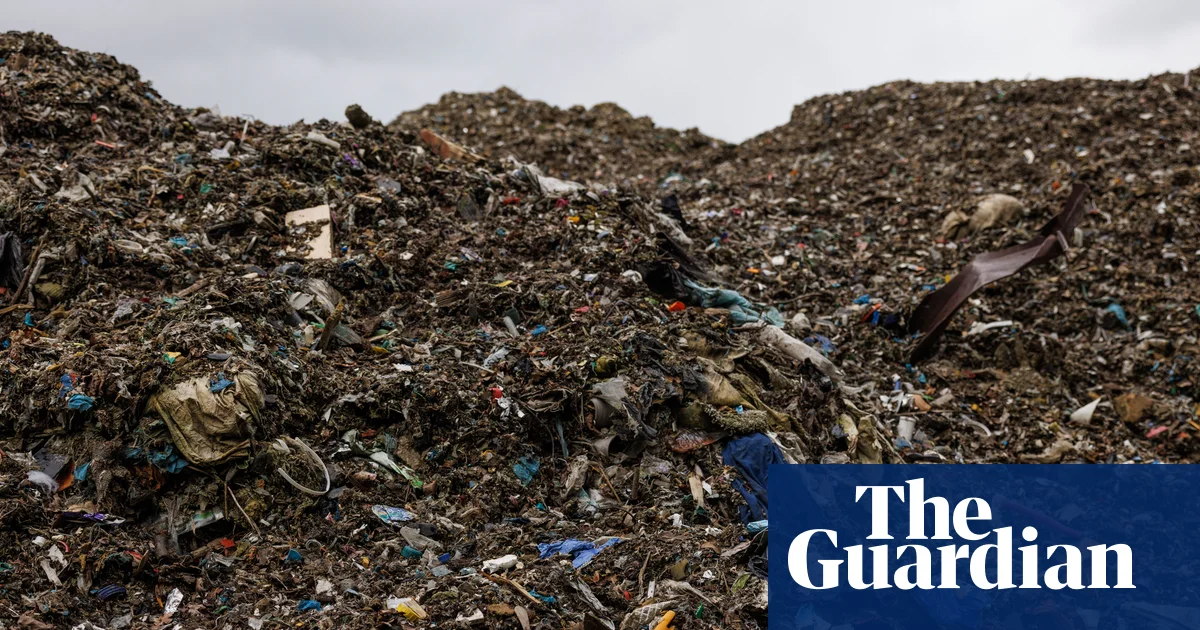
Organized Crime Profiting Millions from Illegal Waste Dumping in UK, Report Reveals

In a stark revelation that underscores the escalating chaos within the UK’s environmental enforcement, recent findings highlight how organized crime groups are reaping millions from illegal waste dumping. An inquiry by the House of Lords described the waste sector as a “low-risk, high-reward” avenue for criminal enterprises, revealing a disturbing pattern of endemic lawlessness that extends beyond Britain’s borders. The scale is staggering: at least 38 million tonnes of waste are illegally managed annually, inflicting severe environmental degradation, economic losses, and social chaos. This crisis is symptomatic of broader international failures to combat organized crime, fueling a narrative where justice is slow, if not altogether absent, amidst diplomatic and domestic shortcomings.

Analysts warn that such neglect has profound geopolitical implications. When criminal networks operate with impunity within one nation’s borders, they threaten to destabilize regional security and undermine global efforts to promote lawful economic activity. The report’s detailed account paints a picture of governmental apathy, with watchdogs criticizing the Environment Agency and police authorities for their ineffectiveness in prosecuting serious waste crimes, which are linked to illicit arms, drugs, and money laundering. Such gaps in enforcement provide fertile ground for organized crime syndicates to metastasize, turning what should be a matter of environmental preservation into a gateway for broader transnational threats. This situation not only jeopardizes Britain’s internal stability but also sends ripples across alliances, as nations grapple with shared challenges posed by expanding criminal cartels.

The international community, including organizations like the United Nations, has historically emphasized the importance of robust law enforcement and treaties to combat transnational crime. Yet, recent disclosures from Britain expose an unsettling gap between rhetoric and reality. The report details grave failures, such as the 2020 fly-tipping at Kent’s Hoad’s Wood nature reserve, which took three years for authorities to address, despite public reports of illegal dumping. At that point, over 30,000 tonnes of waste had accumulated, illustrating how bureaucratic inertia can allow lawless elements to entrench themselves in local communities. These failures exemplify how poor enforcement capacity enables organized crime to flourish, with devastating effects on societal trust and environmental sustainability.

As global historians and security analysts warn of an era where lawlessness adapts rapidly, the ongoing crisis in the UK highlights the urgent need for international cooperation. From reforms in policy frameworks to increased border controls and intelligence sharing, the fight against organized crime must transcend national borders. The narrative remains ominous: unless decisive action is taken, criminal syndicates will continue their ruthless exploitation of legal loopholes, undermining the rule of law and leaving scars on societies and landscapes alike. And as history continues to unfold, the question remains—will the world mobilize to confront this tide of chaos, or will it become another chapter in the unending saga of law and disorder? The weight of history presses heavily on the horizon, waiting to see which path the global community will choose.

Instagram and Facebook flout EU’s illegal content laws—youth-led digital freedom on the line

EU Regulatory Crackdown Challenges Tech Giants’ Dominion

The European Union’s latest move signals a significant shift in how global regulatory frameworks are poised to reshape the technology landscape. Both unnamed leading platforms are facing stiff fines of up to six percent of their annual worldwide revenue, a stark wake-up call for industry giants accustomed to operating with minimal oversight. As these firms mull over the potential to challenge the EU’s findings or enact preemptive measures, the stakes could redefine how platforms innovate and compete on the global stage. This regulatory pressure underscores a broader trend: regulation as a disruptive force in establishing new norms for digital governance.

The core concern centers on the platforms’ potential abuse of market dominance and anti-competitive practices—allegations that, if proven, could fundamentally alter the digital ecosystem. Industry analysts from Gartner and MIT suggest that such enforcement actions serve as a crucial inflection point, compelling companies to accelerate compliance initiatives and rethink their strategic agility. For example, these companies might need to implement more transparent algorithms, enhance user data protections, or modify their business models to meet stringent EU standards. The possibility of hefty fines—calculated as a percentage of revenue—adds an economic deterrent, pushing firms toward a new era of regulatory-driven innovation.

This tightening regulatory landscape arrives amid a wave of global calls for increased platform accountability. However, critics warn that excessive regulation could stifle foundational innovation or trigger retaliatory measures that fragment markets. Yet, industry leaders like Elon Musk and Peter Thiel emphasize the importance of disruption as a catalyst for competitive evolution, arguing that regulations should foster innovation while safeguarding consumer rights. As a result, the verdict and subsequent actions will likely serve as a blueprint for future global regulatory standards, compelling platforms to develop smarter, more responsible technological solutions.

In considering the broader business implications, this scenario signals a definitive shift towards an industry where compliance and innovation are increasingly intertwined. Companies that adapt swiftly—embracing transparency, AI governance, and fair market practices—stand to strengthen their position amid adverse regulations. Conversely, firms unable or unwilling to adjust risk falling behind as regulators adopt a more assertive stance. Moving forward, the urgency is clear: the tech sector must innovate within the boundaries of emerging regulatory frameworks or face disruptive penalties that could reshape market dominance. As the EU’s final rulings loom, the question remains—how will these digital titans evolve in an era where regulation, innovation, and global competitiveness are inseparably linked?

Over 1,000 illegal guns and parts taken in Australia and New Zealand crackdown—protecting our communities from crime

International Security Shaken as Australia and New Zealand Combat the Spread of Illicit Weapons

In a decisive move that echoes beyond its borders, Australia and New Zealand have launched an extensive transnational operation aimed at curbing the proliferation of illicit firearms. Over the course of a week, authorities seized more than 1,000 firearms and firearm parts, including weapons manufactured through sophisticated methods such as 3D printing. These efforts resulted in the arrest of over 180 suspects across multiple states and territories in both nations, signaling a critical focus on tackling the rising threat posed by untraceable, homemade firearms in the Indo-Pacific region. This crackdown underscores a pressing concern: how the dissemination of illicit weapons directly threatens the safety and sovereignty of countries committed to rigorous gun control regimes.

How Technology and Global Networks Fuel the Firearms Crisis

  • Authorities uncovered multiple 3D printers in New South Wales alongside Glock-style pistols, magazines, and holsters, revealing how technological advancements are transforming the landscape of illicit weapon manufacturing.
  • Investigations highlight the gradual evolution of these homemade firearms—from rudimentary, almost one-shot weapons to higher-quality, more deadly arms, often rivaling commercially manufactured guns in reliability.
  • Online communities and international retailers play a pivotal role in this expansion, consistently providing blueprints and parts that bypass traditional import controls. Many of these components, often ordered from overseas, assemble into weapons that are difficult to trace, challenging law enforcement agencies around the world.

According to analysts and historians tracking this wave of illicit arms, the trend reflects a dangerous convergence of technology and organized crime. The transnational nature of the trade compromises local and regional security, threatening to destabilize societies that have invested heavily in strict firearm control measures. The rise of 3D-printed weaponry symbolizes a turning point—where the digital revolution democratizes arms manufacturing and complicates international efforts to contain illegal firearms. International organizations warn that these developments threaten to nullify decades of progress in gun safety, creating a new battleground in the war against lawlessness.

Implications for International Security and Sovereignty

The geopolitical impact of the crackdown reverberates globally; it signals a renewed urgency for international cooperation to combat arms trafficking that infringes on national sovereignty. Countries like Australia, which has historically championed gun control, now face an evolving threat: clandestine networks operating across borders, often facilitated by the dark web, and technological advancements that unlock new avenues for illegal manufacturing. This dynamic sparks a debate among security experts about the adequacy of existing treaties and the need for enhanced cooperation, data sharing, and technological oversight.

In response, Australian Border Force officials report detecting over 8,000 illegal firearms, parts, and accessories at customs last year alone, emphasizing how international import routes are exploited by traffickers. For example, the seizure of a flame-thrower and other dangerous items in remote Australian locations underscores how porous borders have become in the face of evolving technology. These seizures demonstrate that, despite formidable regulations, illicit networks are adapting swiftly, pushing nations into a fierce race against time to restore control and safeguard their populations.

Critical voices in the international community, including security analysts and historical experts, continue to warn that neglecting this crisis could leave nations vulnerable to new forms of violence and destabilization. As smugglers and traffickers leverage online platforms and unregulated markets, the threat is no longer confined to a single country but is a shared peril to regional stability and global order. With each seized weapon, the weight of history reminds us: the ongoing battle to preserve sovereignty and public safety is far from over, and the choices made today will shape the security landscape for generations to come.

Conclusion: The Unfolding Battle for the Future

As justice authorities in Australia and New Zealand intensify their efforts, the broader implications for global security become painfully clear. The relentless tide of illegal firearms, fueled by technological ingenuity and transcontinental networks, underscores a stark reality: the fight against weapons proliferation is a battle waged not only on borders but across the digital universe and through the corridors of power itself. The pages of history continue to turn, each chapter woven with the stories of resilience, tragedy, and the indomitable quest to protect societies from chaos—a story still very much written, as the weight of the future hangs in the balance.

Social Media Auto Publish Powered By : XYZScripts.com