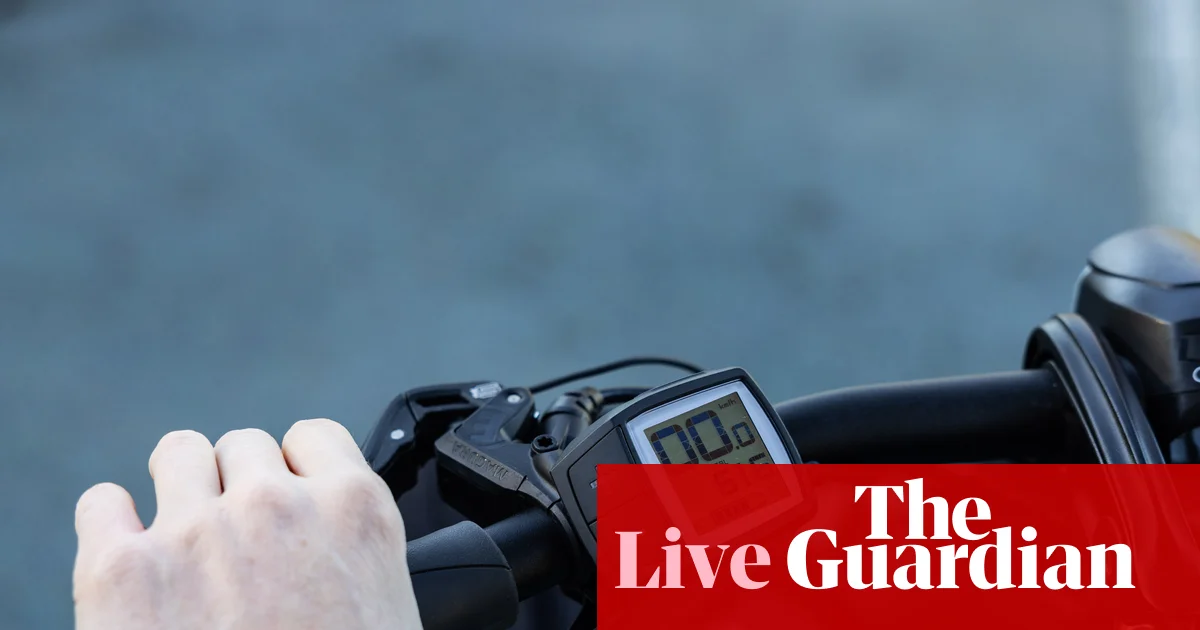

As the world navigates an era of rapid technological and geopolitical change, recent developments underscore the escalating tension between national sovereignty and international influence. Australia’s internal debates about the regulation of emerging technologies and societal issues serve as a microcosm of broader global dynamics. Key actions taken by the NSW government to crush illegal e-motorbikes, including seizing and crushing high-powered ebikes, reflect not merely a local safety initiative but also a cautious pushback against the unchecked proliferation of autonomous and potentially hazardous personal transport devices. This legislative move exemplifies a conservative approach aiming to safeguard public safety and societal order amid surging injuries and chaotic incidents, like the swarm of bikes on the Sydney Harbour Bridge.
Meanwhile, Australia’s domestic policy debates extend into the digital realm and societal health, revealing a nation grappling with the consequences of technological innovation and unchecked commercial influence. The Australian Medical Association has boldly warned that online gambling is causing “immeasurable harm” to Australian families, highlighting a troubling gap in governmental action. Despite a landmark report from late Labor MP Peta Murphy calling for a comprehensive ban on gambling advertisements, over 1,000 days have passed without meaningful legislative response, fueling frustration among progressive advocates and policymakers like independent MP Kate Chaney. Her push for a progressive bill to ban online gambling ads on all platforms over three years underscores the urgency for decisive action, reflecting a broader societal demand for protecting vulnerable populations—especially children—from predatory practices that profit from harm.
Internationally, this internal discord and regulatory inertia resonate across geopolitical borders, as the European Union inches closer to finalizing a landmark free-trade agreement with Australia. The EU’s engagement, led by Ursula von der Leyen, signals a rapprochement that could reshape economic alliances, but not without the strategic and political pressures all nations face. Simultaneously, the global energy crisis, described by Fatih Birol, head of the International Energy Agency, as “the greatest threat in history,” highlights a universe where energy security and access to affordable fuel become central battlegrounds. Australia’s military and foreign policy actors are feeling the heat as regional tensions with the Middle East escalate, adding fuel to an already tense international climate that demands firm national policies and strategic foresight.
In this ongoing saga of national resilience and international influence, the weight of history presses heavily. Leaders and citizens alike find themselves cast adrift in a sea of emerging threats and opportunities, with decisions made today echoing through generations. Will they stand firm in defending sovereignty, safety, and social cohesion? Or will economic interests and global pressures erode their resolve? As Australia and other nations chart their courses, the unfolding story remains one of profound consequence—one that defines the very fabric of their societies and the legacy they leave behind. The nexus of policies on AI, public health, safety, and international diplomacy paints a complex tableau; one, perhaps, where the true battle is for the soul of the nation.