Matox News

Truth Over Trends, always!

Istanbul’s Former Mayor Imamoglu Faces Corruption Charges Amid Political Challenges

In recent weeks, the international landscape has been sharply affected by high-profile prosecutions driven by political motives, which threaten the foundational principles of justice and sovereignty across nations. Dinushika Dissanayake, Amnesty International’s deputy director for Europe, voiced a stark warning, asserting that certain legal proceedings are “riddled with serious international fair trial and rule of law issues.” Her remarks highlight a disturbing trend whereby governments leverage judicial systems not merely to uphold law, but to politically target opponents or dissidents, thereby destabilizing regional stability and undermining democratic values.

This trend is particularly alarming given its potential to distort international relations. When a country’s judicial system is weaponized for political ends, it creates ripple effects across borders, encouraging other nations to adopt similar tactics to suppress dissent or consolidate power. Analysts warn that this erosion of legal integrity can lead to increased international tensions and defy diplomatic norms. The use of secret witness testimony—often unreliable and opaque—further complicates the issue, making it difficult for international watchdogs and organizations like the United Nations to ensure accountability or provide fair oversight. Such actions threaten the sovereignty of affected nations by subverting the rule of law, which is an essential pillar of democratic governance and international stability.

Experts note that these developments bear significant geopolitical impact. Countries now face the repercussions of these politically driven prosecutions on their global standing. Western nations, particularly those of a more youthful, dynamic demographic, are increasingly scrutinizing their alliances and diplomatic engagements with regimes accused of abusing legal systems for political ends. Conversely, authoritarian powers see such prosecutions as examples to follow, further cementing their grip on power at home while challenging the legitimacy of liberal democratic paradigms abroad. The international order must grapple with this new reality, where legal systems are no longer sanctuaries of justice but tools for political survival.

Leading historians and political analysts affirm that this moment will be recorded as a pivotal point in history—when the veneer of legality was used to disguise political repression, challenging the very fabric of international rule-based systems. How major powers respond, and whether they prioritize upholding universal principles over short-term geopolitical gains, remains uncertain. But what is clear is that the weight of history now rests heavily on the shoulders of nations and their leaders to navigate these turbulent waters with integrity and resolve. As the world watches, the unfolding saga of justice and authority continues—on a stage where the fates of societies and the integrity of the rule of law hang precariously in the balance, waiting to be etched into the chronicles of history.

Turkey calls for over 2,000 years in prison for Istanbul’s popular Mayor Imamoglu

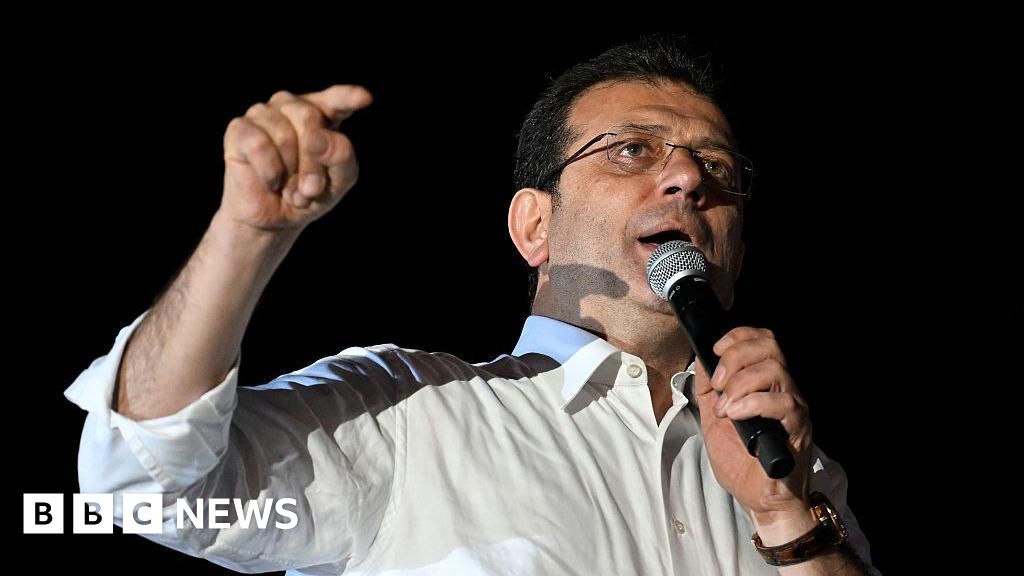
In a move that has sent shockwaves through Turkey’s political landscape, the mayor of Istanbul, Ekrem Imamoglu, faces a barrage of serious charges that threaten to reshape the nation’s trajectory. The prosecutor’s office in Istanbul has leveled accusations of 142 counts of corruption, bribery, and money laundering, claiming that Imamoglu was at the helm of a sprawling criminal network. Such allegations, if proven, could lead to a combined jail sentence exceeding 2,400 years — a staggering figure that underscores the gravity of what some analysts are calling an attempt to quash Turkey’s most prominent opposition figure.

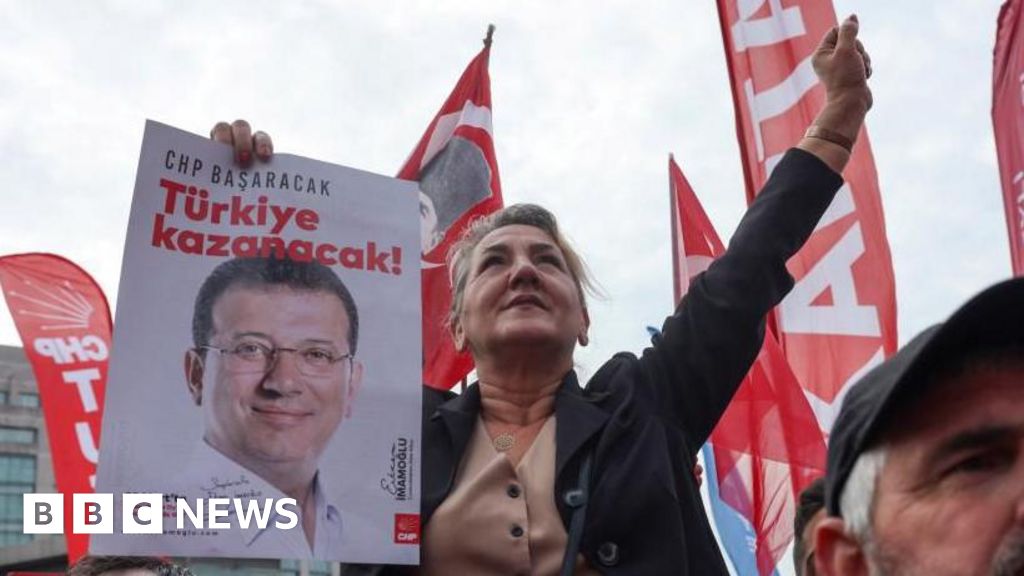
The charges against Imamoglu, who achieved national prominence by defeating President Recep Tayyip Erdogan’s allies in the 2019 mayoral race and securing a landslide victory in April 2024, are widely viewed as a politically motivated crackdown. His supporters and opposition leaders alike argue that this move is aimed at dismantling the secular CHP’s strongest presidential contender for 2028. The Turkish government denies political bias, insisting that the judiciary operates independently and that these prosecutions are based on concrete evidence of corruption. Yet, many international observers, including analysts from the European Union and human rights watchdogs, see this as part of a broader pattern of eroding judicial independence under Erdogan’s increasingly authoritarian rule.

What makes Imamoglu’s case particularly significant is how it exemplifies the *turning point* in Turkey’s domestic politics — a nation increasingly polarized, with political rivals retreating into entrenched factions. Imamoglu, a figure representing secularism and democratic principles, has articulated a vision of reform that resonates with millions of Turks weary of authoritarian overreach. His detention, coupled with accusations of espionage, forging documents, and engaging in a criminal conspiracy, frames a critical geopolitical impact: Turkey’s internal political turmoil could ripple outward, unsettling regional stability and complicating its relations with Western allies. As society watches, the President’s supporters argue that this is a necessary step to root out deep-seated corruption, while opponents warn of the rise of a political witch-hunt disguised as justice.

Historically, such tactics — where judiciary processes are weaponized against opposition leaders — have been observed in other regimes transitioning from democratic ideals towards authoritarian consolidation. The United Nations and European Union have both expressed cautious concern over the increasing politicization of Turkey’s judiciary. Meanwhile, regional powers such as Greece and Europe are keenly monitoring the unfolding crisis, aware that Turkey’s internal stability directly influences broader geopolitical fluidity, especially in the context of conflicts in the Middle East and NATO dynamics.

As Imamoglu faces what many see as an orchestrated attempt to eliminate the opposition, the future of Turkey’s democracy hangs in the balance. His case has ignited protests across Istanbul and beyond, underscoring a profound societal divide. The decision of the courts next will forever shape the historical narrative of the nation: whether Turkey will regain its democratic footing or spiral further into a dangerous era of political repression. With history’s pen poised on the edge of a new chapter, the world remains watchful — for in Turkey’s fate lies a commentary on the resilience of democracy itself. The echoes of this tumult are sure to resonate, leaving a legacy that future generations will scrutinize — a story still being written with every bold step and every heavy silence in the corridors of power.

Social Media Auto Publish Powered By : XYZScripts.com


