Matox News

Truth Over Trends, always!

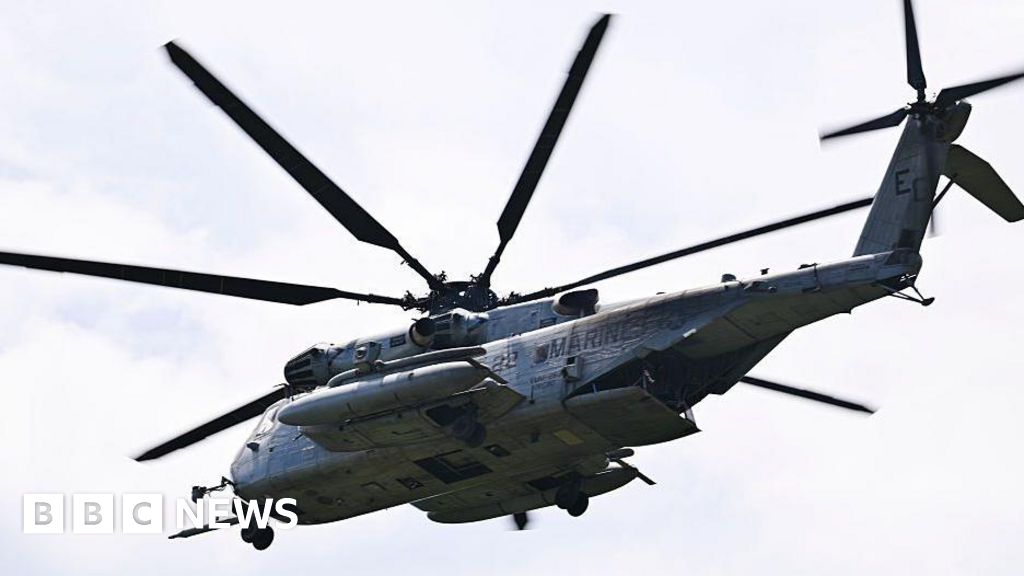
US lawmakers push for answers on Hegseth Venezuela boat incident

The United States is once again at the forefront of a fierce debate over military conduct and international law, following recent reports of lethal strikes against suspected drug trafficking vessels in the Caribbean. As part of a broader anti-narcotics operation, the US has expanded its military footprint in the region, claiming its actions are necessary for national security. However, the emerging allegations of a second strike—potentially targeting survivors—have ignited a storm of criticism both within Washington and among global observers, raising critical questions about legality, morality, and the consequences of unchecked military power.

  • Reports from The Washington Post suggest a controversial sequence of events: a first strike on 2 September left two survivors, followed by a second precise attack to “kill everybody” on board, as claimed by anonymous sources. Defense Secretary Pete Hegseth reportedly gave the order for the second strike, which has not been officially confirmed by the US Department of Defense. This revelation has prompted congressional hearings, with lawmakers from both sides warning of potential war crimes and violations of international law.
  • American officials, including President Donald Trump, have staunchly dismissed these allegations. Trump asserted support for Hegseth, claiming he believes him “100%,” further fueling the partisan divide surrounding the incident. Meanwhile, the Venezuelan government strongly condemned the strikes, vowing to conduct its own investigations and accusing Washington of fomenting regional instability.

This controversy underscores the geopolitical impact of U.S. actions in a region fraught with instability. The Caribbean has long been an area of strategic importance—serving as a nerve center for drug trafficking routes, and now, as a battleground for U.S. counter-narcotics ambitions. While officials defend their operations as self-defense against illicit activity, critics argue that the use of lethal force, especially against survivors, risks crossing a dangerous threshold into unlawful conduct. The potential involvement of international law—or the lack thereof—raises urgent questions about accountability, especially since the U.S. is not a signatory to the United Nations Convention on the Law of the Sea.

Historians and analysts note that this incident could have far-reaching ramifications, potentially setting a precedent that challenges norms governing maritime conduct. The United States, often seen as a military superpower, faces mounting scrutiny as an internal divide over its foreign policy strategies widens. Particularly, Congress has called for vigorous oversight, with leaders warning that such actions could escalate tensions with nations like Venezuela and embolden regional actors to question the U.S.’s intent. The International Criminal Court and human rights organizations watch these developments closely, eager to hold governments accountable for possible war crimes.

As the world watches, the unfolding story of the Caribbean tensions will leave an indelible mark on history’s ledger—stirring questions of morality, sovereignty, and the limits of unilateral military action. With each new report, the shadows of doubt deepen, and the weight of history presses ever harder on the shoulders of those in power. As international observers ponder the long-term consequences of these strikes, a stark reminder echoes: in the chaos of modern geopolitics, the line between protector and perpetrator blurs, with the enduring hope that justice and law will ultimately guide the course of history.

US Suspends Afghan Immigration Requests Following Guard Shooting Incident

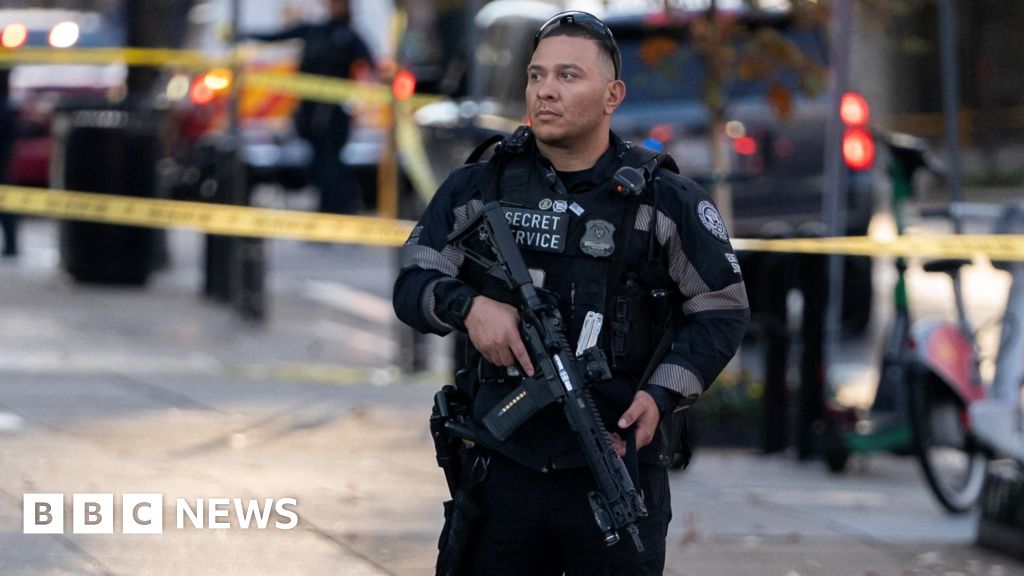
Recent incidents in Washington, D.C., have underscored the volatile intersection of immigration policy, national security, and domestic stability. A shooting near the White House, involving an alleged Afghan national — Rahmanullah Lakanwal — has reignited fierce debates over U.S. immigration protocols and the efficacy of vetting procedures instituted since America’s chaotic withdrawal from Afghanistan in 2021. This event marks a critical juncture, exposing vulnerabilities in the U.S. border and immigration systems, which have become focal points of partisan contention and strategic reassessment.

The incident, involving a suspect identified as a criminal alien from Afghanistan, who arrived during Biden‘s administration under the Operation Allies Welcome program, has prompted a nationwide review of security measures. Following the attack, U.S. authorities suspended processing all immigration requests from Afghan nationals, citing concerns over security and vetting standards. This decision underscores a pivotal shift in policy, driven by fears that individuals like Lakanwal might pose risks to domestic safety, especially amid rising tensions over refugee and immigrant integration. Analysts from respected institutions warn that such dramatic policy reversals could undermine America’s standing as a land of opportunity while simultaneously fueling fears among citizens seeking safety first.

The geopolitical impact of these policy shifts extends beyond domestic borders, affecting US relations with neighboring nations and allies. The Biden administration’s reduced refugee protections and the ending of Afghanistan’s temporary protected status have created a sense of insecurity among Afghan-American communities and international observers who see these moves as a reflection of broader strategic withdrawals. Meanwhile, President Trump’s rhetoric—labeling the shooting as an “act of terror” and advocating for the removal of foreigners—resonates with a significant segment of the demographic seeking a tough stance on security. Such rhetoric risks emboldening nationalist and anti-immigrant factions worldwide, potentially destabilizing diplomatic relations and fueling regional tensions in already fragile zones.

Experts, including historians and security analysts, emphasize that this incident is emblematic of a larger narrative: how decision-making in Washington profoundly shapes the perceptions and realities of security for ordinary citizens. The deployment of thousands of National Guard troops—initially to curb amplified crime in the city—has become a political symbol of strength or overreach, depending on the lens. The decision to escalate military presence reflects an underlying challenge: balancing civil liberties with national security, especially when the stability of society is called into question after such violent events. As the debate intensifies, the outcome will likely influence future policies, emphasizing either increased security measures or cautious reforms aimed at preserving civil rights.

As the dust settles over this disturbing event, history remains in the making. With each decision, from immigration vetting to military deployment, the course of America’s future is being charted—its strength measured by how effectively it navigates internal divisions and external threats. The unfolding narrative reminds us that in the crucible of crisis, nations are tested not just by their response to violence, but by their ability to uphold sovereignty and social cohesion amid chaos. In the shadows of this violent act, the weight of history presses heavy, as the world watches whether America will emerge resilient, or falter under the mounting pressures of its own choices.

Wellingborough teacher loses license after reckless drinking and driving incident at school gates

Community Trust and the Fragility of Education Governance

Recent incidents at schools across communities reveal unsettling breaches of trust that threaten the integrity of our education system. Particularly, the case of Michelle Stant, a former teacher at Friars Academy, underscores how social issues such as substance abuse and misconduct can have devastating repercussions, not only for the individual involved but also for the families and students who rely on a safe, disciplined learning environment. The misconduct panel’s decision to impose an indefinite ban on Ms. Stant’s teaching license highlights the grave consequences that failure of moral judgment can inflict upon the fabric of our schools.

The ripple effects on families and the broader society

Recognized social theorists like Charles Murray have long emphasized the importance of stable social institutions—particularly families and schools—in shaping responsible citizens. When educators, entrusted with nurturing future generations, fall into misconduct, the societal fabric frays. The case of Ms. Stant, who acknowledged drinking on the job and even drove her vehicle into school property, illuminates how individual moral lapses can undermine the trust necessary for effective community functioning. Families are directly affected as their children’s safety becomes compromised, and the ripple effect can lead to increased societal disillusionment and a decline in communal cohesion.

Challenges and pathways toward accountability and renewal

  • Strengthening teacher support systems to detect burnout and mental health issues before misconduct occurs.
  • Implementing robust oversight procedures, including random alcohol testing and reflective assessments.
  • Fostering a culture of accountability within school institutions, supported by community engagement.
  • Encouraging moral and ethical training that emphasizes values-based education as a core element of professional development.

Academic voices like Dr. Christopher Lasch warn that societal decline often begins with the erosion of moral standards within key institutions. As the education sector faces these crises, the question remains: How can schools rebuild trust when trust has been eroded? The answer lies in comprehensive reforms that prioritize ethical integrity, community involvement, and transparent accountability. While social tensions persist, history teaches that such crises also offer opportunities for renewal and societal growth. Educators and communities must stay vigilant, embracing the challenge of restoring dignity to our schools, so that the next generation can learn not only from textbooks but also from the moral courage of their teachers.

A society’s hope lies beyond the horizon

As society navigates this complex landscape of moral lapses and social tensions, it is imperative to remember that the societal fabric is woven from the threads of individual virtue and collective responsibility. Addressing the challenges revealed by incidents such as Ms. Stant’s requires more than punitive measures; it demands a renewed grasp of shared values, moral renewal, and societal commitment to building resilient communities. Only then can we hope that our institutions—especially those tasked with shaping the minds and morals of future generations—will once again serve as bastions of integrity and hope.

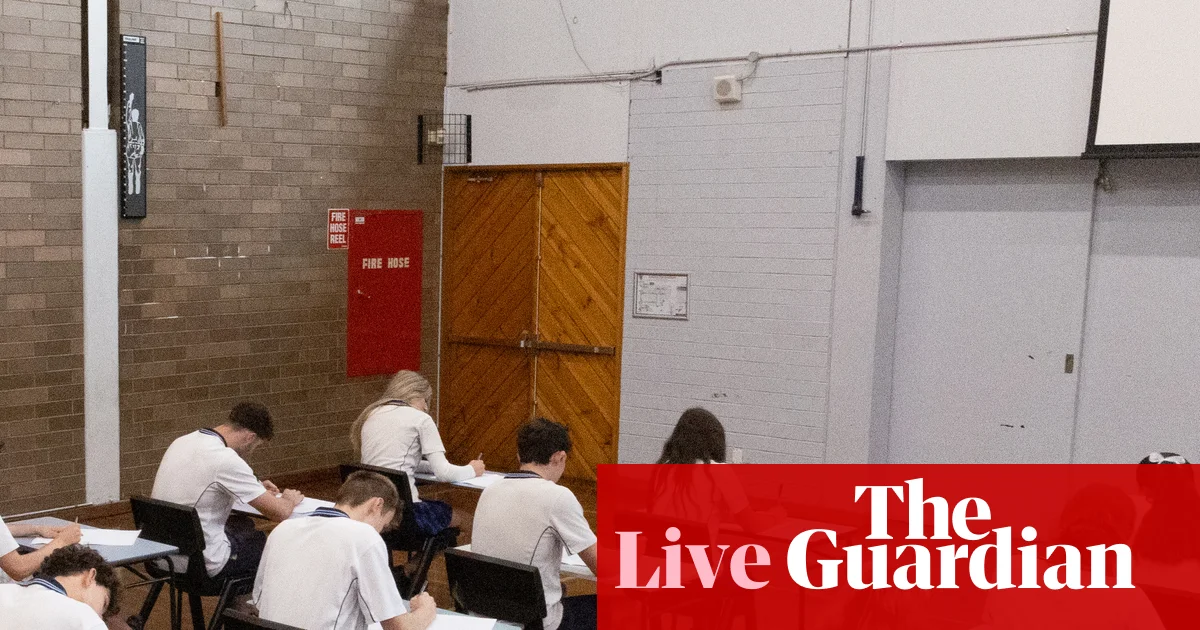
Australia News Live: HSC Exams Kick Off in NSW, ADF Falls Into Incident Near Townsville

In an era marked by rapid international shifts and strategic realignments, strong nations and alliances are navigating transformations that will influence global stability for decades to come. The recent enthusiasm surrounding AU-KUS—a trilateral security pact between Australia, the United States, and United Kingdom—symbolizes a new chapter in the international order. According to defense analysts, this alliance aims to counterbalance China’s expanding military reach and assertive regional presence, particularly in the Indo-Pacific. This move underscores a profound strategic shift, forging a collective front that seeks to secure economic and military dominance in an increasingly contested region.

  • The US is demonstrating unprecedented enthusiasm for AU-KUS, with Pat Conroy, the defense industry minister, highlighting the “hugely encouraging” support from congressional leaders. This solidifies the alliance’s significance on the diplomatic front, as each nation seeks to safeguard their interests amid rising geopolitical tensions.
  • Simultaneously, Australia is bolstering its defense capabilities with the deployment of advanced submarine technology, reflecting a broader push by regional powers to strengthen deterrence against external threats. Such military advancements, however, carry the risk of escalating regional arms races, impacting the security landscape of the Indo-Pacific.

Parallel to these military developments, global finance and security are witnessing a crackdown that signals a shift towards greater control. Australian authorities, led by Tony Burke, announced sweeping reforms targeting cryptocurrency ATMs—a vital tool used for illicit activities such as money laundering and terrorism financing. With Australia hosting the third-largest number of crypto ATMs worldwide, the government’s move to empower Austrac with expanded oversight aims to curtail criminal misuse of digital currencies. This policy shift exemplifies how nations are increasingly viewing financial regulation as a tool to reinforce national security—an approach that might spark similar actions worldwide.

However, the economic implications are stark: despite a 3.2% growth in household income from 2023 to 2024, many Australians remain under financial strain. Recent research from the Australian Institute of Health and Welfare reveals that approximately 1.26 million low-income households face housing stress, underscoring the widening gap between economic growth and societal well-being. This divergence signals that national prosperity is concentrated among the wealthiest, while the young and vulnerable struggle under mounting economic pressures—a trend that could fuel unrest and reshape domestic politics in the coming years.

As history continues to unfold, these developments reveal a complex tableau: the forging of international alliances designed to shape a new power dynamic, coupled with domestic reforms aimed at controlling emerging threats and addressing societal inequities. It is in this crucible of change that the future of geopolitics will be forged—an epoch where strategic decisions made today will echo through the corridors of history, defining the fate of nations and societies for generations to come.

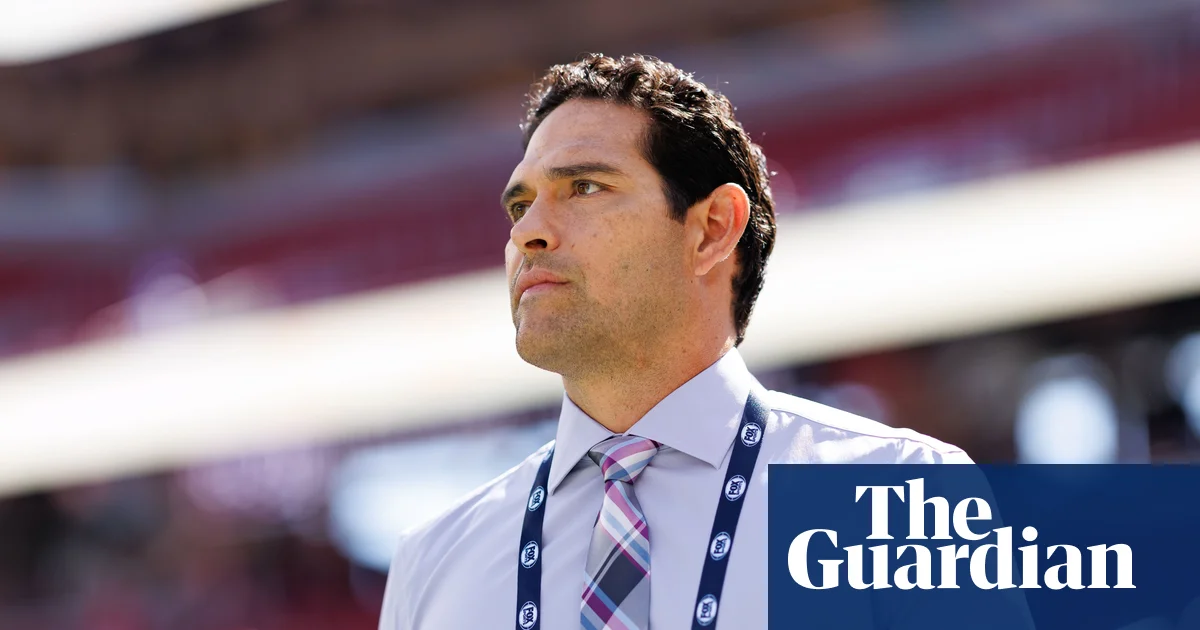
Former NFL star Mark Sanchez arrested following stabbing incident

In a startling development that underscores the unpredictable nature of personal crises affecting public figures, former NFL quarterback Mark Sanchez has found himself embroiled in controversy after a violent incident in downtown Indianapolis. Reports confirm that Sanchez, now a prominent television commentator, was involved in a stabbing early Saturday morning, an event that has cast a shadow over his career and touched a nerve in a nation not unfamiliar with high-profile upheavals. While the details surrounding the attack remain under investigation, the incident exemplifies how societal tensions and personal struggles can intersect, sometimes leading to tragic consequences.

The geopolitical impact of such incidents extends beyond individual tragedy, resonating across national narratives about violence, law enforcement, and social stability. Indianapolis, a city increasingly emblematic of broader American urban challenges, serves as a microcosm of a nation grappling with issues from rising violence to mental health crises—issues often magnified when connected to high-profile figures. The Indianapolis metropolitan police department reported that Sanchez was hospitalized in critical condition after the attack, with officers detaining a suspect involved. Such incidents often ignite debates on urban safety policies, law enforcement’s capacity, and America’s societal cohesion at large. Analysts from organizations like the Council on Foreign Relations warn that domestic stability, whether in the United States or elsewhere, hinges on effective responses to such internal crises, which reflect deeper structural vulnerabilities.

This case highlights how individual events in the United States can ripple outward, affecting perceptions of law, order, and national character. It serves as a grim reminder that no societal fortress is immune to discord, even within the realm of celebrity and sports—entities often romanticized as icons of resilience. Yet, the aftermath of Sanchez’s stabbing raises critical questions about social cohesion and the role of community-based interventions, especially given how such incidents are increasingly weaponized in political and cultural debates. Historically, crises involving public figures tend to magnify societal divisions rather than heal them, and experts suggest that without comprehensive reform, these fissures threaten to widen, further destabilizing an already fragile social fabric.

  • The incident has prompted immediate attention from local authorities, with the Marion County Prosecutor’s Office preparing to decide on formal charges, emphasizing the presumption of innocence until proven guilty.
  • Comments from analysts note that the incident, while criminal in nature, echoes larger themes of urban unrest and societal marginalization, often exploited by political factions seeking to sway public opinion.
  • International institutions like the United Nations have repeatedly underscored the importance of social stability as a foundation for peace, warning that internal disorder can rapidly threaten regional security.

As Sanchez’s story unfolds, the incident leaves a heavy reminder that history’s most tumultuous chapters are often written in moments of personal crisis that mirror broader societal conflicts. From the streets of Indianapolis to the forums of international diplomacy, the question remains—how will nations adapt to the rising tide of internal chaos? The course of events in Indiana may seem isolated, yet they echo a much larger narrative: the fragile dance of order and disorder, of tradition confronting modern upheavals. The weight of history presses down, an ominous reminder that whether in the corridors of power or the alleyways of small cities, the future of societal stability depends on the resilience and unity of nations that dare to confront their own shadows. With each passing event, the story of our times is being written—sometimes in blood, sometimes in resolve—and the final chapter, still yet to come, promises to define generations to come.

Pritzker warns of Trump sending National Guard to Chicago amid shooting incident at border patrol—Youth voice demands action

Unrest and militarization escalate within United States: A nation at a crossroads

The recent decision by President Donald Trump to deploy over 300 federal National Guard troops in Illinois amidst mounting internal conflicts marks a pivotal moment in the history of American sovereignty and civil liberties. This move, announced by Illinois governor JB Pritzker, has ignited a fierce political debate, characterized by allegations of overreach and threats to fundamental constitutional principles. Pritzker’s vehement opposition underscores a broader rift within the country, pitting federal authority against local governance and civil rights.

As the Trump administration intensifies its immigration enforcement, with ICE agents conducting aggressive operations across Chicago, the urban unrest appears to be more than a routine law enforcement campaign. The recent deadly shooting of a woman by federal agents—initially claimed to be *defensive*—raises serious questions about the escalation tactics employed, especially as the woman’s name reportedly appeared in a threat bulletin against ICE. Historians warn that such incidents reflect a dangerous shift toward militarized domestic policing, reminiscent of authoritarian states more than a democratic republic. “This is a turning point where the use of military force within the U.S. is increasingly normalized,” said Dr. Annette Morgan, a political analyst specializing in civil-military relations.

Meanwhile, high-ranking officials like Kristi Noem and Gregory Bovino have announced bolstered troop deployments, framing federal intervention as necessary to control alleged surges in local violence and disorder. Yet, critics argue that much of this narrative is inflated or outright false, aiming to justify an aggressive federal footprint within American cities. The deployment of troops to cities such as Los Angeles and Washington D.C. signals a troubling trend: the encroachment of military authority into realms traditionally reserved for civilian law enforcement. Such actions threaten the very fabric of American constitutional democracy and may set dangerous precedents for future administrations.

Geopolitical Impact and Future Consequences

The international community watches these developments with concern. Many analysts, including top officials at NATO and the United Nations, have issued cautious statements emphasizing respect for national sovereignty and civil liberties. However, China and Russia are observing with strategic interest, eager to exploit perceived internal chaos to undermine the United States’ global influence. The continuous militarization of domestic affairs could weaken America’s image as a beacon of freedom worldwide, transforming its internal conflicts into a potential pretext for external interference or sanctions.

Furthermore, historians warn that this internal strife could have far-reaching consequences for American society. If unchecked, the increased deployment of military force against civilians could erode trust in democratic institutions and pave the way for a government comfortable with authoritarian methods. Such a trajectory risks transforming the United States into a nation where protests are met with suppression rather than dialogue—a dangerous slide toward internal instability that threatens to reshape the global order.

The Weight of History and Humanity’s Unfolding Future

As the United States faces this tumultuous chapter, the weight of history presses heavily on the shoulders of its citizens. Each decision to deploy military force on American soil echoes with echoes from darker chapters—when nations descended into chaos and lost sight of the principles that once made them great. The world watches in tense anticipation, aware that the choices made today may determine the destiny of generations to come. Will the United States reinforce its founding ideals of liberty and justice, or will it succumb to a new era of internal conflict and military dominance? Only time will unveil the next chapter in this unfolding story of power, resistance, and the enduring struggle for a free society.

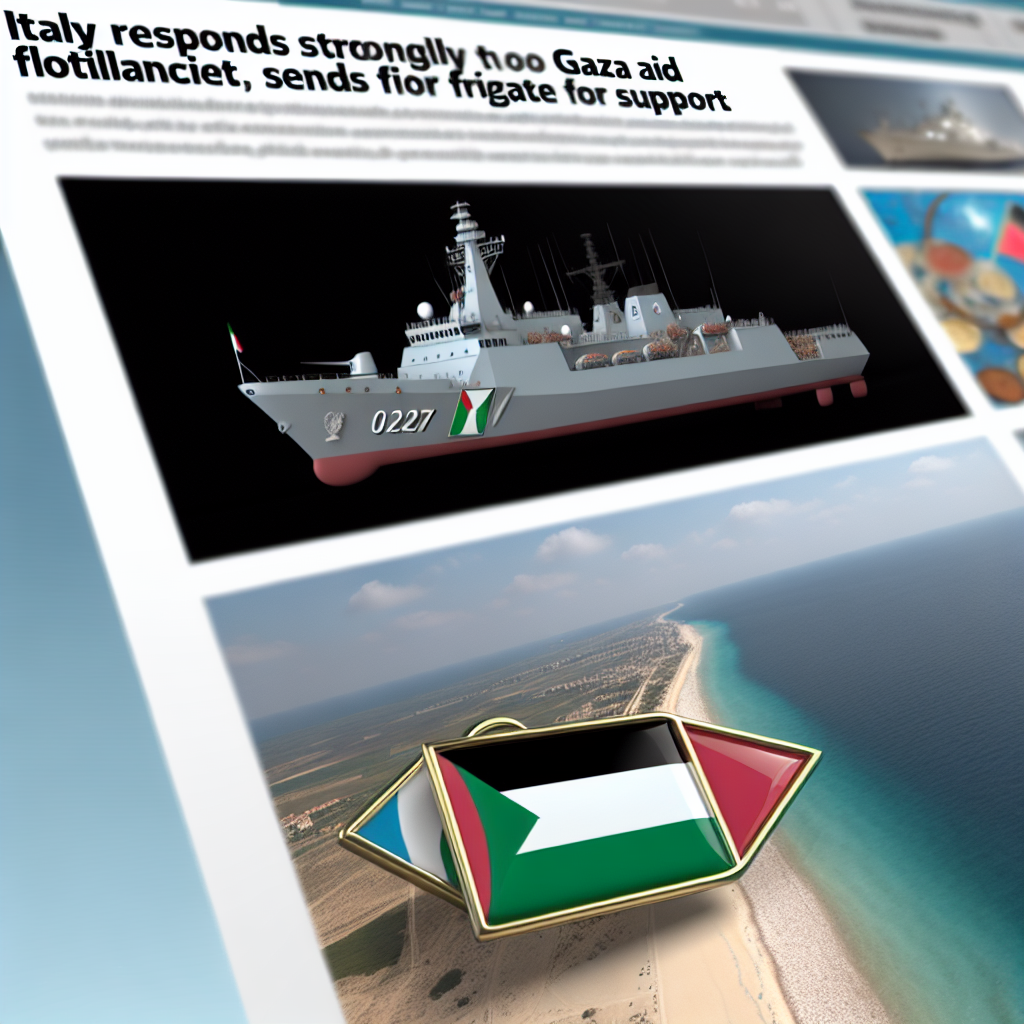
Italy Responds Strongly to Gaza Aid Flotilla Incident, Sends Frigate for Support

Drone Attack on Global Sumud Flotilla Sparks International Controversy

Italy’s Defense Minister, Guido Crosetto, condemned a recent drone attack on the Global Sumud Flotilla (GSF), which attempted to breach Israel’s naval blockade of Gaza to deliver humanitarian aid. The incident occurred approximately 50 kilometers south of Crete, in what has been characterized as an aggressive escalation by unidentified forces. To safeguard Italian citizens aboard the flotilla, Crosetto announced the deployment of an Italian Navy frigate to the region.

The GSF, comprising 52 vessels, reported multiple explosions and indicated that drones were present during the incident. The organization accused Israel of increasing tensions in an already volatile area. This has led to repercussions not just for passengers on the boats, but also raises broader questions about international intervention and the risks associated with navigating contested waters.

Israeli authorities have maintained a strict stance on the flotilla’s activities. While the Israeli government has refrained from commenting on the latest incident, it has previously declared its intent to prevent the flotilla from reaching Gaza. The Israeli foreign ministry has characterized the mission as being organized by Hamas, urging the ships to deliver their supplies to the port of Ashkelon instead. Israeli officials have reiterated that vessels attempting to breach the blockade would face legal action, citing national security concerns.

Adding further layers to the unfolding situation, environmental activist and prominent pro-Palestinian figure Greta Thunberg, who is involved in the flotilla, labeled the drone attacks as “scare tactics.” This perspective echoes sentiments among supporters of the flotilla who argue for the necessity of humanitarian assistance in Gaza. In response to the crisis, the United Nations has echoed demands for unrestricted humanitarian access, asserting that Israel’s obligation under international law includes providing sufficient aid to those in need.

The backdrop to this incident is a complex humanitarian crisis unfolding in Gaza, exacerbated by ongoing conflict, which has led to severe malnutrition and widespread famine. Reports indicate that since the outbreak of hostilities following the Hamas-led attack on Israel earlier this month, approximately 440 Palestinians have died from malnutrition-related causes. In light of these statistics, the GSF claims its mission is critical for breaking what it refers to as an “illegal siege” and for opening a humanitarian corridor to support the beleaguered population of Gaza.

The implications of the drone attack extend beyond immediate concerns for those aboard the flotilla. It raises critical questions about the legality of naval blockades, the role of international observers in conflict zones, and how countries like Italy choose to respond in complex geopolitical scenarios. As the situation continues to unfold, the international community remains watchful, closely monitoring responses from both governmental and non-governmental organizations in the context of human rights, international law, and humanitarian efforts.

Source link

Social Media Auto Publish Powered By : XYZScripts.com