Matox News

Truth Over Trends, always!

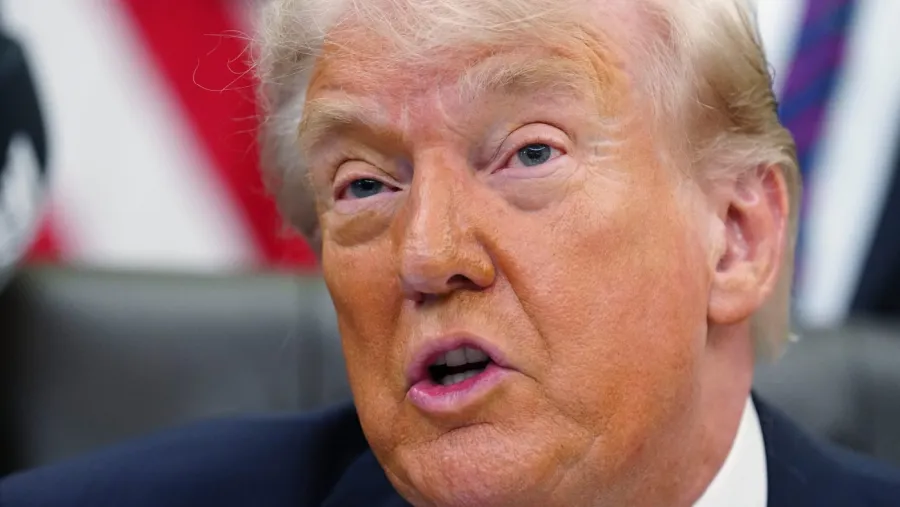
Trump warns Iran: Accept deal or risk increased military action

In an era marked by relentless power struggles and geopolitical chess, the recent reports suggesting that the United States and Iran are nearing a potential peace deal serve as a stark reminder of how decisions made in the corridors of power can reshape (or threaten to reshape) global stability. President Donald Trump has signaled a hardline stance with a blunt warning, suggesting that failure to reach an agreement will result in severe military action. His statement, posted on Truth Social, made it clear: “If they don’t agree, the bombing starts, and it will be, sadly, at a much higher level and intensity than it was before.” Such rhetoric underscores how America’s political elite view Iran’s nuclear ambitions not merely as a regional concern but as a direct existential threat requiring decisive, even brutal, responses.

Historically, U.S. policy towards Iran has oscillated between engagement and confrontation, often reflecting internal power struggles within Washington’s political apparatus. The current discourse exemplifies how the stakes are not only about diplomacy but about the very nature of American assertiveness. The administration’s push for a deal aligns with a broader strategic calculation: either leverage diplomacy to contain Iran’s influence or risk a precipitous escalation that could drag the Middle East into chaos. The use of aggressive rhetoric by Trump, reminiscent of the confrontational tone during his previous tenure, signals a desire to reassert America’s dominance on the global stage. Such decisive declarations are rooted in a worldview popular among conservative hawks, who see militarism as a necessary tool to project strength and uphold national interests.

Meanwhile, the public debate over the potential treaty exposes the underlying conflict between diplomacy and military intervention. Legislative and constitutional experts scrutinize whether Biden’s diplomacy can be sustained without forcing a confrontation that could spiral out of control. Historically, this mirrors moments when executive authority was wielded either to de-escalate or to escalate tensions — reminiscent of Cold War crises where timing, perception, and power dynamics dictated the course of history. In this context, the choices made today could either usher in a period of détente or plunge the region into an intensified conflict that redefines regional power balances. The primary question remains: will diplomacy prevail, or does the shadow of military force dominate decision-making?

Amid the underpinning power struggles, one thing remains clear: how these decisions are made directly impact the people. The citizens of Iran, the United States, and the broader Middle East shoulder the consequences of each diplomatic shift or military threat. As political theorists like Machiavelli have long argued, power is the ultimate arbiter of human fate. The current episode of high-stakes negotiation underscores this truth — where the diplomatic stage is often a battleground for control over history’s narrative. Ultimately, as the world watches, the future will be written by those wielding the most decisive power, leaving no doubt that in the arena of geopolitics, destiny is a commodity fought over with every policy enacted and every rhetorical assault launched.
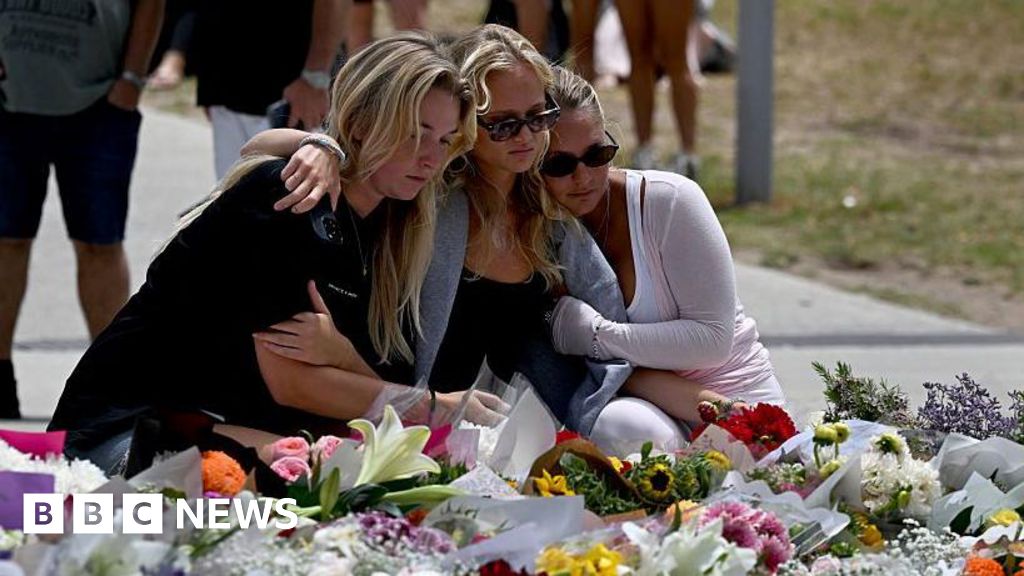
Bondi shooting sparks push for tougher gun laws and increased festival security

International Perspective on National Firearms Reforms and Their Geopolitical Impact

Amid ongoing debates over public safety and constitutional rights, an international interim report has emphasized the critical importance for nations to prioritize “nationally consistent” firearms reforms. These recommendations, while ostensibly focused on domestic policy, carry profound geopolitical repercussions, influencing stability, security strategies, and diplomatic relations globally. Governments around the world are closely monitoring such shifts, recognizing that firearms regulation is a nuanced issue often intertwined with a nation’s sovereignty and security framework.

The report advocates for harmonized legislative measures that transcend regional disparities, arguing that fragmented gun laws undermine efforts to combat cross-border smuggling and illicit arms trafficking. Such issues, as noted by experts at the International Crisis Group, are not confined within national borders but have rippling effects that threaten regional stability.

  • Countries with lax firearms regulations often become transit points for illegal arms trafficking, fueling conflict and crime in neighboring states.
  • Stronger, cohesive firearms policies are seen as key to enhancing national security and limiting the destabilizing influence of illicit weapon flows.
  • International institutions, such as the United Nations, are increasingly urging member states to develop aligned standards to combat arms proliferation.

From a geopolitical standpoint, this pushes nations into complex diplomatic terrains. Countries like Russia and China, known for their sophisticated arms industries, are likely to view intensified firearms reform initiatives with a mixture of skepticism and strategic caution. Conversely, Western nations, particularly those in North America and Europe, are under mounting pressure to lead by example. For example, the European Union has been exploring stricter, unified gun control policies, emphasizing the importance of collective security in a rapidly changing world order.

Historian Dr. Martin Selby notes that such policy shifts are often turning points in national security paradigms. Not only do they shape the internal fabric of societies—impacting gun ownership rights and civil liberties—but they also influence international alignments. “When nations coordinate their firearms regulations,” Selby explains, “they are essentially drafting the blueprint for future regional alliances and conflicts, which often extend beyond ideological to tangible military implications.”

The urgency of these reforms underscores a stark reality: how a country manages its firearms legislation can serve as a bellwether of its stability and mainstream political direction. As the international community continues to grapple with rising violence and burgeoning arms trade networks, the importance of cohesive, enforceable, and publicly supported firearms policies becomes ever clearer. And while legislation evolves, the shadows of unresolved conflicts and unresolved tensions linger—reminding us that the decisions made today are the echoes of history shaping tomorrow’s geopolitical landscape.

In this unfolding narrative, the question remains: will nations seize these momentous opportunities to establish robust, consistent gun laws, or will they fall prey to divisions and geopolitical jockeying? History, forever in motion, waits to reveal whether these policies will foster peace or ignite deeper chaos—an enduring testament to the delicate, yet decisive, power of national choices in the global arena.

NHS faces increased costs after court ruling over childbirth negligence lawsuits

The Shift in Justice: How Legal Changes Reflect Society’s Moral Reckoning

In recent months, a landmark judicial decision by the UK Supreme Court has sent ripples through the fabric of families, communities, and public health systems. The court’s ruling, which allows children who suffer catastrophic injuries at birth to claim damages for future earnings, marks a profound cultural shift—away from the traditional legal stance that limited such claims—highlighting society’s evolving criteria for justice and moral accountability. The implications of this decision reflect not only a legal milestone but also expose the underlying societal tensions around #healthcare responsibility and social justice.

Lives Changed, Justice Redefined

This ruling comes at a time when the NHS faces escalating financial strains, with liabilities soaring to over £60 billion largely due to medical negligence during childbirth. Families like that of a girl known as CCC, who endured irreversible brain damage due to medical errors, embody the human cost behind the mounting figures. Her family secured a substantial settlement in 2015 but were denied compensation for lost years, a gap now addressed by the recent legal decision. Sociologists like Anthony Giddens might say that this judicial shift signifies a societal move towards recognizing the moral obligation to uphold the rights of vulnerable children—an acknowledgment that justice for the injured extends beyond immediate damages to encompass their entire life trajectory.

Social Challenges and Communities at Crossroads

  • Education and Family: The ruling underscores the importance of education for families about legal rights and healthcare responsibilities, highlighting the need for societal support systems to adapt in tandem with legal reforms. It presents a challenge: how can communities ensure that families, especially those in vulnerable demographics, are equipped with the resources and knowledge to navigate these complex issues?
  • Health System and Policy: The NHS’s increasing liabilities raise questions about preventative care and systemic reform. Social commentators argue that better investment in prenatal care, staff training, and accountability mechanisms could reduce incidents of negligence. The debate now centers on whether policy can keep pace with societal expectations of justice, or if systemic failures will continue to scar generations.
  • Broader Societal Impact: The societal moral fabric is tested as the line between public responsibility and individual rights becomes clearer. This legal evolution could set precedents affecting future cases, ultimately challenging the notion of collective social justice versus institutional liabilities.

As social thinkers like Hannah Arendt have noted, a society’s moral character is defined by how it cares for its most vulnerable. This decision prompts a reflection on whether justice truly operates as a societal equalizer or if it exacerbates disparities in access and awareness.

Reflections on Society’s Journey

The recent landmark ruling embodies a society on the cusp—struggling to reconcile the moral imperatives of compassion with the realities of systemic failure. Beneath the legal language lies a poignant reminder that every societal law is rooted in moral choices. The hope remains that through ongoing dialogue and reform, communities can forge a future where justice no longer leaves behind those most in need, advocating for families damaged by preventable tragedy and reaffirming societal values of accountability, compassion, and resilience. Society’s greatest challenge is transforming this legal milestone into a catalyst for meaningful social change, fostering a community where learning from past errors leads us toward a more just and humane future—a future where society, like a caring parent, must hold itself accountable for every child’s right to a fair start.

Social Media Auto Publish Powered By : XYZScripts.com