
The recent electoral outcome in West Bengal has garnered widespread international attention, not merely as a state-level political event but as a significant indicator of shifting geopolitical dynamics within India. As historians and political analysts examine the ramifications, the verdict signals a potential redefinition of party strategies and regional influence that could resonate across national borders. With the BJP’s dominance increasingly challenged in this vital eastern state, the decision is viewed as a possible prelude to a broader recalibration of India’s internal politics, with implications for regional stability and global partnerships.
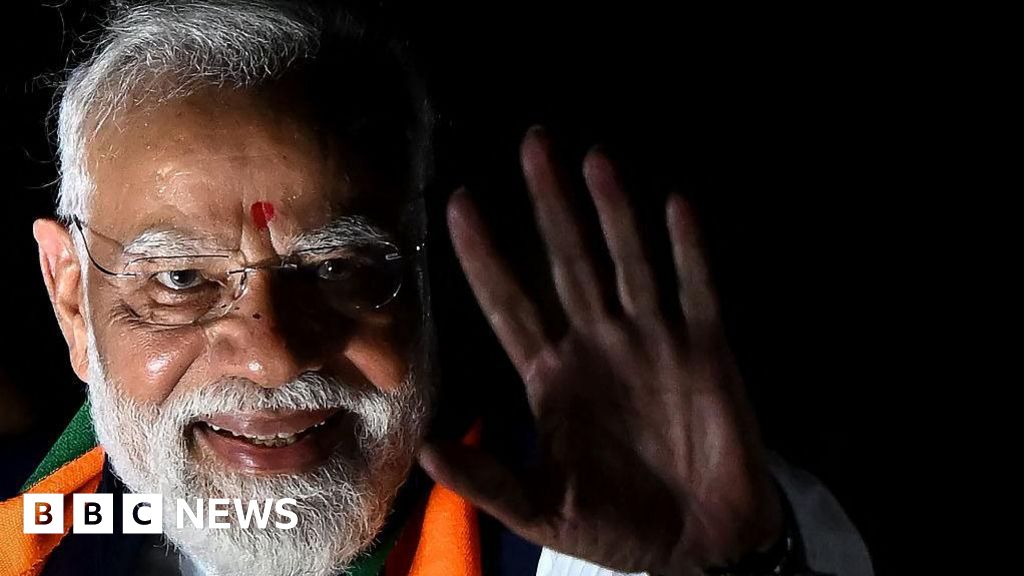
The ruling party, led by **Prime Minister Narendra Modi**, has invested heavily in projecting strength and unity at the national level. However, the electoral shift in West Bengal underscores a mounting resistance to the BJP’s growth, especially among younger voters who seek greater regional representation and social justice. This electoral outcome could serve as a bellwether for other states, signaling a potential slowdown of BJP’s nationwide expansion, which in turn might influence the balance of power in the upcoming general elections. International observers, including think tanks and diplomatic entities, operate under the understanding that such domestic developments have far-reaching geopolitical impact—altering India’s diplomatic posture and regional alliances.
Many India watchers point to the sustained efforts by regional parties and opposition groups to consolidate diverse social and ethnic identities, contrasting with the BJP’s more nationalist and centralized approach. Prominent analysts from **the Council on Foreign Relations** and **the International Crisis Group** suggest that the West Bengal verdict could empower regional narratives, fostering a more pluralistic political environment within India. Such a shift could complicate India’s foreign relations, especially with neighboring countries, as internal cohesion emerges as a key concern for global strategic partners. In particular, India’s longstanding border disputes and its participation in multilateral forums may be affected if regional unrest persists or if political fragmentation increases.
- The ruling party faced strong opposition from regional coalitions emphasizing local cultural identity and social justice, challenging the BJP’s core nationalistic messages.
- Electoral shifts reflect socio-economic discontent, especially among youth and marginalized communities, with implications for national policy direction.
- Experts warn that the outcome could embolden anti-establishment sentiments, potentially destabilizing India’s political landscape at a critical juncture.
Many international figures, including U.N. political analysts and seasoned diplomats, have emphasized that West Bengal’s verdict embodies more than a regional contest; it underscores the delicate balance of power that ultimately shapes the global geopolitical landscape. As the world watches India’s political future unfold, the decisions made within the state’s electoral processes could influence regional alignments, economic partnerships, and security commitments for decades to come. With each ballot cast, the fabric of history is rewoven—its threads now intertwined with the ambitions of nations eager to understand India’s evolving destiny in a turbulent, interconnected world.
In a time of uncertainty, where alliances shift and civilizations grapple with change, the West Bengal verdict arrives as a stark reminder: the course of history is never fixed, and the future remains a fragile construct, subject to the will of those who dare to shape it. The world holds its breath, watching as this microcosm of democracy becomes a crucible for broader conflicts, alliances, and transformations yet to be written in the annals of history.