
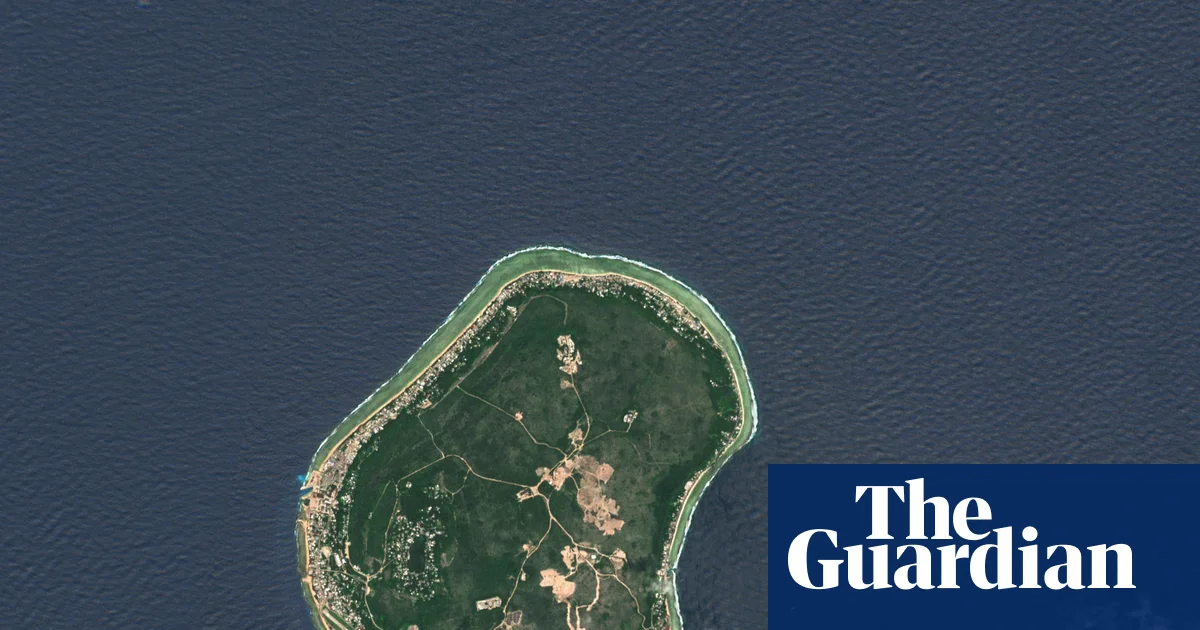

In recent months, Australia has become the focal point of a heated international debate centered around its harsh immigration policies, particularly concerning non-citizens and refugees. The government’s relentless push to deport individuals to remote Pacific islands such as Nauru has raised profound questions about human rights, legal sovereignty, and international relations. The case of an Iranian refugee, identified as TXCM, epitomizes this controversy and exposes the broader geopolitical implications of Australia’s policies. Legal battles over his potential deportation to Nauru—despite clear medical risks—highlight the government’s willingness to prioritize border enforcement over humanitarian considerations, a stance that threatens to destabilize Australia’s standing both regionally and globally.
Under the current government, led by Anthony Albanese, Australia has struck a controversial $2.5 billion deal with Nauru designed to transfer asylum seekers and non-citizens to the tiny Pacific island for long-term detention and visa arrangements. This agreement, enacted in February, serves as a strategic attempt to offload the strain on Australia’s immigration detention system, but it has sparked accusations of moral abdication. Critics, including international human rights organizations and domestic legal experts, argue that this approach “fuels kleptocracy” and dilutes Australia’s moral authority. The decision to extend 30-year visas to those sent to Nauru underscores how the government seeks to normalize indefinite detention, challenging traditional notions of justice and due process within a legal framework that many see as increasingly sidelined.
The legal controversy surrounding TXCM underscores a broader shift in policy and jurisprudence. His case—one of more than 350 non-citizens freed from indefinite detention after the 2023 High Court ruling—illustrates a turning point: the judiciary’s pushback against prolonged detention based on the impracticability of removal. However, recent legislative amendments have sought to undermine this trajectory. The ruling government has swiftly changed the Migration Act to eliminate “natural justice” rights for individuals on removal pathways—effectively stripping non-citizens of fair hearings once deportation is decided. Analysts warn that such measures threaten to embolden arbitrary state power, risking international condemnation and further destabilizing Australia’s diplomatic relations, especially with Iran and other nations whose citizens face deportation.
The geopolitical impact extends beyond Australia’s borders. The Nauru deal—while seemingly a matter of domestic policy—has profound regional consequences. It creates a precedent for other nations grappling with similar migration pressures, potentially emboldening authoritarian regimes to leverage migration controls as tools of strategic influence. European scholars and international organizations have warned that such policies risk fostering “authoritarian resilience” by enabling regimes to manipulate humanitarian norms for political gain. Meanwhile, countries like China observe closely, perceiving Australia’s approach as an example of border militarization that could inspire similar strategies across Asia-Pacific. The unfolding story of TXCM and Australia’s policies serve as a stark reminder that the decisions made now are shaping the future of global governance and sovereignty.
As history continues to unfold, the weight of these decisions cannot be overstated. Australia’s internal debates over justice, morality, and national security are emblematic of a larger global struggle—one where the lines between sovereignty and humanitarian responsibility are increasingly blurred. The coming months are likely to reveal whether Australia’s strict policies will withstand international scrutiny or become a cautionary tale of a nation grappling with its own moral compass. With each legal challenge and diplomatic fallout, the echoes of history grow louder, reminding the world that the choices made today will resonate through generations to come, defining the true character of nations in an uncertain new era.





