Matox News

Truth Over Trends, always!

Legendary Actor Bud Cort of Harold and Maude Passes Away at 77 — A Lasting Influence on Film and Youth Culture

In an era where culture serves as both mirror and compass for society, the life and work of Bud Cort remind us of the enduring power of art to shape identity and reflect the depths of human experience. Best known for his role in Harold and Maude, Cort epitomized a certain countercultural sensibility, one that challenged conventional notions of life, death, and societal expectations. His portrayal of a death-obsessed youth who forms a poignant relationship with an older woman resonated deeply, becoming a symbol of authenticity and the refusal to conform — traits that are the bedrock of cultural vitality in the face of societal homogenization.

What makes Cort’s legacy particularly compelling is not merely his acting talents but his embodiment of a philosophy of cultural resistance. As the philosopher Ortega y Gasset argued, every culture is a collective effort to confront the chaos of existence through shared symbols and narratives. Cort, through his nuanced performances, injected a dose of rebellious reality into popular cinema, pushing against the dull narratives of conformity. Despite an initial lukewarm reception, Harold and Maude was later celebrated as a quintessential example of how authentic art inevitably triumphs over superficial trends, mirroring Tocqueville’s insights that democratic societies flourish when rooted in enduring cultural traditions that foster individual expression and moral resilience.

Throughout his career, Cort’s ability to oscillate between comedic and profound roles exemplified a broader cultural truth: that the soul of a society is often revealed in its willingness to explore the fringes, to celebrate those who see the world differently. His rejection of the role in One Flew Over the Cuckoo’s Nest signals a conscious effort to preserve his artistic integrity, recognizing that true culture demands a steadfast commitment to originality rather than fleeting fame. In an age where cultural orthodoxy often stifles genuine expression, Cort’s resistance becomes a testament to the importance of maintaining the integrity of cultural memory — a living archive that both preserves the past and guides us into the future.

As T.S. Eliot famously wrote, “We shall not cease from exploration, and the end of all our exploring will be to arrive where we started and know the place for the first time.” In this light, Bud Cort’s life embodies a poetic dialogue between memory and prophecy, reminding us that the enduring value of culture lies in its ability to preserve humanity’s collective soul while illuminating new spiritual horizons. Culture, after all, is neither merely entertainment nor tradition; it is our very essence — the echo of our ancestors and the beacon for generations yet unborn, whispering softly that human life, with all its passions and contradictions, is ultimately a sacred ongoing story waiting to be told.
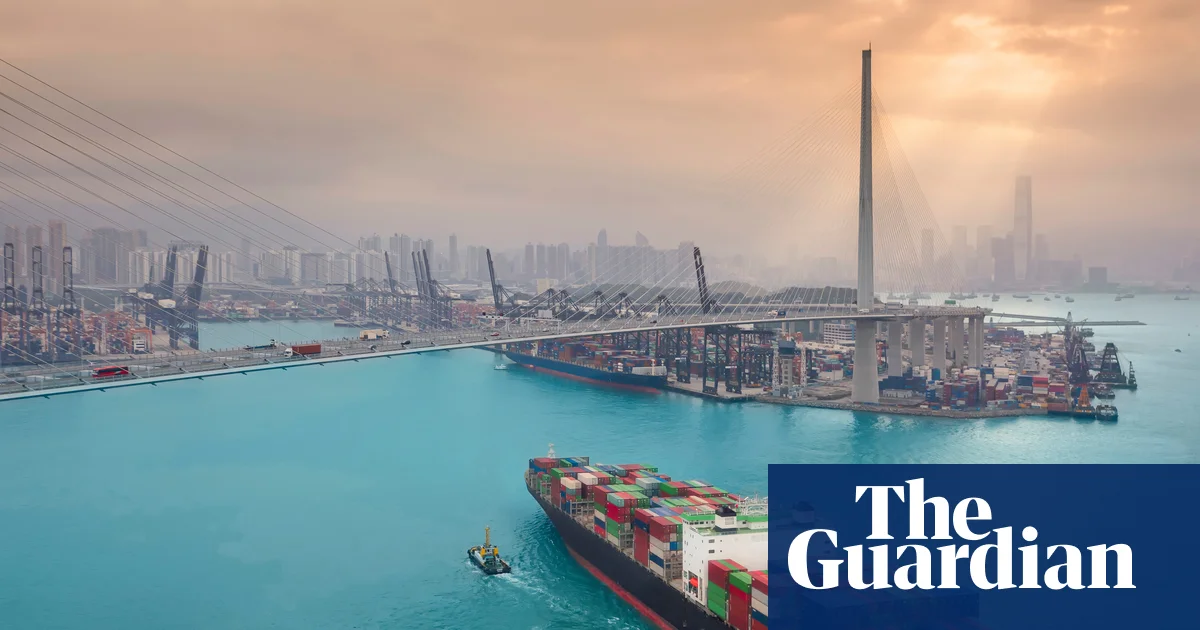
Shipping emissions levy dropped as US influence wins again

Intense Geopolitical Tug-of-War Delays Global Shipping Climate Initiative

In a dramatic turn at the International Maritime Organization (IMO) headquarters in London, persistent pressure from the United States has effectively thwarted a long-planned effort to introduce a modest but crucial climate damage fee on global shipping. After days of contentious negotiations, a decisive vote resulted in the delay of a proposed emissions pricing mechanism, stalling a significant step forward in worldwide climate governance. This outcome underscores how the geopolitical interests of powerful nations, especially those heavily reliant on fossil fuels, continue to obstruct collective environmental efforts, revealing a stark divide between climate ambition and national self-interest.

Since April, when a majority of IMO member states initially supported the measure, opposition has surged, primarily driven by US lobbying and threats of tariffs, penalties, and visa restrictions. According to analysts, this aggressive stance exemplifies how fossil fuel-dependent states, including Russia and Saudi Arabia, leverage economic and diplomatic pressure to safeguard their carbon-intensive industries. They aim to undermine international consensus, prolonging uncertainty in global maritime trade and delaying tangible climate action. Arsenio Dominguez, the IMO secretary-general, openly criticized the discord, imploring delegates to reflect on their approach, warning that future discussions risk similar fractiousness. This internal chaos diminishes hope for swift reforms, jeopardizing the global shipping sector’s capacity to reduce its roughly 3% share of global greenhouse gases, projected to double by mid-century if left unregulated.

The decision also holds profound geopolitical significance, exemplifying how climate issues are becoming battlegrounds for broader strategic and economic interests. As small developing nations like Vanuatu express frustration at being sidelined—warning of growing climate impacts—the delay symbolizes a shift where the interests of petrostates take precedence over immediate environmental needs. Meanwhile, the prospect of future revenue from the proposed levy, estimated at over $10 billion annually, is concentrated within the shipping industry itself—revenue that many argue will benefit industrial modernization rather than aid vulnerable nations facing climate catastrophe. Such disparities highlight the increasing divide between wealthier, fossil fuel-based economies and poorer nations, which bear the brunt of climate disruptions but lack the means to adapt.

As international organizations and climate analysts interpret this setback, the overarching concern remains clear: the long road ahead for meaningful climate reform. Despite the delay, experts like Dr. Simon Bullock warn that blocking progress only intensifies the climate crisis, further entrenching the influence of fossil fuel interests. The postponement until next year means years of continued emissions, as the intended measures require technical assessment before implementation—possibly pushing real change into the late 2020s. Meanwhile, the upcoming Cop30 UN climate summit in Brazil looms as a critical forum where these unresolved tensions will surface anew, with the world watching how history chooses to unfold in what many see as the decisive decade for climate action. The fate of the planet now teeters under the weight of political power plays, reminding us that the struggle for a sustainable future remains as much a geopolitical battle as an environmental one—where the outcome will shape the course of history for generations to come.

Trump warns of 100% tariffs on foreign films, challenging international Hollywood influence

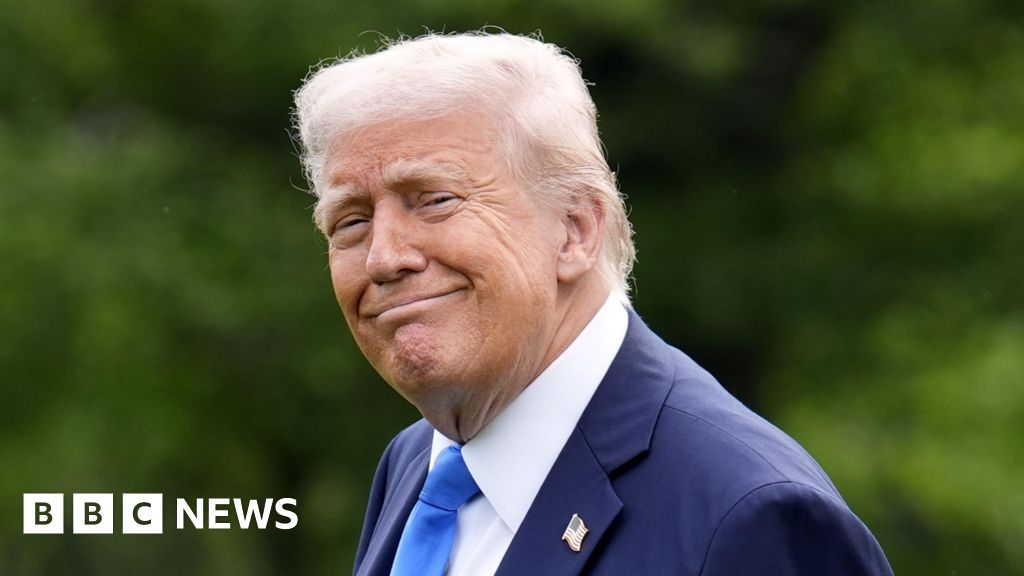
In an increasingly protectionist global landscape, President Donald Trump has once again raised eyebrows with his vocal threat to impose a 100% tariff on all films not produced within the United States. Citing what he claims to be a long-standing loss of national cultural dominance, Trump asserts that the American film industry has been “stolen” by foreign nations, particularly criticizing California’s leadership as inefficient in protecting this industry. His plan, announced amid a broader wave of tariffs on pharmaceuticals and household goods, exemplifies an aggressive posture aimed at revitalizing American cultural exports but raises complex questions about the international repercussions of such protectionism.

Analysts and industry insiders doubt the feasibility and effectiveness of Trump’s proposal. Dan Coatsworth, an investment analyst at AJ Bell, pointed out that tariffs traditionally target tangible goods, complicating their application to creative content such as movies and streaming shows. Furthermore, many filmmakers already opt to shoot abroad for economic reasons, taking advantage of attractive tax incentives in countries like Canada, Australia, and New Zealand. According to industry research firm ProdPro, although the U.S. remains a major global production hub with a last year’s spending of approximately $14.54 billion, this figure has declined by 26% since 2022, signaling a shift in the center of film production power.

This looming threat of tariffs has significant geopolitical consequences. If implemented, it could trigger retaliatory measures from other nations eager to protect their own burgeoning film industries, turning the global entertainment landscape into a contested arena akin to classic trade wars. China, India, and European countries, which are investing heavily in domestic creators, could leverage cultural policies to safeguard their markets. The World Trade Organization (WTO) might become a forum for diplomatic clashes if the U.S. attempts to enforce such tariffs, forcing a reevaluation of international trade agreements that have traditionally prioritized free exchange of cultural and economic goods.

The decision also raises serious questions about how such measures would impact societal perceptions and the spread of cultural values. Many fear that a purely American-made film industry might foster insularity, limiting global narratives to a Western-centric perspective. Yet, *some officials and analysts* argue that this move could energize the U.S. cultural sector by prioritizing domestic content and fostering a renewed sense of national identity. Historically, this debate echoes past trade disputes and cultural policies where the balance between protectionism and open market exchange significantly shaped international relations. As history reminds us, revolutionary shifts often come with unintended consequences—whether economic, cultural, or geopolitical.

As the world watches, the weight of history hangs heavy in the balance. Will the United States pivot toward cultural nationalism with tariffs that threaten to reshape Hollywood and global entertainment, or will economic pragmatism prevail? The answers lie beyond trade figures and industry reports—embedded in the unfolding narrative of a nation seeking to redefine its cultural sovereignty amidst the turbulence of international diplomacy. In this saga, the ultimate outcome remains uncertain, a reminder that decisions taken now will echo through the corridors of history, impacting societies, economies, and the cultural fabric of nations for generations to come.

Social Media Auto Publish Powered By : XYZScripts.com