Matox News

Truth Over Trends, always!

OpenAI dismisses employee over insider trading in prediction markets

Insider Trading Scandal Signals Disruption and Urgency in Prediction Market Technology

In a move that underscores the increasing risks associated with technological innovation, OpenAI has terminated an employee amid investigations linking them to the misuse of confidential data on prediction market platforms like Polymarket. The incident reveals a critical vulnerability at the intersection of advanced AI development and blockchain-based trading, highlighting how emerging technologies are being exploited for personal gain. This breach not only disrupts trust within the industry but also raises broader questions about the integrity and regulation of these rapidly growing markets, which are poised to redefine the landscape of financial and technological disruption.

The surge in popularity of prediction markets over recent years exemplifies their capacity to impact industries ranging from sports and entertainment to the core of tech innovation. These platforms, allowing users to bet on the outcomes of future events—from corporate earnings to geopolitical decisions—represent a disruptive force capable of altering traditional information symmetry. Companies like Kalshi have taken steps to combat insider trading, reporting suspicious activities to regulatory agencies such as the Commodity Futures Trading Commission. Meanwhile, Polymarket remains largely silent on the burgeoning scandal, prompting concern among industry analysts about the potential for unchecked manipulation and abuse.

Experts warn that the underlying technology underpinning prediction markets is ripe for exploitation. Insider knowledge, when combined with pseudonymous blockchain transactions, creates a fertile ground for market manipulation and unfair profit-making. The recent findings, including clusters of suspicious activity surrounding OpenAI-themed events prior to major product launches, evoke memories of the infamous “Google whale,” a pseudonymous trader who profited over $1 million by trading on Google-related events. This pattern signals that even highly innovative platforms are vulnerable to malicious activities, forcing industry leaders and regulators to confront the risks of technology-driven insider trading.

Innovation in disclosure and regulation is imperative for industry stability

The promising trajectory of prediction markets as tools for real-time forecasting and market intelligence is now under threat from these shadowy activities. What was once heralded as a revolutionary way to democratize information dissemination and disrupt traditional finance is now facing the pressing need for robust oversight and technological safeguards. Institutions such as MIT and industry analysts like Gartner emphasize that integrating AI-driven monitoring systems and increasing transparency could mitigate market manipulation, fostering investor confidence and regulatory compliance. The implications are profound: without intervention, the very essence of innovation within these platforms risks being undermined by misconduct and lax oversight.

Looking ahead, the tension between disruption and stability in prediction markets represents a defining challenge for the emerging tech economy. The rapid pace of innovation demands that companies and regulators act swiftly to establish rigorous compliance frameworks and leverage AI for fraud detection. As industry figures like Elon Musk and Peter Thiel champion, the future belongs to those who can balance cutting-edge development with responsible governance. The evolving landscape of prediction markets will undoubtedly be a battleground for technological supremacy, regulatory influence, and ethical standards — with the stakes higher than ever for the future of innovation.

Starmer hands Mandelson dossier to police, plans to strip peerage—tough justice for the establishment insider

UK Political Scandal Sparks International Outcry and Questions of Trust

The recent revelations involving Peter Mandelson, a once-powerful figure in British politics, have sent shockwaves across the United Kingdom. As Keir Starmer, the current Prime Minister, prepares to hand a dossier of evidence to law enforcement, the scandal underscores a deeper crisis of confidence in political leadership at a time when global institutions face unprecedented turbulence. Disclosures of leaked market-sensitive information linked to Jeffrey Epstein, a notorious financier and sex offender, threaten to undermine Britain’s standing both domestically and internationally.

At the heart of this controversy lies the alleged exchange of confidential government information with Epstein, a man whose name remains synonymous with scandal and depravity. Fresh disclosures from the Epstein files reveal that Peter Mandelson, who served as business secretary under Gordon Brown, is accused of sending emails containing sensitive information about economic measures intended to stabilize the global market during the financial crisis. Such conduct, if proven true, threatens to taint the legacy of one of Britain’s most influential politickers and raises questions about the integrity of political decision-making during a period of economic upheaval.

Global Impact and the Decline of Political Trust

This scandal does not merely shake Britain’s political landscape; it reverberates throughout the international community. Analysts warn that breaches of confidentiality at the highest levels can weaken global trust in national governments, especially when financial markets are so interconnected. Historians caution that such leaks, especially involving powerful financiers like Epstein, serve as a stark reminder of the vulnerabilities in the opaque corridors of power. The International Monetary Fund and other multilateral agencies have repeatedly stressed the importance of transparency in crisis management, yet recent events suggest that some leaders may have compromised these principles for personal or clandestine motives.

Underpinning the political fallout are questions about the influence of clandestine figures and their potential impact on national policy. If Mandelson, a key player in the UK’s political and economic spheres, was indeed passing sensitive material based on his contacts and associations, it could signify a broader pattern of corruption and undue influence. Such revelations threaten not only Britain’s credibility but also the perceived integrity of international diplomacy and financial stability, prompting calls for a global reevaluation of oversight mechanisms.

Decisions and How They Shape Society

The decision by Prime Minister Keir Starmer to pursue a crackdown on Mandelson reflects a broader emphasis on restoring public trust and reinforcing accountability. By proposing legislative changes to strip the disgraced former minister of his peerage, the government signals its resolve to confront misconduct head-on. This move underscores an ongoing paradigm shift—when international scandals touch the core of national governance, leaders are compelled into actions that have long-term geopolitical implications.

What ultimately hinges on this scandal is the delicate balance between upholding justice and safeguarding a nation’s diplomatic standing. The United Kingdom, grappling with the challenges of a post-Brexit world, cannot afford to appear divided or compromised. Critics argue that delays in addressing such breaches erode international confidence, impacting alliances and trade relationships. As Global analysts and policy think tanks dissect the plausible fallout, the story remains a stark reminder of how individual actions—especially at the confluence of government and finance—can ignite a chain of events with far-reaching consequences.

Unfolding History and Its Uncertain Future

As the investigation into Mandelson unfolds, the larger narrative of power, secrecy, and accountability continues to be written. The weight of history presses down on leaders, whose choices may one day be viewed as either safeguarding national integrity or failing under the pressure of scandal. The international community watches with bated breath, aware that these fissures in the political fabric have the potential to either heal through transparency or deepen, threatening the foundations of global order. The coming days will reveal whether Britain’s leadership will confront this crisis decisively or allow it to fester, leaving a scar on its reputation that history may never fully erase.

US Senate prepares to confirm industry insider to head EPA’s chemical safety efforts

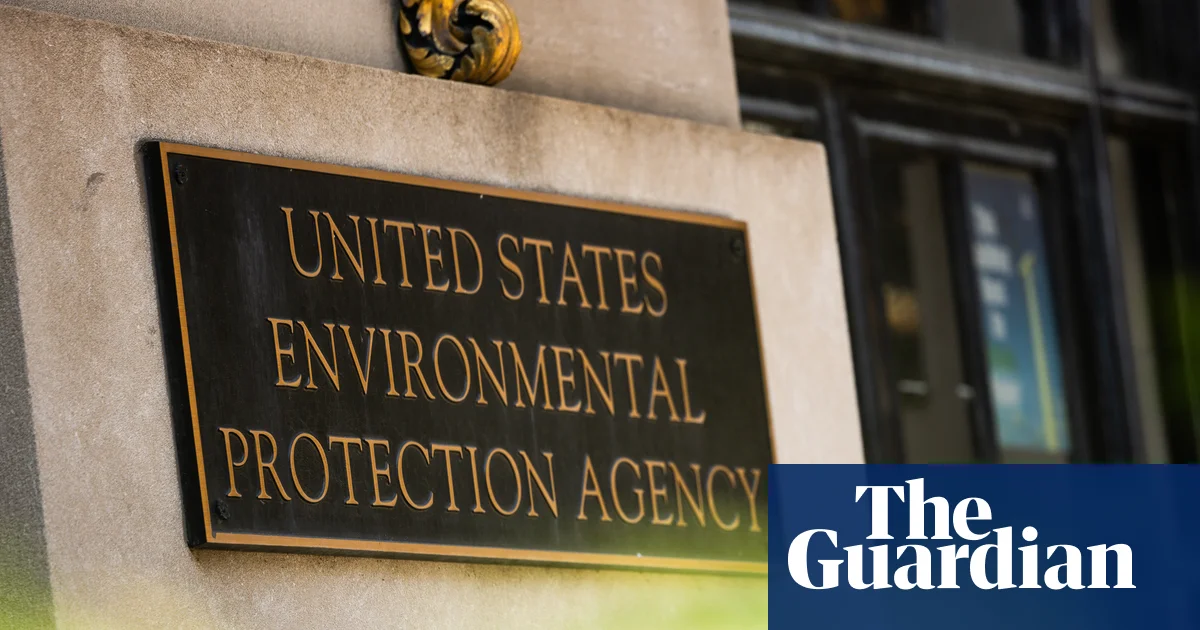
In a move that signals America’s continued tilt towards industry dominance, the U.S. Senate is poised to approve the nomination of Douglas Troutman, a seasoned industry lobbyist, to lead the Environmental Protection Agency’s office of chemical safety. This appointment marks a critical juncture in American environmental policy, with potential repercussions reaching beyond national borders, as it consolidates industry influence within regulatory agencies. Troutman’s previous role as chief lobbyist for the American Cleaning Institute underscores the revolving door of industry interests shaping legislation at the expense of public health and environmental safety.

This appointment comes amid increasing concerns among health advocates and independent analysts who warn that the erosion of regulatory safeguards could undo years of progress in controlling toxic chemicals. Critics like Scott Faber from the Environmental Working Group paint a grim picture: “The lunatics are running the asylum, and industry is firmly in charge of chemical safety.” Faber and other experts argue that this shift favors deregulation at a perilous time, especially considering the legacy of loopholes exploited by industry giants after legislative rewrites of the Toxic Substances Control Act in 2016. Notably, the appointment signals a turning point where economic interests often overshadow the health and safety of consumers, workers, and vulnerable populations, potentially accelerating environmental degradation and public health crises.

Internationally, the geopolitical impact of this move extends beyond U.S. borders. The appointment indicates a broader shift towards trade and industry interests influencing not only domestic policy but also shaping America’s stance in global environmental negotiations. Several experts warn that the weakening of regulations on chemicals like PFAS, often called “forever chemicals,” could contribute to contaminating water supplies worldwide, especially as the U.S. remains a key player in international markets. The actions of agencies like the EPA serve as a bellwether for other nations, potentially emboldening regimes to relax their own chemical safety rules and undermining international treaties aimed at controlling hazardous substances.

Historian and policy analysts warn that history often repeats itself in these situations, cautioning that dismissing scientific expertise in favor of industry interests results in environmental disasters and societal harm. As global institutions like the United Nations and European Union grapple with regulating toxic chemicals, the U.S. appears poised to retreat from leadership in environmental stewardship. With public health and climate resilience hanging in the balance, the decisions made today will reverberate through generations. The weight of history presses down on policymakers and citizens alike—while the curtain rises on the next act of this unfolding drama, the world watches with bated breath, aware that the outcome could shape the course of civilization itself. The question remains: will the legacy be one of foresight and responsibility, or one of shortsighted greed that consigns future generations to a poisoned earth?

Social Media Auto Publish Powered By : XYZScripts.com