Matox News

Truth Over Trends, always!

Germany blames Russia for 2024 cyber assault and election interference

Germany has officially levied accusations against Russia for engaging in a series of aggressive cyber-operations, signaling a significant escalation in the already tense relationship between the two nations. According to a statement from Germany’s foreign ministry, Russian military intelligence is believed to be behind a cyber-attack targeting German air traffic control systems in August 2024, an incident that, if true, raises profound security concerns across Europe. This move is viewed by many analysts as part of a broader pattern of hybrid warfare tactics employed by Moscow to destabilize Western democracies and manipulate international stability.

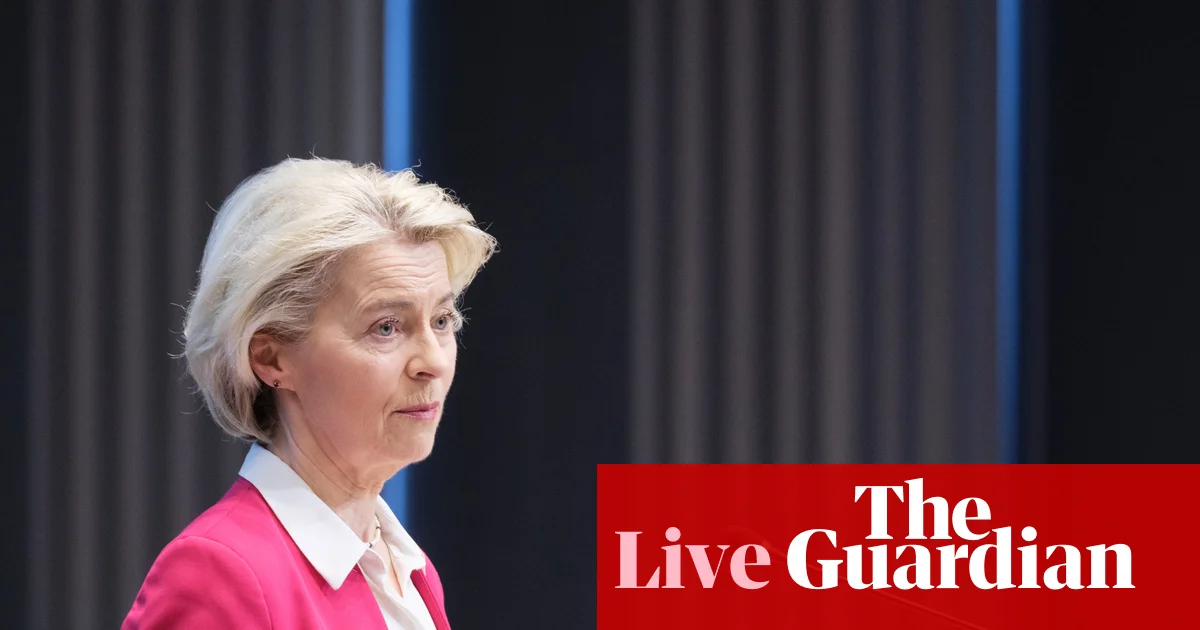
Furthermore, Germany’s allegations extend beyond cyber interference, claiming that Russia sought to influence and destabilize the country’s February 2024 federal elections. The foreign ministry emphasized that these actions are part of an ongoing attempt by Moscow to undermine **Western democratic institutions** and sow discord within allied nations. In response, Germany’s government has summoned the Russian ambassador and vowed to coordinate closely with its European partners to implement counter-measures designed to hold Russia accountable, with the goal of making “Russia pay a price for its hybrid actions.” This stance echoes a wider international consensus warning against Moscow’s attempts to weaken the resolve of Western nations through covert means.

Global institutions and defense analysts are closely monitoring these developments, framing it within the context of an evolving geopolitical chess game. Experts such as Dr. Emily Carter, a respected international security analyst, point out that these cyber activities are part of a deliberate Russian campaign to demonstrate its resilience and willingness to challenge Western dominance in the digital age. The lack of an immediate response from Russia has only heightened concerns, with some voices warning that the current silence may be a strategic delay, signaling that Moscow is prepared to escalate the cyber conflict if necessary. Historically, such actions are reminiscent of Cold War-era tactics—disrupting critical infrastructure and manipulating democratic processes to extend influence and control beyond traditional battlegrounds.

As the world watches with cautious eyes, the shifting alliances and ongoing espionage battles spotlight the profound geopolitical impact of these developments. The response from Western nations underscores a broader message: that sovereignty and security are now intertwined with the invisible and insidious realm of digital warfare. The future of international stability hinges on whether these nations can effectively counter such hybrid threats before history repeats itself in a more destructive and irreversible manner. With each passing day, the weight of history grows heavier on the shoulders of leaders worldwide—reminding us that the margins of peace are thin, and the consequences of neglect are often catastrophic. In this digital Age, the struggle for dominance has shifted from traditional battlegrounds to the unseen frontiers of the cyberspace, where the rules are still being written, and the stakes could not be higher.
Von der Leyen slaps down Trump’s Election interference Claims—Europe Stands United

As the world observes an increasingly volatile geopolitical landscape, the spotlight remains fixed on Ukraine, Russia, and the wider Western alliances shaping international stability. Recent developments reveal a complex web of negotiations, territorial disputes, and strategic moves that could redefine borders and influence power dynamics for years to come. At the center of this maelstrom are Ukraine’s territorial integrity, Russia’s assertive claims, and the West’s cautious approach, highlighting the profound geopolitical impact of decisions made today and how they resonate across societies.

Intent on consolidating its narrative, the Kremlin’s foreign policy aide Yuri Ushakov issued a provocative statement asserting that “the whole of Donbas belongs to Russia,” despite international consensus on Ukraine’s sovereignty. This claim, vehemently rejected by Kyiv and Western analysts alike, underscores the persistent reluctance of Moscow to accept any potential compromise on territorial disputes. The strategic importance of Donbas, comprising the Donetsk and Luhansk regions, remains a key sticking point in peace talks. The European Union and NATO consider these developments as potential preludes to renewed conflict, emphasizing how Russia’s unwavering stance challenges the prospects of a peaceful resolution.

Meanwhile, in the corridors of power, UK and US officials debate the long-term security risks of a potential Ukrainian retreat. **Peter Ricketts**, a former UK security adviser, expressed deep concerns over the US proposal for a “free economic zone” in parts of Donbas under Ukrainian control, warning that these “guarantees” are likely superficial, and that Russian infiltration, reminiscent of Crimea’s annexation, would inevitably follow.** Such analysis signals a broader apprehension: that international espionage, pretext-driven incursion, and political destabilization could consume Ukraine from within, paving the way for a new phase of Russian expansion. This scenario not only threatens Ukrainian sovereignty but also jeopardizes European security architecture, prompting analysts worldwide to question whether the West’s strategies truly deter further Russian advances or inadvertently embolden them.

Amid these complex negotiations, the European Union faces internal disagreements over the handling of frozen Russian assets. Countries like Hungary oppose permanent asset freezes, whereas others discuss the possibility of using seized funds for Ukraine’s reparation efforts—a move that has ignited tensions within EU member states. The recent vetoed law in Slovakia, where President Pellegrini challenged government reform, exemplifies the fragile balance of power and the growing tensions surrounding EU coherence. Historians and geopolitical analysts warn that such internal discord could weaken the EU’s unified stance, inadvertently providing Russia with openings to exploit divisions and extend its influence across the continent.

As the diplomatic dance continues and new proposals hover on the horizon, the true question remains: whether Vladimir Putin is willing to sign a genuine peace deal or if he is merely playing a game of delay, buying time to consolidate his military gains over winter. With the ongoing narrative of fake negotiations and strategic deception, the world stands at a historical crossroads where every decision could either lead to a fragile peace or ignite a broader conflict. As atmospheric tensions escalate, the echoes of history remind us that the unfolding story in Ukraine and beyond is far from over; indeed, it is a chapter in a much larger saga of power, sovereignty, and the enduring struggle for geopolitical dominance that continues to shape the future of our societies.

Trump clears Giuliani and allies charged with election interference — latest updates

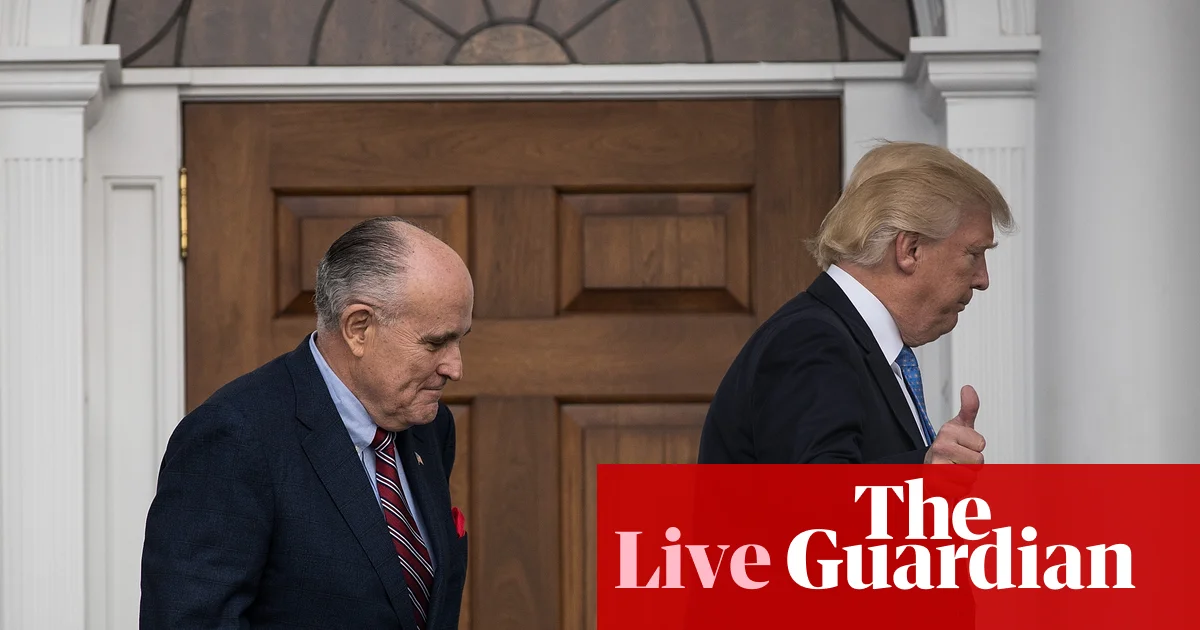
In recent days, the international stage has witnessed a series of seismic events that underscore the shifting landscape of global power and domestic stability, particularly within the United States. The dramatic pardoning by Donald Trump of his allies linked to efforts to overturn the 2020 election has sent ripples across both U.S. politics and the broader geopolitical arena. The pardons, including high-profile figures such as Rudy Giuliani and Mark Meadows, are viewed by many analysts as a calculated move to reassert influence and weaken institutional accountability, challenging the notions of rule of law and sovereignty. While none of those pardoned faced federal charges, critics argue this controversial decision could usher in a precedent where future administrations find immunity from prosecution, thereby eroding the integrity of the American legal system and emboldening authoritarian tendencies.

Simultaneously, the domestic crisis has been compounded by ongoing government shutdowns— the longest in U.S. history—affecting hundreds of thousands of workers, with flights canceled en masse and essential services disrupted. According to top officials, the shutdown continues due to political gridlock between the Democratic and Republican senators, despite efforts to pass a stopgap measure that would fund the government only until January. This short-term funding, essentially a Band-Aid solution, underscores the deep divisions that threaten the fabric of American governance, with the specter of a prolonged stalemate looming large. Historians warn that such political discord contributes to a climate where societal trust diminishes and chaos undermines the national stability vital to global order.

On the international front, President Trump made headlines with a historic visit to the White House by Syrian President Ahmed al-Sharaa, marking the first such diplomatic engagement since Syria’s independence in 1946. This summit, cloaked in secrecy, signals a potential realignment of American foreign policy amid a broader reshuffling of alliances in the Middle East and beyond. While specifics of discussions remain under wraps, the unspoken message is clear: the U.S. aims to recalibrate its stance on Syria, employing a strategy that includes sanctions and high-stakes diplomatic negotiations. Such diplomatic shifts are likely to recalibrate regional power balances, influencing allies and adversaries alike, especially in an era when assertive national interests are reshaping traditional diplomacy.

Brazilian and Latin American geopolitics are also in flux, with U.S. military operations expanding their reach — striking alleged drug trafficking vessels and known narco-terrorist groups in international waters, according to Pentagon statements. Such actions demonstrate an increasingly assertive U.S. military posture aimed at combating illicit networks that threaten stability beyond American borders, directly impacting regional sovereignty and security frameworks. The use of extrajudicial measures, including lethal strikes, raises concerns among international legal experts about sovereignty and the potential for escalation that could destabilize entire transit routes linking South America and the broader Western Hemisphere. These actions highlight the United States’ willingness to operate unilaterally in the name of national security, often outside traditional legal boundaries—a move with profound geopolitical implications that ripple through international institutions and diplomatic norms.

The entire sequence of events unfolding in Washington and around the globe reveals a pivotal epoch in history—a period where decisions by a single nation threaten to reshape the international order, challenge the rule of law, and redefine the future of liberty and governance. As history continues to be written in the crucible of reckless diplomacy and domestic chaos, the world watches with bated breath, recognizing that these are not mere isolated incidents but the echoes of a larger clash for influence, sovereignty, and the soul of democracy itself.

Moldovans Gear Up for Crucial Election Amid Russia Interference Concerns

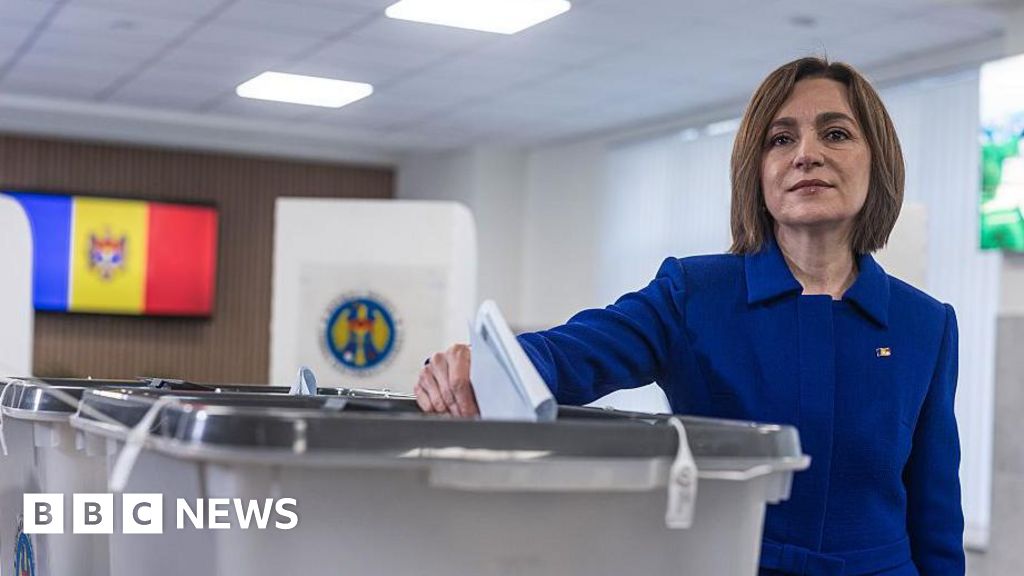
The recent parliamentary elections in MOLDOVA have become a focal point in the ongoing geopolitical contest between Western alliances and Russian influence. With a nation caught between its desire for EU integration and the lurking shadow of Russian interference, Moldova’s future is more precarious than ever. Voters, expressing their democratic will despite the smoke of disinformation and external meddling, are making a decisive choice that could redefine the nation’s trajectory—either towards the West or back into Moscow’s sphere of influence. As analysts and historians warn, these elections are not just about local politics; they are a pivotal chapter in the broader geopolitical struggle for influence in Eastern Europe.

The electoral landscape was heavily influenced by claims of massive Russian interference, with Moldova’s security forces alleging that Moscow-backed actors actively sought to sway the outcome. The authorities reported an unprecedented effort to spread disinformation and mobilize perceived pro-Russian sympathizers, including coordinated efforts to buy votes and spread fake news, as uncovered by an investigation from the BBC. The narrative was stark: Russia aims to maintain its grip on Moldova, especially in the shadowed enclaves like Transnistria, where Russian troops remain a tangible presence and pro-Moscow sentiments run deep. The anxiety surrounding these claims was amplified by reports of bomb scares, signaling the tense atmosphere during the voting process. Such actions underscore how security and sovereignty in Moldova have become a proxy battleground in a larger international conflict.

At the heart of the political tug-of-war are two major forces vying for control: President Maia Sandu’s Party of Action and Solidarity (PAS), committed to a European path, and the pro-Russian Patriotic Electoral Bloc, led by Igor Dodon, which pushes for closer ties with Moscow. The partial results suggested a neck-and-neck race, with proponents for EU integration and neutrality battling fiercely against Moscow-aligned factions. Notably, over 270,000 Moldovans participated in the diaspora voting, predominantly in Western countries, highlighting the country’s split identity. Meanwhile, Transnistria, with its Russian military presence and pro-Moscow population, remains a contested zone, where voters face logistical hurdles to participate—yet their votes carry significant symbolic weight in this unfolding geopolitical drama.

This election has also revealed the deep societal divisions within Moldova, worsened by spiraling prices and endemic corruption. President Sandu, resilient and warned by many analysts as a pragmatic reformer, reinforced her commitment to EU integration, reminding voters that their democracy is fragile and must be defended. The stakes are high: if her party loses its parliamentary majority, Moldova may face further instability, potentially swinging back into Russia’s orbit. Conversely, a win for pro-Western parties could accelerate Moldova’s integration into European structures, but at the cost of escalating tensions with Moscow, which perceives such moves as threats to its strategic interests. The international community watches closely, aware that Moldova’s choice could influence the balance of power in Eastern Europe amid the ongoing turmoil in Ukraine.

As the results slowly unfold, one thing remains clear: Moldova’s democratic experiment is a critical piece of a larger puzzle—one where history is still being written at the ballot box. With a nation divided but determined to forge its own path, the outcome is more than just a local election; it is a decisive step in the relentless contest for supremacy in Europe’s eastern frontier. As voters cast their ballots amidst whispers of disinformation and foreign influence, the world must wonder: which way will Moldova tilt—toward stability and sovereignty or into the shadows of empire? The answer will shape the geopolitical landscape for years to come, etching the next chapter in an unfolding saga that could determine the future of regional security and international order.

Social Media Auto Publish Powered By : XYZScripts.com