Matox News

Truth Over Trends, always!

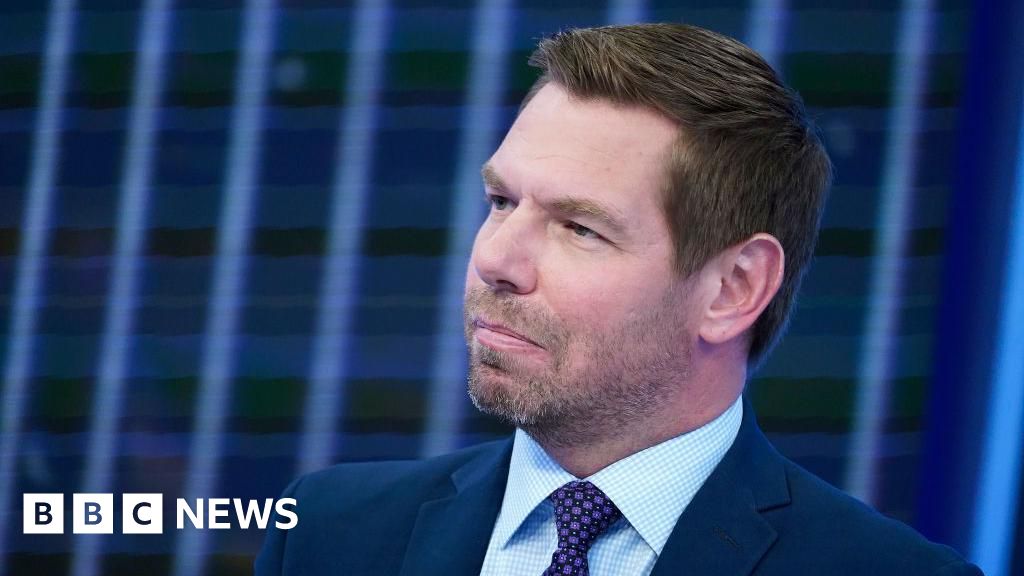
Prosecutor investigates abuse allegations against California gubernatorial hopeful Swalwell

Intensifying Political Battles and Their Global Repercussions

In recent weeks, political tensions within the United States have taken a decisive turn as a prominent Democrat—a leading contender in California’s gubernatorial race—firmly denied accusations levied against them. While on the surface this appears to be a standard intra-party dispute or campaign-related controversy, the underlying geopolitical impact extends far beyond state borders, touching on the stability of American political institutions and the international perception of U.S. governance. As analysts and international observers scrutinize these developments, they underscore how domestic politics increasingly influence global perceptions of America’s democratic resilience.

The controversy surrounding the Democrat’s denial is not isolated. Californian politics often serve as a barometer for broader national trends, with potential ripple effects on U.S. foreign policy. Historically, internal divisions and scandal management have shaped how the United States is viewed on the global stage, especially in an era of multifaceted international challenges. For example, global powers such as Russia and China monitor such events closely, exploiting perceived weaknesses to test American resolve or to undermine its influence. How the U.S. navigates these internal conflicts will influence its diplomatic leverage in critical arenas like trade negotiations, global security, and climate policy.

International organizations, including the United Nations and the International Crisis Group, have pointed out that turmoil within the world’s most powerful democracy can have destabilizing effects on global stability. Some analysts warn that prolonged political uncertainty in key states like California could embolden adversaries, eroding alliances and complicating efforts to address transnational issues such as cybersecurity, migration, and economic recovery in the post-pandemic era. The geopolitical significance is compounded by the fact that California remains a critical hub for technology, trade, and innovation—areas increasingly entangled with international rivalries. Consequently, the internal struggles of American political figures may inadvertently shift the balance of power in the wider geopolitical landscape, underscoring the importance of stability within its political system.

Notably, historical perspectives from scholars like Samuel P. Huntington and Francis Fukuyama highlight that internal divisions can be catalysts, either pushing democracies forward or plunging them into crisis. Today, many international observers perceive the ongoing controversy as a crucial turning point in American democracy, one that demands careful management. The decisions made now—whether to show resilience or capitulate to internal strife—will shape the future of American leadership in world affairs. As the dust settles, the world watches, aware that the ongoing story of internal American politics is intricately linked to global stability and order.

The weight of history hangs heavy as the United States faces this pivotal moment. Will it reaffirm its commitments to democratic principles amidst scandal? Or will internal divisions deepen, paving the way for new challenges to its global authority? The decisions, actions, and reactions during this critical period will serve as a defining chapter—one that history will record with all its complexities. As the international community braces for the unfolding narrative, it becomes painfully clear that in the realm of geopolitics, no internal conflict exists in isolation. The echoes of today’s political battles will continue to resonate across borders, shaping the future of nations and societies alike. The story remains unfinished, with history’s pen still in motion, recording each twist and turn of this civilizational saga.
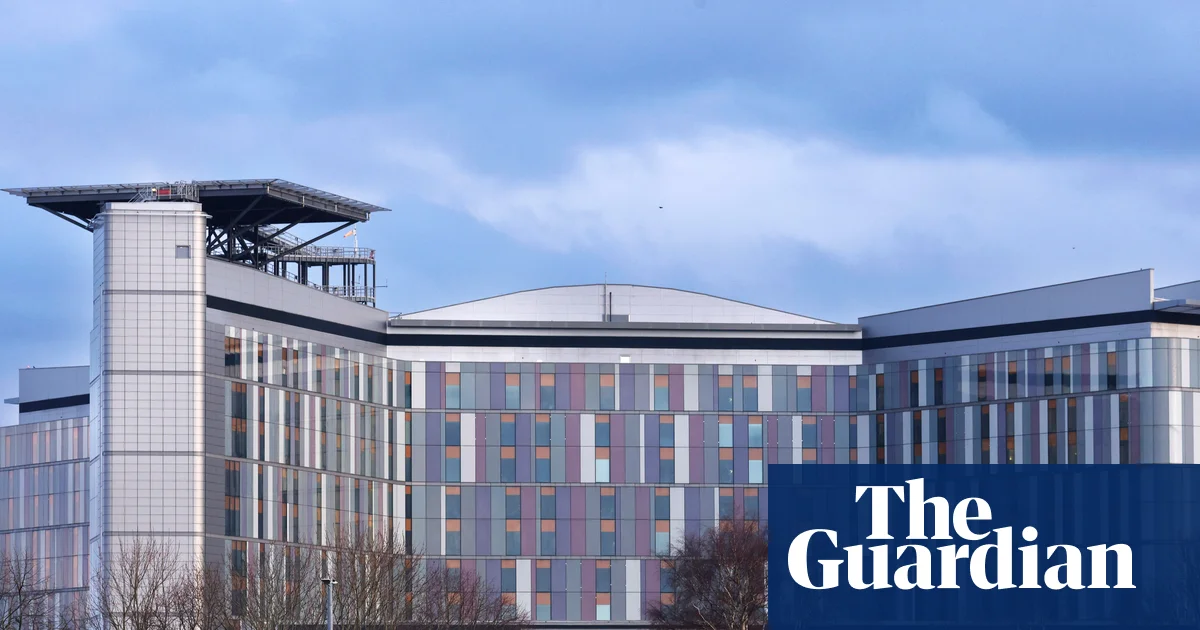
Scotland Investigates: Two More Patient Deaths at Glasgow Hospital Raise Concerns

Scandal Unfolds at Glasgow’s Queen Elizabeth University Hospital: A Nation’s Trust in Healthcare Shattered

The United Kingdom is currently embroiled in an alarming healthcare scandal that has stunned the international community, exposing reckless decisions and potential political interference that may have cost lives at Glasgow’s Queen Elizabeth University Hospital (QEUH). The deaths of seven patients, many of whom were children battling cancer, are now being scrutinized amidst revelations that contaminated water and ventilation systems could have contributed to infections linked to the hospital’s infrastructure. This crisis has marked a significant turning point in public confidence towards the Scottish healthcare system, raising questions about accountability, transparency, and the influence of political agendas on critical health infrastructure.

Investigations spearheaded by Scotland’s Crown Office and Procurator Fiscal Service (COPFS) have identified the deaths of individuals such as Molly Cuddihy, a young woman who fought a rare bone cancer, and Andrew Slorance, a former Scottish civil servant. These tragic cases are part of a broader six-year inquiry into the hospital’s safety standards, which recently reached its final stages. The inquiry uncovered heartbreaking evidence: serious infections diagnosed in 84 child cancer patients, leading to the deaths of at least two, were almost certainly linked to contaminated water supplies. Such revelations have struck a chord globally, casting a dark shadow over the political decision-making that accelerated hospital opening preparations amidst unresolved health and safety concerns.

Political Shadows Over Hospital Opening: A Cautionary Tale of Power and Neglect

  • The Scottish Labour Party has publicly accused the Scottish government of political pressure to open QEUH prematurely in April 2015, just before the general election, a claim previously denied by prominent leaders like First Minister John Swinney and Nicola Sturgeon.
  • Throughout the investigation, whistleblowers, including three senior microbiologists, have voiced ongoing concerns over inadequate infection control measures and a perceived reluctance by senior management to enact necessary safety reforms.
  • Premier political figures faced accusations of manipulating hospital timelines to serve electoral interests, a move that some analysts argue exemplifies how political interests can threaten public safety and erode trust in government institutions.

This controversy echoes across the international stage, where accountability in public health has become a defining measure of a government’s moral integrity. The WHO and other global health watchdogs regularly emphasize that politicization of healthcare infrastructure compromises patient safety, undermining decades of progress in hospital standards worldwide. Experts warn that this scandal may serve as a stark warning for nations worldwide, illustrating how political expediency and neglect can turn vital healthcare institutions into death traps, especially in times of increasing medical complexity and public skepticism.

Global Lessons and the Brink of History

As the UK grapples with this internal crisis, the broader geopolitical impact remains unmistakable. It underscores the importance of international oversight and transparency in healthcare management, especially in an era where public trust is fragile, and misinformation can easily flourish. The hospital scandal reveals how decisions driven by short-term political gains can have lifelong repercussions, eroding societal trust and provoking a crisis of confidence that no amount of reparations or apologies can swiftly mend. Historians and analysts warn that, if left unaddressed, such failures threaten to regress public health advancements and may influence political stability in the UK and beyond, as whistleblowers and concerned citizens demand accountability.

In the final chapter of this unfolding tragedy, the weight of history presses heavily on the shoulders of policy-makers, healthcare professionals, and society at large. The manner in which justice is eventually delivered—whether through reforms, prosecutions, or societal reckoning—will shape the narrative of accountability in the 21st century. As families mourn and trust is broken, the echoes of this scandal will remind future generations that in the arena of life-and-death governance, the true cost of political games can be measured in lives lost, and a society forced to confront its darkest truths amid the shadows of history still unfolding.

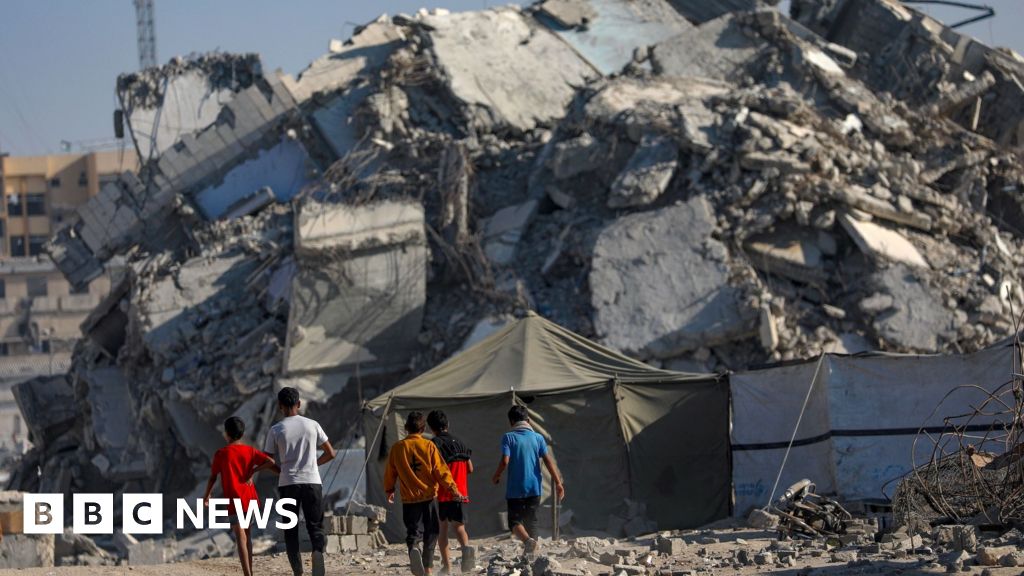
Israel investigates reports of 3-year-old killed in Gaza by troops

The latest escalation in the long-standing Israeli-Palestinian conflict has sent shockwaves through the international community, illustrating how fragile ceasefires and peace processes remain amid entrenched hostilities. On Sunday, a tragic incident occurred in Gaza, where a three-year-old girl, Ahed Tareq al-Bayouk, lost her life after being shot near her family’s tent in Mawasi, Rafah. Local sources report her bleeding body as another stark reminder of how civilians, especially children, continue to pay the ultimate price amidst the ongoing violence. The Israel Defense Forces claimed they were aware of the incident, yet, without concrete evidence or admission of responsibility, many question whether such tragic episodes are mere collateral damage or indicative of deeper issues. Since a ceasefire in October, over 370 Palestinians have been killed, including more than 140 children, with humanitarian conditions deteriorating rapidly—a situation that international watchdogs like Amnesty International describe as a humanitarian catastrophe.

The incident takes place within the context of the first phase of a US-brokered plan intended to de-escalate tensions and bring some semblance of stability to Gaza. Under this plan, Israeli troops agreed to withdraw behind the so-called Yellow Line, a temporary demarcation zone, and all 20 living and 28 of the deceased hostages taken during the Hamas-led attack on southern Israel in early October have been returned, except for the remains of a slain police officer. These developments, however, mask the deeper layers of uncertainty and distrust that persist. The violence and loss of life have rendered hopes of quick resolution fragile, and international organizations like the UN and WHO warn that medical and humanitarian crises continue to worsen, with thousands of Palestinians in urgent need of evacuation and medical aid denied or delayed due to access restrictions.

Pushes for a broader, comprehensive peace seem increasingly entangled in competing narratives and geopolitical interests. Qatar’s Prime Minister Sheikh Mohammed bin Abdulrahman al-Thani describes the current situation as a “pause” rather than a ceasefire, emphasizing ongoing international efforts to advance toward a second phase. This phase envisions establishing an interim governing authority, deploying an international security force, and disarming Hamas—steps which are critical but also fraught with political and strategic hurdles. Notably, the plan involves the oversight of a Board of Peace, led by former U.S. President Donald Trump, reflecting a significant U.S. interest in shaping the region’s future. The hope is that such measures could open the door to Palestinian self-determination and, ultimately, the recognition of a Palestinian state, an idea championed by many Western leaders as a pathway to lasting peace.

However, the political landscape remains deeply divided. During a recent Jerusalem visit, German Chancellor Friedrich Merz showcased support for the concept of a Palestinian state as a potential means of achieving a “new Middle East”. Conversely, Israeli Prime Minister Benjamin Netanyahu expressed unwavering opposition. He articulated a fundamental concern: that a Palestinian state would be a strategic threat to Israel’s existence, claiming, “the purpose of a Palestinian state is to destroy the one and only Jewish state”. Such stark opposition underscores the profound geopolitical rift that persists, with both leaders signaling readiness to move forward but under vastly different conditions. Netanyahu’s planned discussions with U.S. President Donald Trump in late December could be pivotal, either cementing the next phase of the plan or reasserting Israel’s refusal to budge from its position.

As the region stands on the brink of further upheaval, the weight of history presses upon the present. The unfolding narrative, driven by decisions made in backrooms and corridors of power worldwide, reveals that the journey toward peace is neither linear nor guaranteed. The lives lost, the political divides, and the international stakes form a tragic mosaic—a stark reminder that the fights shaping today’s Middle East will echo through history, with every hope for resolution challenged by the indomitable realities of war, sovereignty, and security. The world waits with bated breath as the story continues to unfold, knowing that the decisions taken today will leave an indelible mark on the pages of history yet to be written.

Social Media Auto Publish Powered By : XYZScripts.com



