Matox News

Truth Over Trends, always!

US Opens the Door to Easing Russian Oil Sanctions Amid Rising Global Prices Over Iran Tensions

The geopolitical landscape is once again trembling under the weight of empire and ambition, as the United States signals potential shifts in its approach to Russian energy sanctions. Secretary of the US Treasury, Scott Bessent, publicly indicated on Friday that Washington is weighing the possibility of lifting sanctions on more Russian crude oil. This strategic move comes shortly after the US authorized India to purchase Moscow’s oil, a policy adjustment that has coincided with an almost unprecedented surge in global oil prices, which rose over 8.5% in a single day and nearly 30% over the week.

Underlying this volatility is the ongoing conflict in the Middle East, ignited by the resurgent hostilities between the US, Israel, and Iran. The escalation has crippled vital transport routes, most notably the Strait of Hormuz, the world’s most critical energy chokepoint, effectively shutting down a significant fraction of global oil flow. As heavy armored ships of Iran and allied forces threaten international shipping lanes, the price of crude continues its relentless climb, with analysts warning that such instability could push crude above the $100 per barrel threshold, igniting fears of inflationary spirals across economies.

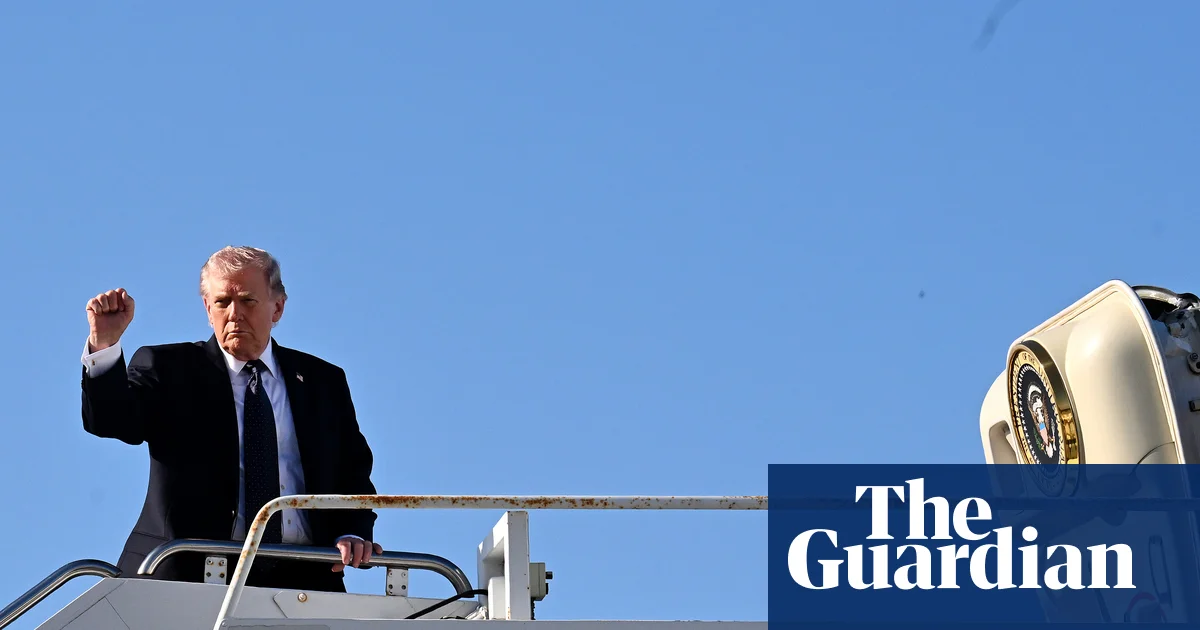
The price surge has not gone unnoticed by international observers. Leading historians and supply-chain analysts warn that this latest escalation could redefine global power structures. The International Energy Agency and other international bodies have expressed concern over the potential for sustained market disruption, with some experts suggesting that the US’s loosening of sanctions could herald a new phase of geopolitical risk. President Donald Trump’s inflammatory remark—claiming that only the “unconditional surrender” of Iran would resolve Middle Eastern hostilities—further fuels instability, making clear that diplomatic solutions remain elusive.

  • Amid this chaos, Washington’s strategic calculus unfolds—balancing between exerting pressure on Moscow through sanctions and maintaining global energy stability.
  • The US Treasury’s recent negotiations aim to prolong relief for global markets by allowing the sale of Russian oil stranded at sea, mostly destined for India, with sanctions eased temporarily until April 2026.
  • Meanwhile, Moscow perceives these maneuvers as Western efforts to undermine its economy, with Kremlin economic adviser Kirill Dmitriev criticizing the sanctions’ impact on the world economy and stating that these measures are detrimental and ultimately counterproductive.

Geopolitical Impact and Societal Consequences

The decisions taken by Washington and its allies carry profound geopolitical implications. By hinting at easing sanctions, the US seeks to introduce a semblance of stability amidst the chaos, but critics argue that such moves could embolden Russia and Iran, further complicating the international order. The intersection of rising oil prices, regional conflicts, and strategic sanctions highlights a new chapter where global powers are willing to recalibrate alliances and economic controls—a clear challenge to a unipolar world dominated by Western interests.

International organizations warn of the societal repercussions, recasting economic pressure as a tool that could lead to increased inflation, energy shortages, and social unrest in vulnerable nations. As the Organization of Petroleum Exporting Countries and other stakeholders grapple with this upheaval, the world watches with wary eyes, contemplating whether this turbulent phase signals a new multipolar era or the beginning of a prolonged conflict that could reshape the global order for decades to come.

As history continues to unfold in this complex geopolitical theater, the decisions made today could reverberate through generations. With each shift in policy, the foundation of international stability is tested—reminding us that in the theater of global power, the outcome remains anything but certain. The weight of history presses down, signaling that the unfolding drama may yet lead to an epoch defining brink—where the true battle for global influence and security is only just beginning.
Iran tensions unsettle China’s ambitions—what’s the game plan?

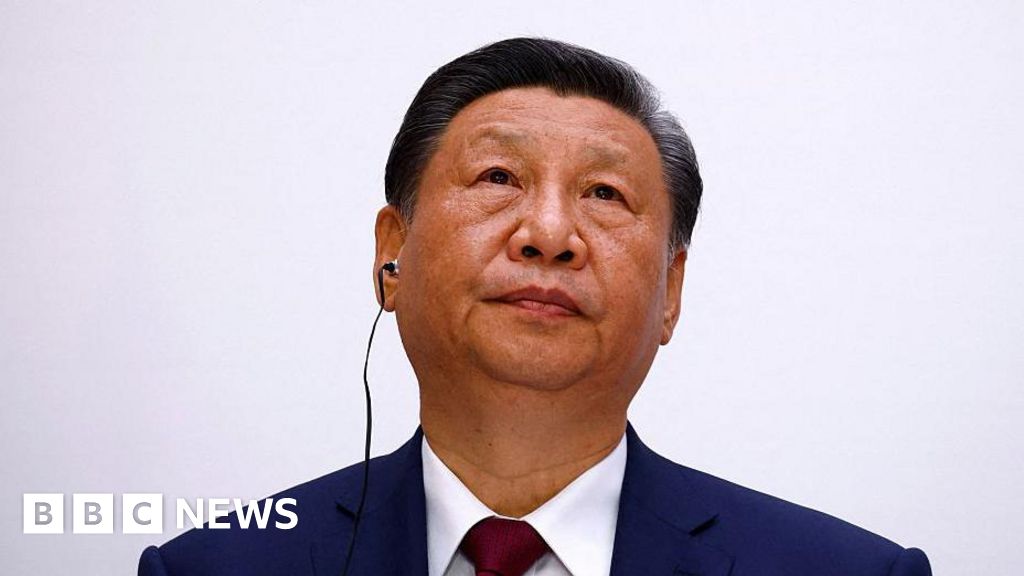
As conflicts rage across the Middle East, notably the recent escalations involving Israel and Palestinian factions, China remains notably unshaken by the immediate chaos—yet its position is evolving rapidly due to the profound geopolitical ripples emanating from this volatile region. While Beijing has traditionally maintained a cautious stance in Middle Eastern affairs, recent developments have begun to influence China’s strategic calculations as global powers scramble for influence and security prerogatives in an increasingly unstable world order.

According to international analysts and historians specializing in Asian geopolitics, China’s leadership is observing the unfolding crisis with careful intent rather than direct engagement—at least for now. Nevertheless, the economic and diplomatic impacts are unmistakable. China’s longstanding partnerships with regional stakeholders, including countries like Iran, Syria, and Turkey, place it at a unique crossroads. Many experts argue that the ripple effects threaten to destabilize broader regional stability, which could complicate China’s expansive Belt and Road Initiative (BRI) projects stretching into the Middle East, Africa, and Central Asia, thus threatening to undermine its economic interests. The global criticism of Western interventionism in such conflicts also makes China’s position more complex, forcing it to navigate a delicate path between diplomacy and strategic assertiveness.

Global institutions such as the United Nations are increasingly caught in the crossfire of international powers’ interests. China’s recent call for restraint and dialogue underscores its desire to position itself as an advocate for peace—yet many observers question whether this rhetoric reflects genuine resolve or a tactical delay in shaping a new geopolitical reality. Notably, Chinese officials and state media have emphasized the importance of non-interference, subtly echoing their broader strategy of resisting Western-led interventionism where it conflicts with China’s sovereign interests. Meanwhile, some analysts warn that if the conflict persists or escalates, it could expedite a reordering of alliances—favoring those who reject Western dominance and bolster China’s push for a multipolar world.

In this tense atmosphere, the geopolitical impact of the Middle East conflict extends beyond mere regional destabilization. Historically, periods of upheaval in critical regions have served as catalysts for shiftings of global power. Contemporary figures in international security circles suggest that China’s response—or lack thereof—may set a precedent for how emerging powers counterbalance Western influence amidst global chaos. As history often warns, the initial calm amid chaos can quickly give way to profound transformations. Whether China will emerge as a diplomatic balancer or influence mediator remains to be seen, but the unfolding crisis underscores the fragile scaffolding of current international order—one federal decision away from a potentially transformative upheaval that could shape the future of global diplomacy for generations to come.

Depleted Weapons Stockpiles Could Threaten U.S. Stance in Iran Zone

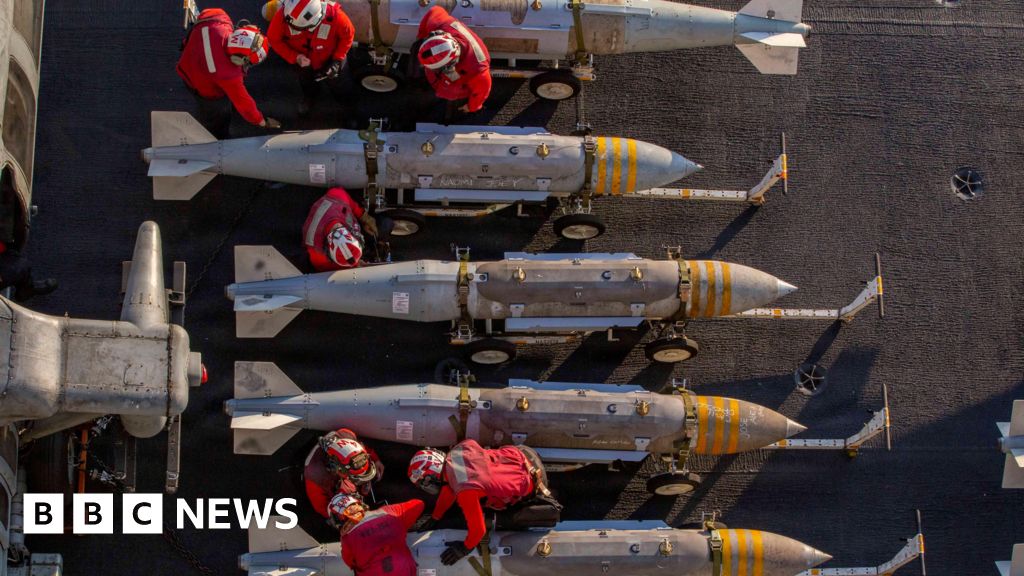
As the world watches tensions escalate across several key regions, weapons stocks continue to emerge as a critical yet insufficient determinant of conflict outcomes. While many analysts acknowledge that military capability can shape battlefield success, the broader geopolitical landscape reveals a complex interplay of diplomacy, economic power, and strategic alliances. In this delicate balance, the capacity to mobilize and sustain armed forces often proves decisive, yet it is not the sole factor shaping history’s next chapter,

In recent developments, nations such as Russia, China, and the United States have increasingly prioritized the accumulation of weapons stockpiles as a demonstration of strength—perhaps more a signal to rivals than a prelude to war. However, according to international military analysts, including those at the Stockholm International Peace Research Institute (SIPRI), volume alone does not ensure military victory or deterrence. The state of preparedness, modernity of equipment, and logistical resilience in deploying these assets are equally crucial. This recognition underscores a nuanced reality: conflict is as much about strategic timing and diplomatic diplomacy as it is about the raw number of weapons possessed.

Furthermore, the international community’s response to ongoing conflicts remains shaped by a web of treaties, economic sanctions, and diplomatic efforts that often overshadow military stockpiles. Recent analyses by historians like Ferguson and global organizations such as the United Nations warn against overreliance on military buildup alone. Their assessments indicate that the true turning point in modern conflicts often hinges on international cooperation, information warfare, and economic resilience. For example, the persistent underfunding of diplomatic channels underlines a dangerous misconception: that guns can buy peace, or at least delay inevitable confrontations.

The geopolitical impact of these military strategies stretches beyond the battlefield. Nations are increasingly aware that stockpiling weapons impacts their relationships with allies and rivals alike, often leading to a security dilemma—where one country’s buildup compels neighbors to do the same, fueling an arms race that jeopardizes stability. How these decisions ripple through societies, influence public opinion, and shape future policy decisions remains a central concern for geopolitical analysts. This is especially true in regions where fragile political coalitions can be fractured by perceptions of insecurity or ambition.

As the weight of history presses on current leaders, the world faces a decisive moment: will military strength alone determine the future, or will diplomatic pursuits and economic agility forge a path toward stability? The answer remains elusive as history continues to be written. The siren call of military might is powerful, yet it is ultimately the complex web of international relations—woven with trust, diplomacy, and foresight—that determines the horizon. In this unfolding drama of power and peril, each decision echoes through the corridors of history, shaping generations yet unborn.

US deploys jets to evacuate Americans amid escalating Iran tensions

In a decisive move reflecting escalating tensions in a volatile region, the US State Department has issued a critical advisory urging American citizens to “depart now via commercial means.” This alert comes as a series of sustained strikes and military actions ripple across the area, signaling a potential turn point in what international analysts are describing as a rapid deterioration of stability. The decision to advising evacuation underscores the intensifying geopolitical crisis that threatens not only the safety of individual Americans but also the regional balance of power.

For months, global institutions and foreign policy experts have observed the intensification of conflict within this geopolitical hotspot. According to renowned geopolitical analyst Dr. Laura Kim, such “urgent evacuations are indicative of a dangerous escalation, which could spiral into broader confrontation or foreign intervention.” Historically, similar warnings—such as during the 1973 Arab-Israeli war or the Gulf conflicts—have signaled shifting alliances and rising risks of wider regional warfare. Today’s advisories suggest that the US government perceives the current situation as reaching a critical threshold, where inaction could spell greater peril for American nationals.

The US State Department‘s latest directive also reflects the complex geopolitical impact of ongoing conflicts, which have seen multiple national interests collide, with regional powers and global organizations watching closely. The situation is complicated by an intricate web of alliances and rivalries, with some nations advocating for de-escalation while others escalating their military presence. The United Nations and regional bodies have called for restraint, but their influence appears limited in the face of persistent violence. As these developments unfold, the risk of a broader international crisis looms large—potentially drawing in NATO allies and regional partners into a conflict that could reshape the global order.

Historian and strategic analyst Prof. Marcus Reinhart emphasizes the significance of the current moment: “History warns us that such crises, if not managed carefully, can spiral quickly. The decisions made by superpowers today will echo through generations, defining the geopolitical landscape for decades.” The decision by the US to urge evacuations is, therefore, not merely a protective measure but a stark indication of how fragile peace has become. Observers warn that if diplomatic efforts fail and violence intensifies, we could witness a reshuffling of alliances, border reconfigurations, or even the onset of a new Cold War era.”

As the world watches with bated breath, the true landscape of international diplomacy remains uncertain, hanging precariously on a knife’s edge. The unfolding events serve as a grim reminder of history’s relentless march—where decisions made today can dictate the future of countless nations and societies. The question remains: how will the current crisis evolve and which nations will be caught in its destructive wake? The answer will undoubtedly leave its mark on history, a story still being written in the shadow of unrest and the pursuit of power.

Why Europe's Leaders Can't Find a United Voice on Iran
Why Europe’s Leaders Can’t Find a United Voice on Iran

European Nations Strike a Balance Between Cooperation and Divergence

In a pivotal moment on the international stage, European nations have publicly expressed a desire to enhance their collective cooperation amidst ongoing challenges. Yet, beneath the diplomatic rhetoric lies a fundamental reality: differing national priorities threaten to weaken the unity that the European Union has long touted as its cornerstone. As these nations seek to bolster their economic resilience and strategic standing, their diverging interests reveal a continent caught between unity and fragmentation—a historical pattern witnessed during previous geopolitical upheavals.

The recent summit saw European leaders emphasizing the importance of building a more integrated and resilient bloc. They highlighted initiatives aimed at streamlining economic policies, enhancing defense cooperation, and securing supply chains battered by recent global disruptions. However, analysts caution that these lofty goals are hindered by underlying divergences. Countries like Germany prioritize economic stability and energy independence, while France pushes for increased military integration and strategic autonomy. Meanwhile, Eastern European nations, wary of external threats, advocate for a robust security pact that diverges from the more diplomatic approach favored by Western partners.

Attention Turns to International Alliances and Global Power Shifts

This widening fissure among European nations occurs amid a rapidly transforming global landscape. With China rising as a formidable economic power and Russia asserting its influence in regional conflicts, European countries find themselves balancing national interests with collective security commitments. The influence of the United States remains a factor, with debates intensifying over NATO’s future role and burden-sharing among member states. The shift towards more autonomous European defense strategies—as exemplified in France’s push for a European Army—raises questions about future commitments to NATO and the stability of transatlantic relations.

To make sense of these developments, international organizations and think tanks have issued warnings. The International Crisis Group warns that “without a unified vision, Europe’s internal cohesion could erode, rendering it less capable of shaping its destiny in a tumultuous global order.” Historians point to the late 19th and early 20th centuries, where internal divisions within European powers led to catastrophic conflicts. Their lessons serve as a sobering reminder that divergent national interests, if left unaddressed, can fracture alliances and open the door to geopolitical chaos.

The Weight of History and the Unfolding Future

As Europe contends with internal disagreements and external threats, the continent finds itself at a crossroads—its choices echoing through history’s corridors. Will it forge a path toward genuine unity or succumb to the pressures of divergent national ambitions? The decisions made in the coming years will determine whether Europe emerges as a cohesive power capable of defending its values and interests or as a fractured mosaic vulnerable to external manipulation. For now, the debate continues, but the march of history waits for no nation—its next chapter unwritten, yet critically imminent.

US-Israel Tensions with Iran: Netanyahu Predicts Long Conflict as IDF Warns Lebanese Civilians

Global Tensions Escalate in Middle East Conflict Amid US, Israeli, and Iranian Actions

The recent surge in military activity across the Middle East signifies a critical turning point in international relations, with USA forces claiming to have destroyed key Iranian Revolutionary Guards command facilities, missile launch sites, and air defense capabilities. This development marks a significant escalation in the ongoing US-led campaign against Iran, directly targeting its military infrastructure in what officials describe as “decisive action” against an “imminent threat.” According to US Central Command, these operations are part of a sustained effort to dismantle Iran’s ability to arms terrorist networks outside its borders and prevent further regional destabilization.

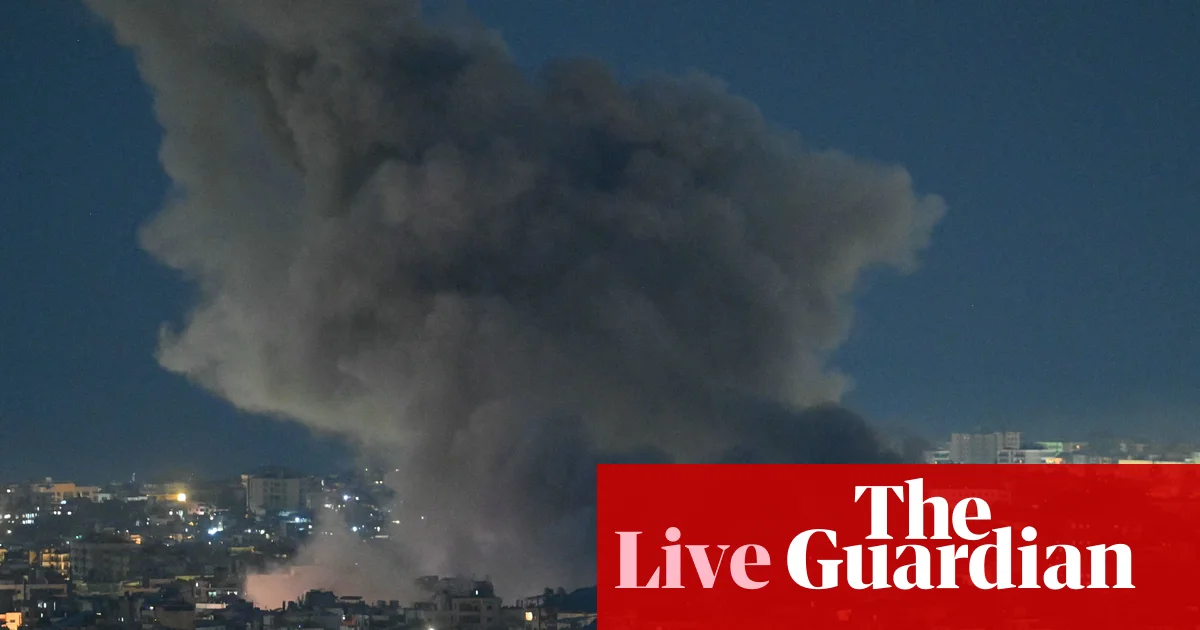
In parallel, the Israeli military has engaged in extensive strikes against Tehran and Beirut, while issuing evacuation orders for strategic locations in Lebanon amidst fears of imminent hostilities. This coordinated campaign underscores a broader geopolitical shift, intensifying the confrontation and risking broader regional chaos. Israeli Prime Minister Benjamin Netanyahu has publicly stated that this war may take “some time,” but assured it won’t be an “endless conflict,” emphasizing a desire for swift, decisive victory. Analysts, including those at the Council on Foreign Relations, warn that these aggressive postures threaten to ignite a broader war involving multiple state and non-state actors.

Strategic Ramifications and International Response

Amid the mounting military engagements, the region has plunged into disarray. The US has ordered all citizens to evacuate over a dozen Middle Eastern countries, including Saudi Arabia and the United Arab Emirates, citing rising risks of further attacks and diplomatic instability. The Saudi embassy in Riyadh was reportedly struck by drones early Tuesday, causing a fire and leading to a temporary diplomatic closure—a stark reminder of how quickly regional security can unravel.

Further complicating the situation, Iran’s Revolutionary Guards claimed a drone and missile attack on a US air base in Bahrain, asserting that they destroyed the base’s main command headquarters—a move likely to provoke retaliatory strikes. International organizations such as the UN have expressed concern, urging de-escalation, but their calls seem overshadowed by hardened rhetoric and ongoing hostilities. Meanwhile, the strategic choke point of the Strait of Hormuz, vital for oil and gas shipments, hangs in the balance after threats from Iran to close navigation, risking a potential global energy crisis. The U.S. military remains cautiously optimistic, asserting the Strait remains open, but the threat of escalation looms large.

Projection of War and the Shift in Global Power Dynamics

As the conflict continues to spiral, former Secretary of State Marco Rubio stated that the “hardest hits” are yet to come, hinting at a prolonged and punishing campaign against Iran. Meanwhile, President Donald Trump has laid out broad objectives, including dismantling Iran’s missile capabilities, naval forces, and nuclear ambitions—all with an eye toward curbing Iran’s regional influence.

Historian Samuel Huntington and geostrategic analysts warn that this conflict risks reshaping the global power balance. Worst-case scenarios include a broader regional war, economic turmoil, and centering the Gulf’s geopolitical importance in American and allied foreign policy for decades to come. How nations respond in these critical moments will determine the nature of international stability in the years ahead, with the weight of history pressing heavily upon these decisions. As the echoes of drone strikes, evacuations, and military escalations reverberate across capitals, the world stands at a precipice. The unfolding story of the Middle East’s chaos may well forge a new era—one defined by confrontation, resilience, and the relentless pursuit of national interests amid the uncertainty of a world still on the edge of war.

Third Day of US-Israel War with Iran: Key Moments Unfold

U.S., Israel, and Iran Engage in Alliance-Shaking Conflict as Regional Tensions Escalate

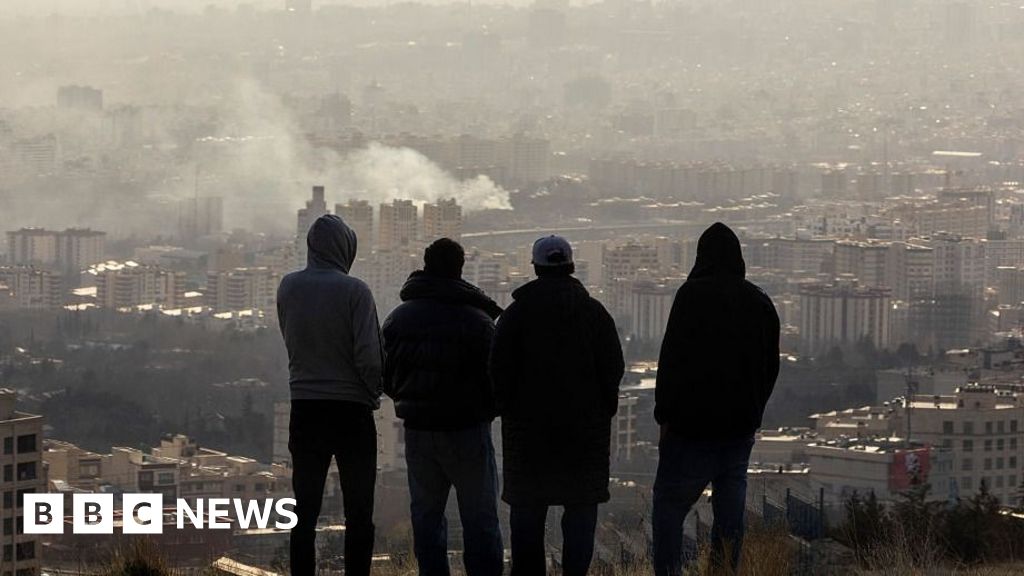
The ongoing war between the United States and Israel against Iran has rapidly escalated into a full-blown regional crisis, marking a dangerous turning point in the Middle East’s volatile landscape. As the third day of hostilities unfolds, scenes of destruction and chaos dominate the streets of Iran, while neighboring nations grapple with the far-reaching implications of this dangerous conflict. Global analysts warn that this cycle of violence not only destabilizes the region but also threatens the fragile balance of power that sustains international security. The intense exchange of drone and air strikes illustrates how swiftly the conflict has expanded beyond initial targets, with the potential to ignite broader regional or even global confrontations.

Today’s hostilities saw the United States orchestrate strikes within Iran, with devastating scenes on the streets revealing the severity of the military escalation. The strikes, according to Pentagon officials, targeted Iranian military facilities aimed at degrading Tehran’s capacity to support proxy groups like Hezbollah and other militant organizations. Most international observers agree that this marked a critical shift in US strategy—moving from containment to direct confrontation—further undermining hopes for diplomatic resolution. Meanwhile, Israel expanded its military campaign by launching strikes into Lebanon, targeting alleged Hezbollah positions. These preemptive actions are true to the longstanding Israeli doctrine of preemptive defense, but they risk igniting a broader conflict that could threaten regional stability for years to come.

  • Three US fighter jets tragically crashed in Kuwait, with initial reports attributing the accidents to apparent friendly fire—a grim reminder of the fog of war amid chaos.
  • In Cyprus, a British RAF base was struck by an Iranian drone, forcing an emergency evacuation and raising alarms over the spread of the conflict beyond the immediate Middle Eastern theater.

International organizations and military analysts are sounding alarms over the geopolitical impact of these developments. Harvard historian Dr. Robert Matthews warns that the conflict’s escalation could catalyze a new Cold War, with major powers realigning and recalibrating alliances. The delicate balance of deterrence maintained since the Cold War era is now in jeopardy, with the risk of all-out regional warfare increasing by the hour. Furthermore, the involvement of multiple nations, including the United Kingdom, Kuwait, and Cyprus, illustrates how the conflict threatens to drag in global actors, intensifying the risk of escalation that could spiral out of control.

The international community’s response remains cautiously divided. While some call for immediate de-escalation and renewed diplomacy, others appear resigned to the notion that the forces unleashed today will shape global geopolitics for decades. As nations mobilize their military assets and intelligence agencies scramble to interpret the unpredictable developments, the world stands on a precipice. History will remember this moment—not as a standalone skirmish, but as an inflection point whose aftermath will redefine power structures, alliances, and the very fabric of international order.

Ultimately, the relentless violence of today underscores a sobering truth: the decisions made in these critical hours will echo through history, determining whether this is a moment of resurgence for peace or the dawn of a new, darker epoch of conflict. As the dust of destruction settles on the streets of Iran, the question remains—how many more will fall before the storm subsides, or if it ever will? The pages of history are yet to be written, but their weight is undeniable: humanity teeters on the edge of a new chapter, one that could reshape the world in ways yet unseen.

Israel hits Lebanon in response to Hezbollah rockets amid Iran tensions

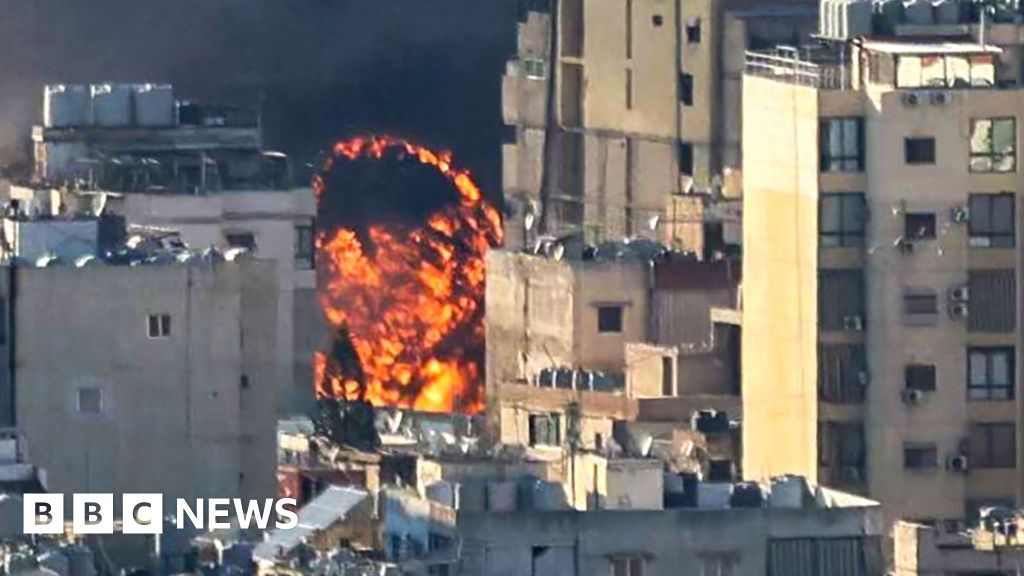
In a stark escalation of the ongoing border tensions between Israel and Lebanon, the Lebanese health ministry has confirmed that a tragic toll of 31 civilians was inflicted by recent Israeli airstrikes. The devastation wrought in Lebanese territory underscores a significant juncture in the region’s persistent conflicts, threatening to ignite broader regional instability. Meanwhile, no Israeli casualties have been reported, further complicating diplomatic narratives and fueling accusations from Lebanese authorities and regional allies.

This escalation arises amidst a backdrop of fragile ceasefires and heightened rhetoric, with Israel citing security concerns over militant activities from Hezbollah, the Iran-backed Lebanese political and military organization. Analysts from international security think tanks warn that such targeted strikes could set a dangerous precedent — one that risks spiraling into a broader confrontation that could draw in regional powers and destabilize Mediterranean geopolitics. The international community, including the United Nations and regional actors, has called for restraint, emphasizing the potential for these hostilities to unravel decades of fragile peace, with wide-reaching consequences.

Historical perspectives provided by scholars and geopolitical experts highlight the intricate web of alliances and enmities that often underpin such flare-ups. Many point to a pattern of border skirmishes that have become proxy battles in the ongoing fight for regional influence. The United States, Russia, and European Union nations continuously reassess their strategic interests amid the chaos, with diplomatic efforts aimed at de-escalation. However, some voices, including regional analysts and seasoned diplomats, warn that recent events could mark a turning point — a moment where temporary ceasefires give way to a more sustained cycle of violence, threatening stability in the Levant.

  • The Lebanese government condemns the strikes, asserting that they violate international law and violate Lebanon’s sovereignty.
  • Israeli officials maintain the strikes were precision operations targeting militant infrastructure.
  • The UN calls for an immediate ceasefire, emphasizing the protection of civilians amid mounting casualties.
  • Regional powers like Egypt and Jordan have expressed concern while urging diplomatic resolution.

As the world watches, the region stands on a knife’s edge, its history echoing with the ghosts of past conflicts and the shadows of future ones. With each airstrike, the geopolitical landscape shifts—altering alliances, fueling insurgency, and shaping societies. For Lebanon, a nation already scarred by civil war and economic collapse, the loss of life at the hands of external military actions rekindles imagery of a fractured past. For Israel, the campaign continues to be justified as essential for national security but risks escalating into an uncontainable regional war. The international community remains caught in the web of diplomatic uncertainty, watching anxiously as history relentlessly unfolds its next chapter, whispering the ominous possibility that this latest cycle of violence could either be contained or ignite the spark for a new era of chaos.

Pete Hegseth says Trump’s ‘closing’ Iran conflict as tensions escalate – US politics update

Global Escalation: The US, Iran, and the Future of World Power

In a dramatic turn of events, the United States has launched a major military operation against Iran this week, igniting a complex geopolitical crisis with potentially irreversible consequences. The operation, dubbed Operation Epic Fury, was authorized by President Donald Trump after nearly half a century of Iran’s alleged hostile actions against Western interests. As US officials publicly assert that they are “finishing” what was started long ago, the very fabric of international diplomacy and national sovereignty is being tested like never before, creating ripples that threaten to destabilize the Middle East and reshape global power balances.

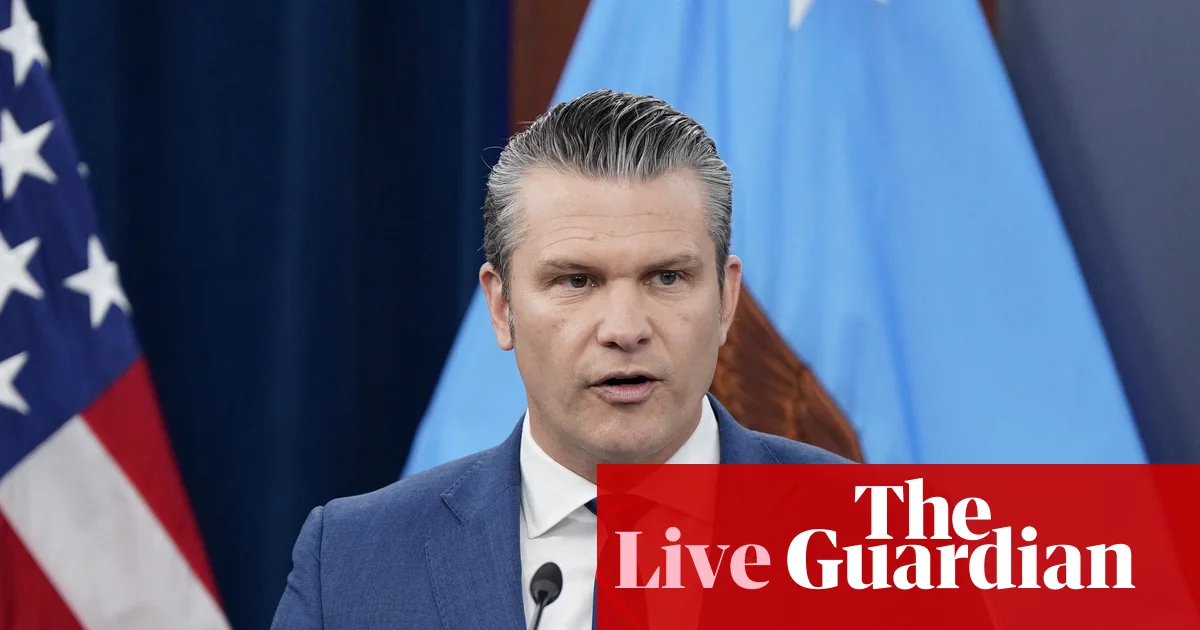
From the outset, the US government has framed the conflict as a necessary response to Iran’s persistent threats—rhetoric rooted in accusations of missile proliferation, nuclear ambitions, and regional destabilization. Defense secretary Pete Hegseth has emphasized that this campaign will not be swift, describing the operation as a “big battle space” requiring patience and strategic precision. His assertion that “We didn’t start this war, but under President Trump, we are finishing it,” signals a shift toward a more aggressive posture that bucks the traditionally cautious approach of past administrations. Historically, analysts and war critics warn that such a posture risks spiraling into a regional conflagration from which even nuclear deterrence may not protect the world’s superpowers from entanglement.

The unfolding escalation has prompted urgent responses from Congress, with Democratic leaders demanding a vote under their constitutional authority to limit Trump’s military actions.

  • Top Democratic representatives, such as Gregory W. Meeks, have vowed to oppose the war effort, with some even willing to board planes to oppose what they see as an unconstitutional invasion.
  • Yet, despite these efforts, the administration maintains that it “set the terms of this war from start to finish,” signaling a federal executive branch increasingly willing to bypass Congress and consolidate military authority in a manner reminiscent of imperial overreach.

International organizations, including the United Nations, have expressed concern that the open warfare risks pushing the region into chaos, with war analyst Dr. Laura Hendrick warning that “such unilateral military actions could trigger a regional domino effect, leading to wider conflicts involving neighboring states and geopolitical rivals.” Moreover, the humanitarian fallout—particularly with reports of pregnant immigrant children moved into detention centers—raises questions about legality and human rights abuses under the guise of national security.

As the world watches with wary eyes, both America’s role as a global policeman and Iran’s resilience in the face of relentless pressure are at a critical crossroads. The death of Iran’s Supreme Leader Ali Khamenei, hailed by some U.S. hawks as a “turning point” for regime change, has further inflamed tensions, prompting Tehran to launch missile counterstrikes and hinting at an ongoing, perhaps endless, cycle of violence. Historian Prof. William Carter warns that “Decisions made in the coming weeks will determine whether this is an isolated chapter or the start of a new era characterized by prolonged regional chaos and a realignment of alliances.” The resurgence of military intervention, coupled with the use of AI-driven targeting from agencies like the Pentagon, signals a dangerous precedent—one where technology and brute force threaten diplomacy and peaceful resolution.

As the narrative of war continues to unfold, the weight of history presses down on leaders and nations alike. Will this conflict be resolved before irreversible damage is done, or are we witnessing the dawn of a new era of global instability? The choices made today in Washington and Tehran will echo through time, shaping the destiny of the world and leaving an indelible mark on history’s grand canvas. With war drums echoing across the landscapes of geopolitics, the future hangs precariously, reminding us that in the theater of international power, the stakes have never been higher.

Unclear Iran Strategy Risks Prolonged US Engagement: What's Next?
Unclear Iran Strategy Risks Prolonged US Engagement: What’s Next?

Amidst a sea of uncertainty, the recent surge of military confrontations between the United States and Iran marks a pivotal moment in international relations that could reshape the Middle East’s geopolitical landscape. The United States, under President Donald Trump, has launched strikes purportedly aimed at Iran’s nuclear and military infrastructure, escalating tensions that previously simmered since the assassination of Iran’s top cleric, Ayatollah Ali Khamenei. While Trump’s administration claims these actions are defensive, critics warn they are a dangerous gamble that could ignite a protracted conflict, with dangerous ramifications for regional stability and global security.

What heightens the international concern is the apparent absence of a clear, strategic plan from Washington. Analysts and former intelligence officials argue that the US Government lacks a coherent roadmap for de-escalation or regime change, raising fears of an open-ended conflict that could spiral beyond control. According to Alex Vatanka, a senior fellow at the Middle East Institute, the current focus appears to be on weakening Iran’s leadership rather than achieving specific strategic objectives. Such ambiguity risks transforming what might be conventional conflicts into a prolonged stalemate resembling Cold War proxy battles, with unpredictable consequences for both societies and economies far beyond the Middle East.

The geopolitical impact of these events is profound. Not only does this confrontation threaten to destabilize Iran’s already fragile regime, but it could also ignite broader regional conflicts involving Iran’s allies in Lebanon, Syria, and Iraq. The United Nations and influential analysts warn of the dangerous precedent set by Washington’s aggressive stance, emphasizing that military intervention without a well-articulated exit strategy risks turning limited strikes into a lengthy and costly war. Steven Cash, a former CIA officer, poignantly describes the absence of a plan as “very troubling,” suggesting that Trump’s focus may be more on influencing domestic political dynamics, such as the upcoming US midterm elections, than on long-term stability or peace.

Meanwhile, Iran’s leadership, especially Supreme Leader Ayatollah Khamenei, remains under threat. Though Tehran has retaliated with attacks across the Middle East, there are indications that the regime’s top figures, once seen as unassailable, are now vulnerable. Recent reports suggest that Iran’s approval for negotiations may have increased, with President Trump claiming that Tehran is now open to talks after the US and Israeli strikes. However, these comments come amidst a deteriorating security landscape—an environment where economic sanctions, diplomatic isolation, and military harassment have combined to create a powder keg, waiting to explode at any moment. History shows us that quick military strikes seldom lead to political stability; often, they sow the seeds of further chaos, as witnessed after Iraq and Afghanistan.

As the world watch in suspense, the demand for a clear, decisive international approach grows louder. The choices made in the coming days will not only affect the Middle East but will echo through the corridors of power in Washington, Riyadh, Beijing, and beyond. Will the US follow through on its threats of regime change, risking prolonged chaos, or will it seek diplomatic solutions before history’s pages turn once more, embroiling humanity in a war that could last generations? With each passing moment, the narrative of the 21st century’s conflicts is being written—an ongoing struggle for influence, sovereignty, and survival that will define the future for generations to come.

Social Media Auto Publish Powered By : XYZScripts.com