Matox News

Truth Over Trends, always!

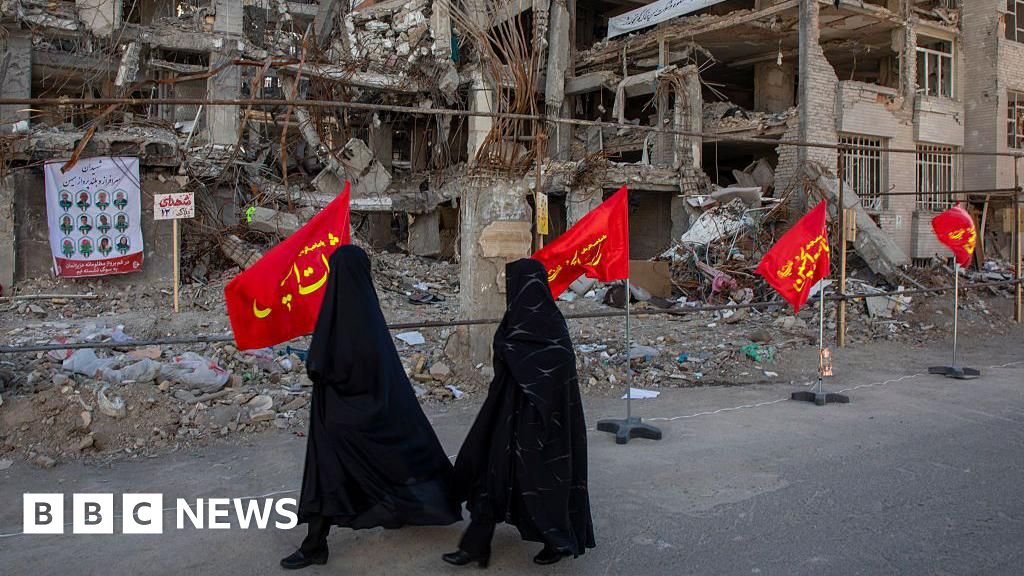
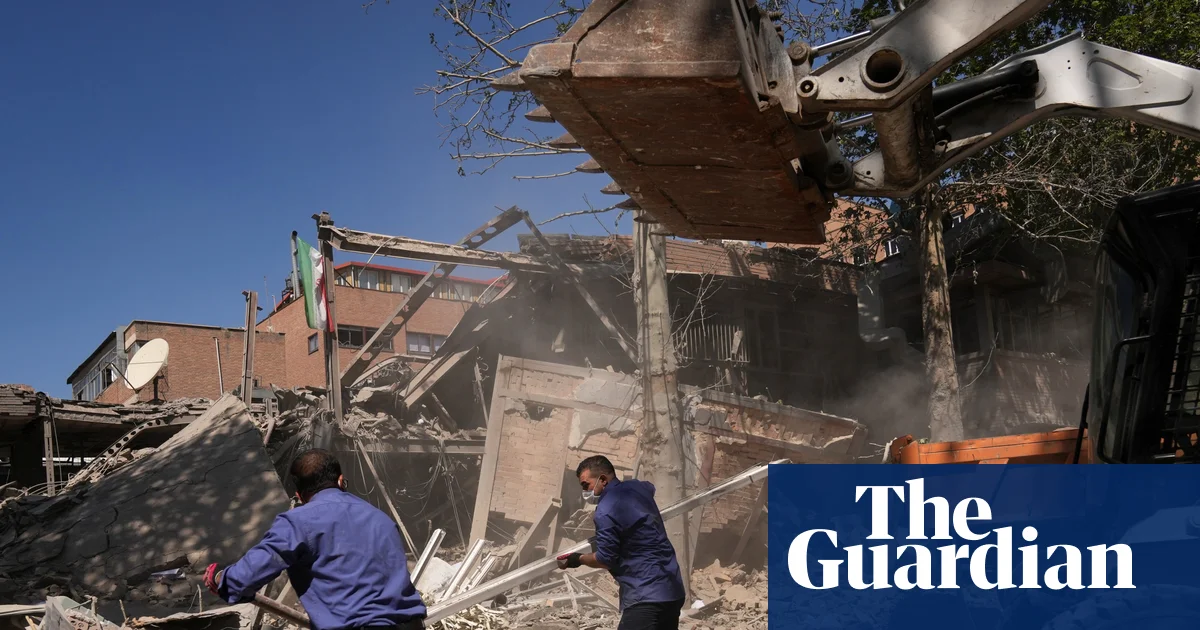
UN rights chief urges US to wrap up Iran school strike investigation

The recent escalation in Middle Eastern geopolitics was starkly highlighted when Iran openly blamed the United States for a targeted bombing incident, which Tehran’s Foreign Minister Abbas Araghchi described as a “deliberate and intentional” attack. Delivered during a speech at the UN meeting in Geneva, Araghchi’s statement underscored Iran’s vehement rejection of Western military interventions, framing the incident as part of a broader pattern of aggression aimed at undermining regional stability. The assertion not only adds a layer of tension to an already volatile region but also signals Iran’s intent to hold Washington accountable on the international stage, raising profound questions about the future of diplomacy and regional security.

This incident, according to Iranian officials, marks a critical turning point in how state-sponsored violence is viewed within the global arena. Iran’s leadership contends that such military actions are not isolated; rather, they form part of a concerning strategy that threatens broader peace and stability in the Persian Gulf and beyond. The statements from Tehran have ignited a fierce debate among international analysts, many of whom caution that the escalation could precipitate a cycle of retaliation that threatens global security. The United States, which has historically maintained a formidable military presence in the Middle East, has yet to issue a conclusive response, but the diplomatic implications are already rippling through international channels.

Global institutions and strategic thinkers have voiced grave concerns over the repercussions of what some are calling a defining moment in 21st-century geopolitics. Numerous analysts note that Washington’s actions, described by Iran as “atrocities,” could deepen existing fissures in an already fractured international order. In particular, the European Union has called for restraint, emphasizing the need to prevent further destabilization. Meanwhile, historians warn that such conflicts, if unresolved, risk entrenching divisions that could last decades — a grim future where diplomatic solutions are overshadowed by persistent violence.

  • Tehran’s accusation marks a significant diplomatic challenge for U.S. foreign policy, especially amid ongoing debates on military intervention versus diplomatic engagement.
  • The UN meeting frames the incident as a potential catalyst for renewed international conflict, reaffirming the importance of multilateral diplomacy.
  • International organizations warn that unchecked violence risks escalating into wider regional unrest, with unpredictable consequences for global markets and security.

As history continues to unfold, the weight of this moment hangs heavily over Iran, the United States, and the broader international community. The choices made today echo in corridors of power and influence, shaping the fate of nations and societies for generations to come. Will diplomacy prevail or will the relentless march of violence propel the world into a new era of instability? Only time will tell—and history, ever watchful, waits patiently to inscribe its next chapter.

Marco Rubio Meets G7 Allies Amid Rising Iran Tensions

In a move that signals increased international involvement amid ongoing conflicts, the U.S. Secretary of State has begun their first foreign trip since the recent outbreak of hostilities last month. This diplomatic journey, widely viewed as a key indicator of the United States’ strategic posture, underscores the gravity of the current geopolitical crisis. As tensions rise across borders, analysts argue that this visit could mark a pivotal turning point in the global response to escalating conflicts.

The trip comes amidst a complex web of alliances, territorial disputes, and economic sanctions. The conflict, which has now extended into neighboring countries and threatened regional stability, has prompted international institutions, such as the United Nations and NATO, to call for urgent diplomatic negotiations. Historically, such trips by senior diplomats are designed to signal resolve and to gauge the intentions of allies and adversaries alike, as well as to reassess foreign policy strategies.

Key to understanding the geopolitical impact of this trip is the response from other global powers.

  • China’s diplomatic posture remains cautious but increasingly assertive, signaling a willingness to support or oppose depending on the evolving situation.
  • Russia continues to expand its influence, either through overt military support or covert operations, complicating efforts for a unified international response.
  • European nations remain divided, with some advocating for immediate sanctions while others emphasize dialogue and de-escalation.

Prominent historians and foreign policy analysts warn that the trajectory of this conflict could redraw international alliances for generations to come. According to reports from the Council on Foreign Relations, these diplomatic excursions are often double-edged swords, capable of either diffusing tensions or escalating them further.

As the Secretary of State engages in diplomatic negotiations, the weight of history hangs heavily in the balance. Decisions made over the coming weeks could determine whether nations move towards a fragile peace or descend into prolonged chaos. The global community watches with bated breath, aware that each diplomatic victory or setback adds a new chapter to the unfolding story of our time — a story that will be written in the blood and hopes of nations. The question remains: will diplomacy prevail, or are we approaching a shift that will forever alter the course of history?

Africa Struggles with Power Cuts and Petrol Shortages Amid Iran War Fallout

The recent disruption in oil supplies has sent shockwaves across the African continent, exposing vulnerabilities in one of the world’s most critical economic sectors. Countries such as Nigeria, Angola, and South Africa are feeling the immediate effects of this crisis, which threatens not only their energy security but also their broader socio-economic stability. This disruption, driven by a complex combination of geopolitical tensions and logistical failures, highlights the newfound fragility of global energy markets and the strategic importance of resource security for developing nations.

Analysts from international institutions like the International Energy Agency warn that the current shortages could precipitate a broader economic downturn if swift action is not taken. The International Monetary Fund and World Bank underscore that energy poverty hampers economic growth, increases inflation, and exacerbates social inequities. For nations heavily reliant on oil imports, such as many in Africa, these disruptions threaten to undo years of economic progress. The African Union has called for urgent diplomatic engagement and strategic reserves policies, recognizing that the continent’s developmental trajectory could be set back for decades if the crisis persists.

Underlying the supply shock are layered geopolitical tensions; rising conflicts in the Middle East, tensions over Russian sanctions, and the OPEC production decisions have all played roles in tightening global markets. Governments worldwide are observing with keen interest—some military strategists even suggest that the disruptions could be exploited by geopolitical rivals seeking to weaken certain nations’ stability. This situation exemplifies how interconnected and fragile the global energy infrastructure truly is. According to renowned geopolitical analyst Dr. Laura Simmons, “The unfolding crisis exposes the artificial foundations of our current energy-centric economy, revealing how geopolitical churn directly translates into tangible hardship on the streets of African cities.”

The disruption also highlights the shifting power dynamics on the world stage. As traditional oil-producing nations grapple with internal conflicts and economic restructuring, emerging global players and non-state actors are positioning themselves to fill the void. China’s expanding investments in African energy infrastructure exemplify a broader strategy to secure resources outside traditional alliances, fueling debates about neocolonial influence and resource sovereignty. Meanwhile, within Africa, there is rising concern about the impacts on social stability, job security, and basic services, as governments scramble to secure energy futures amidst an uncertain geopolitical landscape.

As history continues to be written, the unfolding crisis reminds us that energy resources are not merely commodities but strategic linchpins shaping the future of nations and societies. The decisions made in the current geopolitical arena will reverberate through generations, defining a new epoch in global power relations. With history’s weight pressing on the present, the world stands at a crossroads—where resilience and strategic foresight will determine whether Africa, and indeed the entire global community, can survive the storm of uncertainty that now looms on the horizon.

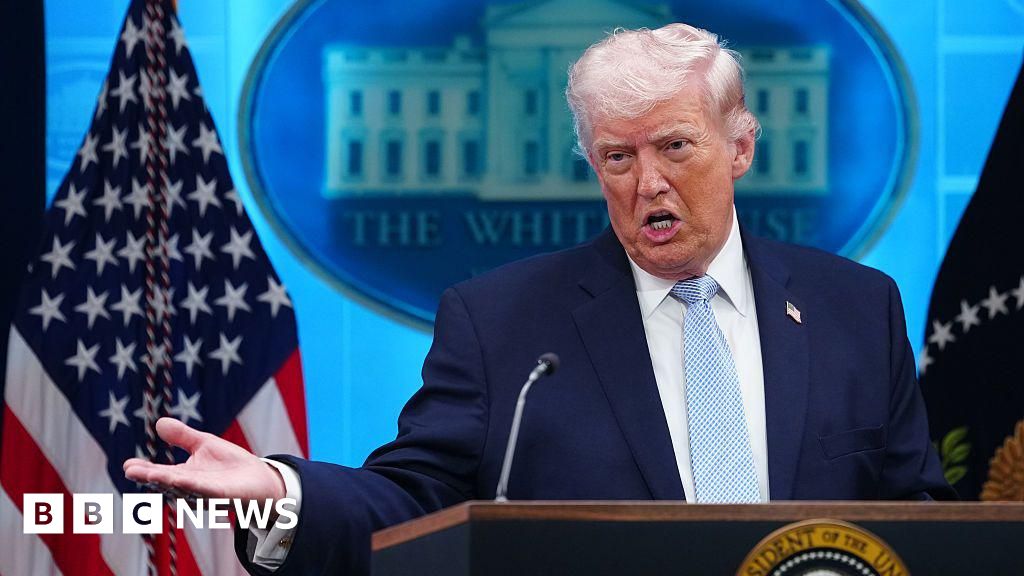
Trump delays Iran’s Hormuz closure by 10 days amid US-Israel push on Iran

US-Iran Tensions Reach Critical Point: A New Phase in the Middle East Crisis

The recent developments in the Middle East signal a pivotal turn in international geopolitics, with United States President Donald Trump extending his deadline for Iran to reopen the strategic Strait of Hormuz. This vital waterway, through which approximately 20% of global oil passes, has become a battleground in a conflict that threatens to destabilize the world’s economic center of gravity. Trump’s decision to pause the destruction of Iran’s energy infrastructure, citing ongoing negotiations, underscores the precarious balance of power and the high-stakes diplomacy at play. Yet, analysts warn that behind this diplomatic veneer lies an escalation of military posturing, with thousands of U.S. troops poised to seize strategic nodes such as Kharg Island, Iran’s principal oil export hub, signaling a possible shift toward open conflict.

Significant strikes by Israel and the U.S. against Iranian military and naval targets—most notably the elimination of the Revolutionary Guards’ naval commander, Alireza Tangsiri—highlight an aggressive effort to dismantle Iran’s maritime capabilities. Administrators such as Adm Brad Cooper have claimed that these actions are barometers of irreversible decline for Iran’s naval strength, yet Iran continues its retaliatory assaults by missile and mine attacks, demonstrating its resilience and capacity for asymmetrical warfare. Meanwhile, Israel contends with missile interceptions in Jerusalem and Tel Aviv, illustrating how regional conflicts are entangling a host of nations beyond the primary adversaries. This broadening of hostilities raises urgent questions about how decisions made today will shape the geopolitical architecture of the Middle East for generations to come.

Diplomacy and Deterrence in a Widening Conflict

Despite the ongoing military escalation, diplomatic efforts persist—albeit amidst deep skepticism. Trump’s administration has proposed a 15-point framework through Pakistan, purportedly offering Iran a pathway to end its nuclear aspirations and regional provocations. However, Iran’s officials dismiss these overtures as “one-sided and unfair,” demanding not only an end to US and Israeli attacks but also reparations and recognition of their sovereignty over the Strait of Hormuz. Such demands, coupled with Iran’s insistence that its defense is justified, reflect the profound divergence in perceptions and intentions that hinder meaningful resolution. According to historians and foreign policy analysts, this discord underscores a reality where dialogue remains fragile, and the risk of miscalculation is dangerously high at a moment when the world watches with bated breath.

Adding to the volatility, the U.S. has bolstered its military presence, risking a broader confrontation that could ignite regional proxy wars. The potential for a ground invasion, particularly targeting Iran’s strategic ports, looms as a dark cloud over the Gulf, with Ali Bahreini, Iran’s envoy to the UN, warning of grave consequences. Meanwhile, Yemen’s Houthis, allied with Iran, have signaled their willingness to retaliate by attacking Red Sea shipping—an economic artery vital to global commerce. These intertwined conflicts threaten to draw more nations into a regional maelstrom, transforming localized skirmishes into a global crisis with far-reaching consequences.

Unfolding History and the Weight of Decisions

As the world teeters on the brink of a broader war, international organizations like the United Nations attempt to serve as mediators, but their influence is waning in the face of aggressive posturing and national self-interest. The death toll, now surpassing 1,900 in Iran and causing mass displacement in Lebanon, signals the human cost of this burgeoning conflict. Leaders in both Washington and Tehran trade warnings with veiled threats, each side prepared to escalate further if the other’s red lines are crossed. In this volatile chess game, every move reverberates across continents, altering geopolitical balances and societal structures. The weight of history, with all its lessons and tragedies, hangs heavy in the balance—yet the story remains open, unwritten, with every day bringing new moves that could either restore peace or plunge the world into chaos.

Middle East Tensions: Trump Claims Iran's Still Open to Deal, China Finds Slim Hope for Talks — US-Israel Push Back Against Iran
Middle East Tensions: Trump Claims Iran’s Still Open to Deal, China Finds Slim Hope for Talks — US-Israel Push Back Against Iran

China Sees ‘Glimmer of Hope’ Amid Rising Middle East Tensions

The international landscape is once again at a crossroads, as China’s foreign minister Wang Yi articulated a cautious optimism in recent diplomatic efforts to curb the ongoing Middle East conflict. Despite Tehran’s unwavering stance to continue fighting, Wang described the emergence of “a glimmer of hope” for peace, citing signals from both the United States and Iran of a willingness to re-engage in negotiations.

This diplomatic move comes amidst escalating violence and a series of strategic military operations that highlight a scenario where geopolitical fault lines are intensifying nuclear and regional tensions. Analysts from various international think tanks and United Nations officials have warned that such conflicts threaten to spiral into wider regional chaos, risking destabilization of entire alliances and prompting profound societal repercussions across involved nations.

Regional Actors and the Shadow of Distrust

Historically, Qatar has played the role of a key mediator, but recent developments signal a dramatic shift. Majed al-Ansari explicitly distanced Qatar from alleged US-led negotiations, sarcastically questioning their very existence. This move underscores prevalent distrust among Gulf states towards Washington, driven by previous failed peace initiatives and the complex toll of ongoing conflicts. Experts like Bilal Saab argue that “they’ve been burned by their previous experience,” suggesting that regional players are now skeptical of moves that appear to serve external agendas rather than genuine peace efforts.

Similarly, Turkey has engaged in “intense” diplomatic efforts, seeking to balance relations with both Washington and Tehran. Hakan Fidan’s calls reveal a concerted effort to prevent an unchecked escalation, with warnings from Wang Yi emphasizing that prolonged warfare could only usher in further casualties and regional spillovers. These diplomatic intricacies highlight how global powers manipulate regional dynamics, often at the expense of local stability.

Militarization and the Escalating Cost of War

On the battlefield, the situation is equally dire. The Israeli military reports a series of missile intercepts triggered by Iranian launches, raising fears of a widening conflict. Reports detail that Israeli defenses responded to missile attacks from Iran and Hezbollah, with sirens blaring across central Israel, Jerusalem, and even the occupied West Bank. Meanwhile, Hezbollah launched fresh missile strikes into Israel, confronting the narrative of a potential de-escalation and revealing the deep-rooted animosity and strategic hostility that remains entrenched in the region.

Adding to the tinderbox, Iran is reportedly reviewing the US’s 15-point peace plan, initially rejected, yet still under consideration amidst ongoing threats and military confrontations. United States forces have claimed to have targeted over 10,000 Iranian military assets, signaling that the conflict has turned into a show of unparalleled military might. Historians warn that such escalation risks creating a “fertile ground for further violence,” potentially igniting a broader regional war with devastating societal consequences.

International Community and the Shadow of Uncertainty

The global economic repercussions are already evident, with Asian stock markets falling and oil prices rising amidst fears of a wider conflict. Western intelligence reports suggest that Russia is supplying Iran with drones, food, and medical supplies, aiming to bolster its strategic ally amid this turbulent crisis. Meanwhile, the UN’s António Guterres warns against copying the “Gaza model” in Lebanon, calling for a cessation of hostilities and urging Iran to cease aggressive actions. Yet, many see such calls as echoing hope in a divided international community that remains plagued by skepticism over the sincerity of diplomatic calls for peace.

As history’s pages continue to turn, the unwavering resolve of nations in the Middle East and beyond signifies that the weight of their choices will determine whether peace can prevail or whether the cycle of destruction will persist. The world watches with bated breath, aware that these decisions—acute and irreversible—are shaping the course of future generations. Only time will reveal if diplomacy shall triumph or if history will record yet another chapter of unmitigated chaos.

US and Iran Unveil Paths to Peace: What’s on the Table?

In a startling development that underscores the fragility of international diplomacy amid escalating tensions, former U.S. President Donald Trump has publicly claimed that he is engaged in dialogue with “the right people” in Iran. This assertion, however, has been swiftly countered by Tehran, which categorically denied any such negotiations are occurring at this time. The conflicting narratives highlight a persistent uncertainty surrounding regional security and diplomatic outreach in the Middle East.

The implications of Trump’s statement have rippled through the geopolitical landscape, prompting analysts and international organizations to reevaluate their assessments of the ongoing U.S.-Iran dynamic. Historically, diplomatic engagement has been a cornerstone of stability in the region, but recent years have been marred by a series of confrontations, exit from the Iran Nuclear Deal, and escalating sanctions. The renewed mention of possible negotiations, regardless of the veracity, serves to rekindle hopes—yet also fuels fears of miscommunication and miscalculation that could spiral into open conflict.

According to international experts and historians specializing in Middle Eastern geopolitics, such as Dr. James Connelly of the London School of Economics, these conflicting statements demonstrate the ‘complex chess game’ played by the major power brokers. On one hand, U.S. motives appear to shift toward a pragmatic pursuit of diplomacy to de-escalate tensions. On the other, Tehran’s rejection of any ongoing negotiations signals a desire to project strength and maintain strategic autonomy in an environment rife with external pressure. This persistent ambiguity complicates the potential for meaningful progress, making the possibility of future negotiations a delicate balancing act.

  • Trump’s claim raises questions about U.S. outreach efforts and whether an administration change or internal political shifts are influencing diplomatic signals.
  • Iran’s denial underscores the ongoing authoritarian regime’s insistence on sovereignty amid external pressures and regional rivalries.
  • Both sides’ stances influence the power dynamics across the Middle East, affecting allies and adversaries alike, from Israel and Saudi Arabia to Russia and China.

The geopolitical impact of this episode extends far beyond immediate diplomatic circles. As UN Secretary-General António Guterres has warned, instability in the Middle East threatens global security, trade routes, and energy supplies. Many analysts argue that decisions made now—whether to pursue negotiations or escalate confrontation—will shape the course of history for decades. The international community remains watchful, knowing that any misjudgment could ignite conflicts with far-reaching consequences, reminiscent of Black Swan events that reshape nations and alliances.

As history continues to unfold in this high-stakes chess game, the world holds its breath. In the shadows of diplomatic corridors and fortified embassies, decisions are being forged that could pivot the region toward peace or plunge it into chaos. The question remains: will the voices of diplomacy finally drown out the drumbeats of war, or does history warn us that such opportunities may once again slip through humanity’s grasp—leaving global stability to teeter on the brink?

Middle East Tensions: Iran Attacks US Bases Amid Oil Drop and Trump Peace Plan Revealed

Global Tensions Surge as Iran Dismisses US Ceasefire Attempts Amid Middle East Escalation

In a dramatic display of defiance, Iranian military spokesperson Lt. Col. Ebrahim Zolfaghari dismissed recent American efforts to broker peace in the ongoing Middle East crisis. During a prerecorded address aired on state television, Zolfaghari derided the US’s ceasefire negotiations as emblematic of American strategic failure, asserting that Washington is only negotiating with itself. His pointed declaration—“The one claiming to be a global superpower would have already gotten out of this mess if it could”—underscores Iran’s rejection of Washington’s recent diplomatic overtures, which included a 15-point ceasefire plan sent through Pakistan. Analysts note this exchange marks a pivotal moment: Washington’s diplomatic attempts seem to have little traction amid Tehran’s outright rejection, exacerbating an already volatile region.

This escalating rhetoric comes at a time when oil markets are reacting sharply. Following President Donald Trump’s claims that negotiations with Iran are progressing and that Tehran has committed to never acquire nuclear weapons, global markets exhibited sudden volatility. Early Wednesday, Brent crude oil plummeted nearly 6%, with trading at $98.30 per barrel, while the West Texas Intermediate fell 5% to $87.72. Asian markets responded with optimism; Tokyo’s Nikkei 225 rose 2.8%, KOSPI gained 3.1%, and other regional indices followed suit. This market bounce, however, belies the underlying tension—analysts from the International Crisis Group warn that these optimistic surges could be short-lived if diplomatic efforts continue to falter.

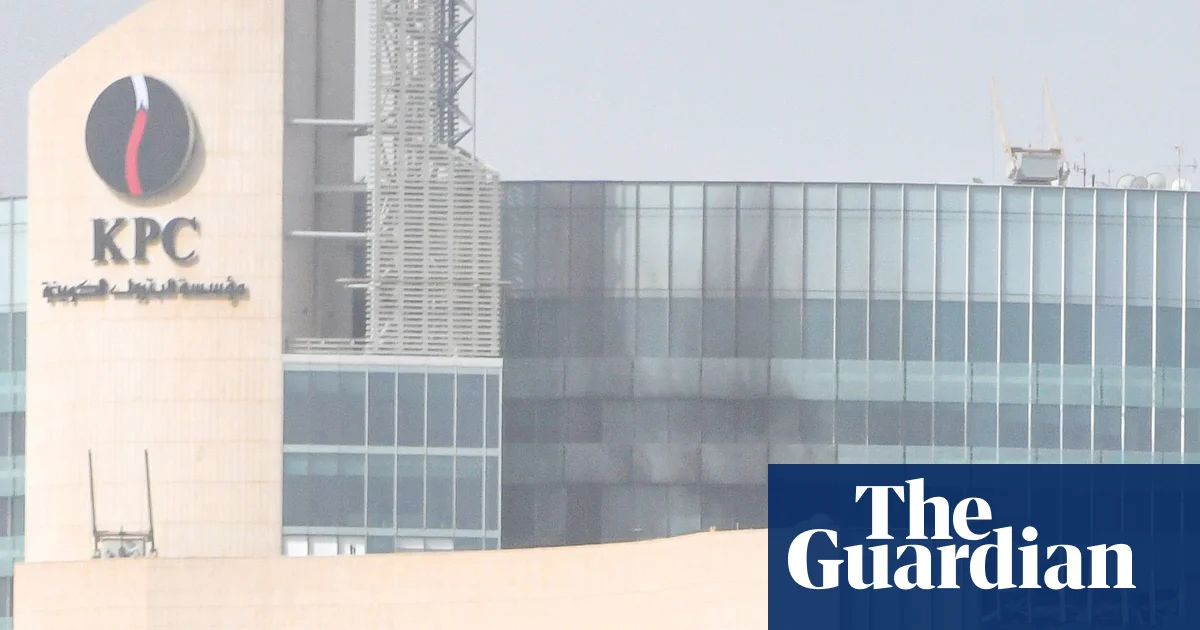
Amid the diplomatic deadlock, the military actions on both sides escalated dramatically. Iran’s Revolutionary Guards launched missile strikes targeting locations in Israel—including Tel Aviv and Kiryat Shmona—as well as US bases in Kuwait, Jordan, and Bahrain. Iranian state media reported these attacks, which came shortly after Iran’s authorities claimed responsibility for firing a projectile at the Bushehr nuclear power plant, an incident managed without damage but indicative of a widening conflict. In Lebanon, Israeli strikes continued to inflict significant humanitarian toll—killing over a thousand civilians and displacing more than a million—while Iran’s alliances in the region, notably Hezbollah, remain poised to expand hostilities further. The U.N. reports that Iran’s military campaign has resulted in the deaths of approximately 1,500 Iranians, adding more fuel to the regional inferno.

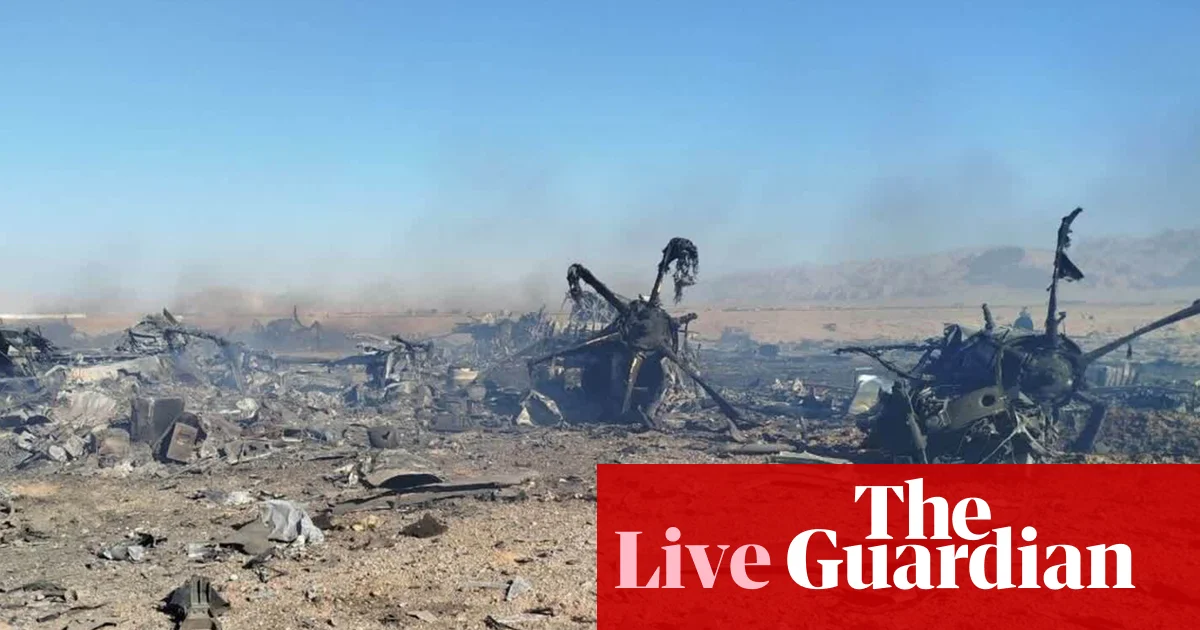
On another front, American troop deployment remains on high alert. President Trump reportedly approved the movement of over 1,000 soldiers from the elite 82nd Airborne Division into the Middle East to bolster US presence, undermining earlier claims of a peace process. Meanwhile, Iran’s response to this increased military presence has been hostile, with fears that Iran might resort to mining the Gulf or seizing more strategic assets, threatening global energy supplies. As the war’s stakes extend beyond borders, international organizations such as the WTO issue warnings about the impending global food crisis. The agency’s deputy director general, Jean-Marie Paugam, has highlighted that the closure of the Strait of Hormuz by Iran—a critical route for nearly a third of the world’s fertiliser supplies—has already begun affecting food security, particularly in West and North Africa. Paugam warns of a subsequent reduction in harvests and rising food prices, prognosticating a devastating impact on world agriculture in the coming years.

This turbulent convergence of geopolitics, military confrontation, and economic upheaval underscores a profound chapter in the unfolding history of the 21st century. As historians and analysts observe, decisions made today will resonate across generations, shaping the geopolitical landscape with consequential weight. The region’s fragile stability hangs in the balance; with each side entrenched in their resolve and outside powers inching closer to escalation, the world watches as the pages of history continue to turn—an epoch defined by conflict, diplomacy, and the unpredictable march of fate. The next move remains uncertain, but its consequences are bound to echo through the annals of history, reminding future generations that in the theater of nations, every act carries the weight of eternity.

US to Deploy Airborne Troops to Middle East as Trump Claims Iran Talks Underway

Global Hotspot: Middle East on the Edge of Chaos

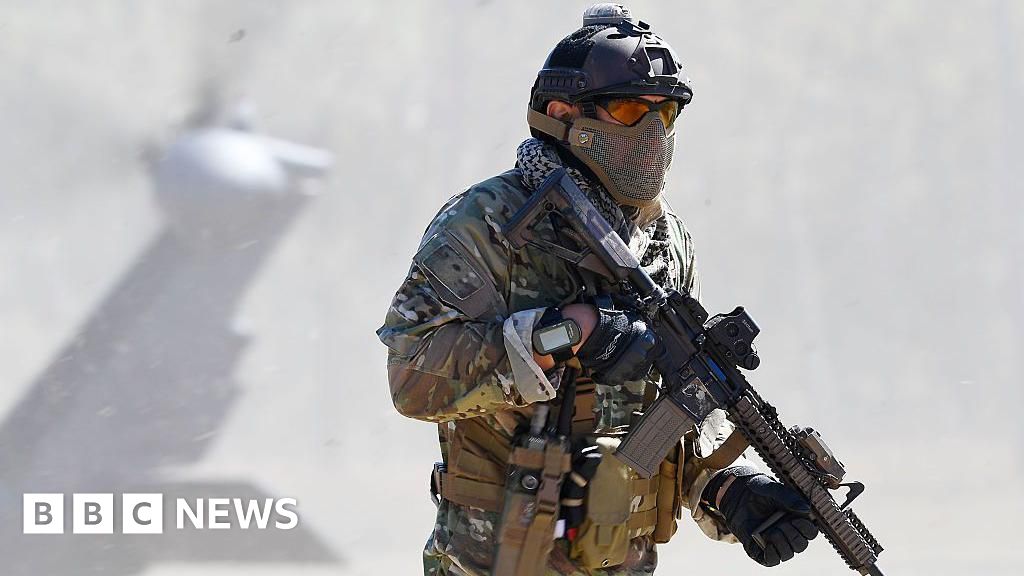
The United States is now preparing to deploy airborne combat troops, potentially sending 3,000 soldiers from the elite 82nd Airborne Division to the volatile Middle East. This escalation, announced amidst intensifying strikes across the region, underscores the growing likelihood of a broader conflict. The Trump administration signals readiness to confront Iran directly, with the possibility of blockades or military operations targeting Iran’s key oil exports—particularly the strategic Strait of Hormuz and Kharg Island. Meanwhile, diplomatic efforts seem tentative at best, with the White House mentioning the “possibility” of negotiations, but Iran’s government and its allies dismissing such overtures as insincere. Analysts warn that these developments could usher in an epoch of unprecedented instability, threatening global energy supplies and regional security alike.

Examining the Geopolitical Impact and Regional Dynamics

The Iranian regime has been fiercely resistant to US overtures, citing broken previous agreements and deep mistrust rooted in past encounters—most notably the assassination of Iran’s top commanders and the destruction of nuclear facilities. Iran’s UN ambassador attributed over 1,300 civilian deaths to current hostilities, further inflaming tensions. Meanwhile, neighboring powers – Pakistan, Oman, and Egypt – have taken on a crucial role as intermediaries, attempting to de-escalate through back-channel diplomacy amid divisions within Iran’s own political elite. The involvement of Russian, Turkish, and Gulf state factions heightens the complexity, transforming local conflicts into a geopolitical chessboard where each move could ripple worldwide, affecting energy markets, security alignments, and regional stability.

Historical assessments, including those by prominent scholars and international organizations, emphasize the peril of unchecked escalation. The International Crisis Group warns that prolonged regional war could spiral into a broader confrontation, drawing global powers into a dangerous proxy war scenario. The recent strikes on Iran’s infrastructure, coupled with Israeli offensive measures in Lebanon targeting Hezbollah, reveal how perilously close the region is to full-scale conflagration. Each targeted attack risks igniting a wider conflict, with the U.S., Israel, and Iran battling not just for territorial control but for the very future of regional sovereignty and influence.

The Global Economic Toll and the Weight of History

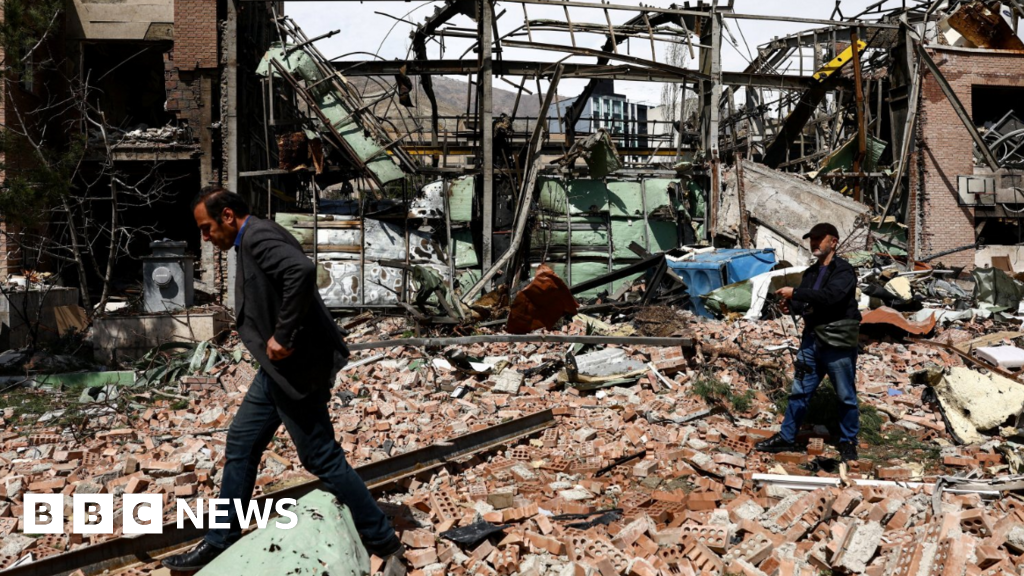
Markets reacted sharply to the rising tensions, with oil prices soaring past $104 per barrel—an increase of more than 40% since the conflict began. Such volatility threatens to trigger economic tremors worldwide, especially for nations heavily dependent on Middle Eastern energy supplies. Experts warn of long-term disruptions even if hostilities cease swiftly: ruptured pipelines, damaged desalination plants, and shattered infrastructure threaten the stability of entire economies. This high-stakes confrontation’s shadow looms large over the international community, as global institutions scramble to contain chaos before it is too late. The warning flags of history flutter faintly in the background, reminding all that once regional conflicts ignite, their flames can quickly engulf the world.

In the midst of this unfolding storm, the echo of history’s most pivotal moments—such as the 1973 oil crisis or the Gulf War—resound with renewed urgency. The fate of the Middle East and its implications for global order remain uncertain, yet unresolved. The decisions made in these critical days will reverberate across generations, shaping the contours of diplomacy and conflict for years to come. As the world watches, one truth remains evident: the unfolding story in the heart of the Arab world is a testament to the peril and promise of human history—an ongoing saga of power, resistance, and the relentless quest for stability amidst chaos.

Trump pushes for deal with Iran amid ultimatums, diplomacy, and a Graceland visit

America’s Strategic Maneuvers in a World of Uncertainty

Amidst ongoing military conflicts and escalating global tensions, United States President has continued to navigate a complex landscape of diplomacy, diversion, and surreal political theater. While the nation remains embroiled in wars and economic uncertainties, the administration’s focus has shifted unpredictably—balancing behind-the-scenes negotiations with public spectacle. International observers and analysts suggest that these tactics reflect a broader strategy to maintain American influence regardless of setbacks, yet the overall geopolitical impact remains profound and unpredictable.

The President’s recent activities have included a series of diplomatic efforts aimed at key allies and adversaries alike. Notably, meetings with European leaders have reaffirmed commitments to NATO and counterbalance China’s ascent in the Indo-Pacific. However, these diplomatic gestures are accompanied by episodes that critics describe as “diversions”—symbolic acts or rhetorical excesses that obscure deeper policy shifts. These moments of surrealism, such as unexpected policy announcements or inflammatory statements, risk undermining longstanding alliances, and analysts warn they could embolden America’s foes while alienating its traditional partners. According to experts from the International Institute for Strategic Studies, such erratic behavior may inadvertently diminish Washington’s credibility in critical crisis moments.

Meanwhile, a significant international shift is underway with the renewal of the Iran nuclear agreement, a move that has been met with mixed reactions. The Biden administration’s efforts to re-enter or renegotiate treaties signals an attempt to stabilize volatile regions, yet it also fuels tensions with regional rivals such as Saudi Arabia and Israel. These shifts hold considerable geopolitical consequences: they could either pave the way for renewed diplomacy or deepen regional conflicts. Critics voice concern that such decisions prioritize short-term political objectives over enduring security strategies—an assessment supported by historical analysis pointing to the dangerous repercussions of inconsistent US foreign policy.

The broader international community remains vigilant as the global balance of power continues to shift. Organizations like the United Nations and strategic think tanks warn that instability within the United States’s leadership—exacerbated by internal divisions and unpredictable international antics—could weaken efforts towards global cooperation. As history scholars debate the trajectory of America’s influence, many cite the peril of leadership uncertainty during times of crisis. The enduring question remains: how will these decisions shape the future of international order? With each political wobble, the weight of history presses closer, and the world watches—not knowing if this chapter will end with renewed stability or new chapters of upheaval.

In this volatile arena, the ultimate course of American foreign policy remains uncertain. What appears as distractions and surreal episodes merely mask a turbulent quest for dominance amid a rapidly shifting international landscape. The decisions made today will reverberate through the corridors of power and society for generations, determining whether the global order tilts toward chaos or coherence. As history continues to unfold, one truth remains clear: amidst the chaos, the future is being written—an urgent chapter of geopolitics that no nation can afford to ignore.

US and Iran face limited choices as war drags on longer

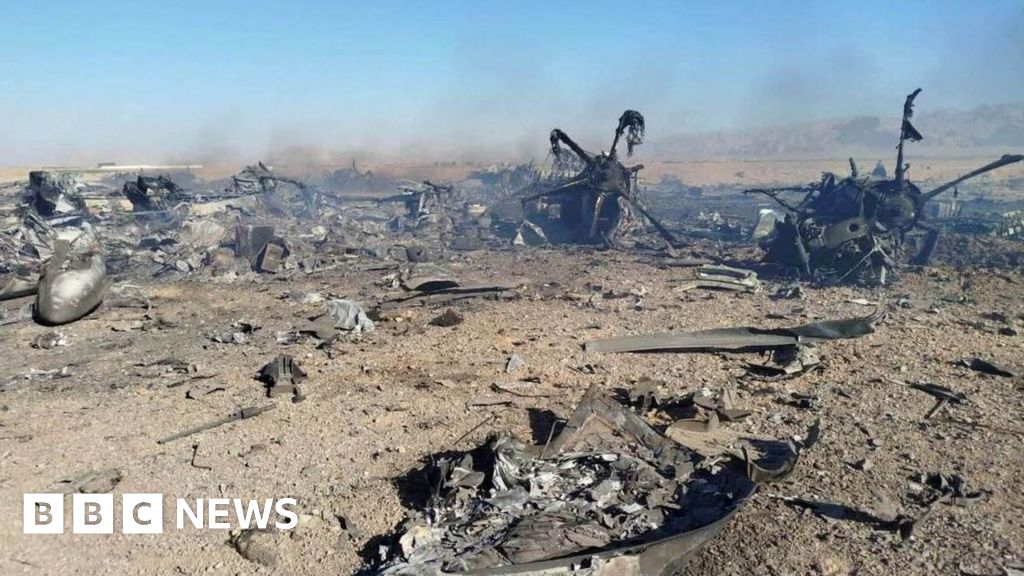
In a startling development that has reignited concerns over regional stability and global security, Iran reportedly launched two missile strikes towards the US-UK military base on Diego Garcia in the Indian Ocean. This event, occurring on a recent Saturday, marks a significant escalation in Iran’s military assertiveness, challenging the assumptions held by many analysts about the country’s missile capabilities. While the missiles failed to reach their intended target—stopping short of the 3,800 km distance—the incident has triggered alarm among international observers, who now question the true extent of Iran’s strategic threat.

The implication of this missile launch extends beyond regional borders. Historically, Iran’s missile range was believed to be capped at approximately 2,000 km, limiting its ability to project power far beyond its immediate neighborhood. However, the recent attempt, coupled with emerging intelligence indicating increased missile range, points to a potentially transformative shift in Iran’s military doctrine. Some experts, including military analysts and scholars in geopolitical strategy, suggest that the event signals Iran’s pursuit of a more offensive posture, aiming to extend its reach into critical global hotspots. This could reshape power dynamics in the Middle East and alter how Western nations plan their defense strategies in the face of a more capable Iran.

International organizations, including NATO and The United Nations, have responded cautiously but with heightened concern. The UN Security Council is under increasing pressure to assess whether this missile launch violates existing agreements and to formulate a coordinated response. Meanwhile, the Biden administration—along with allies in Britain—is reevaluating its military posture, emphasizing the need for robust deterrence measures. Critics argue that the incident exposes vulnerabilities in the current global security architecture, and some warn that Iran’s advancements could trigger a regional arms race, destabilizing an already volatile Middle East. Longer-term, the incident underlines the unpredictability of Iran’s shifting military capabilities, raising fears of miscalculations that could escalate into broader conflict.

Historians and international security analysts warn that this episode is not just a fleeting event but a turning point in Iran’s long-term strategic evolution. According to geopolitical experts, Iran’s actions demonstrate a desire to challenge the existing order, potentially undermining diplomatic efforts aimed at limiting its military development. As one senior analyst observed, “This missile launch is a message—an assertion of Iran’s intent to elevate its status as a regional power, regardless of international reservations.” The global community now faces a critical choice: continue with a policy of containment or confront Iran’s expanding military ambitions directly.

As history unfolds in real-time, the shadow of this missile incident looms large. Each decision made in response—whether diplomatic, military, or diplomatic—will shape the geopolitical landscape for decades to come. The world watches, knowing well that in the chess game of nations, today’s move could be tomorrow’s full-scale crisis. The stakes are high, and the outcome remains uncertain. What is certain is that the weight of history is once again shifting, and the path to stability has never been more perilous or more crucial to get right.

Social Media Auto Publish Powered By : XYZScripts.com