Matox News

Truth Over Trends, always!

Storm Dave Hits UK: Thousands Lose Power Across Wales, Scotland, and Northern Ireland

Storm Dave: A Wake-up Call for the UK and Its Allies

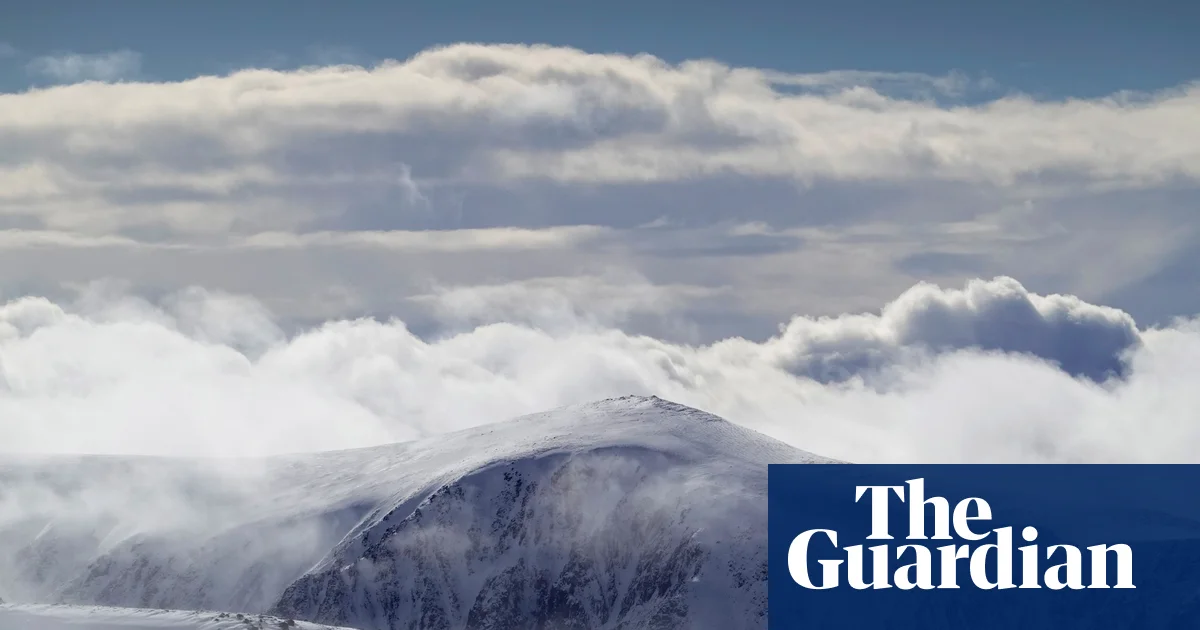
The recent onslaught of Storm Dave has laid bare the fragile infrastructure and societal vulnerabilities across the United Kingdom. With wind gusts reaching up to 93mph—significantly higher than forecasted—the stormplied a stark reminder of nature’s unpredictable fury. Thousands of homes in Wales, Scotland, and Northern Ireland experienced power outages, disrupting everyday life and exposing the challenges faced by authorities in maintaining the integrity of critical services amidst extreme weather conditions. Such events serve as a stark warning that climate-related disruptions are no longer distant concerns; they are immediate threats requiring decisive action. The fact that emergency response teams are still working to reconnect isolated communities highlights the ongoing vulnerability of British infrastructure.

International Consequences and Shifting Alliances in a Warming World

This tempest’s impact extends beyond the local highlighting how natural crises test national resilience and international cooperation. Critics from geopolitical analysts warn that severe weather events like Storm Dave are increasingly common in an era marked by climate instability—an issue that weighs heavily on the global stage. Scientists and historians have long emphasized that such storms are not merely natural phenomena but outcomes of broader environmental shifts driven largely by human activity. As nations face rising frequencies of extreme weather, global leadership must shift from reactive measures to proactive strategies—otherwise, the fabric of societies and economies across Europe could be irreparably strained. Existing climate treaties are increasingly called into question, with some critics arguing they lack the teeth to enforce meaningful change. Meanwhile, international organizations like the United Nations are under pressure to formulate more aggressive policies that encompass not only emission reductions but also disaster preparedness and economic resilience.

Geopolitical Impact and Societal Reckoning

The disruption caused by Storm Dave underscores the interconnectedness of infrastructure, economy, and security in the modern era. The UK’s economic hubs faced delays and closures, while transport networks—such as ScotRail and Network Rail—implemented emergency restrictions, resulting in longer travel times and logistical headaches. Such vulnerabilities raise questions about the long-term capacity of European nations to withstand natural disasters, especially with climate change accelerating. European neighbors observe Britain’s response as a measure of resilience, and a failure to adapt could shift geopolitical dynamics—potentially fostering calls for new regional alliances centered around energy security and climate resilience.

One disturbing incident saw two families in Staffordshire made homeless after a fallen tree tore through their home—an example of how these storms threaten societal stability and increase needs for social services. Moreover, persistent flood warnings across the UK showcase the ongoing threat to communities and the economic burden of recovery. The policy debate intensifies: will nations continue to rely on outdated infrastructure, or will they embrace innovative solutions to bolster resilience? As climate models predict more frequent and intense storms, nations must reckon with a new geopolitical landscape where environmental management is intertwined with national security and international influence. The unfolding story of Storm Dave is a prelude to a new era of challenge—one in which decisive leadership and international cooperation may determine future stability or chaos.

History’s Unfolding Narrative

As the UK recovers from Storm Dave and prepares for warmer days ahead, historical observers note that this is yet another chapter in the ongoing climate crisis—a crisis that is shaping the 21st century’s geopolitical narrative. Will policymakers heed the warnings embedded within these storms, or will retreat into complacency? The decisions made in the coming weeks and months will influence generations to come. Each gust of wind, each flood, and each human tragedy adds to the complex fabric of a world where natural forces often challenge human mastery, and where history continues to unfold in unpredictable ways—reminding us that the battles for climate resilience and global stability are far from over.
Tusheti: Ireland of the Caucasus — Europe’s Untamed Mountain Gem for the Bold and Free

Discovering Tusheti: A Mountain Wonderland of Tradition and Inspiration

Few regions in Europe embody the spirit of **adventure and resilience** quite like Tusheti. Nestled deep in the Caucasus mountains, this remote northeastern Georgian enclave is a testament to the enduring power of _local traditions_ and the unspoiled beauty of untamed landscapes. Accessibility itself is an adventure—only reachable via a treacherous, winding gravel road that ascends to over 10,000 feet during the brief summer months, revealing vistas that seem straight out of a storybook. For youthful explorers and culture seekers alike, Tusheti offers a _unique lifestyle_ experience—where rugged wilderness meets age-old customs, creating a place that beckons the **curious** to *embark on a journey of discovery*.

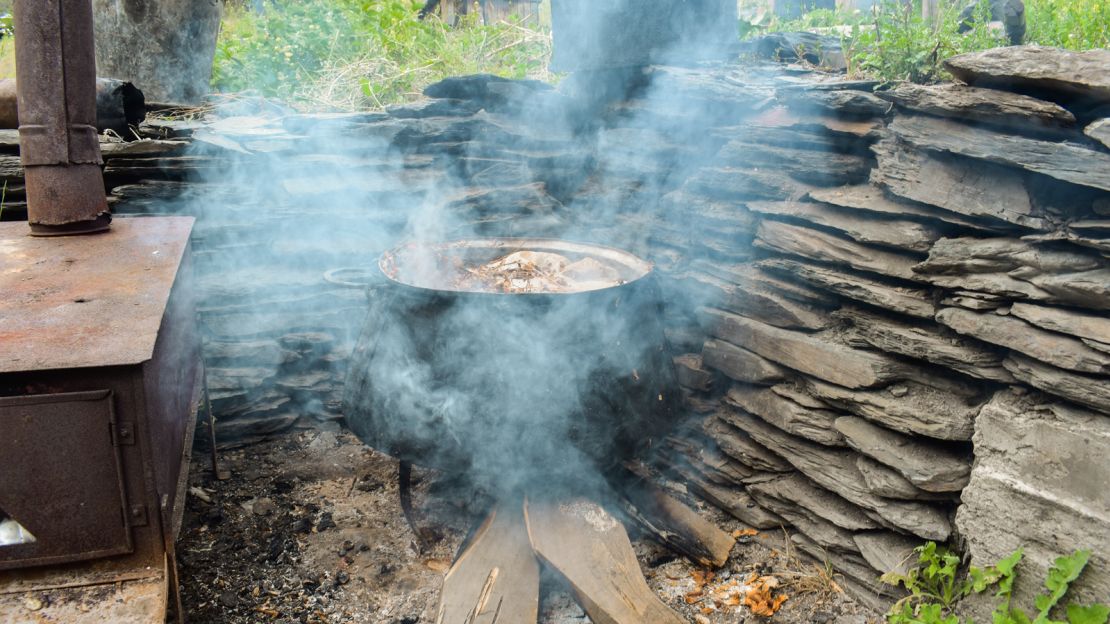
Stepping into Tusheti is like entering a _living museum_, where the remnants of medieval fortresses and traditional shepherding life tell stories of resilience amid **harsh winters**. Among the region’s highlights is Omalo, the gateway city crowned by the ancient Keselo Fortress, serving as the hub for _exploring the surrounding villages_. From the intricate wool textiles of Dartlo to the steep hilltop ruins of Kvavlo, each hamlet preserves its unique _heritage_, artfully woven into the fabric of daily life. The local cuisine, built around _pastoral dairy and hearty meats_, offers a taste of _authentic Georgia_, with dishes like **khinkali** and **khachapuri** serving as staples for travelers craving _simple yet flavorful_ fare. In a world increasingly driven by fast-food culture, Tusheti’s _slow-cooked traditions_ stand out as an inspiring reminder to prioritize **quality, community, and authenticity**.

Beyond its landscape and food, Tusheti’s _rich spiritual landscape_ fuses pagan practices with Orthodox Christianity—an unbroken thread that connects past and present. Visitors encounter _stone shrines, sacred spaces_, and _animal skulls_ that symbolize protec­tion and reverence for _deities and ancestors_. The region’s _festivals_, such as Mariamoba and Mzebudoba, celebrate _deceased loved ones_ and natural cycles, fostering a _sense of _linking past and future_. Such rituals underscore a core insight: _well-being_ is deeply rooted in _cultural identity_ and _connection to nature_. Engaging with these traditions offers more than just _curiosity_—it sparks _personal reflection_ on _purpose_ and the _value_ of _preserving _our roots_, inspiring a broader appreciation for _living in harmony with our _ancestral_ heritage_.

Embracing a Life of Adventure and Tradition

Living in today’s world often prompts a _rushing pursuit of _new experiences_, but Tusheti reminds us that _meaningful _lifestyle_ development is _about _balance_. From the _mountain pastures_, _shepherds_ lead _tens of thousands of sheep_ to graze, embodying _sustainability_ and _patience_. Meanwhile, _local artisans_ craft _woolen socks_ and _elaborate carpets_, demonstrating that _art_ and _craftsmanship_ can be _sources of _personal _and _community _renewal_. For the adventurous youth eager to _reshape their _lifestyle_, Tusheti offers a _blueprint_: embrace _authenticity_, cherish _tradition_, and activate _your _sense of _exploration_. Whether it’s _trekking ancient _paths_, _learning _new recipes_, or _participating in _rituals_, each moment _becomes a _brick_ in _building _a _more _resilient _and _meaningful life_.

Final Reflection

In a world obsessed with _speed_ and _instant gratification_, Tusheti stands as a _beacon of _slow living_ and _deep _connection_. Its _untamed serenity_ invites _all who seek_ to _embrace_ _their _own _adventure, _not just in _the _mountains, but _within themselves_. As Georgian writer Eka Tkadze once mused, _”To truly live, one must _seek _the _heart of _the _mountains, _where _tradition and _nature _converge.”_ For the _youth_ daring to _step _beyond _the familiar, Tusheti beckons as a _reminder_: that _a _fulfilling life_ begins when we _honor _our _heritage_, _pursue _adventure_, and _stay _true to _the _values_ that make us _whole_. #Embrace _the _journey, _and _let _it _lead _you _home_.

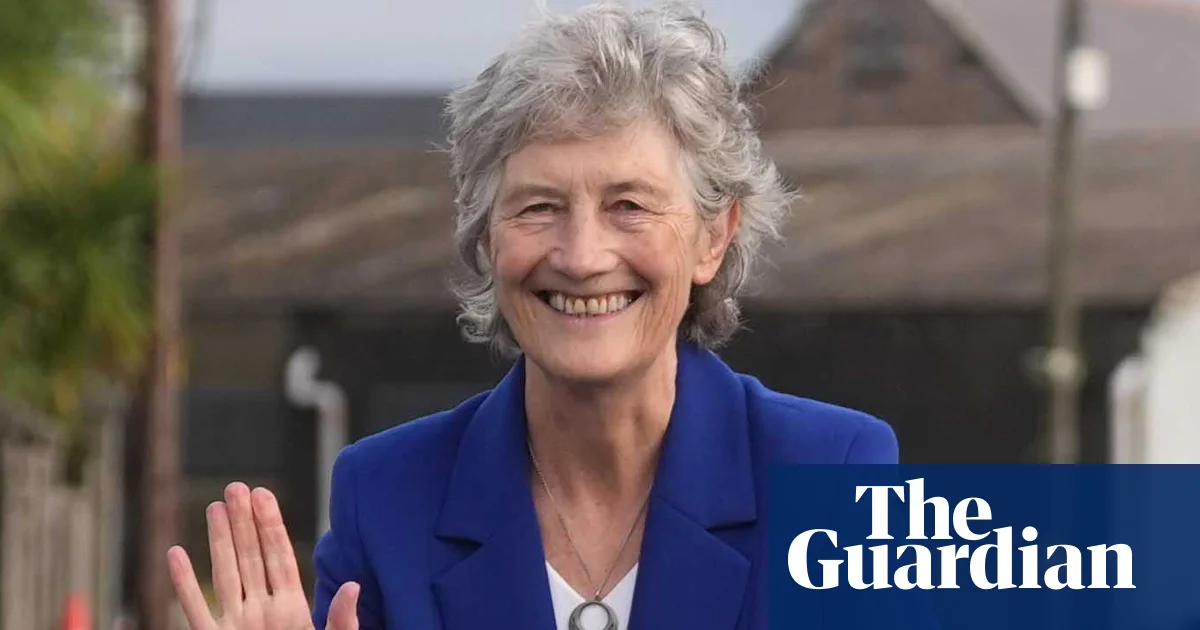
Young voters deliver big win as Catherine Connolly secures Ireland presidency

Ireland’s Political Landscape Shifts as Independent Candidate Catherine Connolly Wins Landslide Presidential Victory

In a landmark election that signifies a profound shift in Ireland’s political and social fabric, Catherine Connolly, an independent leftwing candidate and former barrister, has secured an outright majority in a landslide victory, winning over 63% of the first-preference votes. Her victory, declared at Dublin Castle amidst subdued voter turnout of 46%, encapsulates growing disenchantment with the traditional center-right parties—Fine Gael and Fianna Fáil—and underscores a population yearning for genuine change. Her campaign, bolstered by a rare united front of leftwing parties and resonant social media activism, challenges the long-standing status quo, urging Ireland to reassess its values and international stance. With her election, Ireland’s presidency enters a new era—one that, despite the largely ceremonial role, symbolizes a significant indicator of societal momentum towards progressive reform.

While the office of the president in Ireland remains largely symbolic, Connolly’s victory carries critical geopolitical implications. She promises to uphold Irish neutrality, distancing herself from what she labels as western “militarism,” and has openly criticized the involvement of the UK and US in contentious issues such as the Gaza conflict. Her stance aligns with a broader desire among many Irish citizens to forge an independent foreign policy—one less entangled with US-led military interventions and more focused on promoting peace and humanitarian values. International analysts and historians note that her assertion of sovereignty, combined with her vocal criticism of Western militarism, could influence Ireland’s diplomatic relationships, particularly with the United States and European Union members, fostering a more nuanced stance that prioritizes peace over military alliances.

The geopolitical impact extends beyond Ireland’s borders into regional stability, as Connolly’s positioning may inspire similar shifts among other smaller nations seeking to recalibrate their international engagements. Her advocacy for climate action and social justice resonates with a generation distrustful of entrenched politics and globalist agendas. As she embarks on her seven-year term, her potential to become a vocal moral voice on the international stage could reshape Ireland’s role within global institutions, emphasizing diplomacy and humanitarianism over alignment with hegemonic powers. Yet, some caution that her outspoken views, especially regarding the United States and European solidarity, could provoke friction, risking diplomatic isolation in an interconnected world already rife with tensions.

Driven by a wave of public frustration over the nation’s housing crisis and rising living costs, Connolly’s ascent is also a reflection of youth and urban discontent. Her campaign capitalized on social media platforms and cultural endorsements from artists such as Kneecap and the Mary Wallopers, capturing a narrative of hope and change that had previously been dismissed as marginal. Critics warn that her radical rhetoric and outspoken stance against established alliances might complicate Ireland’s diplomatic priorities, particularly in navigating its traditionally close relationship with the U.S. and European partners. Nevertheless, her victory signals a pivotal moment—where societal voices seeking justice, sovereignty, and peace take center stage, setting a course that history will continue to record and ponder. As the world watches Ireland’s evolving political story, it remains to be seen whether her presidency will mark the dawn of a new international chapter or become a cautionary tale of polarization’s toll on diplomacy. The pages of history, after all, are still being written, and Ireland’s next chapter is only beginning to unfold.

Social Media Auto Publish Powered By : XYZScripts.com