Matox News

Truth Over Trends, always!

Ireland’s Irish Airport Used for ICE Palestinian Deportation Flights Sparks Concern

Deportation Flights and Ireland’s Role: The Geopolitical Ripple Effect

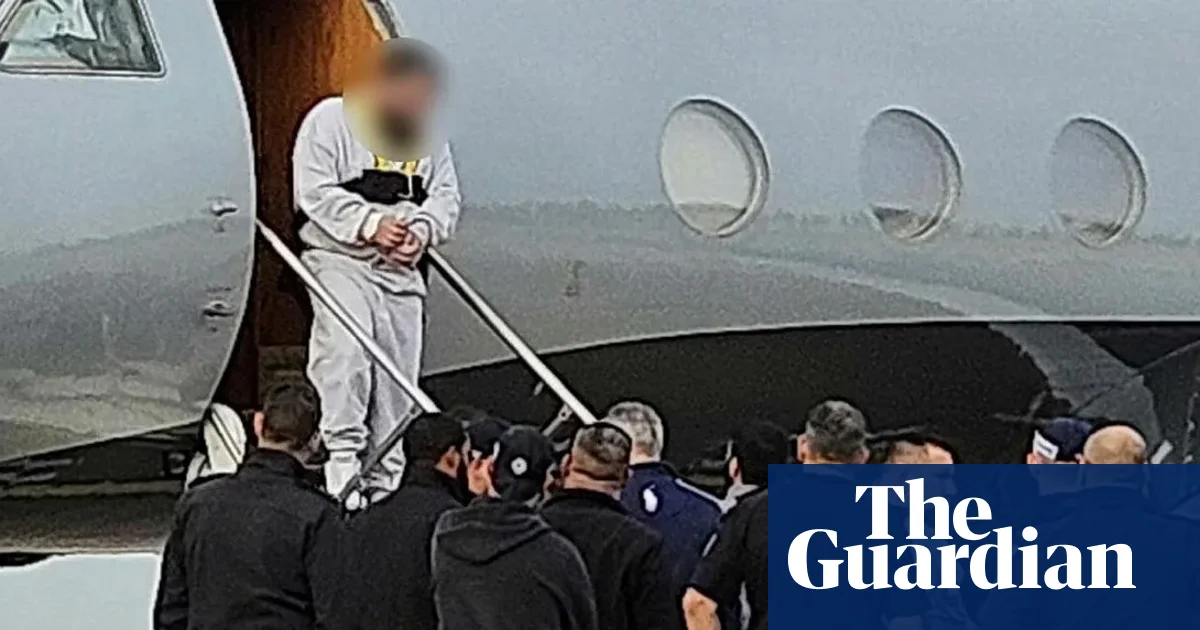
In a development that underscores the ongoing global contest over sovereignty and human rights, Ireland finds itself under the spotlight due to its indirect facilitation of controversial deportation flights operated by US authorities. Contrary to initial official statements, recent investigations reveal that planes associated with the Donald Trump administration, specifically private jets owned by wealthy donors, refueled at Shannon Airport en route to deport Palestinians from the United States to Israel. This revelation has ignited a fierce debate within Irish political circles and a stark reflection of how international decisions impact national sovereignty and societal morality.

The flights, operated by a Florida-based aviation company, used a private jet owned by Gil Dezer, a prominent supporter of Trump with close ties to the Republican establishment. The aircraft facilitated multiple deportations, with individuals shackled during flight, allegedly transferred to the West Bank after arriving in Tel Aviv. The Irish government initially claimed ignorance, asserting that the flights did not require prior approval due to their non-traffic purpose. However, opposition voices argue that as a nation that maintains a neutral stance, Ireland must scrutinize the international implications of its airports. Politicians such as Roderic O’Gorman and Patricia Stephenson have called for accountability, warning that, “Ireland cannot in any way be complicit in these ICE flights.”

Geopolitical Impact: A Broader Perspective

While Irish officials emphasize procedural neutrality, this incident exposes a broader, more troubling picture of how transnational agencies are leveraging international infrastructure for controversial policies. Experts and international organizations such as Human Rights First have criticized the deportation of individuals to conflict zones, emphasizing the human rights violations implicated. Dezer’s jet, dubbed his “favourite toy,” has been involved in flights that track to unstable and conflict-ridden regions, raising questions about how border control policies are applied across borders and what role private entities play in implementing government mandates. The geopolitical impact intensifies as other nations observe how established frontiers of sovereignty are being undermined by secretive operations, potentially paving the way for a precedent that global power dynamics are increasingly influenced by private wealth and international loopholes.

Internationally, this controversy feeds into an ongoing narrative about the erosion of moral boundaries in pursuit of national security interests, spurring warnings from historians and analysts who consider these actions a catalyst for future conflicts. As Europe grapples with its own migration policies, critics warn of a trickle-down effect where private actors are used to bypass ethical standards. Meanwhile, U.S. policymakers face mounting pressure from both sides of the ideological spectrum, with civil liberties activists decrying what they see as a dangerous extension of executive power into private operations that evade full transparency and accountability.

Conclusion: An Unfolding Chapter in a Global Struggle

Ultimately, what transpired at Shannon Airport and along the route to Israel underscores a pivotal moment that could redefine international norms. As Ireland navigates the delicate line between neutrality and participation, the weight of history continues to build. Will this small nation stand firm against the tide of clandestine operations, or will it become an unnoticed conduit for the machinations of global powerhouses? The answer remains elusive, yet the realization is clear: the future of international justice and sovereignty hangs precariously in the balance, awaiting the next chapter written by those who dare to shape the course of history itself.
Irish Fashion Icon Passes at 80: A Lasting Legacy

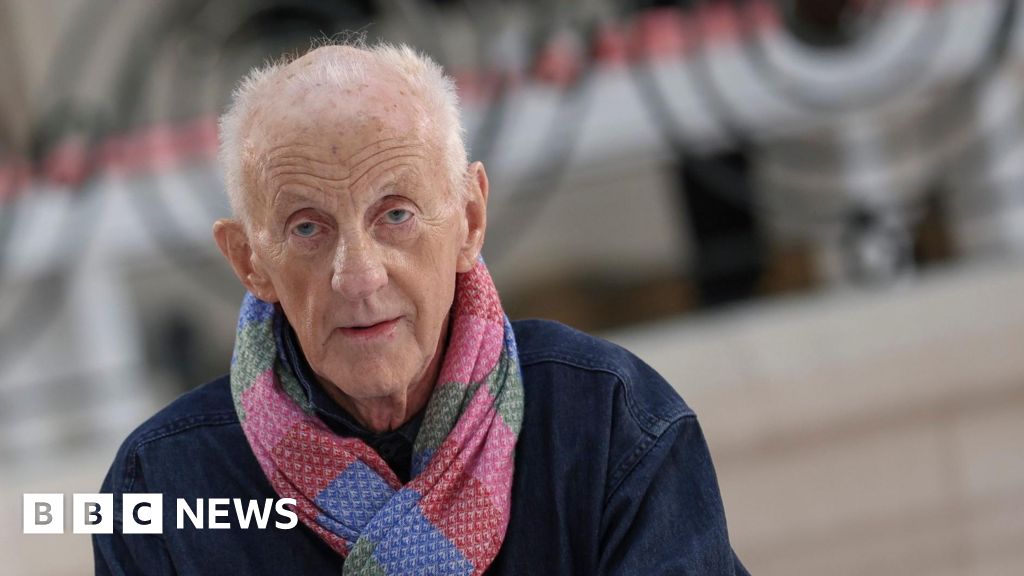
In a notable loss for the international fashion community, Irish designer Paul Costelloe passed away in London at the age of 80, leaving behind a legacy that transcends borders and exemplifies the power of cultural influence on global markets. Costelloe’s death marks the end of an era where fashion intertwined with history and politics, and his life’s work vividly illustrates the how decisions in cultural representation affect national identities and societal perceptions. With a career that spanned over four decades, his influence extended from Dublin’s fashion scene to the haute couture runways of London, Paris, Milan, and New York, making Irish fashion a recognized force internationally.

Costelloe’s role as Princess Diana’s personal designer from 1983 until her tragic passing in 1997 epitomizes the intersection of fashion and diplomacy. His use of traditional Irish fabrics and textiles—such as linen and tweed—helped elevate Ireland’s cultural narrative in global fashion circles. Historians and fashion analysts have noted that his collaborations with Irish brands, like Dunnes Stores, alongside his participation as a closing designer at Ireland’s inaugural Fashion Week in October, played a crucial role in positioning Ireland as a modern yet culturally rooted fashion hub. This underscores how international decisions about cultural export and branding directly influence national prestige and economic development, especially amidst shifting geopolitical landscapes.

However, Costelloe’s legacy is not merely about fabric and design but also about the broader geopolitical impact. As Ireland navigates its place between traditional European influences and the global economic engine, figures like Costelloe serve as cultural ambassadors, demonstrating that fashion can be a form of soft power. Despite controversies—such as his 1998 remark criticizing Irish women’s style—his voice in 2023 reflected a more mature appreciation of Ireland’s evolving place in Europe. Such reflections exemplify how international perceptions and cultural confidence are often shaped by individual narratives, reinforcing the importance of cultural diplomacy in geopolitics. Irish officials, including Taoiseach Micheál Martin and Tánaiste Simon Harris, lauded his contributions, emphasizing that his work elevated Irish fashion onto the global stage and bolstered national identity.

As the world continues to grapple with shifting alliances and the relentless pace of globalization, the death of Paul Costelloe reminds us that history is a dynamic, unfolding story—one rooted in the decisions made today about cultural representation, industry standards, and international influence. His life’s work encapsulates a narrative where Ireland’s cultural export deepens diplomatic ties and challenges stereotypes, asserting that fashion remains a powerful tool of diplomacy and national pride. With his passing, the weight of history presses heavily, leaving future generations to reckon with the significance of figures who, through art and innovation, helped shape the narrative of an island nation in the grand theater of world affairs. The story is far from over, and the true measure of his impact will be seen in the enduring fabric of Irish identity woven into global consciousness.

Irish Labourer Buried Alive for 61 Days: The Untold Story in New Documentary

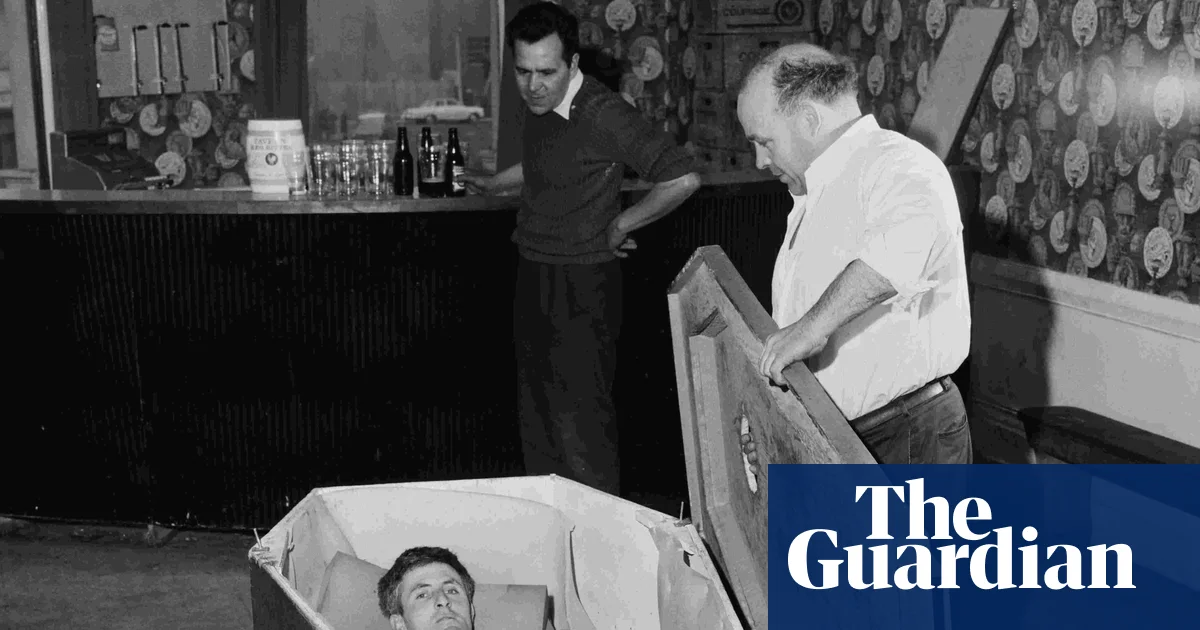
In 1968, the staggering act of Mick Meaney, an Irish laborer, captured the global imagination as he deliberately inscribed his name into history through the most extreme form of endurance: being buried alive for 61 days. This sensational stunt, staged amidst Ireland’s expatriate community in London, symbolized more than just a personal quest for fame—it echoed the relentless spirit of Irish emigrants and the broader struggles of ordinary workers in an era marked by economic hardship and social upheaval. As the world watched, this feat of endurance transcended entertainment, resonating as a testament to resilience in the face of adversity, and igniting questions about the power of individual will in a world driven by geopolitical and cultural currents.

While Meaney’s record remains a moment of youthful bravado, its significance ripples through the corridors of history, where international aspirations and national identity intertwine. Historians and analysts see in such acts a reflection of the times—a period characterized by Cold War tensions, civil rights movements, and the struggle for recognition among smaller nations. The United States, with its own history of bizarre endurance contests and spectacle-driven propaganda, especially through figures like Bill White, helped shape a culture obsessed with pushing human limits for commercial and political ends. Meanwhile, in Europe, Ireland’s diaspora was weaving its own narrative of perseverance, often through hardship and sacrifice, as exemplified by the Irish emigrants working tirelessly across the UK. The act of Meaney, staged with community support and media spectacle, can thus be seen as an emotional bridge linking individual endurance with collective identity and international perception.

More recently, international organizations and geopolitical strategists interpret such historical acts as allegories of resilience amid systemic challenges. As conflicts like the Ukraine crisis or tensions in the South China Sea dominate headlines, the enduring human desire to prove oneself and claim historical significance remains potent. Institutions such as the United Nations emphasize the importance of ‘resilience’—not merely as a trait but as a vital pillar in national security and societal stability. Experts warn that by overly focusing on spectacle or record-setting feats, societies risk neglecting their core challenges—economic development, social cohesion, and sovereignty. Like Meaney’s fleeting fame, today’s geopolitical victories often seem temporary if they lack enduring substance, leaving nations to grapple with the realization that history’s true winners are those who combine resilience with strategic foresight.

As the pages of history continually turn, the story of Mick Meaney remains a stark reminder of the human thirst for recognition amid shifting global tides. His act, once celebrated as the pinnacle of endurance, now serves as a metaphor for the relentless pursuit of national identity and international influence. As new conflicts emerge and old wounds re-open, the weight of those 61 days underground presses down—a silent testament to the enduring truth that human resolve, whether in the form of individual feats or national movements, shapes the course of history. Today, the world watches as nations carry their own burdens, hoping that their sacrifices will forge legacies in the unending, unpredictable saga of global destiny—an unfolding story where the past continually echoes into the uncertain future.

Social Media Auto Publish Powered By : XYZScripts.com



