Matox News

Truth Over Trends, always!

Three Americans killed by ISIS gunman in Syria, U.S. military reports

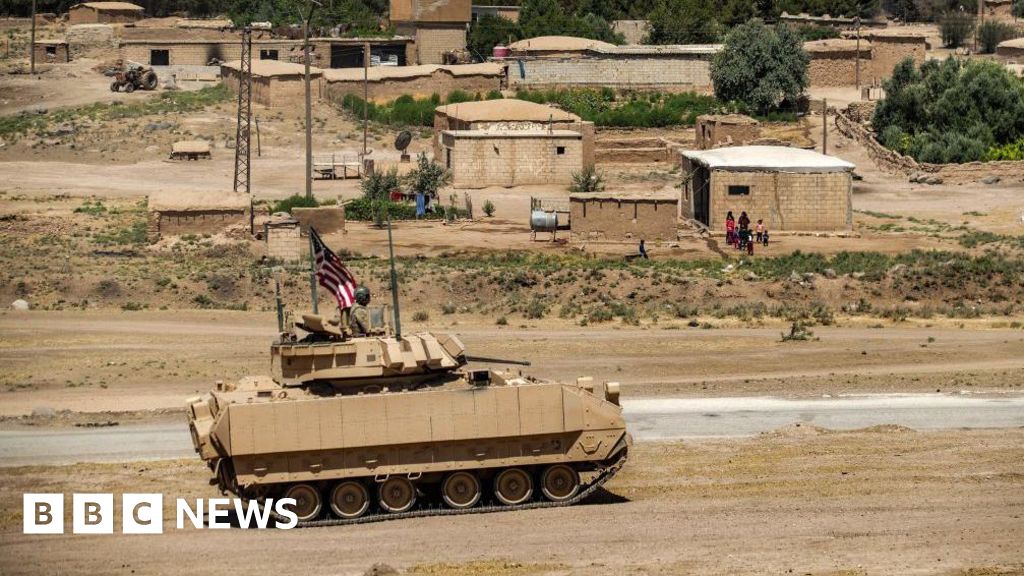
The recent ambush in Palmyra, Syria, resulting in the death of two US soldiers and a civilian interpreter, marks a stark reminder that the geopolitical landscape in the Middle East remains perilous and volatile. According to the US Central Command, the attack was carried out by a gunman allegedly affiliated with Syrian security forces, with some reports indicating the involvement of elements hostile to both the Syrian government and Western interests. The unclaimed responsibility by any militant group, combined with the Syrian Observatory for Human Rights suggesting the attacker may have been part of the Syrian security apparatus, underscores the complex web of alliances and betrayals woven into the region’s ongoing chaos.

This incident comes amid renewed tensions regarding the U.S. military presence in Syria—a contentious issue that continues to shape international perceptions and impact regional stability. An area where the Syrian government admits to having little control, Palmyra has long been a strategic and symbolic frontline. The attack’s timing, during a joint US–Syrian security operation, highlights the fragile peace and the persistent threat posed by remnants of the Islamic State (IS), which, despite losing territorial control in 2019, still manages to carry out insurgent attacks. The ongoing battle against IS is not just about retaking territory; it’s a broader fight for influence, sovereignty, and regional dominance by global and local powers alike.

International reactions emphasize hardline resolve. US Defense Secretary Pete Hegseth issued a warning that echoes through the corridors of power: “if you target Americans—anywhere in the world—you will spend your brief, anxious life knowing the United States will hunt you, find you, and ruthlessly kill you.” This rhetoric signals an escalation in US military posture and commitment to counter-terrorism operations, despite the risk to diplomatic relations. Meanwhile, Syria’s Foreign Minister Asaad al-Shaibani condemned the attack, extending condolences to the victims’ families, as the Assad regime seeks to project stability amidst chaos. The incident risks igniting further clashes in a landscape where alliances are shifting, and the lines between friend and foe blur.

Historically, analysts and international organizations have warned of the consequences of prolonged foreign military intervention. Global institutions like the United Nations estimate that between 5,000 and 7,000 fighters remain active for IS across Syria and Iraq. Despite recent victories, the jihadist threat persists, facilitated by fractured governance and regional rivalries. The recent rapprochement between Syria and the international coalition combating IS, which includes the US, signifies a precarious hope for stability—yet it also necessitates vigilant watchfulness. As the US continues its military presence, seemingly committed to a undefined mission in Syria, the risk remains that innocents, soldiers, and local populations will continue to pay the price of geopolitical chess games that no longer resemble clean victories.

As history unfolds amid the dust and ruins of Palmyra, the global stage stands at a crossroads. The narratives of American strength, Syrian sovereignty, and the fight against extremism intersect in a tragic tableau—one where decisions made today will echo for generations. With each loss, each attack, the world’s balance teeters anew. The question remains: how much longer can this fragile mosaic withstand the relentless tides of conflict, or are we simply witnessing the beginning of an even darker chapter in Middle Eastern history?
Syria joins coalition to fight ISIS after Trump talks

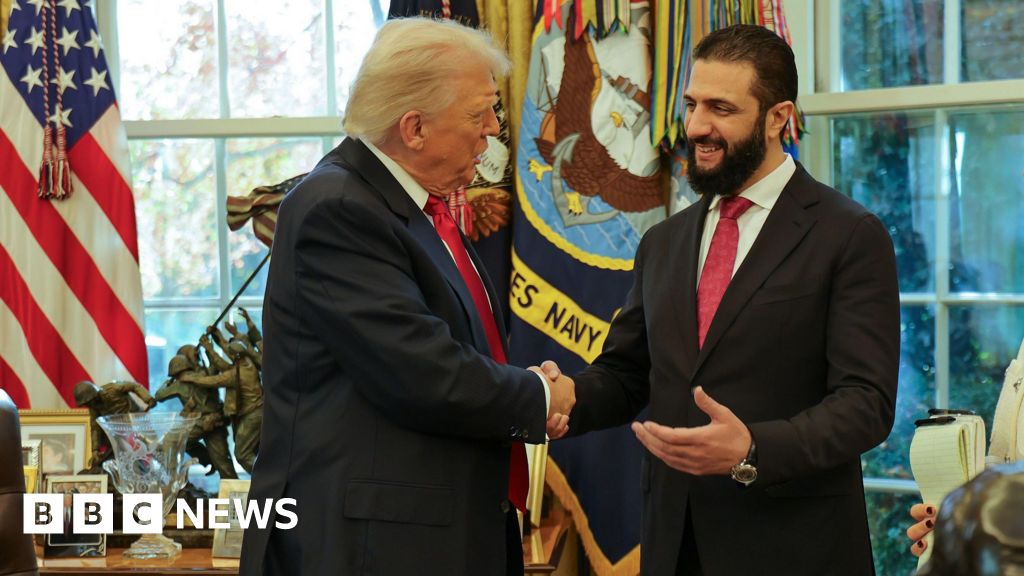
The United States has dramatically shifted its foreign policy stance toward Syria, signaling a potential turning point in the volatile Middle East. For years, Syrian relations with Western powers have been marked by sanctions, diplomatic isolation, and conflict. Yet, recent developments indicate a strategic pivot, as Syria prepares to join an international coalition against the Islamic State, marking it as the 90th member committed to eradicating remaining terrorist elements and addressing regional instability. This move not only signifies a notable diplomatic breakthrough but also underscores the complex dynamics of how international decisions can redefine national destinies. The breakthrough occurred amid a historic visit to the White House by Syrian President Ahmed al-Sharaa, an event unprecedented in diplomatic history, as the US government officially recognizes a figure once branded a terrorist as a government partner.

This unprecedented rapprochement is underpinned by a series of bold decisions, including the lifting of economic restrictions and a suspension of the Caesar Act, which had severely sanctioned the Syrian government since 2019. Announced by the US Treasury Department, these measures aim to foster economic development and rebuild Syria’s institutions—an effort supported by international organizations and analysts who emphasize the importance of stabilization in the region. Experts warn, however, that this apparent thaw could complicate long-standing regional conflicts and fuel geopolitical tensions, particularly with countries skeptical of Damascus’s intentions. In addition, the US intends to renew diplomatic ties, allowing Syria to reopen its embassy in Washington—a remarkable diplomatic gesture that suggests a reevaluation of America’s Middle East strategy.

On the international stage, Russia and China — longstanding allies of Syria—are watching closely, as the US moves towards a more pragmatic engagement. This shift signals a departure from earlier policies driven by regime change aspirations, and a realignment driven by pragmatic geopolitical concerns. As noted by scholars such as Dr. Steven Heydemann of the Middle East Institute, the United States is deliberately recalibrating its role—balancing counterterrorism efforts with a desire to influence the post-war reconstruction process. Meanwhile, how this policy shift impacts global power balances and local societies remains uncertain, but it undoubtedly redefines Syria’s place in the international order. The decision to involve Damascus in a coalition against global terrorist threats reflects a broader lesson on how wars reshape alliances, and how the past can be reinterpreted for geopolitical gain.

As history continues to unfold, the question remains: will Syria’s new diplomatic path truly pave the way for stability and peace, or will it deepen regional divisions? The world watches as the leaders of today, guided by the burdens of history and the weight of their decisions, attempt to forge a new chapter—one written in the uncertain ink of diplomacy, conflict, and fleeting hope. In this complex narrative, the true impact of these decisions will only be revealed with time, leaving future generations to ponder whether these moves will bring lasting peace or ignite new conflicts in an already fractured region.

Syria launches decisive raids against ISIS threats to protect the nation

Amidst rising tensions and ongoing regional instability, Syria has accelerated its internal counterterrorism efforts, executing a series of nationwide preemptive operations targeting remnants of Islamic State cells. According to a spokesperson for the Syrian interior ministry, these operations involved 61 raids, resulting in the arrest of 71 individuals and the seizure of explosives and weapons. These actions underscore the persistent threat posed by terrorism inside Syria, even as the nation navigates a complex web of alliances and conflicts that have reshaped the Middle East’s geopolitical landscape.

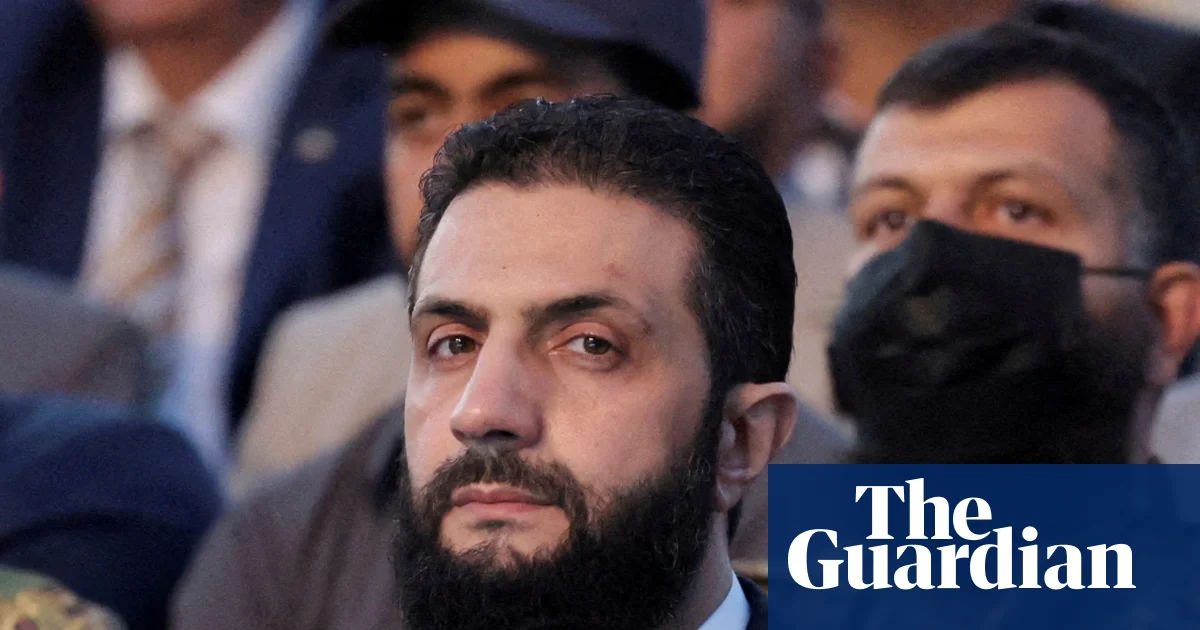
This domestic crackdown takes on added significance ahead of a controversial visit by Syrian President Ahmed al-Sharaa to Washington. Officially, the trip aims to bolster cooperation and potentially deepen ties within the US-led coalition against Islamic State. The timing suggests that the Syrian government, long considered an adversary by Western powers, may be seeking to reposition itself on the global stage through diplomatic engagement—an overture that could recalibrate regional power dynamics. Meanwhile, in Washington, the US State Department and Pentagon remain tight-lipped, with no immediate responses to questions about the preparations underway.

Behind the scenes, the United States appears to be laying the groundwork for a significant military expansion in the region. Reports indicate that Washington is preparing to establish a military presence at an airbase in Damascus, a move that signals a notable shift in US policy toward active engagement within Syrian territory. Six sources familiar with the matter described efforts to facilitate a security pact between Syria and Israel, indicating that the US is pursuing its regional strategic objectives through diplomatic and military leverage alike. An official from the Biden administration recently confirmed that Washington continues ‘evaluating its posture’ in Syria, emphasizing the importance of adaptability in countering Islamic State and maintaining regional stability.

The rapid unfolding of these events has broad geopolitical impact. Analysts warn that the US’s efforts to establish a presence in Damascus and forge security arrangements could deepen regional divisions or, conversely, catalyze a fragile peace. Historical figures, such as former diplomats and regional experts, caution that such maneuvers could either pave the way for a stabilization of volatile border regions or ignite new conflicts if mismanaged. The shifting alliances and diplomatic overtures highlight a broader struggle for influence in the Middle East, where Western, Russian, and regional powers vie for dominance amidst a landscape scarred by decades of conflict. How nations respond to these moves will forever alter the fabric of their societies, potentially shaping the region’s future for generations to come.

As the world watches with cautious anticipation, the unfolding narrative in Syria is not merely a story of military operations and diplomatic visits—it is a chapter in the ongoing saga of geopolitics that could define the balance of power in the Middle East. With each decision, each raid, and each diplomatic handshake, history writes itself anew—its pen poised between reconciliation and upheaval, leaving the global community to ponder: who will hold the pen next?

Social Media Auto Publish Powered By : XYZScripts.com