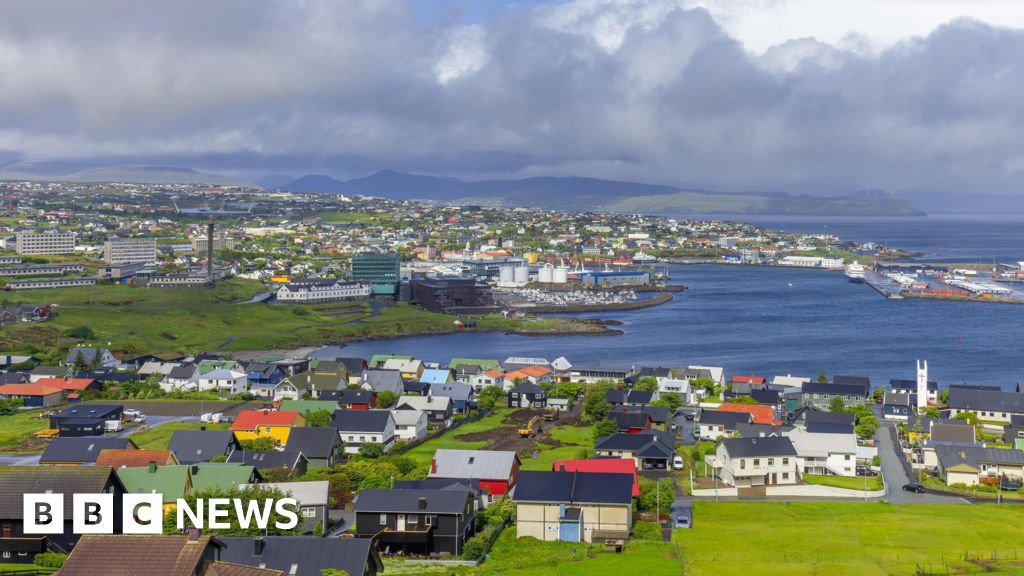

The Faroe Islands, a remote archipelago nestled between Scotland and Norway, has taken a historic step that signals a broader shift towards the protection of women’s rights and bodily autonomy in a region characterized by its conservative cultural values. On Thursday, the parliament narrowly approved legislation to legalize abortion until the 12th week of pregnancy, overturning decades-old restrictions rooted in laws dating back to 1956. This decision marks a significant departure from previous legislation, which permitted abortion only under restricted circumstances—such as cases of rape, incest, or severe fetal health issues—and involved rigorous medical assessments that could lead to criminal penalties for both women and doctors.
The legislative debate was fierce and closely contested, with just a one-vote margin—17 to 16—in favor. This razor-thin victory highlights the intense societal divide over reproductive rights on the islands, known for their distinct cultural identity and strong Lutheran traditions. As Ingilín Didriksen Strømm, one of the bill’s sponsors, proclaimed, “This is truly an historic day in the Faroe Islands,” emphasizing the move as a victory in the ongoing struggle for gender equality and human rights. Campaigners for reproductive freedom, such as Bjørt Lind of the advocacy group Fritt Val, have long argued that the previous legislation was outdated and infringed upon women’s right to make autonomous health decisions. According to international organizations like Amnesty International, this legal reform signifies a “huge step” toward securing safe, legal, and accessible abortion services—an essential component of bodily integrity that women across Europe have fought hard to defend.
Historically, the islands’ restrictive policies meant that women seeking abortions often had to travel abroad—most frequently to Denmark, where the law permits abortion on request up to 18 weeks. Since the 1973 law in Denmark, liberalized further in June this year, European nations have gradually broadened reproductive rights; however, only a handful—such as Andorra, Malta, Liechtenstein, Poland, and Monaco—preserve highly restrictive laws. The Faroese government’s move to align with neighboring Denmark’s more liberal stance underscores a broader trend: as societal attitudes evolve, so too do legal frameworks, often driven by international pressure and internal advocacy. Yet, opponents of the legislation, invoking the rights of the fetus, remain vocal. MP Erhard Joensen expressed skepticism, fearing that the pro-choice legislation might be rolled back in the future—a concern that echoes across many regions where tradition and religion continue to influence policy.
The decision in the Faroese parliament has profound geopolitical impact. As a self-governing territory within the Kingdom of Denmark, the islands serve as a microcosm of the broader cultural and political tensions that characterize Europe’s ongoing debate over moral values, sovereignty, and human rights. European analysts and historians warn that this shift signals a potential redefinition of societal norms in historically conservative territories. With international organizations increasingly advocating for women’s reproductive rights as fundamental human rights, the Faroese move could inspire similar legislative efforts elsewhere—yet it also risks backlash from conservative factions. Such internal conflicts highlight the delicate balance that nations and territories must strike between respecting cultural identities and adhering to a universal notion of human rights.
As this chapter in Faroese history concludes, the words of defenders of the new law ring with a renewed call for progress: “This change affirms the fundamental rights of women and all pregnant individuals,” yet the real weight of this victory rests in how it challenges the entrenched norms of a society rooted in tradition. The thin margin of approval leaves uncertain whether future political shifts may threaten this hard-won victory. Meanwhile, the echoes of this decision ripple across Europe’s moral landscape, where debates over life, autonomy, and sovereignty continue to shape the destiny of nations. The unfolding story of the Faroe Islands—a land caught between tradition and reform—reminds the world that history is never static, and the fight for justice often begins with the smallest of votes, shimmering as a testament to what can and should be changed.