
Matox News

Truth Over Trends, always!

Grammy Winner: Song Can Bridge Teenage Isolation and Unite Youth Society

Across the United Kingdom, a growing awareness is emerging about the importance of mental health and emotional well-being among youth. Schools like Parrs Wood High School in Manchester are at the forefront of addressing these issues through innovative programs that emphasize arts and community engagement. Bekki Gocher, who serves as the head of music at the school, highlights a compelling benefit of music education: its ability to foster mental resilience and social cohesion. Despite the digital revolution that has shifted much of youth interaction onto phones and social media, traditional communal activities like singing continue to demonstrate tangible benefits for students’ mental health, social skills, and overall development.

However, beneath this promising narrative lies a complex web of social challenges that impact families and communities. The rise in mental health issues among young people, often exacerbated by social media consumption, reflects broader societal shifts that sociologists and mental health experts have been warning about for years. According to social commentator Dr. Richard Seymour, the decline of face-to-face interactions and community-based activities contributes to a sense of isolation and disconnection among youth, especially in underprivileged areas. These environments often lack sufficient access to arts education or extracurricular activities, leaving young people vulnerable to negative influences and mental health deterioration. Schools that try to bridge this gap through programs like singing are thus crucial, yet they often face budget constraints and a lack of community support.

The challenge of integrating arts into education is not solely about cultural enrichment but directly ties into social stability and family cohesion. As historian Dr. Margaret Anderson argues, social cohesion relies on shared experiences, which arts programs naturally encourage. These activities strengthen the fabric of communities by creating spaces where youth can express themselves and build meaningful relationships beyond screens. Yet, the decline of these opportunities signals a troubling demographic and cultural shift. Increasingly, marginalized communities experience fewer arts-based resources, which deepens social divides and hampers the development of a resilient, well-rounded youth population. Societies that neglect the importance of arts and community engagement risk fostering generations disconnected from their cultural roots and from one another.

Looking forward, many social advocates emphasize

  • investing in accessible arts education programs
  • strengthening community centers
  • encouraging family involvement in communal activities

as essential steps to counteract these setbacks. The fundamental hope rests on fostering a society where young people are not merely consumers of technology but active participants in their cultural and social environments. As Dr. Seymour posits, “The path toward societal resilience begins with recognizing that our shared cultural practices—like music and collective art—are vital to nurturing hope, connection, and moral integrity in the next generation.” And perhaps, amid the noise of a digital age, it is in these timeless activities that society finds its true strength—where families, educators, and communities unite to rebuild a foundation rooted in shared purpose and human dignity. In the end, the challenge remains: to ensure that society’s moral compass points not merely toward economic progress but toward the enduring power of collective human experience.
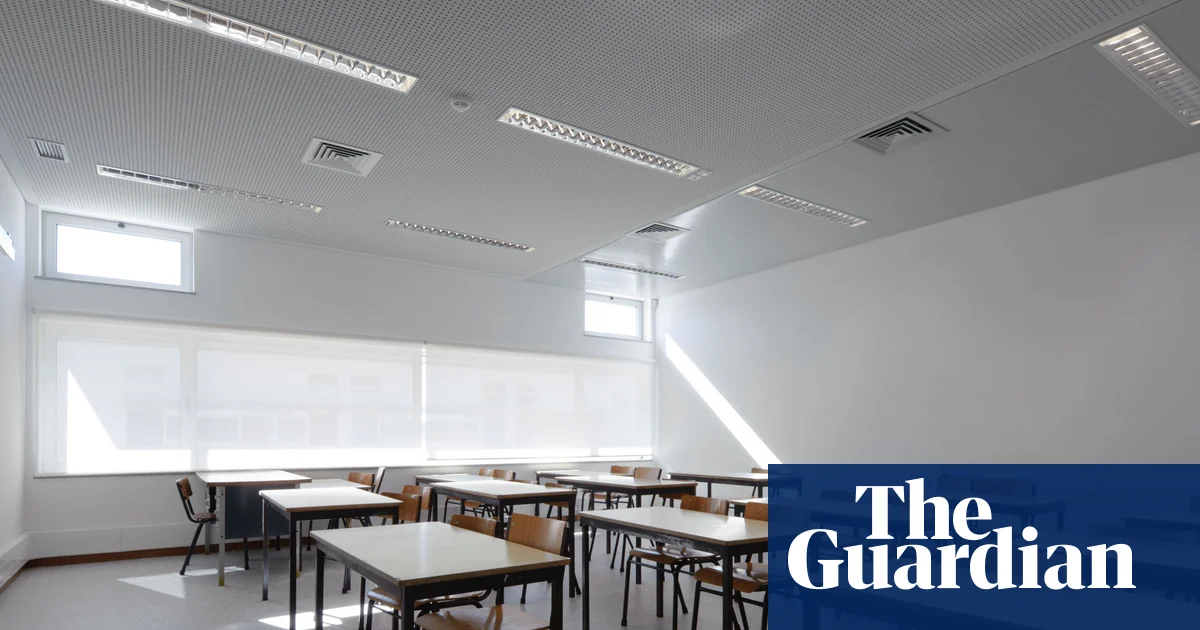
One in 12 teens in school face weekly isolation, new study reveals

Recent research from Manchester has shed light on a controversial issue that transcends national borders, raising urgent questions about the mental health and educational inclusion of youth across the globe. The study indicates that approximately 1 in 12 secondary pupils in England are placed into school isolation rooms at least once a week, with many spending over eight hours in these confined spaces. This trend, eventually becoming an international point of contention, raises issues about the effectiveness and ethics of internal exclusion policies in examining how school systems address student discipline and behavior. Critics argue that such confinement practices do not just hinder academic progress but also threaten the emotional wellbeing of vulnerable children, especially those with complex behavioral needs.

Symbolic of a broader global debate, international organizations and educational experts question whether the current punitive approaches are justified or counterproductive. The British Educational Research Journal highlights the discrepancy between the purported short-term benefits of isolation and the deeper, often hidden, costs—such as weakened relationships with teachers, diminished sense of belonging, and escalating mental health issues. Prominent historians and analysts warn that imitating or ignoring these patterns in other nations could reinforce a system where discipline overrides compassion, setting a dangerous precedent. Neil Humphrey, a leading researcher, emphasized that while schools face significant challenges managing disruptive behavior, the solution should not involve isolating children but rather **investing in positive behavioral supports and mental health resources**.

Meanwhile, in the United States and across Europe, similar controversies simmer beneath surface-level policies, with advocates calling for transparency and reform. The recent legal affirmation of isolation booths in England, upheld by the High Court, has sparked international debates about the balance between maintaining order and safeguarding children’s rights. Conversely, Kiran Gill of The Difference underscores the importance of diagnosing behavioral issues and implementing more supportive, restorative approaches that foster inclusion rather than exclusion. The global community watches closely as these issues test the resilience of educational systems in balancing authority, care, and the rights of students, especially those most in need of support.

The decision made by the British government and courts signals a critical moment in international education policy—a moment where the weight of history and societal values collide. Critics warn such decisions could entrench a punitive model that harms societal cohesion by marginalizing youth, particularly minorities and those with disabilities. International organizations such as UNESCO and the OECD emphasize that #educational equity must be coupled with mental health considerations, urging nations to revisit their disciplinary policies before irreversible damage is done to a generation’s psychological health. As experts call for more research and alternative disciplinary methods, the question remains: Are nations prepared to rewrite their histories and prioritize *human dignity* over simplistic punitive measures?

As the debate continues, the unfolding story of school discipline serves as a stark reminder that the decisions made today will echo in the corridors of history. Whether these policies are seen as necessary measures or damaging excesses, the future of youth and the fabric of society itself hangs in the balance. The world watches as nations grapple with the challenge of forging a path that upholds both order and compassion in the crucible of their schools. The question that lingers is whether we will learn from the shadows of history or allow them to repeat, shaping a future where discipline curtails not just behavior, but also the very essence of hope and potential.

Social Media Auto Publish Powered By : XYZScripts.com