Matox News

Truth Over Trends, always!

Palestinian-American teen imprisoned in Israel for 9 months finally released in West Bank

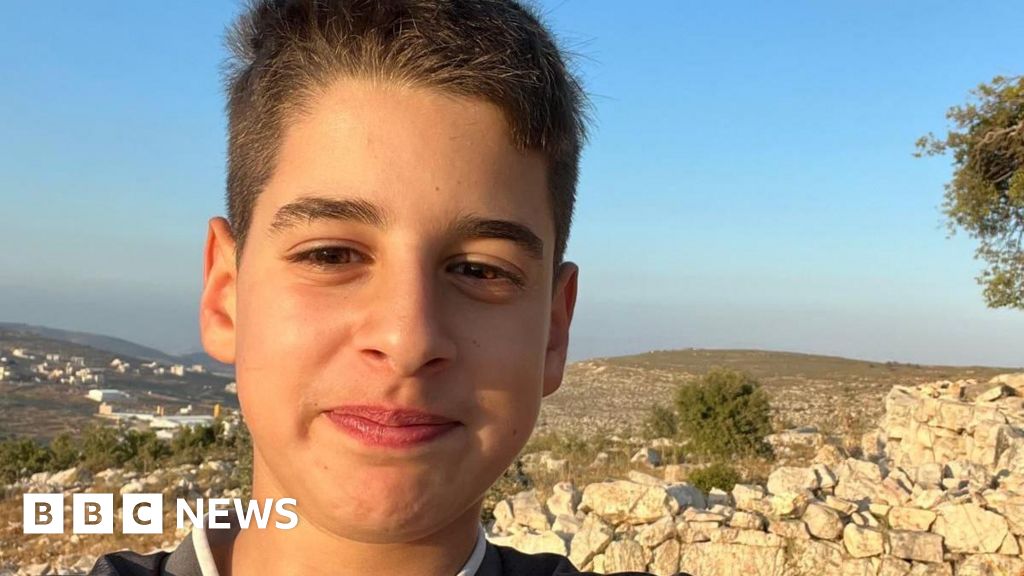
In a recent development that echoes across the geopolitical landscape, Mohammed Ibrahim, a 16-year-old Palestinian-American citizen, was released after nine months of detention in Israeli custody. The young teenager’s ordeal, which captured worldwide attention, underscores the ongoing controversies surrounding Israel’s treatment of Palestinian minors in military courts. Ibrahim’s case not only highlights alleged human rights violations but also signals the fragile state of U.S.-Israel relations, especially when American citizens are caught in the crossfire of regional conflicts. International organizations, including UN human rights agencies and various civil rights groups, have long condemned the systematic prosecution of Palestinian minors, which places Israel under increasing scrutiny for its military justice practices.

This incident arrives at a time of escalating tensions and international debates focused on the treatment of Palestinians under occupation. According to reports from B’Tselem and Defense for Children International-Palestine, hundreds of Palestinian children remain detained by Israeli forces, often subjected to harsh conditions, inadequate nutrition, and limited contact with their families. As of September, approximately 350 minors were in military detention, with allegations of abuses ranging from forced confessions to inhumane treatment. The case of Ibrahim, who lost a quarter of his body weight and contracted scabies, exemplifies the ongoing issues of military justice and human rights violations that continue to stain Israel’s image on the world stage. Critics argue that such practices threaten to undermine the legal norms espoused by democratic standards and fuel international divisions.

Notably, prominent American politicians, including Senators Bernie Sanders and Elizabeth Warren, along with over 100 human rights organizations, have demanded the U.S. government intervene to secure Ibrahim’s release. The U.S. State Department officially became involved when it appointed a dedicated officer to handle the case, reflecting mounting concern over the treatment of American citizens abroad. Yet, the broader geopolitical impact extends beyond individual cases. Many analysts view these incidents as symbols of a deeper conflict—a clash between Israel’s security policies and international calls for accountability. History advises caution, emphasizing that overlooking such abuses risks fostering further resentment and instability in one of the most volatile regions in the world. Furthermore, the international community remains divided, with some nations backing Israel’s security concerns, while others advocate for stronger adherence to human rights standards. Recognized voices like those from Amnesty International warn that ignoring abuses against minors could eventually catalyze wider movements against occupation policies, altering the continent’s geopolitical balance.

The incident involving Ibrahim is more than a mere isolated event; it amplifies the ongoing debate surrounding regional stability, human rights, and international law. The recent cases serve as stark reminders that, amid shifting alliances and renewed geopolitical rivalries, the unresolved Israeli-Palestinian conflict continues to echo with profound consequences. In the grand narrative of history, decisions made here—be it on military justice, human rights, or diplomatic engagement—will shape the future for generations to come. As the world watches, the question remains: will diplomacy and justice prevail, or will history record another chapter filled with injustice and lost opportunities? The weight of these choices bears heavily on the collective conscience, for it is in these moments that the course of history is truly decided.

Lebanon blames Israel for deadly attack near Palestinian refugee camp, 13 dead

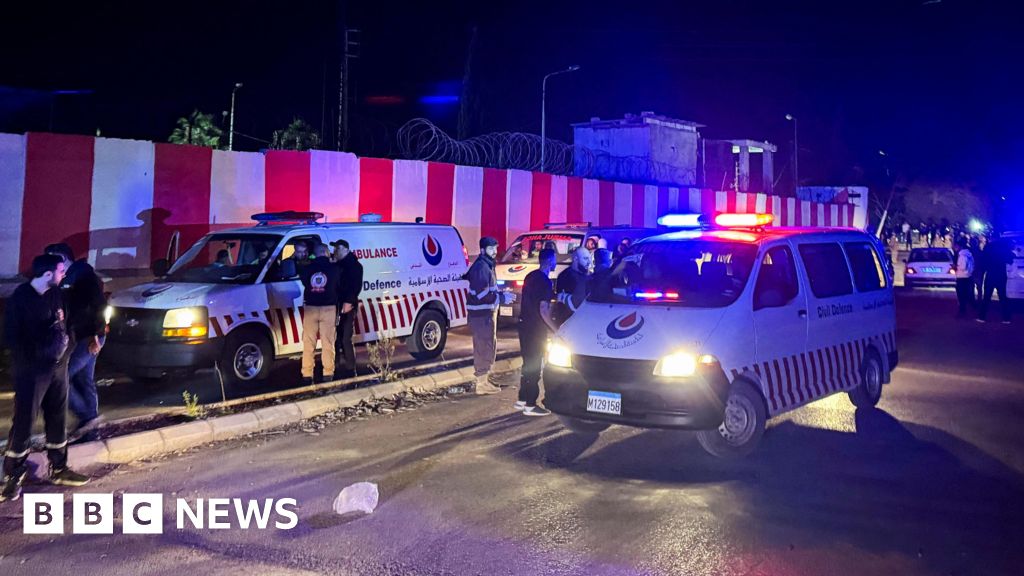
The Middle East remains a flashpoint of conflict, with recent events underscoring the volatility that continues to threaten regional stability and global security. Israel, reiterating its stance against militant groups, launched a strike near the largest Palestinian refugee camp in Lebanon, Ein el-Hilweh. According to Lebanese authorities, at least 13 individuals were killed, with dozens more injured. The Israeli military claimed the target was a Hamas training compound, ostensibly used for planning attacks against Israel, an assertion Hamas vehemently denies, branding it a fabrication and lies. This incident exemplifies how Israel’s technological precision and strategic strikes operate within a complex web of regional alliances and enmities, aiming to weaken militant capabilities while risking civilian casualties.

This violence cannot be viewed in isolation. Since the outbreak of the October 2023 conflict initiated by Hamas’s brutal assault on southern Israel—resulting in approximately 1,200 deaths and multiple hostages—the broader regional picture has deteriorated rapidly. Israel’s military response in Gaza and Lebanon has resulted in devastating civilian tolls, with Palestinian casualties surpassing 69,000, raising alarm among international observers and human rights organizations. Meanwhile, Hezbollah, backed financially and militarily by Iran, intensified its attacks against Israeli targets in a display of solidarity with Palestinians. These actions have pushed the region towards an unstable equilibrium of tit-for-tat violence, with the Lebanese Hezbollah engaging in ongoing hostilities, firing rockets in defense of Gaza, and launching an assault on northern Israel.

Analysts from think tanks and global institutions warn that the geopolitical impact of these escalating conflicts exceeds regional boundaries. They highlight how Iran’s influence and proxy networks have turned Lebanon into a battleground, transforming the Lebanese armed groups into key players in a broader confrontation. The 13-month war culminating in a fierce Israeli offensive in October 2024 has caused the displacement of over 1.2 million Lebanese civilians, sowing chaos and despair. The collapse of Lebanese stability threatens neighboring countries and global markets, especially considering Lebanon’s precarious economic situation. The United Nations and regional powers are calling for restraint, but with conflicting interests and deep-seated hostility, prospects for peace remain distant.

Historian voices and experts warn that decisions made now will carve the contours of future generations’ lives. The ongoing violence—fueling resentment and radicalization—edges the region closer to a broader, perhaps irreversible, rupture. With Israeli officials justifying their strikes as measures to diminish threats, and Hamas and Hezbollah positioning themselves as defenders of Palestinian and Lebanese sovereignty, the battle lines are being redrawn. This relentless cycle of violence exemplifies how international decisions—often made in the shadows—shape societal fate, threatening to plunge the Middle East into deeper chaos. As history unfolds in real-time, it is evident that the weight of these events will be felt long after today’s battles cease, leaving a fractured landscape where hope must fight to survive amidst the wreckage of yesterday’s conflicts.

UK Commentator Detained Over Israel Comments to Be Released, Family Confirms

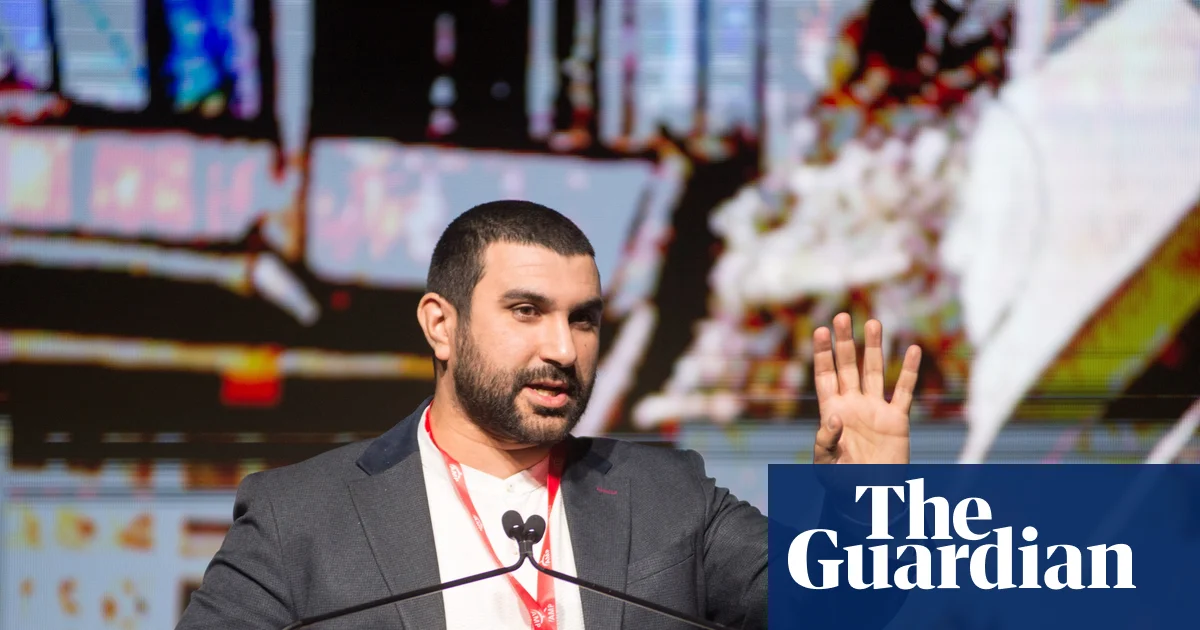
The recent developments surrounding British political commentator Sami Hamdi underscore the escalating tensions between free speech and U.S. immigration policy amid rising geopolitical conflicts. Hamdi, who was detained by US Immigration and Customs Enforcement (ICE) at San Francisco international airport in late October, faced accusations linked to his critiques of Israel during a tour in the United States. His detention, initially characterized by the Department of Homeland Security as a security concern rooted in alleged ties to terrorism, highlights the complex interplay of domestic policy and international diplomacy—particularly in an era marked by intense scrutiny of political expressions related to Middle East conflicts. As his family reports that he will soon be released, the incident raises fundamental questions about the limits of free speech within the context of national security and the influence of diplomatic narratives on domestic policy.

While government officials framed the detention within the context of preventing threats to American national security, civil rights organizations, such as the Council on American-Islamic Relations (CAIR), condemned the move as an obvious suppression of dissent. CAIR publicly denounced what they called a “blatant affront to free speech,” emphasizing how such actions serve as a warning to critics of government foreign policy. Analyses from international organizations suggest that the case exemplifies a broader shift in U.S. policy—one that increasingly conflates political criticism with security threats, especially when it involves contentious issues like U.S. support for Israel and Palestinian rights. Historically, similar incidents have often been used to shape international perceptions, portraying critics as security risks—thus, influencing diplomatic relations across the globe, particularly in Middle Eastern and Muslim-majority countries.

In the context of ongoing conflicts such as the Hamas attacks and the subsequent escalation in regional tensions, Hamdi’s case carries significant geopolitical impact. It underscores how domestic actions in Western powers are often scrutinized through international lenses, impacting perceptions of free expression and foreign policy credibility. International analysts warn of a potential “chilling effect” on political discourse, as governments tighten restrictions while global institutions like the United Nations and European Union observe with concern. Furthermore, this incident exemplifies how decisions made in Washington could influence alliances—potentially prompting Muslim nations to reassess trust in Western democracy’s commitment to free speech, especially when critics articulate views that challenge mainstream narratives regarding conflicts in Palestine and the broader Middle East. As historians note, the narrative shaping these incidents feeds into a global contest over the values of liberty versus security, with each side claiming moral high ground.

As the saga unfolds, the weight of history being written in real time remains palpable. The release of Sami Hamdi, coupled with the controversy that swirled around his detention, marks only a transient moment in a larger struggle—one that transcends individual cases and probes the core principles of sovereignty, free expression, and national security. The world watches as nations navigate the treacherous waters of diplomacy, ideology, and internal security. Whether this incident becomes a turning point or a cautionary tale, it leaves us with a stark reminder: the decisions made today will echo through history, shaping the fate of societies and the contest over truth and liberty for generations to come.

Israel gets Gaza body after Netanyahu vows to bring home 2014 soldier’s remains

The recent developments in the ongoing Israel-Gaza conflict mark a critical juncture in international geopolitics, with profound implications for regional stability and global diplomacy. On Sunday, Israel announced the return of the body of Hadar Goldin, a soldier killed during the 2014 conflict, whose remains had been in custody in Gaza since his death. Prime Minister Benjamin Netanyahu confirmed that Israel expected to receive the remains of a soldier whose body was held by Hamas, signaling a tentative but significant step in the fragile ceasefire negotiations. This gesture is seen, by analysts and international observers alike, as a move that could potentially pave the way for further de-escalation, though lasting peace remains elusive amidst the ongoing violence.

Historically, Hamas’s armed wing has used the retrieval of bodies and hostages as leverage in negotiations, and this latest handover is being closely scrutinized as a turning point. The return of 20 living hostages and 24 deceased, including Lt Goldin, under the first phase of a ceasefire deal, represents a moment of rare diplomatic progress amid the chaos that has engulfed the region for decades. Nevertheless, confidence remains fragile—Goldin’s family and broader Israeli society continue to grapple with the emotional toll, while officials vow to recover all remaining bodies and release more captives. Netanyahu reiterated his resolve: “We have returned 250 so far. We will bring them all back,” underscoring both the national commitment and the complexity of future negotiations.

The geopolitical impact of this development transcends borders. The conflict, which erupted anew on October 7, when Hamas-led militants launched a brutal attack killing over 1,200 people in Israel, has led to an escalation of military operations in Gaza. Since then, the Israeli military has reported that at least 241 individuals have been killed, including civilians, amidst a campaign that has resulted in devastating destruction across Gaza. According to figures from Hamas-controlled health authorities, the death toll since the outbreak of hostilities exceeds 69,000. These numbers, contested by various international bodies, speak to the catastrophic human toll stemming from the ongoing conflict. United Nations officials and international analysts warn that the conflict’s expansion risks destabilizing the entire Middle East, igniting sectarian tensions, and threatening global energy markets.

In this volatile climate, the actions and decisions of global institutions and key nations will determine whether the region can transition from war to peace, or spiral further into chaos. The compromise of releasing hostages and bodies demonstrates a rare diplomatic triumph, yet it must be contextualized within the broader scope of regional hostility. Historians and foreign policy experts warn that unresolved underlying grievances— territorial disputes, political fractures, and ideological divisions— continue to underpin the violence. The recent exchange signifies that, despite setbacks and entrenched animosities, the path toward diplomacy remains a critical, if fragile, corridor. As Russia, Iran, and the United States stand watching, each move in this unfolding drama will ripple across continents. Their decisions—whether to escalate or seek peaceful resolution—will echo through generations. For now, the fragile ceasefire offers a brief reprieve, a moment of clarity amid chaos, but the unresolved wounds of history carry the weight of an uncertain future, leaving the world on the edge of a precipice, watching as the chapters of this ongoing story are written in blood and hope alike.

Israel Gets Coffin, Hamas Claims Contains Gaza Hostage

Emerging Tensions in Gaza: A Fragile Ceasefire Shattered

Emerging Tensions in Gaza: A Fragile Ceasefire Shattered

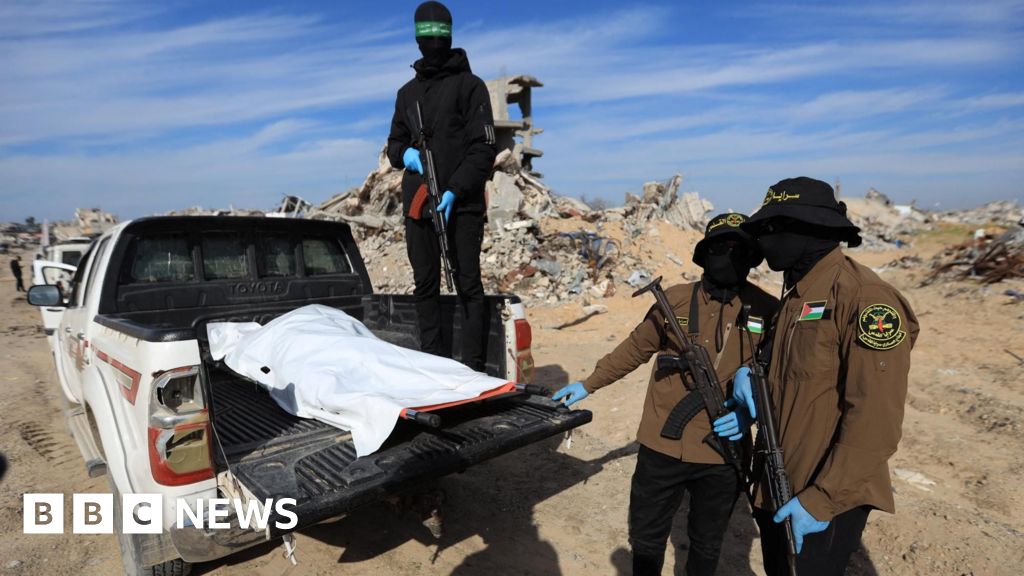
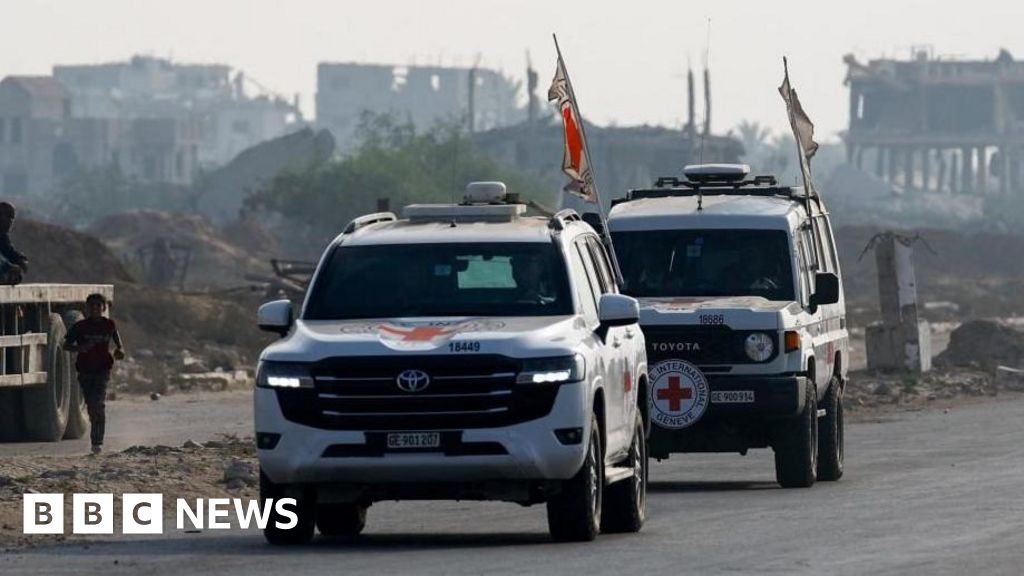
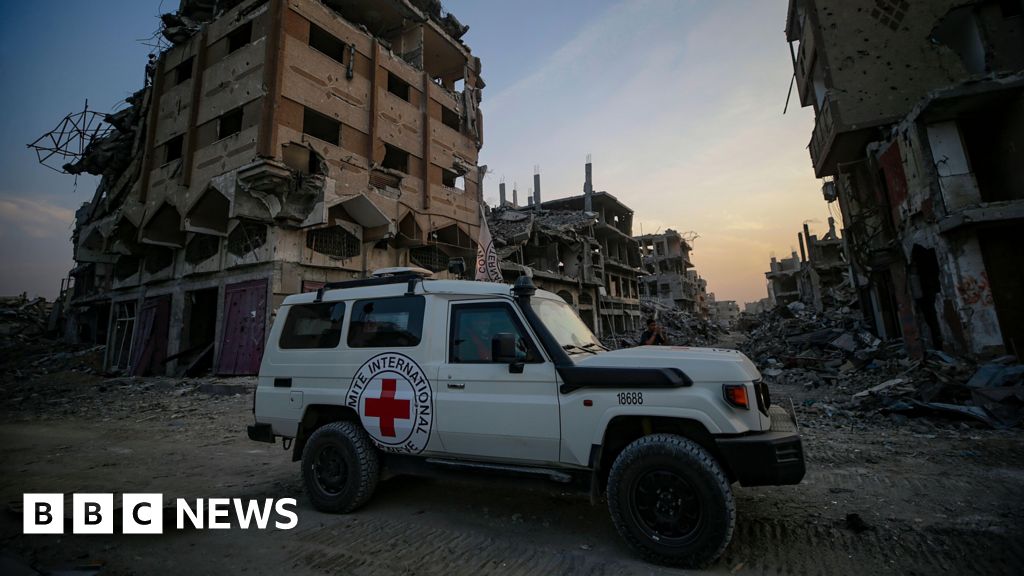
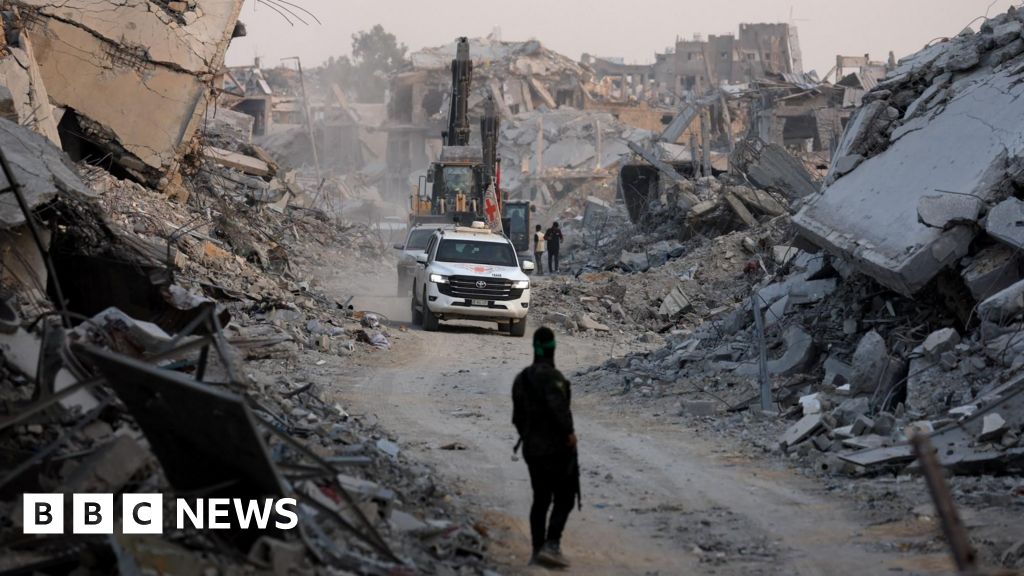
The ongoing conflict in Gaza has once again plunged the region into chaos, exemplifying the volatile nature of Middle Eastern geopolitics. Recently, Israel received what it claims to be the body of a hostage held by Hamas and the Palestinian Islamic Jihad, sparking renewed tensions. According to Israel’s military, the body, found in Khan Younis in southern Gaza, has been transported to Israel via the Red Cross for identification. This incident marks a critical escalation, especially as both sides accuse each other of violations and fragment the fragile peace brokered by the United States.

During the inaugural phase of a ceasefire deal that began on 10 October, motivated by international pressure, Hamas agreed to hand over all 20 living hostages and 22 of the 28 deceased hostages—mostly Israelis, with some foreign nationals such as a Thai—an encouraging but incomplete step towards de-escalation. Israel responded by releasing 250 Palestinian prisoners and handing over 285 Palestinian bodies—yet, critics argue that the process remains deeply compromised. The ongoing failure to retrieve all bodies underlines the imperfect and fragile nature of these ceasefire agreements, with Hamas citing difficulties in locating remains amidst the rubble, a clearly inadequate response that fuels suspicion and mistrust.

Shifting Alliances and the Geopolitical Ripples

  • The United States, acting as a key broker, has been pushing for a lasting peace, yet its efforts are faltering amid persistent violence. The UN and regional analysts warn that unless the cycle of hostilities is broken decisively, the conflict could spiral further, destabilizing neighboring states and drawing in global powers.
  • The Israeli military has launched series of air strikes following accusations of attacks by Hamas fighters, killing at least 241 people since the ceasefire began, according to the Hamas-run health ministry. These actions occurred despite the ongoing negotiations, illustrating how both sides remain engulfed in cycles of retaliation that threaten to undermine diplomatic progress.
  • The regional impact is profound, with escalation risking broader destabilization across the Middle East. Countries such as Egypt and Jordan watch anxiously, knowing that without a diplomatic breakthrough, the conflict could ignite further violence, refugee crises, and regional instability. International organizations have cautioned that failure to contain the violence jeopardizes peace and security far beyond Gaza’s borders.

The Broader Historical Context and Future Outlook

Historians and analysts observe that this episode highlights the persistent challenge of reconciling sovereignty, security, and humanitarian concerns in a region weary of war. The current dynamic resembles past cycles, where ceasefires are moments of temporary reprieve amid deep-rooted grievances. Experts warn that until meaningful negotiations address underlying issues—refugee rights, borders, and sovereignty—the threat of renewed violence remains imminent. The recent flare-ups serve as stark reminders that in the delicate balance of Middle Eastern geopolitics, decisions made today could shape the fate of decades to come. The already high human toll—over 68,875 killed in Gaza since the initial attacks—has cast a long shadow over hopes for a sustainable peace.

As history perpetually unfolds, the question remains: will diplomacy be enough to bridge the divide, or are we witnessing the early chapters of an enduring saga of conflict? The weight of the present moment underscores that the outcome will fundamentally alter the course of regional and global history—an unfolding narrative that demands vigilance, resilience, and unwavering commitment to peace by the international community.

Israel receives purported Hamas coffin with Gaza hostage's body, says group
Israel receives purported Hamas coffin with Gaza hostage’s body, says group

The ongoing conflict between Israel and Hamas has entered a new, unsettling chapter as recent developments reveal the grim reality of war’s toll on human lives and geopolitical stability. Reports confirm that Israel has received a coffin via the Red Cross, ostensibly containing the remains of a hostage believed to be deceased, according to the Israeli prime minister’s office. This development underscores the fragile progress—or lack thereof—in the broader context of the ceasefire agreement mediated by the United States, which aimed to de-escalate the violent escalation that began with Hamas’s brutal attack on Israel in early October. The transfer of remains to Tel Aviv’s National Centre of Forensic Medicine signifies an ongoing quest for accountability amid an environment riddled with mistrust and political motives that complicate recovery efforts.

Hamas’s military wing claimed to have recovered the body of an Israeli soldier in Gaza’s eastern Shejaiya neighborhood—an area still under __territorial control of Israeli forces__. Israel, on its part, accuses Hamas of intentionally delaying the return of hostages, both dead and alive, despite commitments made during the US-brokered ceasefire. The agreement stipulated that Hamas would release 20 remaining hostages and return 28 others within 72 hours—a promise that remains unfulfilled, fuelling accusations of bad faith. The complex negotiations reflect how these diplomatic efforts are deeply intertwined with the legacy of ongoing conflict, where each side contends over images of humanity and the perceptions of moral responsibility.

While Israel successfully secured the release of all its civilian hostages on 13 October in exchange for 250 Palestinian prisoners and 1,718 detainees in Gaza, the situation remains volatile. Israel has also handed over the bodies of 270 Palestinians, including those of two foreign hostages—one from Thailand and another from Nepal—in a grim exchange that highlights the human cost of this entrenched confrontation. The death toll on Gaza’s side exceeds 68,800, according to Gaza’s Hamas-run health ministry, underscoring the catastrophic scale of the ongoing military campaign. Historians and analysts warn that these levels of casualties could irrevocably shift regional dynamics, sowing deep-seated resentment that might seep into generations.

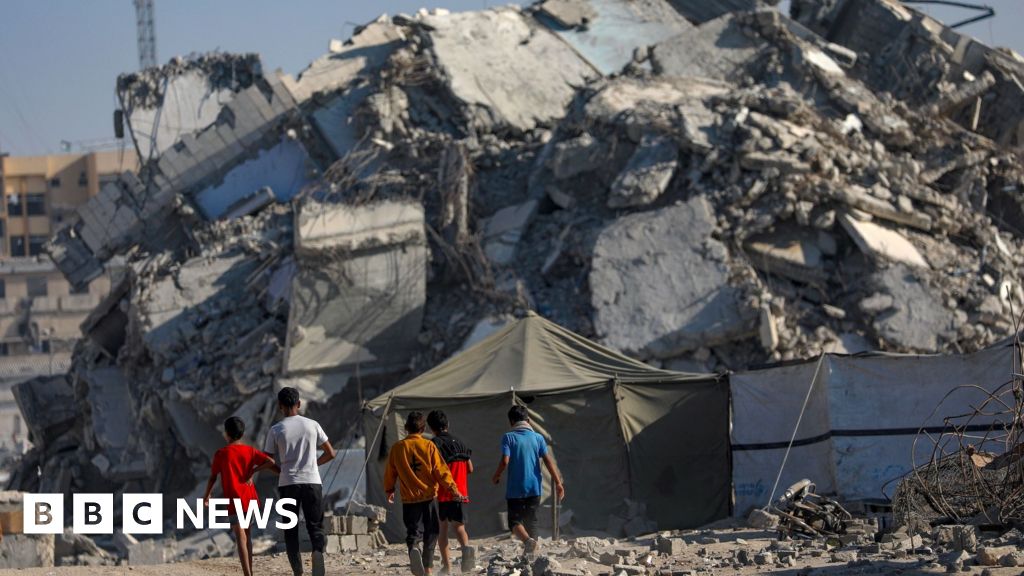
In this chaotic mosaic of international crisis, the geopolitical impact is clear: the conflict’s escalation threatens to destabilize broader regional alliances, challenge global diplomatic efforts, and threaten the fragile balance of Middle Eastern peace. Israel’s military actions have provoked condemnation but also garnered support from key allies, reaffirming its defensive stance. Conversely, Hamas’s rhetoric continues to galvanize its supporters, asserting that their actions are acts of resistance against occupation and oppression. As military strikes ripple into northern Gaza, with reports of civilians killed in areas like Jabalia, the world witnesses the horrifying human cost of unresolved conflicts that have persisted for decades. In the shadow of this unfolding tragedy, international observers ponder whether the tide of chaos can be stemmed, or if this chapter will become only the latest in a long and tragic saga of regional destabilization. The pages of history are still being written, and the world holds its breath before the inevitable next act of this enduring conflict.

Israel gets back three more hostages from Gaza Amid escalating conflict

In a moment that underscores the ongoing tensions in the Middle East, Israel has announced the return of the remains of three hostages from Gaza. This delicate gesture comes amidst a fragile, month-long ceasefire that many see as a rare window for possible de-escalation. According to Israeli officials, forensic experts are now tasked with identifying these remains, which were reportedly found in a tunnel in southern Gaza, as part of the ongoing efforts to recover bodies and facilitate peace negotiations. Since the ceasefire took effect on 10 October, more than a dozen hostages have been released or recovered, yet the situation remains strained and complex, illustrating the deep-rooted tensions that persist among the conflicting parties. The handling of these remains is not merely a humanitarian act but a pivot point illustrating how the conflict’s human toll continues to shape the geopolitical landscape.

This exchange fits within the overarching framework of the US-brokered 21-point plan for Gaza’s stabilization, which, among other measures, involves the creation of an international peacekeeping force. Several nations, predominantly from the Arab world and beyond, have expressed tentative interest in deploying troops to aid Egypt and Jordan in securing Gaza’s borders, but they demand a clear **UN Security Council** mandate before committing. The decisions made here will significantly impact regional stability, as the presence of an international force could either deter future hostilities or, conversely, inflame tensions if perceived as foreign meddling. As experts, including geopolitical analysts and historians, caution, the outcome of this intervention could permanently alter the balance of power in the Middle East, either stabilizing Gaza or escalating the cycle of violence.

Yet, unresolved debates loom large—particularly around **Hamas’s disarmament**, governance, and the fate of Gaza in the post-conflict era. Prime Minister Benjamin Netanyahu has declared that “pockets of Hamas” remain in Gaza, particularly in areas such as Rafah and Khan Younis, which he vows to eliminate. Meanwhile, the ongoing Israeli military campaign has devastated Gaza, with fatalities exceeding 68,600 according to the Hamas-controlled health ministry—an often-cited but politically sensitive figure. These casualties, some 75 of whom have been identified through DNA testing, exemplify the human scope of this conflict. The civilian toll has come under international scrutiny, with critics accusing Israel of possible war crimes, while Israeli officials deny such allegations and cite self-defense against Hamas’s attacks. The **geopolitical impact** is profound: the conflict’s persistent brutality risks igniting wider regional unrest, challenging international norms, and complicating efforts for peace.

In the grand narrative of history as it continues to unfold, the exchange of remains signals both the hope for reconciliation and the peril of prolonged conflict. As global institutions and nations deliberate future troop deployments and peace initiatives, the weight of history presses heavily. The question remains whether these small, symbolic steps can ultimately open pathways to peace or merely serve as brief pauses in a conflict that has claimed innumerable lives and reshaped the Middle East’s geopolitical architecture. The coming days will reveal whether this fragile ceasefire can evolve into lasting stability or if the echoes of violence will once again drown out the hope for peace—leaving a legacy of destruction or renewal etched into the sands of Gaza and the conscience of the world.

Israel Identifies Hostages' Bodies Returned by Hamas
Israel Identifies Hostages’ Bodies Returned by Hamas

Gaza Conflict: The Thin Veil of Ceasefire and its Fractures

The recent developments in Gaza have once again shoved a fragile ceasefire into the abyss of uncertainty. Israel confirmed the identities of two deceased hostages, Amiram Cooper and Sahar Baruch, following the exchange mediated by the Red Cross. This grim confirmation underscores the tragic reality faced by families on both sides of this relentless conflict. Yet, beneath the surface of these mortal tolls, questions about the authenticity and transparency of Hamas’s actions are intensifying. The Israeli government accuses Hamas of staging the recovery of a body that did not belong to the deceased, revealing a staged scene captured by Israeli drones. This escalation of accusations signals not merely a breakdown in trust but a dangerous escalation that threatens to unravel the latest ceasefire deal brokered under international auspices.

The U.S. and international organizations initially heralded the ceasefire as a significant step toward de-escalation. This deal mandated the return of 20 living and 28 deceased hostages and a reciprocal release of Palestinian prisoners. However, recent events threaten to undo this fragile progress. The Israeli military reports that Hamas violated the terms by killing an Israeli soldier and staging the scene to falsely suggest continued hostilities, a move that Israel swiftly responded to with a series of airstrikes across Gaza. This tit-for-tat violence underscores how a handful of tactical breaches could spiral into broader regional instability, especially with Israel warning that it would respond “when its soldiers are targeted.”

» Geopolitical Reckoning: From Local Skirmishes to Global Shifts

The geopolitical impact of these events extends far beyond Gaza’s borders. International stakeholders — including the U.S., Qatar, Egypt, and Turkey — have played pivotal roles in brokering and maintaining the ceasefire. Yet, volatile incidents like these threaten to derail diplomatic efforts that were already precarious. Such moves could embolden extreme factions and reduce the chances of future peaceful resolutions, effectively prolonging the cycle of violence and suffering. Historians warn that this cycle, if unchecked, could cement a new era of regional instability, with the Middle East’s delicate balance of power teetering on the edge.

For analysts and international institutions, the lesson is clear: the decisions taken during these turbulent moments echo through decades of history. Miscalculations and staged deceptions risk igniting full-scale conflicts that transform localized violence into broader regional crises. Meanwhile, the humanitarian toll remains staggering, with reports from Gaza’s health ministry indicating over 104 Palestinians killed in a single day since the ceasefire, including many women and children. This human suffering emphasizes how international decisions on security, aid, and diplomacy carve the future of societies, potentially shaping generations to come.

» The Unfolding Conspiracy of War and Peace

As the world watches, the conflict in Gaza continues to morph into a theater of geopolitical chess, where every move is scrutinized for its long-term consequences. The each deception, attack, and peace accord reveals the complex web of interests, alliances, and betrayals that define this volatile region. The fate of countless lives hinges on resolutions that are often as fragile as the ceasefires they aim to secure. As history unfolds its thickening narrative, the question remains—will this cycle of deception and violence finally give way to genuine peace, or will the weight of unresolved grief and distrust plunge the region into renewed chaos? Only time will reveal how this critical juncture in history will be written, but the echoes of today’s decisions are certain to resonate for generations.

Israel receives body claimed by Hamas as Gaza hostage

The ongoing conflict in Gaza has once again thrust the volatile Middle East into the global spotlight, revealing the profound impact of international decisions on regional stability and societal futures. Recent reports confirm that Israel has received a coffin through the Red Cross reportedly containing the remains of a deceased hostage held by Hamas. This exchange, while seemingly a small gesture amid ongoing violence, symbolizes the complex and deeply entrenched struggle between Israel and Palestinian factions—a struggle that continues to shape geopolitical realities for neighboring nations and global actors alike.

According to official statements, the coffin will soon be transported to Israel for DNA testing, aiming to identify the remains conclusively. This development has elevated tensions, with Israel accusing Hamas of violating the ceasefire deal by withholding the bodies of all hostages, a charge denied by Hamas, which insists it is committed to the agreement brokered by the US, Egypt, Qatar, and Turkey. These diplomatic efforts, fragile as they are, underscore the international community’s desperate attempt to manage and de-escalate a conflict that has already devastated more than 68,000 lives, according to Hamas’s health ministry, in what some analysts describe as a modern-day catastrophe with historic consequences.

  • The recent exchange of hostages and remains—where 20 living hostages were released for hundreds of Palestinian prisoners—highlight the brutal human toll and the political leverage wielded by both sides.
  • The limited progress in recovering and identifying remains reflects complications rooted in the terrain alteration caused by recent military campaigns, complicating search efforts and fueling accusations of inaction and betrayal.
  • Critics, including family representatives and international observers, warn that the failure to fully resolve hostage issues risks further destabilization, threatening to escalate into broader regional conflict and undermining peace negotiations.

As historians and analysts scrutinize this latest chapter, they warn of a dangerous pattern: each act of violence and each diplomatic setback solidifies the narrative of a society caught in cycles of retaliation, spawning a political environment where the possibility of lasting peace remains elusive. Gaza and its people stand at the heart of this geopolitical storm, their future dictated by decisions made in distant capitals and influenced by a mix of strategic interests, ideological divides, and the persistent desire for sovereignty and security. The international community, meanwhile, faces mounting questions about its role and effectiveness—whether as mediators or passive spectators—amidst the unfolding tragedy.

Looking ahead, the specter of unresolved hostage issues and ongoing violence leaves the region at a perilous crossroads. The fragile ceasefire teeters on the brink of collapse, with each side accusing the other of breaches and violations. Whether the current diplomatic efforts can forge a meaningful path toward peace remains to be seen, but one thing is clear: this is a chapter in history where the choices made today will resonate for generations, shaping the geopolitical fabric of the Middle East and the global order at large. The weight of political miscalculation and human suffering hangs heavy, as the world watches a conflict where the stakes extend beyond borders—into the core of what it means for nations and societies to find justice amid chaos.

NYC Mayoral Debate Heats Up: Mamdani, Sliwa, Cuomo Clash on Israel, Rent, and Trump

International Impact of New York’s Mayoral Race and Internal Power Struggles

The city that once symbolized the heart of American ingenuity and resilience, New York City, has once again become the crucible where domestic politics collide with global agendas. The latest round of mayoral debates, featuring figures like Zohran Mamdani, Andrew Cuomo, and Curtis Sliwa, serve as a microcosm for the tense, complex geopolitics that define the 21st century. As American politicians do battle over issues ranging from housing crises to the specter of foreign influence and ideological radicalism, they unwittingly cast shadows that stretch across borders, affecting the geopolitical balance worldwide.

Analysts like Dr. Emily Grant from the International Policy Institute note that U.S. mayoral elections, especially in a metropolis as emblematic as New York, hold symbolic power beyond local governance. The debate over law enforcement strategies, immigration policies, and foreign policy stances is intertwined with America’s stance on global security. Mamdani’s calls for a more compassionate approach towards immigrants and his critique of federal ICE operations resonate globally, given the ongoing migration crises and international terrorism concerns. Meanwhile, Cuomo’s narrative on law and order echoes a broader international conversation on security and civil liberties, with some commentators suggesting that these internal dialogs influence how U.S. allies and adversaries perceive American stability and commitment on the world stage.

Underneath the rhetoric, these political exchanges reflect a nation grappling with its identity amid global upheaval. The debate’s focus on issues like the handling of Rikers Island, support for LGBTQ+ rights, and responses to international conflicts underscores how domestic elections are increasingly manifesting in international politics. For instance, Mamdani’s vocal opposition to certain international policies likely signals a shift towards more progressive and interventionist overseas stances by local leaders, potentially impacting diplomatic relations. Historian Jonathan Fields emphasizes that political figures on the rise, such as Mamdani, are being watched closely as indicators of potential future shifts in U.S. foreign policy, especially as they challenge the status quo set by traditional power players like Cuomo.

As the city prepares for a decisive election amidst this ambiguity, the question remains: how will these internal debates translate into global influence? Will New York’s next mayor steer the city — and by extension, America’s diplomatic trajectory — towards a more conciliatory or confrontational direction? The world watches with bated breath, knowing that in the chess match of geopolitics, the movements of a city’s mayor can signal the tone of a nation’s diplomacy. The unfolding story from Queens is more than local politics; it is a chapter in the ongoing saga that will determine the balance of power, influence, and stability in a world on the brink of upheaval. History continues to writethe present with every mayoral decision, echoing through corridors of power worldwide.

Social Media Auto Publish Powered By : XYZScripts.com