
Disinformation and Digital Warfare: The New Frontier of Geopolitical Disruption
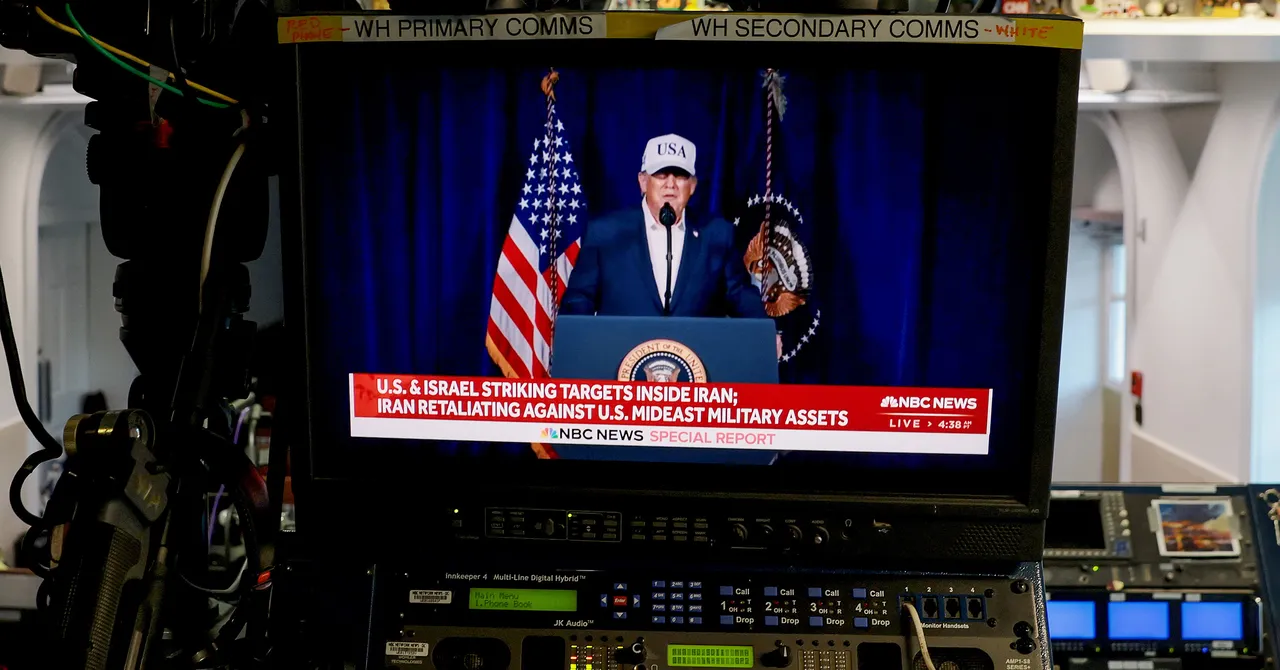
The recent escalation between the United States, Israel, and Iran underscores a new era where technological innovation amplifies geopolitical conflicts, transforming both information dissemination and strategic dominance. As disruptive digital platforms become battlegrounds for truth and influence, the implications for business, security, and public perception are profound. Companies like X (formerly Twitter), under the stewardship of Elon Musk, are increasingly vectors for both real-time information and disinformation, blurring the lines between fact and falsehood, with tangible global consequences.
During this volatile period, the platform has been flooded with claims—many false—regarding the scope and scale of military actions. A trend identified by industry analysts indicates that *almost all viral disinformation* during recent conflicts originates from verified accounts behind high-profile subscriptions. These ‘blue check’ accounts, often incentivized by monetization models based on engagement, have inadvertently or deliberately amplified false narratives. This scenario typifies a broader shift in digital influence markets, where *accuracy is sacrificed for virality*, severely undermining public trust and strategic stability.
From a business perspective, the **disruption** extends beyond misinformation. AI-generated imagery, as flagged recently by independent intelligence analysts, is being used to craft convincingly false but highly impactful content—such as fabricated images of destroyed radar systems or missile strikes—posing new threats to cybersecurity protocols and market stability. As Gartner highlights, *the capacity for AI to create deepfakes and false narratives accelerates the speed at which misinformation can influence investor sentiment and geopolitical power balances*. Companies that can develop advanced verification technologies or AI-driven authenticity checks will ‘own’ the future of trustworthy digital engagement, creating substantial business opportunities amid these challenges.
The emerging landscape demands a forward-looking approach rooted in disruption-driven innovation. Institutions like MIT are advancing research on AI and blockchain-based verification systems to combat the proliferation of false content. Meanwhile, influential figures like Peter Thiel warn that failing to address these issues could lead to a breakdown in informational sovereignty, with nations, corporations, and citizens becoming pervasively vulnerable to manipulation. The strategic takeaway is that **control over digital narratives** has become as vital as military or economic strength in shaping global outcomes**. The urgency is clear: develop resilient, transparent, and innovative tech solutions now—or risk losing credibility and strategic advantage in an epoch where information warfare defines victory.
In summation, the convergence of technological disruption and geopolitical conflict signals a paradigm shift with significant business and security implications. As **AI, misinformation, and social media platforms** intertwine to influence global events, the call to action for innovators, policymakers, and entrepreneurs is to harness cutting-edge solutions that safeguard truth and foster strategic stability. The window for proactive innovation is closing fast. The future belongs to those who can master the digital battlefield not just with weapons, but with relentless ingenuity in information integrity and technological resilience. In this high-stakes arena, time is of the essence—disruption is inevitable, but control over the narrative remains within reach for the technologically prepared.