Matox News

Truth Over Trends, always!

Israeli strikes hit Gaza, killing 25 Palestinians—health officials report

Gaza Crisis Reignites as Violence Escalates

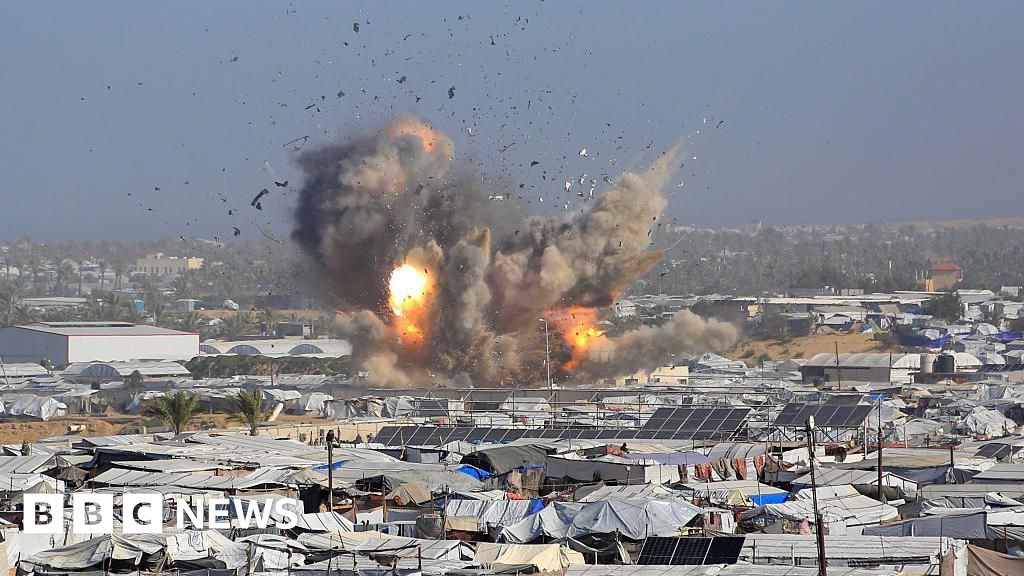
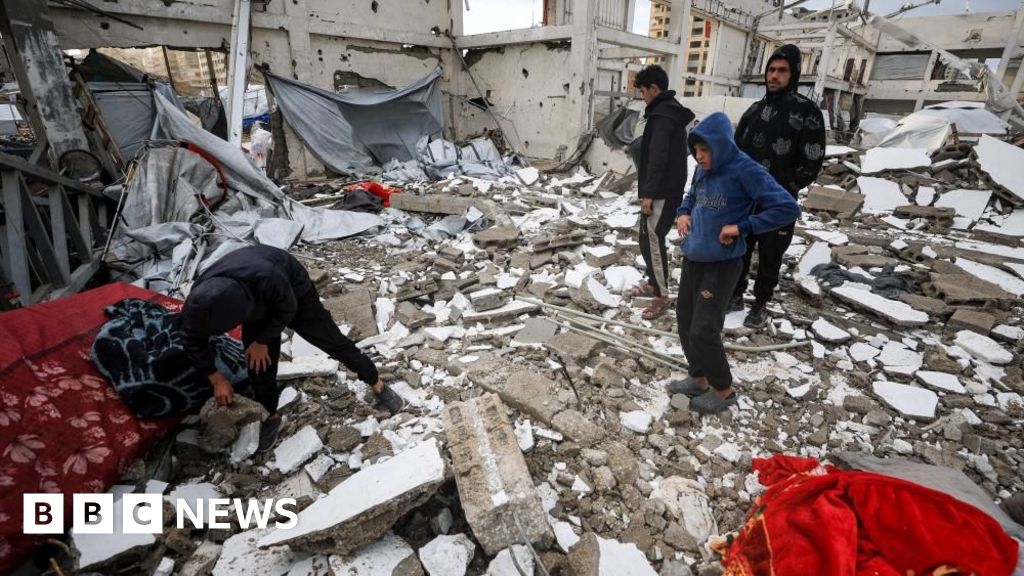
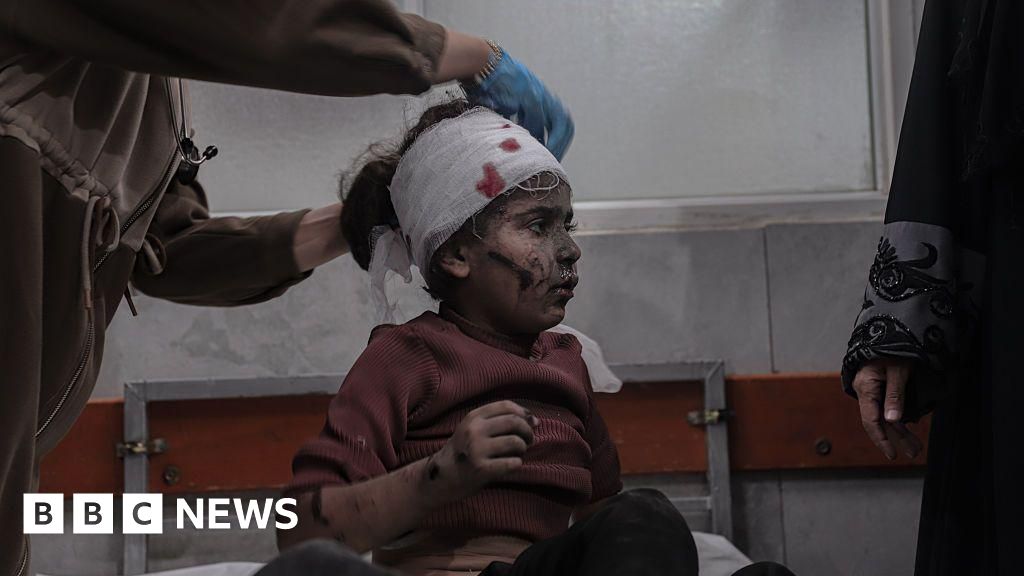
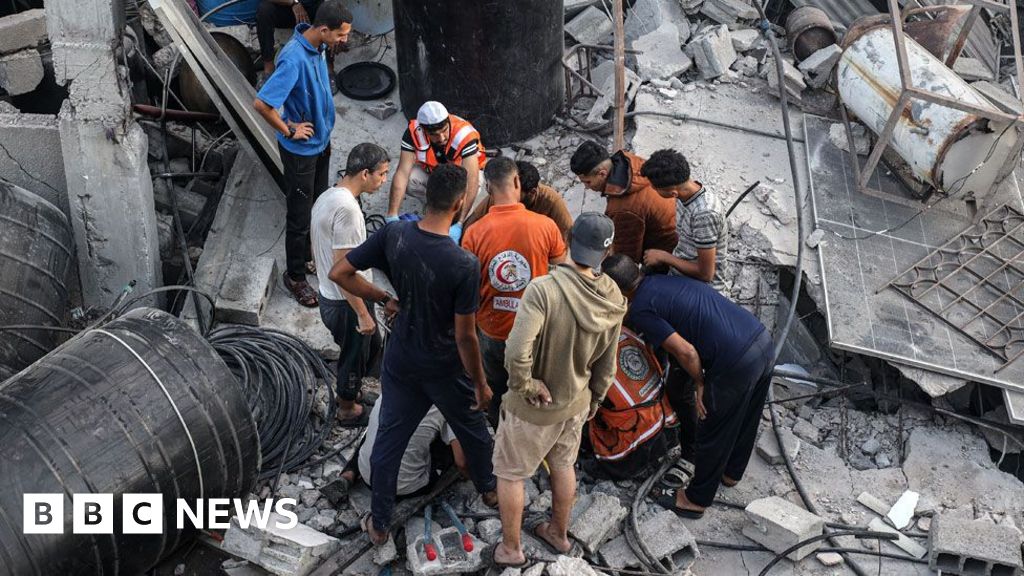
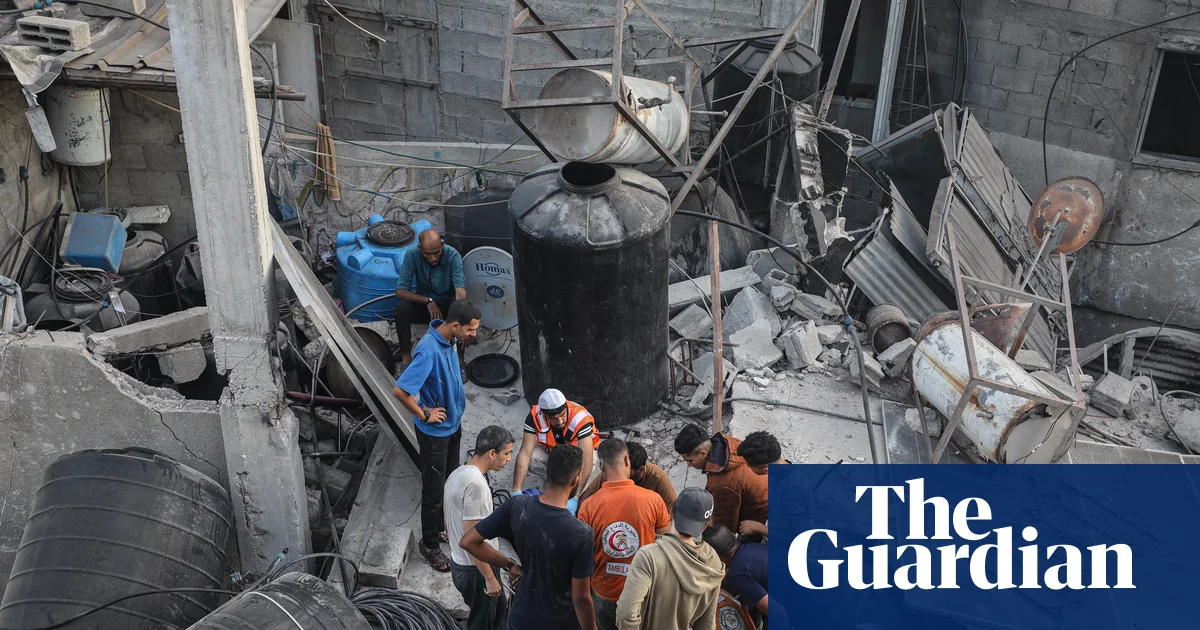
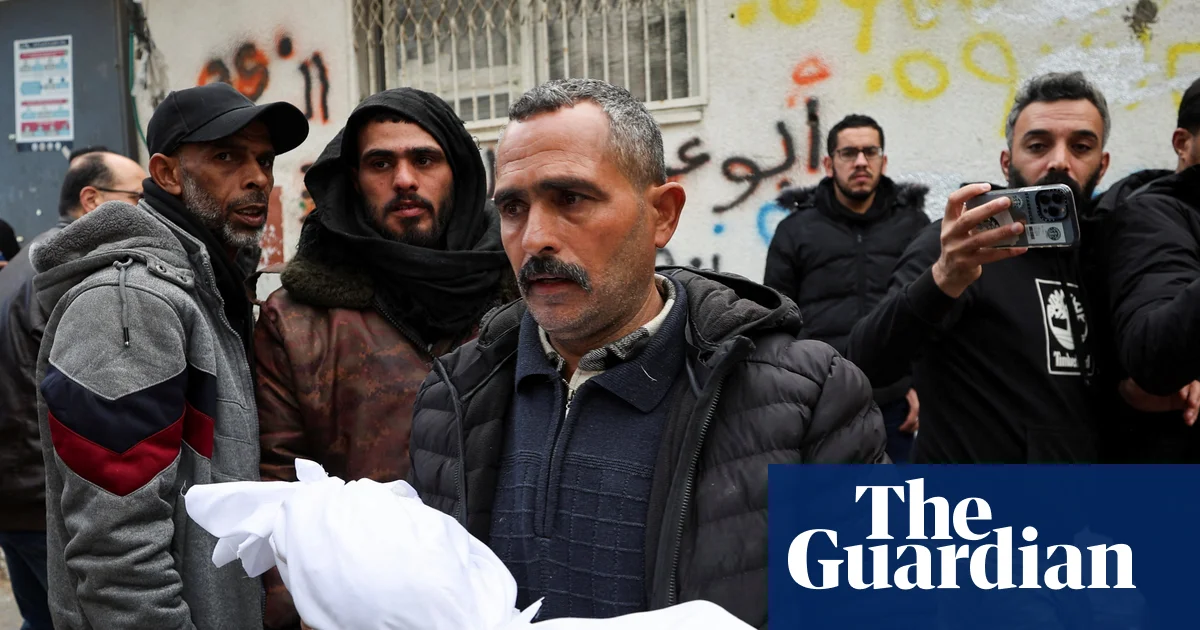
The Gaza Strip has once again become a battleground after recent Israeli strikes resulted in the deaths of at least 25 Palestinians. The Hamas-run health ministry reports that the devastation has struck multiple locations across Gaza, with a particularly tragic attack on a religious endowments building in the eastern Zeitoun neighbourhood, which claimed ten lives, including a woman and a young girl. The strikes, which involved air, drone, and artillery fire, mark a stark escalation in violence after days of relative calm. As images of rubble and fallen children circulate worldwide, the international community faces the grim reality that the ongoing conflict is far from over.

According to Hamas, the escalation was triggered when Israeli forces responded to gunfire from militants in Khan Younis, a southern city where Israel accuses militants of violating the five-week ceasefire agreement. The Israeli military justified its actions by claiming it struck “Hamas terrorist targets,” targeting commanders within the terror organization’s military wing, the Izz al-Din al-Qassam Brigades. Yet, the geopolitical impact of this renewed violence extends beyond Gaza, threatening to destabilize a fragile regional situation. Analysts warn that the cycle of retaliation risks engulfing neighboring states and complicates prospects for a lasting peace agreement. The international community, led by the United Nations, remains divided—while some members endorse specific peace initiatives, others warn that ongoing violence only deepens the already entrenched divisions.

In the wake of this violence, the United Nations Security Council passed a resolution aimed at stabilizing the region. This resolution endorses US President Donald Trump’s recent Gaza peace plan, which envisions the creation of a transitional governance body called the Board of Peace and a temporary International Stabilisation Force. The proclaimed goal is to “demilitarize the Gaza Strip” and pave the way for peace. President Trump hailed the resolution as “a moment of true historic proportion”, framing it as a breakthrough. However, Hamas remains resolute, emphasizing that it will only relinquish its weapons if a Palestinian state is established, framing the conflict as a legitimate act of “resistance” against occupation. Meanwhile, Israel’s ambassador to the UN warns that disarmament is non-negotiable, promising that Israel “will not stop or let up” until Hamas is disarmed entirely. The ongoing hostilities underscore how decisions made in international corridors can have real, devastating consequences on the ground.

The recent flare-up comes against a backdrop of profound loss: over 69,500 lives have been lost in Gaza since the Israeli offensive began, with hundreds more killed in the recent ceasefire period. The Israeli response was triggered by the Hamas-led attack on southern Israel that resulted in approximately 1,200 deaths and over 250 individuals taken hostage. These events underscore the deep-rooted hostility and unresolved grievances that continue to fuel violence. How history judges these decisions—whether as necessary defense or unjust escalation—will shape the future of the region and its people for decades to come.

As the conflict in Gaza persists, the weight of history presses heavily on the present, with each new escalation threatening to plunge the region into yet another cycle of destruction. With global powers divided and regional actors entrenched, the international community faces an urgent choice: pursue diplomatic pathways to peace or witness the ongoing tragedy unfold, chapter by chapter. The unfolding story—the fight for sovereignty, survival, and security—reminds the world that history remains unfinished, and the decisions of today will ripple through generations to come.

Netherlands pushes ahead with plan to block imports from illegal Israeli settlements

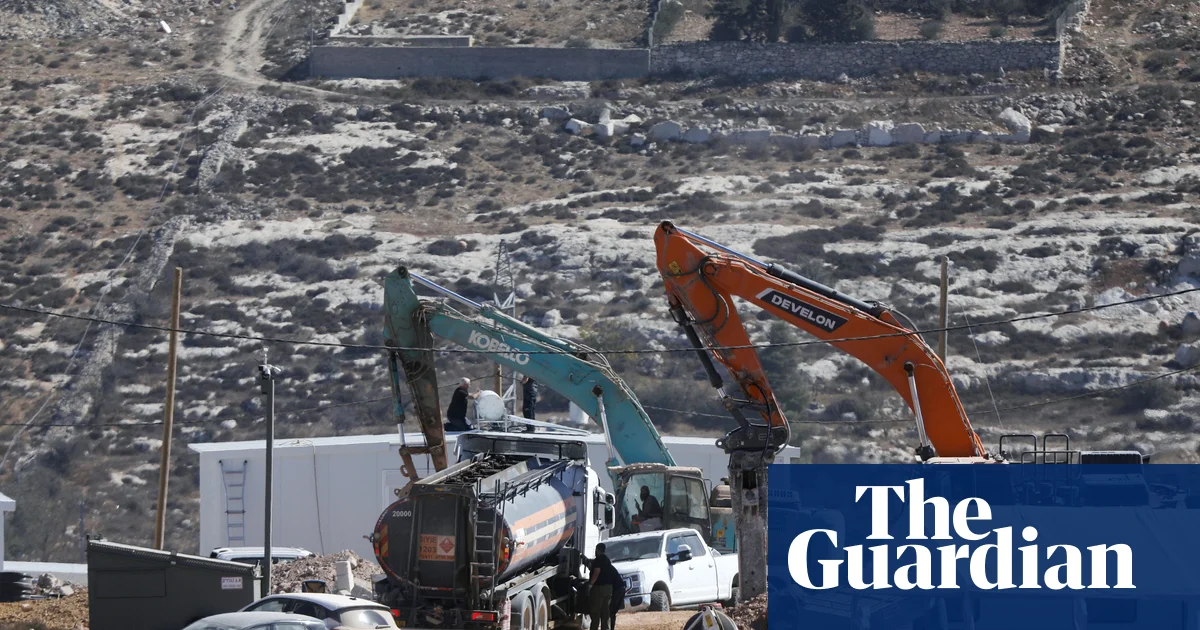
The European Union is witnessing a pivotal moment in its approach to the ongoing tensions in Palestine, as a coalition of European nations takes decisive steps to recalibrate their engagement with Israel. Historically a close ally of Tel Aviv, the EU now faces mounting pressure from its own member states—led by Netherlands—to implement targeted sanctions over the expansion of illegal settlements in the occupied West Bank. This shift signals a broader re-evaluation of European foreign policy, driven by the grim reality of escalating violence and a contentious debate over international law. The recent wave of legislative proposals and diplomatic actions underscores a deeper concern: how to balance economic interests with moral responsibility in a region teetering on the brink of irreversible conflict.

In May, the Netherlands, one of Israel’s most enduring European supporters, made a historic move by launching a comprehensive review of the EU-Israel association agreement. This agreement, which underpins tariff-free trade and Israel’s participation in key research programs like Horizon Europe, is now under threat as evidence mounts of violations of human rights obligations—highlighted by the International Court of Justice and numerous human rights organizations. Analysts from institutions such as the European Council on Foreign Relations warn that the EU’s leverage over Israel—representing approximately one-third of its global trade—has historically been underutilized. Now, with a push for sanctions including trade bans with settlement zones and restrictions on diplomatic functions, Europe may finally leverage its economic influence to deliver a political message: impunity for illegal occupation cannot continue unabated.

The growing internal dissent within Israel is also evident as the Knesset advances legislation that could effectively annex parts of the West Bank, in defiance of international consensus. Recent reports indicate an increase in attacks on Palestinian civilians—averaging eight daily incidents—including assaults on property, agriculture, and lives, with those percussive figures likely understated due to unreported cases. Israeli political factions demanding formal annexation, combined with aggressive settlement expansion, threaten the very viability of a peace process promised by international diplomacy. Such actions are raising fears among analysts that the two-state solution is slipping beyond reach, risking a permanent bifurcation that could destabilize the region for generations.

As global institutions and international lawmakers debate the future of Palestine, the geopolitical landscape is shifting. The European Union stands at a crossroads: sustain its historic commitments to dialogue and human rights, or wield its economic might to confront violations head-on.

  • The suspension of Israel’s access to Horizon Europe and potential sanctions on senior ministers embodies a new stance—one that emphasizes accountability.
  • Calls for total trade bans with settlement zones aim to send a clear, unwavering message—business as usual is over.

As diplomats and analysts grapple with the repercussions of these policies, the weight of history presses heavily upon the horizon. The decisions made today could reshape the geopolitics of the Middle East, determining whether peace can ever be achieved or whether the region plunges further into a cycle of conflict and unaccountable violence. In this fragile moment, the world watches, uncertain if diplomacy will prevail or if the weight of inaction will forge a future scarred by the echoes of unresolved conflict.

Israeli Airstrikes in Gaza Kill 104 Amid Hamas's Assault on Soldier
Israeli Airstrikes in Gaza Kill 104 Amid Hamas’s Assault on Soldier

Geopolitical Tensions Escalate in Gaza: A Turning Point for Middle East Stability

The recent wave of intensified Israeli military strikes in Gaza underscores a critical juncture in the ongoing Middle Eastern conflict, with far-reaching geopolitical implications that could reshape regional alliances and global diplomacy. According to Gaza’s Hamas-run health ministry, at least 104 Palestinians have been killed in just one night of Israeli airstrikes, targeting homes, schools, and vital infrastructure across Gaza City, Beit Lahia, Khan Younis, and surrounding areas. Witnesses report seeing “pillars of fire and smoke” rising into the air as explosions ripple through densely populated neighborhoods, highlighting the devastating human toll of this renewed violence. Analysts warn that such escalation risks igniting a broader regional conflagration, drawing in neighboring countries and international superpowers into a dangerous cycle of retaliation and hardened positions.

The Israeli Defense Forces (IDF) claims its strikes are retaliation, targeting “dozens of terror targets and terrorists,” including proclaimed battalion commanders. Yet, the distinction between military objectives and civilian casualties has become increasingly blurred. The death toll includes children, women, and innocent civilians caught in the crossfire — a tragic reflection of the heightened tensions. Israeli Prime Minister Benjamin Netanyahu has ordered a “forceful response,” accusing Hamas of breaching ceasefire terms and endangering regional stability. This decision to escalate military operations has been met with condemnation and concern from international observers, including the United Nations, which warns of a possible humanitarian catastrophe if tearing further into Gaza’s densely populated enclave continues unchecked. Furthermore, the death of an Israeli reservist soldier in a cross-border attack has served as a stark reminder that the fragile ceasefire, brokered by the US, Egypt, Qatar, and Turkey, remains perilously fragile. The unfolding developments suggest that the potential for a return to full-scale hostilities remains dangerously high, threatening to undo over a month of diplomatic attempts at stability.

Adding to the complexity, both sides have accused each other of violating the ceasefire deal. Hamas denies involvement in the attack that resulted in Israeli casualties, asserting their commitment to the peace agreement and condemning Israeli “fascist” bombings. Conversely, Israel alleges Hamas has staged a “fake recovery” of bodies to manipulate perceptions and stall negotiations. The International Committee of the Red Cross (ICRC) condemned these staged activities, emphasizing their role as neutral intermediaries and warning that such falsehoods undermine crucial progress. This fragile trust, once considered a cornerstone for the peace process, now teeters on the brink of collapse, with families anxiously awaiting news of loved ones while the specter of full-scale war looms larger.

The recent developments also shed light on the broader international response. President Donald Trump, on board Air Force One, reiterated that “nothing” would jeopardize the ceasefire and urged Israel to “hit back” when necessary. His comments reflect a pattern of cautious engagement from the US, which continues to walk a tightrope between supporting Israel’s security and averting a wider conflict that could destabilize the entire Middle East. Meanwhile, skepticism remains among experts and historians about the long-term efficacy of current diplomatic efforts, with many warning that without a comprehensive resolution addressing underlying grievances, this cycle of violence could escalate into a regional crisis with unpredictable consequences. Analysts like Prof. Michael Oren caution that the current scenario, marked by stubborn denial and layered accusations, risks leaving behind a scorched landscape of broken promises and lost lives — a fallout for which entire societies will bear the scars for generations.

As the dust settles over Gaza, and the world watches with bated breath, the deepening conflict acts as a stark reminder that history continues to be written in moments of crisis. The choices made today—whether through diplomacy or destruction—will resonate across decades, shaping the contours of peace or war in the Middle East. In this relentless tide of violence and diplomacy, the question remains: will the pursuit of fleeting stability overshadow the urgent need for a just and lasting peace, or will the events of today be remembered as the beginning of a darker chapter in human history?

Israeli strikes in Gaza overnight kill 60+, risking fragile ceasefire

The recent escalation of violence in Gaza marks a concerning turning point in the ongoing Israeli-Palestinian conflict, exposing the fragile veneer of the current ceasefire brokered by United States diplomacy. Overnight, Israel launched a series of airstrikes that claimed at least 60 Palestinian lives, including 22 children, and injured around 200 others. These deadly attacks come amid mounting tensions following a firefight between militants and Israeli forces, as well as controversy over the handling of hostage remains, which has further inflamed regional hostility. According to Gaza’s civil defense agency, the airstrikes targeted civilian infrastructure, including homes, tents for displaced persons, and hospital complexes, deepening fears of a wider humanitarian catastrophe. These strikes demonstrate how, even with international agreements in place, the underlying issues—such as the return of hostages and disarmament—remain unresolved and dangerously volatile.

The ceasefire, initially established on 10 October, has been marred by repeated violations, with Gaza’s media reporting at least 80 breaches, resulting in nearly 100 Palestinian fatalities and hundreds of injuries. Historians and analysts have underscored that such fragile agreements rarely hold in the face of entrenched grievances and strategic interests. Experts warn that these recurrent violations threaten to unravel the broader peace process, risking renewed full-scale conflict. The controversy over Hamas’s handling of remains—exchanging the bodies of hostages for Palestinian prisoners—has become a flashpoint, with the militant group denying responsibility for recent violence and asserting difficulties in locating all the bodies. The conflict over bodies, along with unresolved issues of disarmament of Hamas’ weaponry, underscores how combatant agendas and complex local dynamics continue to hinder diplomatic progress.

Meanwhile, U.S. President Donald Trump reaffirmed his stance on maintaining the ceasefire, insisting that “nothing” would jeopardize the agreement. Yet, his calls for Israel to “hit back” in response to casualties reflect a broader divergence in regional leadership perspectives. Conversely, in Israel, far-right ministers like Itamar Ben-Gvir and Bezalel Smotrich are clamoring for a return to full-scale military operations, emphasizing the deepening divide within Israeli politics over how to approach Hamas and the ongoing occupation of Palestinian territories. The Israeli military has not yet disclosed the full scale of recent operations, but their recent statement suggests preparations for potential escalation. Such internal disagreements and international pressure highlight the risks of diplomatic paralysis and the potential for regional escalation, profoundly impacting geopolitical stability.

The international community, including the United Nations, has expressed concern over the mounting violence, with critics warning that failing diplomacy could lead to a broader conflict with devastating consequences for civilians on both sides. As Hamas’s chief negotiator Khalil al-Hayya suggested, their weapons are tied to the “existence of occupation and aggression”—a statement pointing to a deeper, unresolved conflict rooted in decades of opposition to Israeli policies and military dominance. The question remains whether the unresolved issues of disarmament, prisoner exchanges, and the future governance of Gaza will be addressed amidst escalating violence or escalate into a new chapter of tragedy. History’s relentless march demonstrates that failed peace agreements often leave societies scarred and international stability in jeopardy, making this moment a critical juncture where the weight of history presses heavily on the present.

UN peacekeepers in Lebanon shoot down Israeli drone—hope for stability amid tension

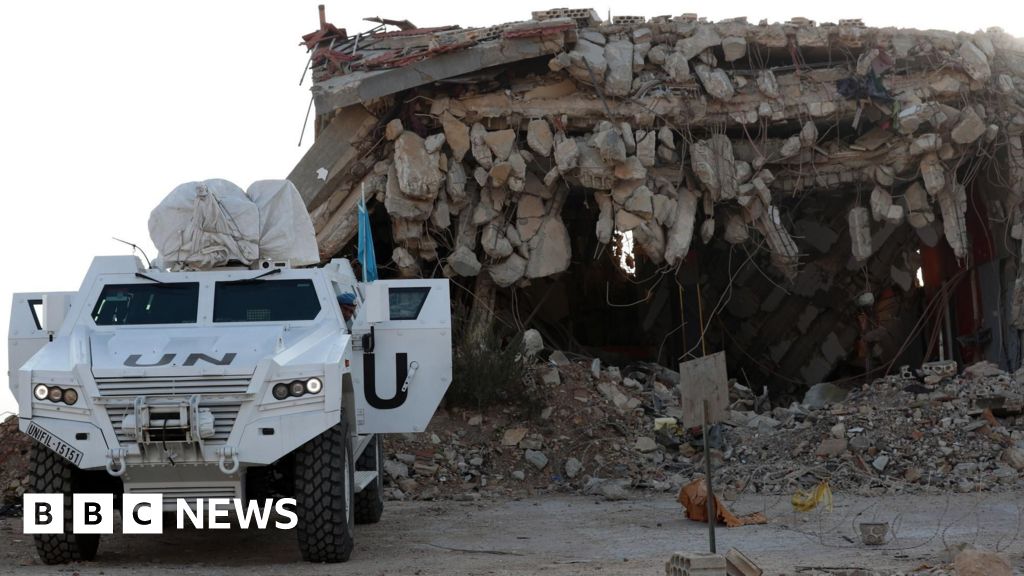
The United Nations Interim Forces in Lebanon (Unifil) recently engaged in an unprecedented military action, shooting down an Israeli drone operating near the border town of Kfar Kila. This event marks a rare occurrence, highlighting the escalating tension along the historically volatile Israel-Lebanon border. According to Unifil, the drone was flying in an “aggressive manner,” prompting peacekeepers to take defensive measures. Contrasting the UN’s account, the Israeli military insists the drone was merely conducting “routine intelligence-gathering,” raising questions about the true nature of these incursions. The incident further underscores how fragile the recent ceasefire remains, with violence quickly rekindling despite international promises of peace.

Analysis from military experts and historians suggests that the latest flare-up is symptomatic of a broader, failed diplomacy. Despite a formal ceasefire that took hold last November after the devastating conflict involving Hezbollah and Israel, tensions along the border persist. Israel continues to carry out air strikes and drone operations targeting what it claims are Hezbollah’s rearming efforts. Meanwhile, Lebanon and international bodies, including the UN, condemn these actions as violations of sovereignty and breaches of the ceasefire agreement. Such conflicts threaten to unravel the fragile stability in the region, with critics warning that ignoring international law risks a larger, more destructive conflagration.”

The military confrontations and diplomatic efforts are unfolding amidst a region teetering on the brink of renewed war. The latest incidents saw Israeli forces drop grenades and fire at UN peacekeeping assets, actions that have been characterized as provocative and unjustified. The UN’s silence on these escalations only fuels speculation about whether international organizations are genuinely capable of mediating the increasingly complex geopolitical landscape or are simply watching as history repeats itself. As U.S. and French-led diplomatic teams convene again to restore peace, many analysts emphasize that the underlying issues—such as Hezbollah’s refusal to disarm and Lebanese sovereignty—remain unresolved, making any diplomatic momentum fragile and temporary.

In this high-stakes environment, how nations choose to navigate the next few weeks will determine the future of Lebanon and the entire Eastern Mediterranean basin. The recent events, including the downing of the drone and subsequent military responses, exemplify the delicate balance of power, where international diplomacy is underpinned by fierce local rivalries and unresolved conflicts. Prominent voices like historians and geopolitical analysts warn that failure to address these issues decisively could plunge the region into renewed chaos, with adverse consequences for stability and security. As the world watches, history continues to unfold, shaped by decisions made in war rooms and diplomatic halls—decisions that will echo through generations to come, determining whether the region plunges into a new era of conflict or moves towards genuine, lasting peace.

Vance and Rubio Slam Israeli Parliament’s West Bank Annexation Vote

The recent actions within Israel’s parliament have ignited a new wave of diplomatic tension that could reshape the Middle East’s fragile landscape. On Wednesday, far-right factions in the Knesset advanced a bill that grants preliminary approval for applying Israeli law in the occupied West Bank. This territory, captured during the 1967 Six-Day War, is home to approximately 700,000 Jewish settlers amidst a Palestinian population of roughly 3.3 million. International law, supported by an advisory opinion from the International Court of Justice last year, deem settlements illegal—yet Israel continues to bolster its presence, constructing about 160 settlements to date. The bill’s passage, with a narrow 25–24 vote, signals a potential shift in the longstanding policy of maintaining the status quo, a move that critics warn could ignite renewed regional instability.

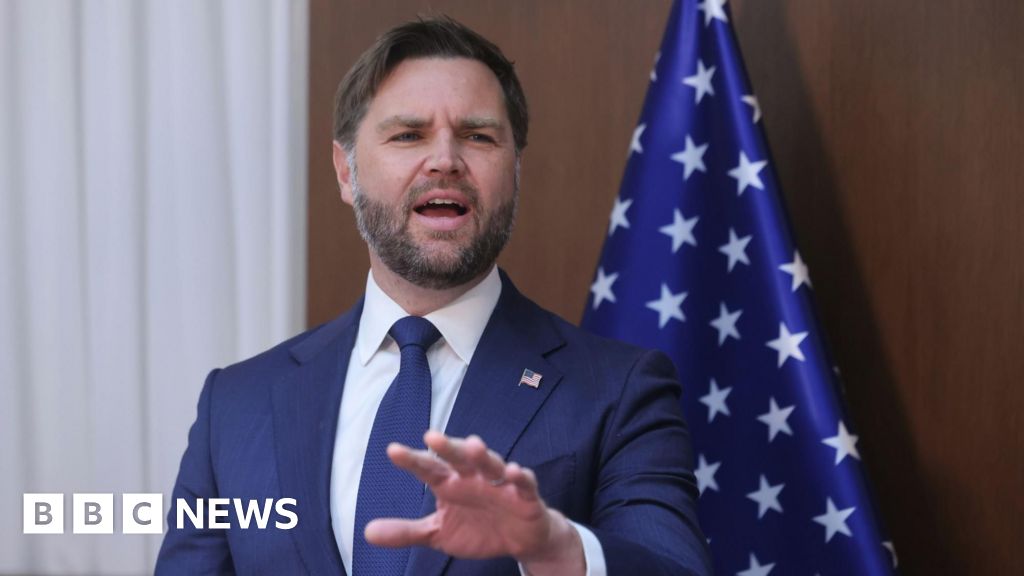
Global reaction has been swift and unequivocal, especially from the United States. Vice President JD Vance dismissed the bill as a “very stupid political stunt,” underscoring that the move undermines prospects for peace. Secretary of State Marco Rubio also cautioned that annexation could jeopardize President Donald Trump’s efforts to broker peace in Gaza, aligning with the broader U.S. stance against unilateral territorial changes in the West Bank. The U.S. role, perceived by many as Israel’s most vital diplomatic shield, remains pivotal. It highlights how American influence continues to shape the geopolitical balance—where every decision by Israel carries the potential to destabilize or bolster regional security. The stark warnings from Washington reflect the understanding that a shift in control over the West Bank would ripple across borders, potentially reigniting conflicts that have simmered for decades.

Meanwhile, Israel’s Prime Minister Benjamin Netanyahu characterized the bill as a “deliberate political provocation,” emphasizing that his government does not support immediate annexation, citing existing U.S. policy that opposes such measures. Despite ultra-nationalist factions within the coalition pushing for outright annexation, Netanyahu’s cautious stance reveals an attempt to balance domestic factions with international diplomacy. However, the move has drawn sharp criticism from the Palestinian Foreign Ministry, which condemned the bill as a violation of their aspirations for sovereignty. The geopolitical consequences of this maneuver could punctuate the ongoing conflict, possibly pushing the prospects for a comprehensive resolution further out of reach, while intensifying the rhetoric surrounding Israeli-Palestinian tensions.

As the international community watches uneasily, the echoes of history resound—reminding us that bold moves often precipitate deeper chaos. The Middle East remains at a critical juncture, where every decision not only shapes the future of millions but also influences the global balance of power. With the United Nations and other international watchdogs sounding alarms, the possibility of longstanding peace slipping into further disorder underscores a sobering truth: as history unfolds in the corridors of power, the world teeters on the precipice of change that will define generations to come. The question remains—how much longer can the ticking clock of diplomacy hold against the drums of conflict?

Trump announces promising new chapter for Middle East during Israeli parliament speech

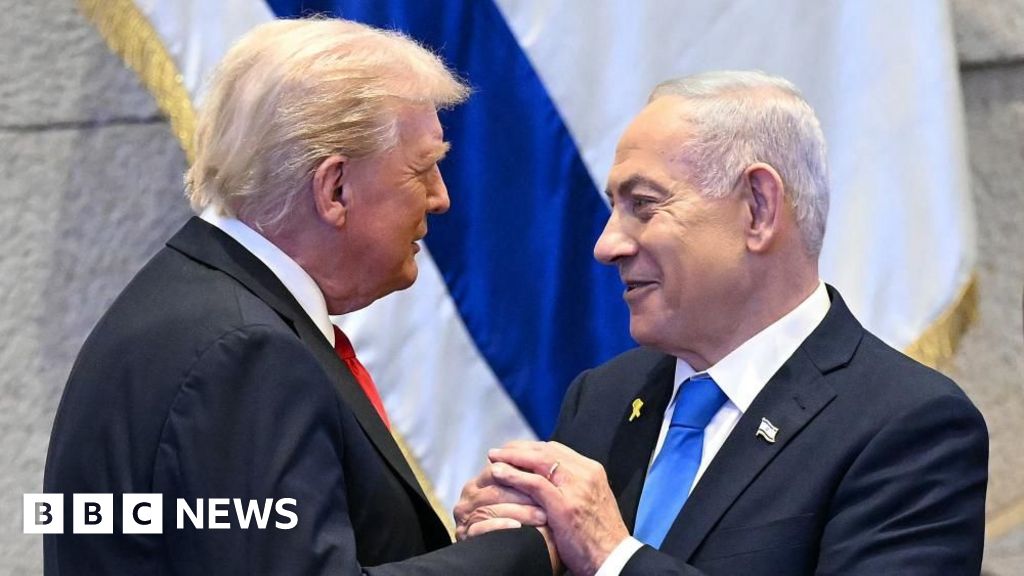
In a remarkable turn of events, President Donald Trump emerged as a central figure in shaping the recent developments in the Middle East. His visit to Israel and subsequent declaration that “the war is over” in Gaza signals an unprecedented diplomatic shift after over two years of brutal conflict. Trump’s role in brokering a ceasefire between Israel and Hamas not only underscores his influence but also sets the stage for a potential reconfiguration of regional alliances. His assertion that this marks the “start of a new Middle East” underscores the geopolitical stakes involved—an era where the influence of the US might return to a more assertive, peace-promoting posture, or so the narrative suggests.

  • Trump’s participation in a peace summit alongside Egyptian President Abdel Fattah al-Sisi and other world leaders emphasizes the scaling of US engagement into a broader regional diplomacy. His presentation at the Knesset, where he was hailed as “the greatest friend Israel ever had,” reflects not only his personal diplomacy but potentially a larger strategic aim: consolidating anti-Iranian alliances and strengthening Israel’s security narrative. Many analysts, including historians tracking US foreign-policy shifts, warn that such moves could recalibrate traditional regional balances, possibly sidelining factions opposed to peace accords or regional stability.

But beneath the jubilant rhetoric lies the complex, often fragile fabric of international diplomacy. Trump’s claims of having secured the release of the last 20 hostages and facilitating the initial stages of peace through a 20-point plan represent highly delicate diplomatic achievements. While some world organizations have celebrated these breakthroughs, critics underscore the *precariousness* of the ceasefire, emphasizing that “the next phases are yet to be negotiated.” This underscores a crucial point: lasting peace depends on sustained commitment and regional cooperation, factors that historically prove difficult to maintain in such a volatile landscape. International security analysts warn that these “initial successes” may not symbolize the end of hostilities but rather a brief pause in a larger, unresolved conflict that could reignite at any moment.

The decision by Israel to release 250 Palestinian prisoners, alongside the withdrawal of over 1,700 detainees, signals a recognition of the importance of confidence-building measures. Yet, it also raises questions about the broader geopolitical impact—how will these gestures influence the long-term prospects for peace, and what are the implications for Palestinian societal stability? Historians like Rashid Khalidi and analysts from institutions such as the United Nations argue that such gestures, while significant, cannot substitute comprehensive solutions rooted in justice and territorial sovereignty. As the world watches the region’s fragile ceasefire, the question remains: how lasting can a peace that emerges amidst geopolitical expediency truly be? The potential for upheaval hangs over the process, with many considering the current developments as merely a chapter—an echo of a still-unfolding saga that will shape history’s judgment.»

As the shadows of this historic moment deepen, one cannot ignore the enduring weight of history still unmade. The corridors of power whisper of a new dawn, yet beneath these bright promises lie the enduring scars of centuries of conflict. The geopolitical calculus pivoting around Jerusalem and the wider Middle East teeters on a knife’s edge. Will this be the start of a genuine era of peace, or merely a respite before the storm resumes? The unfolding narrative remains a reminder that, in the chess game of nations, every move echoes through history, and often, it is the silent, unseen forces that hold the greatest sway over the destiny of peoples.

Gaza Ceasefire Live: Israeli Hostages to Be Freed Amid Trump’s Bold Call for 'War's End' — Trump Heads to Middle East
Gaza Ceasefire Live: Israeli Hostages to Be Freed Amid Trump’s Bold Call for ‘War’s End’ — Trump Heads to Middle East

The recent developments surrounding the ceasefire agreement in Gaza mark a pivotal moment on the international stage, poised to reshape the geopolitics of the Middle East. With mediating nations set to sign a binding guarantee in Egypt during an unprecedented summit, the world watches as several key players attempt to forge a fragile path toward peace amid ongoing conflict. Notably, the countries involved—namely the US, Egypt, Qatar, and likely Turkey—highlight the collective effort to stabilize a region historically plagued by instability. This diplomatic choreography underscores the significance of international cooperation, especially as all eyes are now fixed on how these decisions will influence societal shifts across affected nations.

At the heart of the diplomatic surge lies the unfolding drama in Israel, where Prime Minister Benjamin Netanyahu has publicly acknowledged the delicate hope for a new beginning. Yet, underlying this outward optimism are warnings from analysts and historians who caution about the entrenched security challenges that persist. As the ceasefire holds, experts warn that the campaign against militant factions remains far from over. Meanwhile, Donald Trump has left the US for the Middle East, claiming “the war is over” as he boards Air Force One to address the Knesset, further emphasizing U.S. involvement—an intervention that has historically influenced the balance of power in the region for decades. Such moves inevitably stir debates about external influence and sovereignty, affecting societal perceptions worldwide about interventionism, national security, and the prospects of lasting peace.

The human toll of this ongoing conflict remains staggering, with the Gaza health ministry reporting at least 67,806 Palestinians killed and over 170,000 injured since October 2023. The civilian casualties, many of whom are women and children, spotlight the devastating human cost that fuels global concern and complicates diplomatic negotiations. Meanwhile, aid agencies are rushing supplies into Gaza, in line with the ceasefire terms, to quell the humanitarian crisis. But the real geopolitical impact extends beyond immediate relief—these humanitarian efforts are often intertwined with political agendas, influencing international perceptions and, potentially, future resolutions. As Palestinians return to Gaza City amidst widespread destruction, the societal fabric of the region faces a long road toward rehabilitation and reconciliation, with each political act echoing through the battered streets and shattered lives.

In this complex tableau of diplomacy and warfare, the forthcoming peace summit in Sharm el-Sheikh becomes more than just a meeting—it is a defining moment that could pivot the entire narrative of the Middle East. Attended by leaders from more than 20 countries, it aims to seal a lasting ceasefire and set the stage for rebuilding. Yet, skepticism persists among analysts who observe that, historically, such summits often fall short of their lofty promises. As the region waits, and societies brace for uncertainties ahead, the unfolding story remains a testament to the perilous dance of diplomacy, the persistent shadows of conflict, and the weight of history that will decide whether this chapter marks a true turning point or a temporary pause on an unresolved crisis. The struggle for peace, after all, is a marathon—not a sprint—and the world must remain vigilant as history continues to unfold its decisive final acts.

Gaza Ceasefire Update: Aid Flows Increase as Hamas Agrees to Release Israeli Hostages Monday Morning

In an unexpected turn of events, Hamas has confirmed it will commence the release of Israeli hostages held in Gaza early Monday morning, marking a significant moment amidst ongoing regional tensions. This development comes as part of a broader ceasefire agreement brokered by a coalition of influential international actors, including the United States, Qatar, Egypt, and Turkey. According to Hamas officials, the prisoner exchange will see the release of twenty Israeli captives in exchange for nearly 2,000 Palestinian prisoners, signaling a potential suspension of hostilities that have lasted for over two years.

The agreement, which Israel’s military claims to have fulfilled its first phase of withdrawal from Gaza, reflects a critical *turning point* in an otherwise tumultuous landscape. Under the ceasefire’s terms, Hamas has until noon Monday local time to release the captives, an act that scholars and analysts see as both a humanitarian step and a calculated political maneuver. This pause in violence is being watched intensely by global leaders and international organizations, with the United Nations warning that such pauses carry the risk of temporary relief but must be followed by sustainable peace efforts. The upcoming summit in Sharm el-Sheikh, chaired by Donald Trump and Abdel Fattah al-Sisi, aims explicitly to “end the war in Gaza” and “usher in a new era of regional stability.” These diplomatic efforts underscore a geopolitical landscape where regional powers recognize that the status quo must evolve, for the sake of both nations and societies.

Amid these negotiations, humanitarian aid is beginning to surge into Gaza, which has endured catastrophic destruction and widespread starvation as a consequence of blockade and relentless Israeli strikes. Aid trucks have arrived at the Rafah border crossing with Egypt, with plans to inject approximately 600 truckloads of food and medical supplies daily — a crucial relief in a region suffering from famine and disease. As aid begins to flow, the international community assesses whether this temporary ceasefire will lead to a lasting peace or merely a respite in a broader conflict. Experts warn that such fragile agreements must be closely monitored, as history has shown that ceasefires can often be manipulated or broken, leading to renewed violence that threatens regional stability.

This fragility is further exemplified by the complex dynamics of prisoner releases, particularly involving high-profile figures like Marwan Barghouti and Ahmad Saadat. While Israel plans to release approximately 2,000 Palestinians, **Benjamin Netanyahu**’s government has refused to free Barghouti, a charismatic leader seen by many Palestinians as a future successor to Mahmoud Abbas. His continued imprisonment highlights persistent divisions and the ongoing struggle for Palestinian leadership figures who symbolize resistance and potential sovereignty. The fate of long-serving prisoners like Saadat, a leader of the Popular Front for the Liberation of Palestine, continues to be a contentious issue, reflecting the deep-rooted political and ideological splits that shape the broader conflict.

Analysts and international security experts emphasize that these developments, while momentous, do not guarantee long-term peace. Historians warn that profound geopolitical shifts hinge on decisions made in these high-stakes negotiations, which will reverberate across continents and generations. The decisions taken now will determine whether the region steps toward sustainable peace or plunges deeper into chaos. The unseen shadows of past failures and the weight of unresolved grievances threaten to undo fragile agreements, as history reminds us that in the grand theatre of Middle East diplomacy, the echoes of recent decisions forge the contours of the future — a future still shrouded in uncertainty, where the echoes of past conflicts continue to define the lives of millions. As the world’s eyes turn toward Gaza and the Red Sea resort of Sharm el-Sheikh, the true extent of history’s next chapter remains unwritten, waiting to be shaped in the crucible of diplomacy or chaos.

Gaza Ceasefire Talks Under Way as Israeli Airstrikes Persist Amid Egypt Negotiations

Gaza Conflict and the Shifting Geopolitical Landscape: A New Chapter Unfolds

The ongoing crisis in Gaza remains a defining moment for international geopolitics. As Israel continues its airstrikes, the diplomatic landscape shifts toward fragile negotiations titled to reshape the Middle East. The recent escalation, marked by relentless Israeli bombardments in Gaza, has seen the death toll rise, with Palestinian news agencies-reporting at least 24 fatalities within 24 hours, and several others wounded. Despite international pleas—such as from U.S. Secretary of State Marco Rubio urging a halt to military actions to facilitate hostage negotiations—conflict persists with devastating consequences for civilians.

This crisis is not isolated; it is a theater in a complex chess game involving global powers. The US and Egypt are spearheading talks, with the announced indirect negotiations aiming at a ceasefire. These diplomatic efforts are a critical juncture in Middle Eastern history, with analysts warning that the decisions made now will resonate for generations. The involvement of Egyptian President Abdel Fattah al-Sisi, who praised Donald Trump’s proposed peace plan, signifies the shifting alliances. Al-Sisi’s remarks—describing Trump’s initiative as “seeking a ceasefire after years of war, genocide, and suffering”—highlight a rare moment of regional consensus on the potential for peace, albeit fragile and fraught with the specter of wider escalation.

The Trump 20-Point Peace Plan: A Controversial Blueprint for Gaza

  • The plan envisions Gaza as “a de-radicalized terror-free zone” that does not threaten its neighboring states, a stark deviation from the past visions of occupation or annexation.
  • It proposes that Gaza’s population could remain in situ, with those wishing to leave permitted to do so, thus avoiding mass displacement—a contentious point among various political factions.
  • Once hostages—expected to include both living and deceased—are released, the plan advocates the granting of amnesty for Hamas members willing to accept peaceful co-existence, renounce weapons, and disarm—an approach that has drawn both cautious optimism and fierce criticism.
  • Notably, the plan leaves unresolved the future of Palestinian statehood, instead emphasizing “interfaith dialogue” to foster tolerance.

While some, including Israeli Prime Minister Benjamin Netanyahu, have accepted the framework, skeptics warn that the plan’s exclusions—particularly its failure to address Palestinian sovereignty—may undermine its long-term viability. Internationally, voices from analysts such as Kenneth Roth, former head of Human Rights Watch, caution that procedural agreements in such volatile contexts may serve as mere ceasefire placeholders rather than pathways to lasting peace. Meanwhile, opponents argue that “giving a blank check” to Israeli military actions cedes ground to hardline factions seeking maximal territory or dominance.

Global Implications and the Price of Hesitation

The eastward movement of diplomatic efforts underscores a broader geopolitical shift. Countries like Qatar and Egypt, traditionally mediators, find themselves at a crossroads: support for peace plans like Trump’s depends heavily on regional stability and their strategic interests. The involvement of figures like Tony Blair, heading an international board overseeing Gaza’s redevelopment, amplifies the broader role global institutions aim to play in shaping a new Middle East order.

Yet, history demonstrates that such moments are often fleeting and deceptively fragile. As the world looks on, the silent victims—the innocent civilians caught in the crossfire—serve as stark reminders that the path toward peace is perilously narrow. The future of Gaza, and indeed the entire Middle East, remains a delicate balance of diplomacy, power, and unresolved conflict. With each geopolitical move, history’s pen records another chapter—its ink shaped by decisions that will echo through the generations, and its final outcome still unwritten amidst the chaos and hope of a complex war-torn region.

Social Media Auto Publish Powered By : XYZScripts.com