Matox News

Truth Over Trends, always!

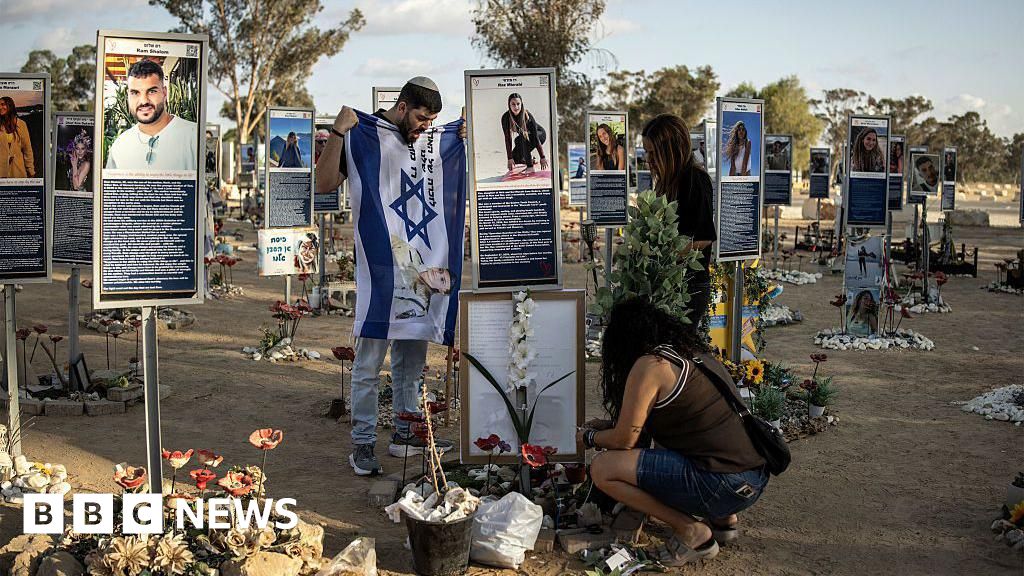
Israelis commemorate 7 October, pushing for Gaza peace talks to move forward

The recent anniversary of the October 7, 2023, Hamas-led attack on Israel underscores a pivotal moment in the ongoing Middle Eastern crisis, which has now entered its second year with devastating consequences. Over 1,200 lives were lost in the initial assault—marked as the deadliest day for Jews since the Holocaust—prompting an unprecedented military response by Israel. The Israeli military’s onslaught on Gaza has resulted in the deaths of more than 67,000 civilians, according to figures from Hamas-controlled health authorities, a grim statistic that echoes through international corridors and is validated by organizations like the UN. As imbued with grief and resolve, Prime Minister Benjamin Netanyahu declared that Israel’s resilience remains unbroken despite the immense pain, vowing to achieve the war’s primary aims: the return of hostages, the eradication of Hamas’s regime, and ensuring Gaza’s inability to threaten Israel again.

  • Amid ongoing bloodshed, Egyptian-mediated negotiations in Sharm el-Sheikh have been a rare glimmer of diplomatic effort, aiming to forge a ceasefire and an end to the violence. However, reports indicate that these talks are “tough” and lacking tangible breakthroughs, with disagreements centered on the Israeli withdrawal from Gaza and the guarantees Hamas seeks against renewed hostilities. The stakes reach far beyond the battlefield, as regional and global actors anxiously watch for signs of de-escalation or escalation.
  • The United Nations and international analysts emphasize the _urgent need_ for a sustainable peace plan, with Trump’s peace initiative being touted as a “historic opportunity.” Yet, the complexities of trust, security, and sovereignty render these diplomatic efforts fragile. The US‘s involvement, alongside Arab mediators and European powers, underscores how this conflict continues to threaten regional stability and influence foreign policy calculations across continents.

Official memorials in Israel were postponed to reflect on the tragedy of 2023, yet communal mourning persists. Across the country, including in Tel Aviv, families and citizens gathered to honor those lost, highlighting a society deeply scarred yet fiercely resilient. Meanwhile, in the diplomatic arena, indirect talks in Egypt reveal a divided front, as disagreements over Gaza’s future governance, the fate of hostages, and the humanitarian crisis persist. Palestinian officials report that negotiations are mired in “tough” disagreements, especially over Israeli troop withdrawals and guarantees against renewed fighting. The involvement of prominent US figures like Jared Kushner suggests a renewed American interest in facilitating a lasting peace—a goal that remains elusive yet critical given the history of broken treaties and promises.

In Gaza, the relentless Israeli bombardment persists amidst dire humanitarian conditions. Hospitals depleted, civilians displaced and desperate, the war’s toll is evident: children buried in rubble, families hiding from the deafening echoes of artillery, and a world watching with tense anticipation. The loss of life, reported by local health authorities and confirmed with difficulty by independent outlets, paints a stark tableau of suffering. As Israel continues its operations and Gaza’s hospitals reach collapse, the international community—particularly European and Arab nations—faces mounting pressure to intervene, prevent further humanitarian catastrophe, and craft an end to this cycle of violence that threatens to redraw the geopolitical map of the Middle East.

As history unfolds, the weight of this moment presses heavily upon all involved. The conflict remains a testament to the tragic consequences of unresolved grievances, failed diplomacy, and radicalized ambitions. The echoes of this harrowing chapter will reverberate through generations, a stark reminder that in the sands of Gaza and the streets of Jerusalem, the quest for peace remains a perilous pursuit—a fragile thread woven through the tapestry of history, where the next chapter is yet unwritten and the world holds its breath for what is to come.
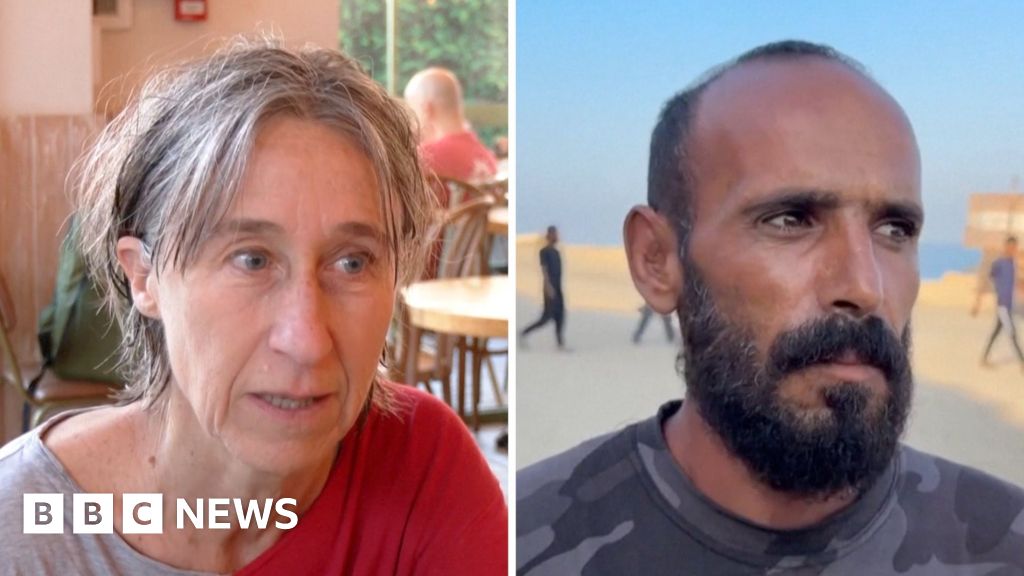

Gazans and Israelis React: Trump’s Plan Sparks Divergent Views

The recent announcement of U.S. President Donald Trump’s peace proposal to resolve the ongoing conflict between Israel and Hamas has sparked a wave of reactions across the Middle East and beyond. The plan, unveiled in coordination with Israeli Prime Minister Benjamin Netanyahu, proposes a transitional governance structure for Gaza—a region long battleground for violence and political upheaval. At its core, this initiative envisions a “board of peace,” headed by Trump himself, to oversee a transitional administration in Gaza, ostensibly paving the way for long-term stability. While some local leaders and international allies have expressed cautious support, the plan also faces heavy skepticism and deep-rooted concerns about its feasibility and implications.

Among the voices converging on this issue, some Israelis interviewed in Jerusalem have voiced guarded optimism, though their doubts remain palpable. They question whether Hamas, after nearly two years of persistent conflict, will genuinely disarm or accept a negotiated settlement. “It’s a step in the right direction,” one Israeli commented at a local café, “but the real challenge is whether Hamas will abide by such agreements. The history of failed peace processes weighs heavily on us.” Conversely, Palestinian residents of Gaza—some displaced by violence—have sounded a different alarm. They ask whether the plan considers their needs or is primarily focused on regional stability. Many express frustration that prior international efforts have overlooked the human toll, especially amid reports suggesting that Trump’s broader diplomatic ambitions might include economic projects, such as resorts, on Palestinian land—an idea that has inflamed tensions and raised questions about whether actual peace is the goal or merely a facade for territorial and economic gains.

This historic shift in diplomacy has drawn mixed reactions from across the geopolitical spectrum. European nations and regional powers such as Egypt and Jordan have expressed qualified support, urging caution and emphasizing the importance of addressing core issues like refugee rights, borders, and Jerusalem’s status. Notably, the European Union and the Arab League have called for comprehensive negotiations, warning that partial solutions could exacerbate existing fractures. International organizations, including the United Nations, have also issued statements stressing the importance of respecting international law and fostering dialogue rooted in mutual recognition and respect. However, critics, including renowned analysts and historians, warn that such high-level interventions risk overlooking the grassroots realities and the deep-seated grievances that fuel the conflict. Their concern is that a superficial diplomatic fix might merely postpone inevitable volatility, with history’s lessons from unresolved conflicts in the Balkans and the Middle East repeatedly cautioning against hasty peace impositions.

Ultimately, the geopolitical impact of this new initiative hinges on how each side perceives its legitimacy and efficacy. Israel views the plan as a potential breakthrough—a possibility to embed a lasting peace after years of instability—while Palestinian factions consider it a threatening capitulation if their core rights are sidestepped. The conflict’s complexity emphasizes that decisions made today will ripple through generations, shaping societies and borders for decades to come. As the international community watches with bated breath, the weight of history hangs in the balance: will this new chapter finally forge a lasting peace, or will it serve as a fleeting pause before the next storm erupts? The story remains unwritten, but the coming days will determine whether hope or despair claims the day.

Social Media Auto Publish Powered By : XYZScripts.com


