Matox News

Truth Over Trends, always!

Tesla Issues Recall for 13,000 Model 3 and Y Vehicles: What Young Drivers Need to Know

The Latest Recall: Tesla’s Ongoing Battle with Vehicle Safety

In what might seem like just another chapter in Tesla’s relentless push to dominate the electric vehicle market, reports from the National Highway Traffic Safety Administration (NHTSA) reveal a significant recall impacting over 13,000 Model 3 and Model Y vehicles manufactured between March and August 2025. While Tesla has previously built its reputation on cutting-edge innovation, this recall underscores an unsettling reality—even the most advanced tech vehicles are vulnerable to critical safety issues.

The problem, as detailed by NHTSA, stems from a glitch in the battery pack contactor, caused by a poor coil termination connection. This can lead to an unexpected loss of propulsion, presenting a clear safety concern for drivers and passengers alike. Interestingly, Tesla’s proactive stance—invoking a voluntary recall—demonstrates the company’s awareness of its societal responsibility, despite the fact that such recalls are not legally mandated. They plan to handle repairs by physically replacing the faulty contactors at service centers; a decision that highlights the importance of tangible safety fixes over mere software updates. As Elon Musk’s brand continues to evolve, this move reflects a broader shift: Tesla is increasingly being scrutinized for safety, transparency, and accountability—elements that resonate with a new generation of consumers who value trust as much as innovation.

Blood, Sweat, and Recalls: The Broader Impact on Culture and Consumer Trust

  • Ongoing safety concerns have cast a shadow over Tesla’s reputation, especially with prior issues involving the Cybertruck, such as the accelerator pedal lodging or exterior panels detaching during driving. These recurrent problems could be fueling a culture of skepticism among younger consumers who idolize the brand’s futuristic image but are increasingly wary of its reliability.
  • Influencers like Jonathon Ramsey and tech analysts point to Tesla’s growth as a double-edged sword—innovation coupled with growing scrutiny could define its future trajectory. Meanwhile, social movements emphasizing safety transparency are shaping how brands are held accountable in the digital age.
  • Yet, amidst these setbacks, Tesla’s ability to address issues head-on might be what preserves its cultural impact. For the youth, Tesla isn’t just a car brand; it symbolizes a movement toward sustainable progress and technological mastery. This intersection of societal ideals and product evolution continues to redefine the automotive lifestyle, transforming it from mere transportation to a statement of identity.

The Future of EVs and the Next Big Question

As Tesla navigates its latest safety hurdles, a compelling question emerges for consumers and industry watchers alike: Will these recurring recalls undermine the brand’s revolutionary standing, or will Tesla’s swift and transparent responses bolster its credibility in the long run? In a world increasingly driven by digital trust and social activism, the way Tesla handles these setbacks might determine whether the brand stays at the forefront of innovation or becomes a cautionary tale in corporate responsibility.

While the headlines focus on technical glitches, the bigger story is about our society’s evolving relationship with technology—how much risk are we willing to accept for the promise of a cleaner, more advanced future, and how will our expectations change as these innovations become more deeply embedded in our daily lives? The next chapter remains unwritten, but one thing is clear: the question of trust and safety will be central to defining the cultural landscape of electric vehicles for years to come.

Louisiana issues warrant for California doctor over mailing abortion pills—state’s crackdown on reproductive rights heats up

Society at a Crossroads: The Impact of Restrictive Abortion Laws on Families and Communities

The ongoing legal battles surrounding abortion access in the United States have revealed deeply rooted societal tensions that extend far beyond the courtroom. Recently, Louisiana has issued a warrant for a California-based doctor accused of mailing abortion pills to residents in a state where virtually all abortions are banned. This development highlights the crumbling boundaries of state authority and underscores how social issues intersect with family life, education, and community stability. The case of Louisiana and other states enforcing strict anti-abortion measures illustrates a broader cultural shift that threatens to fracture the social fabric that holds families and communities together.

At the center of this legal and moral tug-of-war is the question of individual rights versus state restrictions. Sociologists such as Charles Murray have emphasized that when a society imposes rigid controls on personal choices—particularly those as morally charged as reproductive decisions—it risks alienating and stigmatizing families. The recent case of Rosalie Markezich, who decided to keep her pregnancy despite being pressured by her former partner to take abortive drugs, exemplifies how stringent laws and inaccessible healthcare create dangerous situations. Markezich’s account reveals that when women are denied moral agency and access to proper medical consultations, their health and autonomy suffer. Her story resonates as a moral reminder that society’s obligation extends to protecting the rights and safety of individuals, especially vulnerable women caught amid ideological conflicts.

Legal experts and social commentators warn that the escalation of these legal conflicts, with states like Texas and Louisiana actively pursuing or indicting doctors such as Dr. Remy Coeytaux and Dr. Margaret Carpenter, may lead to a fracture in federalism. These ongoing battles threaten to jeopardize the social stability of communities and challenge the moral foundations of American society. On one side, advocates argue that states have the right to define moral boundaries; on the other, defenders contend that the rights of individuals—families and women included—must be safeguarded against state encroachment. The potential for these disputes to reach the Supreme Court signifies a pivotal moment where societal values collide with constitutional principles. What hangs in the balance is not only access to medical care but also the future of community cohesion and the moral health of our society.

As these societal divisions deepen, the question remains: can society reconcile conflicting values while fostering environments where families thrive and communities remain resilient? Many sociologists, like Robert Putnam, warn that social trust erodes when communities are polarized by issues rooted in morality and individual rights. Nonetheless, hope exists in the form of moral resilience and societal reform. The history of social progress demonstrates that through open dialogue, respect for diverse perspectives, and the safeguarding of fundamental rights, communities can forge pathways toward justice, healing, and renewal. Society’s greatest challenge is not the legislation alone but our collective commitment to uphold the dignity of every human life and the moral integrity of the communities we cherish. As society stands at this crossroads, the future hinges on our ability to choose pathways rooted in compassion, respect, and unwavering hope for a society where families are empowered and communities are united by shared moral purpose.

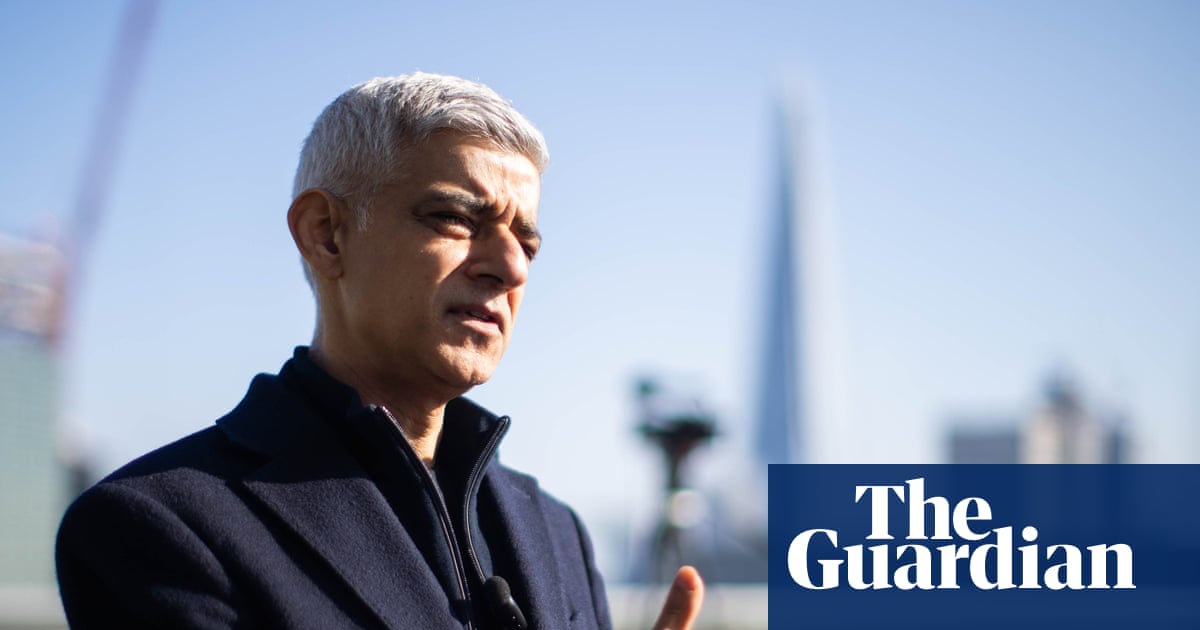
Sadiq Khan Responds to Trump’s Controversial Remarks on Diversity Issues

Power Struggles at the UN: Analyzing the Clash Between Trump and Khan

The recent exchange between Donald Trump, the President of the United States, and Sadiq Khan, the Mayor of London, highlights ongoing power struggles that not only define individual political careers but also shape international relations. In a pointed address at the United Nations General Assembly, Trump labeled Khan as “terrible” and accused the mayor of steering London toward “sharia law.” This sparked a vehement rebuttal from Khan, who described Trump as “racist, sexist, misogynistic, and Islamophobic.” Such rhetorical confrontations exemplify the divisive political landscape both leaders inhabit, raising questions about the impact of national leadership on urban governance.

The fallout from Trump’s comments has galvanized members of the Labour Party, who rushed to defend Khan, emphasizing his role as an advocate for diversity amid growing societal tensions. Health Secretary Wes Streeting labeled Khan a leader who “stands up for difference of background and opinion.” This defense plays into a broader narrative within the party that posits the importance of progressive values against what they deem regressive politics represented by Trump and his supporters. The accusations of racism and Islamophobia are not just mere insults; they are part of a calculated effort to frame the dialogue around inclusivity and acceptance, positioning Khan’s leadership as both a symbol and a product of contemporary multiculturalism.

The implications of this exchange extend far beyond personal animosities; they reveal how political rhetoric affects public perception and policy. As political theorists have often noted, the narratives set by leaders can have a profound effect on the populace. By invoking claims of sharia law, Trump not only incites controversy but also dredges up fears rooted in historical conflicts over cultural integration and sovereignty. Such discussions can lead to tangible shifts in policy, potentially affecting the civil rights and liberties of the populations involved. When mayors like Khan are accused of fostering extremism, it opens the door for legislative changes that may restrict freedoms under the guise of security.

As both figures navigate this highly charged atmosphere, one must ponder the long-term implications of their exchanges. Each statement is a calculated move in a chess game of political strategy, echoing the past struggles of political leaders who once faced similar challenges in their quests for power. The currents of thought and ideology set forth by leaders define the societal landscape, often leading to profound changes in governance and civil rights. In this theater of politics, every confrontation holds the potential to reshape destiny itself. After all, as history has taught us, it is often within these power struggles that the true character of a nation is revealed, with echoes of leaders past guiding the steps of those present. The quest for identity, values, and governance is never merely a personal journey—it is a collective odyssey where the stakes are nothing less than we, the people, and our futures.

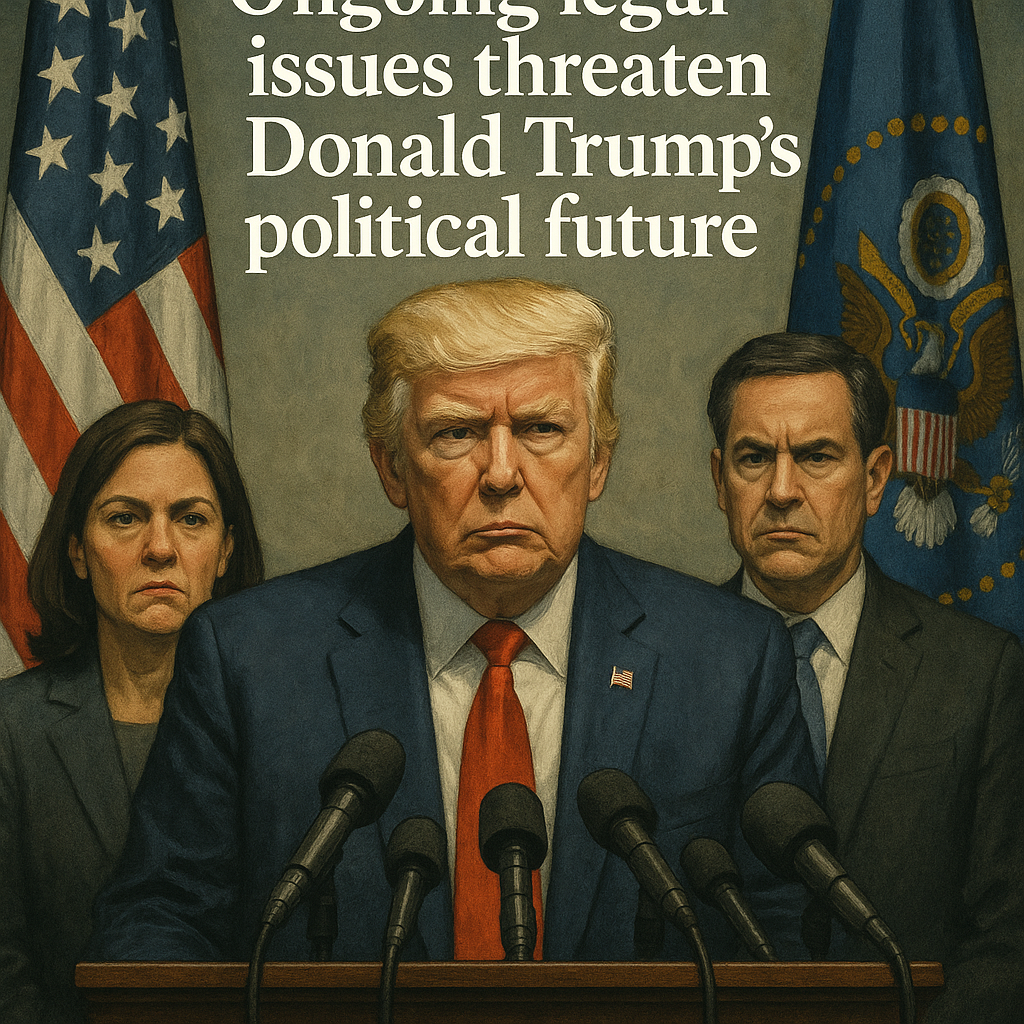
Ongoing legal issues threaten Donald Trump’s political future

In the ever-evolving theater of American politics, former President Donald Trump once again emerges as a central figure, announcing his bid for the White House amid a landscape rife with power struggles, ideological clashes, and constitutional debates. This move signals a potential reset of the Republican Party’s trajectory, emphasizing a return to core conservative principles that have galvanized his base. Yet, it also underscores an intense competition for influence within the party’s future, where who controls the narrative could determine the electoral outcomes and policy directions of the nation.

This renewed campaign-place has starkly illuminated intra-party tensions, highlighting the ideological cleavages among conservatives and libertarians, and the influence of populist rhetoric. Navigating this terrain demands an understanding of the power dynamics at play. Critics argue Trump’s return signals a resistance to the political establishment, a drive to reclaim populist sovereignty rooted in traditionalist values, and an unwavering belief in the notion that the government’s role is to serve the people, not bureaucrats. However, entrenched party elites and mainstream media outlets push back, framing his bid as disruptive — a challenge to the bipartisan consensus that often blurs patriotic priorities with entrenched interests.

Historically, political power struggles have always centered on who controls the levers of influence and how decisions impact the populace. The current landscape echoes the volatile shifts seen during the Gilded Age or the tumultuous 1960s, where the contest for American identity was fought on the battlegrounds of policy, culture, and constitutional authority. Critics of Trump’s campaign highlight the constitutional tension surrounding executive authority, free speech, and election integrity, with some legal scholars raising concerns about the implications of his rhetoric for democratic stability. Yet, his supporters argue that he embodies an authentic voice of frustration among the American electorate—an agent challenging the status quo and reaffirming their belief that politics is about shaping the destiny of a nation.

Echoing the words of political philosopher Lord Acton—“Power tends to corrupt, and absolute power corrupts absolutely”—these battles over influence are not merely about personalities or policies but are strategic chess moves that determine the contours of American sovereignty. Whether Trump’s bid will alter the balance of power, or whether new trajectories emerge from within the party itself, remains uncertain. However, what is clear is that the stage is set for a decisive clash—where every decision, every rally, and every legislative push rewrites the very narrative of the nation’s future. Political destiny, after all, is written in the crucible of conflict, where the true power lies not in the office held, but in the vision for the country’s soul.

Social Media Auto Publish Powered By : XYZScripts.com