Matox News

Truth Over Trends, always!

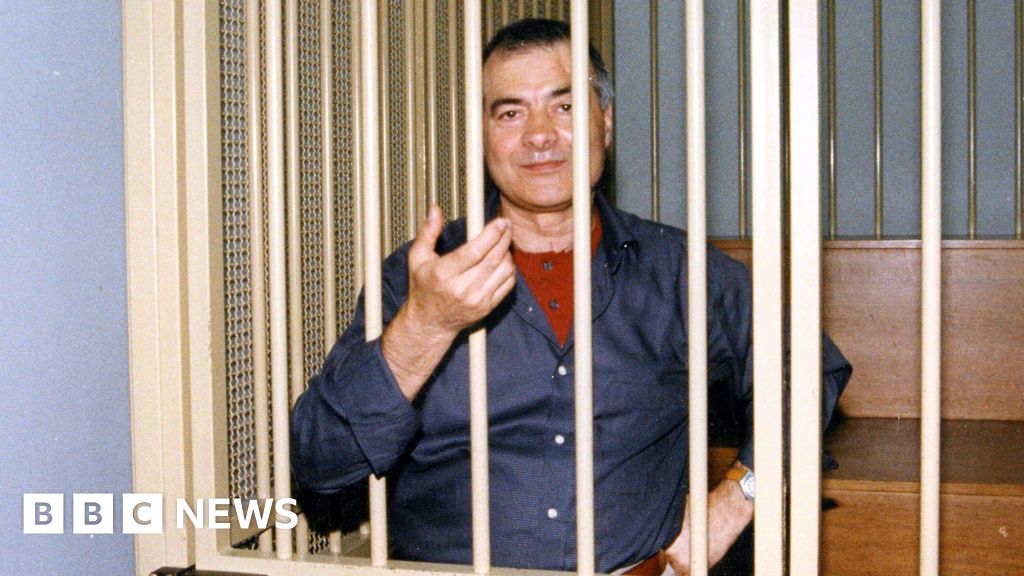
Mafia kingpin linked to deadly Italy murders passes away in Milan jail

In the shadowy world of organized crime, few events have resonated as profoundly as the assassination of Italy’s prominent anti-mafia prosecutor in 1992. The figure behind this brutal act was believed to be “Nitto” Santapaola, a notorious mafia boss associated with the resurgence of the Catania-based Cosa Nostra. This assassination not only marked a pivotal moment in Italy’s long battle against organized crime but also illustrated the dangerous ways in which mafia interests have historically intertwined with broader political and economic spheres across Europe.

Experts and international analysts agree that such targeted killings signaled more than just localized vendettas; they embodied the broader struggle for sovereignty against clandestine criminal influences that threaten the rule of law. The assassination sent shockwaves through Italy and the international community, highlighting the fragility of state institutions in the face of organized crime’s relentless pursuit of influence. The event underscored the importance of unwavering cooperation among international law enforcement agencies and the critical need for comprehensive legal frameworks to combat such pervasive threats.

Within the context of the geopolitics of the early 1990s, this murder became a catalyst for examining the increasing power vacuum lingered by traditional mafia syndicates. As historians note, the crime was not merely a localized act of violence but a reflection of wider shifts within Italy’s political landscape, including the collapse of longstanding political orders and the rise of new criminal alliances that sought to exploit the post-Cold War chaos. The subsequent fallout prompted coordinated efforts among NATO member states and the European Union, emphasizing the need for a unified front against transnational organized crime. Nonetheless, the persistence of mafia influence revealed that the battle for societal sovereignty remains ongoing, often fought through underhanded means and concealed agendas.

The legacy of the 1992 assassination continues to reverberate today, with historians such as Giovanni Falcone and Paolo Borsellino’s deaths serving as enduring symbols of resilience and the peril of unchecked organized crime. International organizations, like INTERPOL and Europol, have intensified their efforts, recognizing the crisis extends far beyond Italy’s borders. Yet, the fundamental question remains: how do nations protect themselves when criminal syndicates operate with institutional impunity and international reach? As we stand on the precipice of future conflicts, where clandestine networks threaten democratic stability from beneath the surface, history compels us to confront the persistent danger lurking within corridors of power and influence.

As the story continues to unfold, the shadow of that fateful day in 1992 looms large—a stark reminder that the battleground for justice persists across borders and generations. The struggle to uphold sovereignty, uphold the rule of law, and combat organized crime is arguably the defining challenge of our era. And as history’s ink is forever inscribed with moments of upheaval and resilience, the world is left to ponder whether the lessons of the past will forge a future where these shadows are finally dispelled, or whether they will continue to threaten the very foundation of civilization itself.

Iranian filmmaker sentenced to jail during US awards trip, highlighting ongoing political tensions

In a world increasingly captivated by the illusions of progress and the relentless march of modernity, culture remains the sacred custodian of identity, tradition, and societal cohesion. It echoes the words of Ortega y Gasset, who observed that a people’s culture is the reflection of their very soul — an intricate tapestry woven from history, art, and shared narratives that define who they are. Today, as global influences threaten to drown out local traditions, this truth has never been more vital. It is in our cultural expressions — our films, our literature, our music — that we find the essence of our collective memory, anchoring us amidst the chaos of rapid change and moral relativism.

Yet, this guardianship of cultural identity comes with its sacrifices. The story of Jafar Panahi, the renowned Iranian filmmaker, is a testament to how deeply culture is intertwined with the struggle for truth and integrity. Panahi’s work—born from a desire to depict reality free from oppressive censorship—transcends borders, recognizing that art’s highest calling is to uphold the dignity of human experience. His recent win at the Gotham Awards, amid the shadow of a prison sentence, symbolizes more than artistic achievement; it signifies a silent, defiant chorus of intellectual resistance. Panahi’s resilience echoes G.K. Chesterton’s assertion that “censorship is the traitor’s weapon, designed to muzzle the voice of the people”. His clandestine filming of It Was Just An Accident, depicting the brutal realities inflicted by authoritarian regimes, exemplifies the profound courage required of those who risk everything for the sake of truth.

Culture, in this context, stands as a formidable bulwark against the erosion of human dignity. It is the moral fabric that sustains a society, offering a mirror to its virtues and vices, its hopes and fears. Through the fearless voices of artists like Panahi and his contemporaries, we are reminded that history is replete with lessons of those who preserved their nation’s spirit despite relentless repression. The philosophical musings of T.S. Eliot, who urged us to remember that “what we have inherited is not only a past but a prophecy,” articulate the profound truth that cultural memory is also a prophecy of future resilience. Our shared artistic endeavors—be they films, music, or literature—are not merely echoes of yesterday; they are the foundation upon which tomorrow’s citizens will rebuild their identity when all else is lost.

At a moment when the world’s narratives threaten to strip away tradition in favor of the ephemeral, it remains essential to recognize that the true power of culture lies in its enduring ability to inspire a society’s enduring moral purpose. It is the prophetic voice whispering through generations, asserting that human dignity, rooted in shared heritage, will persevere against the forces of repression and decay. As the poet T.S. Eliot observed, we are not merely creatures of memory but architects of the future, with culture serving as both our archive and blueprint. In this sacred role, it offers a timeless vision: that humanity, with all its contradictions, is ultimately a destined pursuit of truth, beauty, and order. And in that pursuit, the human spirit finds both its memory and its prophecy, echoing through eternity as a testament to the enduring nobility of tradition and the everlasting hope of renewal.

Tulip Siddiq MP handed jail sentence in Bangladesh amid unresolved legal issues

International Impact of Bangladesh’s Political Crackdown: A Warning to Global Power Dynamics

Recent developments in Bangladesh’s political climate have sent shockwaves through the international community, highlighting a rising trend of judicial activism intertwined with political persecution. Sedition, corruption, and influence-peddling allegations have led to the sentencing of prominent opposition figures and politicians, including Labour MP Tulip Siddiq, whose case underscores the complexity of justice and governance in a nation where the rule of law is increasingly under threat. Siddiq’s conviction—two years in prison and a fine—follows a highly politicized trial in Dhaka, where scrutiny from international legal experts and former officials has raised questions over the fairness and transparency of the proceedings.

This case is emblematic of a broader pattern in South Asia, where authorities have launched sweeping legal actions against former leaders, their families, and political opponents, often in the wake of regime changes. The former Prime Minister Sheikh Hasina now faces a death sentence for her alleged role in a brutal crackdown, with her conviction occurring in absentia—a move that, critics say, further consolidates the government’s power while undermining international standards of justice. According to numerous analysts, including members of the United Nations and prominent legal voices in the UK, such proceedings often lack due process, serving as tools to marginalize opposition rather than seek truth. The ramifications extend beyond Bangladesh, threatening regional stability and raising alarms over similar tactics potentially spilling over into other fragile democracies.

Historically, India, Myanmar, and other neighboring nations have demonstrated how judicially driven political purges can destabilize societies and diminish citizens’ trust in institutions. The recent crackdown on Hasina’s regime has unleashed a wave of concern regarding the erosion of democratic principles. The international community, including India and Western democracies, remains divided over how best to respond, balancing calls for justice with warnings about instrumentalization of legal systems for political ends. Analysts warn that if this pattern persists, it could further weaken Bangladesh’s nascent democratic institutions and entrench authoritarian tendencies under the guise of combating corruption. The case notably questions the integrity of the judicial process and reflects a broader geopolitical struggle—where regional influence is contested by global powers eager to shape Bangladesh’s future.

Implications for Global Diplomacy and Future Stability

The diplomatic fallout from Bangladesh’s judicial actions has potential reverberations across the international stage. The UK and European Union have expressed concern over the fairness of Siddiq’s trial, prompting debates over international standards of justice and the limits of national sovereignty. Interestingly, while Siddiq’s case highlights the challenges faced by foreign nationals entangled in foreign legal systems, it also underscores the fragile nature of international alliances based on shared democratic values. The fact that the UK does not have an extradition treaty with Bangladesh complicates efforts for legal accountability but does not diminish the importance of global scrutiny in protecting political dissidents from potential abuses.

Some international legal experts argue that the unfolding developments serve as a stark warning—how alliances are tested when national interests clash with human rights considerations. The ongoing political turbulence acts as a catalyst for further geopolitical contests in the region; nations keen on expanding influence may utilize or oppose such legal proceedings as leverage to sway regional balances. How the international community responds—either by backing democratic norms or turning a blind eye—could define the future of political stability in South Asia and influence global perceptions of justice and sovereignty. As Bangladesh navigates this turbulent period, the world watches with anticipation, bearing witness to a chapter that could either cement its democratic resilience or serve as a cautionary tale of power abuse under the veneer of legal reform.

In the shadow of these upheavals, the weight of history remains heavy: the unfolding saga in Bangladesh is a stark reminder that the pages of our shared story are being written not only through elections and treaties but through the silent, often unseen, battle for the soul of justice itself. As international observers debate the legitimacy of these trials, the true question persists—how long can a society sustain its legitimacy when justice is weaponized for political gain? This is a question whose answer could shape the course of democracy, stability, and human rights for decades to come.

British Teen Leaps from Jail to Tragedy: Dies in Car Crash Months After Dubai Release

In recent weeks, a tragic event has highlighted the geopolitical ripple effects that stem from complex international legal and cultural clashes. The death of Marcus Fakana, a British teenager previously imprisoned in the United Arab Emirates (UAE) for a controversial relationship, underscores the profound influence of sovereign legal systems on individual life and international diplomacy. Fakana’s story—marked by conviction, pardon, and ultimately, his unforeseen death in a car crash—serves as a striking reminder of how decisions made in distant capitals can resonate across global borders and society at large.

Fakana’s case, which drew international attention, exemplifies the delicate balance of justice and cultural sovereignty. Sentenced in Dubai for consensual relations with a minor—an act criminalized intensively under the UAE’s conservative legal framework—his subsequent royal pardon in July 2024 exemplifies the strategic diplomacy often employed by influential Gulf states to project soft power and manage international perceptions. Yet, his brief period of freedom, lasting only three months, was tragically cut short, raising questions about the effectiveness of international legal diplomacy and the societal costs of strict adherence to traditional laws. Security analysts suggest that such cases illuminate the ongoing tension between international human rights norms and sovereign legal codes that often clash, challenging Western nations to reconsider how their citizens navigate foreign legal landscapes.

The incident in London further demonstrates the intertwined nature of Britain’s domestic security and international influence. Following Fakana’s death in a vehicle collision in Tottenham, UK authorities confirmed that police were engaged in a pursuit involving a “vehicle of interest,” which ended in a fatal crash. The police’s statement, emphasizing the risks of illegal pursuits and dangerous driving, reignites debates about law enforcement’s capacity to uphold public safety amid rising urban crime. As foreign influences and local security measures collide, experts warn that the fragile fabric of societal order is at risk of fraying further, especially as some advocate more robust policies to deter transnational issues—ranging from immigration to criminal activity—affected by international incidents.

  • The UAE’s harsh legal stance on youth and consensual relationships manifests a broader pattern of conservative social policies aimed at maintaining cultural traditions amid global change.
  • The Britain’s law enforcement grapples with urban crime, emphasizing that even routine pursuits can escalate into tragedy if safety measures falter.
  • International organizations and historical analysts note that these incidents are increasingly shaped by geopolitical considerations, as nations assert their sovereignty while balancing international scrutiny and diplomatic obligations.

As historians, policy analysts, and international bodies interpret these events, a sobering narrative emerges: the ongoing battle to balance traditional values and modern justice continues to shape the trajectory of nations. Fakana’s tragic story underscores a broader warning—how decisions in distant capitals and local law enforcement actions can have irreversible consequences. With global instability and cultural clashes intensifying, history is once again writing a chapter full of tension, conflict, and unresolved questions. Humanity stands at a crossroads, where every choice echoes across generations, leaving an indelible mark on the course of world history.

Social Media Auto Publish Powered By : XYZScripts.com