Matox News

Truth Over Trends, always!

Stay sharp: Top style tips for rocking classic straight leg jeans your way

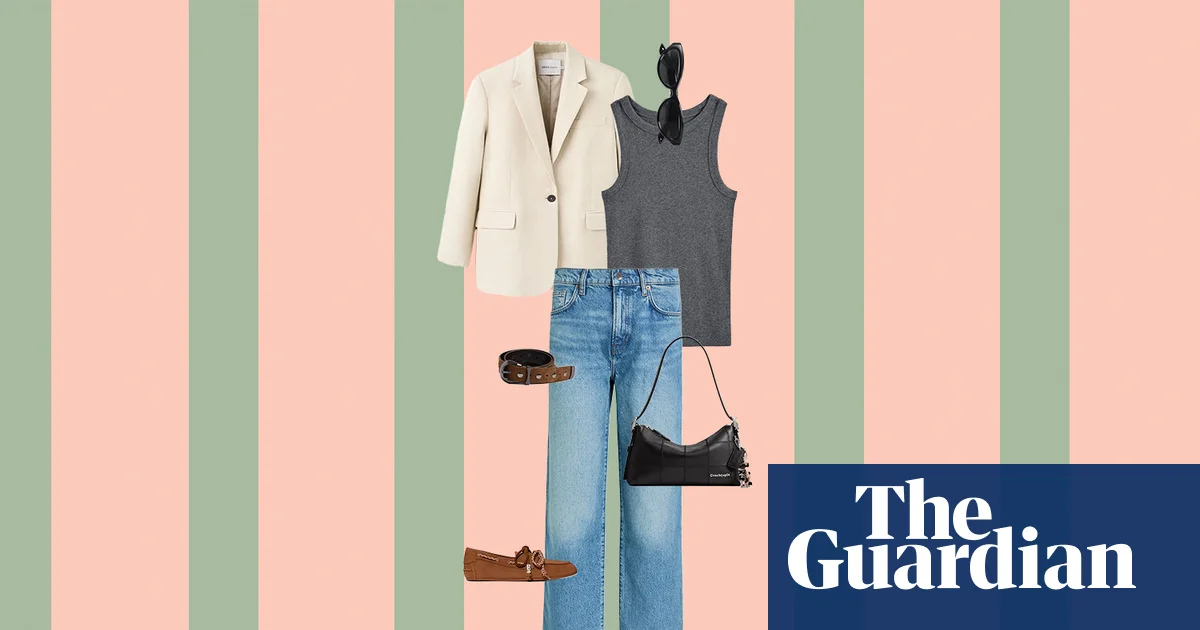
In an era dominated by fast fashion and ever-evolving trends, many young fashion enthusiasts are experiencing *denim overload*. The latest shift, however, is a clear reaction to this frenzy: a renewed appreciation for the timeless straight leg jeans. These classic staples are making a striking comeback, reminding us that sometimes, simplicity truly is the ultimate sophistication in style. As social media influencers and trend forecasters point out, the move away from overly distressed or exaggerated cuts signifies a desire for authenticity and enduring fashion over transient fads.

The cultural impact of this movement cannot be overstated. Straight leg jeans serve as a canvas for personal expression, adaptable to various settings—whether a casual hangout or a polished office look. Popular influencers like Emma Chamberlain and Zachary “Zo” highlight the versatility of this style through their carefully curated feeds, effectively shaping youth perceptions of what constitutes “cool”. Sociologists argue that this return to basics reflects a broader shift towards minimalism and sustainability, resonating with a generation increasingly conscious of environmental impacts and the wastefulness of fast fashion. The resurgence of straightforward denim symbolizes a cultural preference for authenticity and self-identity, asserting that fashion can be both stylish and meaningful.

  • Minimalist aesthetics are dominating youth fashion narratives, emphasizing quality over quantity.
  • Sustainable practices become more prominent as consumers look for durable, timeless pieces like straight leg jeans.
  • Social media trends showcase how influencers and everyday users are redefining what’s “trendy,” fostering a broader acceptance of classic styles.

Fashion analysts and sociologists note that this trend carries a social relevance beyond mere aesthetics. By embracing a style rooted in both tradition and practicality, younger generations are subtly challenging the hyper-ephemeral nature of digital culture. The rise of straightforward denim as a daily wardrobe staple suggests a cultural shift towards authenticity, resilience, and identity-centered fashion. It’s not simply about looking good but about making a statement: that real style endures chaos, fast-changing trends, and fleeting viral fads.

However, what makes this trend particularly intriguing is its potential to evolve into a lasting cultural phenomenon. As brands and retailers scramble to cater to this demand, questions emerge about the future: Are we witnessing a temporary rebellion against fast fashion, or is this a sign of a deeper societal transformation—towards more mindful, authentic self-expression in the digital age? The future of youth fashion may well hinge on this pivotal question, challenging us to reconsider what truly defines cultural relevance and social identity in the 21st century.
From luxury to high street: Can you spot the real deal in jeans?

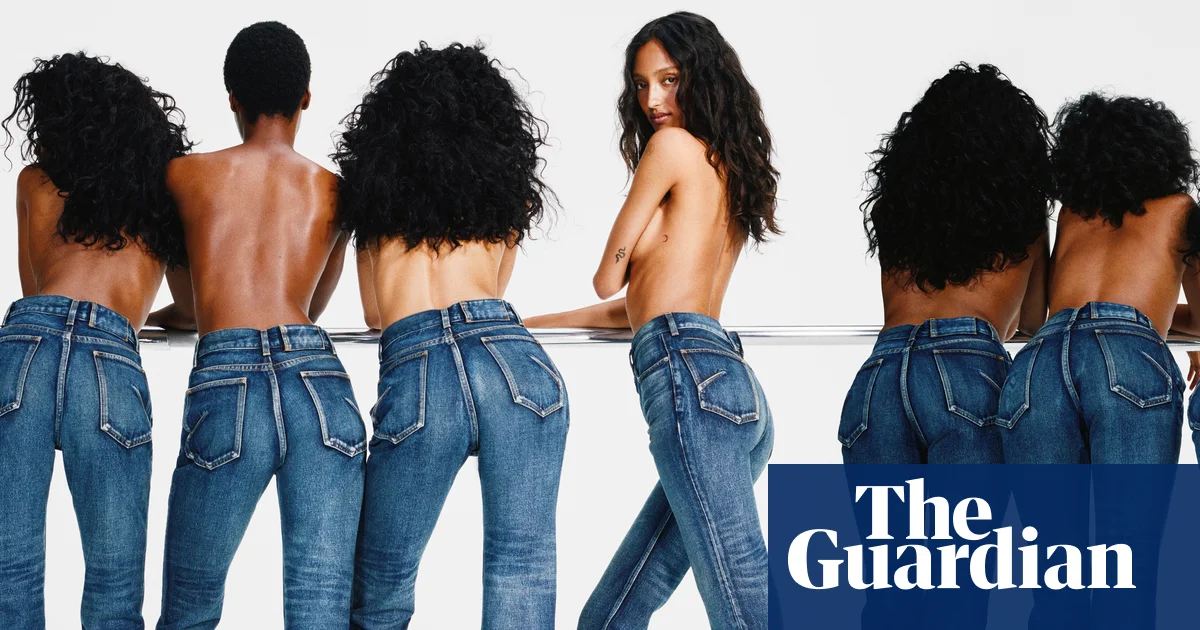
Fashion enthusiasts and industry insiders are witnessing a renaissance of denim—a trend that transcends mere clothing and taps into broader societal narratives around sustainability and authenticity. From the luxurious, yet highly coveted Alaia jeans in an Aegean blue to JW Anderson’s collaboration with Uniqlo, priced pocket-friendly at just £34.90, the denim resurgence highlights a shifting cultural landscape. While Alaia’s luxury offering commands a premium at around £800, demand for these Japanese-crafted jeans is sky-high, with stores advising customers to reserve or call ahead—a sign that authentic craftsmanship remains highly valued despite the proliferation of affordable options. Meanwhile, Uniqlo’s collection, favored on recent fashion runways, demonstrates that minimalist, classic styles continue to dominate the youth-driven market, bridging the gap between high fashion and streetwear.

The debate? Can a £34.90 pair of jeans really compete with the craftsmanship and longevity of a luxury piece that costs hundreds more? Industry experts like Amy Leverton of Denim Dudes point out that manufacturing methods and fabric composition largely influence how jeans age over time. Sagging and shape loss—common complaints with cheaper denim—are often a result of looser weaves and stretch content, which are intrinsic to fast fashion pieces. Some enthusiasts argue that the beauty of this trend is in the relationship with the garment, where better quality denim not only lasts longer but also visually improves with wear. It’s a shift in attitude—less disposable fashion and more embracing of durability and sustainability—as highlighted by Evoléna de Wilde d’Estmael of Faircado, who emphasizes that authentic denim should hold its shape and often improves with age, encouraging a more purposeful consumption style.

However, what truly elevates this denim craze is the social and cultural impact of transparency and sustainability. Thanks to the advent of digital product passports, consumers are becoming more aware of the environmental footprint and ethical sourcing behind their garments. This transparency threatens to expose the superficiality of low-cost fast fashion, which often sacrifices quality and ethics to keep prices low. As d’Estmael points out, brands that prioritize transparency will either adapt or face extinction in an era where younger consumers care more than ever about where their clothes come from. This ethical awakening is pushing brands to consider secondhand markets more seriously, with many—like Leverton—preferring to wear vintage Levi’s, reinforcing the idea that authenticity and quality are more sustainable and socially relevant than ever.

The luxury denim market isn’t just a fleeting fad either. High-end brands are pushing boundaries, with Bottega Veneta and Valentino unveiling leather and embellished denim as luxury statements. Margot Robbie’s upcoming Chanel jeans, expected to retail at a premium, exemplify this crossover. Yet, beneath the surface, a question of value emerges: can a pair of jeans genuinely be worth hundreds, or is this simply an artifact of inflation and marketing hype? With production struggles stemming from skilled labor shortages and factory closures—especially in Japan’s traditional selvedge denim hubs—the true cost of premium jeans is more nuanced than their price tags suggest. This raises an essential question: as consumers become increasingly aware of the economic illusions behind fashion, will the next phase be a shift back towards secondhand and vintage markets, where authenticity is measured less by price and more by provenance? Ultimately, this cultural trend is not just about jeans but about redefining the values of quality, ethics, and social relevance in fashion’s next chapter.

Jess Cartner-Morley reveals the ultimate chill hack: Rock those jeans with heels for effortless chic

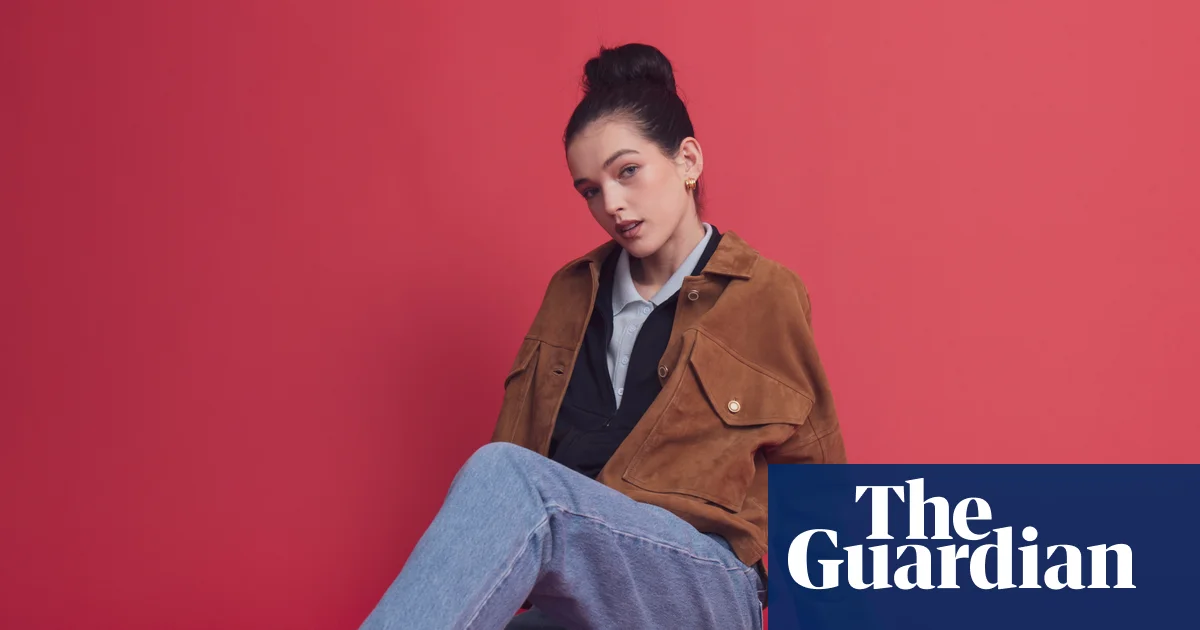
In a world constantly buzzed by fleeting trends and viral styles, there’s a timeless combo that continues to defy the churn of fashion cycles: jeans with heels. This look, often associated with effortless confidence and a sense of personal authority, has woven itself into the fabric of modern lifestyle aesthetics. As influencers like Victoria Beckham showcase this pairing in their street style, and sociologists analyze its social impact, it’s clear that this isn’t just about fashion — it’s a statement of autonomy and self-assuredness for a generation eager to redefine what authority looks like.

What makes this pairing fundamentally compelling is its cultural significance. Jeans have historically symbolized rebellion and democracy, transcending social hierarchies to become a universal staple. When elevated with a pair of heels, they morph into an expression of confidence and clarity that resonates deeply among young people seeking authenticity amidst a saturated media landscape. Fashion analysts highlight that the mathematics of silhouette—roughly speaking, the architectural strength of denim combined with the elongating, poised effect of high heels—creates a powerful visual language. It tells a story: a woman who owns her space, on her own terms, and with style that’s both practical and theatrical.

  • Versatility: Straight-leg jeans are the easiest to style with heels, whether pointed or almond-shaped for an elegant look or chunky for a more commanding silhouette.
  • Accessibility: Unlike luxury handbags or jewelry, the brands behind denim range from high-end to affordable, making the look ubiquitously attainable yet still rooted in exclusivity.
  • Social Signaling: Wearing jeans with heels is more than an outfit choice; it’s a *behavioral trend* that signals confidence, independence, and a willingness to stand out without overcompensating.

As cultural commentators note, the audible impact of heels—the crisp tap of heel tips on a hard surface—adds a layer of *theatre* and *presence* to this look, reinforcing the wearer’s command. This isn’t about dressing up just to turn heads; it’s about projecting an image of assured self-possession. From Victoria Beckham to the countless style icons sharing their versions of these ensembles on social media, the message is clear: confidence is the new chic. And it’s accessible, playful, and deeply empowering.

Fashion cycles may come and go, but the core appeal of jeans with heels persists because it taps into something deeper than trend: a collective desire for authentic expression and personal strength. Sociologists suggest that this ongoing style evolution reflects a broader cultural shift—embracing individuality while celebrating the shared language of style that connects generations. The question that remains, however, is whether this enduring fashion statement will evolve into something even more disruptive—perhaps a radical redefinition of authority in a society increasingly driven by personal authenticity and digital validation. Could the next frontier be less about the outfit itself and more about what it signifies in a world where self-made narratives are king?

Social Media Auto Publish Powered By : XYZScripts.com



