Matox News

Truth Over Trends, always!

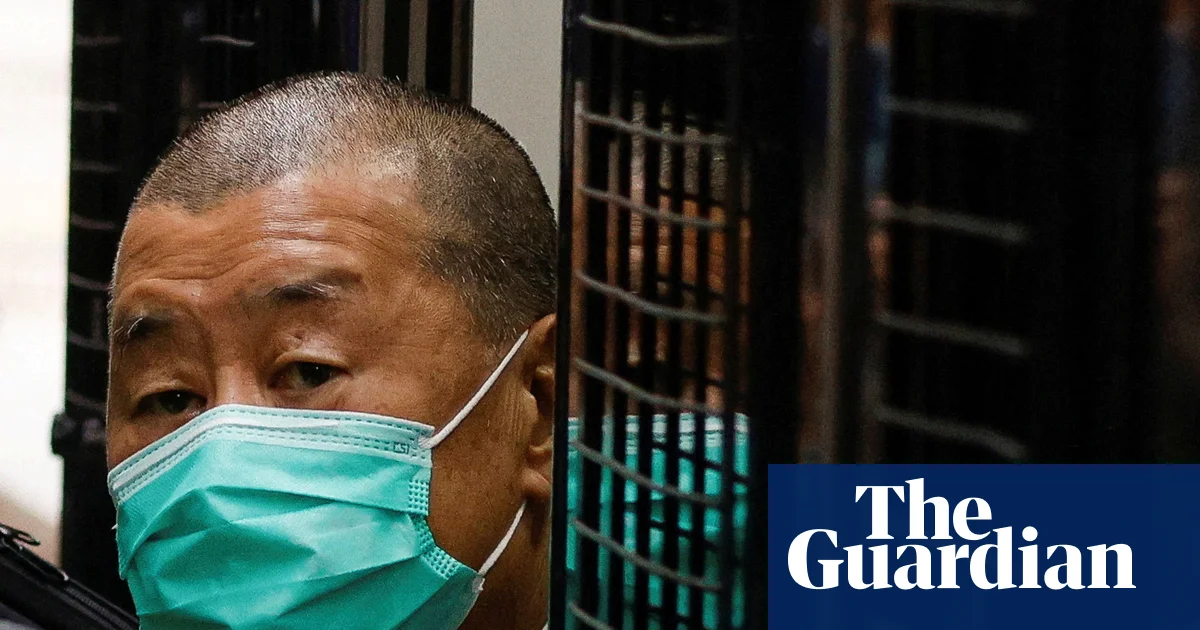
Will Hong Kong’s media titan Jimmy Lai face a prison death? – The Latest | Jimmy Lai

Jimmy Lai Sentenced in Hong Kong: A Turning Point in Global Politics

In a move that signals a pivotal shift in the geopolitical landscape of Asia, Hong Kong‘s judiciary has handed down a 20-year prison sentence to renowned media mogul and pro-democracy advocate Jimmy Lai. The verdict, rooted in charges of sedition and conspiracy to collude with foreign forces, represents a stark escalation of Beijing’s tightening grip on the semi-autonomous city, where the balance between civil liberties and unified control is increasingly fragile. Lai’s conviction follows a series of escalating measures aimed at stifling dissent, with critics warning that this marks a new era of authoritarian assertiveness disguised as legal action.

The Chinese Communist Party (CCP) leadership explicitly views Lai’s case as a warning against foreign interference and a lesson in loyalty. Historically celebrated as a champion of free press and democratic values, Lai now faces a prolonged imprisonment amidst his declining health at age 78. This case is not merely about one individual but is emblematic of broader efforts to recalibrate Hong Kong’s special status since the 2019 protests. Analysts argue that this demonstrates how the CCP leverages legal systems to consolidate power, signaling to international observers that any challenge to its sovereignty will be met with unwavering harshness.

  • In December, Lai was convicted after pleading not guilty to the charges—an act seen by many as a statement of protest against what critics characterize as Beijing’s erosion of Hong Kong’s promised freedoms. The sentence has triggered international condemnation, with governments like the United States and United Kingdom issuing statements warning of the diminishing autonomy of Hong Kong and the threat to global standards of human rights.
  • The verdict is also a reflection of how the National Security Law, imposed by Beijing in 2020, has reshaped Hong Kong’s legal landscape, bypassing the common law system that once protected free speech. This legal framework has effectively criminalized dissent, making Lai’s case a high-profile example of what critics call the crackdown on civil society.
  • International organizations, including Amnesty International and the United Nations, warn that such measures threaten the global reputation of China and undermine the principles of democracy and rule of law cherished worldwide.

This case’s reverberations extend beyond Hong Kong, impacting regional stability and US–China relations at a time when geopolitical tensions are already at a boiling point. The United States, by reaffirming its commitment to human rights and free expression, is positioning itself as a counterbalance to Beijing’s authoritarian ambitions, which many see as part of a larger struggle for influence across the Indo-Pacific.

As historians and analysts debate whether Lai’s imprisonment marks a new chapter of international authoritarianism or a temporary setback in Hong Kong’s fight for democracy, the global community must grapple with the truth that history is now being written in the shadows of Chinese tanks and courtrooms. The weight of the past lingers, but the future remains uncertain—yet undeniably, the actions taken today will echo into the coming generations as either the preservation of liberty or its irreparable loss. With each legal salvo, the unfolding story reminds us of how fragile freedom can be when neglected or suppressed, and how history’s pen is never at rest.
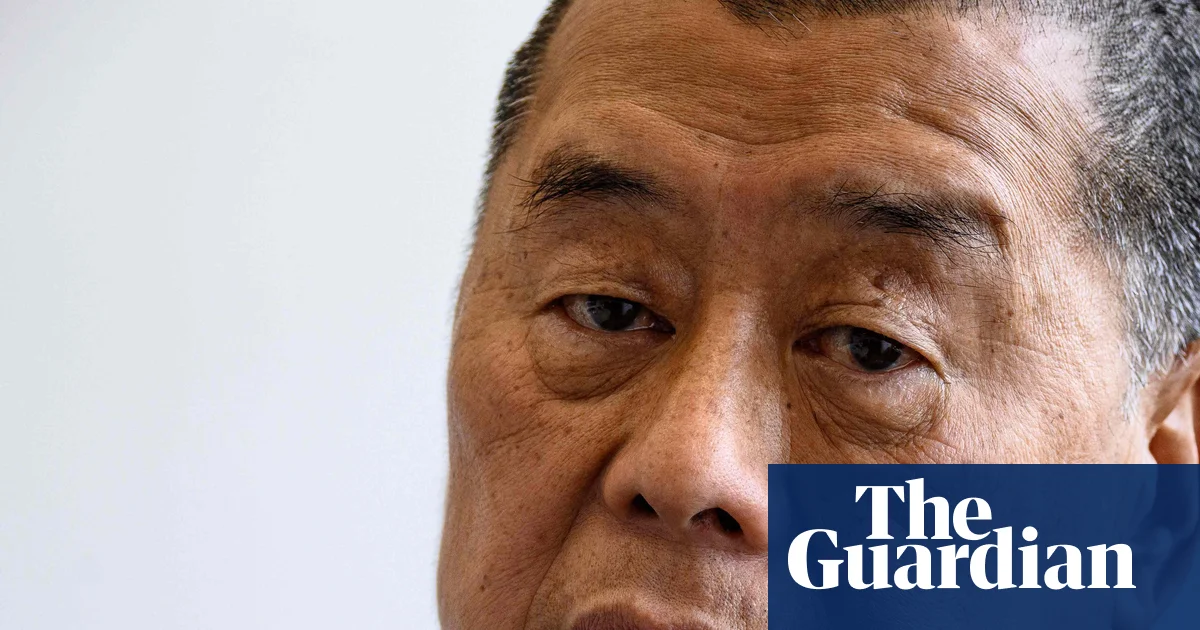
Trump calls on Xi to free pro-democracy media boss Jimmy Lai in Hong Kong

The arrest and conviction of Jimmy Lai, a prominent pro-democracy media mogul in Hong Kong, have once again spotlighted the evolving geopolitical struggle over China’s tightening grip on the former British colony. Lai’s case, marked by charges related to national security, symbolizes the broader suppression of dissent in a city once celebrated for its relative freedoms. As Lai faces potentially life-threatening imprisonment, international leaders and institutions have voiced vehement condemnation, emphasizing the erosion of legally protected rights and freedom of speech—foundations regarded as vital to democratic societies.

Recent statements from Donald Trump exemplify how this issue has transcended regional conflict to influence global geopolitical dynamics. Trump has publicly urged Chinese President Xi Jinping to consider Lai’s release, highlighting personal appeals based on Lai’s health and age. This entreaty illuminates a broader narrative: How nations leverage diplomatic channels amid human rights controversies and what the repercussions entail for the U.S.-China relationship. At the same time, Secretary of State Marco Rubio framed Lai’s conviction as a stark manifestation of China’s commitment to silence dissent, violating points agreed upon at the handover of Hong Kong from Britain in 1997—an agreement promising “one country, two systems” that now appears increasingly hollow.

The international response underscores a clear shift in global norms concerning sovereignty and human rights. Numerous governments and rights groups, including the United States and United Kingdom, have condemned Lai’s trial, citing the deterioration of his health and the *surrounding political climate*. Lai’s daughter, Claire Lai, humanizes this crisis by emphasizing her father’s desire to dedicate himself to faith and family—principles starkly contrasted against the government’s repression. The case has galvanized a coalition of democracy advocates and Christian activists, who view Lai’s incarceration as emblematic of a widening authoritarian trend that threatens not only Hong Kong but urges the global community to reassess its stance on China’s rising influence.

Historically, the case of Jimmy Lai underscores a pivotal juncture—an era where China’s authoritarianism is challenging the very foundations of Western liberal values. Scholars and analysts warn of the consequences of appeasing an emboldened Beijing, which continues to undermine the fragile democracy of Hong Kong through a calculated mix of legal harassment and political intimidation. Human rights experts caution that Lai’s trial could set a disturbing precedent, emboldening other authoritarian regimes to suppress dissent under the guise of national security. This ongoing struggle embodies the larger conflict over sovereignty, civil liberties, and the global liberal order, with the weight of history pressing heavily on the scale as democratic nations seek to defend the principles they hold sacred amidst an increasingly complex geopolitical chessboard.

As the world watches, the fate of Jimmy Lai remains a stark symbol of the clash between freedom and repression. With each political move—be it the plea from Trump or the condemnations from rights organizations—the story continues to unfold, shaping the contours of an era defined by struggling sovereignties and the unyielding pursuit of liberty. History’s pen carries on, and future generations will judge not only the actions taken today but the resilience of human rights in the face of rising authoritarian tides. In this moment, the battle for Hong Kong’s soul is a battleground for the future of global freedom—an enduring testament that, in the shadow of history’s looming questions, the fight for liberty remains the most formidable and consequential challenge of our age.

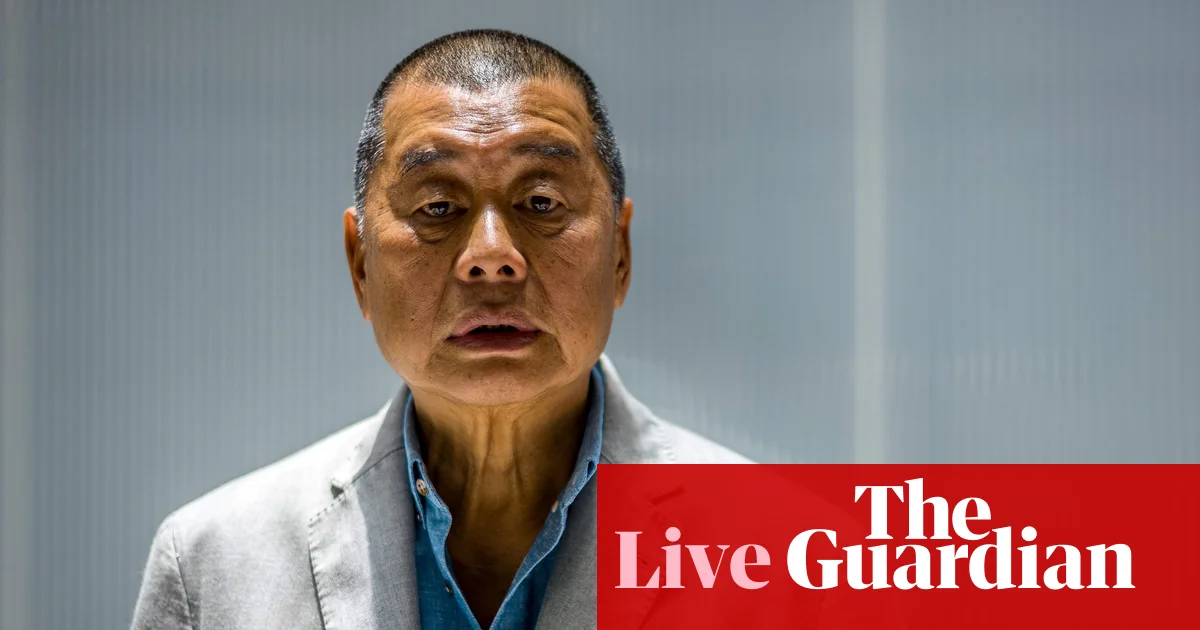
Jimmy Lai’s conviction signals the end for Hong Kong’s press freedom, warns Amnesty — live updates | Jimmy Lai

The recent verdicts against Jimmy Lai, the prominent Hong Kong media mogul and ardent supporter of democracy, mark a watershed moment in the ongoing struggle over press freedom and human rights in one of the world’s most geopolitically sensitive regions. Lai’s conviction on charges relating to national security – specifically conspiracy to collude with foreign powers and conspiracy to publish seditious content – follows a trial that has lasted over two years, culminating in what many see as a symbolic suppression of independent journalism in Hong Kong.

The response from international organizations and regional governments underscores the geopolitical significance of this event. Amnesty International, the Committee to Protect Journalists, and Human Rights Watch have all condemned Lai’s sentencing as emblematic of a broader campaign by Beijing and the Hong Kong authorities to dismantle the city’s once-vibrant democratic institutions. They describe Lai as a prisoner of conscience and warn that his incarceration not only threatens individual liberty but signals a systematic erasure of free expression in Hong Kong—a place once seen as a beacon of autonomy outside Chinese control.

This crackdown’s profound geopolitical impact extends beyond the city itself. Taiwan’s Mainland Affairs Council openly called Lai’s trial a “death knell” for Hong Kong’s democracy, emphasizing how the erosion of rights in Hong Kong sets a dangerous precedent for international law and the global fight for liberty. By weaponizing the judicial process against Lai, Beijing sends a clear message that any challenge to its authority—whether through media, protests, or civil society—will be met with severe punishment, regardless of international outcry. This shift in Hong Kong’s political landscape aligns with China’s broader strategy to expand authoritarian control, challenging the norms established under numerous international agreements and treaties.

Historians and geopolitical analysts highlight that the Lai case symbolizes the waning influence of Western-style democracies in the face of China’s rising power. As Lai’s health deteriorates in solitary confinement, global democratic powers face a stark choice: respond with concrete action or witness the gradual extension of authoritarianism into territories long considered bastions of freedom. Lai’s fate underscores how decisions made in Beijing and Hong Kong’s courts directly influence societal freedoms, press independence, and international relations—altering the geopolitical terrain in Asia and beyond. The outcome of his appeal and the potential sentencing will determine whether this moment signifies a retreat into darkness or a rallying cry for democracy worldwide.

In the shadow of Lai’s conviction, the question remains: will the international community finally recognize the threat posed to the principles of free speech and sovereignty, or will it continue to allow authoritarian regimes to rewrite the rules of justice and human dignity? As history unfolds in the courts of Hong Kong, the world is left to ponder how this chapter will be remembered: as a testament to the resilience of free societies or as a tragic turning point in the global fight for liberty. For now, the echoes of Lai’s trial serve as a reminder that the price of free press in the modern age is paid in endurance and courage, amid the relentless tide of rising authoritarianism.

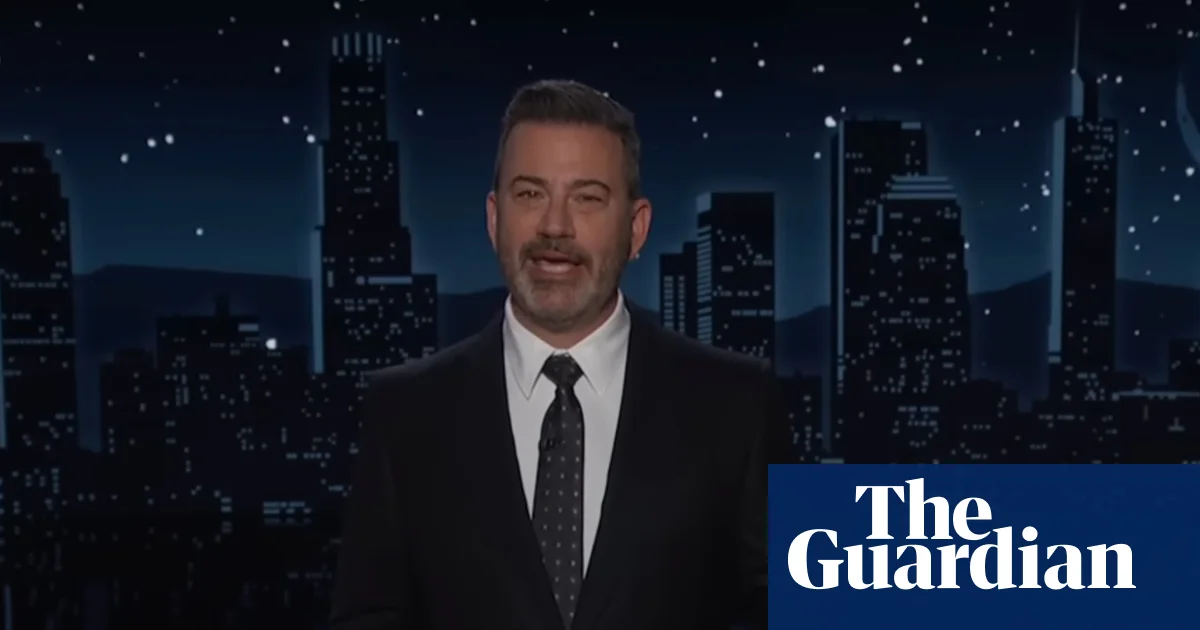
Jimmy Kimmel Tensions Rise as He Borrows From End-of-Year Sentiments: ‘Grateful We Only Have Five Weeks Left’ | Late-Night TV Roundup

In the modern spectacle of American political ritual, culture emerges as both a mirror and a prophecy of societal identity. As comedians like Jimmy Kimmel and Seth Meyers dissect the bizarre antics surrounding President Donald Trump’s turkey pardon, they reveal something deeper: the extent to which our cultural expressions, even in humor, are intertwined with the collective consciousness and the projection of national identity. The turkey pardon, a seemingly benign tradition, has evolved into a theatrical platform where the veiled assertions of power, spectacle, and ideology intertwine. Much like the grotesque pageantry of Roman triumphs or medieval court rituals, it serves as a performative affirmation of leadership, tradition, and societal values—elements that define who we are and what we stand for.

This cultural ritual, often dismissed as light-hearted or trivial, echoes the philosophical insights of Ortega y Gasset, who argued that “a nation’s culture is the expression of its soul.” Every speech, joke, or spectacle in such moments is not merely entertainment; it is a reflection of the underlying narratives that shape our collective memory. Trump’s peculiar address, replete with inflated claims and bizarre anecdotes, exemplifies a cultural moment where perception becomes reality—an image crafted for the spectacle, yet rooted in the deeper desire for significance amidst chaos. As Chesterton might suggest, what the nation fears is its own loss of purpose, and these rituals—however absurd they may appear—are attempts to affirm and recreate that purpose within the theater of public life.

Historically, these performances bear resemblance to the rites of civic affirmation and patriotic mythology maintained by democratic societies. Tocqueville warned of the danger of democratic excess where superficial equality can obscure the cultivation of the soul’s deepest roots. Today, the spectacle of political humor and satire reveals a cultural tension—on one side, the need to mock the absurd; on the other, the recognition that beneath the satire lies a yearning for authenticity and tradition. In this sense, culture serves as a repository of memory and a beacon of prophecy, guiding us through the tumult of modern society. As T.S. Eliot wrote, “The past is never dead; it’s not even past.” The narratives we craft in humor and ritual are our way of facing forward while holding onto essential truths that define us—truths that are at their core, timeless and universal.

In the end, the cultural phenomena surrounding Trump’s antics at the Thanksgiving table speak to a broader human experience: the enduring capacity of culture to both remember and foretell. It is the poetry of memory and prophecy woven into every tradition, every joke, every spectacle—reminding us that the collective identity we cherish is both a sacred inheritance and a living prophecy. As Chesterton observed, true culture is not merely a reflection of what is but an aspiration toward what could be—a continuous dance between memory and hope, echoing through the ages as humanity’s silent ode to its own enduring soul.

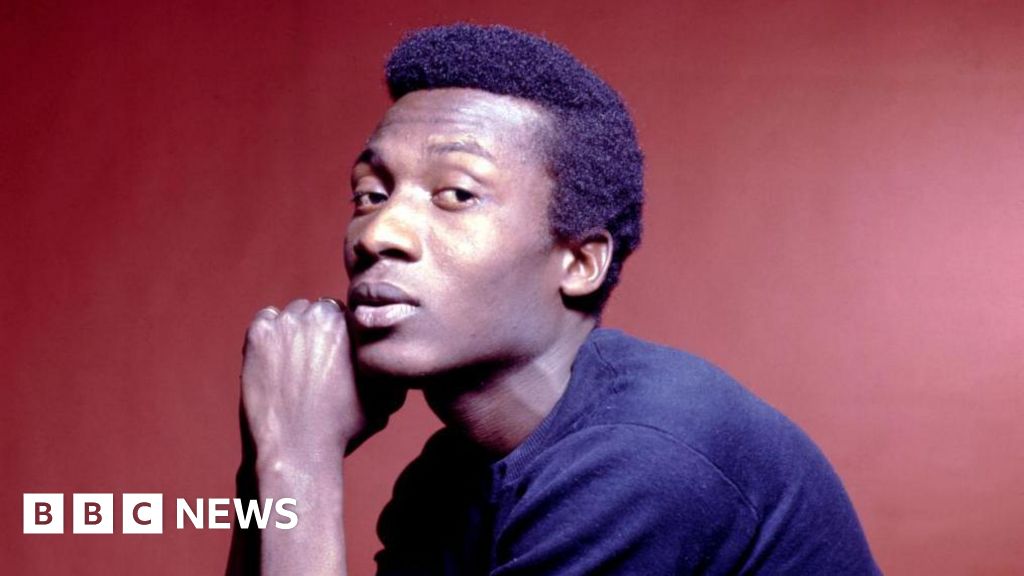
Legendary Reggae Icon Jimmy Cliff Passes at 81

In a world increasingly defined by shifting alliances and cultural influence, few figures have embodied the resilience and global reach of Jamaican music quite like Jimmy Cliff. The legendary reggae icon, whose career spanned over half a century, did not merely entertain; he became a symbol of cultural pride and political activism. His passing at the age of 81 marks the end of an era, yet his influence continues to ripple through the fabric of international geopolitics. As history unfolds, it is vital to recognize how cultural icons like Cliff serve as catalysts for national identity and soft power, especially for small nations seeking prominence on the world stage.

  • Jimmy Cliff achieved global fame with hits like Many Rivers To Cross, Wonderful World, Beautiful People, and You Can Get It If You Really Want.
  • The soundtrack of the 1972 film The Harder They Come was instrumental in bringing reggae to the American consciousness, with Cliff’s magnetic performance underpinning its success.
  • His career trajectory — from humble beginnings in St. James, Jamaica to international stardom — exemplifies how cultural exports from small nations can impact global politics and perceptions.

Historian and cultural analyst Dr. Elaine Thompson emphasizes that Cliff’s rise coincided with Jamaica’s efforts to craft a distinct national identity rooted in music and resistance. The sound of reggae, epitomized by Cliff’s iconic voice, became a diplomatic tool, projecting Caribbean resilience and artistry worldwide. Moreover, Cliff’s contributions to the >music industry<, coupled with his political activism, reflect a broader pattern where nations leverage cultural icons to extend their influence beyond traditional geopolitical boundaries. As the United Nations and international advocacy groups observe, such cultural engagement is increasingly central to national power in the 21st century.

Within this context, the impact of Jimmy Cliff’s work goes beyond entertainment; it informs the perception of Jamaica as a proud, resilient nation rather than merely a tropical paradise. His involvement in the film The Harder They Come not only introduced reggae music to outside audiences but also showcased Jamaica’s complex social realities—poverty, struggle, and hope. The film’s reception in the United States and Britain demonstrated the power of cultural narratives in reshaping international perceptions—an aspect that current geopolitics takes very seriously. As analysts note, small nations that successfully export their cultural heritage often find their voice amplified on the global stage, wielding influence in diplomacy and international discourse.

As global institutions reckon with shifting geopolitical alliances, the enduring legacy of Jimmy Cliff underscores the importance of cultural diplomacy. His music, infused with stories of struggle and hope, resonates particularly among youth—those who will shape the nations of tomorrow. The echoes of his songs affirm that culture remains a potent force in the formulation of national identity and international influence. With contemporary challenges such as geopolitical tensions, trade disputes, and ideological conflicts, the soft power wielded by cultural icons offers a compelling alternative to traditional diplomacy. In this ongoing narrative, Cliff’s life and legacy serve as a reminder that the true power of a nation resides as much in its cultural exports as in its military or economic might.

As history continues to unfold, it leaves us with a sobering reflection—Jimmy Cliff’s melodies are a testament to the unyielding spirit of a small island nation that, through its music, has carved out a place in the world’s story. The weight of history presses down today, reminding us that behind every geopolitical shift lies the human stories, cultural triumphs, and enduring symbols that define us. In these melodies, the story of Caribbean resilience is written — a story still unfolding, shaping the chronicles of how nations—and societies—stand the test of time.

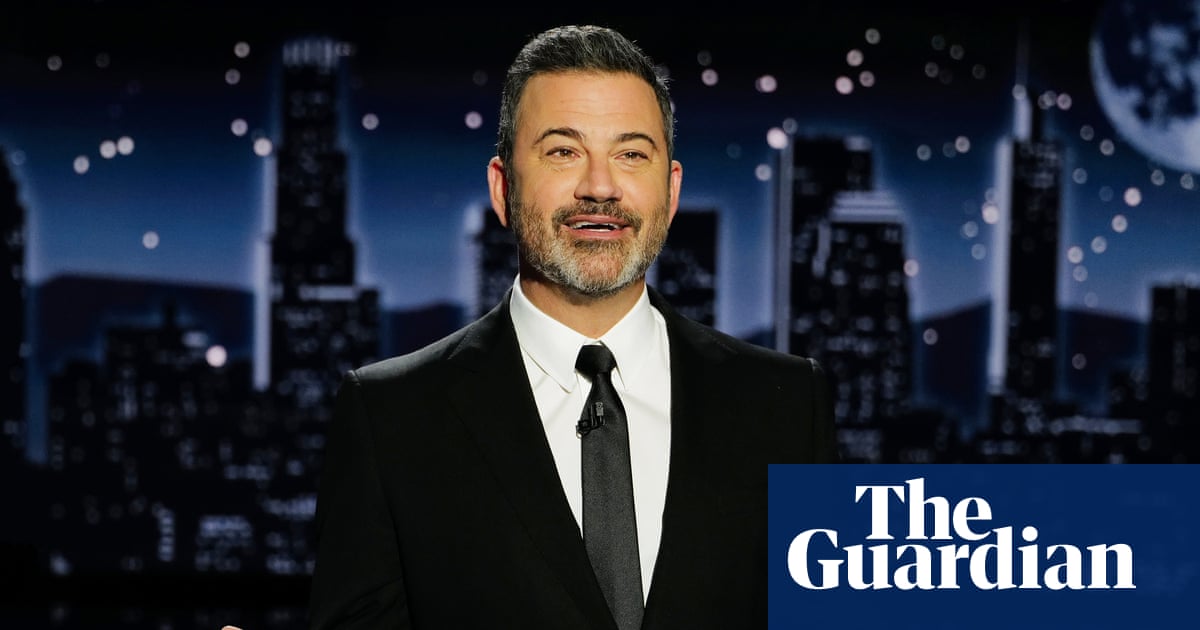
Sinclair and Nexstar End Boycott, Bringing Jimmy Kimmel Live! Back to Prime Time

In the current tapestry of American media culture, the recent saga surrounding the return of Jimmy Kimmel Live! exemplifies more than just a late-night comedy show—it underscores a deeper struggle over identity, tradition, and the very fabric that holds society together. Sinclair Broadcast Group and Nexstar Media Group, two colossal entities dominating local television, made headlines not merely for resuming broadcasts, but for their deliberate preemption of Kimmel’s show, a move cloaked in the language of editorial judgment and free speech. Yet, beneath these claims lies a profound conflict reflecting the shifting balance of cultural power, where media convergence threatens to diminish the space for diverse societal voices, and where the limits of free expression are being tested amid the push for consolidated control.

This ongoing showdown invites us to revisit the dynamics of cultural authority as articulated by thinkers like Ortega y Gasset, who warned that mass society risks reducing individual cultural expression to mere conformity, surrendering the richness of tradition that nourishes national identity. Sinclair’s assertion of “independent judgment” in programming masks a strategic effort to shape narratives aligned with a conservative political vision—one that seeks to leverage media as a tool for cultural preservation against what critics deem excessive liberal influence. The widespread preemption of Kimmel’s show—owned by Disney, which itself symbolizes a modern cultural empire—raises questions about the balance of power in the media landscape. Such corporate maneuvers echo Tocqueville’s concerns about a burgeoning “tyranny of the majority,” wherein conglomerates uphold their authority by marginalizing dissenting voices, transforming the airwaves into a battleground for ideological dominance.

This incident is emblematic of a broader pattern—one where our culture is weaponized as an instrument of societal cohesion or division. The consolidation of local stations under parent companies like Sinclair and Nexstar exemplifies Chesterton’s critique of industrial-scale uniformity that threatens to erode the unique moral and social fabric of communities. Meanwhile, the controversy underscores a fundamental truth: culture is intrinsically tied to identity and memory. When a show like Kimmel’s becomes a battleground, it is less about comedy and more about the preservation of tradition. As T.S. Eliot observed, the end of all our exploring is to arrive back where we started—yet, transformed, bearing the imprint of our journey. Today, our cultural memory is being challenged, manipulated, and reshaped in ways that threaten to dissolve the shared stories that form the backbone of our society.

In the twilight of this digital age, we are called to recognize that culture is both memory and prophecy—a reflection of our past and a blueprint for our future. As the edifice of media power consolidates, shaping public consciousness becomes a matter of preserving the tradition of free thought. Our societal identity inheres in the stories we tell and the values we champion; when the airwaves are commandeered by corporate interests, it is not merely a question of entertainment but of who we are and who we wish to become. To navigate these turbulent waters, we must once again embrace the esteem of cultural guardians who understand that the true power of media lies in its capacity to mirror the human spirit—resilient, rooted in history, and prophetic of hope. For in the end, culture is the eternal echo of humanity—both the memory that sustains us and the prophecy that beckons us forward into the dawn of new possibilities.

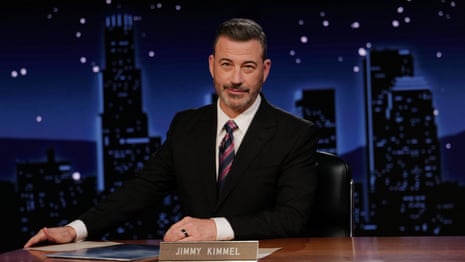
Jimmy Kimmel’s triumphant return shatters YouTube monologue viewership records

In an era where the pulse of culture often seems dictated by controversial headlines and fleeting trends, the fundamental role of culture as both a mirror and a molder of society remains undiminished. This recent flurry of media spectacle surrounding Jimmy Kimmel’s return to television underscores an enduring truth: culture is the custodian of tradition, identity, and societal values. As his monologue garnered record-breaking viewership—over fifteen million in just 16 hours—what emerges is not merely a spectacle of celebrity but a reflection of the collective consciousness grappling with freedom of expression, political pressures, and the visceral desire for authentic voice. It is a clarion call that, even amidst the cacophony of modernity, our cultural artifacts continue to serve as a battleground for the principles that define us.

Kimmel’s return was marked not solely by ratings but by the symbolic significance of a voice unshackled from censorship. His decisive stance against the recent suspension—an act driven by political and corporate interests—pays homage to the classical understanding of cultura: the cultivation of societal morals through art and dialogue. Such moments remind us of thinkers like Ortega y Gasset, who argued that culture is the collective memory which guides us through chaos, and also the prophecy of what we might yet become. In defending free speech, Kimmel echoes the sentiments of Chesterton, who saw humor and critique as the vital arteries of a truly free society, asserting that to silence voices is to stifle the very soul of democracy.

Moreover, the incident unveils the delicate nexus between media, public discourse, and tradition. Disney’s initial suspension, followed by the swift pushback from cultural advocates—Hollywood stars, free speech defenders, even political figures such as Senator Ted Cruz—reflects an underlying tension: the struggle to preserve the role of entertainment and commentary as custodians of societal integrity. Drawing parallels with the revolutions of thought during the Enlightenment, the confrontation underscores an essential truth: culture is not merely entertainment but a moral instrument, shaping the fabric of society and challenging the boundaries of political power. When these boundaries are threatened, it is not just a show that is suspended; it is the moral and intellectual shield that culture provides to a free society.

As the dust settles, the narrative of Kimmel’s resilience emerges as a testament to the enduring importance of cultural memory. His references to icons like Lenny Bruce, George Carlin, and Howard Stern evoke the long lineage of comedians who recognized their role as societal harbingers—challenging the establishment and pushing the frontiers of free thought. In this light, culture becomes both the archive of our collective experiences and the prophecy of our future. It reminds us that the act of creating, questioning, and even mocking is rooted in a profound desire to carve out space for the human spirit—a spirit that refuses to be subdued by censorship or manipulation. The echoes of T.S. Eliot’s call for poetry to carry the ‘distances of history’ and the ‘intimacies of today’ resonate in this ongoing battle for cultural authenticity.

In its essence, culture is the memory of humanity—layered with stories, struggles, triumphs, and follies. Yet it is also prophecy: a luminous beacon guiding us towards a future where truth, vitality, and individual sovereignty remain unyielded. As the great critic and thinker Chesterton observed, you cannot maintain a vibrant society without a lively culture—one that laughs, criticizes, and dares to dream beyond the constraints of superficiality. For in that dance of memories and prophecies, the human soul finds its voice, echoing through time as both witness and herald. And so, culture persists—not merely as the reflection of who we are, but as the silent architect of what we might become, whispering to each new generation that within the creative act lies the very hope of human destiny.

Social Media Auto Publish Powered By : XYZScripts.com