Matox News

Truth Over Trends, always!

Remembering John Donnelly: A Legacy in Architecture and Society

In an era marked by rapid urbanization and cultural shifts, the life and work of John Donnelly serve as a poignant reminder of the profound role that dedicated professionals play in shaping our communities and preserving our heritage. A distinguished architect, educator, and conservationist, Donnelly’s contributions extended beyond brick and mortar to the social fabric that binds families and influences the education of future generations. His meticulous approach to design and deep appreciation for human skill exemplify a moral ethic that underscores the importance of integrity and community-centered planning in an increasingly fragmented society.

Throughout his career, Donnelly was deeply involved in projects that directly impact families and local communities. His work ranged from

  • housing schemes in London and Kent
  • waterside redevelopment
  • the sensitive conservation of historic buildings

, all of which have a lasting influence on the social cohesion and economic stability of the areas they serve. Sociologists and urban thinkers emphasize that well-designed spaces foster social interaction, support mental health, and create a sense of belonging — factors that are vital in an age of rising social tensions and demographic upheavals. As Donnelly often collaborated with fellow architects and heritage conservation efforts, his work epitomized a balanced approach that prioritizes community needs, cultural continuity, and environmental resilience.

The importance of such work extends into the realm of education. As a tutor and mentor at various polytechnics and art schools, Donnelly influenced generations of architects who carry forward his values of precision, fairness, and dedication to societal betterment. His teaching emphasized that building for people requires moral responsibility and a nuanced understanding of social issues—something sociologists like Herbert Gans and Leslie White have long highlighted as crucial for fostering healthy urban environments. In a world where social disparities are often reflected in the condition of our built environment, Donnelly’s emphasis on beauty, function, and respect for history underscores the need for future professionals to prioritize community well-being over superficial trends.

The social challenges faced today—ranging from housing crises to cultural identity tensions—demand not only innovative ideas but also a moral compass rooted in respect and fairness. The insights of social commentators reveal that the fabric of society is woven through our shared spaces, stories, and collective memories. Donnelly’s legacy reminds us that cultural preservation and thoughtful urban planning can serve as anchors amidst social upheaval, fostering stability for families and inspiring hope for a more harmonious society. As communities grapple with change, the enduring lesson is that architecture and conservation are not merely technical pursuits but moral acts—acts that redefine how society perceives itself and its future.

Looking forward, society faces the ongoing challenge of reconciling demographic shifts and cultural tensions with a shared commitment to dignity and inclusion. The hope lies in embracing the values exemplified by individuals like Donnelly: a dedication to craftsmanship, fairness, and a love for community. These qualities can serve as a moral compass guiding policymakers, educators, and citizens alike. As the twilight of our societal sunset approaches, perhaps the most vital reflection is this: that through the honest effort to build and preserve with integrity, we can forge a society resilient enough to confront its deepest challenges and compassionate enough to nurture hope for generations to come.

John Kerry slams Trump’s climate rollback as ‘dangerous and Orwellian’—a threat to America’s future

Across the United States and the world, recent developments reveal a resolute shift in geopolitical strategy, marked by aggressive policy changes and international diplomacy that could shape the global order for decades to come. The Biden administration has faced stark opposition from a rising tide of nationalist and conservative voices emphasizing strength, sovereignty, and economic independence. Concurrently, China under Wang Yi and President Xi Jinping is maneuvering through a tense landscape, seeking to assert influence amidst heated U.S.-China diplomatic exchanges at events like the Munich Security Conference. These international movements underscore an ongoing era of confrontation, where decisions in Washington and Beijing have far-reaching impacts that resonate beyond borders.

The recent decision by the Trump administration to revoke the endangerment finding—a foundational scientific assessment allowing the U.S. government to regulate emissions contributing to climate change—marked a significant policy reversal. Since 2009, this measure empowered the Environmental Protection Agency (EPA) to enforce emissions limits on vehicles and industry, anchoring the country’s environmental policy in climate science. By declaring this move “the largest deregulatory action in American history,” former President Donald Trump signaled a deliberate retreat from global climate commitments, opting instead for unrestricted fossil fuel expansion. Prominent voices like John Kerry condemned the rollback as “un-American” and warned that it deepens the climate crisis’s global toll, elevating risks not just for Americans but for vulnerable societies worldwide.

Analysts emphasize that such shifts are not isolated; they are part of a broader pattern of U.S. policy retraction that redefines geopolitical impact. The rollback signals a diminished US posture in the global climate arena, likely emboldening regimes like China and Russia that remain less committed to sustainable development. The decision also impacts international cooperation on environmental policy—a domain previously characterized by multilateral efforts like the Paris Agreement. According to renowned historians and geopolitical experts, these policy shifts risk isolating the U.S. diplomatically, while granting authoritarian regimes more leverage in global forums, ultimately challenging the prospects for a united front against climate destabilization. As forewarnings by climate scientists intensify, the impact on vulnerable populations in nations with fragile economies could be catastrophic, further fueling migration, conflict, and economic turmoil.

Meanwhile, strategic conversations at the Munich Security Conference reflect heightened tensions over international security and diplomacy. Secretary of State Marco Rubio’s meeting with his Chinese counterpart amidst rising trade and military rivalry exemplifies how competition between superpowers is escalating. With the U.S. poised to reset relations through a planned summit with Xi Jinping, the underlying question remains: who will shape the new global narrative? Historically, international organizations have called for cooperation, yet current decisions suggest a tilt toward assertive nationalism—a stance that forecloses avenues for peaceful resolution and international stability. Every policy decision—whether Trump’s tariffs rollback or ongoing U.S.-China negotiations—redefines the balance of power, affecting the very societies and economies caught in this anarchical chess game. As warned by seasoned strategists, the world now stands at a crossroads where history’s weight depends on whether nations choose confrontation or cooperation.

In the unfolding narrative of this new era, the choices made today will set the tone for future generations. As history’s pen continues to write the story of power, sovereignty, and survival, it becomes clear that every policy shift—whether aimed at environmental deregulation or diplomatic engagement—has ramifications far beyond immediate headlines. The global community must ponder: in a world teetering on the brink of profound transformation, which path will history remember? The answer, unresolved now, promises to echo through the corridors of power and the hearts of societies, etching a chapter that future historians will scrutinize—one that may determine the fate of civilization itself.

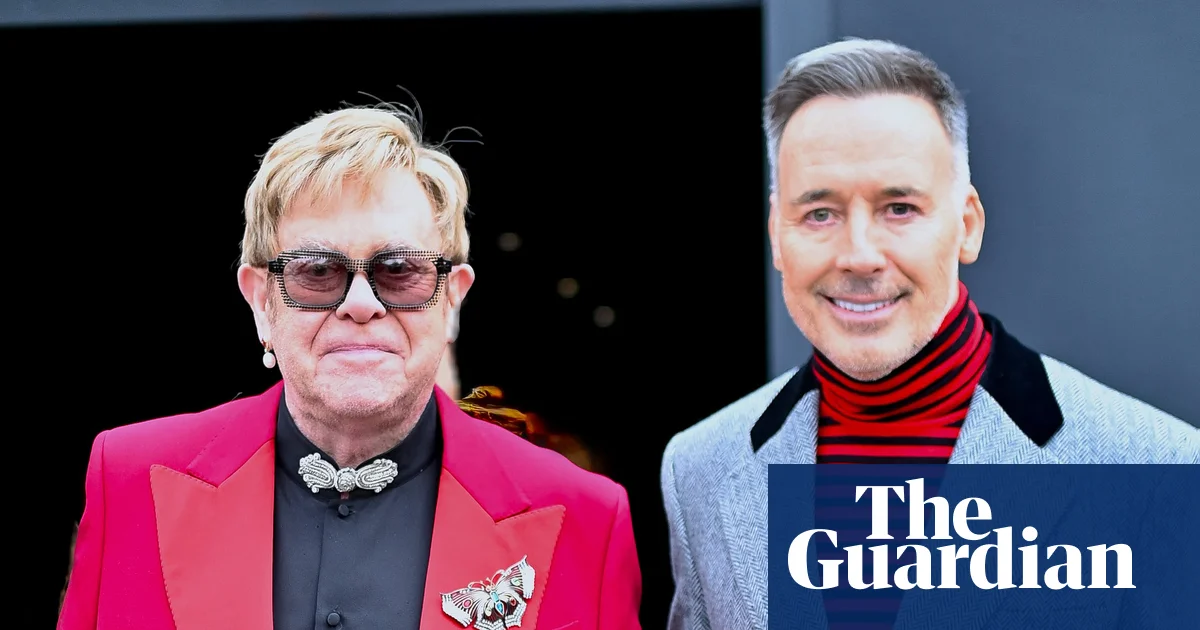
David Furnish Slams Rumored Phone Hacks of Him and Elton John as “An Abomination”

In an era where the relentless march of technology and media threaten to erode the sacred boundaries of individual privacy, the recent legal disputes involving Elton John and David Furnish serve as a stark reminder of the intrinsic link between culture, identity, and societal integrity. As Furnish boldly condemns the “abomination” of unlawful intrusion—suggesting that private detective work and phone hacking were used against him—the confrontation underscores a persistent cultural debate: what constitutes respect for sacred personal boundaries? The accusations laid bare something more profound: an assault on the very fabric of what it means to be rooted in tradition, to uphold individual dignity in the face of overreach.

This battle echoes the timeless philosophical inquiry into the importance of truth, privacy, and moral discernment. Should a society prioritize voyeurism—disguised as investigative journalism—over the moral obligation to safeguard the individual’s sacred space? Historically, thinkers like G.K. Chesterton emphasized the importance of tradition as a fortress against the chaos of modernity, advocating for respect of societal and personal foundations. Increasingly, the cultural battleground is defined by those who challenge the notion that privacy is sacrosanct. The allegations against Associated Newspapers Ltd highlight a disturbing trend where media outlets, allegedly aided by private investigators, blur the lines of legality in pursuit of stories—lending a cautionary tale about the peril of unchecked power in the cultural media sphere.

At a deeper level, these conflicts reveal that culture is not merely a set of customs but the living memory and prophecy of society. The stories that challenge privacy symbolize a desire to define who we are, what we hold sacred, and the moral boundaries that sustain our collective identity. As historian Alexis de Tocqueville might suggest, the health of a society can be measured by its respect for individual rights and its capacity to preserve moral coherence amid the tumult of change. This struggle is intrinsically tied to the notion that a society which abandons its moral compass risks fragmentation, losing its sense of heritage and its vision of a future worth inheriting.

  • Traditional values and the defense of individual privacy are central to societal coherence.
  • Media accountability and moral responsibility remain critical in safeguarding cultural integrity.
  • The ongoing case exemplifies the tension between progress and respect for fundamental human rights.

In closing, the ongoing battle over privacy rights and media accountability is fundamentally a fight over the soul of our civilization. It is a reminder that our culture is both an enduring memory—a repository of history and moral values—and a living prophecy, shaping the future through the choices we make today. Culture, after all, must be understood as the collective consciousness that preserves our identity and guides our trajectory through time. When reason, tradition, and moral clarity prevail, society is poised not merely to survive but to flourish, with each generation contributing to an unfolding tapestry—a testament to our shared humanity and a beacon of hope for generations yet to come.

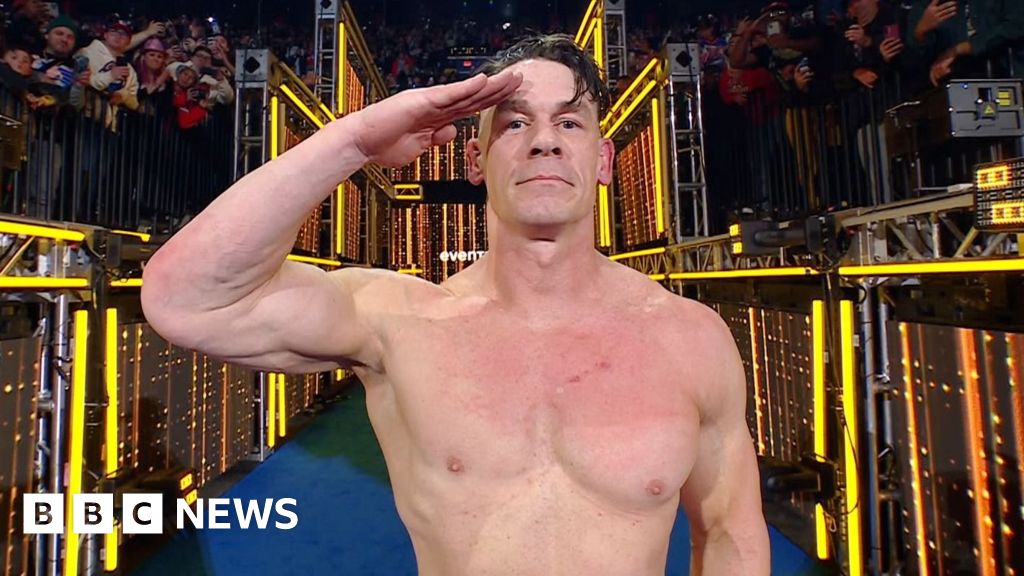
John Cena Retires After Final WWE Bout — A Legend Leaves the Ring

In a momentous event that transcended sports entertainment, US actor and wrestler John Cena officially concluded his illustrious 24-year career in professional wrestling with a final match held in Washington on Saturday night. Cena, aged 48, is renowned not only for his in-ring exploits but also for his influence as a global cultural icon, symbolizing resilience, American entertainment mastery, and international popularity. His retirement, announced earlier in July 2024, reflects the physical toll that decades of high-intensity performance take on even the most dedicated athletes. Nevertheless, Cena’s continued involvement as a WWE ambassador ensures his ongoing influence within the industry, reaffirming the strategic importance of entertainment figures in global soft power initiatives.

The international geopolitical landscape is increasingly shaped by cultural diplomacy—where figures like Cena often serve as de facto ambassadors. His role in promoting American values and entertainment underscores the soft power leveraged by the United States, especially in regions where media and popular culture are carefully calibrated tools of influence. Analysts note that Cena’s global appeal extends beyond the ring, fostering transnational connections that indirectly bolster diplomatic standing. Meanwhile, some international leaders—particularly within Europe and Asia—recognize the significance of such cultural icons as part of a wider strategy to influence public opinion and garner support for American policies worldwide.

  • The sport entertainment industry’s evolution reflects broader geopolitical shifts, with alliances formed through shared cultural experiences and international fan bases.
  • Retirement events for icons like Cena often serve as pivotal moments, symbolizing transitions in global power dynamics, especially as new generations of entertainment and sports figures emerge.
  • Organizations like the United Nations and various think tanks emphasize the importance of understanding these cultural influences in shaping international relations.

Though Cena may have hung up his boots, his departure signals a larger narrative—one where the lines between entertainment, nationalism, and international diplomacy continue to blur. Observers like historians and geopolitical analysts warn that such shifts demand careful scrutiny; as global conflict zones simmer and alliances shift, every cultural pivot could herald new alignments. Facing an uncertain future, nations must consider how their cultural ambassadors—whether in sports, entertainment, or media—impact not just public sentiment, but the geopolitical balance itself.

As history unfolds in real-time, Cena’s farewell is a stark reminder: in the grand chessboard of global influence, every move, every icon, carries weight—shaping the future of nations and societies. The echoes of this final act resonate far beyond the ring, reminding us that the power of soft influence endures, even as the once-untouchable champions of yesterday pass into legend. This chapter may close, but the saga of cultural power remains ongoing—ever more compelling, ever more crucial for those who understand the language of influence and the persistent march of history.

John Lewis boss unveils fresh new look—boycott the outdated department store era

The Revival of Department Stores: A Cultural and Social Shift

Once considered relics of a bygone era, department stores are experiencing an unexpected renaissance, reshaping the very fabric of social and cultural life among modern consumers. Major chains like John Lewis are launching bold strategies to reclaim their standing in an increasingly digital world, signaling a significant shift in retail behavior and societal values. Despite the closure of historic stores such as Debenams and House of Fraser, the industry’s narrative is pivoting towards a more innovative, experiential approach to shopping, emphasizing community, lifestyle, and the overall in-store experience.

Peter Ruis, the dynamic managing director of John Lewis, is spearheading this revival. After overseeing the closure of multiple stores during the pandemic, Ruis is now boldly investing in an £800m overhaul of the remaining outlets by 2029. His vision is rooted in the belief that the department store as an institution remains a vital part of society, especially when transformed to meet the needs of today’s digitally-savvy youth. By fostering an environment that combines shopping, socializing, and lifestyle experiences—such as cafes, beauty sections, and eclectic gift zones—Ruis aims to redefine what it means to visit a department store. Through this approach, John Lewis hopes to appeal to a new generation that values authentic experiences over the passive, transactional nature of online shopping.

The cultural impact of this shift is profound. Modern consumers, especially teens and twentysomethings, are seeking more than just the latest trends—they crave stories, community, and a sense of belonging. Influencer campaigns, like the viral Christmas advert featuring a father and son bonding over vinyl, demonstrate how these stories can evoke emotions and revive brand relevance. By incorporating cross-generational brands such as Topshop, Carhartt, and Charlotte Tilbury alongside tech giants like Apple, John Lewis is positioning itself as a hybrid space that reflects society’s melting pot of tastes and identities. Sociologists argue that these stores serve as modern social hubs—spaces where identity, culture, and social cohesion are cultivated outside the digital realm.

  • Experiential shopping zones that merge fashion, tech, and lifestyle
  • Viral marketing campaigns that appeal directly to younger audiences
  • Expansion of delivery services in partnership with Uber Eats to integrate online convenience with in-store experiences

Yet, the question remains: can traditional department stores adapt quickly enough to stay relevant in a world dominated by instant online gratification? Ruis’s approach suggests that the answer may lie in creating a holistic, multidimensional retail environment—one that offers more than just products, but also experiences, community, and a shared narrative. Is this a glimpse into the next chapter of retail, where physical spaces evolve into cultural catalysts, or merely a strategic effort to hold onto a fading sense of tradition? As stores become more experiential and socially relevant, society must confront whether these spaces will serve as authentic community centers or just elegantly curated, commercial playgrounds. The direction these changes take could influence not just shopping habits but broader cultural trends for decades to come.

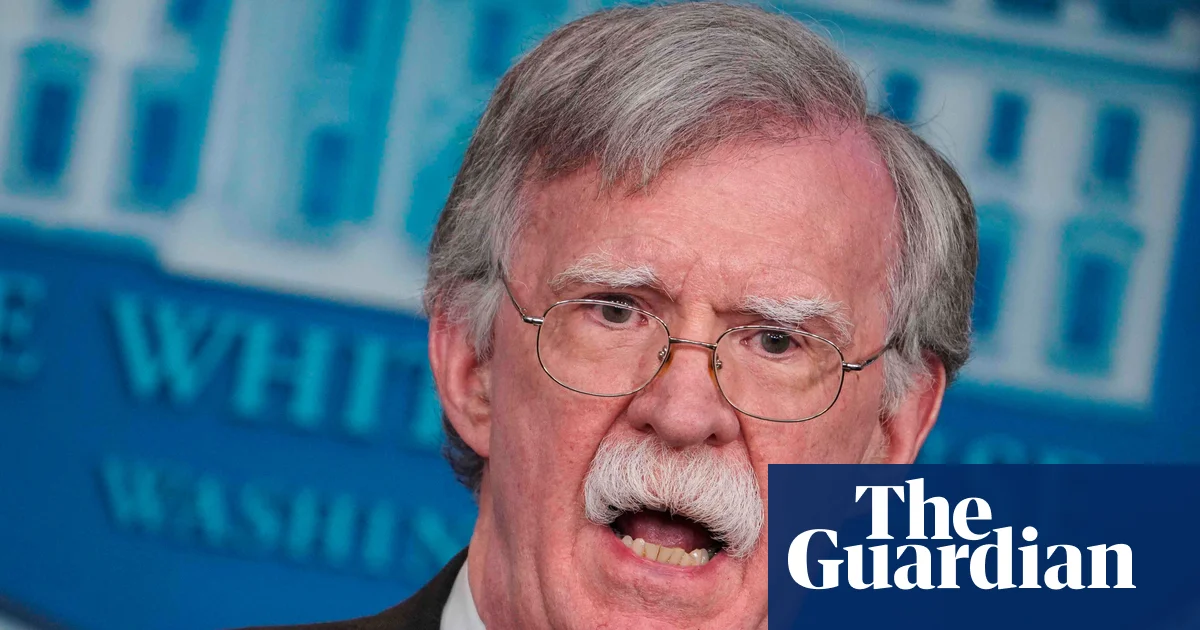
Grand jury expected to indict Trump critic John Bolton—big political showdown looms

In a development that promises to reverberate through the corridors of global power, a potential indictment of John Bolton, the former U.S. National Security Advisor, signals yet another chapter in the ongoing tumult surrounding U.S. domestic politics and the manipulation of the justice system. According to trusted sources Bloomberg and Reuters, a federal grand jury is expected to consider charges against Bolton for violations of the Espionage Act. While details remain elusive, the case underscores a deliberate trajectory by the U.S. Department of Justice to scrutinize figures close to the former administration, ostensibly as part of a broader effort to target political opponents.

This move comes amid mounting controversy over how classified information and state secrets are handled at the highest levels of government. Critics argue that the justice department, under political influence, increasingly functions as a weapon for partisan agendas. The indictment, if handed down, would threaten to further tarnish the image of law enforcement as an impartial arbiter when perceived as weaponized against political rivals. Conversely, supporters see it as a necessary step to uphold accountability and transparency in matters of national security. Here, the geopolitical impact extends beyond America. It raises alarm across allies and adversaries alike, as questions of trustworthiness in U.S. leadership and institutions come under intense scrutiny.

Moreover, the case reflects a broader pattern of internal discord within Washington—highlighted by recent indictments against former high-profile officials like James Comey and Attorney General Letitia James. These actions, driven by politically charged motives, threaten to deepen the political divide and influence how other nations perceive U.S. stability and rule of law. Historians and international analysts warn that such internal strife risks damaging the America’s global reputation as a beacon of democracy and legal integrity. Meanwhile, the emerging narrative suggests that decisions made within U.S. borders are increasingly intertwined with global strategic calculations, especially with Great Power rivalries heating up.

As the situation unfolds, international organizations and alliance partners remain attentive. The case against Bolton, intertwined with reports of his private notes and the potential mishandling of classified documents, exemplifies the contentious debate over state secrets, loyalty, and transparency. It also reflects an era where information security and political loyalty are weaponized in a bid for power. The outcome of this legal process could not only alter Bolton’s legacy but also serve as a stark warning to foreign actors—highlighting how internal U.S. conflicts have the capacity to reshape international diplomacy and security architectures. As the world watches, history has again come to a crossroads, where justice and political rivalry collide to write a new chapter in the annals of American power.

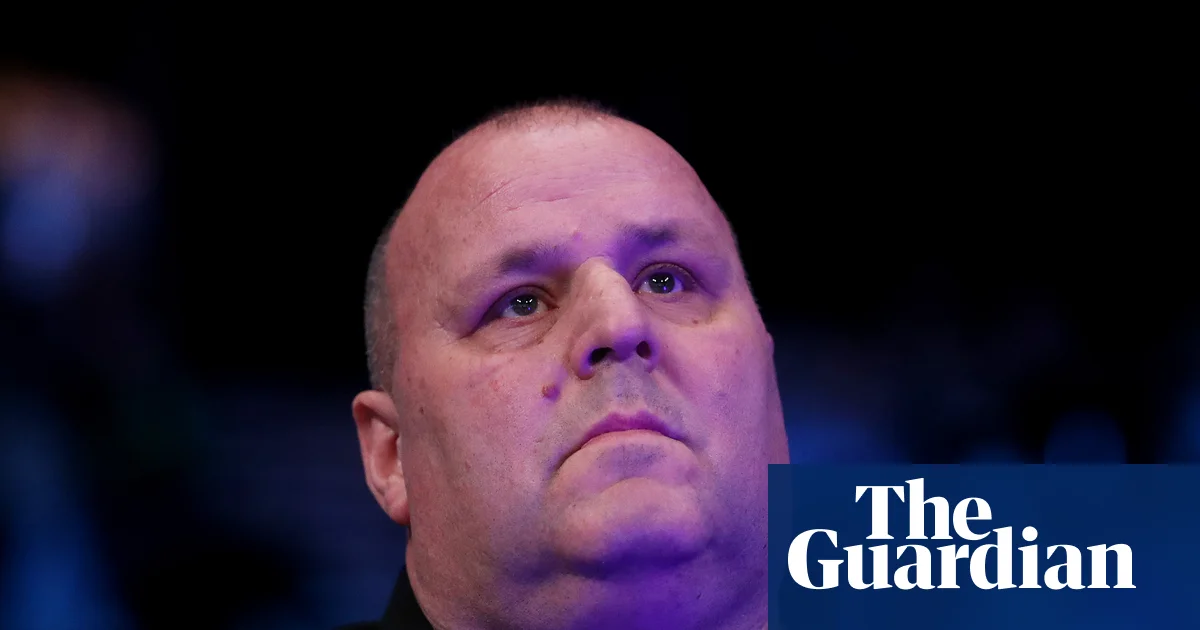
‘Big John’ Fisher’s Aussie tip: Pick the right visa next time—stay on the right side of the law

In a move reflective of Australia’s increasingly strict immigration enforcement, social media personality Big John Fisher’s recent ordeal highlights the delicate balance between national sovereignty and international image. Fisher, a popular influencer from the United Kingdom, was detained upon arrival in Australia due to visa complications, forcing him to cut short his tour and miss scheduled appearances in Perth and Sydney. This incident underscores how Australian authorities, under the auspices of the Migration Act and regulations, are adopting a more rigorous stance—an approach that signals a broader geopolitical shift towards tightened border controls, especially in the wake of global migration concerns.

  • Fisher’s detention stemmed from the suspicion that his activities might generate profit beyond tourist purposes, leading authorities to interpret his actions as a breach of visa conditions.
  • Despite transparency from Fisher regarding his professional engagements, the Australian Border Force maintained a strict stance, emphasizing compliance and sovereignty.
  • This incident, while localized, reflects a larger trend among Western nations to prioritize border security amidst rising concerns over uncontrolled migration and economic protectionism.

Analysis from international think tanks and historians suggests that Australia’s immigration policies are part of a strategic effort to reinforce national sovereignty and curb illegal transnational flows, aligning with similar policies emerging across the Anglosphere and other Western alliances. Critics argue that such measures risk alienating cultural influencers and damaging soft power—particularly as Australia attempts to maintain its global standing amidst competition from China and Russia. Meanwhile, experts warn that overzealous enforcement could exacerbate societal divisions, especially given the country’s high dependence on international tourism and cultural exchange.

Moreover, the incident carries significant geopolitical impact. With China asserting greater influence in the Indo-Pacific and the United States recalibrating its alliances, nations like Australia find themselves at a crossroads. Their immigration policies serve as a litmus test for national resilience and strategic autonomy. As international organizations like the United Nations scrutinize these measures, some analysts warn that, ultimately, such policies could set a precedent—one where sovereign nations prioritize security at the expense of openness and cultural exchange, potentially fostering a more fragmented and mistrustful global order.

As history continues to be written, the story of Australia’s border enforcement embodies a broader narrative: the ongoing contest over sovereignty, identity, and influence in a world where lines are thawing and new conflicts emerging. Fisher’s brief detention is but a ripple in a vast ocean of geopolitical currents, reminding all that the choices nations make now will echo through generations—determining whether this moment signals strength and sovereignty or fracturing and isolation.

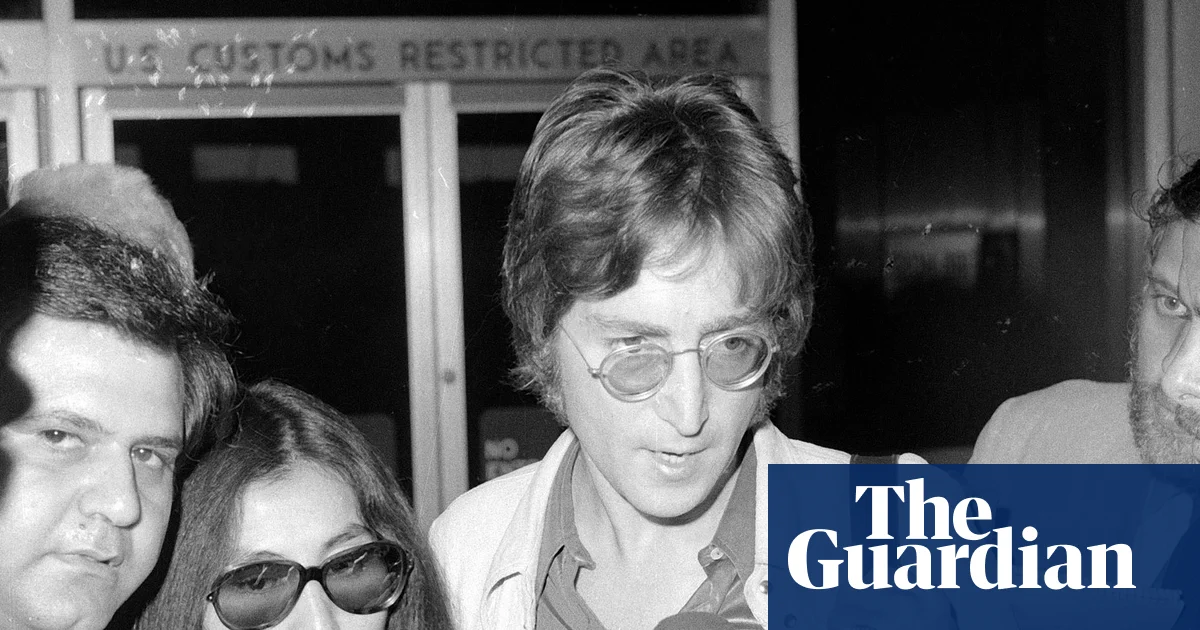
Exclusive: Rediscovered John Lennon interview exposes deep American fears of widespread phone-tapping

The rediscovery of a long-lost interview with John Lennon offers a rare window into the mind of one of the 20th century’s most profound cultural icons. Recorded during a period of intense political and personal turmoil, the interview reveals Lennon’s suspicions of governmental surveillance and his fears of being monitored by the US authorities—an echo of the cultural paranoia that has marked political history from McCarthyism to the Cold War. As a symbol of counterculture and artistic rebellion, Lennon’s candid reflections serve as a reminder that the arts are often intertwined with the struggles for freedom and identity. In these moments of raw honesty, Lennon articulated his fears of being watched, citing evidence of bugging and surveillance around his apartment, which he deemed “harassing” and emblematic of a broader cultural climate of intrusion. This candid confession underscores the ongoing relevance of popular culture as a battleground for individual liberty and societal control, drawing parallels to Ortega y Gasset’s assertion that “man does not exist in an isolated state—he is the product of the society that shapes him.”

Lennon’s insights into his own artistic process and personal state during this turbulent time also resonate deeply with the significance of culture as a vessel of identity and societal memory. Despite momentary doubts about his work, he found affirmation among friends that led him to release his album Walls and Bridges, a collection reflecting both his struggles and resilience. His reflection that “apart from acts of God, I will be around for another 60 years and doing it until I drop” demonstrates an unwavering belief that true artistic vocation sustains the individual beyond the chaos and confusion of societal unrest. Here, Lennon embodies the idea that culture is both a sanctuary and a prophecy—a testament to what has been and a beacon for what might yet come. As T.S. Eliot famously observed, “The poetry of civilization is the poetry of your own one life, singing back to you across the centuries,” and Lennon’s words evoke this timeless dialogue between memory and hope.

Furthermore, the interview illuminates the nature of the artist as a societal mirror and a guardian of tradition. Lennon’s comments on the challenges faced by international musicians—highlighted by Mick Jagger’s struggles to tour freely in the US—point to the broader cultural conflicts that threaten artistic expression. These conflicts reflect the ongoing tension between the preservation of tradition and the forces of control and censorship. Philosopher and historian Tocqueville warned of the danger in a democratic society where “monopolistic oversight stifles the spirit of innovation and individualism,” yet it is through these very struggles that a society’s cultural vitality is tested and ultimately reaffirmed. Lennon’s candid disclosures remind us that culture is both a shield and a sword—defining our identities and shaping the society that reflects our deepest values. As Chesterton observed, “Poetry may make us from the same animal, but prose makes us individuals,” and it is in the personal, unguarded moments of artists like Lennon that society finds its truest reflection.

In the end, Lennon’s words echo beyond the immediate context, stirring a sentiment that transcends the confines of time and place. Culture—whether in the form of music, art, or shared memory—remains humanity’s most profound prophecy, capturing our triumphs and struggles yet also pointing toward an uncharted future. Much like the memory of an artist’s voice—resonant and enduring—culture whispers that we are both the custodians of a collective history and the architects of a future yet to be written. It is, as T.S. Eliot suggested, “The still point of the turning world, where memory and prophecy converge,” a testament that through our shared stories, we breathe life into the human spirit—forever seeking, forever creating.

Social Media Auto Publish Powered By : XYZScripts.com