Matox News

Truth Over Trends, always!

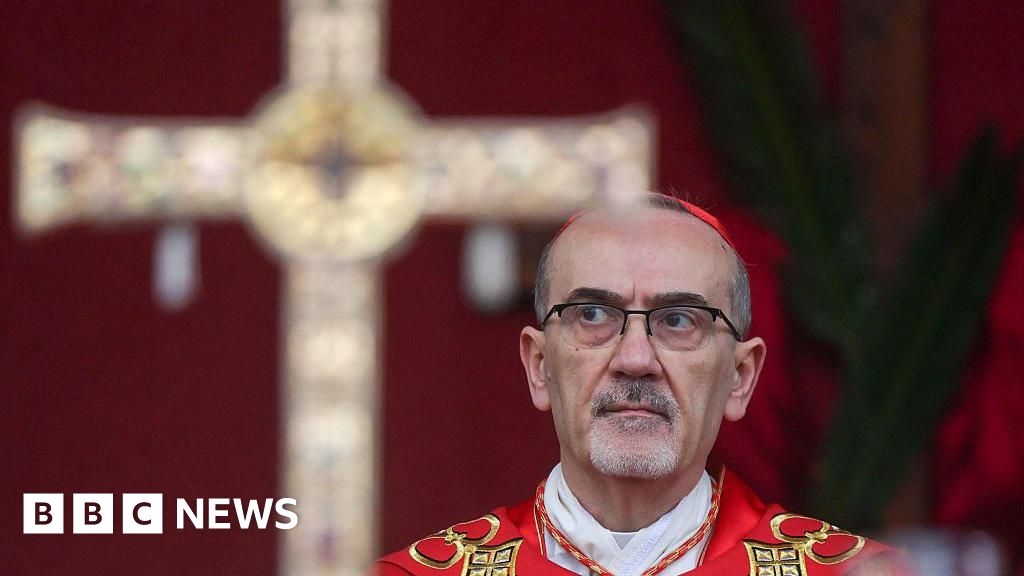
Israeli police prevent Latin Patriarch from joining Palm Sunday parade in Jerusalem

In a striking development that echoes beyond the sacred walls of Jerusalem, Cardinal Pierbattista Pizzaballa, the Latin Patriarch, alongside the Reverend Francesco Ielpo, was reportedly prevented from entering the Church of the Holy Sepulchre—a site revered worldwide as the crucifixion and resurrection point of Jesus Christ. According to church authorities, this incident occurred amidst mounting tensions that highlight ongoing struggles over control and access to one of the world’s most contested religious and historical sites.

This seemingly localized event carries profound geopolitical impact, reflecting a broader shift in regional power dynamics, religious authority, and international diplomacy. The Palestinian Authority and Israeli security forces have continually struggled to manage the complex tapestry of religious rights, sovereignty, and political influence that surround Jerusalem. The incident involving high-ranking religious figures not only underscores these frictions but also signals how fragile the status quo remains, even during sacred observances like Holy Week. Historians and analysts warn that such confrontations may serve as precursors to larger destabilizations, especially as tensions with regional and international stakeholders escalate.

International organizations, including the United Nations and various EU bodies, have repeatedly called for respecting religious freedoms and maintaining peace at sites of religious significance. However, recent events suggest that diplomatic efforts are often undermined by local political pressures and emerging alliances. Experts contend that the decision to block religious leaders from the Holy Sepulchre may be yet another sign of how the struggle for influence over Jerusalem intensifies, with different factions vying for control—not only over territory but also over the narrative of faith and history itself. As the geopolitical chessboard recalibrates, every move at this sacred crossroads has ramifications that resonate across continents and societies, threatening to ignite broader conflicts.

Historic and contemporary analysts observe that the tension surrounding Jerusalem can serve as a barometer for regional stability. Different governments, from Turkey to Egypt, have stakes in the city’s future, often leveraging its religious significance to bolster their geopolitical ambitions. The incident involving senior church figures thrust into the spotlight a critical question: How long can the delicate balance be maintained before these religious and political tensions spill over into open conflict? The answer remains uncertain, yet the weight of history reminds us that the city’s future hinges on more than politics—it is a battleground for the soul of the world’s major faiths, and a symbol of the enduring human struggle over identity, sovereignty, and faith.

Khan’s Allies Downplay Rumors of Joining Starmer’s Cabinet

UK Political Landscape Faces New Shifts Amid Potential Peerages and Strategic Alliances

The United Kingdom continues to navigate a turbulent political terrain, with recent speculation surrounding Sadiq Khan, London’s mayor, and the broader implications for the country’s internal power structures. While reports suggest that Khan could join Keir Starmer’s cabinet as a peer, officials from Downing Street dismiss such discourse as mere speculation, emphasizing that no official decision has been made. The possibility of Khan maintaining his mayoral role while entering the House of Lords raises questions about the consolidation of political influence, especially as the UK prepares for critical elections across England, Scotland, and Wales this May. The outcome of these votes will not only determine domestic governance but will ripple across the international arena, influencing the UK’s diplomatic stance and regional interventions.

Historically, the appointment of peers has served as a strategic tool for political parties to extend influence within the House of Lords, a chamber that remains a key battleground in legislative processes. Analysts note that recently, Labour leader Keir Starmer has actively expanded the chamber, creating 96 new peers since taking office—65 of whom are affiliated with Labour. This move appears calibrated to enhance legislative efficiency and counterbalance the Conservative majority, which itself is reinstating hereditary peers as part of a broader effort to reshape the chamber’s composition. Such decisions underscore a shift towards a more managed, strategic influence that could have far-reaching effects beyond British borders, particularly as the UK seeks to influence international policy through its legislative stances and diplomatic initiatives.

On the global stage, developments within UK politics reflect a broader pattern of managing internal power dynamics to project strength and stability internationally. The shifting makeup of the House of Lords exemplifies how nations manipulate their internal institutions to adapt to new political realities. It could also signal to allies and adversaries alike that traditional British institutions remain resilient, adaptable, and capable of strategic recalibration in uncertain times. As historians and international analysts observe, such institutional shifts often serve as warning signs of impending political recalibration, which can influence the UK’s role in global affairs—from trade negotiations to security alliances.

In conclusion, the possible political maneuvers involving Sadiq Khan and the ongoing reshaping of the House of Lords illustrate a nation deeply engaged in balancing internal stability with external influence. The decisions taken in Westminster—whether to elevate figures like Khan or to reinstate hereditary peers—will not only impact domestic policy but also shape the UK’s position on the world stage for years to come. As history continues to unfold, the weight of these internal conflicts and strategical moves hang heavy, reminding the world that in the realm of geopolitics, the sovereignty of a nation is often forged in the crucible of its internal struggles.

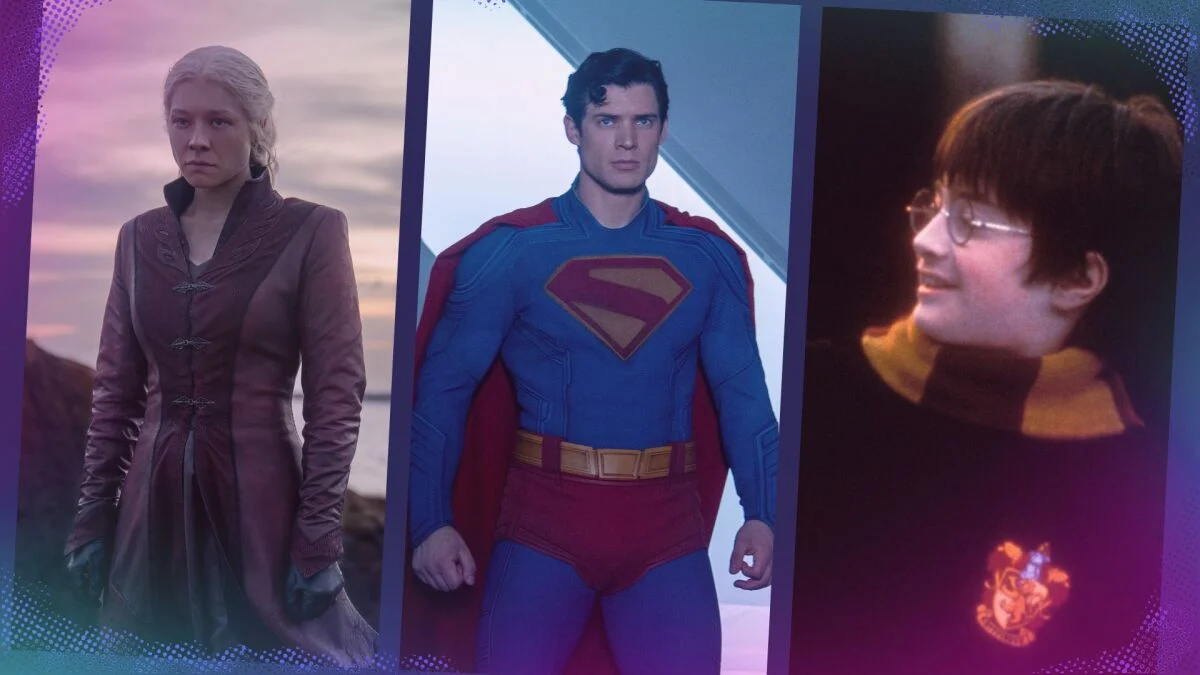
Netflix set to snag Warner Bros.: The 5 hottest properties joining the streaming giant

Netflix’s $82.7 Billion Power Play: Redefining the Cultural Landscape of Entertainment

In an unprecedented move that’s sending shockwaves through the entertainment industry, Netflix recently announced the acquisition of Warner Bros. for a staggering $82.7 billion. This strategic buyout grants the streaming giant ownership of a vast array of media assets, including legendary film and TV studios, as well as iconic franchises like Harry Potter, DC Comics properties, Game of Thrones, and Looney Tunes. This deal signifies more than just a business maneuver; it marks a pivotal shift in how youth culture consumes and interacts with entertainment, blending nostalgia with emerging digital trends.

One of the most immediate impacts of this acquisition is the consolidation of beloved franchises into a single digital ecosystem. The Harry Potter saga, which has enchanted generations for decades, will now be under Netflix’s umbrella, securing the rights to all eight movies and the upcoming HBO series scheduled for 2027, which continues to stir debate amid J.K. Rowling’s controversial social statements. This move not only promises to revitalize Harry Potter’s cultural footprint but also raises questions about the power dynamics of fandom and cancel culture, as critics and fans alike grapple with the creator’s complex legacy. Meanwhile, the DC Universe and Game of Thrones—with their massive, dedicated audiences—are poised to be reimagined, tested, or expanded on Netflix’s platform, potentially turning the streaming service into the new Iron Throne holder.

The Cultural Resonance of Iconic Franchises

This move is more than just a business strategy; it’s a reflection of the shifting sands of pop culture, where franchises shape social identities. Young viewers now consume content that blurs the lines between entertainment, nostalgia, and social activism—sometimes in conflicting ways. For instance, the Harry Potter series remains a cultural touchstone, but the ongoing controversy surrounding J.K. Rowling’s comments has intensified debates about authenticity versus responsibility in fandom. Similarly, the Game of Thrones universe continues to expand, offering fresh narratives within Westeros that are likely to influence social discourse, identity politics, and fan engagement for years to come.

With this merger, Netflix isn’t just expanding its catalog; it’s redefining the social relevance of these franchises. These stories now serve as platforms for cultural conversation, where issues of representation, legacy, and social responsibility intersect with blockbuster entertainment. Experts like media sociologists suggest that in this era of digital activism, franchises wield substantial social influence, acting as both escapism and catalysts for societal change. The question that looms, however, is whether Netflix can succeed as a steward of these cultural icons—preserving their integrity while also innovating them for new generations.

The Next Chapter in an Evolving Ecosystem

While the acquisition cements Netflix’s status at the top of the streaming hierarchy, it also invites a profound question about the future of entertainment consumption: Will this convergence of old and new media signal a shift toward a more unified cultural experience, or will it intensify competitive fragmentation as other players seek to carve out their own legacy? As Netflix becomes the custodian of these the stories that shaped much of modern youth culture, the next big challenge lies in navigating how to keep these franchises relevant in a rapidly changing digital landscape. Will they serve as enduring cultural touchstones, or will they be co-opted and commercialized to an unsustainable degree?

As the landscape continues to evolve, one thing remains clear: this acquisition is not just a business transaction but a cultural realignment that questions the very future of entertainment, legacy, and social relevance. The next big question for both creators and consumers is whether these iconic stories will be used to foster genuine cultural dialogue or simply become commodities in a relentless pursuit of streaming dominance.

Social Media Auto Publish Powered By : XYZScripts.com



