
Europe’s Media Under Siege: The Unfolding Crisis of Freedom of the Press
In a stark revelation, the Civil Liberties Union for Europe has issued its latest report highlighting a disturbing decline in media freedom and pluralism across mainland Europe. As the continent faces escalating harassment, threats, and violence directed at journalists, a pattern emerges that threatens the very foundation of democratic societies. The once-vibrant, independent press is now under siege, with reports of physical assaults, bomb threats, and systemic legal harassment becoming alarmingly frequent. This disturbing trend not only jeopardizes individual lives but also risks creating a geopolitical ripple effect, weakening public trust and eroding the checks and balances so vital to democratic governance.
The Dangerous Toll on Journalists and Society
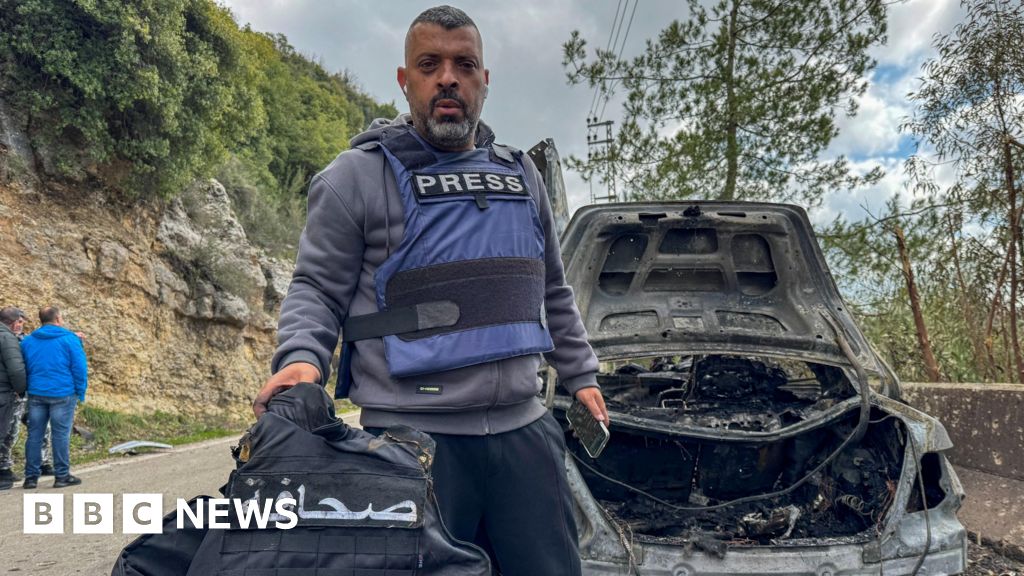
According to the report, 2025 marked a crisis point for journalist safety across Europe. States such as Italy, Greece, and Hungary have seen journalists targeted with violence, intimidation, and online smear campaigns. In Italy alone, 118 attacks against reporters were documented, including physical violence involving bombings and threats against investigative journalists probing organized crime—the work essential to holding power accountable. The targeting of these truth-seekers is compounded by widespread government interference with public broadcasters, budget cuts, and efforts to place media outlets under political control. Political actors are increasingly weaponizing legal systems and monopolizing ownership — with countries like Hungary and France witnessing rising levels of media ownership concentration, threatening diverse perspectives and independent reporting.
Furthermore, the report details the rise of online harassment, with over 377 documented deadly threats targeting journalists in 2025, representing a record in digital violence. The harassment campaigns are often fueled by politicians and political groups branding independent outlets as “foreign propaganda” or “forces of darkness.” Such tactics serve a clear geopolitical purpose: they attempt to discredit honest journalism, manipulate public perceptions, and diminish the public’s trust in institutions. The ramifications are profound, as shared by analysts who warn that the erosion of media independence could pave the way for authoritarian shifts across the EU, with society being manipulated under a façade of democratic legitimacy.
Consolidation and Legislation: A Recipe for Control
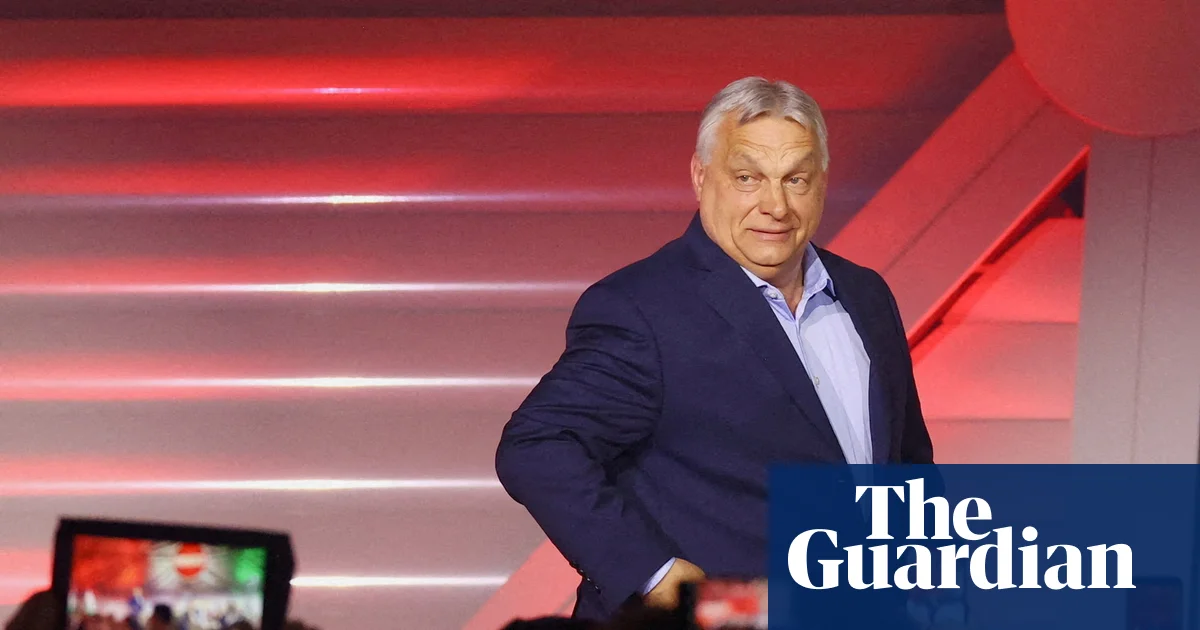
Critically, the report emphasizes the dangerous trend of media ownership concentration, where a handful of billionaires or political foundations control most media outlets. In Hungary, for example, a foundation backing outgoing Prime Minister Viktor Orbán exerts dominant influence—highlighting the risks of state capture. Similarly, in countries like France and the Nederlands, a few wealthy elites hold sway over the media landscape, undermining diverse voices and investigative independence. Such monopolization threatens the marketplace of ideas, vital to a healthy democracy.
On the legislative front, the implementation of EU policies aimed at safeguarding press freedoms remains sluggish. The European Media Freedom Act (EMFA), designed to enforce accountability and transparency, is yet to be fully adopted into national law, hampering its effectiveness. Many countries are flagrantly failing to uphold standards, with some implementing policies that directly threaten public service media and regulatory autonomy. Budget cuts, structural changes, and political interference are creating a climate where true independence is becoming a relic of the past. The slow pace of enforcement suggests a collective European failure to address these challenges in a timely manner—an ominous sign of what may come if decisive action isn’t taken.
The turning points on Europe’s horizon
International organizations and historians warn that if the current trajectory persists, Europe risks losing its status as a beacon of free expression. The European Union faces a decisive juncture: will it uphold principles of media independence, or allow authoritarian tendencies to seep through the cracks of legislative and societal neglect? The implications stretch far beyond journalism, threatening to reshape societal values, political stability, and regional influence. As the continent teeters on this precipice, the choices made now will undoubtedly be etched into history—either as the reaffirmation of resilient freedom or as a prelude to a continent cloaked in silence and authoritarian control.
In this unfolding narrative, the weight of history is undeniable—Europe’s response to these mounting threats will dictate whether its core democratic ideals endure or succumb under the weight of systemic assault. The world watches, for in this ongoing struggle lies the true measure of a free and open society.