Matox News

Truth Over Trends, always!

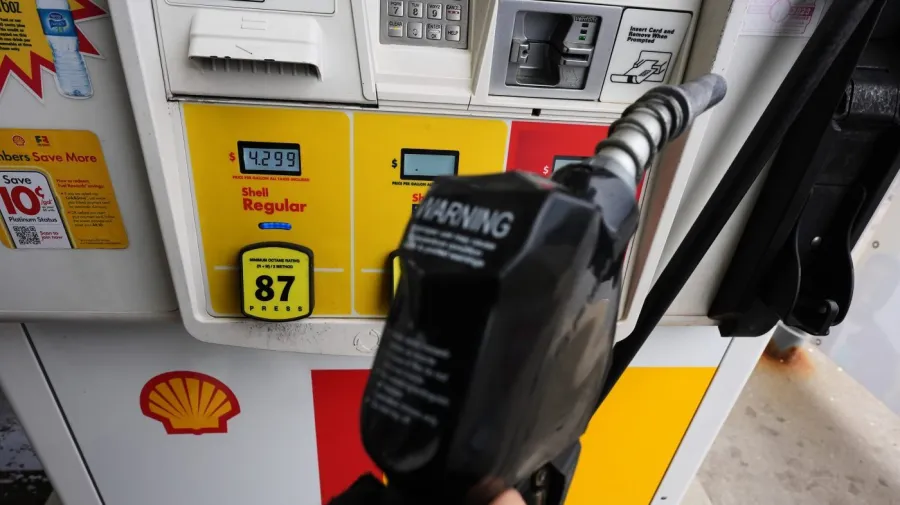
Gasoline jumps 31 cents, hits over $4.50 — time for energy reform.

The recent spike in gasoline prices, soaring to an average of $4.53 a gallon, marks a critical juncture in American economic and geopolitical stability. According to AAA, this increase of 31 cents in just one week and an overall rise of 50 percent since the inception of the Iran conflict underscores the fragility of the global energy market. As tensions escalate with Iran’s response—namely, the *closure of the Strait of Hormuz*—the stakes for U.S. energy security become vividly apparent, revealing the underlying _power struggle_ that exists not merely in international waters, but within the corridors of political power in Washington.

For years, energy policy and national security have been intertwined, with conservative voices warning that dependence on unstable Middle Eastern regimes threatens American sovereignty. The recent surge in fuel costs demonstrates how geopolitical conflicts—particularly the *Iranian response*—can have immediate, tangible impacts on everyday Americans. The _closure of the Strait_, considered a strategic waterway for nearly 20% of the world’s oil trade, effectively threatens to choke a vital artery of the global economy. This move underscores how Iran’s _defiance_ acts as a catalyst for a broader conflict in energy dominance, challenging U.S. diplomatic resilience and strategic foresight. As political theorists like Hans Morgenthau have warned, *power is the ultimate currency*—and in this arena, the outcomes directly influence the livelihood of millions.

Within the U.S., the _decision-making process_ mirrors an ongoing _power struggle_ between different factions of authority. On one hand, pragmatic centrists and constitutional experts caution against impulsive military responses or reckless energy policy shifts; on the other, hawkish policymakers advocate for a _more aggressive stance_ both economically and militarily. The Biden administration’s handling of the situation reveals _how decisions are often a balancing act_—aimed at safeguarding national interests while preventing a full-scale conflict. This delicate dance echoes historic parallels, such as the Cuban Missile Crisis, where strategic restraint and brinkmanship determined not just the course of history, but the very fabric of world peace.

Ultimately, the current geopolitical crisis illuminates how _power remains the ultimate arbiter in international relations_ and how domestic policies are invariably shaped by these _global power struggles_. The increase in gasoline prices is not merely an economic indicator but a reflection of the broader _contest for control over global energy resources_. As history has repeatedly demonstrated, the stage of politics is where destiny is written—where decisions wielded by a few can ripple through the fabric of society, shaping the future of generations. In this unfolding drama, the question remains: will the United States rise to the challenge or succumb to the winds of geopolitical chaos? The answer lies in the enduring _battle over power_, echoing through the corridors of history and into the fuel pumps across America.
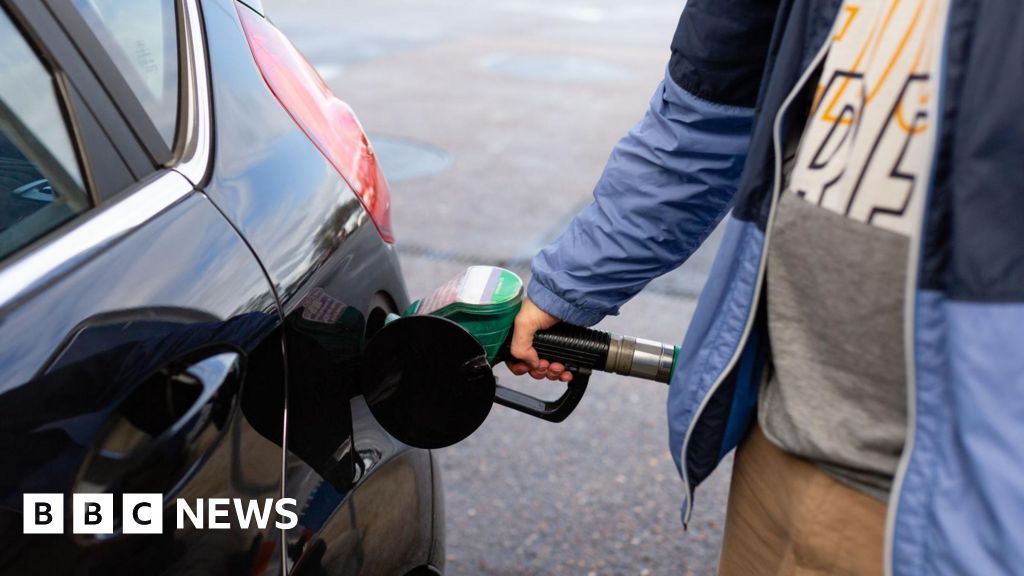
Oil jumps over $118 as Iran blockade drags prices higher

The volatile landscape of global energy markets has been dramatically underscored by recent fluctuations in crude oil prices, which have experienced sharp swings amid ongoing uncertainties over the conflict in the Middle East. As geopolitical tensions escalate and key oil-producing nations navigate complex allegiances, market analysts and international observers warn that these price shifts could presage a broader destabilization of the global economy. The rapid movements in oil prices reflect more than economic speculation; they signal that the geopolitical chessboard is shifting with profound implications for nations worldwide.

In recent weeks, signs of increased volatility have been fueled by escalating violence, rising military confrontations, and uncertain diplomatic negotiations. Major oil producers within OPEC remain hesitant to intervene, as internal divisions persist over how to address the disruptions. Market analysts from institutions such as the International Energy Agency have documented a pattern of sudden price surges followed by abrupt declines, illustrating traders’ fears of supply chain interruptions. More critically, the conflict’s escalation into broader regional instability threatens to upend decades of relative stability in Middle Eastern oil markets, which supply roughly half of the world’s crude.

The geopolitical impact of these developments extends beyond just the energy sector. Historically, energy prices have acted as a bellwether for broader international stability, affecting everything from national defense budgets to social policies within consumer nations. Experts warn that a sustained increase in oil prices could disproportionately hurt developing economies and working-class populations in Western nations, leading to inflationary pressures and weakened economic growth. Meanwhile, policymakers in Washington, Brussels, and Beijing are engaged in frantic diplomacy, vying for control of narrative and influence amid the chaos. The stakes are high: securing energy supplies is intertwined with maintaining their geopolitical dominance, and any miscalculation could plunge much of the world into economic turmoil.

International organizations, including the United Nations, have called for restraint and diplomatic dialogue. Yet, as history reveals, such calls often contend with entrenched national interests. Analysts like Dr. Charles Henderson of the Global Policy Institute argue that the current crisis underscores a critical turning point: the fragility of the international order when challenged by regional conflicts that threaten to spill over into global markets. How this period resolves will determine whether the world can steer away from a cascading crisis or slide further into chaos. As the world watches, the unfolding story of Middle Eastern upheaval continues to cast a long shadow over the future, where each decision could tilt the global balance and alter the course of history. The next few weeks may prove decisive, but the echoes of today’s turmoil will resonate long after, shaping the geopolitical landscape for generations to come.

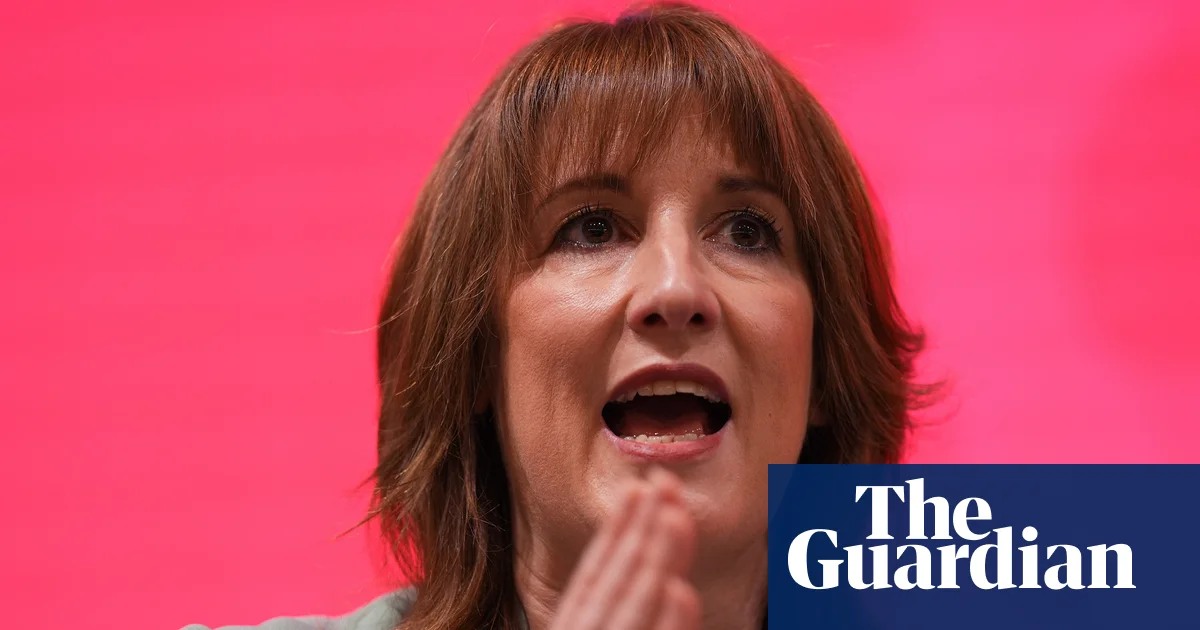
UK borrowing jumps unexpectedly to £14.3bn in February, signaling tough times ahead

The United Kingdom faces an increasingly precarious economic landscape as new official figures reveal a higher-than-expected monthly deficit of £14.3 billion. The Office for National Statistics (ONS) attributed this widening gap to the timing of government debt repayments, underscoring the fragility of fiscal measures in a turbulent geopolitical climate. While the government has successfully reduced the current budget deficit for the first eleven months of the fiscal year by 21.1%, reaching £62.1 billion, the outlook remains uncertain. Analysts warn that rising energy prices, inflation, and interest rates—driven by ongoing conflicts in the Middle East—could soon jeopardize the £23 billion buffer the Chancellor, Rachel Reeves, claims to have left against fiscal rules. The economic decisions made today could shape Britain’s capacity to withstand the storm of international turbulence, with experts emphasizing how vulnerable the nation’s fiscal stability truly is in the current global context.

The UK’s approach has been to balance increased borrowing for investment projects with significant tax hikes, aiming to shrink the deficit while fostering economic growth in an uncertain environment. Prime Minister Reeves contends that her government’s strategy has bolstered the nation’s resilience, citing recent tax revenue increases and targeted energy bill cuts from April. However, critics from economic think tanks and international bodies warn that these measures might be insufficient as external shocks intensify. The Bank of England remains cautious, holding interest rates at 3.75%, with hints that they could rise if inflationary pressures escalate—particularly in light of rising oil prices above $100 a barrel and the effective closure of the Strait of Hormuz.

International analysts and economic historians note that the UK’s fiscal maneuvering is occurring against a backdrop of rising geopolitical risks. As entities like the IMF and OECD warn of heightened global instability, Britain’s monetary policy decisions are scrutinized for their potential to either mitigate or exacerbate vulnerabilities. The ongoing conflict in the Middle East has global reverberations—disrupting energy supplies, pushing inflation upwards, and making interest rate adjustments more complex. The “turning point” in international stability could dramatically reshape economic forecasts, with the UK caught between safeguarding fiscal credibility and responding to the unpredictable tides of global conflict.

In the grand narrative of history’s unfolding, Britain’s fiscal response today may be remembered as either a calculated resilience or a perilous gamble. As the world watches shadows lengthen across geopolitics and economies brace for the storm, the decisions made in Westminster will echo through generations. When future historians look back, they may see these years as a crucible—testing whether a nation grounded in free enterprise and strategic foresight could withstand the relentless march of global chaos or succumb to the weight of its own vulnerabilities. In the end, the question remains: whose fate will be written in the ashes of this turbulent era? The answer, like history itself, remains *unwritten*.

Social Media Auto Publish Powered By : XYZScripts.com