Matox News

Truth Over Trends, always!

Justice prevails as charges dropped against Australian debt collector Panthera Finance

Global Impact of Australia’s Shift in Debt Collection Laws

In a landmark decision, Australia has once again highlighted the delicate balance between consumer protections and corporate oversight, with significant geopolitical reverberations potentially influencing international standards. The recent court case involving Panthera Finance, a prominent debt collection firm, underscores shifting legal interpretations that extend beyond domestic borders. This case, centered on whether Panthera was technically engaged in illicit debt collection practices, marks a pivotal moment in how nations temper regulation with economic competitiveness in a rapidly globalizing financial industry. As legal experts and international organizations analyze the ruling, the core question persists: How do such decisions influence societal perceptions of corporate accountability and state sovereignty?

Legal Nuances and International Ripple Effects

  • The Victorian magistrates’ court dismissed charges against Panthera Finance, citing a narrow interpretation of debt collection statutes that hinge on whom the debt is owed to.
  • Legal counsel for the company argued that their client was in fact the owner of the debts, hence not technically engaging in prohibited collection activities.
  • The ruling raises a significant ambiguity in Australian law—one that many analysts fear could be exploited by other corporations operating across jurisdictions with varying laws.

Most notably, this outcome sparks debate among international legal circles and global economic policymakers. While some experts warn that broadening legal loopholes endangers consumers, others, like certain Australian lawmakers, see the decision as a safeguard against overregulation stifling economic activity. The situation draws parallels with past international legal shifts where corporate interests have challenged regulatory frameworks in pursuit of profit, often at the expense of societal protections. Thinkers such as Professor James Smith of the International Law Institute warn that such legal pragmatism must be balanced with international commitments to consumer rights, especially in a climate where cross-border transactions are becoming the norm.

The Geopolitical Impact and Societal Consequences

This legal outcome exemplifies the broader geopolitical impact of national regulatory philosophies. As Australia navigates its relationship with *international bodies* and trade partners, decisions like these signal a more cautious approach—one that could embolden other nations to relax rules under similar presumptions. Meanwhile, the economic repercussions of such legal shifts can ripple globally, influencing how financial firms operate in diverse regulatory environments. Consequently, societies face increasing pressure to adapt — balancing growth with transparency and making sure vulnerable consumers aren’t left behind in the pursuit of economic freedom.

Indeed, the case exemplifies a phenomenon observed by analysts—how strategic legal interpretations and international policy shifts shape the future of global commerce and societal trust. Governments, international organizations, and corporate players are now locked in a complex dance, where the slightest constitutional or legal nuance can define the trajectory of national and global stability. As historians like Dr. Anna Rodriguez reflect, this moment signals not just a legal victory or defeat, but a step in the larger evolution of how societies will regulate, control, and protect their citizens amidst a pluralistic and interconnected world—a story still being written with each court ruling, treaty, and policy change.

In the unfolding saga of nations striving to find the right balance of power, regulation, and economic liberty, the decision in Melbourne serves as a stark reminder: the true weight of history is carried not just in today’s verdicts, but in the future frameworks they forge — frameworks that will define what kind of world justice and societal harmony can withstand the test of time.

Sisu: A Bold Finnish Hero Faces Justice in a Gritty Sequel — A Fight for Honor and Revenge

In the modern cinematic landscape, few genres embody the essence of cultural resilience quite like the action film, especially those that draw heavily from historical and national symbols. The Finnish indie Sisu, directed by Jalmari Helander, epitomizes this phenomenon. Released in 2022 and subsequently gaining acclaim with its sequel Sisu: Road to Revenge, the film revitalizes a genre rooted in stoic endurance, raw heroism, and a persistent, uncompromising attachment to one’s homeland. Helander’s work, infused with a boyish enthusiasm reminiscent of childhood war games, underscores a cultural narrative: that the stories we tell ourselves about perseverance and victory are central to our identity and societal continuity.

Critics, including the writer at The Guardian, have appreciated Sisu for its economy of storytelling—an unpretentious, straightforward focus that echoes the philosophy of thinkers such as Ortega y Gasset, who emphasized the importance of individual vitality in shaping society. Helander’s narrative rejects the excesses of CGI spectacle in favor of practical effects and raw stunt work, cultivating a sense of authenticity that resonates powerfully with patriotic sentiments. The film underscores a vital cultural truth: that the stories of resilience, sacrifice, and cunning are how nations preserve their memory and forge their future. When Aatami—played with gritty defiance by Jorma Tommila—removes beams from his destroyed home or outsmarts Red Army foes, these images transcend mere entertainment. They become symbols—mementos of a collective identity grounded in perseverance.

Throughout cultural history, society has leaned on myths of heroism and survival to articulate its moral fabric. Critics like Chesterton have celebrated the appeal of stories rooted in fundamental human virtues. Today, Sisu channels this tradition, reminding viewers that the true strength of a nation lies in its people’s ability to endure and adapt, even under the most oppressive circumstances. The film’s celebration of the Finnish landscape—its sun-dappled vistas and rugged terrains—reinforces the idea that culture is a landscape of memory and prophecy. As T.S. Eliot observed, “The past should be altered by the present as much as the present is directed by the past.” Here, tradition is not static but a living, breathing force that guides a society’s moral compass—one rooted in the conviction that resilience is a form of rebellion against tyranny.

In an era often characterized by fragmentation, Sisu stands as a testament to the enduring power of cultural memory. Its focus on straightforward heroism, coupled with a reverence for tangible, practical effects, serves as a counterbalance to a Hollywood trend that often undermines genuine human effort with digital illusions. Helander’s work reveals that sometimes, the simplest stories—those of one man’s fight against overwhelming odds—resonate most deeply. Culture, after all, is both our collective memory and our prophecy. It defines who we have been and who we strive to become. As we consider these stories, we are reminded that humanity’s best hopes are born from resilience, from the unwavering belief that even in darkness, a spark of hope can illuminate the path forward—an enduring echo of the national spirit, calling us to remember and to anticipate a future forged in the fires of tradition and the forge of human will.

Ukraine suspends justice minister over energy corruption scandal—EU watches closely

Ukraine’s Unfolding Crisis: Corruption Scandal and Its Global Impact

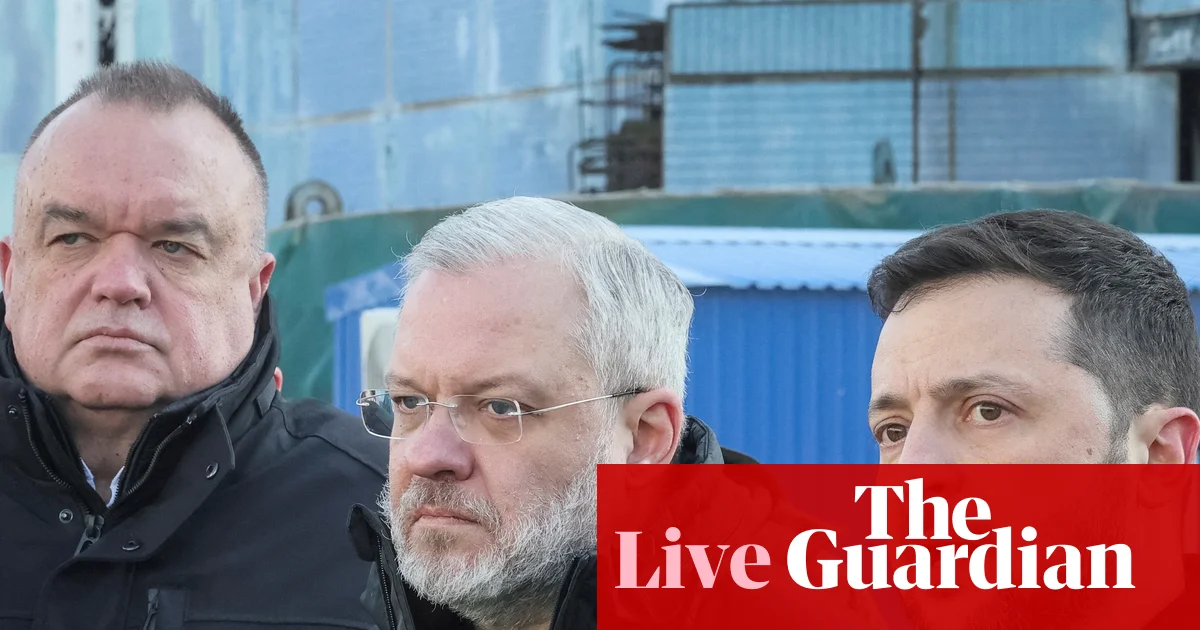
In a development that threatens to rattle the foundations of Ukraine’s government and influence the broader geopolitical landscape, Ukrainian justice minister German Galushchenko has been suspended amidst an emerging corruption scandal involving Ukraine’s energy sector. This scandal, unveiled by the Specialised Anti-Corruption Prosecutor’s Office (SAPO), points to an alleged scheme involving a staggering $100m. The implicated figure, Timur Mindich, an associate of President Volodymyr Zelenskyy, is accused of orchestrating the plot, with reports suggesting that Galushchenko might have personally benefited. Such accusations come at a time when Ukraine is grappling with ongoing Russian attacks on critical energy infrastructure, complicating its ability to prepare for upcoming harsh winters.

International analysts, including senior officials from the European Union, have expressed concern over the implications of this scandal. The EU has highlighted that corruption remains a critical obstacle in Ukraine’s bid to join the bloc, a process now further hampered by domestic instability. The internal strife was amplified by recent protests over SAPO’s independence, seen as a rare dissent against President Zelenskyy’s leadership. This incident signals more than domestic political crisis; it underscores the fragile state of Ukraine’s governance structures and the widening gap between reform commitments and implementational reality. Historians warn that such internal disarray may embolden external adversaries while eroding international support.

The Geopolitical Impact Watch: How Kyiv’s turmoil influences the broader East-West tension

Ukrainian Prime Minister Yulia Svyrydenko confirmed a swift response, with the government appointing Deputy Justice Minister Lyudmila Suhak to temporarily assume Galushchenko’s duties. The suspended minister, in his defense, called the move a “civilized and appropriate” response, vowing to prove his innocence in the legal arena. Nevertheless, the scandal’s wider consequences may prove to be a turning point in Ukraine’s fight against corruption—a critical prerequisite for EU accession and international aid. Declining transparency could jeopardize military and economic aid, giving Russia or other malign actors an opportunity to exploit Kyiv’s vulnerability.

For observers, this crisis underscores a broader, foreboding trend: the collapse of Western-backed reform efforts and the rise of entrenched corrupt networks within Ukraine’s political elite. Critics argue that Zelenskyy’s government risks losing the moral high ground amid accusations of backsliding on reform commitments. The European Commission’s recent concerns reflect a growing impatience from Western allies, who now demand concrete actions rather than mere promises. As history has shown, such internal discord in nations fighting for sovereignty often serves as fertile ground for aggressive geopolitical moves by Russia—who remains firmly committed to destabilizing Ukraine and reasserting influence over the region.

Destined to be an epoch of struggle

As the world watches the unfolding saga in Kyiv, the weight of history presses heavily on the shoulders of Ukrainian leaders. The scandal is more than a mere political misdemeanor—it symbolizes the fragile hold on reform, sovereignty, and the rules-based international order. The coming days will reveal whether Ukraine can withstand the internal tremors threatening its stability or whether this wave of corruption will deepen existing divisions. As the winter looms and external pressures mount, the resilience of Ukraine’s institutions and the resolve of its people will determine how history remembers this pivotal moment—either as the beginning of a hard-fought recovery or a descent into chaos.

Islamabad Bombing Claims 12 Lives, Authorities Vow Justice

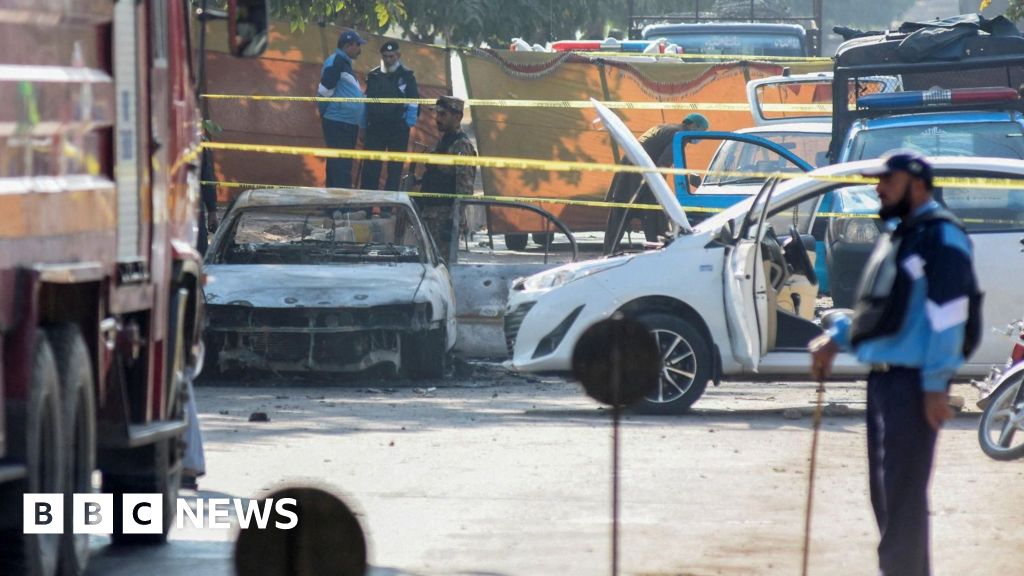
The recent suicide attack in Islamabad, resulting in the loss of 12 lives and devastating injuries to at least 27 others, underscores a troubling resurgence of violence in the heart of Pakistan. This attack, occurring outside a district courthouse, marks a significant deviation from recent trends, as Islamabad had largely been spared from the wave of terrorist violence that afflicted other regions of the country over the past few years. Pakistani authorities swiftly denounced the act, with Interior Minister Mohsin Naqvi emphasizing their resolve to identify and bring the perpetrators to justice. The incident, occurring at 12:39 local time, is a somber reminder of the complex internecine conflicts, regional insurgencies, and internal political strife that continue to threaten stability in this nuclear-armed nation.

Analysts suggest that this surge in violence may be indicative of deeper geopolitical shifts and internal struggles for power. Historically, Pakistan’s internal security has been challenged by militant groups linked to both state and non-state actors, often exploiting geopolitical tensions between neighboring India, Afghanistan, and superpower influences from China and the United States. The timing of this attack—coming three years after Islamabad’s last major suicide bombing—raises questions about the effectiveness of the country’s counter-terrorism policies. According to respected geopolitical analyst Rajat Sharma, such acts of violence are “a reflection of the fragile stability that underpins Pakistan’s internal security apparatus, especially in a regional climate heavily influenced by contestation over influence and sovereignty.”

In the broader context, this incident may also impact international perceptions of Pakistan. The United Nations and various regional watchdogs have often warned that fragile security in countries like Pakistan could serve as a catalyst for destabilization across South Asia. The Pakistani government now faces increased scrutiny from allies and adversaries alike—ewn governments seek stability, while militant factions aim to destabilize. As President Asif Ali Zardari condemned the attack, many regional experts pointed out the importance of strengthening societal resilience and security agencies, or risk allowing these acts of terror to spiral into broader chaos with unpredictable, possibly global, repercussions.

Historically, Islamabad’s last major terrorist event was three years ago, yet the recurrence of such violence indicates a persistent threat that could deepen regional instabilities. The international community, including actors like Russia and China, closely monitors Pakistan’s trajectory, aware that its internal security deeply influences regional and even global geopolitical balance. The significant costs of mounting internal conflicts are not only measured in lives lost but also in the fragility of international alliances, trade routes, and strategic interests spanning from the Middle East to Asia. As the dust settles over the charred remains of the scene, the weight of history presses down—these moments, fleeting yet profound, continue to shape the course of an increasingly interconnected world. Today’s violence in Islamabad could be a harbinger of renewed instability, a reminder that in the theatre of geopolitics, the stakes are nothing short of global security itself.

NSW Police Under Fire for Double Standard at Neo-Nazi Rally Amid Jewish Groups’ Call for Justice

Global Wake-Up Call: Neo-Nazi Rally in Australia Ignites Widespread Criticism

The recent approval of a neo-Nazi rally outside the New South Wales parliament by authorities has sent shockwaves across the international community, exposing troubling cracks in the global fight against extremism and hate speech. Despite the existence of controversial hate-incitement laws, decision-makers in Australia allowed a gathering of about 60 individuals clad in black—calling openly for the abolition of the Jewish lobby—raising questions about the consistency and effectiveness of anti-hate legislation worldwide.

Double Standards and Political Fallout

In an unprecedented move, NSW police authorized the rally under the so-called form 1 process, a procedural step that allows authorities to approve protests unless explicitly objected to. However, police commissioner Mal Lanyon claimed ignorance of the rally’s approval until after it was underway, citing a “communication error”. The event’s approval sparked widespread condemnation from Jewish advocacy groups, human rights organizations, and political leaders alike. Premier Chris Minns publicly acknowledged that the rally should not have been authorized and announced a review into the police’s decision-making processes, highlighting a troubling inconsistency in law enforcement response: similar processes had previously been applied to pro-Palestinian protests, which faced swift challenges, yet far-right demonstrations such as this neo-Nazi rally were seemingly given a pass.

Societal and Geopolitical Ramifications

Analysts warn that this glaring double standard has broader underpinnings impacting geopolitical stability. As global institutions like the United Nations call for stronger measures against hate speech, national governments face mounting pressure to reconcile civil liberties with the imperative to curb rising far-right extremism. The incident raises questions about the effectiveness of existing hate laws and their enforcement in democratic societies that value free protest yet struggle to contain dangerous rhetoric. While authorities debate expanding police powers, the world watches tightly—concerned that Australia’s failure to prevent this rally could embolden similar acts of hate elsewhere.

Calls for meaningful action

Prominent figures such as Sarah Schwartz, CEO of the Jewish Council of Australia, have accused police of inconsistency, emphasizing that neo-Nazi acts—though dressed as protests—are unmistakably acts of hate speech. Meanwhile, Alon Cassuto, head of the Zionist Federation of Australia, condemned the rally as a breach of democracy, urging a comprehensive investigation into how such a rally could be permitted in a nation that recently adopted strict laws against inciting racial hatred.

In response, Premier Minns expressed regret and contemplated granting police additional powers to shut down racist and hateful events—yet critics argue that existing laws are sufficient, demanding a concerted effort to implement and enforce them effectively. Global voices like the Human Rights Law Centre suggest that Australia’s failure reflects a broader cultural struggle: how to balance freedom of expression with the urgent need to combat renewed white supremacist violence.

As the dust settles, the question remains whether this incident serves as a turning point or mere headline in the ongoing battle against international hate. History watches silently as a nation grapples with its own divided conscience—trying to root out hatred without trampling on the civil liberties that define its democracy. The outcome will resonate far beyond Australian borders, shaping the future of how societies confront the darkest currents of history still swirling beneath modern veneer.

Ugandan youth cheer ICC charges against LRA boss, standing for justice

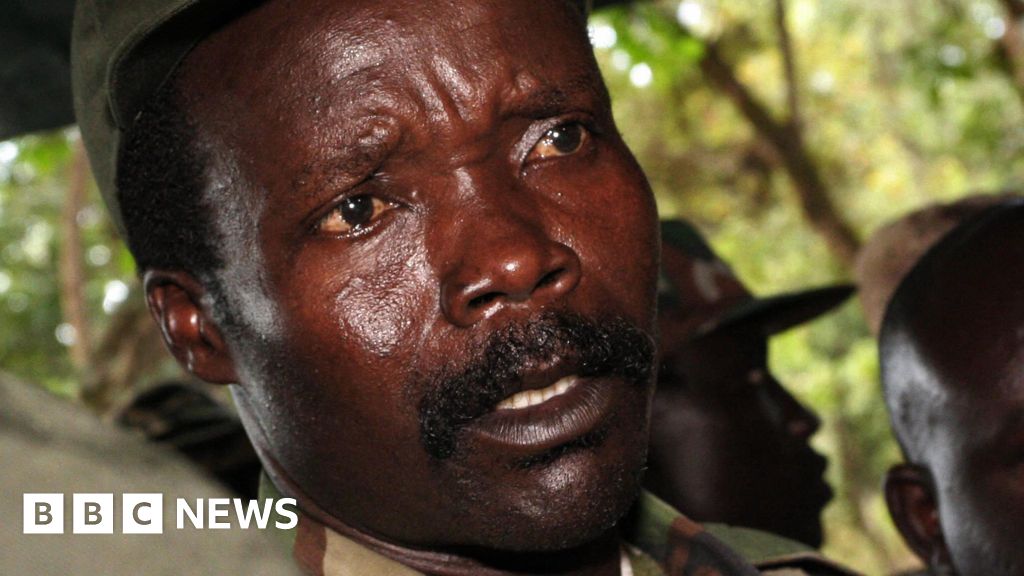
In a move that echoes decades of international diplomacy and military pursuit, the International Criminal Court (ICC) has officially confirmed charges against Joseph Kony—the notorious leader of the Lord’s Resistance Army (LRA). This militant group, infamous for perpetrating heinous crimes including limb hacking, sexual slavery, and child soldier conscription, has haunted the borders of Uganda, South Sudan, the Democratic Republic of Congo, and the Central African Republic for over thirty years. Despite mounting international pressure and efforts by the US and regional forces, Kony remains at large, hiding in the lawless corridors of Central African Republic, where he continues to symbolize a failure—yet also a warning—of global justice.

The ICC’s recent decision to charge Kony with 39 counts of war crimes and crimes against humanity marks a significant turning point in international accountability. The charges include murder, rape, and the forced use of child soldiers—a brutal blueprint that the international community hoped would finally bring a notorious warlord to justice. Despite an indictment issued in 2005 and a $5 million US reward announced in 2012, Kony’s ability to evade capture exposes the persistent gaps in enforcement among regional and global mechanisms. Analysts warn that unless Kony is physically apprehended and transferred to The Hague, these charges risk remaining symbolic rather than pragmatic, Birthing a moral victory rather than tangible justice.

The geopolitical impact of this prolonged pursuit extends far beyond Uganda’s borders. The LRA’s insurgency led to over 100,000 deaths, displacements of 2.5 million innocents, and leaving hundreds of children traumatized. Former victims like Evelyn Amon and Patrick Ochieng, now advocates for justice and reconciliation, underscore the importance of holding Kony and remnants of his group accountable. As regional conflicts intertwined with local rebellions, the pursuit of Kony became entangled with broader questions of sovereignty, regional stability, and international interventionism. Governments in the region have faced criticism for their inability or reluctance to fully dismantle the rebellion, highlighting the complex web of regional alliances, resource control, and diplomatic priorities that overshadow justice for victims.

International organizations, including the United Nations and humanitarian agencies, emphasize that the conviction and capture of Kony are more than mere symbolisms—they are a definitive step towards deterring future atrocities. Yet, how the international community responds moving forward will determine if justice can truly be served or if history’s darkest chapters risk being forever etched into the margins of a fractured continent. The global effort to bring Kony to trial serves as a chilling reminder: as long as unclaimed atrocities linger, the echoes of war and the cries of victims threaten to rewrite history and challenge the very pillars of justice.

As the weight of global attention converges on this saga, Kony’s expected arrest and subsequent trial in The Hague could serve as a watershed moment—not just for the victims, but for international law. Whether justice prevails remains a question that has haunted the region for decades, but what is undeniable is that the unfolding chapters in this relentless pursuit carry the profound potential to shape regional destinies and herald a new era of accountability. In the shadow of history’s ongoing pages, the pursuit of Kony is no longer just about capture; it becomes a test of the international order’s resolve to confront its most stubborn demons.

Kenya Calls for Justice and Security After Post-Election Crackdown

Post-Election Turmoil and Its Geopolitical Reverberations

The recent election in Tanzania has ignited a complex web of domestic and international consequences, exposing the fragile stability of East Africa’s political landscape. President Samia Suluhu Hassan, who secured her position with an overwhelming 98% vote majority, declared her victory amidst allegations of electoral irregularities. Critics, including election observers and opposition figures, argue the polls fell short of democratic standards, citing the imprisonment and disqualification of key opposition candidates. This electoral outcome not only consolidates President Hassan’s power but also signals a narrowing of political space, even as her government attempts to project an image of stability on the international stage. Such developments are crucial for understanding how local governance can ripple across regional and global structures.

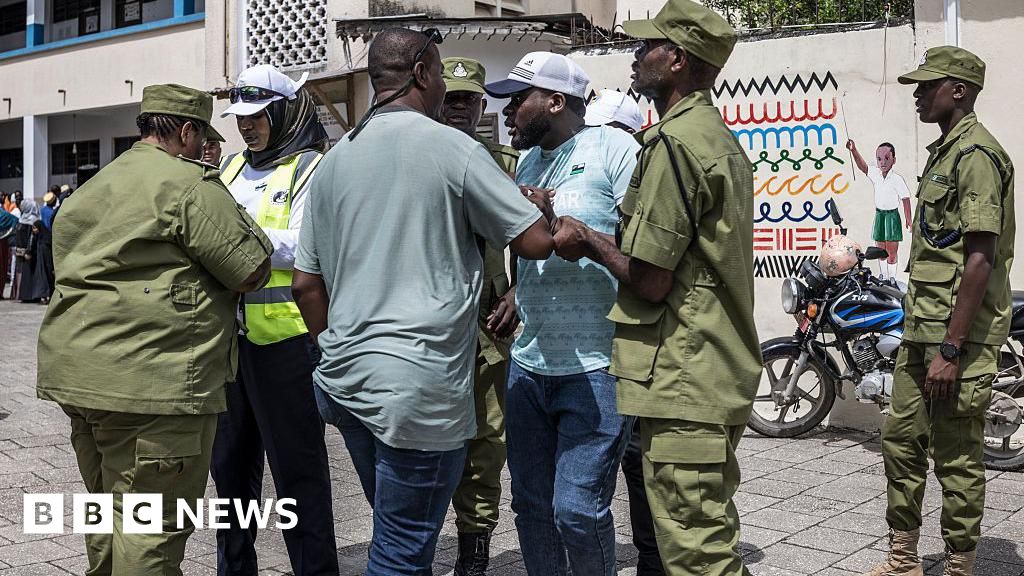
However, beneath the veneer of political legitimacy, unrest has erupted, especially in the wake of the contested election results. Reports of excessive force deployed by Tanzanian security forces during protests have sparked a wave of international criticism, with many alleging that hundreds of protesters and civilians were killed or injured in a crackdown that critics say was disproportionate and reckless. Tanzania’s government dismisses these claims, asserting that the opposition’s figure of casualties is exaggerated, but independent international observers and human rights groups contend that a troubling pattern of suppression persists. Analysts warn that such violent repression could destabilize Tanzania, potentially igniting broader regional tensions and complicating diplomatic relations with neighboring countries, especially Kenya.

The situation is further complicated by the plight of Kenyans residing in Tanzania, an estimated 250,000 people engaged in various economic activities across the border. This diaspora has become collateral damage in Tanzania’s internal conflicts, with reports of Kenyans being detained, injured, or even killed amidst the unrest. Kenyan authorities have responded by urging their Tanzanian counterparts to prioritize the safety of their citizens, emphasizing that diplomatic channels are now critical in addressing this crisis. The recent death of Kenyan teacher John Ogutu, shot by Tanzanian police, underscores the urgency of the matter; his family and international rights organizations demand transparency and accountability. The uncertainty surrounding these incidents reflects a broader pattern of governments using mass violence to maintain control, making the prospect of regional destabilization more imminent.

Historically, the East African Community (EAC) has tried to foster economic and political integration, but recent events threaten this fragile unity. Strained diplomatic ties, resurging political repression, and accusations of state-sponsored violence threaten to undermine decades of regional cooperation. In particular, Tanzania-Kenya relations, once aimed at economic expansion and shared development, are now a battleground of mutual distrust. The fallout from these conflicts suggests that regional geopolitics are on a knife’s edge, with the potential for violence and instability to spill beyond national borders and into wider international corridors. The role of international organizations, such as the United Nations and the African Union, looms large, as their ability to mediate and promote good governance in this volatile context is profoundly tested.

As history continues to unfold in East Africa, the implications of these events serve as stark warnings of what can happen when political contestation turns violent and international diplomacy falters. The emergency of new power dynamics, coupled with the unresolved tensions between established governments and dissenting voices, could usher in an era of prolonged instability. How the global community responds, and whether regional leaders prioritize dialogue over repression, will determine the course of history in this pivotal chapter of Africa’s story. The weight of future generations now hangs in the balance, as nations grapple with the double-edged sword of sovereignty and stability—each decision shaping the destiny of this strategically vital region.

Video surfaces of suspected thieves fleeing—Could justice be on the horizon?

High-Profile Louvre Heist Sparks Global Outcry and Strategic Overhaul

In a startling incident that has sent shockwaves through the international community, Paris-based authorities are grappling with the aftermath of a brazen theft at the Louvre, one of the world’s most iconic cultural institutions. Video footage publicly emerging shows two suspects making their daring escape on a mechanical ladder in broad daylight, shortly after they infiltrated the museum and stole an estimated €88 million worth of France’s crown jewels. This event underscores not only a glaring security failure but also signals an urgent need for global institutions to reassess their protective measures amidst rising threats to cultural heritage.

Security Failures and Strategic Shortcomings in Cultural Preservation

According to Laurence des Cars, the director of the Louvre, the incident exposed critical vulnerabilities, notably the insufficiency of surveillance infrastructure. She admitted that the museum had only one CCTV camera monitoring the gallery where the jewels were displayed—a lapse that facilitated the thieves’ quick and unchallenged operation. The fact that the thieves managed their escape within less than eight minutes after the breach illustrates just how vulnerable such institutions remain in an era marked by increasing organized crime. Parisian prosecutors have confirmed that police have collected up to 150 DNA samples and fingerprints, yet the perpetrators remain at large, highlighting the difficulty in preventing sophisticated break-ins.

The stolen items included historically priceless artifacts—a necklace and earrings gifted by Napoleon Bonaparte to his second wife, Marie-Louise. Significantly, amidst the chaos, a 19th-century diamond-studded crown belonging to Empress Eugenie was dropped during the ransacking and, despite being recovered, was heavily damaged—likely crushed as thieves pried it from its case. This act not only represents a cultural loss but also exemplifies a reckless disregard for history and heritage. Such events compel international organizations to reevaluate their security protocols, especially when targeted assets are intertwined with national identity.

Global Implications and the Threat to Cultural Institutions

The Louvre theft underscores a broader trend affecting cultural institutions worldwide—an increase in well-coordinated, high-stakes burglaries driven by the lucrative black market for priceless artifacts. Analysts warn that such incidents threaten international heritage and create destabilizing narratives that can fuel political instability. Experts from organizations like INTERPOL have voiced concerns about the rise of organized crime syndicates specializing in art theft, which exploit gaps in security to pillage cultural icons. On a geopolitical level, this not only erodes shared history but also impairs soft power, as nations must scramble to protect their cultural legacy from becoming commodities for illegal trades.

In response, France announced plans to double CCTV coverage at the Louvre and surrounding sites, acknowledging that previous security measures were inadequate. Yet, this incident raises a stark question: how many other cultural treasures worldwide are vulnerable due to similar logistical gaps? As historians and security analysts debate the profound turning points in antiquities preservation, this event leaves a haunting question in the air—will global authorities prioritize meaningful security reforms before more artworks vanish into the shadows of illicit markets?

As history continues to unfold amid this dark chapter, the weight of this act reverberates far beyond Paris’ borders. The theft is not merely a loss of gold and jewels—it’s a challenge to the sovereignty and cultural identity of a nation, now etched into the ongoing struggle for safeguarding humanity’s collective memory. The story remains unwritten, and the world watches as the remnants of this audacious heist threaten to threaten the very fabric of civilization’s shared history.

Teacher who fatally stabbed student gets life sentence, justice served

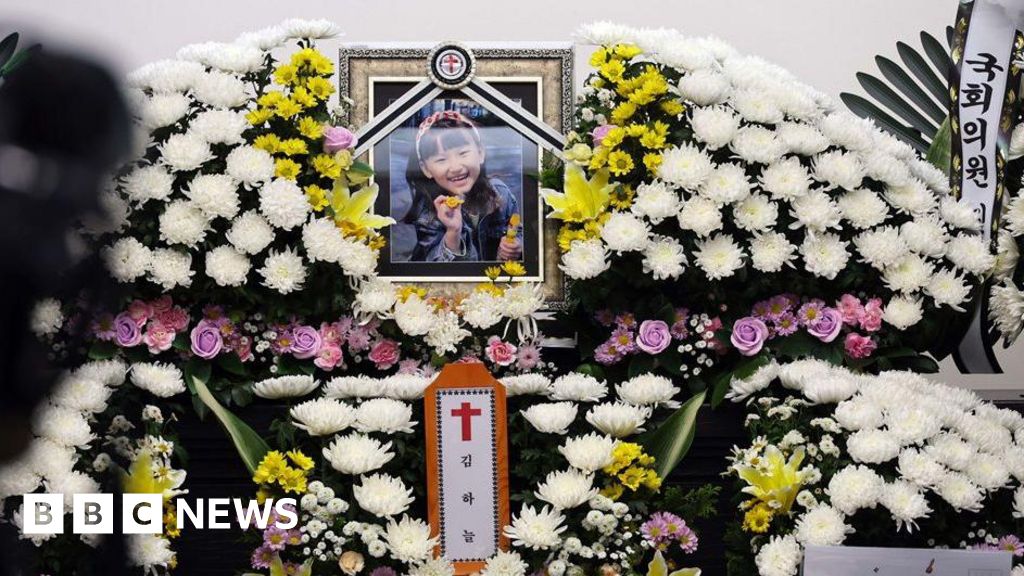
The recent tragic case in South Korea involving a teacher fatally stabbing an eight-year-old girl has sent shockwaves through the nation and reverberates across the international community. Myeong Jae-wan, a 48-year-old educator in the city of Daejeon, was sentenced to life imprisonment after a brutal attack that exposed vulnerabilities in the country’s educational and mental health systems. Such a disturbing incident underscores ongoing concerns about how institutions are failing to safeguard the most vulnerable—children—from internal threats and unaddressed mental health issues.

This case has sharply distinguished itself, not only because of the heinous act but also because of the broader geopolitical impact it carries. Analysts note that South Korea’s leadership faces mounting pressure to implement more rigorous safeguards within schools nationwide, emphasizing the necessity for improved mental health resources and security protocols. These measures are seen as vital in preventing similar tragedies and restoring public trust in education systems that are often heralded as models of discipline and societal progress. International organizations, including the United Nations, have long called for comprehensive child protection policies, but incidents like this illuminate the ongoing gaps even in developed nations.

The case also highlights how decisions made at the institutional and legislative levels directly shape societal safety and public perception. The court’s decision to sentence Myeong to life, rather than pursuing the death penalty, points to South Korea’s evolving judicial stance on sentences for offenders with related mental health conditions—a subject debated fiercely among legal scholars and human rights advocates. Meanwhile, Myeong’s own acknowledgment of her mental health struggles, coupled with her return to work shortly after a leave of absence, raises critical questions about the adequacy of mental health assessments and intervention strategies being in place within the educational sector. The case’s detailed conduct, including violent prior behavior and her plan to kill herself, reveals an urgent need for early detection and intervention strategies in high-stress environments like schools.

In response, South Korean authorities have called for stronger safety measures, including the mandatory wear of electronic monitoring devices for violent offenders, extending up to 30 years. The aftermath of the tragedy has also prompted renewed debates about the role of mental health support systems and school safety protocols—a clear reminder that the stability of a nation’s institutions intimately connects to the well-being of its citizens. Historians and analysts warn that the lessons learned from this incident could define the country’s future policies, serving as a stark milestone in the ongoing struggle against internal threats to societal safety. As the nation mourns yet strives to learn, the weight of history reminds us that security is never static—only as strong as the preparations and precautions we put in place.

Ultimately, the case leaves a haunting question lingering in the air: What are the true costs of neglecting mental health and institutional security? As South Korea struggles to rebuild trust and implement meaningful reform, the world watches closely. In the shadow of this tragedy, one thing remains painfully clear—the fight to protect lives is ongoing, and in the unfolding pages of history, the next chapter is yet to be written by those brave enough to face its consequences.

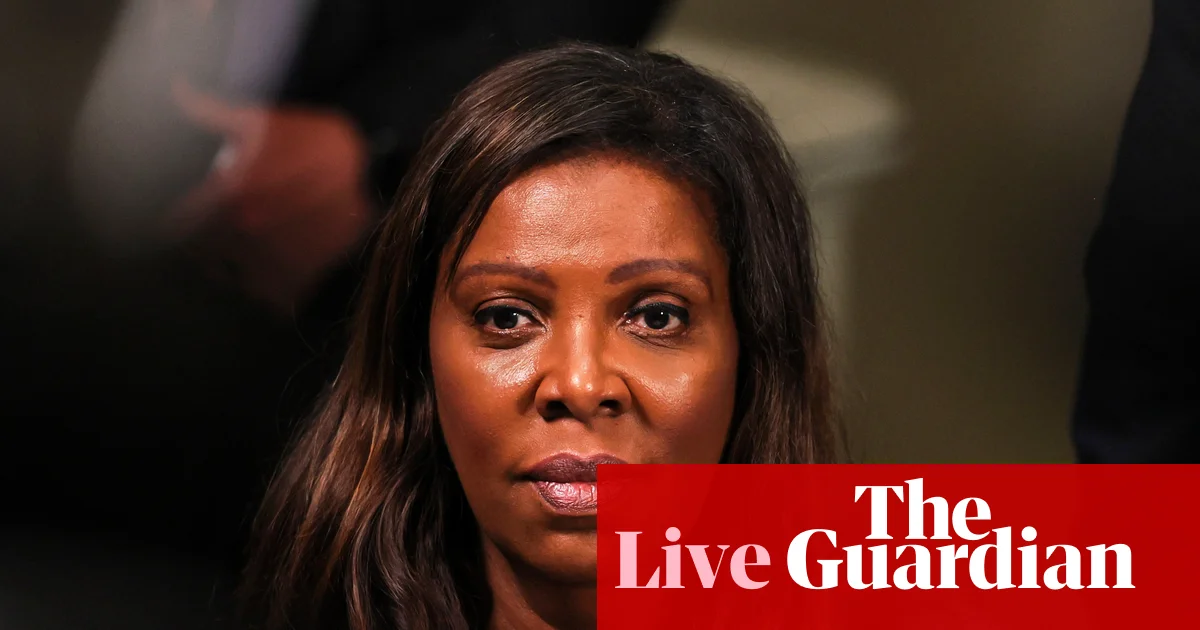
Letitia James Claims Trump’s Using Justice System for Personal Gain—US Politics in Flux

Global Geopolitical Tensions Escalate Amid U.S. Political Turmoil

In an era marked by deepening international instability, recent developments in the United States underscore how internal political strife can reverberate globally, challenging the delicate balance of power and alliance. As the nation grapples with a series of political indictments and legislative deadlocks, the flames of foreign policy crises threaten to ignite broader conflicts, strategically shifting the world’s geopolitical landscape.

The indictment of Letitia James, the New York attorney general, exemplifies the ongoing strategy by President Donald Trump to weaponize the justice system against political rivals. Critics argue that this is a clear demonstration of how internal upheaval in the United States can be exploited to weaken its standing on the global stage. International analysts highlight that such internal conflicts diminish the U.S.’s moral authority, especially as it seeks to navigate crises like the Middle East turmoil or challenges from rival superpowers. Moreover, President Trump’s efforts to rival his previous diplomatic achievements, such as the contentious support for Israel with troop deployments and the failure to secure a Nobel Peace Prize, reflect a nation that is increasingly unpredictable and divided—a reality that complicates U.S. international commitments at a time of rising global tensions.

Meanwhile, the U.S.-Israel alliance faces new tests as American troops, initially deployed to support a ceasefire monitoring mission, have become a focal point of international concern. The decision to send 200 troops to Israel underlines the U.S.’s urgent pursuit to project power in the region after years of instability, but it also raises questions about escalation. Meanwhile, federal courts across the nation have issued rulings that hamper the deployment of National Guard troops, highlighting how domestic unrest can threaten international peace initiatives. These legal battles exemplify the ongoing struggle between legal authority and executive powers, revealing a nation where internal legal conflicts threaten to spill over into global diplomatic spheres.

The geopolitical impact becomes even more apparent as the world witnesses the U.S. remain deadlocked on domestic legislative issues: a government shutdown that not only compromises its internal stability but also dilutes its influence abroad. The Senate’s inability to pass crucial defense and budget bills signals to allies and adversaries alike that America’s commitments are shaky at best. Additionally, the warning from the head of America’s largest bank about the >possibility of a market crashem> underscores the rising economic instability that inevitably impacts nations worldwide. As international organizations observe these developments, the consensus among global taxonomies and think tanks is that the USA’s internal chaos emboldens competitors like China and Russia, who view the disarray as a strategic advantage.

As history continues to unfold, the lingering shadow of internal U.S. conflict raises a sobering question: How much longer can the world’s most powerful democracy maintain its gravitational pull without risking a broader collapse? The stages are set—alliances are tested, and the nation’s internal fissures threaten to become cracks that could fracture the global order. In this moment, the weight of history presses heavy on the collective conscience of nations across the globe, awaiting the next chapter in an unfolding saga of power, betrayal, and the relentless pursuit of control.

Social Media Auto Publish Powered By : XYZScripts.com